Edi Durjana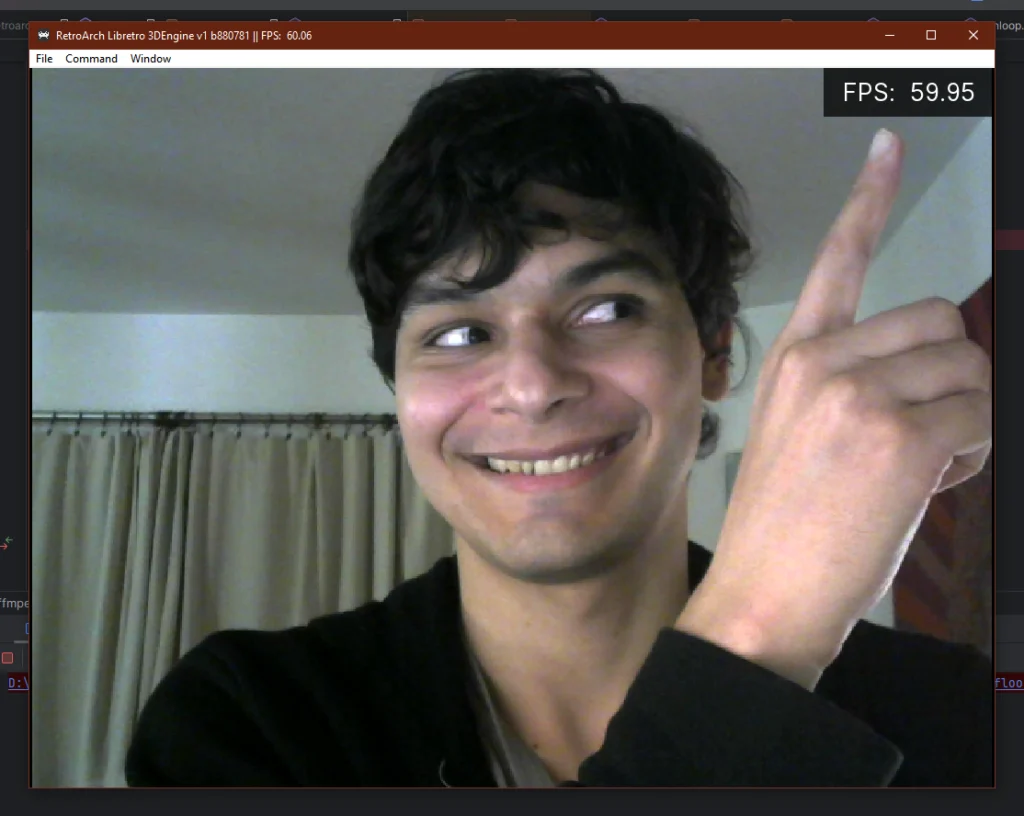
The highly anticipated RetroArch 1.20.0 update has officially been released, marking a significant milestone in the evolution of digital preservation and retro gaming. This latest iteration introduces groundbreaking features, most notably a sophisticated CRT beam simulation shader developed in collaboration with industry luminaries, and unprecedented illuminance sensor support for Linux, allowing for more authentic gameplay experiences. Users can now download the new version directly from the official RetroArch platforms page, continuing the project’s enduring commitment to providing a feature-rich, open-source emulation platform without commercial encumbrances.
RetroArch, as the unifying frontend for the Libretro API, has consistently championed a user-first philosophy since its inception. This ethos is reflected in its operational model: a staunch refusal to integrate in-app advertisements, monetization SDKs, or paywalled features. Instead, the project thrives on the goodwill and financial contributions of its dedicated community. Support channels include direct donations, Patreon subscriptions, GitHub Sponsors, and purchases from the official Teespring merchandise store, underscoring a development paradigm rooted in community empowerment and shared vision rather than corporate funding. This unique approach has allowed RetroArch to maintain its independence and prioritize technological innovation and user experience above all else, distinguishing it within a competitive software landscape.
Revolutionizing Visual Fidelity with Shader Subframes
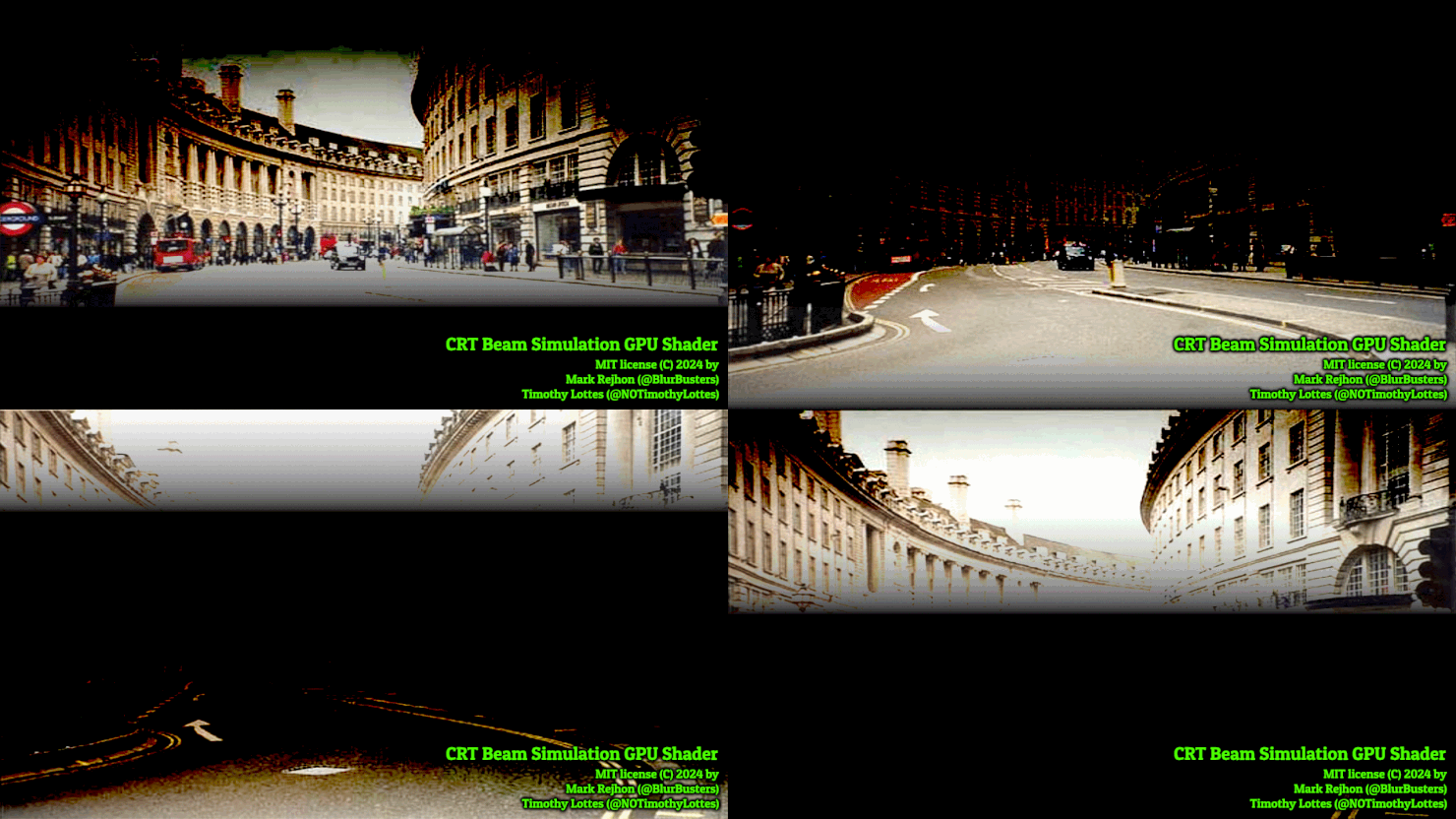
At the forefront of the 1.20.0 update is the introduction of a revolutionary CRT beam simulation shader, a collaborative effort between Mark Rejhon of BlurBusters fame and Timothy Lottes, the renowned creator of the original FXAA shader and the highly regarded crt-lottes shaders. This cutting-edge visual enhancement leverages RetroArch’s recently implemented "subframe" shader capabilities to deliver an unparalleled level of motion clarity on modern display technologies.
For decades, enthusiasts have grappled with the inherent differences between classic Cathode Ray Tube (CRT) displays and contemporary flat-panel screens. CRTs, with their "impulse-type" display characteristics, where pixels illuminate briefly before darkening, offered superior motion clarity, virtually eliminating motion blur. Modern LCD and OLED panels, however, are "sample-and-hold" displays, meaning pixels remain lit until the next frame, often resulting in noticeable motion blur, especially in fast-moving retro games. Previous attempts to mitigate this, such as Black Frame Insertion (BFI), involved inserting black frames between game frames to mimic CRT behavior. While effective to some extent, BFI often came with significant drawbacks: a noticeable reduction in brightness, dulled colors, and the risk of image persistence – a non-permanent but concerning form of image retention that can occur on many LCD and OLED panels.
The new CRT beam simulation shader ingeniously sidesteps these limitations. By precisely manipulating the rendering pipeline and display refresh cycles at a subframe level, it simulates the intricate scanline and phosphor glow characteristics of CRTs with remarkable temporal accuracy. This advanced technique provides the crisp motion rendition and authentic visual artifacts of vintage displays without the sacrifices in brightness or color vibrancy associated with BFI. The collaboration with experts like Mark Rejhon, whose work at BlurBusters is synonymous with display motion clarity, and Timothy Lottes, a pioneer in graphics shader development, underscores the technical sophistication behind this feature. It represents a significant leap forward in the quest for pixel-perfect emulation, offering retro gamers an unprecedented level of visual authenticity that was once thought impossible on modern hardware. This innovation not only elevates the aesthetic experience but also provides a more faithful representation of how these classic games were originally intended to be seen, preserving a crucial aspect of their artistic and technical heritage. The Libretro team has provided a dedicated article for those seeking deeper technical insights into this groundbreaking shader, highlighting its potential to redefine visual standards in emulation.
Immersive Gameplay: Linux Illuminance Sensor Support
Beyond visual enhancements, RetroArch 1.20.0 introduces a fascinating new dimension to gameplay immersion: illuminance sensor support for Linux. This feature, spearheaded by developer Jesse Talavera, addresses a long-standing challenge in emulating games that relied on unique, real-world interactions. The most prominent example is the Game Boy Advance title Boktai: The Sun Is Your Basetard, which famously incorporated a real-time solar sensor into its game cartridge, requiring players to physically expose their Game Boy Advance to sunlight to progress. This innovative mechanic, while groundbreaking at the time, made authentic emulation incredibly difficult, often requiring players to manually adjust in-game light settings, thus breaking the original design’s immersion.
With the new illuminance sensor support, Linux users, particularly those on devices like the Steam Deck equipped with ambient light sensors, can now play Boktai and similar titles with real-world light integration. Jesse Talavera demonstrated this capability with a compelling video clip showcasing Lunar Knights (the Nintendo DS sequel to Boktai) running on a Steam Deck, with the game’s environment dynamically reacting as ambient light levels were adjusted. This direct connection between the physical environment and the virtual game world restores a vital layer of authenticity that was previously absent in emulated versions.
This feature holds profound implications for game preservation and accessibility. By bridging the gap between historical hardware mechanics and modern emulation platforms, RetroArch ensures that unique gameplay experiences, once tied to specific peripherals, can be accurately enjoyed by future generations. The announcement also teased further advancements, including solar sensor support for the melonDS DS core in its next update, and the impending arrival of camera support for a wider array of platforms. These developments open doors for the accurate emulation of numerous other games that utilized external cameras or specialized sensors, from the PlayStation 2’s EyeToy to the Game Boy Camera, promising an even richer and more faithful retro gaming experience across a broader spectrum of titles. This commitment to replicating original gameplay mechanics underscores RetroArch’s dedication to holistic preservation, extending beyond mere visual and audio fidelity to encompass the full interactive intent of game developers.
A Foundation of Community and Open-Source Principles
The continuous evolution of RetroArch, exemplified by the 1.20.0 update, is a testament to its unwavering commitment to open-source development and a community-driven model. The project’s decision to eschew traditional commercial funding mechanisms is not merely an ideological stance but a strategic choice that ensures its development remains entirely beholden to its users. This freedom from corporate pressures allows the Libretro team to prioritize features that truly enhance the emulation experience, rather than those driven by market trends or monetization strategies.
RetroArch’s reliance on community support through platforms like Patreon, GitHub Sponsors, and merchandise sales highlights a sustainable model for independent software development. While specific figures fluctuate, the collective contributions from thousands of patrons and sponsors provide the necessary resources for developers to dedicate time and expertise to the project. This collaborative funding model fosters a direct relationship between developers and users, creating a feedback loop that informs future updates and ensures the project’s trajectory aligns with the community’s desires. It also empowers individuals to directly contribute to the preservation of gaming history, making them active stakeholders in RetroArch’s ongoing success.
Broader Impact and Future Outlook
The release of RetroArch 1.20.0 solidifies its position as a vanguard in the emulation landscape. The new CRT beam simulation shader sets a new benchmark for visual authenticity, demonstrating that modern hardware, when paired with sophisticated software techniques, can faithfully reproduce the nuanced visual characteristics of vintage displays. This advancement is likely to influence other emulation projects and potentially even inspire modern game developers to explore similar temporal rendering techniques for stylistic or artistic purposes.
Similarly, the illuminance sensor support for Linux represents a significant stride in restoring original gameplay mechanics. It underscores a growing trend in emulation to move beyond simple ROM loading to encompass a more comprehensive recreation of the original gaming environment, including unique peripherals and external interactions. As hardware continues to integrate more advanced sensors and cameras, RetroArch’s framework is well-positioned to leverage these capabilities, pushing the boundaries of what is possible in terms of immersive and authentic retro gaming. The anticipation for future updates, including broader camera support and continued sensor integration, reflects the community’s excitement for these possibilities.
While the detailed changelog for version 1.20.0 typically includes a multitude of bug fixes, performance optimizations, and updates to various cores (emulation modules for specific systems), the spotlight remains firmly on these two marquee features. These updates not only enhance the immediate user experience but also reinforce RetroArch’s role as a critical tool for digital preservation, ensuring that the rich history of video games remains accessible and authentically playable for generations to come. The ongoing challenge for the Libretro team will be to maintain compatibility across an ever-expanding array of hardware and operating systems, adapt to new technological advancements, and continue fostering a vibrant community of contributors and users, all while upholding its core principles of openness and user-centric development. RetroArch 1.20.0 is not just an update; it is a reaffirmation of a vision for the future of retro gaming.