Edi Durjana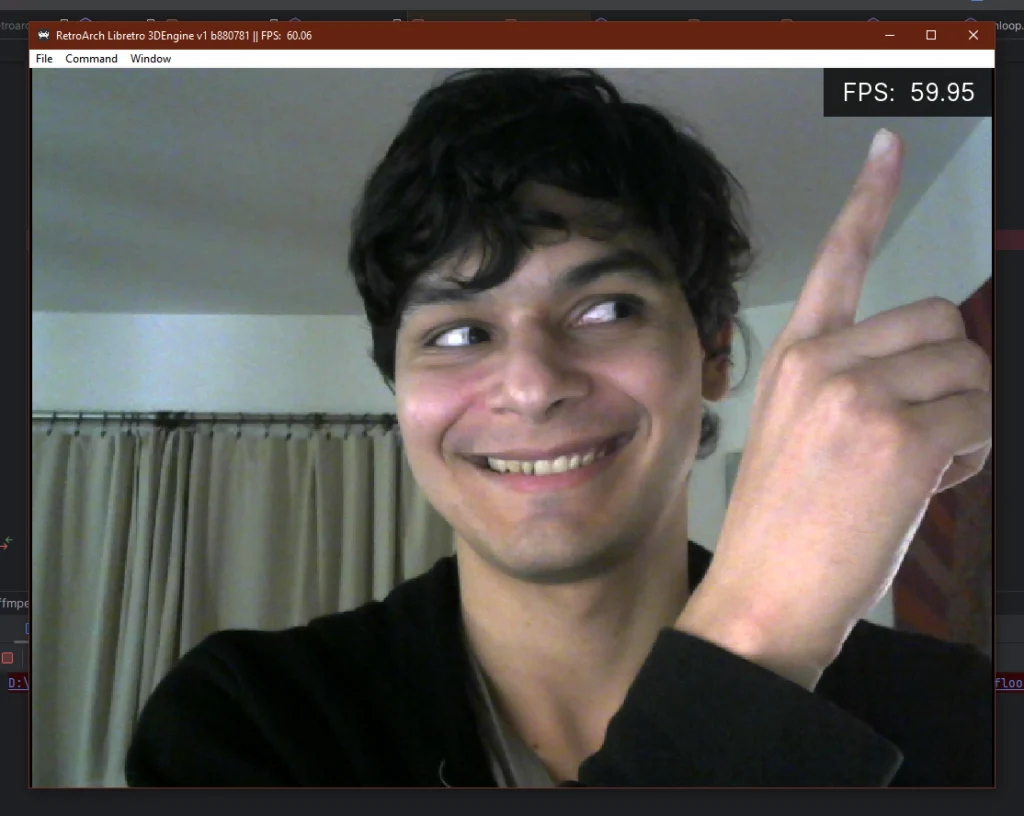
The release of RetroArch 1.20.0 marks a significant technical milestone for the premier cross-platform frontend for emulators, game engines, and media players. Available immediately across multiple operating systems and hardware architectures, this latest iteration introduces sophisticated display rendering technologies and expanded hardware integration that bridges the gap between vintage gaming software and modern high-refresh-rate displays. Developed by the Libretro core team and an active community of contributors, the software continues its decade-long tradition of open-source availability, refusing to implement commercial monetization strategies such as intrusive advertisements, Software Development Kits (SDKs) for tracking, or paywalled performance features.
Main Facts of the Release
RetroArch 1.20.0 introduces two major headline features: a groundbreaking CRT beam simulation shader developed in collaboration with industry veterans Mark Rejhon and Timothy Lottes, and native illuminance sensor support for Linux-based operating systems. The former utilizes the frontend’s newly implemented subframe shader capabilities to drastically enhance motion clarity on modern LCD and OLED monitors without incurring the traditional drawbacks of black-frame insertion (BFI). The latter breakthrough, spearheaded by developer Jesse Talavera, allows handheld devices and laptops equipped with ambient light sensors—such as the Valve Steam Deck—to dynamically interact with games designed around real-world lighting conditions, most notably Konami’s sunlight-dependent Game Boy Advance classic, Boktai: The Sun Is in Your Hand.
To maintain ongoing development, the Libretro team relies entirely on voluntary user contributions. Unlike proprietary software ecosystems that lock advanced features behind subscription tiers, RetroArch remains fully accessible through its official platform distribution channels. Financial sustainability is achieved through crowdfunding platforms including Patreon and GitHub Sponsors, alongside merchandise sales hosted via Teespring. This governance model ensures that user privacy remains protected, as the application processes no telemetry data and operates strictly offline unless explicitly directed otherwise by the user.
Chronology and Background Context
The genesis of RetroArch traces back to the development of Phoenix, a graphical user interface for the Simple DirectMedia Layer (SDL), which eventually evolved into the Libretro API in 2010. Libretro established a standardized interface allowing developers to port game emulators, retro console libraries, and native applications into interchangeable modules known as "cores." Over the subsequent decade, RetroArch expanded from a niche utility for enthusiasts into the de facto standard for game preservation and emulation, boasting support for dozens of systems ranging from eighth-generation arcade cabinets to fifth-generation home consoles.
The development cycle leading to version 1.20.0 spanned approximately eight months following the deployment of version 1.19.0. During this period, core architectural improvements were introduced to handle micro-timing adjustments, graphic API optimizations for Vulkan and DirectX 12, and frame-pacing enhancements. The introduction of subframe shader infrastructure in late 2024 laid the direct groundwork for the integration of the BlurBusters CRT simulation in this 1.20.0 release. Similarly, the Linux illuminance sensor implementation required months of upstream kernel interaction, hardware testing across varied Linux distributions, and coordination with standalone emulator maintainers such as the melonDS team to ensure proper software hooks.
Technical Analysis of the BlurBusters CRT Beam Simulation
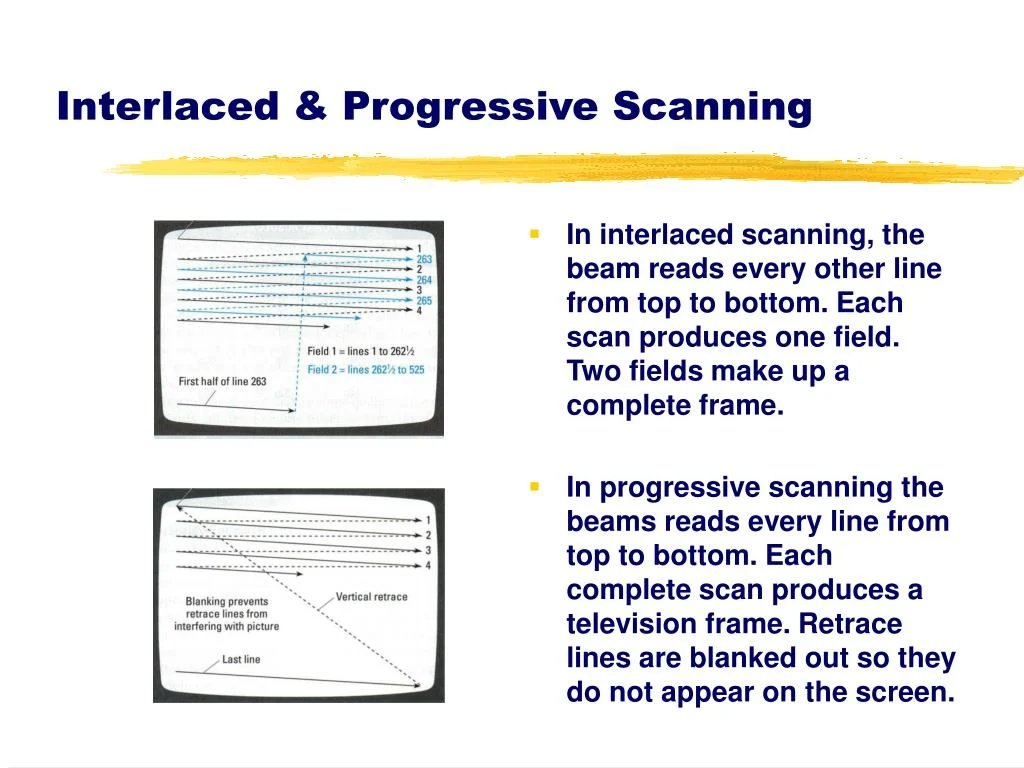
Replicating the visual fidelity of cathode-ray tube (CRT) monitors on modern flat-panel displays has long presented engineering challenges. Traditional LCD and OLED panels utilize a continuous sample-and-hold display paradigm, where an image remains illuminated statically on the screen until the next frame is rendered. This persistence of vision results in perceptible motion blur during fast camera pans or character movement. While previous solutions such as Black Frame Insertion (BFI) attempted to mitigate this by flashing the backlight or inserting blank frames, they inherently reduced overall peak luminance, distorted color saturation, and risked temporary image persistence on susceptible liquid crystal displays.
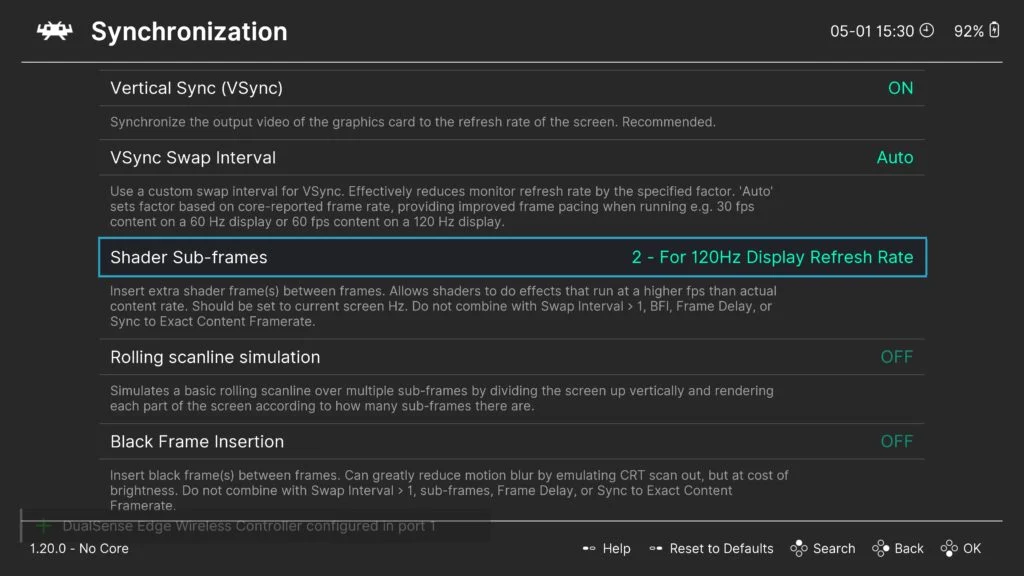
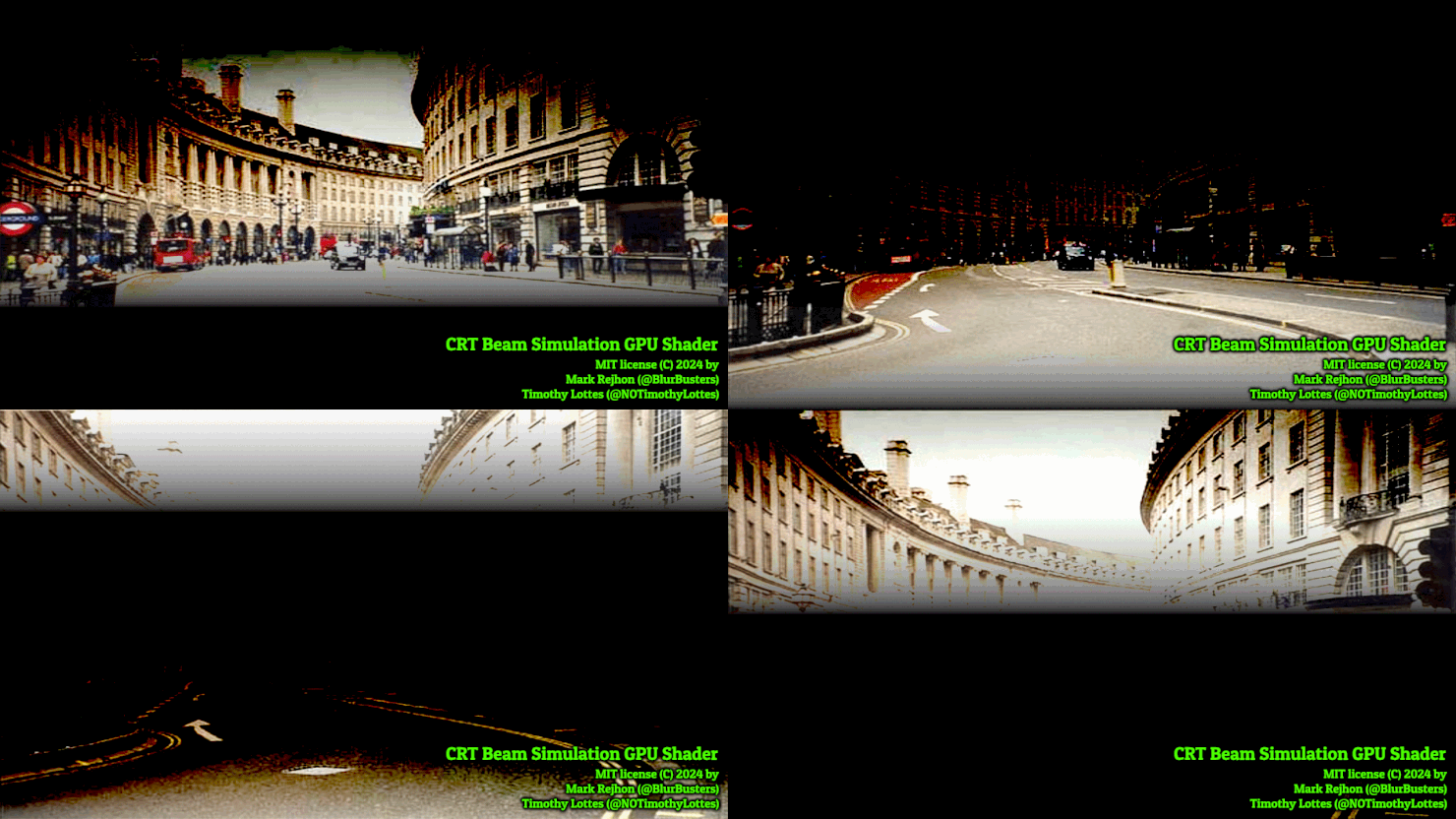
The integration of the BlurBusters CRT beam simulation shader in RetroArch 1.20.0 fundamentally alters this dynamic. Authored by Mark Rejhon—founder of BlurBusters.com and a recognized authority on display motion artifacts—and Timothy Lottes—celebrated creator of the original FXAA (Fast Approximate Anti-Aliasing) shader and standard-setting crt-lottes shaders—the new algorithm exploits RetroArch’s subframe execution capabilities. By calculating and rendering intermediate subframes that emulate the physical scanning electron beam of a traditional CRT television, the shader tricks the human eye into perceiving high-frequency phosphor persistence and scanline geometry without forcing the entire display panel into a high-flicker BFI state.
The resulting visual output achieves high motion clarity, accurate color reproduction, and proper scanline artifacting while preserving display brightness. This innovation is particularly advantageous for users operating high-refresh-rate gaming monitors (120Hz, 240Hz, and above), as the subframe shader can synchronize its simulation frequency with the native refresh rate of the hardware, effectively bridging historical display physics with modern multi-gigahertz display controllers.
Hardware Integration: Linux Illuminance Sensor Support and Retro Gaming
Beyond display technology, RetroArch 1.20.0 expands physical immersion through ambient hardware integration. Developer Jesse Talavera’s implementation of Linux illuminance sensor support solves a long-standing preservation hurdle for titles that relied on physical environment interactions. The most prominent beneficiary of this update is the Boktai franchise on the Game Boy Advance, which featured a physical photovoltaic light sensor built directly into the game cartridge. Players were required to step outside into actual sunlight to recharge their in-game weapon, Solar Gun, and defeat undead enemies.
Historically, emulating these titles required manual slider adjustments within software menus to simulate sunlight levels, severely impeding gameplay flow. With native illuminance sensor integration, compatible Linux hardware—such as the ambient light sensor embedded in the Steam Deck and various modern Linux-compatible laptops—can now feed real-time environmental lux data directly into the emulation core. As demonstrated in early technical showcases running Lunar Knights (the spiritual successor to Boktai) via the melonDS core, fluctuations in room lighting or outdoor conditions are translated instantaneously into the game engine, restoring the interactive core loop intended by Kojima Productions.
Official Statements and Community Impact
While the Libretro team operates primarily through asynchronous developer contributions via GitHub and Discord channels, public communications surrounding the release emphasize their foundational philosophy of user-first software engineering. In the official release documentation, the team reiterated its stance against modern monetization trends:
"Remember that this project exists for the benefit of our users, and that we wouldn’t keep doing this were it not for spreading the love to our users. This project exists because of your support and belief in us to keep going doing great things. We have always prioritized the end-users experience, and unlike others, we have never emburdened them with in-app ads, monetization SDKs or paywalled features, and we intend to continue to do so."
This user-centric positioning has garnered substantial goodwill within the broader open-source community, distinguishing RetroArch from commercial storefronts that increasingly implement digital rights management (DRM) restrictions and mandatory telemetry tracking. Independent developers and preservationists have routinely cited RetroArch’s modular architecture as vital for academic research into software history and hardware emulation accuracy.
Broader Industry Implications and Future Outlook
The release of RetroArch 1.20.0 arrives at a critical juncture for video game preservation and display technology. As cathode-ray tube monitors become increasingly scarce and prone to hardware failure, the burden of accurate simulation falls squarely upon software-level emulation and shader pipelines. The collaboration between the Libretro project and display scientists like Mark Rejhon signals a maturing convergence between professional display engineering and open-source emulation communities.
Furthermore, the successful integration of ambient sensor data on Linux paves the way for further hardware-agnostic expansions in subsequent software iterations. The Libretro development roadmap indicates that future updates will introduce standardized camera support across additional operating systems, opening up possibilities for augmented reality integration and motion-controlled retro titles that previously required proprietary console peripherals.
Users wishing to adopt RetroArch 1.20.0 can download the binaries directly from the official RetroArch platform distribution portal. Those interested in supporting the ongoing sustainability of the project without commercial intermediaries can contribute via the official Libretro Patreon page, GitHub Sponsors portal, or by acquiring community-approved merchandise through their designated storefronts.