 Edi Durjana
The open-source emulation frontend project Libretro has officially announced the release of RetroArch 1.20.0, introducing a suite of significant performance upgrades, technical innovations, and hardware integrations designed to enhance retro gaming preservation and modern display fidelity. Headlining the new software version is a groundbreaking collaboration with display technology researchers to introduce subframe-based CRT beam simulation, alongside native illuminance sensor support for Linux-based systems that unlocks authentic gameplay mechanics for historically hardware-dependent titles.
The launch of version 1.20.0 arrives as the Libretro ecosystem continues to solidify its position as the premier cross-platform frontend for digital preservation. Unlike many contemporary software suites, the development team has reiterated its steadfast commitment to an ad-free, monetization-free user experience, relying entirely on community patronage, corporate sponsorships, and merchandise sales to fund ongoing maintenance and feature development.
Revolutionary Shader Subframes and CRT Beam Simulation
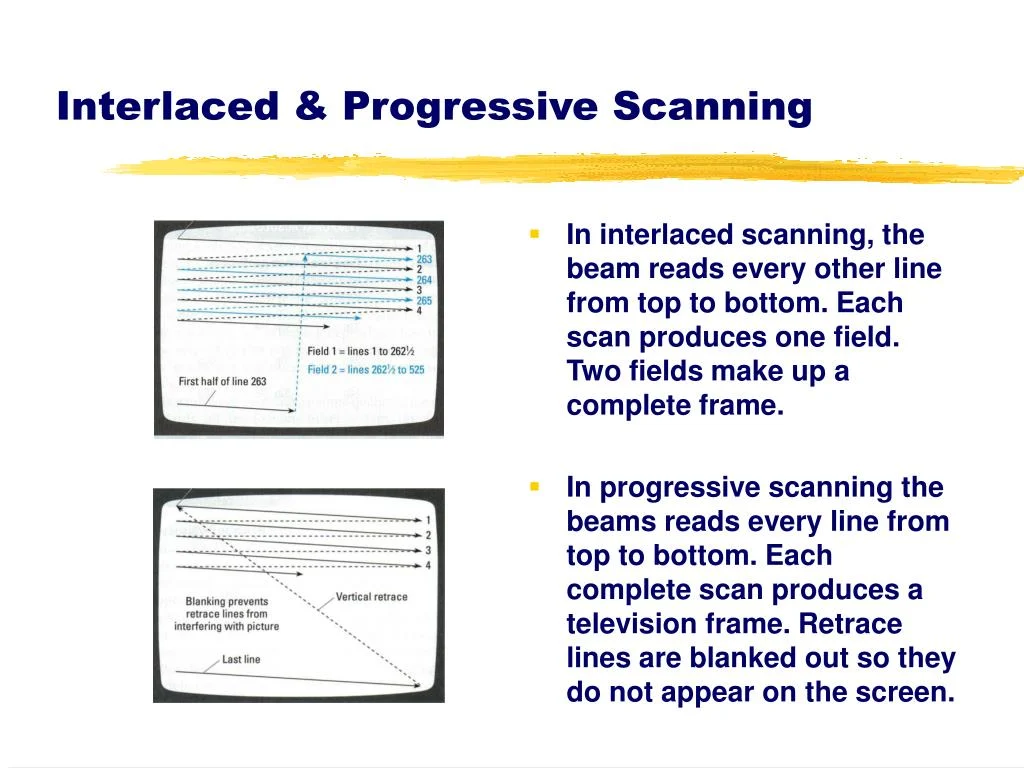
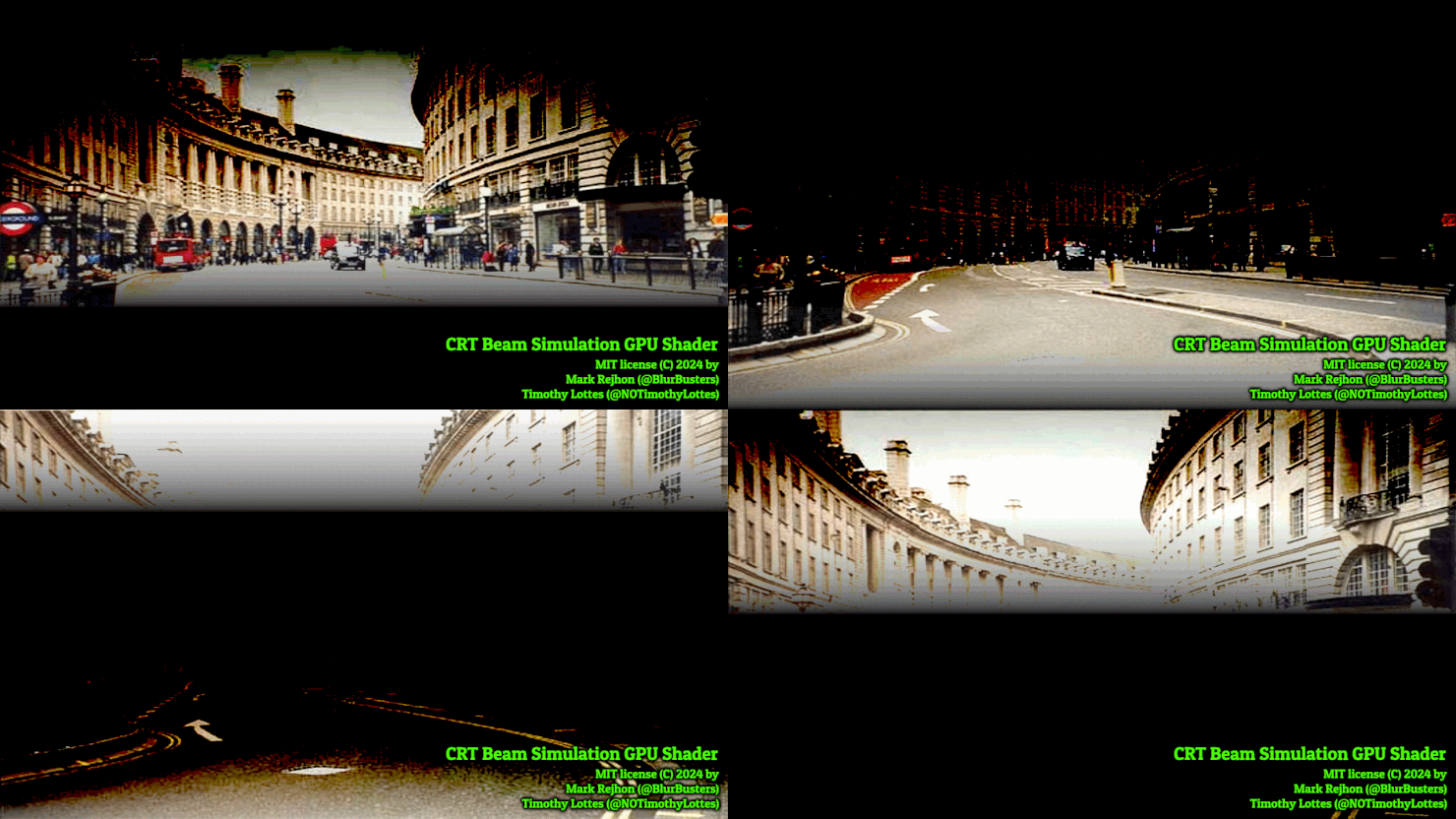
Among the most technically demanding and visually striking additions to RetroArch 1.20.0 is the implementation of a novel CRT beam simulation shader developed in tandem with Mark Rejhon of BlurBusters and Timothy Lottes, creator of the original FXAA and CRT-Lottes shaders. This feature leverages RetroArch’s newly engineered subframe shader architecture to dramatically elevate motion clarity on modern high-refresh-rate displays.
Historically, replicating the visual characteristics of cathode-ray tube (CRT) monitors on contemporary LCD and OLED panels has presented significant engineering hurdles. Traditional methods such as black-frame insertion (BFI) often introduce undesirable side effects, including severe reductions in peak panel brightness, color desaturation, and the risk of temporary image persistence on standard liquid crystal displays. The new BlurBusters CRT simulation circumvents these limitations by operating at the subframe level, accurately emulating the high-frequency scanning of electron beams across a phosphor screen without sacrificing luminosity or color vibrancy.
This development addresses a long-standing challenge in the emulation community: bridging the perceptual gap between sample-and-hold modern displays and the impulse-type motion clarity native to vintage cathode-ray monitors. By providing a cleaner, brighter, and more responsive visual pipeline, the update ensures that classic pixel art is rendered with unprecedented motion fidelity.
Linux Illuminance Sensor Support and Handheld Integration
In a unique hardware integration spearheaded by developer Jesse Talavera, RetroArch 1.20.0 introduces native illuminance sensor support for Linux environments. This addition bridges a crucial gap for titles that relied on physical environmental interactions, most notably Konami’s critically acclaimed Game Boy Advance title Boktai: The Sun Is in Your Hand and its sequels, which famously featured a physical photovoltaic sensor built directly into the game cartridge to manipulate gameplay mechanics based on exposure to actual sunlight.
With the new Linux illuminance integration, users operating compatible portable hardware—such as the Valve Steam Deck—can now interface with ambient light sensors dynamically. Demonstration footage accompanying the release highlights titles like Lunar Knights running through the melonDS core on a Steam Deck, with lighting conditions adjusting in real-time as the device is exposed to varying light levels.
Libretro has confirmed that upcoming core updates will expand upon this functionality, with solar sensor integration scheduled for the next melonDS revision. Furthermore, developers have signaled that expanded camera support across additional operating system platforms will roll out in subsequent minor patches following the 1.20.0 deployment.
Financial Independence and Sustainable Open-Source Development
Amidst a technological landscape increasingly dominated by subscription models, proprietary software lockers, and telemetry-driven monetization, the RetroArch project continues to operate under a strictly non-commercial ethos. The core development team emphasized in the release documentation that the software remains entirely free of in-app advertisements, analytics tracking, and paywalled features.
The sustainability of the project depends on a decentralized funding model encompassing direct donations, the Libretro Patreon page, and the newly established GitHub Sponsors integration. Additionally, merchandise sales through official retail channels provide supplementary revenue streams to cover infrastructure costs, continuous integration servers, and developer bounties. This funding structure has allowed the project to scale its core architecture over more than a decade while maintaining absolute autonomy over its codebase and user privacy standards.
Broader Impact and Technical Implications for the Emulation Ecosystem
The release of RetroArch 1.20.0 carries broad implications for the broader digital preservation and emulation communities. As historical hardware continues to degrade, software-based emulation remains the primary mechanism for maintaining access to millions of interactive digital works. By refining display output through advanced shader pipelines and expanding hardware sensor compatibility, the project moves closer to achieving parity with original hardware experiences.
The integration of BlurBusters CRT simulation demonstrates the value of interdisciplinary collaboration between display scientists and emulation developers. As high-refresh-rate monitors become standard among consumer hardware, the ability to exploit subframe timing opens up new avenues for low-latency input processing and visual accuracy. Similarly, the normalization of ambient sensor support in Linux environments paves the way for more immersive integrations of non-traditional peripheral inputs, ensuring that games dependent on unique hardware affordances remain playable in modern computing contexts.
As RetroArch 1.20.0 rolls out across supported platforms via official distribution channels, the development team encourages users to report compatibility findings, contribute to ongoing core maintenance, and participate in community-driven documentation efforts to support the platform’s continued growth.