Farhan hamdan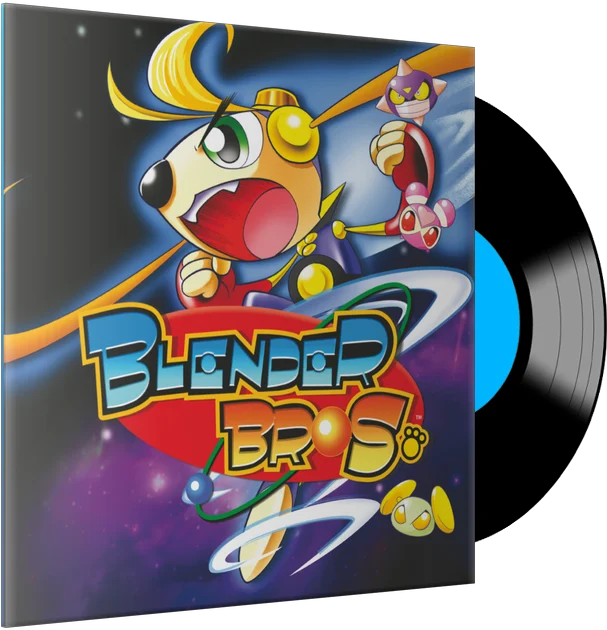
Piko Interactive, a company renowned for its dedication to retro gaming preservation and re-releases, has officially launched the soundtrack for the cult classic Game Boy Advance (GBA) title, Blender Bros., on a single vinyl record. The release, which features the original compositions by Akihiro Juichiya, Takako Ochiai, Masaya Hashimoto, and Ushio Otsuki, is currently available for purchase for approximately $50.00 USD, with immediate shipping for most regions. However, Canadian enthusiasts will face a delayed release, with pre-orders scheduled to arrive around Q4 2026 through retailer Video Games Plus.
A Blast from the Past: Unpacking the Blender Bros. Legacy
The game Blender Bros. holds a unique place in the pantheon of Game Boy Advance titles. Originally developed by h.a.n.d. and published by Infogrames in North America and Europe, and MTO in Japan, the action-platformer first graced handheld screens in 2002 (Japan and North America) and 2003 (Europe). The game introduced players to the titular character, Blender, an anthropomorphic creature, and his robot companion, seeking to save their home planet from the nefarious invaders known as the Chard. Known for its distinct character designs, vibrant pixel art, and innovative gameplay mechanics that often required players to switch between Blender and his robot sidekick to overcome obstacles, Blender Bros. garnered a modest but dedicated following. While it didn’t achieve blockbuster status, its unique charm and solid platforming elements have earned it a reputation as a hidden gem among GBA aficionados.
The decision by Piko Interactive to focus on the original GBA soundtrack for this vinyl release is a critical detail. Unlike some retro games that receive modern remasters or re-releases with updated audio, Blender Bros. also saw a later re-release on Windows. By specifically emphasizing the GBA version, Piko Interactive is directly catering to purists and those who appreciate the distinctive sonic palette afforded by the handheld’s hardware. This commitment ensures that the vinyl captures the authentic, nostalgic soundscapes that players experienced over two decades ago, rather than a potentially altered or enhanced version.
The quartet of composers—Akihiro Juichiya, Takako Ochiai, Masaya Hashimoto, and Ushio Otsuki—were instrumental in crafting the game’s auditory experience. Composing for the Game Boy Advance presented unique technical challenges and creative opportunities. The GBA’s sound chip, while more advanced than its predecessors, still operated with significant limitations in terms of polyphony (the number of simultaneous sounds it could produce) and sample quality. Composers had to be ingenious in their use of limited resources, often relying on clever arrangements, catchy melodies, and dynamic instrumentation to evoke atmosphere and excitement within these constraints. The resulting tracks for Blender Bros. are a testament to their skill, weaving together memorable tunes that perfectly complement the game’s quirky aesthetic and fast-paced action, despite the hardware’s inherent limitations. Their work contributed significantly to the game’s identity, embedding itself in the memories of those who played it.
Piko Interactive’s Vision: Preservation Through Physical Media
Piko Interactive has carved out a significant niche in the video game industry by specializing in the acquisition, re-release, and preservation of classic and often overlooked games. Their business model frequently involves bringing forgotten retro titles to modern digital storefronts or even producing new physical cartridge runs. The release of the Blender Bros. soundtrack on vinyl is a natural extension of this mission, moving beyond just game code to encompass the broader cultural artifacts of gaming, including its music.
This move by Piko Interactive is emblematic of a broader trend within the video game industry: the resurgence of physical media for game soundtracks, particularly vinyl. In recent years, companies like Laced Records, Mondo, Ship to Shore PhonoCo., and iam8bit have capitalized on a growing demand from collectors and audiophiles for high-quality, tangible representations of their favorite game scores. This trend is driven by a confluence of factors: deep-seated nostalgia for classic games, the aesthetic appeal of vinyl records and their often elaborate packaging, and a desire for a more tactile and deliberate listening experience compared to digital streaming. For many, a vinyl soundtrack serves not just as an audio medium, but as a piece of art and a collectible that celebrates the cultural impact of video games.
Piko Interactive’s entry into this market with Blender Bros. further solidifies the viability and importance of this niche. It demonstrates a recognition that the artistic merit of a game extends beyond its interactive elements to its visual and auditory components, all of which are worthy of preservation and celebration in premium formats.
The Sonic Landscape of the Game Boy Advance: A Technical Deep Dive
To truly appreciate the Blender Bros. soundtrack on vinyl, it’s essential to understand the technical environment in which it was created. The Game Boy Advance featured a hybrid sound system. It retained two pulse wave channels and one wave channel from its predecessor, the Game Boy, primarily for backward compatibility and simple sound effects. However, its primary audio innovation came from two additional direct sound (DAC) channels, capable of playing 8-bit or 16-bit PCM (Pulse-code modulation) samples. This allowed for more complex, sampled audio, including digitized speech, environmental effects, and, crucially, more sophisticated musical instruments.
Despite these advancements, GBA composers still operated under strict memory and processing constraints. Every sound sample, every musical note, had to be meticulously crafted and optimized to fit within the cartridge’s limited storage and the system’s processing power. This often meant using short, looping samples, creative compression techniques, and careful orchestration to make the most out of the available channels. The distinctive "chiptune" aesthetic, while less dominant than on the original Game Boy, still permeated many GBA soundtracks, blending with more complex sampled sounds to create a unique sonic identity.
The composers of Blender Bros. expertly navigated these limitations, crafting a soundtrack that is both catchy and dynamic. The vinyl release, therefore, isn’t just about nostalgia; it’s about showcasing the incredible ingenuity and artistry required to produce compelling music on a resource-constrained platform. Listening to these tracks isolated from the game, through the warmth and fidelity of vinyl, allows for a deeper appreciation of the compositional skill and the sonic textures that defined a generation of handheld gaming.
Navigating the Global Marketplace: Pricing and Distribution
The Blender Bros. vinyl soundtrack is priced at approximately $50.00 USD directly from Piko Interactive’s website. The product is listed as "in stock," indicating immediate availability for most international customers. However, the distribution strategy highlights the complexities of global commerce, particularly for niche products. Piko Interactive explicitly notes that shipments originate from Andorra, a small principality between France and Spain. This geographical detail carries significant implications for international buyers, particularly concerning Value Added Tax (VAT). The company advises prospective customers to consult their FAQ page regarding VAT collection, suggesting that buyers in certain regions may be responsible for additional taxes upon import, depending on their local customs regulations. This transparency is crucial for managing customer expectations and avoiding unexpected charges.
For the Canadian market, a distinct distribution channel has been established through Video Games Plus (VGP), a prominent Canadian retailer known for its extensive selection of video games and collectibles, often acting as a key distributor for specialized imports. Canadian customers can pre-order the vinyl for 52.24 CAD. However, a notable aspect of this Canadian release is its delayed availability, with an estimated shipping window of Q4 2026. This significant delay, stretching over two years from the initial global release, underscores the logistical challenges and potentially complex licensing agreements involved in international distribution for boutique products. It could be attributed to a variety of factors, including separate manufacturing runs for the Canadian market, unique import/export regulations, or strategic inventory management by VGP. The specific reasons for this extended timeline remain undisclosed, but it certainly tests the patience of Canadian collectors.
The choice of an "undisclosed colored single vinyl record" despite the mockup render showing a standard black vinyl adds an element of surprise and collector appeal. This practice is common in the vinyl industry, where limited edition colored variants often drive up desirability and become sought-after items. It hints at Piko Interactive’s understanding of the collector’s market, where unique pressings can significantly enhance a product’s value and appeal beyond its intrinsic musical content.
Anticipation Builds: Community Reactions and Collector’s Appeal
The announcement of the Blender Bros. soundtrack on vinyl is expected to generate considerable excitement within specific segments of the gaming community. Fans of the original GBA title, who have long held a soft spot for its distinctive charm and music, will undoubtedly welcome this opportunity to own a physical piece of its legacy. Beyond direct fans, the broader community of retro game music collectors and vinyl enthusiasts will likely take notice. These individuals actively seek out unique and rare game soundtracks, especially from beloved older platforms.
While no official statements from the composers or the original developers have been released regarding this specific vinyl pressing, it’s reasonable to infer a positive reception from their perspective. Such a release serves as a renewed recognition of their creative work from decades past, bringing their compositions to a new audience and a premium format. For Piko Interactive, a hypothetical statement might emphasize their ongoing commitment to celebrating and preserving video game history, stating something to the effect of: "Bringing the Blender Bros. soundtrack to vinyl is a testament to the enduring appeal of Game Boy Advance music and our mission to provide fans with unique ways to connect with their favorite retro titles. We are thrilled to honor the incredible work of Akihiro Juichiya, Takako Ochiai, Masaya Hashimoto, and Ushio Otsuki."
Similarly, Video Games Plus might comment on their dedication to serving the Canadian collector market: "We understand the passion of Canadian collectors for unique gaming merchandise. Partnering with Piko Interactive to bring the Blender Bros. vinyl to Canada, albeit with a unique timeline, allows us to continue our commitment to offering diverse and sought-after products to our dedicated customer base." The extended wait for Canadian customers will likely be met with a mix of anticipation and perhaps a touch of frustration, but the promise of a dedicated local release typically outweighs the inconvenience for committed collectors. The mystery surrounding the vinyl’s color will also fuel speculation and discussion among collectors, adding to the product’s mystique.
Broader Implications: The Enduring Allure of Retro Game Soundtracks
The Blender Bros. vinyl release is more than just a single product; it’s a microcosm of several significant trends in the video game and music industries. Firstly, it underscores the burgeoning market for retro gaming merchandise. As the generation that grew up with consoles like the GBA matures, their disposable income and nostalgia drive demand for premium collectibles that celebrate their formative gaming experiences. This market segment is increasingly sophisticated, valuing authenticity, quality, and exclusivity.
Secondly, it highlights the growing recognition of video game music as a legitimate and artful genre deserving of physical preservation. For decades, game soundtracks were often treated as secondary to the gameplay, but the rise of dedicated communities, orchestral concerts, and now vinyl releases demonstrates a profound shift in perception. Releasing a GBA soundtrack on vinyl specifically contributes to the preservation of a unique sonic era, allowing listeners to appreciate the intricate compositions that were often constrained by technological limitations but burst with creativity.
Finally, the differing distribution models and timelines for the Blender Bros. vinyl illuminate the ongoing challenges and opportunities in global commerce. While digital distribution has largely flattened geographical barriers for games themselves, physical media still contends with a complex web of international shipping, customs, tariffs, and regional partnerships. Companies like Piko Interactive and Video Games Plus are navigating these waters, adapting their strategies to ensure that even niche products can reach a global audience, albeit sometimes with varying degrees of immediacy.
In conclusion, Piko Interactive’s Blender Bros. GBA soundtrack vinyl release is a carefully considered product that speaks volumes about the current state of retro gaming culture. It celebrates a beloved, if underexposed, title, honors the unsung heroes of game music composition, and taps into a vibrant collector’s market while navigating the intricate logistics of global distribution. For fans and collectors, it represents not just a piece of music, but a tangible connection to a cherished past, ensuring that the distinctive sounds of the Game Boy Advance continue to resonate for years to come.