Cecilia Chamidah Nur
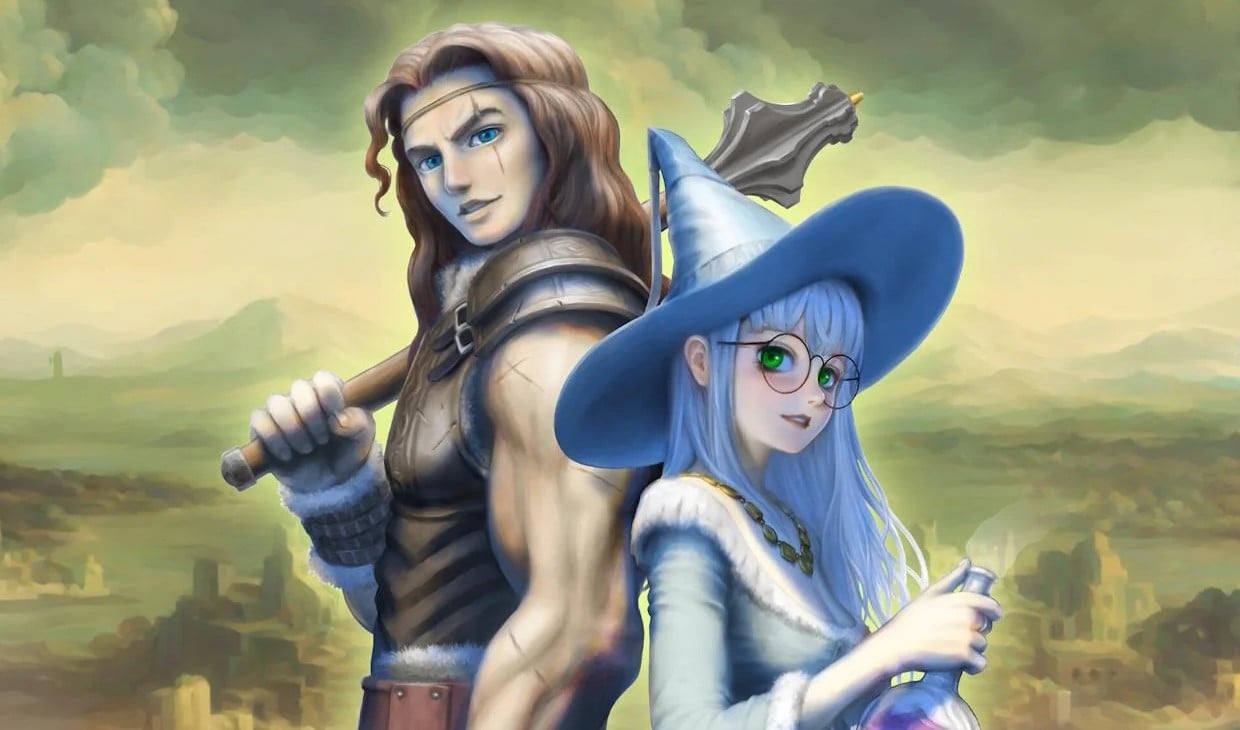
Yoshio Nishimura, a celebrated background artist with a three-decade career marked by contributions to visually stunning titles from Vanillaware and beyond, is poised to release his inaugural solo game, Veritas Tales: Witch of the Dark Castle, on Steam. This highly anticipated title distinguishes itself through its commitment to traditional artistry, boasting over 300 meticulously hand-drawn illustrations crafted over six years by Nishimura himself, with an explicit declaration that "No generative AI was used at any stage" of its production. This artistic philosophy positions Veritas Tales as a significant statement in an industry increasingly grappling with the role of artificial intelligence in creative processes, offering players a deeply personal and handcrafted fantasy experience.
The Artisan’s Vision: A Return to Handcrafted Artistry
At the core of Veritas Tales: Witch of the Dark Castle lies a profound dedication to human artistry. The game’s visual identity is defined by more than 300 unique illustrations, each painstakingly drawn by Nishimura over a period spanning half a decade. This commitment to manual creation is not merely a feature but a foundational principle, underscored by the game’s Steam page, which proudly states, "This game has a soul that can only be found in something truly handmade." This declaration serves as a direct counterpoint to the burgeoning trend of integrating generative AI into various facets of game development, from asset creation to narrative generation. In an era where efficiency and rapid prototyping often overshadow bespoke craftsmanship, Nishimura’s project champions the irreplaceable value of human touch and the distinctive aesthetic that emerges from an artist’s personal vision and labor.
The six-year development cycle for these illustrations alone speaks volumes about the scope of Nishimura’s undertaking. Such an extensive commitment of time and effort to manual artwork is a rarity in contemporary game production, particularly for an indie title developed by a single individual (or a very small team). It reflects a deliberate choice to prioritize artistic integrity and a unique visual style over the speed and cost-effectiveness that AI tools might offer. For players, this translates into an experience imbued with a consistency and character that only a singular artistic voice can provide, promising a visual journey that feels cohesive and deeply personal.
Yoshio Nishimura: A Legacy Forged in Pixels and Paint
Yoshio Nishimura’s journey to Veritas Tales is rooted in a distinguished career spanning over 30 years as a background artist, a role crucial in establishing the immersive environments and distinctive aesthetics of many beloved video games. His professional tenure includes significant contributions to a roster of critically acclaimed titles, most notably within Vanillaware, a studio celebrated globally for its unique 2D art style and intricate hand-drawn visuals.
Nishimura’s credits are a testament to his versatile talent and enduring impact on the visual landscape of gaming. These include:
- Monster Hunter: A foundational title in Capcom’s globally successful action RPG series, known for its expansive ecosystems and detailed creature designs, where environmental artistry plays a critical role.
- Odin Sphere (PS2): One of Vanillaware’s early masterpieces, renowned for its fairytale-like visuals, vibrant character sprites, and lush, detailed backgrounds that define its fantastical world.
- Dragon’s Crown (PS Vita, PS3, PS4): A beat ’em up RPG that pushed Vanillaware’s signature art style to new heights, featuring highly detailed character designs and elaborate, multi-layered environments.
- 13 Sentinels: Aegis Rim (Nintendo Switch, PS4): A narrative-driven sci-fi mystery adventure that showcased Vanillaware’s ability to blend stunning 2D artwork with complex storytelling, where backgrounds contributed significantly to its atmospheric and cinematic presentation.
- Muramasa: The Demon Blade (Wii, PS Vita): Another Vanillaware classic, celebrated for its gorgeous Japanese folklore-inspired art, fluid animations, and breathtaking scenic backdrops.
Throughout his tenure at Vanillaware, Nishimura was instrumental in defining the studio’s unmistakable aesthetic. Vanillaware’s games are characterized by their exquisite, high-definition 2D sprites, rich color palettes, and painterly backgrounds that often resemble moving illustrations. Nishimura’s work directly contributed to creating these immersive worlds, establishing a visual standard that has garnered the studio a loyal following. His expertise in crafting intricate environments, from sprawling forests to bustling cities and arcane dungeons, has consistently elevated the artistic quality of the games he touched.
A few years prior to the announcement of Veritas Tales, Nishimura embarked on a significant life change. He departed from Vanillaware, choosing to settle in a tranquil mountain village in rural Japan. This move marked a new chapter, where he embraced a simpler lifestyle, tending to his fields while simultaneously channeling his decades of artistic experience into personal game development. This transition highlights a common narrative among seasoned developers seeking greater creative autonomy and a more direct connection to their craft, free from the pressures of large studio production cycles. It is from this serene, yet creatively fertile, environment that Veritas Tales: Witch of the Dark Castle began to take shape, embodying a blend of traditional Japanese lifestyle and cutting-edge digital artistry.
Veritas Tales: Witch of the Dark Castle – A Deep Dive into Gameplay and Narrative
Veritas Tales: Witch of the Dark Castle is characterized as a "reading-style" fantasy adventure, a description that immediately evokes genres such as visual novels, interactive fiction, and choose-your-own-adventure books. This format places a strong emphasis on narrative and player choice, where text descriptions and static or semi-animated illustrations combine to create an immersive storytelling experience. The "reading-style" approach suggests a deliberate pace, inviting players to delve deeply into the game’s lore, characters, and branching pathways.
The narrative scope of Veritas Tales is substantial, featuring over 15,000 words of text. This volume of written content is comparable to a full-length novel or several novellas, indicating a rich and detailed storyline awaiting players. The extensive text is crucial for world-building, character development, and conveying the nuances of the fantasy setting, allowing Nishimura to weave a complex tapestry of events and emotions. The interactive nature means these words are not passively consumed but actively engaged with through player decisions.
One of the most compelling features highlighted is the game’s branching storyline, which promises over 20 hours of playtime. This substantial duration for a "reading-style" game suggests a high degree of replayability and multiple narrative paths. Players’ choices throughout the adventure will presumably lead to different outcomes, character relationships, and even alternative endings, encouraging multiple playthroughs to uncover all the game’s secrets and narrative permutations. This design philosophy aligns with the tradition of classic interactive fiction, where player agency is paramount in shaping the unfolding narrative.
Nishimura’s inspirations for Veritas Tales are eclectic and illuminating, blending classic interactive fiction with modern epic RPGs:
- GrailQuest, Sorcery!, Fighting Fantasy: These represent the foundational pillars of interactive fiction and gamebooks. GrailQuest and Fighting Fantasy (created by Steve Jackson and Ian Livingstone) pioneered the choose-your-own-adventure format, relying heavily on text, dice rolls, and strategic choices to navigate fantastical perils. Sorcery!, particularly Steve Jackson’s digital adaptations, showcased how these concepts could be modernized for digital platforms, maintaining the core text-based decision-making while adding enhanced visuals and interface. Their influence suggests Veritas Tales will prioritize player choice, consequence, and a strong sense of narrative progression guided by decisions.
- Elden Ring (PS5): FromSoftware’s critically acclaimed action RPG is known for its vast, interconnected open world, enigmatic lore, and challenging gameplay. While Veritas Tales is not an action game, Elden Ring‘s influence likely stems from its atmospheric world-building, its sense of grand adventure, and the way its narrative is often discovered through exploration and environmental storytelling rather than explicit exposition. It could inspire the depth of the fantasy world and the sense of uncovering ancient secrets within Veritas Tales.
- Baldur’s Gate 3 (PS5): Larian Studios’ monumental CRPG is celebrated for its unparalleled player agency, complex character interactions, and incredibly reactive branching narrative. Its influence on Veritas Tales would strongly suggest a focus on meaningful choices, deep role-playing elements, and consequences that genuinely alter the course of the story, allowing players to truly inhabit their role within the game world.
By drawing from such a diverse range of influences, Nishimura aims to create a game that marries the narrative depth and choice-driven mechanics of classic interactive fiction with the expansive world-building and impactful decision-making seen in contemporary RPG epics. This fusion promises a unique experience that caters to both nostalgic fans of gamebooks and modern players seeking rich, consequence-laden narratives.

A Harmonious Reunion: The Score by Hitoshi Sakimoto
Adding another layer of prestige and familiarity for fans of Japanese role-playing games, Yoshio Nishimura has reunited with legendary composer Hitoshi Sakimoto for the musical score of Veritas Tales: Witch of the Dark Castle. Sakimoto, through his renowned studio Basiscape, is a figure whose name is synonymous with some of the most iconic soundtracks in video game history, particularly those from Vanillaware and Square Enix.
Sakimoto’s collaboration with Nishimura is a natural fit, given their shared history at Vanillaware. Sakimoto has composed music for many of the same titles Nishimura worked on, including Odin Sphere, Dragon’s Crown, and 13 Sentinels: Aegis Rim. His distinctive compositional style, characterized by sweeping orchestral arrangements, evocative melodies, and a masterful use of harmony and counterpoint, has become an integral part of the Vanillaware experience. His scores often blend classical influences with unique electronic textures, creating rich, atmospheric soundscapes that perfectly complement the games’ fantastical visuals and narrative depth.
For Veritas Tales, Sakimoto’s involvement is a significant boon. His ability to craft music that enhances emotional resonance, establishes atmosphere, and underscores narrative beats will be invaluable for a "reading-style" adventure where auditory cues play a critical role in immersion. Fans of Vanillaware’s artistic and audio aesthetic will undoubtedly find this reunion a compelling reason to anticipate Veritas Tales, expecting a musical accompaniment that is as meticulously crafted and soulful as Nishimura’s hand-drawn visuals. The synergy between Nishimura’s art and Sakimoto’s music promises a holistic artistic vision, where visual and auditory elements converge to create a truly memorable experience.
The Anti-AI Stance: A Resonant Message in the Modern Gaming Landscape
The explicit statement that "No Generative AI was used at any stage" in the development of Veritas Tales: Witch of the Dark Castle is more than a mere detail; it is a profound artistic and ethical declaration in the current climate of the video game industry. This stance positions Yoshio Nishimura’s project at the forefront of a crucial debate surrounding the integration of artificial intelligence into creative fields.
The past few years have seen a rapid acceleration in the development and adoption of generative AI tools, capable of producing art, text, music, and even rudimentary game assets with unprecedented speed. While proponents highlight the potential for increased efficiency, reduced costs, and democratized content creation, many artists and creators express serious concerns. These concerns range from ethical dilemmas regarding intellectual property and fair compensation for artists whose work is used to train AI models, to philosophical questions about artistic integrity, originality, and the very definition of creativity when automated processes are involved.
In the gaming industry, several developers have begun experimenting with AI for various purposes, from generating background textures and character concepts to drafting dialogue and even automating certain programming tasks. However, this has often been met with mixed reactions from both the development community and players. Some perceive AI-generated content as lacking the "soul" or unique artistic fingerprint that human creators imbue in their work. There’s also a growing consumer preference for authenticity and a desire to support human artists.
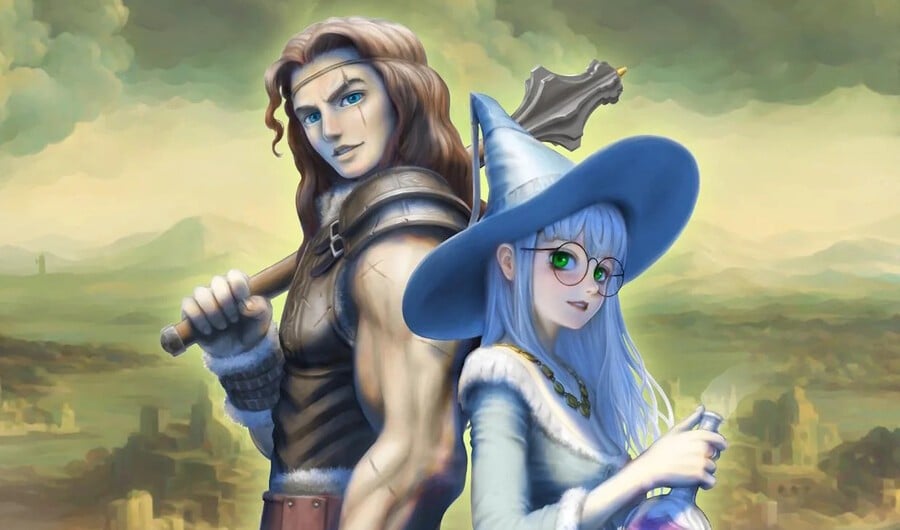
Nishimura’s declaration, therefore, serves multiple purposes:
- A Guarantee of Authenticity: It assures players that every illustration, every visual element, is the direct product of human skill and artistic intent, cultivated over decades of experience. This appeals to a segment of the audience that values craftsmanship and the tangible effort behind creative works.
- An Ethical Standpoint: It aligns Veritas Tales with artists and consumers who are wary of AI’s implications for the creative industries. By explicitly rejecting AI, Nishimura signals his solidarity with the human element of art production.
- A Marketing Differentiator: In a crowded market, this commitment to "handmade" quality becomes a unique selling proposition. It distinguishes Veritas Tales as a product of passion and traditional artistry, setting it apart from potential future titles that might leverage AI extensively.
- A Philosophical Statement: It underscores the belief that certain qualities – perhaps a specific kind of nuance, emotional depth, or idiosyncratic charm – can only be achieved through human endeavor. The "soul" mentioned on the Steam page is central to this philosophy.
This deliberate choice by a veteran artist, especially one from a studio as artistically revered as Vanillaware, sends a potent message. It contributes to the ongoing discourse about the boundaries and responsibilities of technology in art, advocating for the enduring value of human creativity in the face of algorithmic generation. For players seeking an experience that feels genuinely crafted and ethically aligned with supporting human artistry, Nishimura’s stance makes Veritas Tales a particularly compelling proposition.
Implications for Indie Development and Artistic Integrity
Yoshio Nishimura’s project, Veritas Tales: Witch of the Dark Castle, stands as a powerful example and potential beacon for the independent game development scene, particularly concerning artistic integrity and the viability of solo or small-team endeavors. The scale of his undertaking—over 300 hand-drawn illustrations and 15,000 words of text, all largely the product of one individual’s labor over six years—demonstrates the profound dedication and perseverance possible within indie development.
This project challenges the prevailing notion that large teams and substantial budgets are prerequisites for creating visually rich and narratively deep games. Nishimura’s approach underscores the idea that a singular, focused artistic vision, combined with decades of honed skill, can yield a product of exceptional quality. It highlights the potential for seasoned industry veterans, freed from corporate constraints, to pursue highly personal and artistically ambitious projects.
The commitment to hand-drawn art in an age of generative AI also carries significant implications for artistic integrity. In an industry often driven by trends and technological advancements, Nishimura’s work champions a return to foundational artistic principles. It suggests that there remains a strong market and appreciation for art that bears the unmistakable mark of human effort and individuality. This could inspire other indie developers and artists to similarly embrace traditional methods, cultivating unique visual styles that resist homogenization.
Furthermore, Veritas Tales contributes to the ongoing discussion about the economic sustainability of artistic labor in the digital age. By explicitly stating its anti-AI stance, the game appeals to a consumer base increasingly conscious of ethical production practices. This could foster a niche market where games prioritizing human craftsmanship and ethical development are sought out, potentially offering a more sustainable path for artists who wish to avoid reliance on AI tools.
The Broader Landscape: Interactive Fiction and the Evolution of RPGs

The "reading-style" fantasy adventure format of Veritas Tales also speaks to a broader trend within the gaming landscape: the enduring appeal and evolution of interactive fiction and narrative-driven experiences. While action-packed blockbusters often dominate headlines, there has been a steady resurgence and innovation in genres that prioritize story, atmosphere, and player choice over combat mechanics. Visual novels, interactive dramas, and narrative RPGs have found a dedicated audience on platforms like Steam, recognizing the power of immersive storytelling.
Veritas Tales, by blending the influences of classic gamebooks with modern RPG epics, positions itself at an interesting intersection. It caters to players who appreciate the contemplative nature of reading, the depth of character development, and the weight of their decisions, all while being enveloped in a visually stunning world. This genre fusion suggests a maturing gaming audience that values diverse experiences and is willing to engage with games that defy traditional action-oriented categories. It reinforces the idea that interactive entertainment can be as much about intellectual engagement and emotional immersion as it is about reflexes and strategy.
Release and Anticipation
As of this report, Veritas Tales: Witch of the Dark Castle does not yet have an official release date. However, its announcement has already generated considerable buzz, particularly among fans of Vanillaware’s distinctive art style and those who appreciate the dedication to traditional artistry in game development. The combination of Yoshio Nishimura’s illustrious background, the explicit rejection of generative AI, the promise of a deeply branching narrative, and the collaboration with Hitoshi Sakimoto positions this title as a unique and highly anticipated entry into the indie gaming landscape.
Players interested in supporting a project that champions human creativity and offers a rich, handcrafted fantasy adventure are encouraged to add Veritas Tales: Witch of the Dark Castle to their Steam wishlists. Its eventual release will undoubtedly be a significant moment for discussions on art, technology, and the enduring power of human imagination in video games.