Indra Gunadi
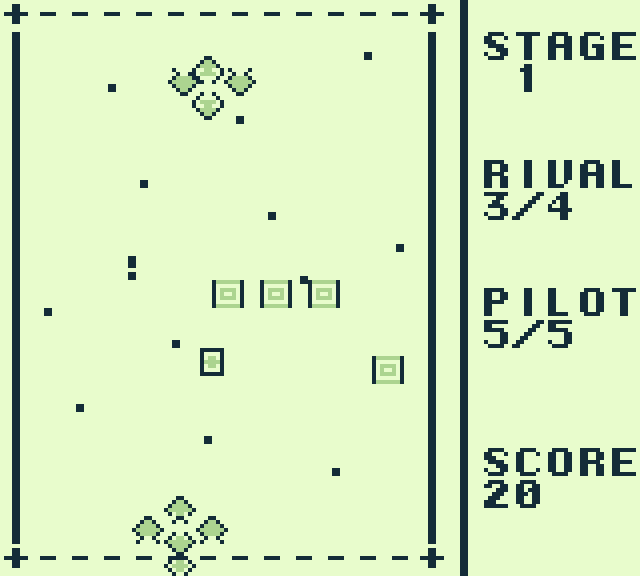
"Orbit Duel" is introduced as a duel shooter, a genre characterized by focused, often one-on-one combat scenarios. Its core mechanics are centered around strategic engagement, where "every shot counts thanks to cannon cooldown." This particular feature suggests a deliberate departure from traditional rapid-fire shooters, introducing an element of resource management and tactical timing to each encounter. Players are tasked with navigating and surviving through an expansive challenge, encompassing 120 distinct stages, confronting 15 unique bosses, and adapting to "shifting rival patterns" within an environment known as the Scrapline Arena. The game’s announcement has generated considerable interest among retro gaming enthusiasts and homebrew aficionados, eager to experience a fresh take on classic gameplay paradigms.
The Enduring Allure of Game Boy Homebrew Development
The continuous influx of new games for the Game Boy platform, decades after its commercial discontinuation, is a phenomenon deeply rooted in several factors. The Game Boy, first launched in 1989, became a cultural touchstone, selling over 118 million units across its various iterations (including Game Boy Color). Its simple yet robust hardware, iconic green-tinted screen (or later, limited color palette), and distinctive chiptune audio created a unique gaming experience that resonated with millions globally. For many developers and players, the Game Boy represents a nostalgic connection to their formative gaming years.
The homebrew scene, in particular, thrives on a blend of nostalgia, technical challenge, and creative freedom. Developers like devgb are often driven by a passion to explore the limits of the hardware, to craft games that emulate the aesthetic and feel of the original era while incorporating modern design sensibilities or innovative mechanics. Tools such as GBDK (Game Boy Development Kit) have democratized the development process, allowing individuals and small teams to create ROMs that can be played on original hardware via flash carts, or through emulators on modern devices. The community-driven nature of homebrew, fostered by forums, online repositories like PDRoms, and digital marketplaces like itch.io, provides essential support, resources, and a ready audience for these projects. This environment allows for experimentation and the realization of concepts that might not fit the commercial landscape of contemporary gaming.
devgb’s Vision for Orbit Duel: A Deep Dive into Gameplay Mechanics
At the heart of "Orbit Duel" lies its innovative gameplay loop, specifically tailored for the Game Boy’s capabilities while introducing a strategic layer. The "duel shooter" classification implies a focus on intense, concentrated engagements, often against a single formidable opponent or a small group with distinct attack patterns. This contrasts with the more chaotic, bullet-hell style shooters that became popular in later generations. The limited screen real estate and processing power of the Game Boy necessitate a design that is precise and impactful.
The standout mechanic, "cannon cooldown," fundamentally alters the player’s approach to combat. Instead of relying on continuous firing, players must carefully time their shots, considering the recharge period for their weapon. This introduces a risk-reward dynamic: firing indiscriminately might leave the player vulnerable during cooldown, while holding back too long might miss critical openings. This mechanic transforms combat into a strategic dance, where positioning, dodging, and precise shot placement become paramount. It demands a higher level of player skill and tactical thinking, moving beyond mere reflexes.
The game’s extensive content, featuring "120 stages," suggests a significant commitment to variety and replayability. Each stage is likely designed as a self-contained challenge, potentially introducing new enemy types, environmental hazards, or structural layouts that demand different approaches. This episodic progression ensures a continuous learning curve and keeps the gameplay fresh over an extended period. The inclusion of "15 bosses" further underscores the depth of content. Boss battles in classic Game Boy games were often highlights, requiring players to identify patterns, exploit weaknesses, and master specific strategies. With 15 unique encounters, "Orbit Duel" promises a diverse range of challenges, each potentially testing different aspects of the player’s skill set, from evasion to precision aiming under pressure.
The concept of "shifting rival patterns" adds another layer of dynamic gameplay. This could imply a form of adaptive AI, where opponents change their behaviors based on player actions, or perhaps procedural generation of enemy formations and attack sequences. Such a feature enhances replayability significantly, as players cannot simply memorize patterns but must constantly adapt and react to evolving threats. This ensures that even after multiple playthroughs, the game remains challenging and unpredictable. The "Scrapline Arena" likely serves as the overarching setting, possibly implying a post-apocalyptic or industrial theme, which could influence enemy design, environmental aesthetics, and overall atmosphere. The name itself suggests a gritty, perhaps improvised combat environment, perfectly suited for the monochrome or limited-color palette of the Game Boy.
Technical Challenges and Creative Solutions on 8-bit Hardware
Developing for the Game Boy in 2026 is a deliberate choice that comes with inherent technical limitations, which often spur creative solutions. The original Game Boy features an 8-bit Sharp LR35902 CPU clocked at 4.19 MHz, 8 KB of internal RAM, and a screen resolution of 160×144 pixels displaying only four shades of gray (or up to 56 colors simultaneously from a palette of 32,768 for Game Boy Color). The sound capabilities are also limited to four channels of chiptune audio.
For "Orbit Duel," devgb would have had to meticulously optimize every aspect of the game. Smooth scrolling, responsive controls, and complex enemy behaviors within these constraints require efficient coding and clever use of sprite animation and background tile mapping. The "shifting rival patterns" feature, in particular, would demand sophisticated programming to ensure dynamic enemy AI without taxing the limited CPU. The game’s visual style, inferred from the screenshot, embraces the pixel art aesthetic, a necessity that has evolved into an art form within the retro community. The choice of colors (if supporting GBC) or shades of gray (for original GB) would be crucial in conveying information and atmosphere effectively. Similarly, the sound design would need to be carefully crafted to create impactful effects and engaging music using the Game Boy’s distinct sound chip. The "cannon cooldown" mechanic, while gameplay-focused, also implicitly requires precise timing and state management within the game engine, ensuring that the cooldown is accurately tracked and communicated to the player visually or audibly.
Distribution, Accessibility, and Community Engagement
The release of "Orbit Duel" leverages modern digital distribution channels, primarily itch.io, a platform popular among independent and homebrew developers. This allows for global reach and direct access for players who utilize emulators on PCs, smartphones, or dedicated retro handhelds. For purists and collectors, the release as a digital ROM also opens the possibility of physical cartridge production by third-party services or the developer itself, often through limited runs. These physical releases, complete with custom boxes and manuals, are highly sought after by collectors and contribute to the economic viability of such passion projects.
The retro gaming community plays a crucial role in the success and longevity of titles like "Orbit Duel." Forums, social media, and dedicated websites like PDRoms serve as hubs for discussion, feedback, and promotion. Early reactions and community buzz can significantly influence a game’s visibility and adoption. Enthusiasts often share their experiences, speedrun attempts, and strategies, fostering a vibrant ecosystem around new releases for old hardware. This communal aspect is vital, as it provides a platform for developers to connect directly with their audience, gather feedback, and even inspire future projects.
Broader Implications and the Future of Retro Gaming
"Orbit Duel" is more than just another game; it is a cultural artifact that speaks to the enduring appeal of retro technology and the boundless creativity of the indie development scene. Its release in 2026, decades after the Game Boy’s heyday, underscores several broader implications for the gaming industry and culture:
- Platform Longevity: It demonstrates that a gaming platform’s life cycle extends far beyond its commercial viability, sustained by a dedicated community of creators and players. This challenges the industry’s often short-sighted focus on next-generation hardware.
- Innovation within Constraints: Games like "Orbit Duel" prove that creative innovation is not solely dependent on advanced technology. The limitations of retro hardware often force developers to be more ingenious, leading to unique gameplay mechanics and artistic expressions that might be overlooked in a modern, resource-rich environment.
- Preservation of Gaming History: Each new homebrew release contributes to the ongoing narrative of video game history. It keeps the original hardware relevant, encourages technical understanding of vintage systems, and adds new chapters to beloved platforms.
- Niche Market Viability: The success of platforms like itch.io and the dedicated retro gaming communities show that there is a viable market for niche products that cater to specific tastes, often driven by passion rather than mass-market appeal.
- Democratization of Development: The accessibility of development tools for retro platforms empowers individuals to realize their game development dreams, bypassing the high barriers to entry often associated with mainstream game production.
As "Orbit Duel" makes its way into the hands of players, it stands as a testament to devgb’s dedication and the vibrant, persistent spirit of the Game Boy homebrew community. It offers a fresh, strategically rich experience that respects the heritage of its host platform while pushing the boundaries of what an 8-bit duel shooter can achieve. In an era dominated by hyper-realistic graphics and complex online worlds, titles like "Orbit Duel" serve as a vital reminder of the enduring power of concise design, engaging mechanics, and the sheer joy of playing games. The game’s release in 2026 solidifies the notion that for passionate developers and players, the Game Boy is not just a relic of the past, but a living, evolving platform for new adventures.