Farhan hamdan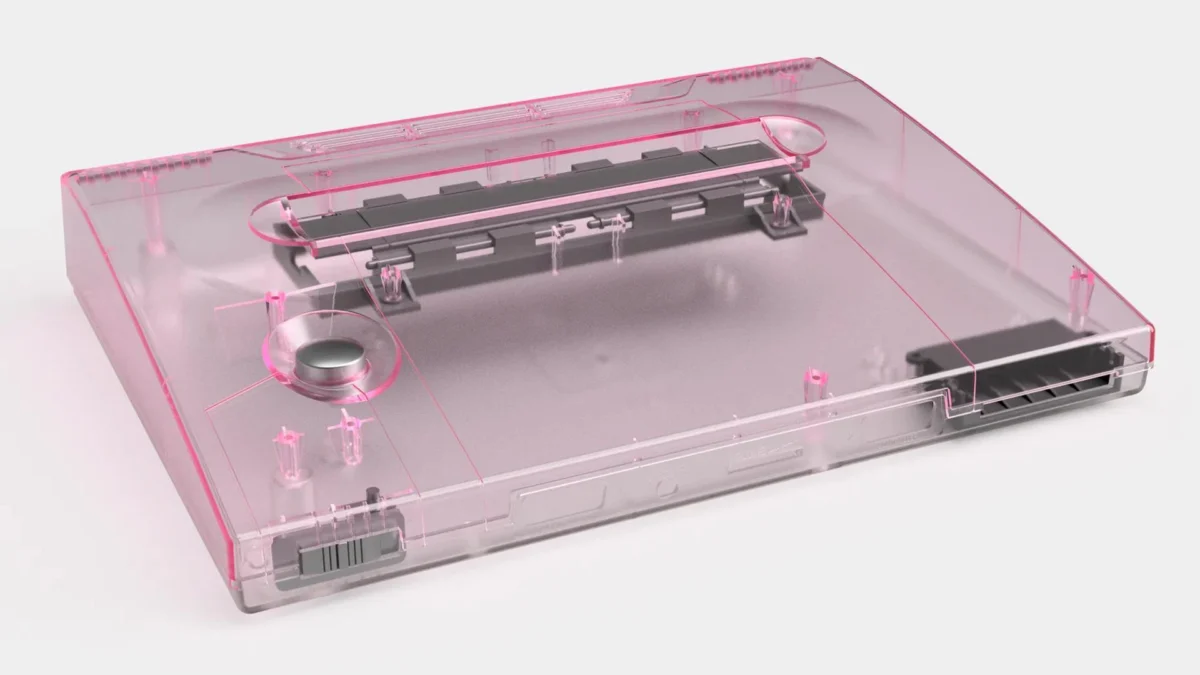
The Genesis of a Community Project: Pointer Function’s Contributions
Dennis van den Broek, operating under the moniker Pointer Function, has established a reputation within the retro gaming hardware modification and preservation community for producing high-quality, open-source 3D printable designs for classic console components. His work is characterized by meticulous attention to detail and an understanding of the precise engineering required to replicate original parts. Prior to this full AES shell release, Van den Broek garnered acclaim for his designs of clear Famicom controller shells and replacement shells for the Turbo Express/PC Engine GT. These earlier projects demonstrated a commitment to precision engineering and community enablement, providing enthusiasts with the means to restore, customize, or even rebuild their beloved vintage hardware. The feedback from these previous endeavors consistently highlighted the "factory-quality" potential of his designs when produced with suitable 3D printing techniques and materials. This track record instills confidence that the Neo Geo AES shell will meet similar high standards, potentially leading to professional print shops offering these components at fair prices for those without access to personal 3D printing facilities.
The journey to a full AES shell has been incremental. Van den Broek initially released smaller, more manageable components, allowing for phased testing and community feedback. This iterative approach is common in open-source hardware development, ensuring that each part functions correctly and fits seamlessly with existing hardware. The initial release of the cartridge door, power, and reset buttons provided critical functional elements, addressing common wear-and-tear issues or enabling cosmetic customization. The subsequent consolidation of these parts into a complete shell package represents the culmination of extensive design, testing, and refinement, offering a holistic solution for a console that is increasingly challenging to maintain in pristine condition.
The Neo Geo AES: A Legacy of Luxury Gaming
To fully appreciate the significance of a replacement shell for the Neo Geo AES, it is crucial to understand the console’s unique place in video game history. Released by SNK in 1990, the Neo Geo Advanced Entertainment System was an unprecedented console, bringing the exact arcade experience into the home. Unlike other home consoles that offered watered-down versions of their arcade counterparts, the AES was essentially a home version of SNK’s MVS (Multi Video System) arcade cabinet, boasting identical hardware specifications. This meant arcade-perfect conversions were not just a marketing slogan but a tangible reality for AES owners.
However, this unparalleled fidelity came at an exorbitant cost. The console itself retailed for approximately $650 USD at its launch, with individual game cartridges frequently exceeding $200, and some rare titles fetching over $700. In today’s adjusted currency, these prices would be astronomical, placing the Neo Geo AES firmly in the luxury goods category of consumer electronics. This high price point meant that the console remained a niche product, owned by a dedicated, affluent segment of gamers. Its limited production run and robust build quality have ensured its status as a collector’s item, with pristine units commanding significant sums in the secondary market.
The console’s legacy is further cemented by its library of iconic fighting games, such as Fatal Fury, Art of Fighting, and The King of Fighters, alongside other genre-defining titles like Metal Slug. These games pushed the boundaries of 2D graphics and animation, establishing SNK as a formidable competitor in the arcade and console space. Today, the Neo Geo AES is revered not just for its historical significance but also for the enduring quality of its games and its unique position as a true arcade-at-home experience. The physical condition of these consoles, now over three decades old, is a growing concern for collectors and enthusiasts. Original plastics can become brittle, discolored, or damaged over time, making high-quality replacement parts invaluable for preservation.
The Role of 3D Printing in Retro Hardware Preservation
The advent and continuous evolution of 3D printing technology have revolutionized the field of retro hardware preservation and customization. What was once the domain of specialized manufacturing and injection molding is now accessible to individuals and small businesses, empowering them to create bespoke parts with remarkable precision. For classic consoles like the Neo Geo AES, where original spare parts are scarce or non-existent, 3D printing offers a viable and often superior alternative to sourcing used, potentially damaged components.
Modern desktop 3D printers, utilizing Fused Deposition Modeling (FDM) or Stereolithography (SLA) techniques, can produce parts with sufficient strength, detail, and surface finish to match or even surpass the quality of original plastic housings. Materials such as ABS, PETG, or even specialized resins can be used to achieve various properties, from durability and heat resistance to specific aesthetic finishes. The open-source nature of many 3D design files, like those provided by Pointer Function, fosters a collaborative environment where designs can be iterated upon, improved, and shared freely within the community. This democratizes the repair and restoration process, shifting it from a niche service to a widely accessible hobby.
For the retro gaming community, 3D printing extends the lifespan of aging hardware, enabling repairs that would otherwise be impossible. It also allows for creative customization, such as transparent shells, custom colors, or ergonomic modifications, breathing new life into vintage electronics. The cost-effectiveness of 3D printing, especially for small-batch production or individual needs, makes it an attractive solution compared to the prohibitive tooling costs associated with traditional injection molding for obsolete parts. The ability to download a design file and print a replacement part on demand transforms the landscape of hardware maintenance for classic consoles, ensuring that iconic systems like the Neo Geo AES can continue to be enjoyed by future generations.
Technical Details and Community Reaction
The design files released by Dennis van den Broek for the Neo Geo AES replacement shell are hosted on Printables.com, a popular repository for 3D printable models. This choice of platform ensures wide accessibility and facilitates easy sharing and downloading for the community. The files likely include detailed instructions or diagrams to guide users through the printing process and assembly, catering to varying levels of 3D printing expertise. The precision required for console shells means that users will need to ensure their printers are well-calibrated and that they use appropriate filament types for optimal results, avoiding issues like warping or poor fitment.
Early reactions from the retro gaming community have been overwhelmingly positive. The post by Chrissy The Retro Scamp (@chris-jh.bsky.social) on Bluesky, showcasing a test print of the shell, serves as tangible evidence of the design’s quality and feasibility. Such community showcases are crucial, as they validate the design and inspire others to undertake similar projects. The visual confirmation of a successful print often sparks further interest and encourages more individuals to engage with the open-source files. This collective enthusiasm underscores the demand for such high-quality preservation tools within the retro gaming ecosystem.

The immediate implication of this release is that anyone with access to a 3D printer can now produce a brand-new, structurally sound shell for their Neo Geo AES. This not only allows for the replacement of damaged or aesthetically compromised original shells but also opens up possibilities for custom builds. The potential for various colors, translucent designs, or even textured finishes means that each console can be uniquely personalized while maintaining its original form factor and functionality. This level of customization was previously unattainable without resorting to highly specialized and expensive services.
Beyond Restoration: The MVS-to-AES Conversion
While the primary use case for the replacement shell is the restoration and preservation of existing Neo Geo AES consoles, Van den Broek’s work also enables a more niche, yet highly significant, application: the conversion of a Neo Geo MVS (Multi Video System) arcade motherboard into a fully functional AES home console. This specific scenario, though requiring advanced technical skill, represents the pinnacle of hardware modding for hardcore Neo Geo enthusiasts.
The MVS system, being the arcade counterpart, shared much of its core hardware with the AES. Many MVS motherboards, particularly the MV1FZ model, are readily available and often significantly cheaper than a complete AES console. The open-source AES 3.5 motherboard, developed by Board-Folk (available on GitHub), provides the necessary circuitry and interfaces to adapt an MVS board for home use. This involves transplanting essential chips from the MVS board onto the new AES 3.5 PCB, integrating various off-the-shelf components, and then housing the entire assembly within the newly 3D-printed AES shell.
This conversion process is not trivial; it demands soldering expertise, a deep understanding of electronics, and careful sourcing of numerous components such as capacitors, resistors, and connectors. However, for those with the technical prowess, it offers a pathway to owning a fully functional, "new" Neo Geo AES console at a fraction of the cost of a pristine original. It also provides a way to repurpose readily available MVS arcade hardware, preventing it from being discarded and giving it a new life in a home setting. This advanced modding option underscores the power of open-source hardware designs and community collaboration in expanding the possibilities for retro gaming enthusiasts. It transitions the discussion from simple restoration to complex hardware reconstruction, pushing the boundaries of what is achievable with current technologies and community-driven initiatives.
Broader Implications for Hardware Preservation and Open Source
The release of the Neo Geo AES replacement shell design files by Pointer Function carries significant implications for the broader hardware preservation movement and the open-source community. Firstly, it champions the principle of "right to repair" by providing individuals with the tools and knowledge to fix and maintain their own property. In an era where many modern electronics are designed with planned obsolescence and difficult-to-repair components, open-source hardware projects offer a refreshing counter-narrative, empowering consumers and extending the lifespan of valuable cultural artifacts.
Secondly, this project highlights the vital role of open-source licensing in fostering innovation and community engagement. By making these designs freely available, Van den Broek ensures that the knowledge and capabilities are not locked behind proprietary barriers. This encourages others to learn, modify, and contribute, creating a virtuous cycle of improvement and shared expertise. It also ensures that even if the original creator steps away, the community can continue to support and evolve the project.
Thirdly, the project contributes to the economic accessibility of retro gaming. While high-end consoles like the Neo Geo AES can be prohibitively expensive, the ability to replace cosmetic parts or even build a console from an MVS board makes the hobby more accessible to a wider audience. This helps democratize retro gaming, moving it beyond the exclusive domain of affluent collectors and into the hands of more enthusiasts.
Finally, the success of such projects underscores the power of a dedicated community. The collaboration between designers like Pointer Function, hardware developers like Board-Folk, and testers/showcasers like Chrissy The Retro Scamp demonstrates how collective effort can achieve remarkable outcomes that benefit the entire retro gaming ecosystem. It is a testament to the passion and ingenuity of individuals committed to preserving and enhancing the legacy of classic video games.
Challenges and Future Outlook
While the release of the Neo Geo AES replacement shell is a monumental achievement, several challenges and future considerations remain. Access to 3D printing technology, while increasingly common, is not universal. The quality of the final product heavily depends on the printer’s capabilities, the filament used, and the operator’s skill. This creates a potential barrier for individuals who wish to utilize these designs but lack the equipment or expertise. The hope is that reputable print shops will recognize this demand and begin offering high-quality prints at reasonable prices, bridging this accessibility gap.
Another consideration is the continued availability and cost of the internal components, especially original Neo Geo AES mainboards or MVS boards for conversion projects. While the shell addresses the external housing, the core electronics remain subject to the vagaries of the vintage electronics market. Long-term preservation will eventually require solutions for aging integrated circuits and other irreplaceable components.
Looking ahead, the next anticipated release from Pointer Function – the memory card slot bracket – will complete the external shell design, offering a fully 3D-printable solution without the need to transplant any original plastic parts. This final piece will solidify the project as a truly comprehensive open-source hardware initiative. The success of this Neo Geo AES project may also inspire similar endeavors for other rare or fragile retro consoles, further expanding the toolkit for hardware preservationists. As 3D printing technology continues to advance, offering higher resolution, faster speeds, and more robust materials, the quality and accessibility of such replacement parts are only set to improve, ensuring that the golden age of gaming hardware can continue to thrive for decades to come.