Retno Hari Mulyono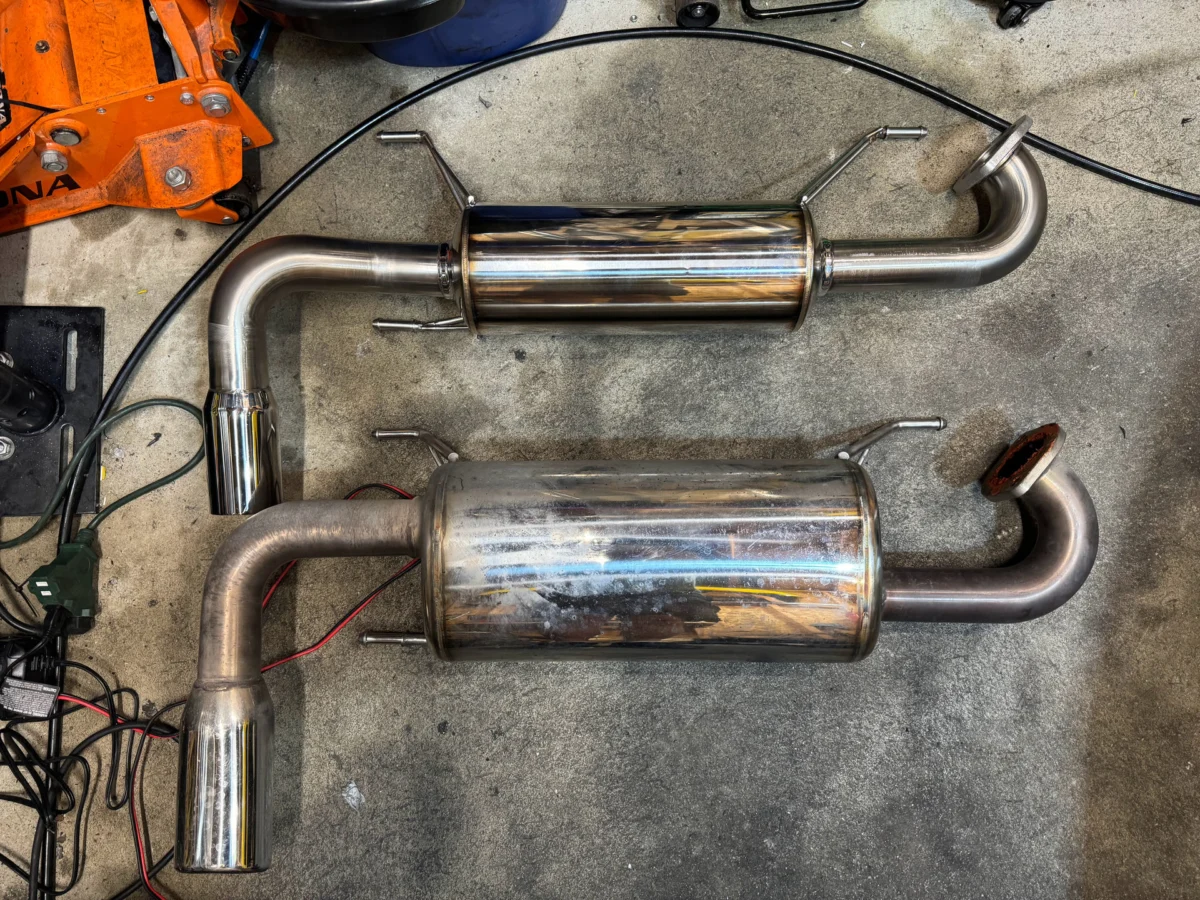
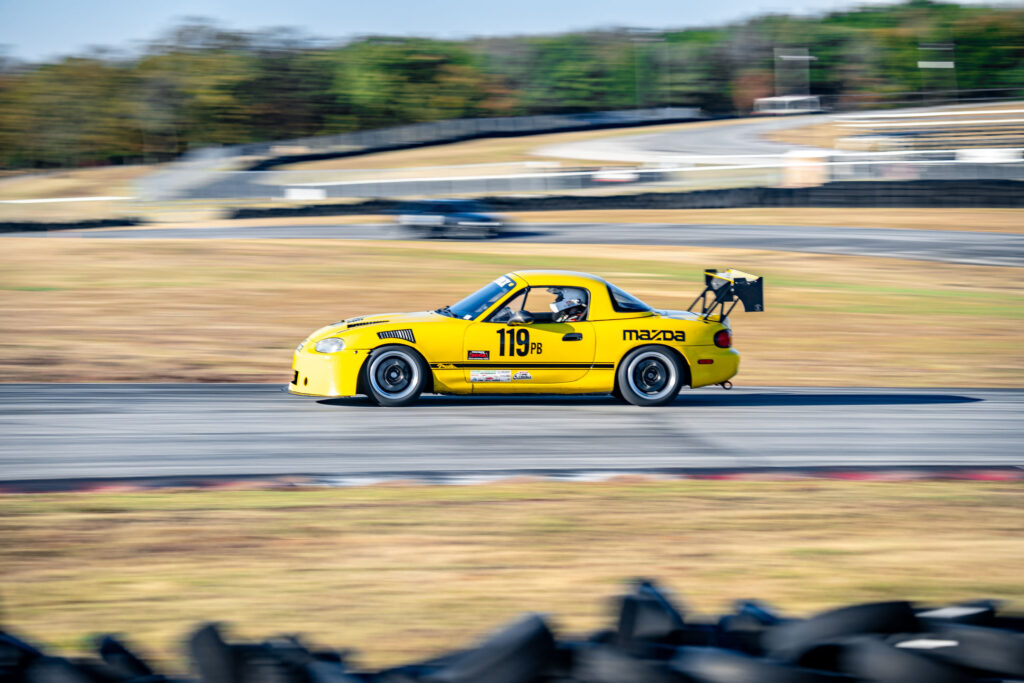
The grassroots motorsports landscape continues to serve as a primary laboratory for automotive endurance and performance tuning, as evidenced by the four-year development cycle of a second-generation (NB) Mazda MX-5 Miata. Spanning from March 2024 through February 2025, the most recent year of ownership for this specific chassis marks a significant transition from a street-capable hobbyist vehicle to a dedicated, trailered competition machine. This period was characterized by ambitious powertrain experimentation, the implementation of specialized thermal management systems, and a rigorous schedule of regional Time Trials events across the Midwestern United States.
Powertrain Transitions and the VVT Integration Challenge
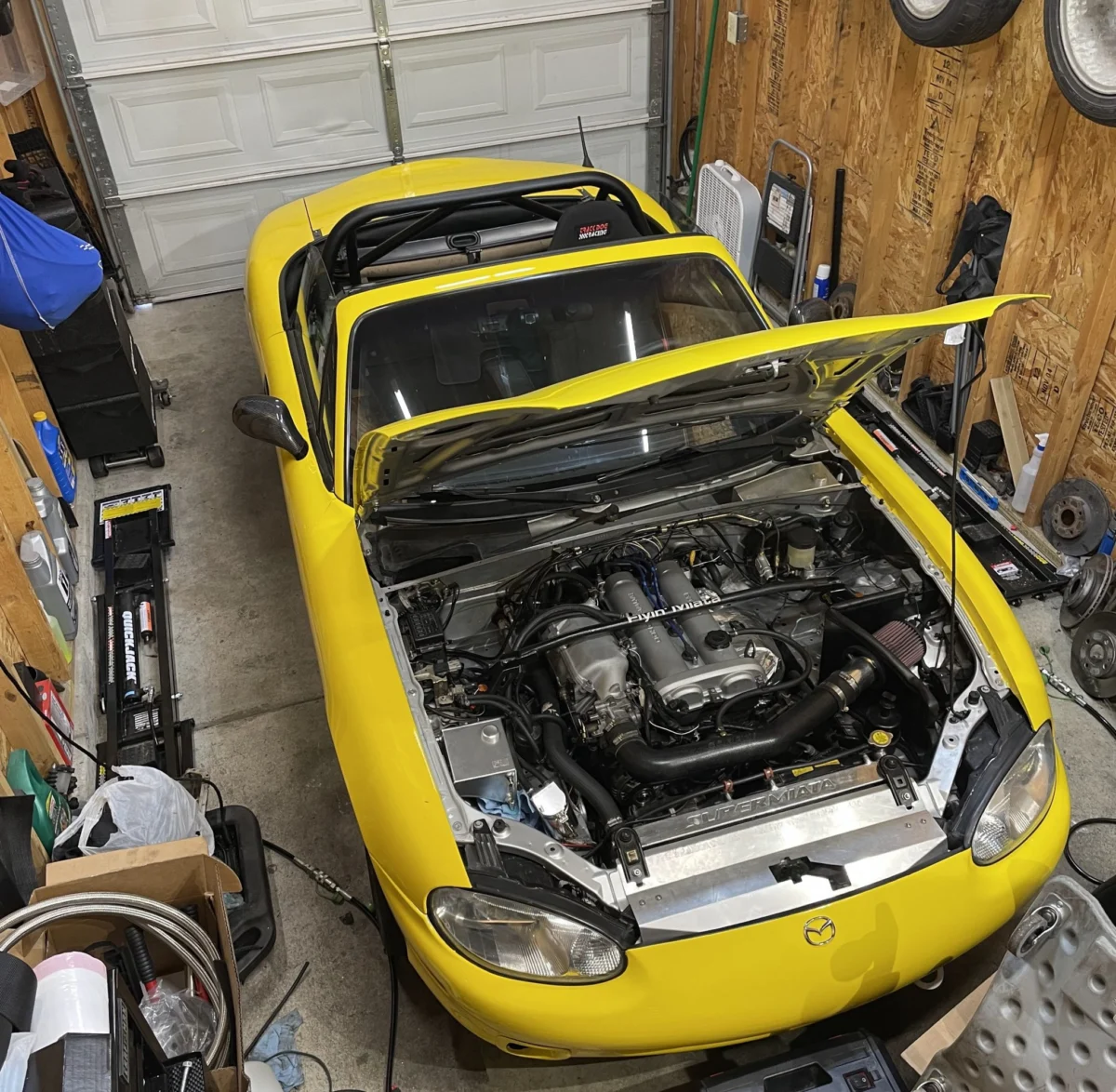
The 2024 season commenced with a substantial mechanical overhaul aimed at modernizing the vehicle’s power delivery. In March 2024, the owner initiated a swap of the original BP4W engine for a BP6D Variable Valve Timing (VVT) motor, a unit sourced from later NB2 models (2001–2005). The BP6D is highly regarded in the Miata community for its improved mid-range torque and broader power band compared to its predecessor.
The engine preparation involved a comprehensive "while-you’re-in-there" approach. The cylinder head was rebuilt to address sealing issues, and the block underwent a manual honing process. New Original Equipment Manufacturer (OEM) rings were paired with aftermarket pistons. Accompanying the engine swap was the installation of a six-speed manual transmission, replacing the factory five-speed unit to provide tighter gear ratios conducive to track use.
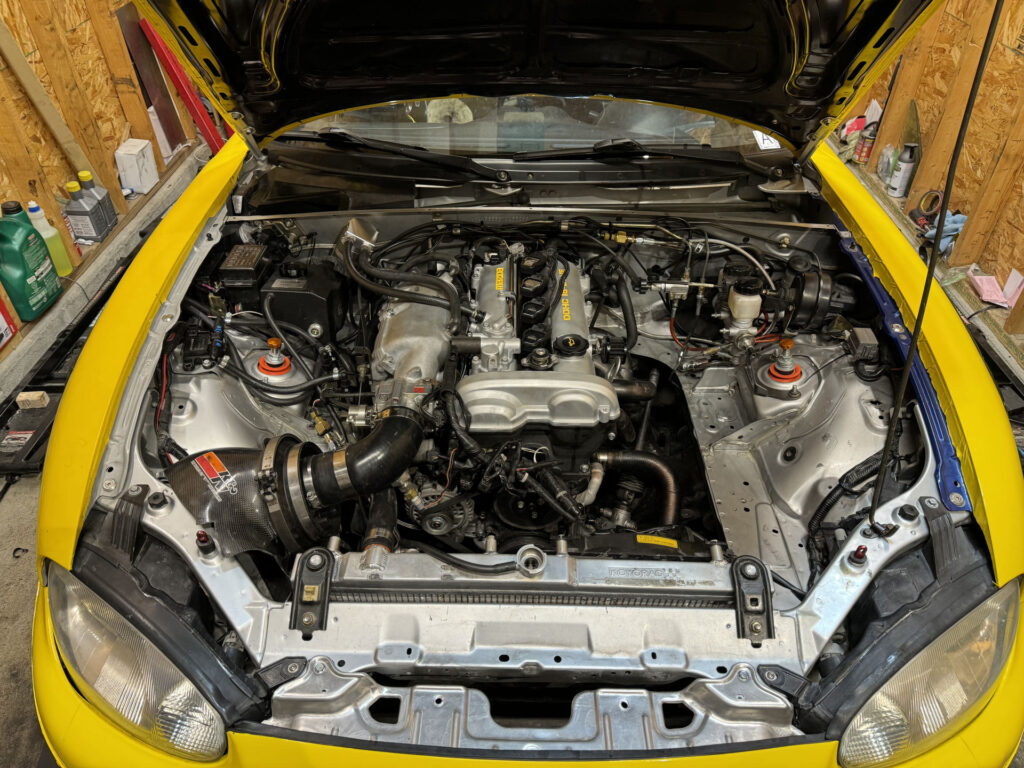
However, the limits of grassroots engine building were tested during an early-season autocross event. Under the stress of continuous near-redline revolutions, the cooling system experienced a pressure surge that resulted in a blown freeze plug and a minor head gasket failure. This setback necessitated a mid-season reversion to the original BP4W engine. Despite the setback, the six-speed transmission remained in the car, offering a tangible performance upgrade for the remainder of the 2024 competitive calendar.
Thermal Management and Braking Efficiency
In April 2024, the focus shifted to the vehicle’s braking system. While the car was already equipped with a Supermiata BX11 big brake kit, the high-intensity nature of track driving led to accelerated pad wear. Analysis indicated that while the braking torque was sufficient, the relatively thin pads were susceptible to rapid heat degradation.
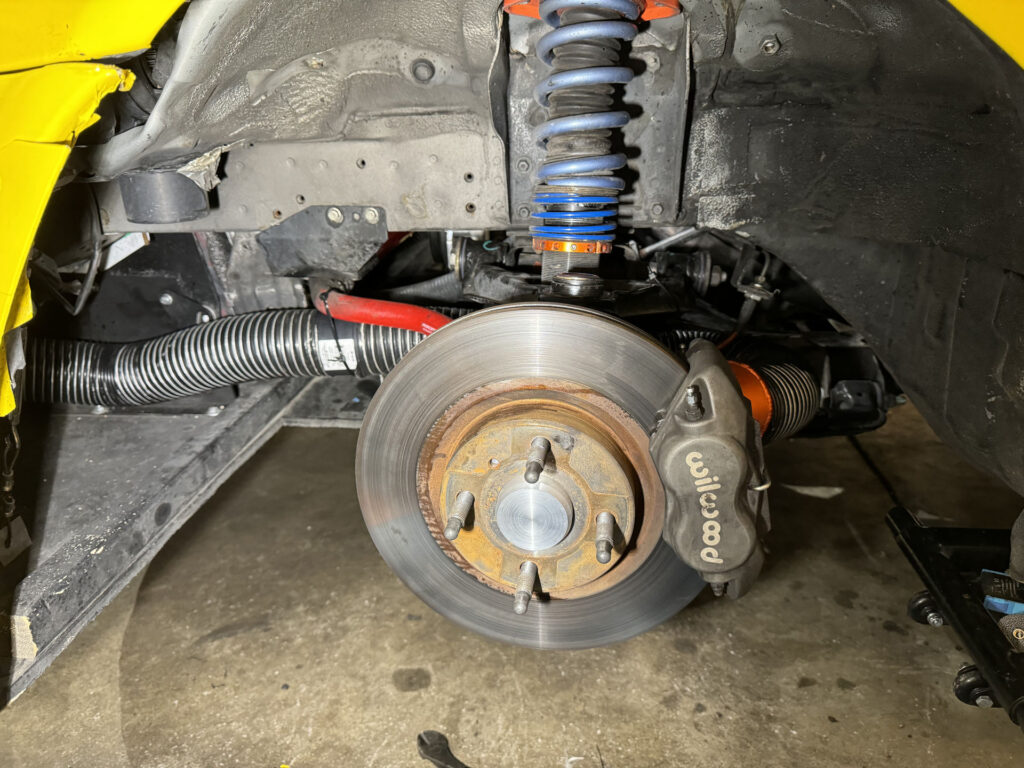
To mitigate this, custom brake cooling ducts were integrated into the front fascia. The owner utilized a modular design featuring two sections of high-temperature hose connected by a coupler. This configuration allows for cost-effective maintenance, as damaged sections can be replaced individually without discarding the entire assembly. Longitudinal data collected throughout the season suggested that these ducts approximately doubled the lifespan of the brake pads, representing a significant reduction in seasonal operating costs despite the minor inconvenience of managing duct routing during steering rack articulation.
Exhaust Systems and Weight Reduction
Further refinements were made in May 2024 with the installation of a Racing Beat Race muffler, replacing the more conservative Power Pulse variant. In professional track environments, exhaust modifications serve a dual purpose: weight reduction and improved acoustic feedback for the driver.
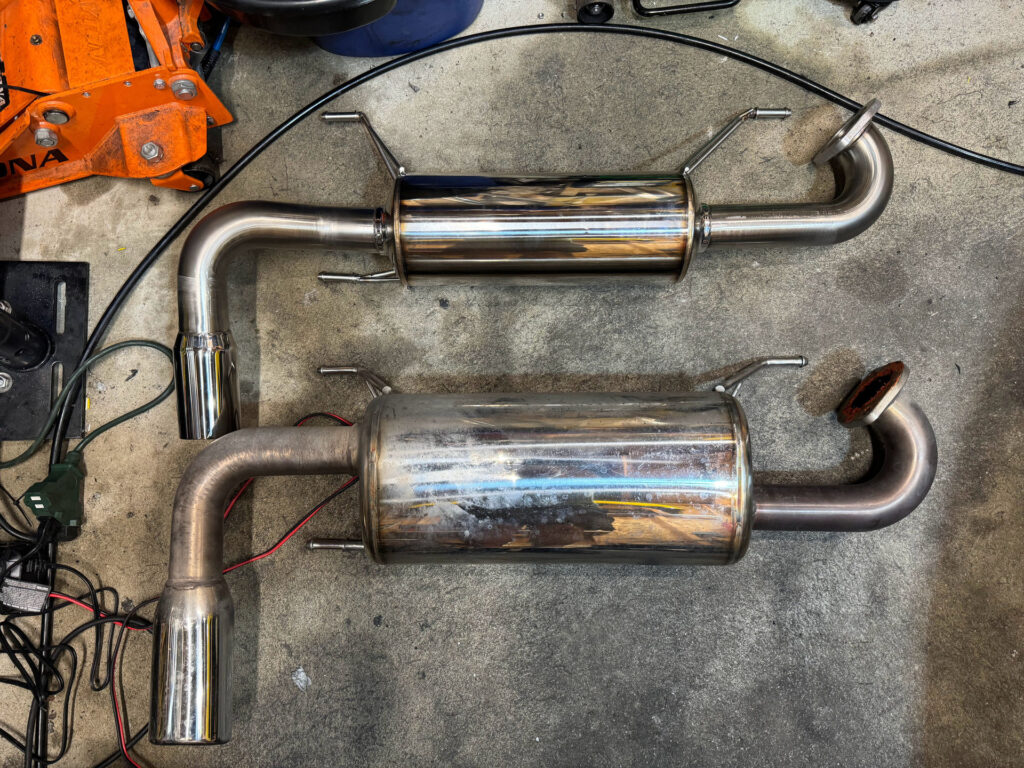
The new setup—comprising a Raceland header, a Racing Beat Race resonated midpipe, and the Race muffler—provided a more aggressive sound profile without exceeding the decibel limits enforced at many regional circuits. This modification exemplifies the balance required for privateer racers who must adhere to strict noise regulations while seeking every possible advantage in mass reduction.
Competitive Performance and Regional Track Analysis
The summer months of 2024 saw the NB Miata compete across a variety of demanding circuits, providing a benchmark for the year’s mechanical updates.
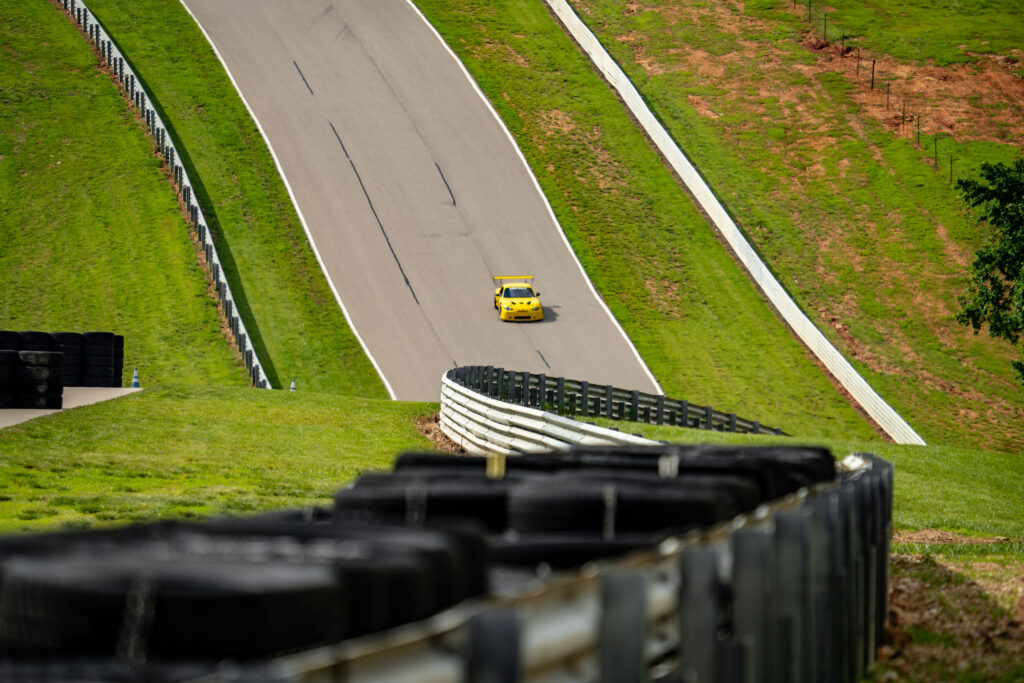
Ozarks International Raceway (June 2024)
Known for its extreme elevation changes and technical complexity, Ozarks International Raceway served as a proving ground for the car’s handling and the driver’s familiarity with the platform. The technical nature of the 3.97-mile circuit rewards precision over raw horsepower, and the year-over-year improvement in lap times highlighted the benefits of consistent seat time.
High Plains Raceway (July 2024)
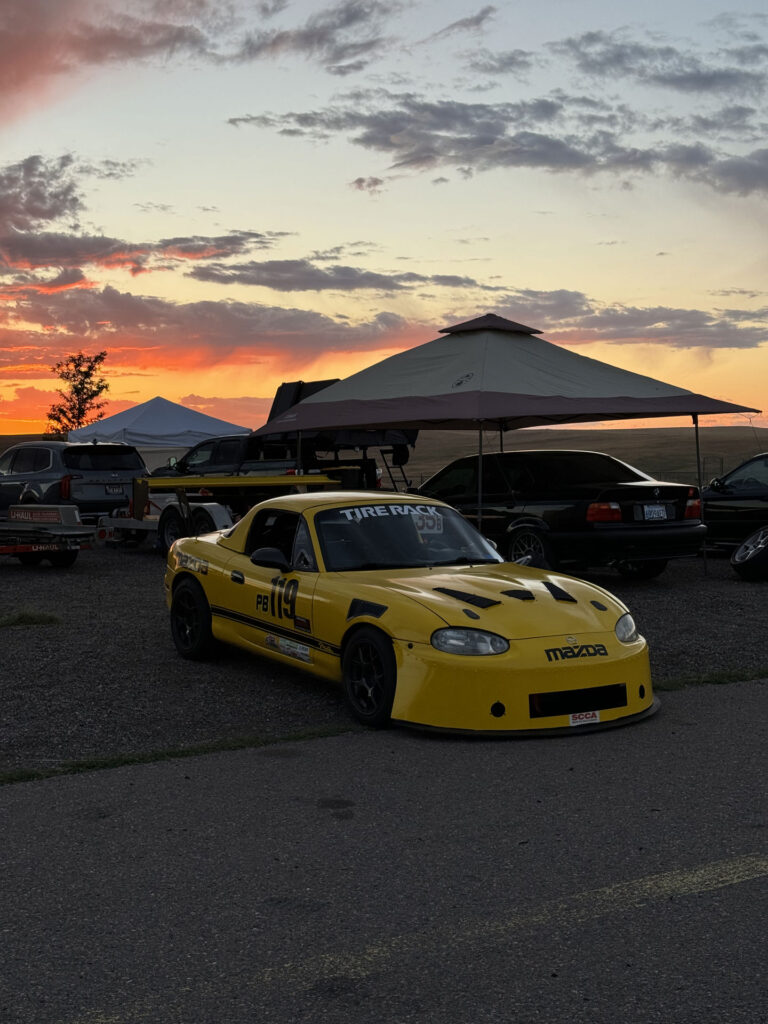
The July outing to High Plains Raceway in Colorado marked a logistical milestone. For the first time, the vehicle was transported via a dedicated tow vehicle rather than being driven to the track. This transition allowed for a more comfortable 900-mile round trip and provided a safety net in the event of a mechanical failure on track.
Motorsports Park Hastings (August 2024)
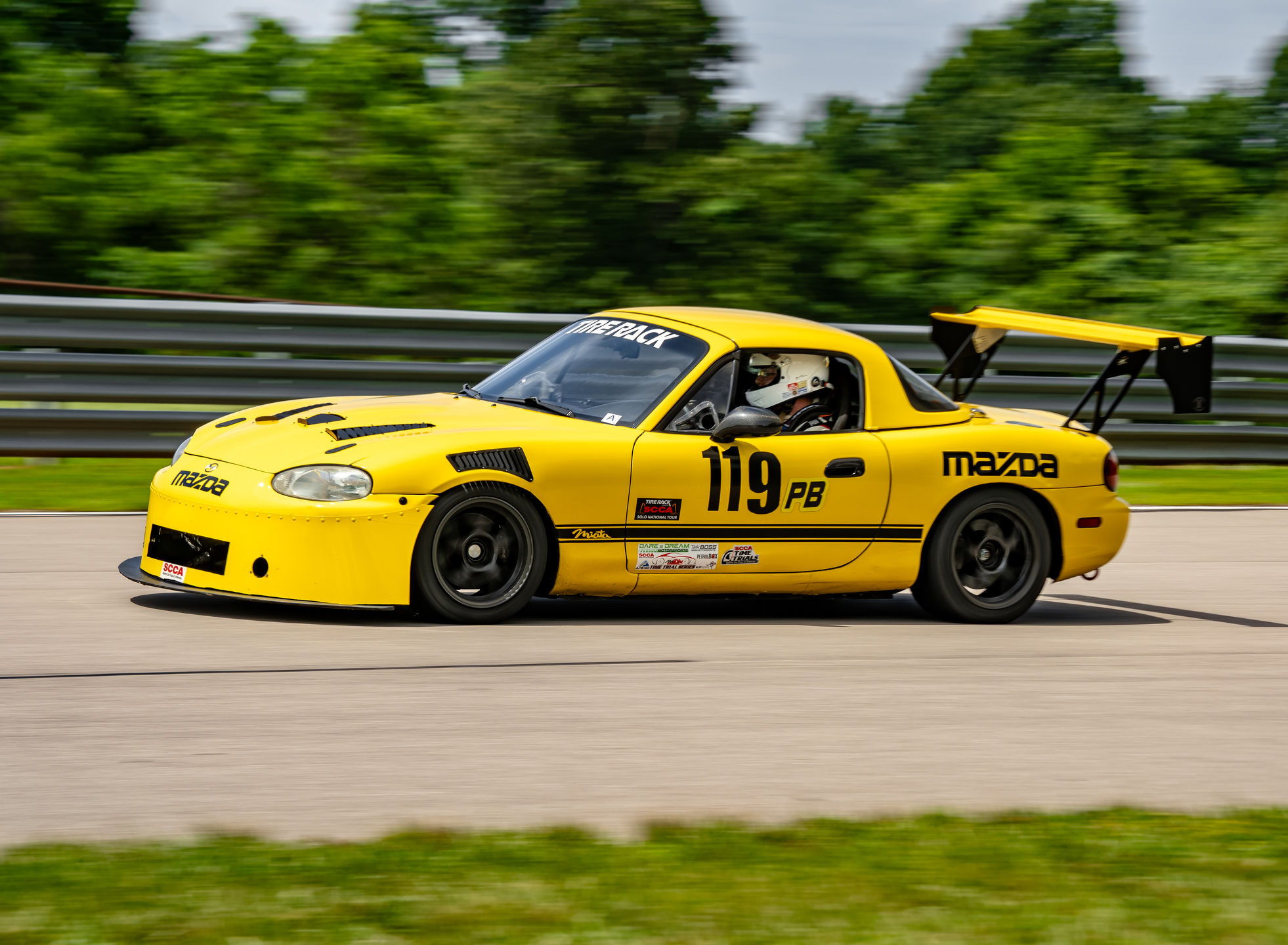
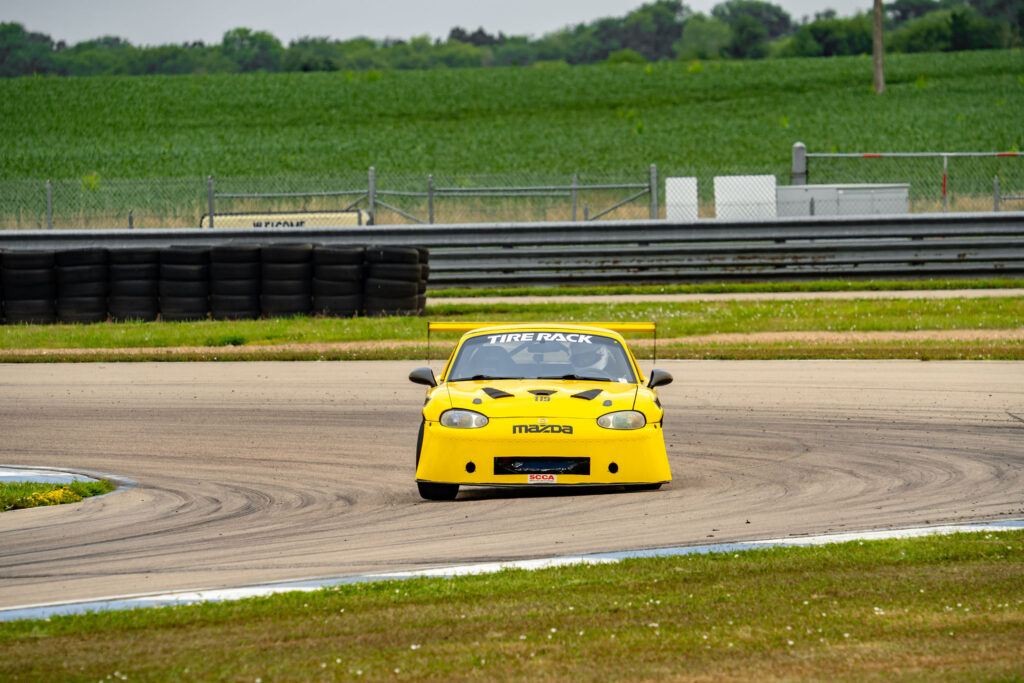
At the SCCA Time Trials event in Hastings, Nebraska, the vehicle achieved its most notable competitive success. Competing in a class situated between NASA TT6 and TT5 specifications, the Miata recorded a best lap of 1:39.19. This time was 3.59 seconds faster than the previous year’s personal best and notably eclipsed the NASA Spec Miata track record of 1:40.415. The performance demonstrated that the refined suspension and drivetrain setup could punch significantly above its weight class.
Logistical Infrastructure and "At-Track" Sustainability
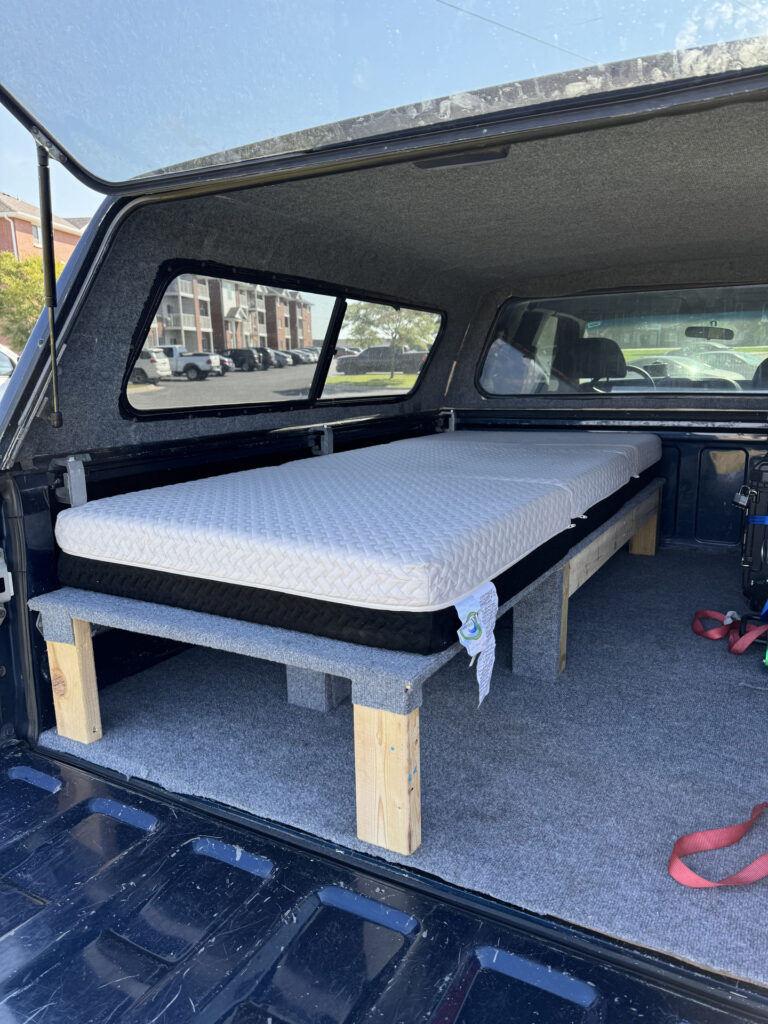
As the vehicle became more specialized, the owner invested in the infrastructure necessary to support multi-day racing events. In September 2024, a truck bed camping system was developed to replace traditional tent camping. By installing a color-matched camper shell (topper) and a custom-built sleeping platform, the owner created a weather-resistant, mobile living space.
The setup included:
- A 75×31-inch memory foam mattress on a modular platform.
- A MaxxFan Deluxe RV roof vent for climate control.
- Roof-mounted solar panels to maintain auxiliary battery levels for lighting and ventilation.
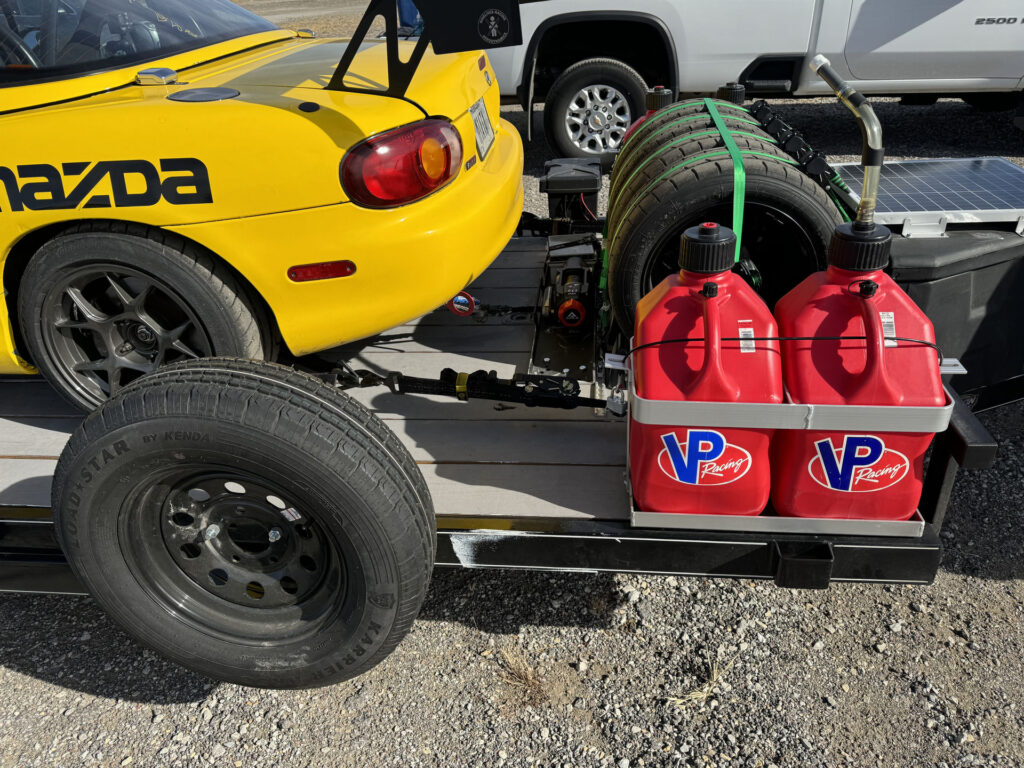
This was complemented in October 2024 by the acquisition and modification of an 18-foot open car hauler. The trailer was customized with a front-mounted toolbox, an electric winch for loading non-running vehicles, and a dedicated battery system with solar charging. To accommodate the Miata’s low ground clearance and front splitter, the owner utilized custom wood ramps to decrease the approach angle, a common challenge for enthusiasts running aggressive aerodynamic setups.
End-of-Season Analysis and 2025 Preparations
The competitive season concluded in November 2024 at the Hallett Motor Racing Circuit. Despite facing tire degradation and rear-wheel lockup issues, the vehicle continued to show year-over-year improvement in both clockwise and counter-clockwise configurations.
In December, a teardown of the failed VVT motor revealed no catastrophic damage. Minor cylinder wall wear and head surface imperfections suggested that a professional skimming of the head and the use of high-grade sealants could return the engine to service. However, for the start of the 2025 season, the owner opted to remain with the reliable BP4W block.
To extract more power from the existing setup, a Skunk2 intake manifold was installed in January 2025. This manifold is designed to improve high-RPM airflow, potentially preventing the power drop-off typically seen after 7,000 RPM. While the gains are estimated to be modest (1–4 wheel horsepower), the modification is a strategic move for a vehicle that spends the majority of its life in the upper reaches of the tachometer.
The final update for the 2025 season involved the integration of a GMRS (General Mobile Radio Service) communication system. Utilizing Baofeng UV-5R radios and a NASCAR-style wiring harness adapted for IMSA connectors, the system allows for real-time communication between the driver and pit crew. This enables the driver to receive live timing updates and tactical information without exiting the vehicle, a crucial component for competitive Time Trials.
Statistical Summary and Broader Implications
The fourth year of ownership concludes with a robust data set reflecting the car’s reliability and the owner’s dedication to the platform. In 2024 alone, the NB Miata completed 392 laps, totaling 12.1 hours of track time across 16 separate days. Since the acquisition of a Garmin Catalyst performance optimizer, the car has logged a cumulative 1023 laps and 34.6 hours of track driving.
The transition away from autocross toward dedicated track events reflects a broader trend in the enthusiast community, where drivers seek more substantial "time-on-throttle" than the short-burst format of autocross typically allows. The evolution of this NB Miata from a street-legal convertible to a record-breaking Time Trials contender underscores the enduring viability of the Mazda MX-5 platform in modern grassroots motorsports. As the 2025 season begins, the combination of refined logistics, improved communication, and optimized intake dynamics positions this vehicle as a formidable entrant in regional competition.