Retno Hari Mulyono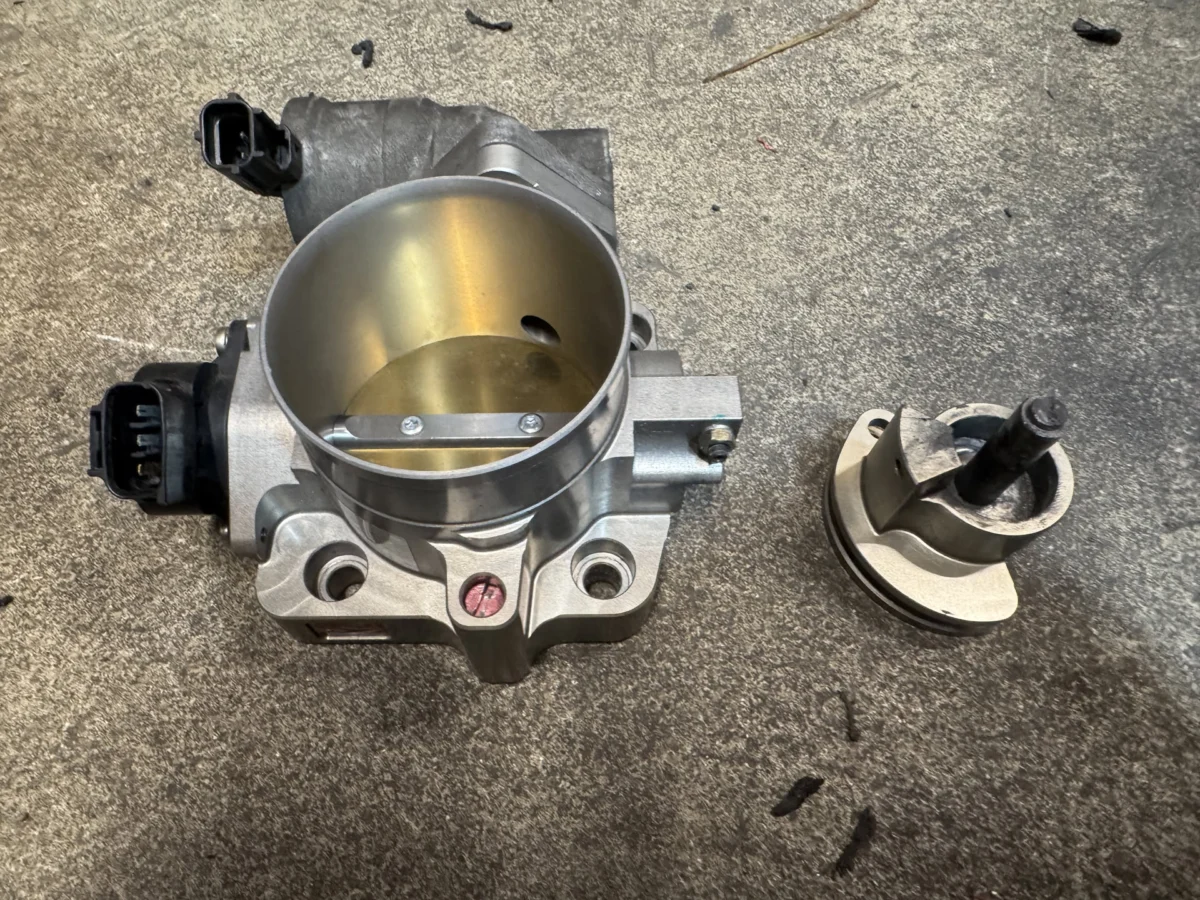
The automotive aftermarket for the Mazda MX-5 Miata, specifically the second-generation NB platform, is currently undergoing a significant technological transition as drivers move away from traditional cable-driven throttle bodies in favor of sophisticated drive-by-wire (DBW) systems. This shift is largely driven by mounting reliability concerns regarding high-performance mechanical throttle bodies and a desire for more granular engine management. For decades, the mechanical connection between the accelerator pedal and the engine’s butterfly valve was considered a hallmark of the Miata’s "connected" driving experience. However, recent data from track enthusiasts and performance tuners suggest that the limitations of these analog systems are beginning to outweigh their simplicity.
The Mechanical Failure Catalyst
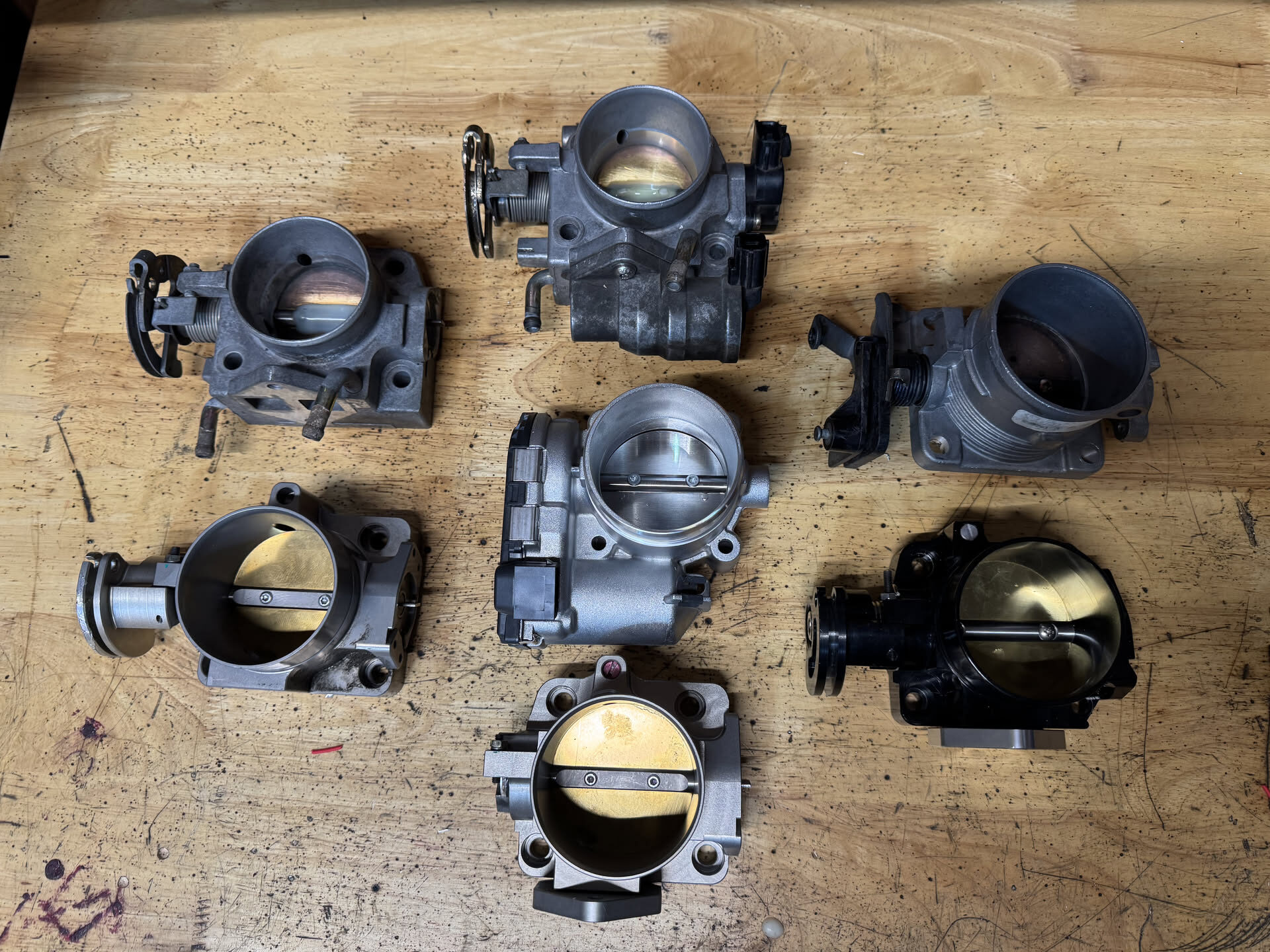
The catalyst for this movement has been a series of documented failures involving popular aftermarket mechanical throttle bodies. For years, the Skunk2 throttle body was a go-to upgrade for NB Miata owners seeking increased airflow. However, a growing body of evidence from the 2025 racing season has highlighted critical failure points, leading some tuners to refer to the components derisively as "Junk2." Reports indicate two primary failure modes: the sticking of the throttle blade in a partially open position, leading to dangerously high idle speeds, and total mechanical failure during high-stress track conditions.
The issues are not limited to aftermarket components. The original equipment manufacturer (OEM) throttle bodies on the NA and NB Miata models, while reliable for standard street use, have shown weaknesses when subjected to the vibrations and pressures of modified engines. Documented cases of throttle blade screws backing out or the throttle shaft snapping have surfaced in the enthusiast community. In several instances, these failures resulted in catastrophic engine damage when hardware was ingested into the combustion chamber. While some owners have attempted to mitigate these risks by using high-strength epoxies, such as 3M DP420, to secure throttle shaft screws, the consensus is shifting toward a more permanent, electronic solution.

Technical Advantages of Electronic Throttle Control
Drive-by-wire technology replaces the physical cable with an electronic sensor at the pedal and an electric motor at the throttle body. While modern performance cars have utilized this technology for over two decades, retrofitting it to older platforms like the Miata offers several distinct advantages.
First, DBW systems provide superior idle control. Traditional mechanical systems rely on a separate Idle Air Control (IAC) valve, which can be prone to clogging or inconsistent operation. A DBW system uses the main throttle blade to precisely manage idle airflow, eliminating the need for auxiliary valves and simplifying the engine bay. Second, electronic control allows for "throttle mapping," where the relationship between pedal position and throttle opening can be tuned for different driving modes. This is particularly useful for forced induction applications, where a non-linear throttle map can make a high-horsepower car more linear and predictable.
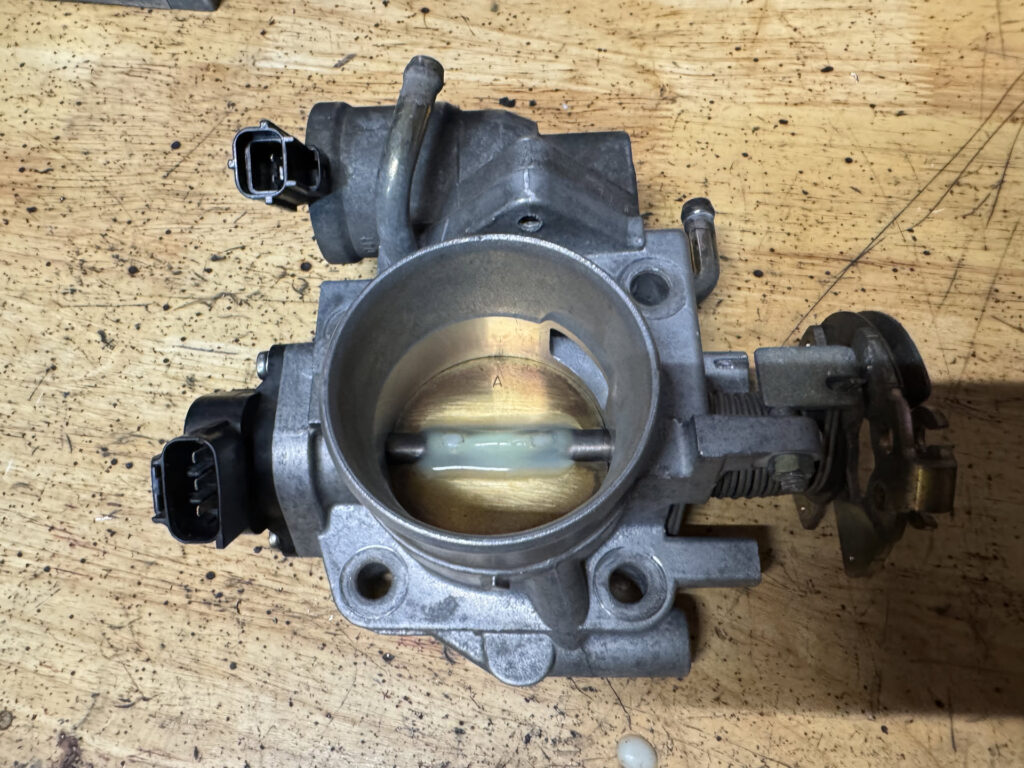
Furthermore, DBW integration enables advanced features such as cruise control, traction control, and "auto-blip" downshifting without the need for additional mechanical actuators. For track-focused builds, the ability to program a rev-match during downshifts significantly reduces drivetrain shock and improves lap time consistency.
The Megasquirt Compatibility Challenge
For many Miata owners, the primary hurdle to adopting DBW technology is the Engine Control Unit (ECU). The Megasquirt MS3Pro series, a popular standalone ECU for the Miata platform, does not natively support drive-by-wire functionality. While newer competitors like Haltech or MaxxECU include DBW drivers built into the hardware, Megasquirt users have historically been forced to choose between expensive ECU upgrades or remaining with cable-driven systems.

The market has recently responded to this gap with a new generation of CAN-bus compatible controllers. These external modules act as an intermediary, receiving signals from the Megasquirt ECU via the Controller Area Network (CAN) and translating them into the high-current signals required to move an electronic throttle motor.
Market Landscape: Comparative Analysis of DBW Controllers
As of late 2025, several key players have emerged in the DBW controller market, offering varying levels of features and price points for the Megasquirt ecosystem:

-
DBWX2 Controller: Positioned as a premium option at approximately $500, the DBWX2 was an early market leader. Its primary advantage is the support for dual independent throttle bodies, making it a favorite for "hot side" supercharger setups or exotic V8 swaps requiring two plenums. It offers deep integration with TunerStudio software, allowing for easy calibration.
-
AMP EFI Controller: Released in October 2025, this unit has quickly gained traction due to its $300 price point and robust feature set. It includes dedicated inputs for brake and clutch sensors, facilitating easy setup for auto-blip downshifting. Its ability to function as a standalone controller—reporting throttle position back to the ECU as a standard analog signal—makes it a versatile choice for various wiring configurations.

-
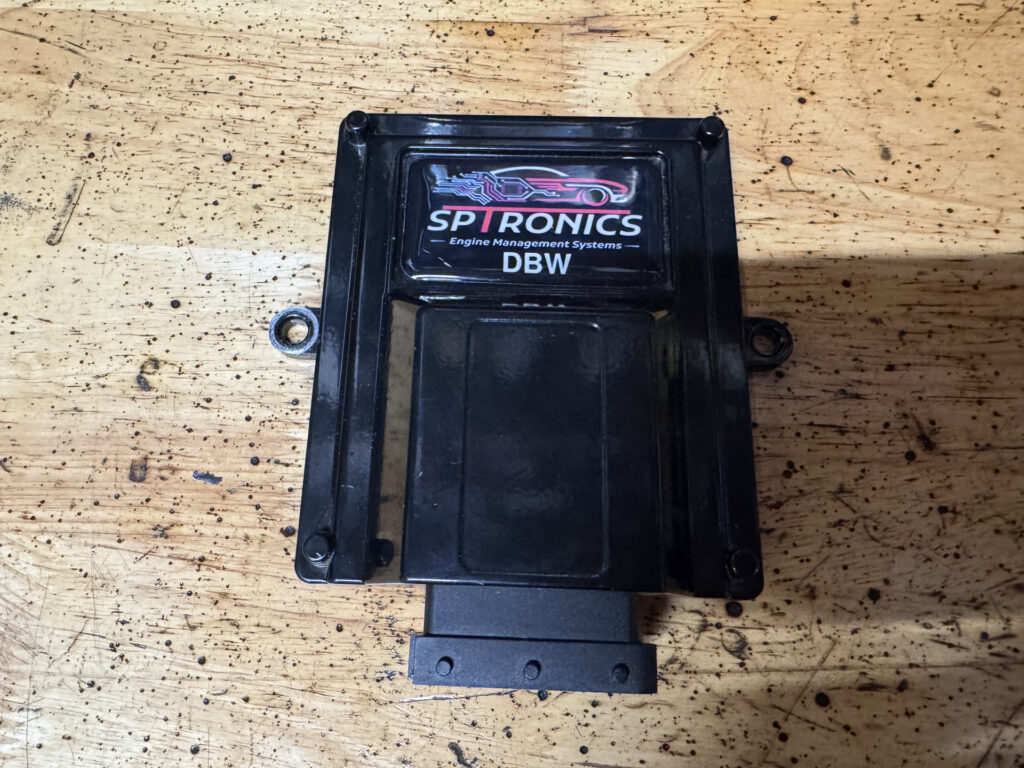
SPTronics Controller: Representing the budget-friendly end of the spectrum at $150, the SPTronics unit provides a gateway for enthusiasts on a strict budget. While it lacks some of the advanced PID (Proportional-Integral-Derivative) tuning adjustments and firmware update capabilities of its rivals, it supports dual throttle bodies in a mirrored configuration, providing significant value for the cost.
-
MS Labs Controller: Primarily serving the European market, the MS Labs unit is noted for its advanced idle control algorithms and integrated safety features. However, limited availability in North America has restricted its adoption among US-based Miata tuners.

-
LD Performance: A mid-range option priced near $200, this unit offers basic functionality but has faced criticism for its non-waterproof enclosure, requiring interior mounting which can complicate engine bay wiring.
Implementation and Hardware Integration
The transition to DBW requires a hardware ecosystem beyond the controller itself. Most Miata conversions are now standardizing around the Bosch Motorsports 60mm electronic throttle body. These units are favored for their OEM-level reliability, affordability (often priced under $150), and widespread availability. Because the Bosch unit does not share the Miata’s bolt pattern, the aftermarket has seen a surge in adapter plates from companies like Outsider Garage and ChathamCNC, which allow for a seamless fit onto the stock intake manifold.
One of the more creative solutions in the Miata community involves the Accelerator Pedal Position (APP) sensor. Rather than retrofitting a modern electronic pedal assembly—which often requires extensive fabrication under the dashboard—many owners are opting for the "Honda Hack." This involves using a cable-driven sensor found in 2003–2007 Honda Accord V6 models. This sensor is mounted in the engine bay and connected to the original Miata throttle cable. This hybrid approach preserves the mechanical "feel" of the stock pedal while providing the necessary electronic signal to the DBW controller, all while significantly reducing installation time.
Safety Implications and Redundancy
A critical point of discussion within the journalistic and technical community is the safety of these retrofitted systems. Unlike mechanical cables, which have a physical return spring, electronic systems rely on software logic to prevent "runaway" throttle events. Modern DBW throttle bodies and pedal sensors use dual, redundant signals (TPS1/TPS2 and APP1/APP2) that operate on opposing voltage scales. If the signals do not match within a specific tolerance, the controller is programmed to immediately cut power to the throttle motor, allowing the internal clock spring to snap the blade shut.

Industry experts suggest that while the complexity of DBW is higher, the safety margin is arguably superior to aged mechanical systems. A snapped throttle cable or a backed-out screw in a traditional setup offers no electronic failsafe, whereas a properly configured CAN-bus system can detect a fault in milliseconds.
Conclusion and Future Outlook
The move toward drive-by-wire in the Miata community represents a broader trend in the restomod and tuning industry: the "digitization" of classic platforms to enhance reliability and performance. As mechanical components for 20-to-30-year-old vehicles become harder to source or prove inadequate for modern power levels, electronic solutions offer a path forward.

For the 2026 season, it is expected that DBW will become the standard for any Miata producing over 200 horsepower or those frequently used in competitive environments. The development of specialized controllers from companies like AMP EFI and SPTronics has lowered the barrier to entry, ensuring that even platforms running older ECUs like Megasquirt can benefit from the precision of modern engine management. The ongoing comparison tests of these controllers will likely provide the community with a definitive roadmap for making the switch, marking the end of the mechanical throttle cable era for the world’s most popular roadster.