Retno Hari Mulyono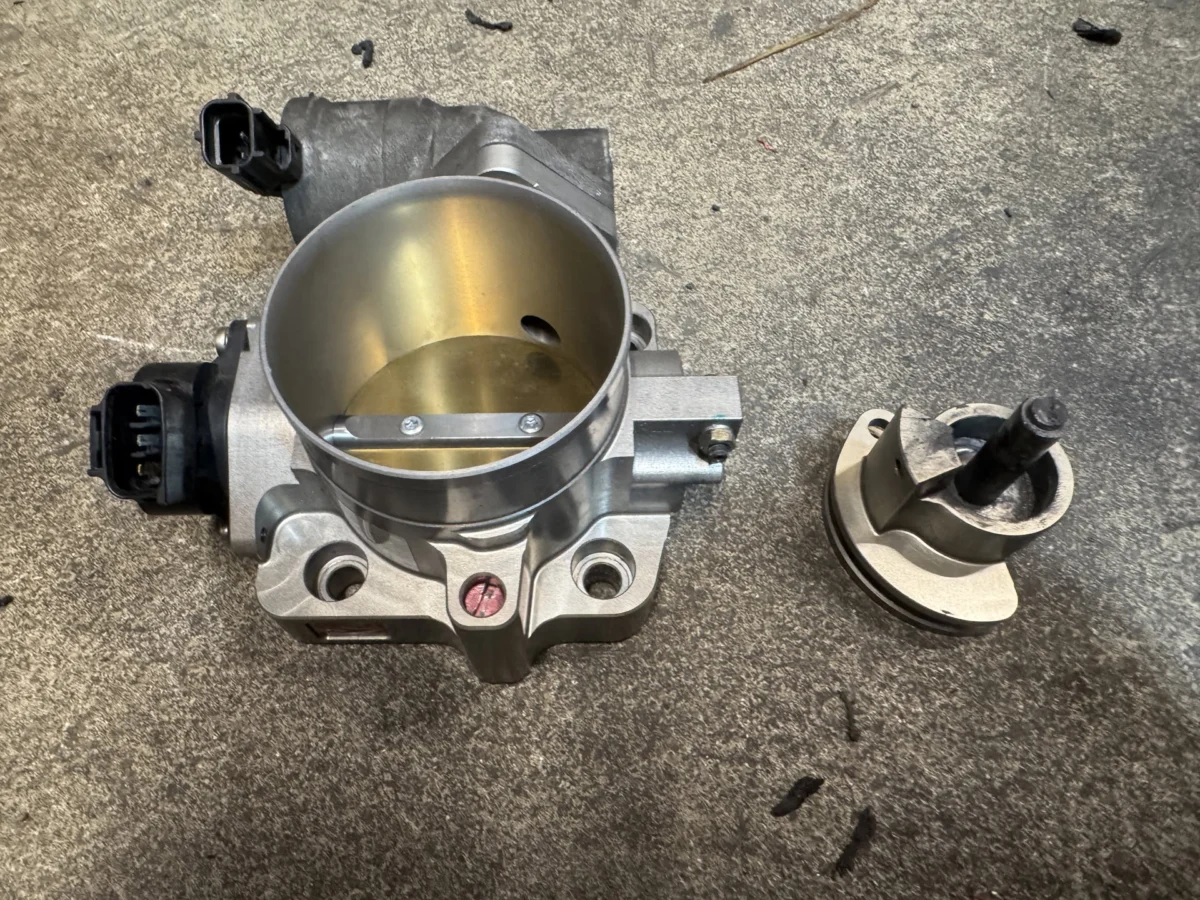
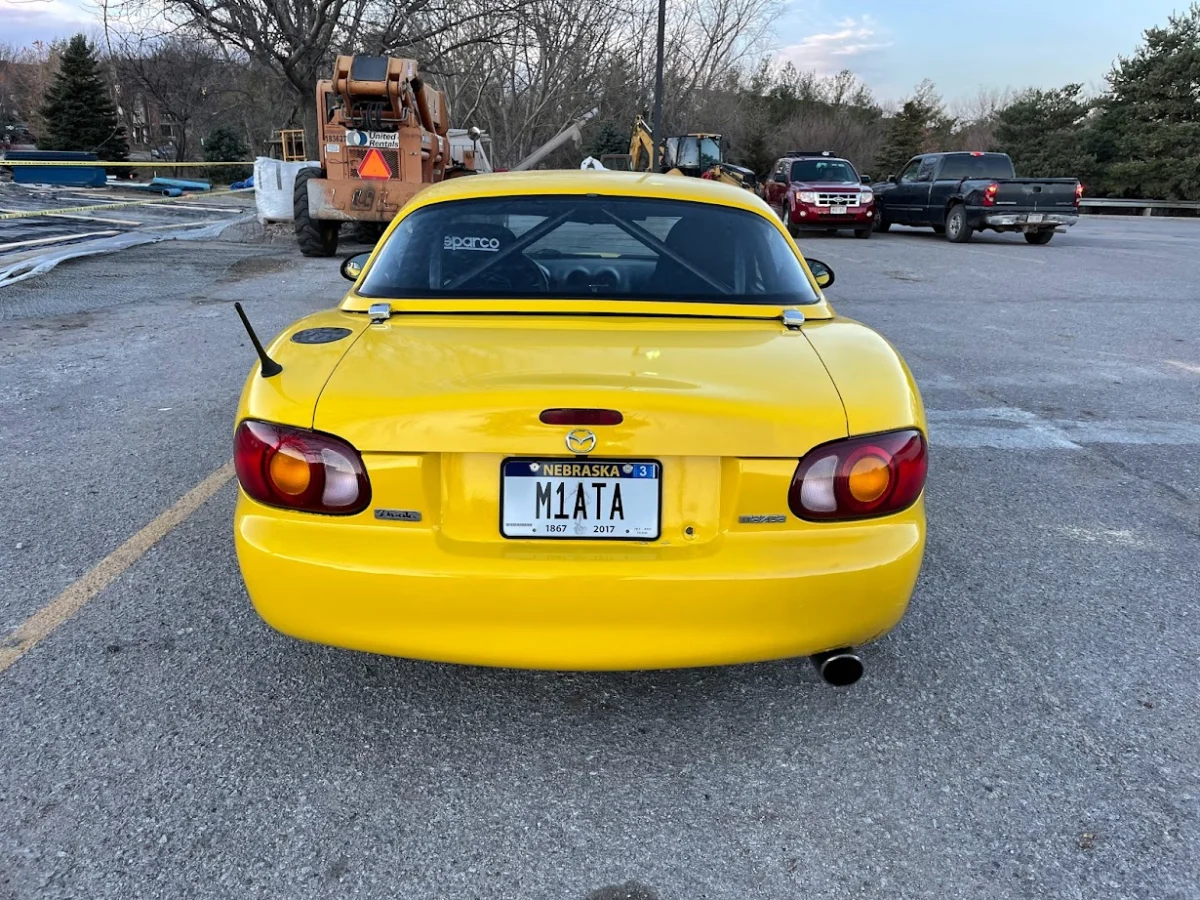
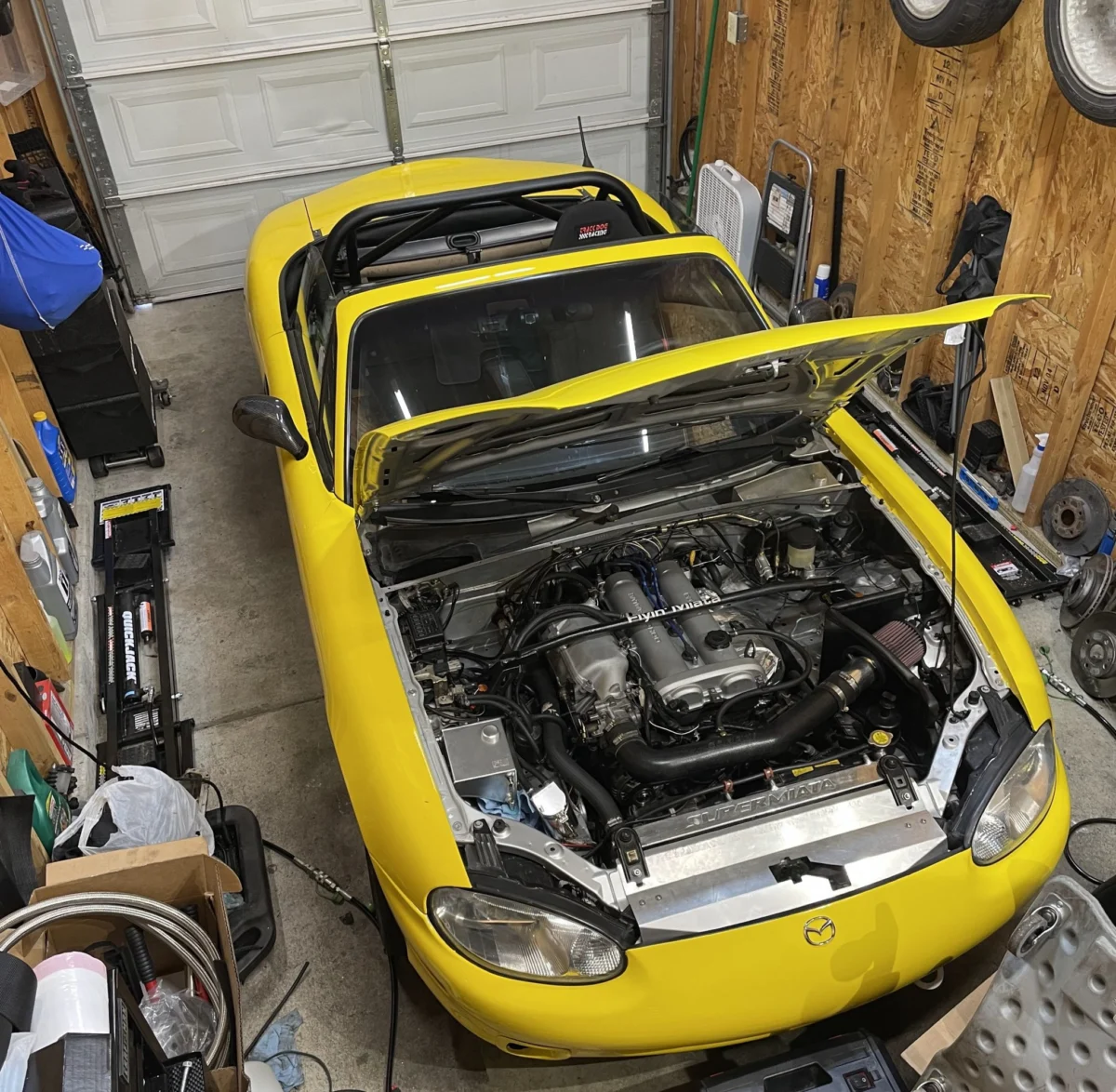
The automotive aftermarket for the Mazda MX-5 Miata, particularly the first and second-generation NA and NB models, is currently undergoing a significant technological transition. As enthusiasts push these platforms toward higher performance thresholds in track and competitive environments, the limitations of traditional mechanical cable-driven throttle bodies have become a focal point for engineering refinement. This shift is characterized by a move toward Drive-By-Wire (DBW) systems, which replace mechanical linkages with electronic sensors and actuators. While modern standalone Engine Control Units (ECUs) such as Haltech or MaxxECU often provide native support for electronic throttles, the popular Megasquirt MS3 platform requires specialized external controllers to facilitate this integration via CAN bus communication.
The Case for Electronic Throttle Control in Performance Tuning
For decades, the cable-driven throttle body was the standard for internal combustion engines, praised for its simplicity and direct mechanical feedback. However, in high-vibration environments such as road racing and autocross, these systems have demonstrated critical failure points. Reports from the field indicate that aftermarket performance throttle bodies, specifically those designed for the Miata’s B6 and BP engines, frequently suffer from metallurgical fatigue.
One of the most documented failure modes involves the throttle shaft, which can snap under the stress of high-frequency vibrations and repeated wide-open-throttle cycles. Furthermore, the screws securing the throttle blade to the shaft are known to back out over time; if ingested by the engine, these components can cause catastrophic internal damage. Beyond reliability, mechanical systems are limited in functionality. They cannot natively support modern driver-assist features such as "auto-blip" downshifting, precise cruise control, or variable throttle mapping, which allows for different pedal sensitivities based on driving conditions.

The transition to DBW addresses these vulnerabilities. By using a DC motor to actuate the throttle plate, the system eliminates the physical cable and the associated friction. Moreover, electronic systems include built-in redundancies, such as dual potentiometers, to ensure that if a sensor fails, the system defaults to a safe mode, preventing unintended acceleration—a safety feature often absent in modified mechanical setups.
Chronology of the Transition: From Failure to Implementation
The move toward DBW in the Miata community has gained momentum over the last five years, following a predictable timeline of development:
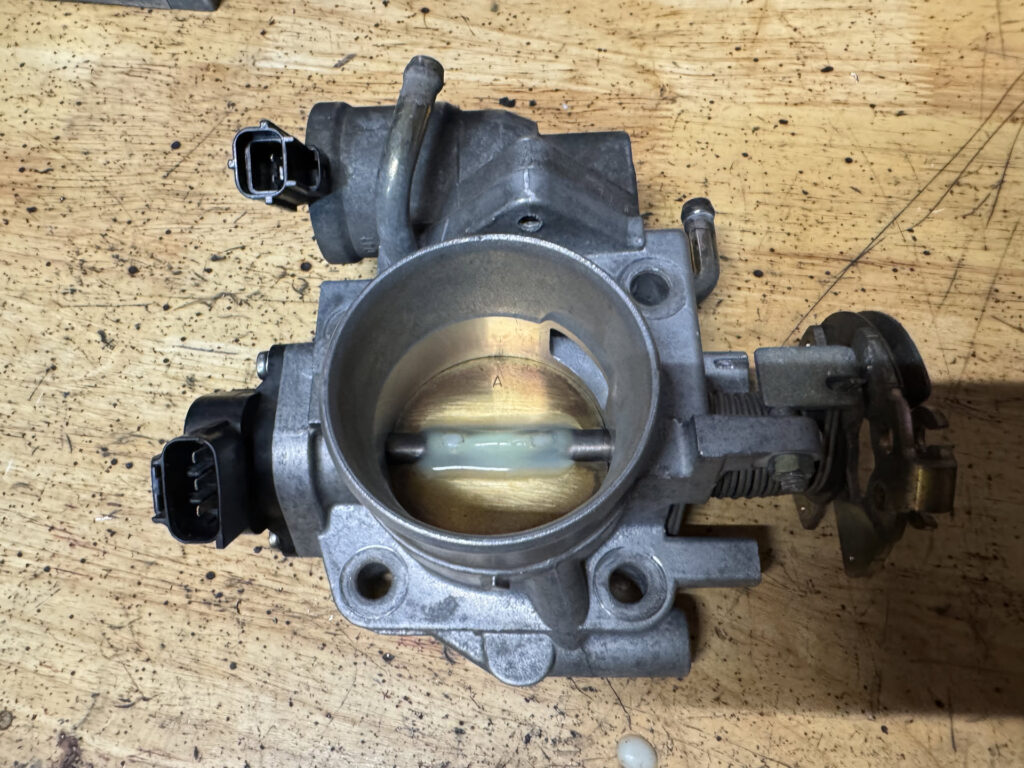
- Mechanical Realization (2018–2022): Increased reports of failures in popular aftermarket throttle bodies led to a search for more robust solutions. Enthusiasts initially attempted to reinforce stock units using high-strength epoxies like 3M DP420 on the throttle shaft and screws, but this was viewed as a temporary measure rather than a permanent fix.
- CAN Bus Integration (2019–2023): As the Megasquirt MS3 firmware evolved, it began supporting DBW control through CAN (Controller Area Network) bus messages. This allowed third-party manufacturers to develop external modules that could translate the ECU’s requests into motor movements.
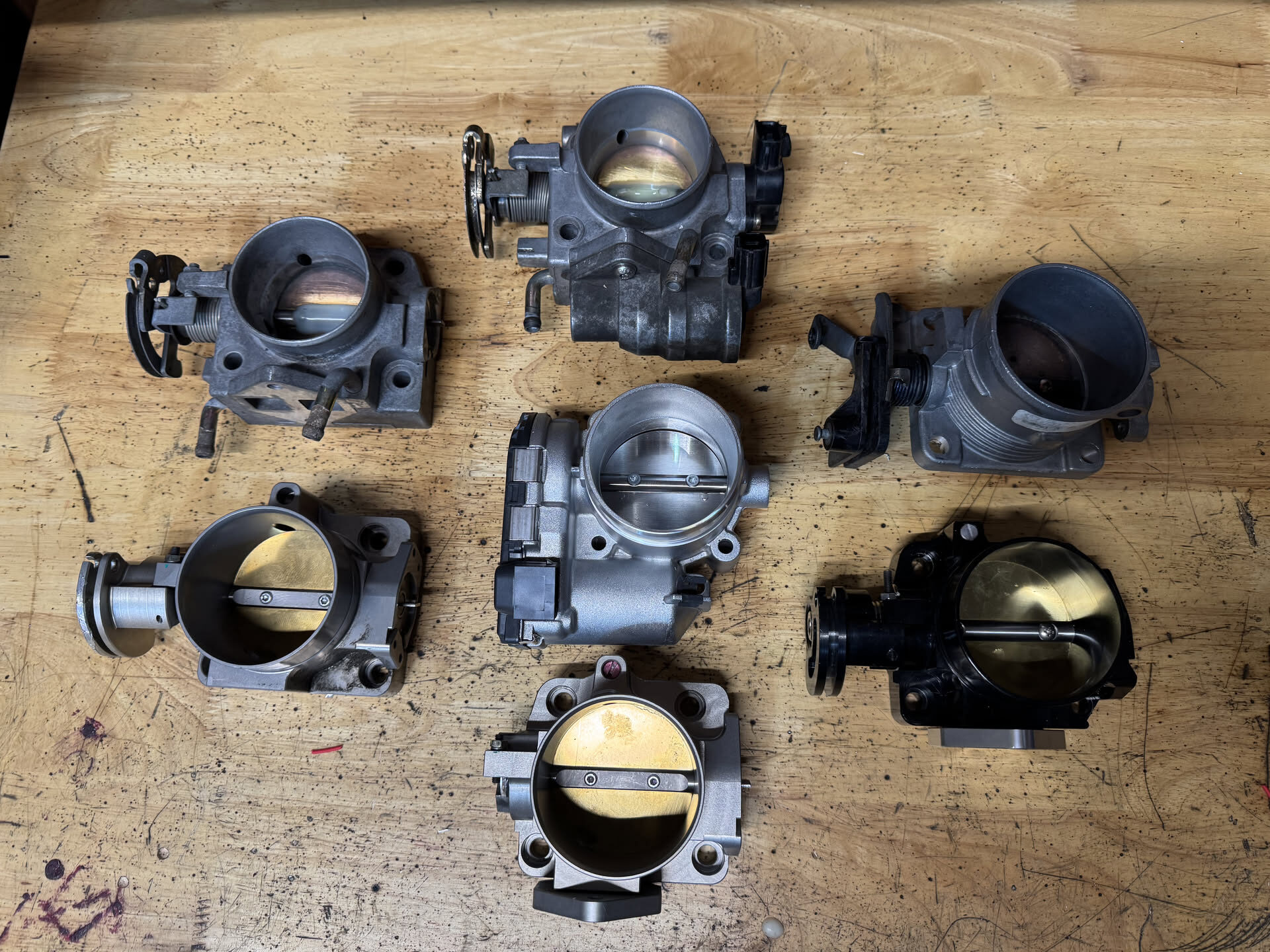
- Hardware Standardization (2023–2025): The community converged on the Bosch 60mm electronic throttle body as the industry standard due to its OEM-level reliability, affordable price point (averaging $150), and widespread availability.
- Market Diversification (Late 2025): New controllers, such as the AMP EFI module released in October 2025, have entered the market, providing more competitive pricing and integrated features like auto-blip logic.
Technical Analysis of Available CAN-Compatible Controllers
For users of the MS3Pro Evo or similar Megasquirt systems, the choice of a DBW controller is the most critical decision in the conversion process. As of late 2025, several primary options dominate the market, each catering to different technical requirements and budgets.
The DBWX2 Controller
Retailing at approximately $500, the DBWX2 is positioned as a premium, high-capability option. It was among the first to market in 2019 and remains a favorite for complex builds. Its most notable feature is dual-channel support, allowing for the independent control of two throttle bodies. This is particularly relevant for "hot-side" supercharger setups or twin-engine applications. It is fully configurable through TunerStudio, the standard interface for Megasquirt users.

The SPTronics Module
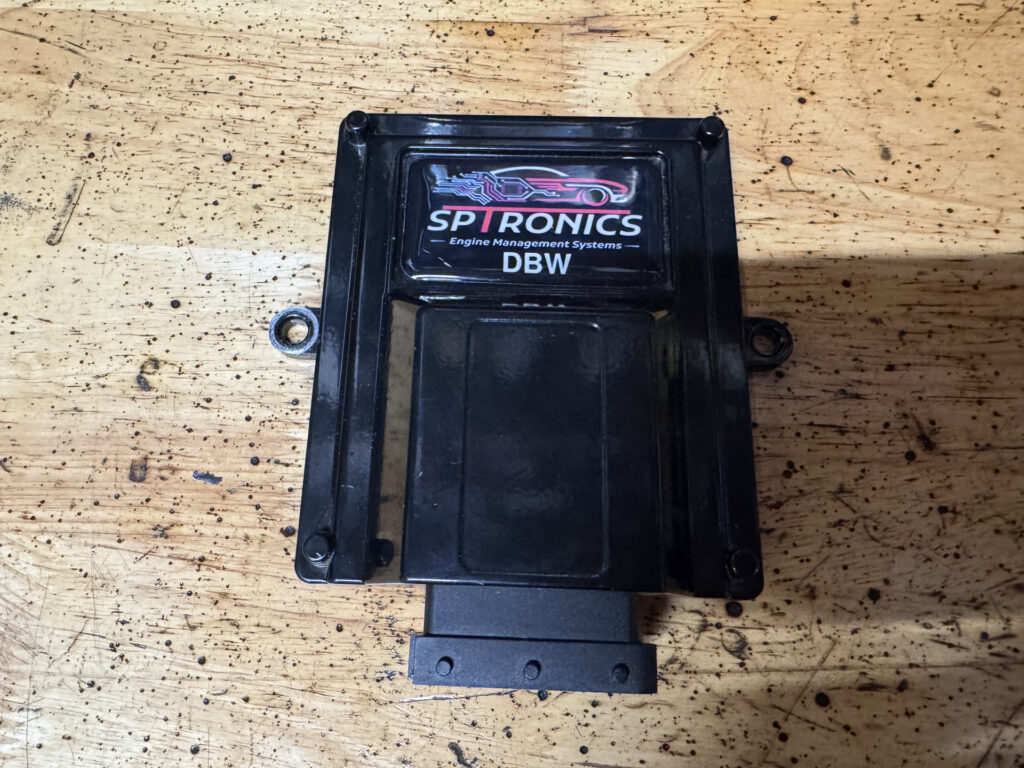
At the opposite end of the price spectrum is the SPTronics controller, priced at roughly $150. While it lacks the advanced firmware update capabilities and configurable CAN termination resistors found in more expensive units, it offers a cost-effective entry point for enthusiasts who require a single or dual throttle body setup with basic PID (Proportional-Integral-Derivative) tuning.
The AMP EFI Controller
Released in October 2025, the AMP EFI controller represents the latest generation of DBW technology. Priced at $300, it bridges the gap between budget and premium options. It distinguishes itself by offering a "standalone" mode, where it can output a traditional Throttle Position Sensor (TPS) signal to the ECU while handling the motor control internally. It also includes dedicated inputs for brake and clutch sensors to facilitate auto-blip downshifts without requiring complex ECU programming.

MS Labs and LD Performance Options
Other notable entries include the MS Labs controller, known for its advanced idle control logic, though its availability in North America has been limited. The LD Performance controller offers a mid-range price point of $200 but has been criticized for requiring a separate configuration tool rather than integrating directly with TunerStudio, which may complicate the tuning process for some users.
Component Integration and Hardware Requirements
A successful conversion requires more than just a controller and a throttle body. The integration of the Bosch 60mm unit onto the Mazda BP-series intake manifold requires a precision-machined adapter. Companies such as Outsider Garage and ChathamCNC have filled this niche, providing aluminum adapters that range from $95 to $150. These adapters ensure a leak-free seal and optimal airflow transitions.

The final piece of the puzzle is the Accelerator Pedal Position (APP) sensor. While some builders opt to install a complete electronic pedal assembly from a modern vehicle (such as a Chevrolet Corvette or Mazda RX-8), many are turning to the Honda "cable-driven" sensor. Found in early 2000s Honda Accords, this unit allows the original Miata throttle cable to pull a spring-loaded sensor mounted in the engine bay. This approach preserves the original "pedal feel" of the car and simplifies the installation by avoiding the need for custom fabrication under the dashboard.
Market Data and Economic Impact
The move toward DBW is not merely a trend among hobbyists but reflects a broader shift in the performance parts economy. The standard Bosch 60mm throttle body is produced in such high volumes for global OEMs that it is significantly cheaper than low-volume, high-performance mechanical throttle bodies.

| Component | Estimated Cost (Mechanical) | Estimated Cost (Drive-By-Wire) |
|---|---|---|
| Throttle Body | $300 – $450 (Aftermarket) | $150 (Bosch OEM) |
| Controller/Cabling | N/A | $150 – $500 |
| Adapter/Hardware | N/A | $95 – $150 |
| Total Estimated Investment | $300 – $450 | $395 – $800 |
While the initial investment for a DBW system is higher, the long-term value is found in the reduction of engine failure risks and the added functionality. For competitive racing teams, the ability to fine-tune throttle tip-in response and implement safety rev-limits via the throttle plate provides a measurable advantage in both lap times and equipment longevity.
Broader Implications for the Automotive Aftermarket
The success of DBW conversions in the Miata community serves as a blueprint for other vintage platforms. As mechanical parts for 1990s and early 2000s vehicles become increasingly scarce or of lower quality, the adaptation of modern, reliable OEM electronic components is becoming the standard for "Restomodding."
From a safety perspective, the adoption of DBW technology by the enthusiast community aligns with modern automotive standards. The multi-layered fail-safes inherent in electronic throttle systems—such as checking for signal correlation between two separate sensors—provide a level of protection against "runaway" engine scenarios that mechanical cables simply cannot match.
As more manufacturers like AMP EFI and SPTronics enter the market, the cost of entry is expected to continue its downward trend. This democratization of technology ensures that older vehicles can remain competitive and reliable in a landscape where digital precision is increasingly favored over mechanical simplicity. The ongoing documentation of these conversions by the community provides a vital knowledge base, ensuring that the transition from cable to wire is both safe and effective for the next generation of performance drivers.