Retno Hari Mulyono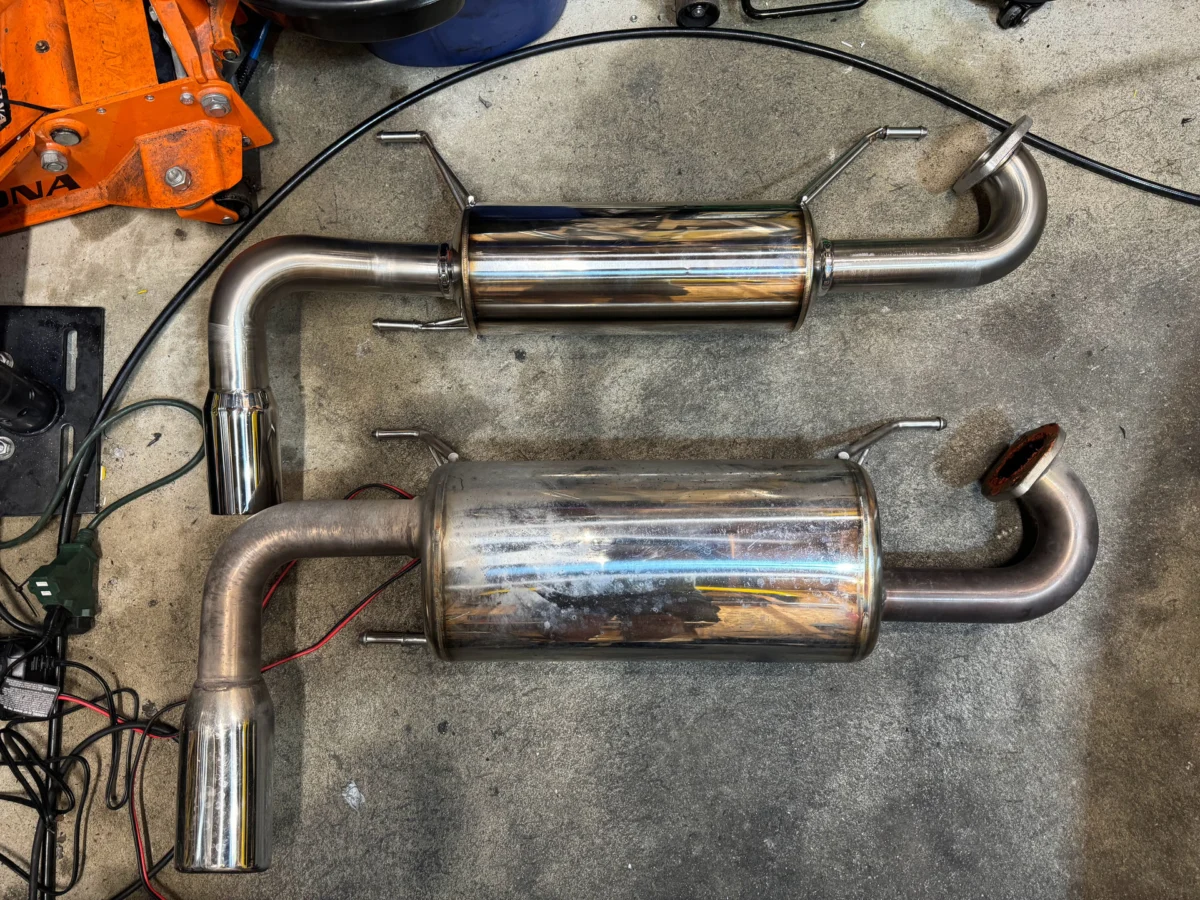
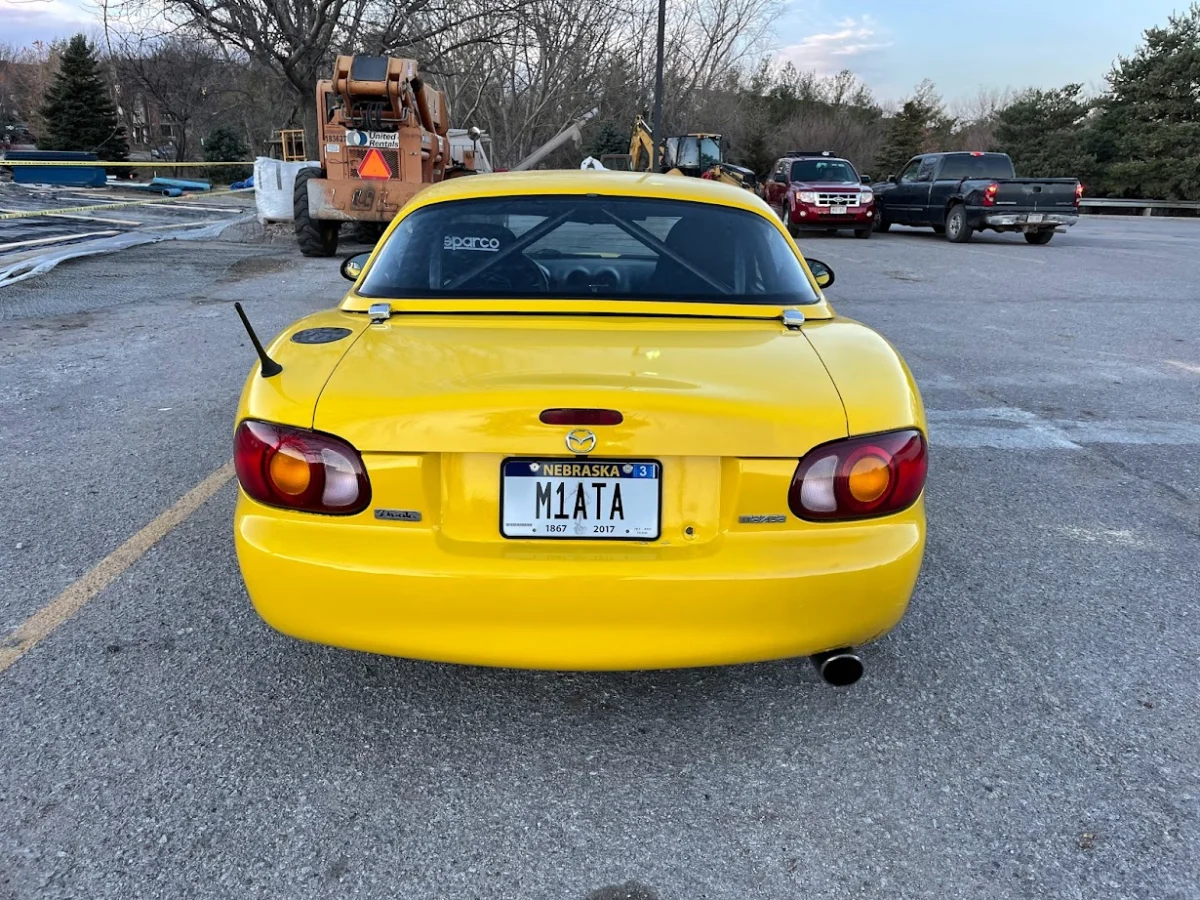
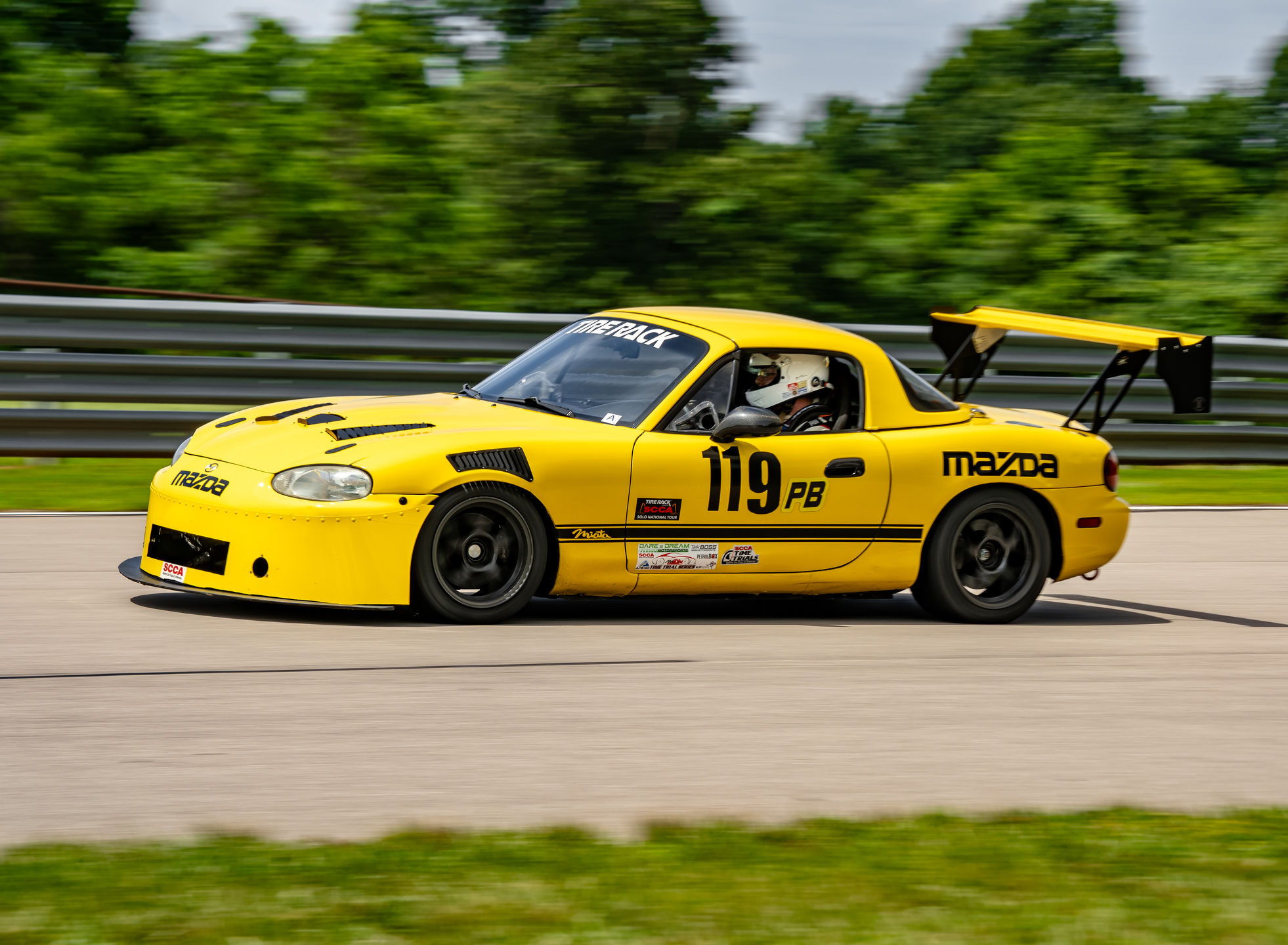
The fourth year of development for a dedicated NB-generation Mazda Miata track build has concluded, marking a significant transition from a street-oriented performance vehicle to a highly specialized time-attack machine supported by a custom-engineered logistics ecosystem. Between March 2024 and February 2025, the vehicle underwent a series of mechanical evolutions, logistical upgrades, and competitive milestones that highlight the complexities of grassroots motorsports. The project, which has now spanned 48 months of ownership, saw the driver complete 392 laps across 16 track days, totaling 12.1 hours of high-performance driving in the 2024 season alone. This brings the vehicle’s cumulative track record to over 1,023 laps and 34.6 hours of documented competitive use.
The VVT Engine Transition and Mechanical Resilience
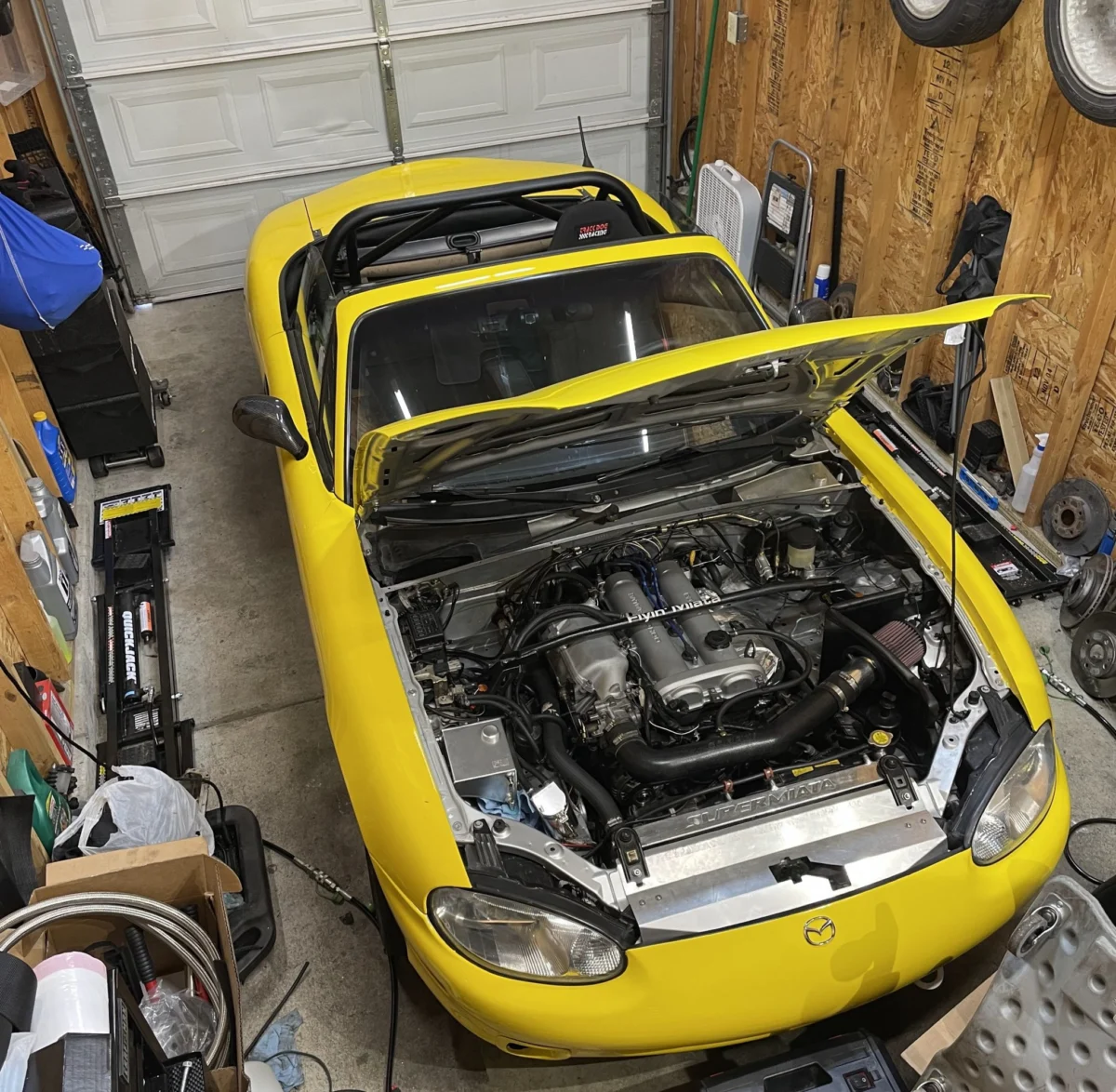
The 2024 season began with an ambitious attempt to modernize the powertrain of the NB1 Miata, which originally featured the BP4W engine. In March 2024, the build team attempted to swap in a BP6D Variable Valve Timing (VVT) motor paired with a six-speed manual transmission. The BP6D, sourced from the 2001–2005 "NB2" Miata models, is highly regarded in the tuning community for its improved mid-range torque and advanced cylinder head design.
During the preparation phase, the project followed a rigorous "while-you-are-in-there" philosophy. Although the initial plan was a standard drop-in installation, technical inspections revealed poor valve sealing. This led to a comprehensive head rebuild, a DIY cylinder hone, and the installation of new OEM rings combined with aftermarket pistons. However, the limits of the cooling system were tested during an early-season autocross event. The sustained high-RPM operation caused a spike in cooling system pressure, leading to a failed head gasket and the subsequent ejection of a freeze plug.
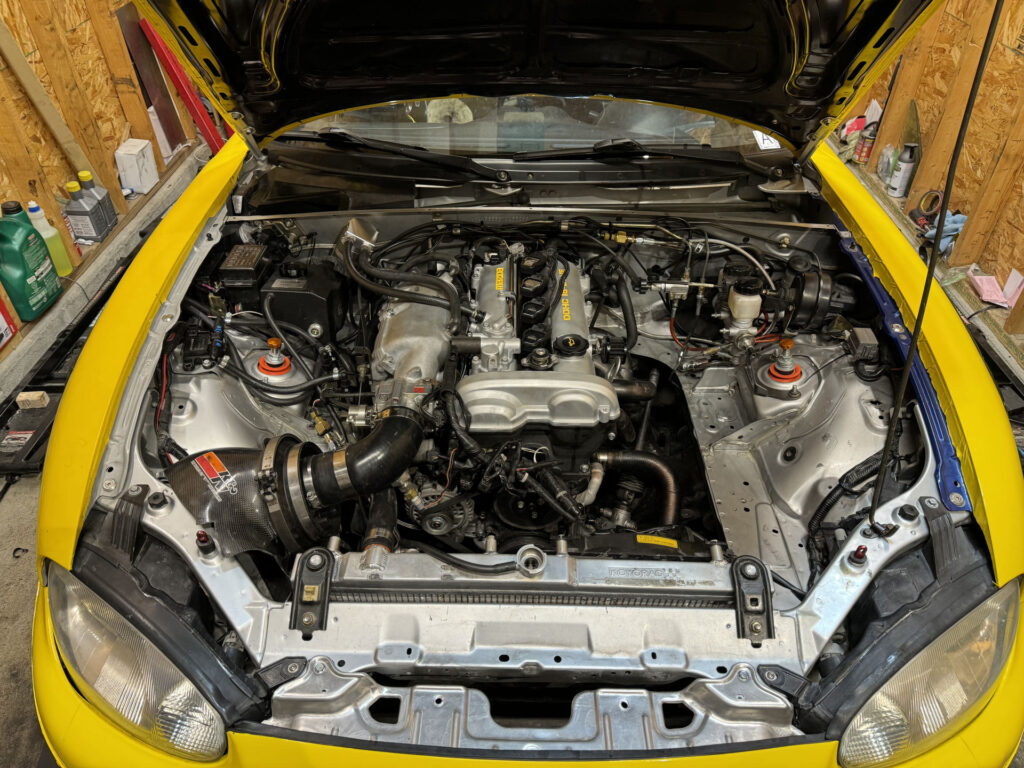
In a move demonstrating mechanical pragmatism, the team elected to revert to the original, reliable BP4W engine for the remainder of the competitive season while retaining the upgraded six-speed transmission. This decision allowed the driver to maintain their competition schedule without the delays associated with further engine machining, illustrating a common trade-off in grassroots racing: the balance between peak theoretical power and seasonal reliability.
Thermal Management and Aerodynamic Efficiency
In April 2024, the focus shifted to thermal management, specifically addressing the limitations of the braking system. The vehicle utilizes a Supermiata BX11 brake kit, which provides significant stopping power but suffers from accelerated pad wear due to the relatively thin profile of the pads. To mitigate this, the team installed custom brake cooling ducts.
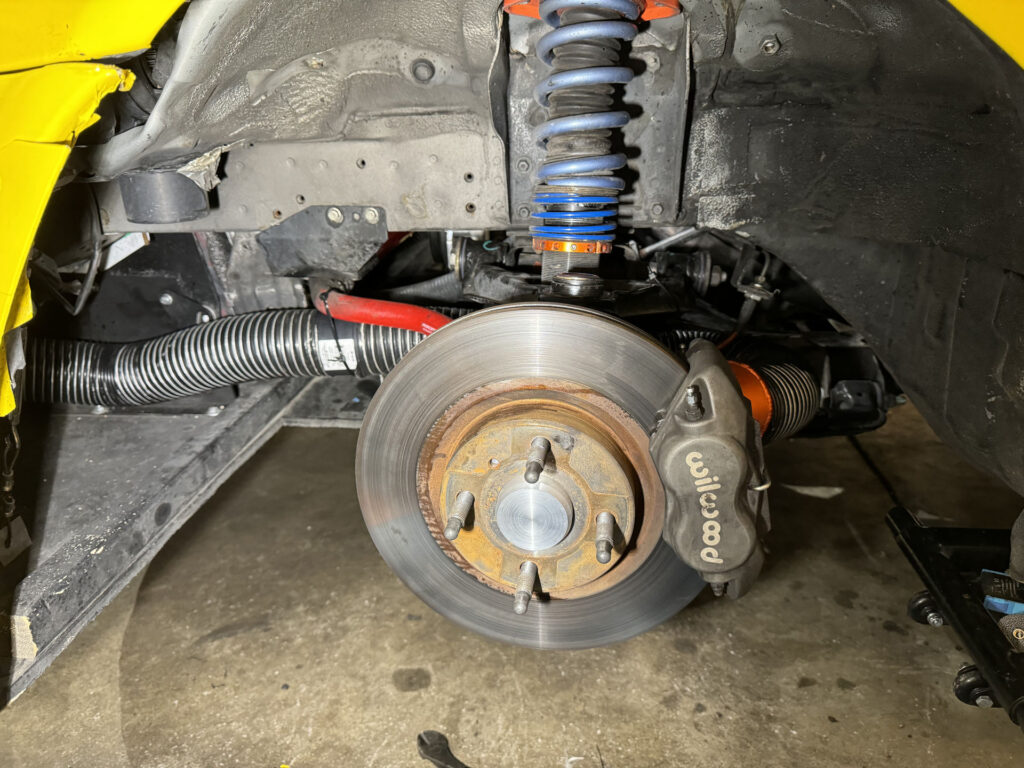
The implementation utilized a modular design featuring two sections of high-temperature hose connected by a central coupler. This engineering choice was made to facilitate easier repairs; should one section of the ducting become damaged by road debris or tire rub, only a portion of the system requires replacement. Data collected throughout the season suggests that these ducts approximately doubled the lifespan of the brake pads, a critical factor in maintaining a sustainable racing budget.
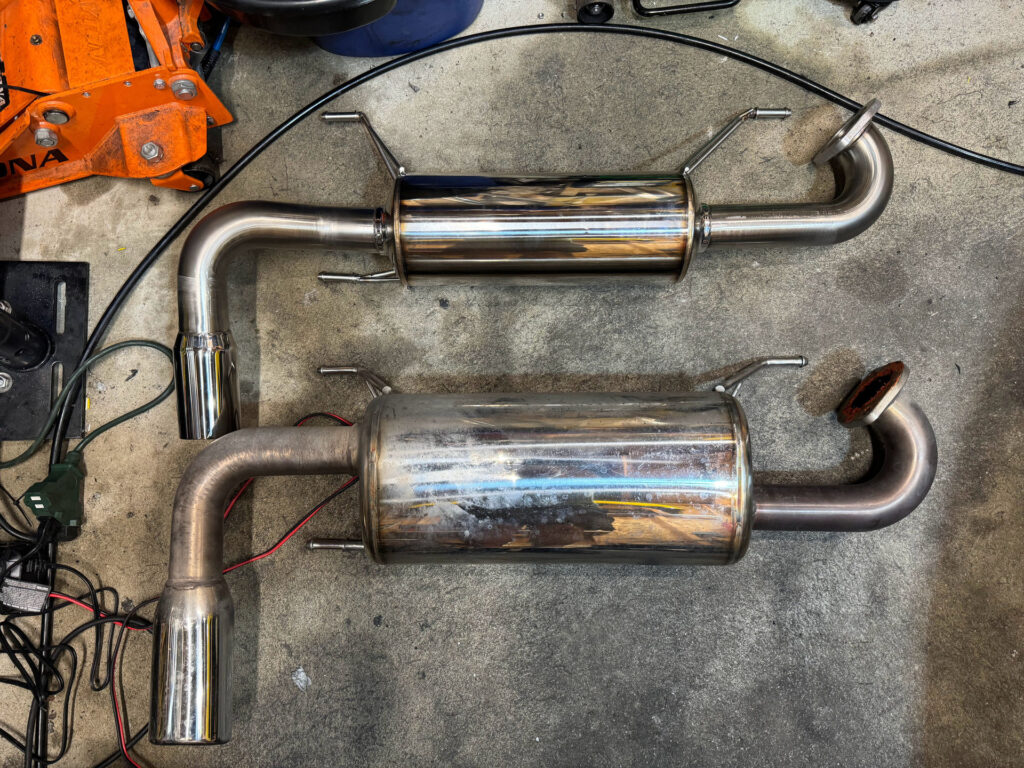
Following the brake upgrades, the exhaust system was refined in May 2024. The previous Racing Beat Power Pulse muffler was replaced with a Racing Beat Race Muffler to achieve weight reduction and a more aggressive acoustic profile. The full exhaust configuration now includes a Raceland header, a Racing Beat Race resonated midpipe, and the Race muffler. This setup was carefully tuned to remain within the decibel limits enforced at various regional tracks, ensuring the vehicle remains compliant with noise ordinances while maximizing exhaust flow.
Regional Competition and Performance Benchmarking
The summer months of 2024 were defined by a rigorous travel schedule across the American Midwest and High Plains, providing a benchmark for the car’s performance against established racing standards.
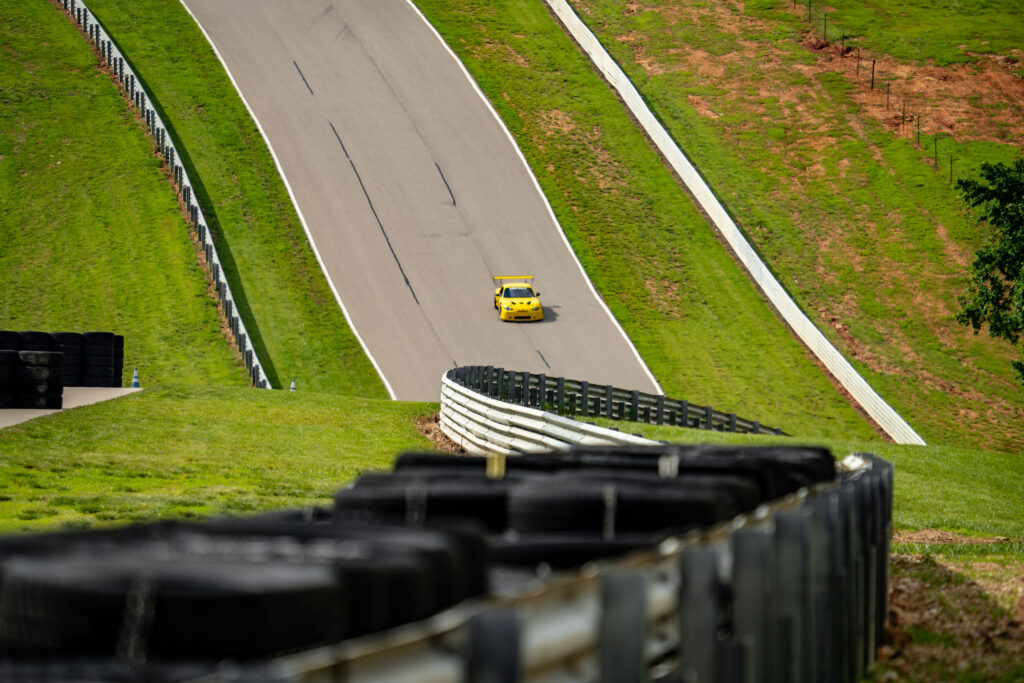
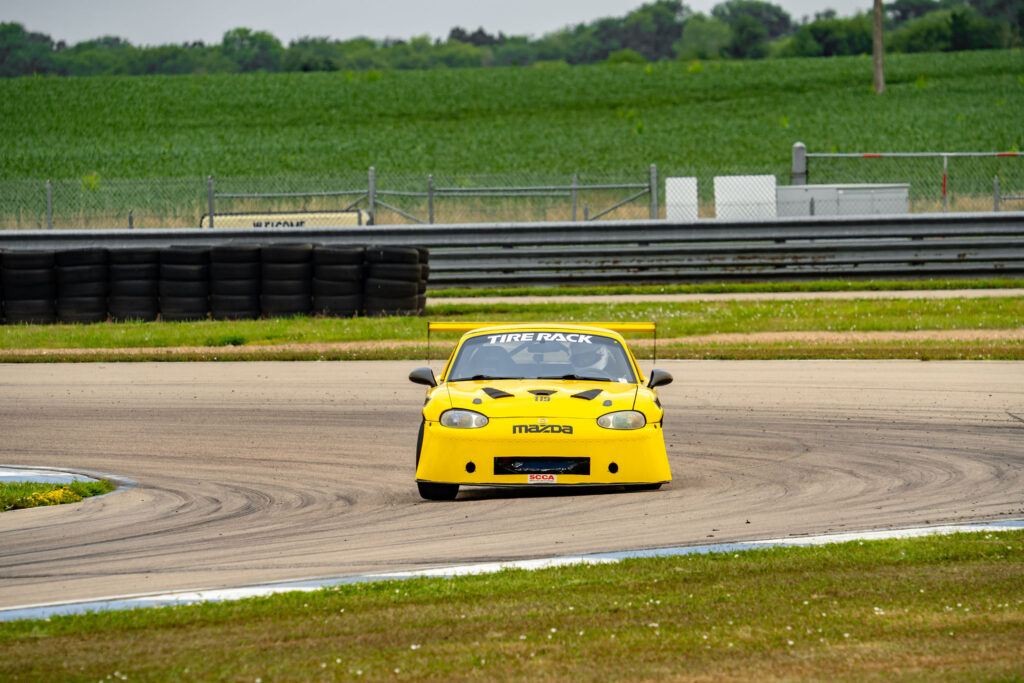
In June, the vehicle tackled Ozarks International Raceway, a highly technical circuit known for its dramatic elevation changes and blind apexes. By August, the team moved to Motorsports Park Hastings in Nebraska for the SCCA Time Trials. The performance at Hastings served as a significant data point for the build’s success. The driver recorded a fastest lap of 1:39.19, a 3.59-second improvement over the previous year. To put this into a broader competitive context, this time is faster than the standing NASA Spec Miata track record (1:40.415) and the NASA TT6 record (1:39.625). This positioning places the vehicle in a competitive "no-man’s-land" between the TT6 and TT5 classes, suggesting that the current naturally aspirated setup is punching well above its weight class.
The season concluded with a November appearance at the Hallett Motor Racing Circuit in Oklahoma. Participating in the SCCA Time Trials, the team ran the circuit in both clockwise and counter-clockwise directions. Despite the challenges of late-season tire wear and rear-wheel lockup issues, the vehicle remained competitive, securing first-place finishes in several class sessions.
Logistical Infrastructure and Support Systems
A major theme of the 2024-2025 cycle was the development of self-sufficiency in logistics. Recognizing the strain of driving a dedicated track car to distant venues, the team transitioned to a full truck-and-trailer setup.
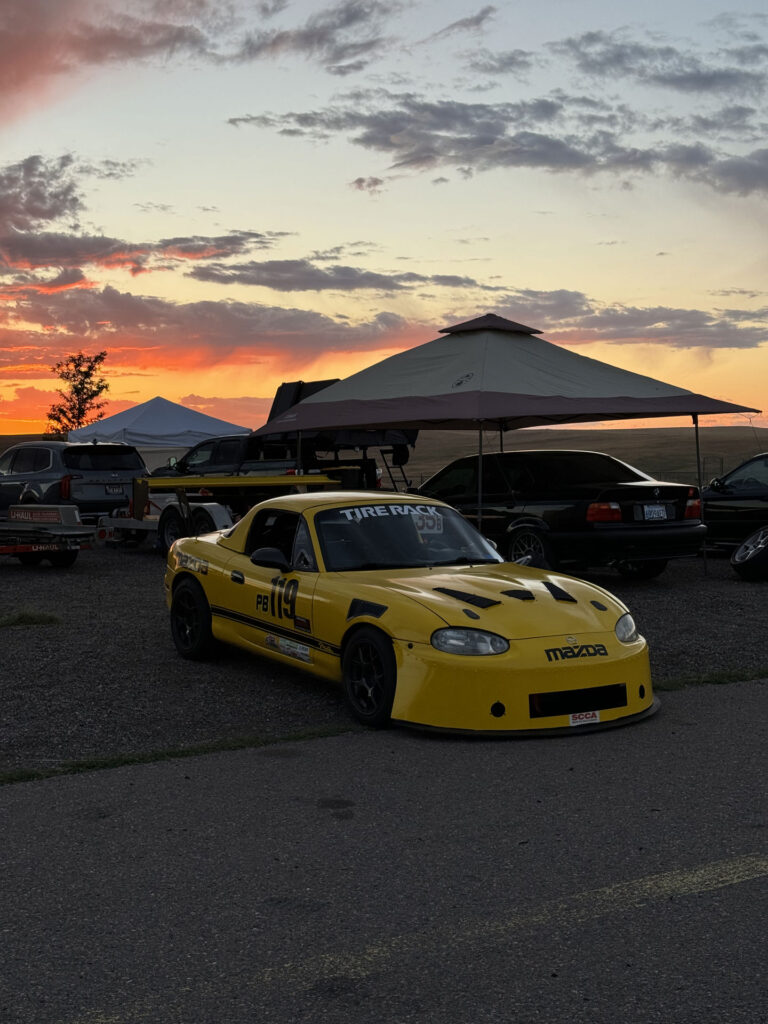
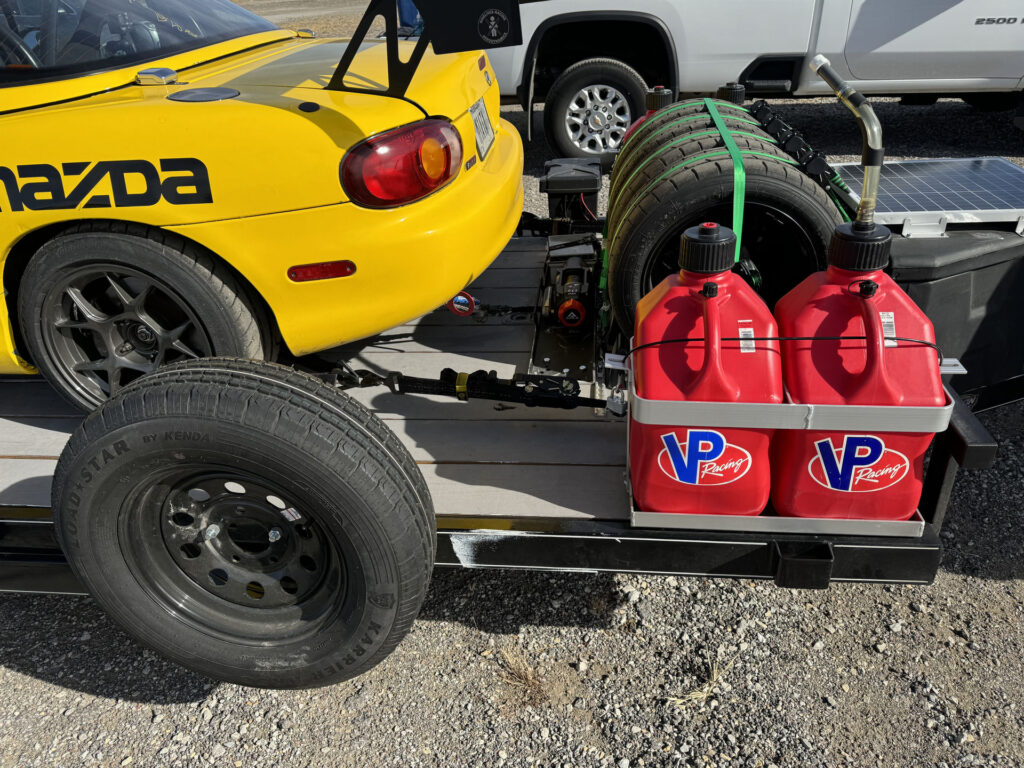
In July 2024, the driver acquired a dedicated tow vehicle and an 18-foot open car hauler. Over the following months, the trailer was heavily modified to serve as a mobile pit station. Key upgrades included:
- A front-mounted tool box and a dedicated winch for non-operational loading.
- A custom-fabricated tire rack to transport multiple sets of racing compounds.
- The installation of Mac’s Tie Downs for secure transport.
- LED lighting and an onboard battery system to facilitate night-time loading.
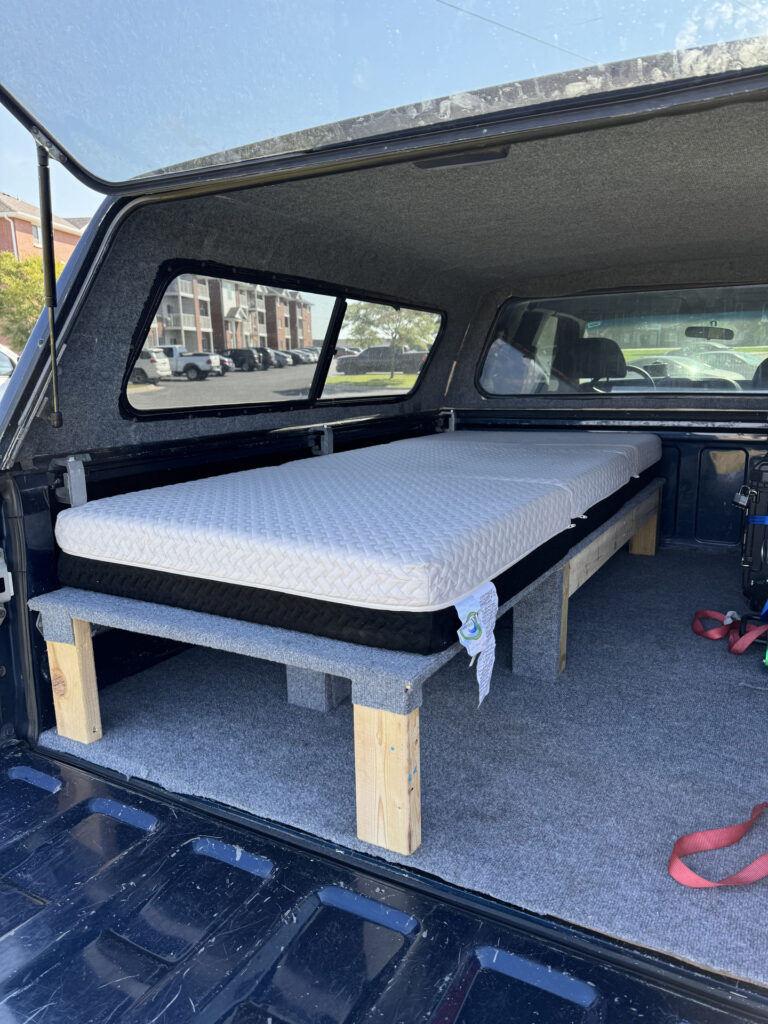
Furthermore, the team optimized the tow vehicle for multi-day events. A color-matched camper shell was installed on the truck bed, and a custom sleeping platform was built over the wheel wells. This "truck-bed camping" setup included a MaxxFan Deluxe RV roof vent for climate control and solar panels to maintain the auxiliary battery. This shift away from traditional tent camping significantly reduced setup and teardown times, allowing the driver to focus more on vehicle data and physical recovery between sessions.
Off-Season Analysis and Future Engineering Goals
As the 2024 season transitioned into the winter months, the team began a forensic analysis of the mechanical failures experienced earlier in the year. In December 2024, the VVT engine was disassembled for inspection. While the head gasket failure was confirmed, the underlying cause remained elusive, as no major warping or scoring was found on the head or block surfaces. However, observations of the cylinder walls suggested potential out-of-round wear, leading the team to consider a more professional machining approach for the next engine iteration.
In January 2025, the team began exploring new avenues for power gains without the immediate need for a full engine swap. A Skunk2 intake manifold was acquired to replace the existing "Squaretop" manifold. While the Squaretop is a highly effective OEM upgrade, the Skunk2 unit is designed to improve high-RPM airflow. Technical consensus suggests a gain of 1 to 4 horsepower at the top end of the power curve—a modest but vital improvement for a vehicle that spends the majority of its operational life above 7,000 RPM.
The final major upgrade of the year, completed in February 2025, addressed the need for real-time communication. A GMRS (General Mobile Radio Service) racing radio system was integrated into the car. Utilizing a Baofeng UV-5R base unit hardwired to the vehicle’s 12V system, the setup includes a NASCAR-to-IMSA harness and a steering wheel-mounted push-to-talk (PTT) button. This allows the driver to communicate with pit crew members who have access to live timing data, enabling more strategic driving during Time Trial sessions.
Conclusion and Strategic Outlook
The fourth year of the NB Miata project represents a shift toward professional-grade grassroots racing. By focusing on data-driven improvements—evidenced by the use of the Garmin Catalyst for lap analysis—and building a robust logistical support system, the project has matured beyond simple car modification.
While the 2024 season was marked by the setback of a failed engine swap, the resilience of the original BP4W engine and the success of the chassis and braking upgrades have resulted in a vehicle that is demonstrably faster than it was 12 months ago. As the 2025 season approaches, the focus remains on incremental power gains through the Skunk2 manifold and the potential re-introduction of a professionally machined VVT power plant. The transition to a self-contained towing and camping ecosystem has not only improved the driver’s experience but has also expanded the geographic reach of the project, setting the stage for more ambitious competition in the years to come.