 Edi Durjana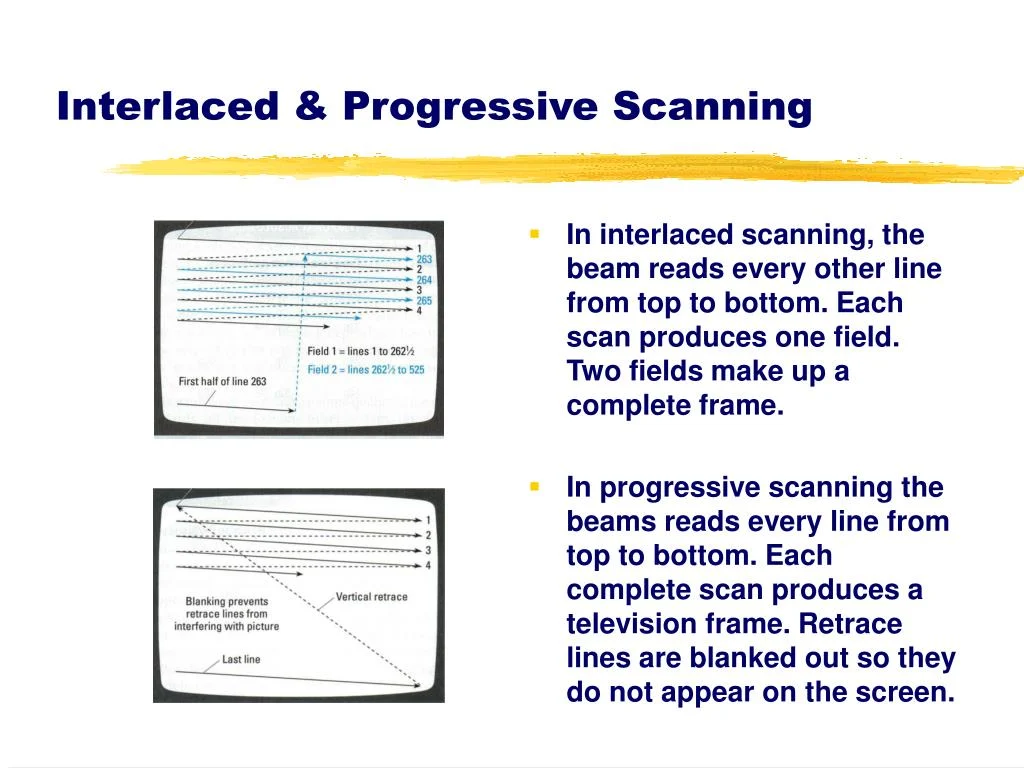
The PlayStation 2 stands as one of the defining engineering achievements in interactive entertainment history, engineered from its foundational silicon upward to interface seamlessly with Cathode Ray Tube (CRT) display technology. Released at the turn of the millennium, Sony’s flagship console was not designed around the modern paradigm of discrete pixel grids and fixed display resolutions. Instead, the hardware architecture was meticulously tailored to manage analog scanlines, precise video timings, and the physical characteristics of legacy television sets. While specialized operating environments—such as the official PS2 Linux toolkit—allowed for VESA display modes via a VGA adapter, these capabilities remained a marginal afterthought, utilized by virtually zero commercial software titles.
Understanding the technical constraints of the PlayStation 2 requires examining its Graphics Synthesizer, commonly known as the GS. Operating with a mere 4 megabytes of embedded DRAM (eDRAM) dedicated to framebuffers and render targets, the console faced severe memory limitations. Sony instructed developers to conceptualize this modest pool of memory not as traditional VRAM, but rather as an operational scratchpad. Yet, despite these spatial restrictions, the memory bandwidth of the GS was unprecedented for its era. Operations that routinely crippled competing graphics processors—such as alpha blending, multi-pass rendering, and rapid framebuffer copying—executed with almost negligible performance overhead.
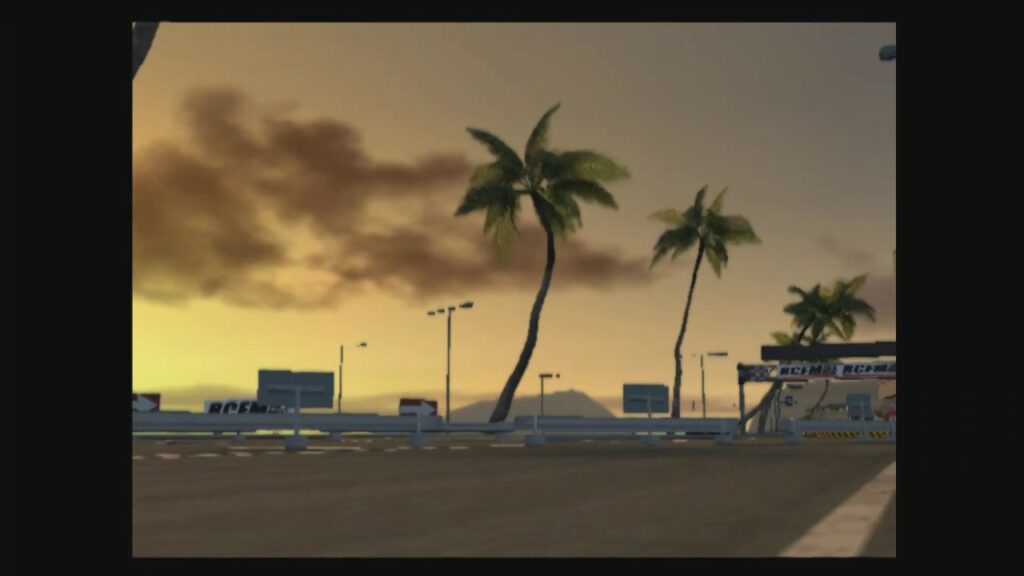
Furthermore, the console featured a fully programmable geometry pipeline powered by two specialized SIMD coprocessors designated as Vector Unit 0 and Vector Unit 1 (VU0 and VU1). This hardware topology enabled primitive mesh shader functionalities nearly eighteen years prior to their commercial introduction in mainstream PC architectures like the NVIDIA GeForce RTX 20 series.
Engineering Realities of 60 Frames Per Second Target Locking
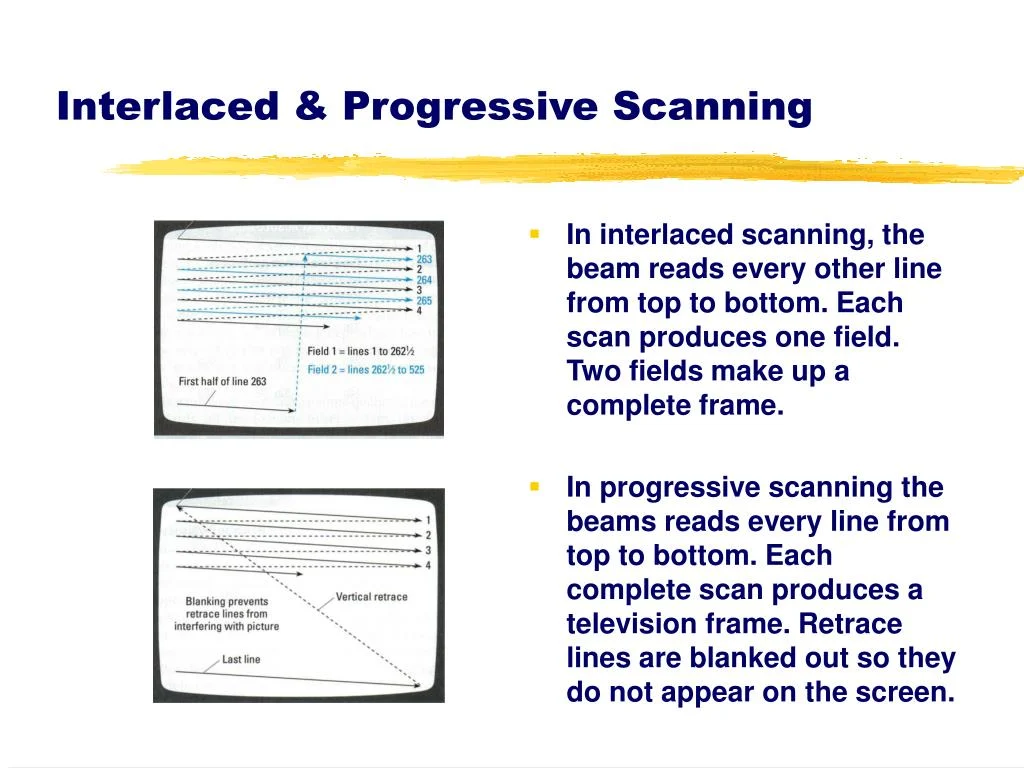
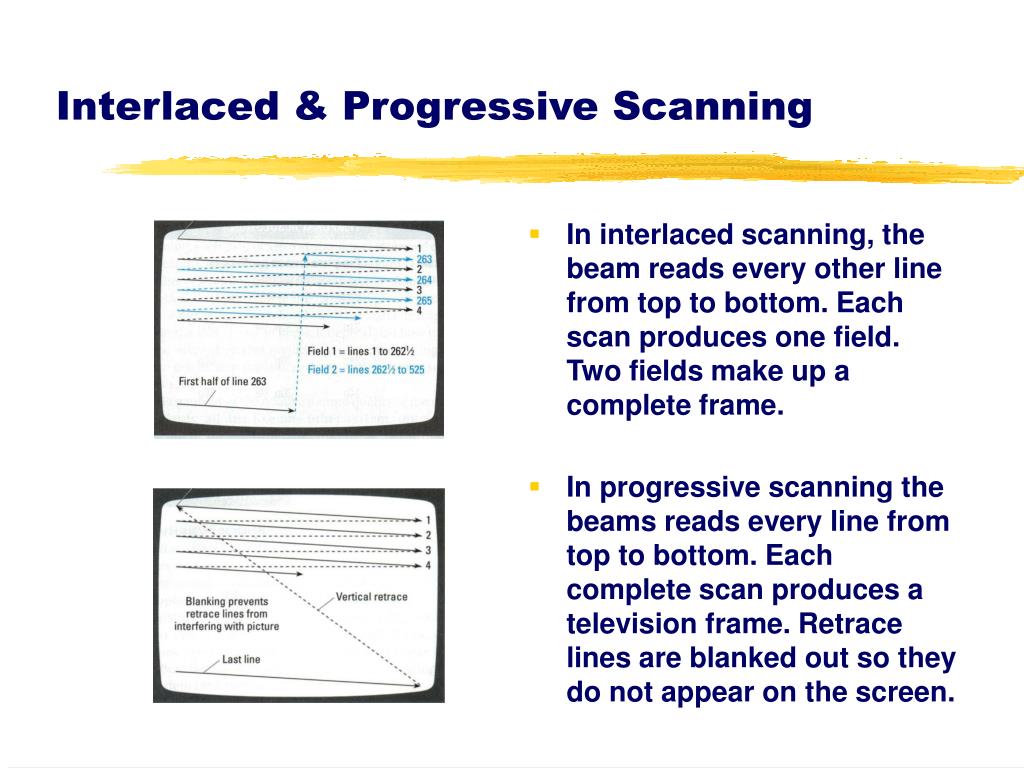
Hardware limitations directly dictated software optimization strategies, heavily incentivizing developers to maintain a locked 60 frames per second (fps) at 60Hz for NTSC markets, or 50 fps at 50Hz for PAL territories. Early iterations of the PlayStation 2 Software Development Kit (SDK) natively supported only interlaced scanline modes, requiring a 60Hz signal to generate a 640-by-448 resolution image. As development tools matured, studios were given the choice between full-frame rendering modes and field-rendered interlaced configurations.
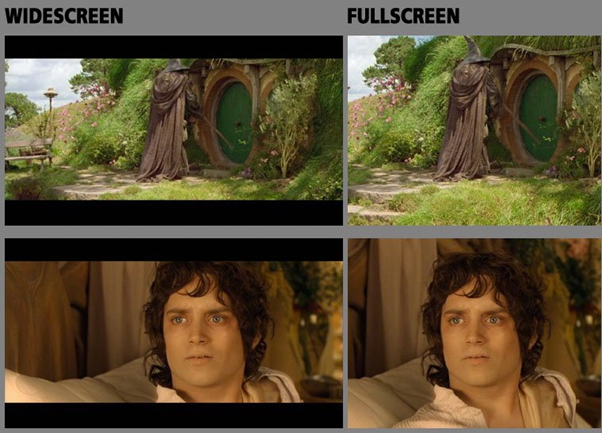
Field rendering offered significant technical advantages by halving memory requirements per frame. Because the output operated at 640-by-240 or even 512-by-224 pixels, developers could easily accommodate data within the 4MB eDRAM scratchpad while simultaneously reducing overall render times. However, this optimization introduced a severe penalty: maintaining a rigid frame rate was paramount. If a developer missed a target interval and a previous frame was duplicated, the visual output suffered an immediate vertical shift of a single scanline. To prevent this visual artifacting, titles systematically implemented internal frame pacing, occasionally throttling game logic during resource-heavy sequences—such as those observed in Criterion Games’ SSX 3—while steadfastly preserving the 60Hz refresh target.
Conversely, full-frame rendering increased processing overhead by demanding full 640-by-448 or 512-by-448 framebuffers. While achieving a consistent 60 fps proved more challenging under these parameters, the system remained far more forgiving of dropped frames. Instead of experiencing structural screen tearing or positional shifts, the display simply repeated the secondary field of the preceding frame.
This reliance on CRT phosphor persistence allowed the PlayStation 2 to bypass its modest native display resolutions. The hardware’s structural dependence on interlaced blending explains why the console maintained a remarkably high volume of 60Hz software titles, particularly during its commercial launch window, distinguishing it from contemporaries like the original Xbox and the Nintendo GameCube.
The Evolution of Widescreen Standards and Formatting Challenges
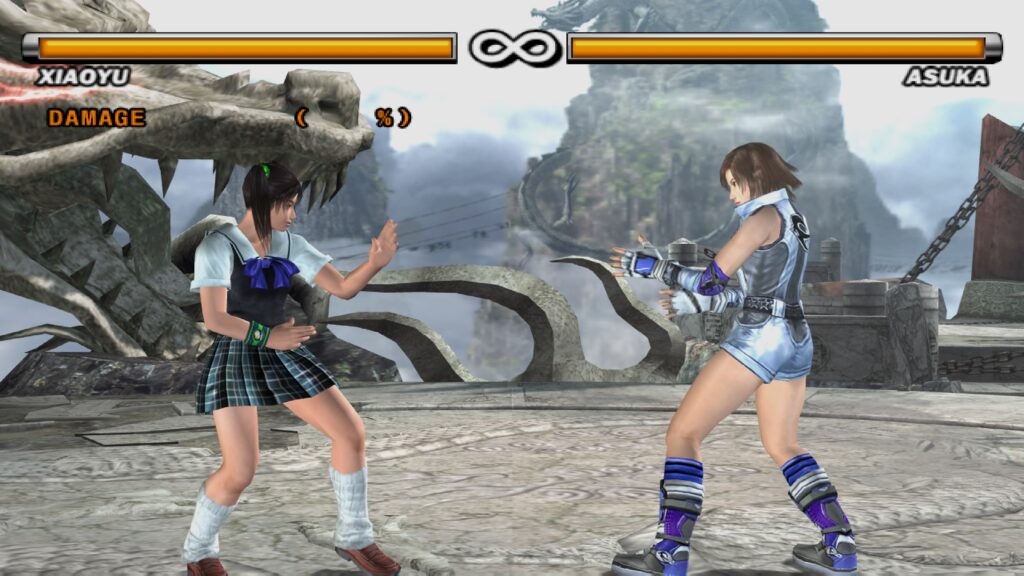
The commercial lifespan of the PlayStation 2 coincided with a major structural shift in home consumer electronics: the gradual transition from 4:3 standard-definition displays to 16:9 anamorphic widescreen televisions, catalyzed in large part by the console’s integrated DVD playback capabilities. As widescreen CRT displays gained market share through the early-to-mid 2000s, software developers faced mounting consumer demand to adapt their products for broader aspect ratios.
Developers generally approached widescreen integration through three distinct methodologies: Hor+ (expanding the horizontal field of view), Vert- (cropping the top and bottom of a 4:3 image and zooming in), or a hybrid approach. The vast majority of PlayStation 2 titles implemented Vert-, largely due to hardware resource constraints. Cropping vertical geometry ensured that rendered scenes remained within the strict boundaries of the GS’s 4MB eDRAM without demanding additional processing overhead. Scaling and zooming were computationally free on the Graphics Synthesizer, making Vert- the path of least resistance.
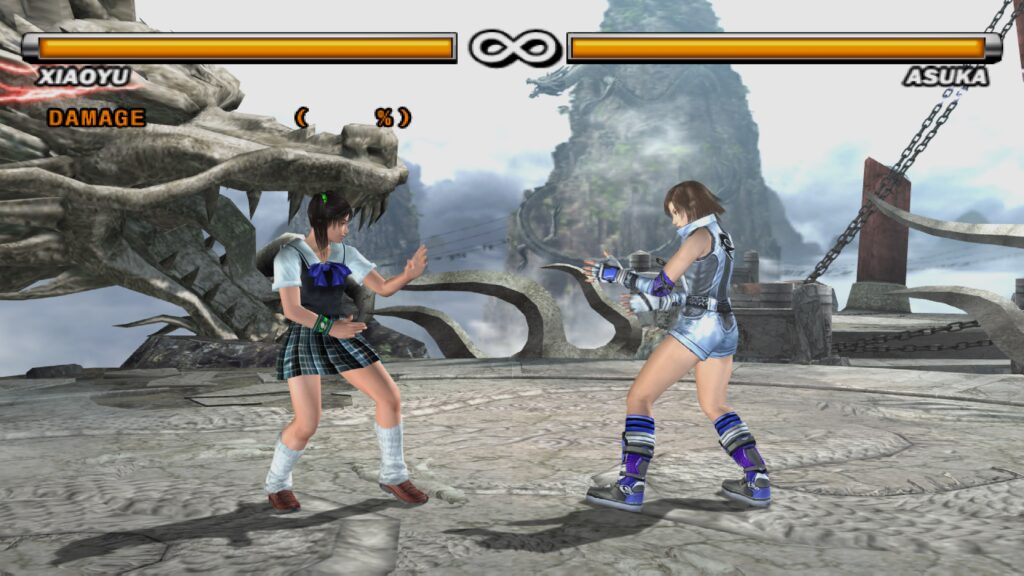
Titles such as Bandai Namco’s Tekken 5 and high-profile platformers including Insomniac Games’ Ratchet & Clank and Naughty Dog’s Jak and Daxter series relied heavily on Vert- implementations. Players utilizing native hardware in widescreen modes often experienced compressed vertical perspectives where character models appeared unnaturally enlarged due to central cropping. Emulation platforms and software patches later demonstrated that true Hor+ rendering was mathematically feasible on the hardware, provided developers were willing to expend precious system resources to widen horizontal draw distances.
Progressive Scan Implementation and High-Definition Ambitions
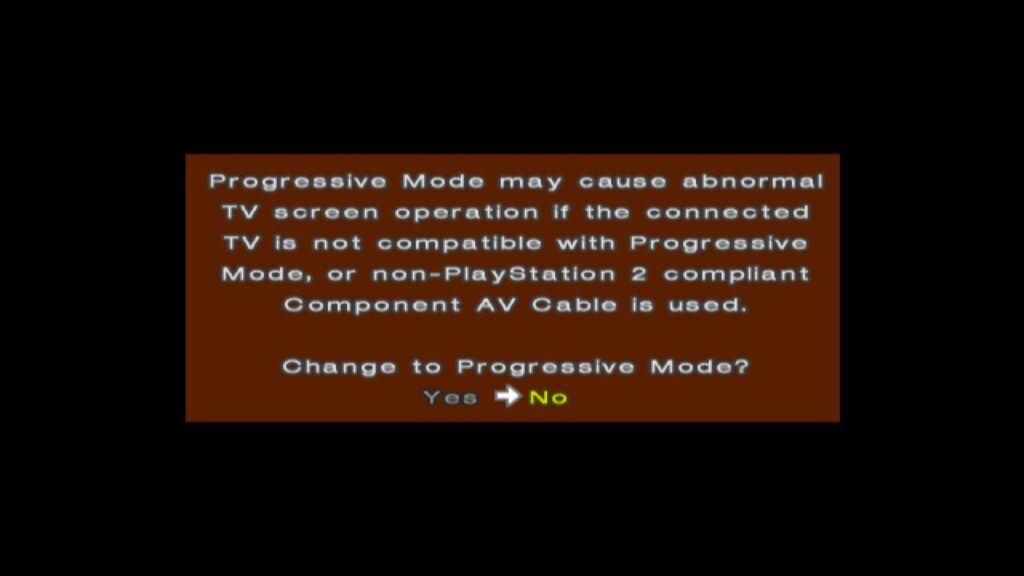
As the Cathode Ray Tube era neared its commercial conclusion, hardware manufacturers introduced Enhanced Definition Television (EDTV) standards, allowing SDTVs to accept progressive scan signals at 480p and 576p. Accessing these non-interlaced modes on the PlayStation 2 required specialized hardware interconnects, specifically component video cables for NTSC systems or RGB SCART cables for European and Japanese regional variants.
By executing a specific button combination during a game’s initialization sequence—holding the X and Triangle buttons simultaneously—users could force compatible titles to output progressive scan frames, eliminating interlacing artifacts. To fit these uncompressed full-height backbuffers within the 4MB eDRAM limit, developers occasionally reduced framebuffer depth to 16 bits per pixel (bpp), introducing visible color banding in exchange for sharper geometry.
Toward the end of the generation, select software titles pushed hardware display capabilities even further by advertising 1080i output modes. Notable examples include Polyphony Digital’s Gran Turismo 4 and tri-Ace’s Valkyrie Profile 2: Silmeria. Technical analysis of Gran Turismo 4 reveals that its internal rendering engine operated at a resolution of 640 by 540 pixels. The Cathode Ray Tube Controller (CRTC) within the Graphics Synthesizer then applied hardware magnification integers—multiplying the horizontal axis by three (MAGH = 3) and the vertical axis by two (MAGV = 2)—to project a final 1920-by-1080 interlaced signal. While this clever scaling trick satisfied consumers on period-accurate display hardware, modern digital displays often render native 480p output with superior visual fidelity.
The European PAL Market, 50Hz Constraints, and Conversion Hurdles
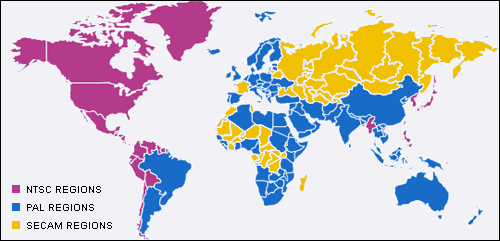
The European market presented unique infrastructural challenges due to the regional reliance on Phase Alternating Line (PAL) television standards, which operated natively at 50Hz compared to the 60Hz standard used in North America and Japan. While competing hardware like Sega’s Dreamcast frequently offered dedicated PAL60 selectors to mitigate the 16.9% frame rate reduction inherent in standard PAL conversions, Sony initially declined to mandate or officially support PAL60 protocols.
Consequently, early European PlayStation 2 software releases were locked to 50Hz execution speeds. British studios with deep technical expertise, such as Psygnosis and Core Design, frequently optimized their localizations by rendering additional scanlines to enhance image clarity over North American equivalents. However, the underlying game logic remained tethered to the lower refresh rate, resulting in slower overall execution speeds.
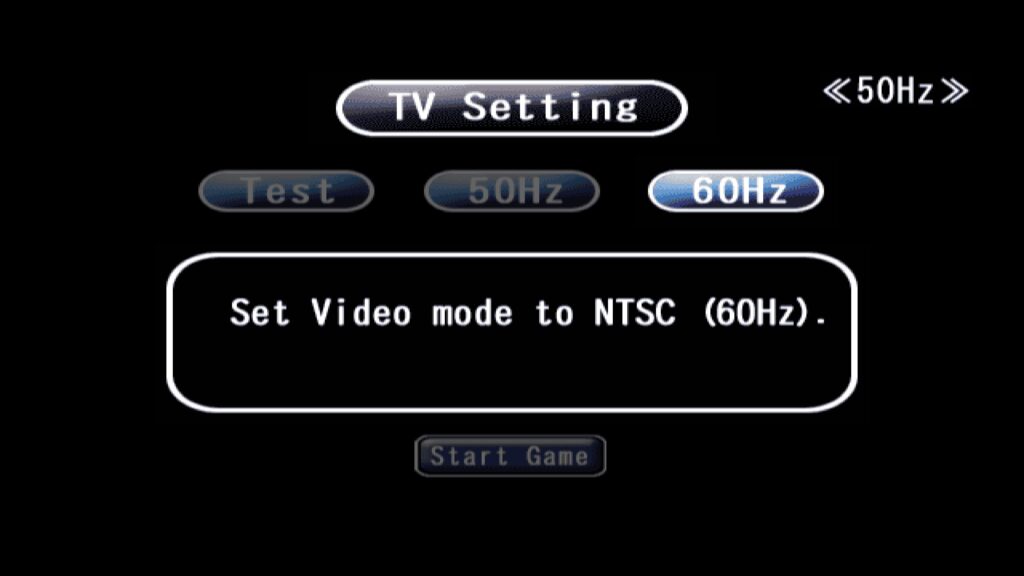
By 2002, software publishers increasingly adopted startup mode selectors, allowing users to toggle between 50Hz and 60Hz display modes. Rather than relying on a pure PAL60 broadcast standard, these titles instructed the console hardware to switch directly to an NTSC 480i video signal, a mode widely supported by European televisions manufactured in the late 1990s. High-profile role-playing games, however, faced severe storage bottlenecks; Square Enix famously noted that storing dual copies of high-resolution Full Motion Video (FMV) cutscenes optimized for both 50Hz and 60Hz formats exceeded the storage capacity of standard DVD media, forcing titles like Final Fantasy X to remain exclusively bound to 50Hz configurations in European territories.
The Transition to Flat-Panel Displays and Contemporary Legacy Preservation
The mid-2000s marked a profound paradigm shift in consumer display technology as liquid crystal display (LCD) panels supplanted CRTs. This transition introduced severe visual compatibility hurdles for sixth-generation consoles. Early high-definition flat-panel televisions suffered from elevated input latency, pixel response lag, and prominent ghosting artifacts.
Visual techniques that relied heavily on CRT persistence—such as motion blur and temporal feedback filters—degraded significantly on early LCD panels. Software titles like Soulcalibur III attempted to compensate for these hardware discrepancies by introducing specialized engine adjustments, such as internal overdrive toggles designed to reduce afterimage persistence.
Decades later, the preservation community has developed advanced algorithmic solutions to bridge the technological gap between analog software and digital display hardware. Modern emulation suites and display shaders now incorporate real-time CRT beam-racing simulations and scanline emulation. These tools successfully replicate the motion clarity and perceptual latency of legacy Cathode Ray Tubes on contemporary OLED and high-refresh-rate digital monitors, ensuring that the engineering achievements of the PlayStation 2 hardware ecosystem can be experienced precisely as developers originally intended.