Cecilia Chamidah Nur
The highly respected collective of developers, Harbour Masters 64, celebrated for their exceptional work in bringing Nintendo 64 titles to modern PC platforms through native ports, has officially declared a significant technological advancement that will enable them to support Nintendo GameCube games. This pivotal development, initially brought to wider attention by SteamDeckHQ, signals a potential surge in the availability of high-quality PC ports for beloved GameCube titles in the foreseeable future, marking a new era for classic game preservation and accessibility.
A New Chapter for Harbour Masters: Beyond the N64 Era
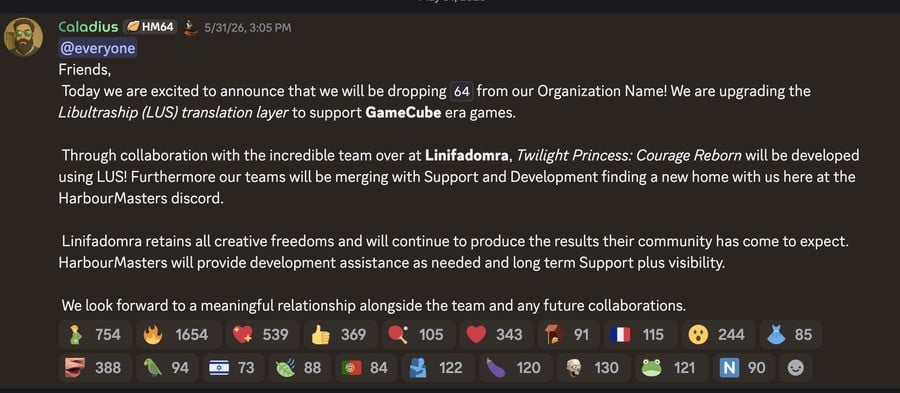
The formal announcement, disseminated via the group’s official Discord channel on May 31st, 2026, outlined a strategic rebranding and a substantial upgrade to their foundational technology. Central to this evolution is the decision to shed the "64" suffix from their name, reflecting their expansion beyond the Nintendo 64 console generation. Concurrently, the organization revealed plans to evolve the Libultraship (LUS) translation layer – the proprietary technology underpinning their successful N64 ports – to encompass support for GameCube era games. This move represents a monumental leap in their technical capabilities and strategic direction, positioning Harbour Masters as a vanguard in the increasingly sophisticated landscape of community-driven game porting.
For years, Harbour Masters 64 has been synonymous with meticulous, high-fidelity PC ports of Nintendo 64 classics. Their work on titles like The Legend of Zelda: Ocarina of Time and Majora’s Mask has garnered widespread acclaim within the retro gaming community. Unlike traditional emulation, which simulates the original console’s hardware environment, native PC ports involve translating the game’s original code to run directly on modern PC operating systems. This approach often results in superior performance, enhanced graphical fidelity, greater stability, and significantly broader modding capabilities, offering an experience far beyond what standard emulators typically provide. The N64 porting scene, driven by dedicated communities, has flourished over the past decade, demonstrating a robust demand for official-quality experiences of vintage titles on contemporary hardware. The success of projects like Ship of Harkinian (for Ocarina of Time) and Render96 (for Super Mario 64) underscores the technical prowess and dedication within this niche, with Harbour Masters 64 often at the forefront of such innovations.
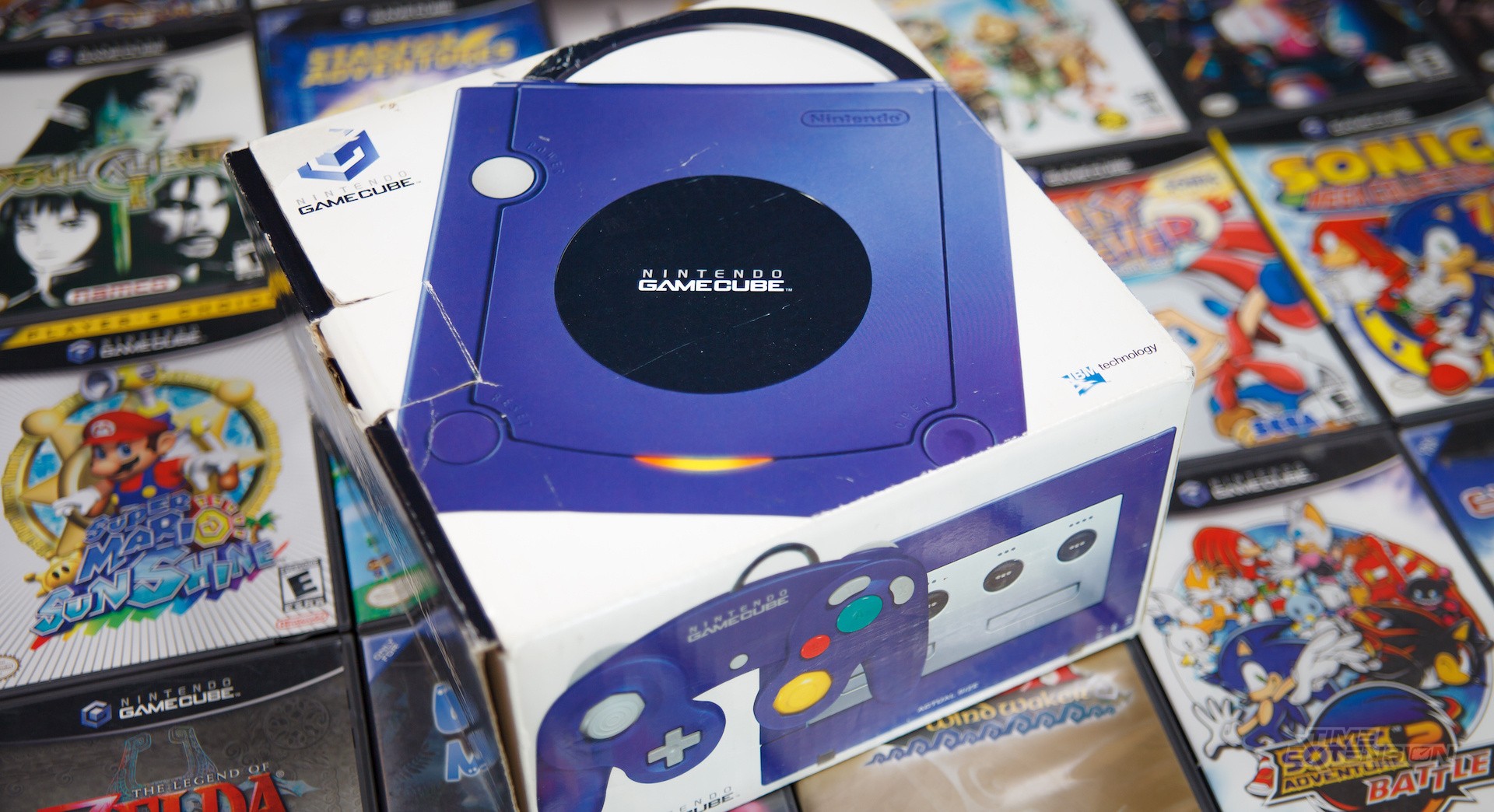
The decision to extend their expertise to the GameCube era is a testament to the collective’s ambition and technical acumen. The GameCube, released in 2001, presented a more complex architectural challenge than its N64 predecessor. Its custom IBM PowerPC Gekko CPU and ArtX/ATI Flipper GPU offered significantly more processing power and graphical capabilities, demanding a more intricate translation layer for native PC implementation. This upgrade to LUS is not merely an incremental improvement but a fundamental re-engineering to accommodate the GameCube’s distinct hardware architecture and software design principles. This strategic pivot highlights the evolving capabilities of fan-driven development groups and their increasing capacity to tackle more sophisticated technical challenges.
Courage Reborn: The Inaugural GameCube Project
Crucially, the announcement also unveiled the first major project slated to leverage this advanced version of the Libultraship technology: Courage Reborn. This highly anticipated PC port of The Legend of Zelda: Twilight Princess for the GameCube, developed by the independent group Linifadomra, was previously covered by Time Extension in April 2026. The integration of Courage Reborn into the Harbour Masters ecosystem is a significant development, demonstrating the immediate practical application of their upgraded LUS framework.

The Legend of Zelda: Twilight Princess, originally released in late 2006 for both the GameCube and Wii, stands as one of Nintendo’s most critically acclaimed titles. It garnered widespread praise for its mature storyline, expansive world, and innovative gameplay mechanics, including the ability to transform into a wolf. Its status as a beloved classic makes it an ideal candidate for a high-fidelity PC port, promising to reintroduce the game to a new generation of players and offer existing fans an enhanced experience. The game’s intricate design and demanding graphical assets also make it a robust test case for the newly upgraded Libultraship technology.
The collaboration between Harbour Masters and Linifadomra extends beyond mere technological support. As revealed by Caladius, a prominent member of Harbour Masters, on their Discord channel, the teams will be merging. "Through collaboration with the incredible team over at Linifadora, Twilight Princess: Courage Reborn will be developed using LUS," Caladius stated. "Furthermore, our teams will be merging, with Support and Development finding a new home with us here at the HarbourMasters Discord." This strategic alliance signifies a growing trend within the fan-driven development community: consolidation of talent and resources to achieve more ambitious goals. Caladius emphasized that "Linifadomra retains all creative freedoms and will continue to produce the results their community has come to expect. HarbourMasters will provide development assistance as needed and long-term support plus visibility. We look forward to a meaningful relationship alongside the team and any future collaborations." This collaborative model allows Linifadomra to maintain its creative vision while benefiting from Harbour Masters’ established infrastructure, technical expertise, and community reach.
Features and the Competitive Landscape
Courage Reborn, much like its N64 predecessors, is poised to deliver a suite of modern enhancements designed to elevate the Twilight Princess experience. According to its promotional trailer, these features will include full widescreen compatibility, unlocked resolutions, unlocked frame rates, and native support for both mobile devices and the Nintendo Switch. Additionally, the port promises extensive texture pack and mod support, empowering players to customize their gameplay experience with community-created content. These features are highly sought after by modern players, addressing common frustrations with playing older titles on contemporary hardware, such as aspect ratio distortions, resolution limitations, and performance caps. The inclusion of Mobile and Switch support is particularly noteworthy, highlighting a growing trend towards cross-platform compatibility for fan ports, offering unprecedented flexibility for players.
The announcement of Courage Reborn arrives amidst a fascinating development in the Twilight Princess porting scene. In May 2026, an entirely different group released their own PC port of the game, titled Twilight Princess: Dusklight. This parallel effort by an independent team underscores the immense popularity and enduring appeal of Twilight Princess within the gaming community, inspiring multiple groups to undertake complex porting projects simultaneously. While both Courage Reborn and Dusklight aim to bring a modern Twilight Princess experience to PC, their distinct development paths, underlying technologies, and specific feature sets will likely lead to unique offerings. The competitive landscape created by these two projects could ultimately benefit players, fostering innovation and providing choice in how they experience the classic title. It remains to be seen how the final feature sets and performance metrics of Courage Reborn will compare to Dusklight upon its eventual release, but the potential for two high-quality, fan-made PC ports of the same game is an exciting prospect for enthusiasts.
Broader Implications for Game Preservation and the Community
The expansion of Harbour Masters into GameCube territory carries significant implications for the broader retro gaming community and the ongoing efforts in game preservation. Native PC ports, when executed with precision, often represent the pinnacle of game preservation outside of official remasters or re-releases. By translating the original game code, these projects effectively decouple the software from its original, aging hardware, ensuring its playability and accessibility for generations to come. This stands in contrast to emulation, which, while highly effective, still relies on the continuous development and maintenance of emulator software.
The legal landscape surrounding these fan-made ports remains a complex and often contentious area. Nintendo, a company renowned for its stringent protection of intellectual property, has historically taken swift action against projects that infringe upon its copyrights. While projects like Libultraship operate by requiring users to provide their own legally obtained game files (ROMs or disc images), the creation and distribution of derivative works based on Nintendo’s proprietary code exists in a legal grey area. The community’s dedication to preserving and enhancing these titles often clashes with corporate IP strategies. However, the open-source nature of many of these projects, combined with their non-commercial status, often complicates legal enforcement. The increasing visibility and technical sophistication of groups like Harbour Masters may prompt renewed discussions about the balance between IP protection and cultural preservation within the video game industry.
Beyond Twilight Princess, the successful adaptation of Libultraship for GameCube games opens a Pandora’s Box of possibilities. The GameCube boasts a rich library of critically acclaimed and beloved titles that could greatly benefit from native PC ports. Potential candidates include other iconic Zelda titles like The Legend of Zelda: The Wind Waker, the revolutionary Metroid Prime series, the fast-paced F-Zero GX, and the vibrant Super Mario Sunshine. Each of these games presents unique technical challenges and opportunities for enhancement, and their availability on PC with modern features could revitalize interest and accessibility. The impact on platforms like the Steam Deck and other portable PC gaming devices cannot be overstated, as these ports would offer a seamless, high-performance experience of classic titles on handheld hardware, far surpassing the capabilities of traditional emulation on such devices.
This development also underscores the power of community-driven innovation. In an era where many classic games remain inaccessible or trapped on obsolete hardware, fan communities are increasingly taking the initiative to preserve and modernize these titles. The technical expertise, collaborative spirit, and sheer dedication exhibited by groups like Harbour Masters are pushing the boundaries of what is possible, often filling a void left by official channels. Their work not only ensures the longevity of gaming history but also demonstrates the immense potential of collective intelligence and passion within the digital realm. The evolution of Libultraship and the strategic expansion of Harbour Masters mark a significant milestone in this ongoing effort, promising a vibrant future for classic GameCube titles on modern platforms.
Looking Ahead: The Future of Fan-Driven Preservation
The strategic evolution of Harbour Masters and the immediate launch of Courage Reborn signal a dynamic and transformative period for retro gaming enthusiasts. The move from N64 to GameCube represents not just a technical upgrade but a philosophical expansion of the group’s mission to preserve and enhance classic titles for contemporary audiences. As the digital gaming landscape continues to evolve, the role of community-driven initiatives like Harbour Masters becomes increasingly critical in ensuring that the rich history of video games remains accessible and enjoyable. The success of Courage Reborn will undoubtedly serve as a crucial benchmark, paving the way for a new wave of GameCube PC ports and further solidifying the position of Harbour Masters as a leading force in fan-driven game preservation and modernization. The gaming world watches with keen interest to see which classic GameCube titles will next receive the native PC port treatment, breathing new life into cherished memories and introducing them to a new generation of players.