Cecilia Chamidah Nur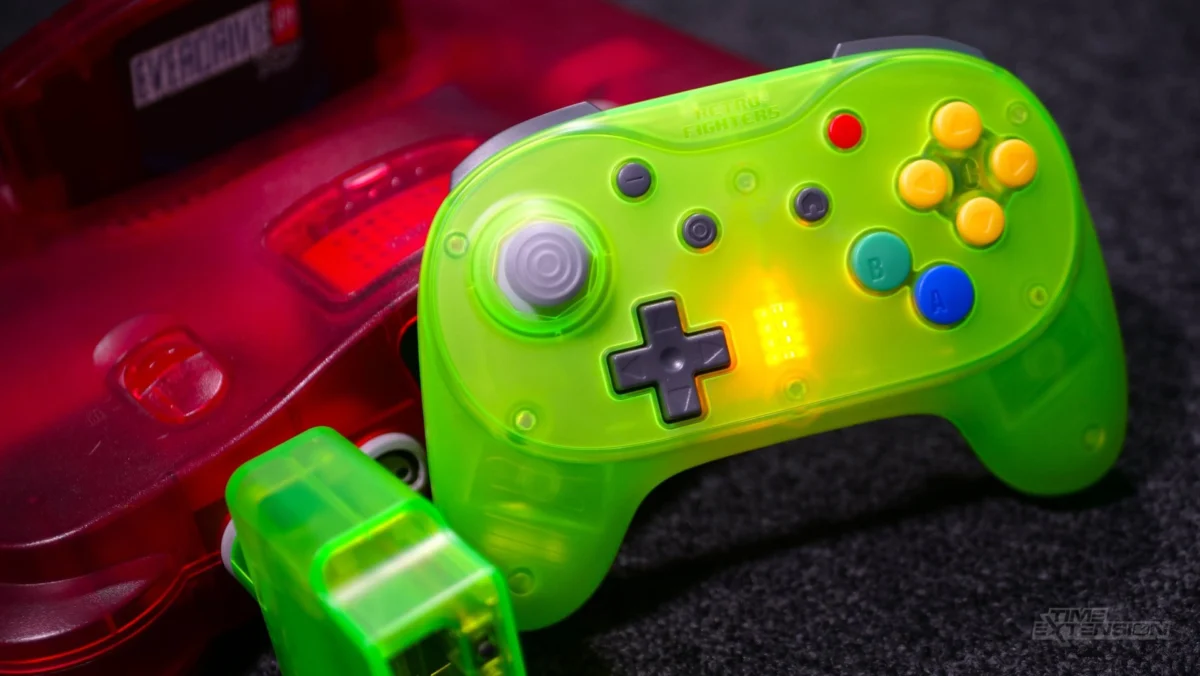
The Evolution of the Brawler64 Line
The trajectory of Retro Fighters’ N64 product line began in 2019, when the company successfully crowdfunded the original Brawler64 controller. The goal was to provide an alternative to the iconic, yet ergonomically divisive, three-pronged original N64 controller. The original design was praised for its comfortable grip, which centralized the inputs into a more conventional layout similar to modern gamepads.
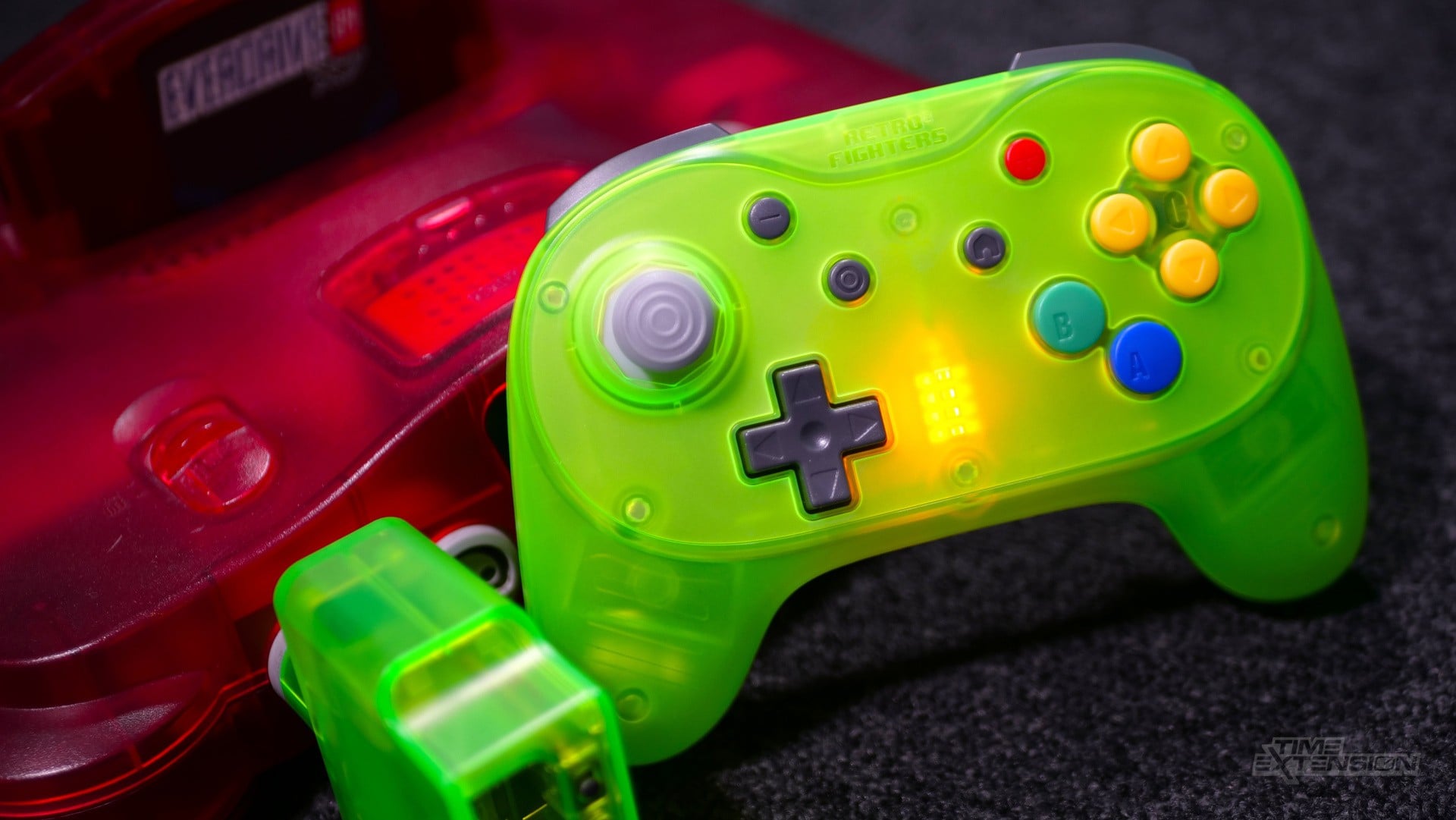
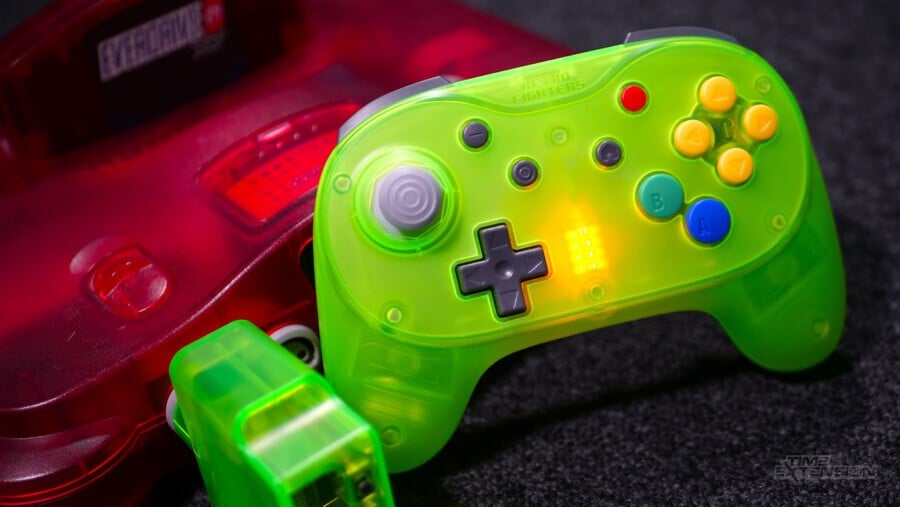
Since that initial launch, the company has cycled through several revisions, including wired and wireless iterations. The Brawler64 Pro represents the most significant refinement in the series, shifting from the previous aesthetic to a more streamlined, rounded silhouette. The Pro series features a magnetic front-plate system that allows for modular customization, supporting a variety of "skeleton" color schemes such as Atomic Purple, Watermelon Red, and Ice Blue. These aesthetic choices serve as a direct nod to the translucent plastic trends that defined the late 1990s and early 2000s hardware market.
Technical Specifications and Connectivity
The Brawler64 Pro moves away from the reliance on single-platform connectivity by utilizing two distinct 2.4GHz wireless dongles. One dongle is dedicated to original Nintendo 64 hardware, while the other is optimized for USB-based platforms, including the Nintendo Switch and PC.
While the inclusion of 2.4GHz wireless technology offers low-latency performance, the controller notably lacks Bluetooth functionality. This necessitates the physical management of the included dongles, which may be a consideration for users with limited USB port availability. For those prioritizing absolute minimum latency, the controller includes a USB wired mode, which provides a direct data path to the system.
A significant technical upgrade in the Pro model is the inclusion of Hall Effect analogue sticks. Unlike traditional potentiometers, which rely on physical contact and are prone to "stick drift" over time due to wear and tear, Hall Effect sensors utilize magnetic fields to measure movement. This technology is increasingly becoming the industry standard for premium controllers, as it significantly extends the longevity of the analogue input components.
Ergonomics and Input Configuration
The controller’s layout features face buttons that mirror the original N64 configuration, ensuring compatibility with legacy software. The shoulder buttons have been re-engineered to combine digital and analogue inputs, though initial assessments indicate that the ZL and ZR buttons have a shallow "throw," or travel distance, which may affect the tactile feedback compared to standard modern controllers.
On the reverse side, the Brawler64 Pro introduces two additional programmable inputs, labeled P1 and P2. To prevent accidental actuation during gameplay, the device includes physical kill-switches, allowing users to disable these extra inputs entirely.
The D-pad design remains a point of technical contention. The Brawler64 Pro utilizes a microswitch-based system. While microswitches provide a distinct, audible "click" and high durability, they often lack the fluid, rolling sensation required for traditional 2D gaming, particularly in titles that rely on precise directional inputs. This design choice mirrors the approach used in the company’s D6 controller for the Sega Dreamcast, which faced criticism regarding the responsiveness of its D-pad for specific genres.
Industry Context and Market Positioning
The market for high-quality third-party controllers has seen a surge in activity as interest in retro gaming continues to climb. The rise of FPGA (Field Programmable Gate Array) consoles, such as the MiSTer project, has created a demand for hardware that bridges the gap between vintage accuracy and modern comfort.
Retro Fighters occupies a unique position in this landscape. By focusing on legacy hardware, they address the "muscle memory" dilemma that many long-term N64 players experience. While the original three-pronged controller is often criticized for its awkward grip, it remains the standard for many speedrunners and competitive players of titles like GoldenEye 007 and Super Mario 64. Retro Fighters aims to capture this demographic by providing a modern interface that mimics the responsiveness of original components without the physical fatigue associated with the original 1996 design.
Chronology of Development
- 2019: Retro Fighters releases the original Brawler64, establishing a new design language for N64 controllers.
- 2020-2022: The company releases several iterations, including wireless models and compatibility updates for Switch and PC.
- 2023: Introduction of the D6 controller, testing the microswitch D-pad configuration.
- 2024: Launch of the Brawler64 Pro, incorporating Hall Effect sensors and the magnetic, modular front-plate design.
Comparative Analysis: Hall Effect vs. Legacy Potentiometers
The adoption of Hall Effect sensors in the Brawler64 Pro is a strategic move to address the primary cause of controller failure: the degradation of carbon tracks within traditional potentiometers. In legacy N64 controllers, the analogue stick was notoriously fragile, often wearing down to the point of structural failure. By incorporating magnetic sensors, Retro Fighters is positioning the Brawler64 Pro as a "buy-it-for-life" peripheral. This is particularly relevant for the N64 market, where original first-party controllers are becoming increasingly difficult to find in good working condition.
Implications for the Retro Gaming Ecosystem
The release of the Brawler64 Pro reflects a broader shift in the gaming hardware industry toward "premium retro" products. Where previously the market was flooded with low-cost, low-quality clones, consumers are now demonstrating a willingness to pay higher price points for durable, high-performance alternatives.
The modular nature of the Brawler64 Pro—specifically the magnetic faceplates—indicates a move toward user-serviceable and customizable hardware. This trend aligns with the "right to repair" and modular hardware movements that have gained traction among enthusiasts. By allowing users to swap faceplates and potentially internal components, Retro Fighters is extending the lifecycle of the product, thereby increasing the value proposition for the consumer.
Future Outlook and Conclusion
The Brawler64 Pro is not designed to replace the original N64 controller for purists, but rather to serve as an ergonomic evolution for those who find the original hardware incompatible with long-form play sessions. While the microswitch D-pad may remain a polarizing feature for users who prefer the softer feel of membrane-based inputs, the combination of Hall Effect sticks and versatile, multi-platform wireless connectivity makes the controller a formidable contender in the third-party hardware space.
As Retro Fighters continues to iterate on their designs, the focus appears to be shifting toward longevity and cross-platform utility. The ability to utilize the same controller for both a 1996 console and a modern PC or Switch setup is a significant convenience factor that is likely to drive adoption among collectors and active players alike. Whether the Brawler64 Pro becomes the definitive interface for the N64 remains a matter of personal preference, but it represents a technically robust solution that addresses the most significant pain points of the platform’s original hardware.
The controller is currently available through the manufacturer’s website and select retailers, priced at $69.99. As the retro hardware market evolves, the success of such peripherals will depend on the balance between maintaining the "feel" of original experiences and the integration of modern, reliable engineering standards. Given the sustained popularity of the N64 library, the Brawler64 Pro is well-positioned to maintain its relevance in the hobbyist market for the foreseeable future.