Cecilia Chamidah Nur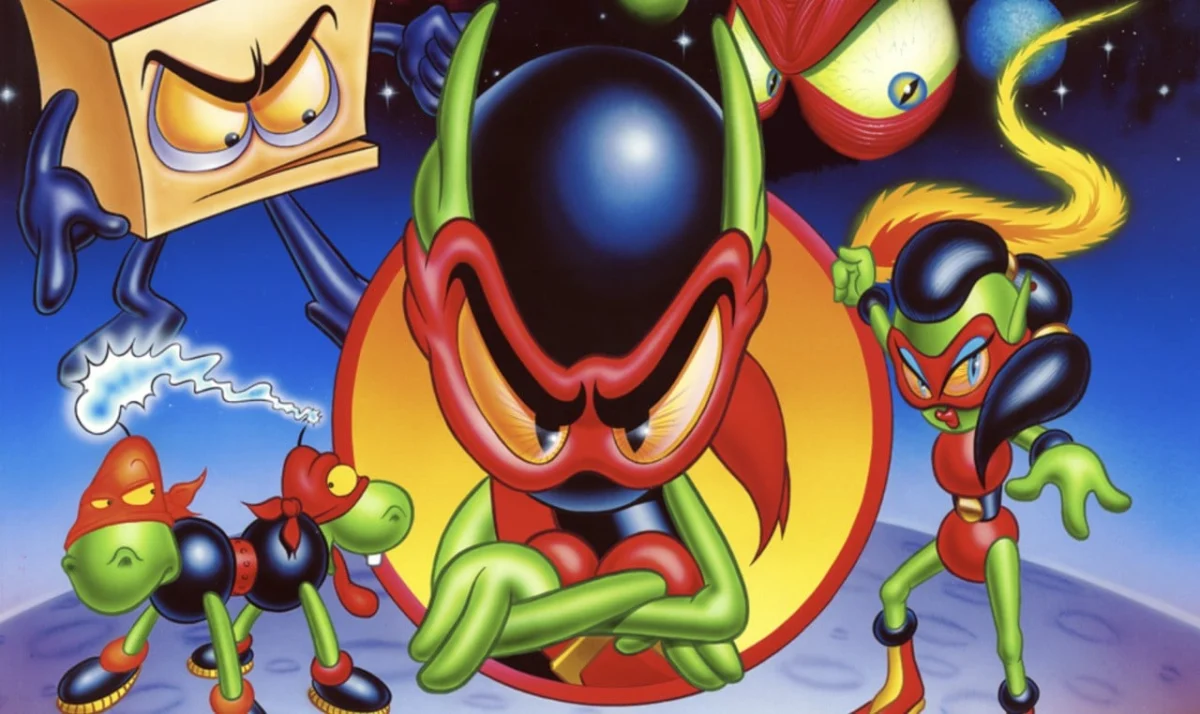
A beloved relic from the competitive 1990s platformer era, Gremlin Interactive’s Zool, is poised for a significant return, with developers 33 Games and Umbra Dynamics announcing plans for a "premium historical artefact and definitive physical release." This revelation, disseminated via a teaser posted on LinkedIn, signals a renewed focus on preserving and celebrating classic gaming titles through high-quality, tangible editions, moving the digital legacy of the "Ninja of the Nth Dimension" into a permanent physical form.
The Revival Announcement: A Glimpse into the Future of Retro Gaming
The teaser, shared on the official LinkedIn page of 33 Games, offered a brief video showcasing the iconic titular character of Zool alongside a cryptic but exciting message: "A Gremlin Interactive classic is returning. 33 Games and Umbra Dynamics are bringing it back as a premium historical artefact and definitive physical release. More soon. From Digital to Forever…" This announcement has immediately captivated retro gaming enthusiasts and collectors, hinting at a meticulously crafted edition that goes beyond a simple re-release. The inclusion of additional company names – Hilltop, Hologram Ghost, and Urbanscan Ltd – in the video suggests a collaborative effort involving various entities, each potentially contributing expertise in development, distribution, or historical archiving. Urbanscan Ltd, in particular, has a prior connection to Zool, having been responsible for an iOS release of the game in the past, indicating a continuity in interest and perhaps a foundation of existing assets or knowledge regarding the franchise.
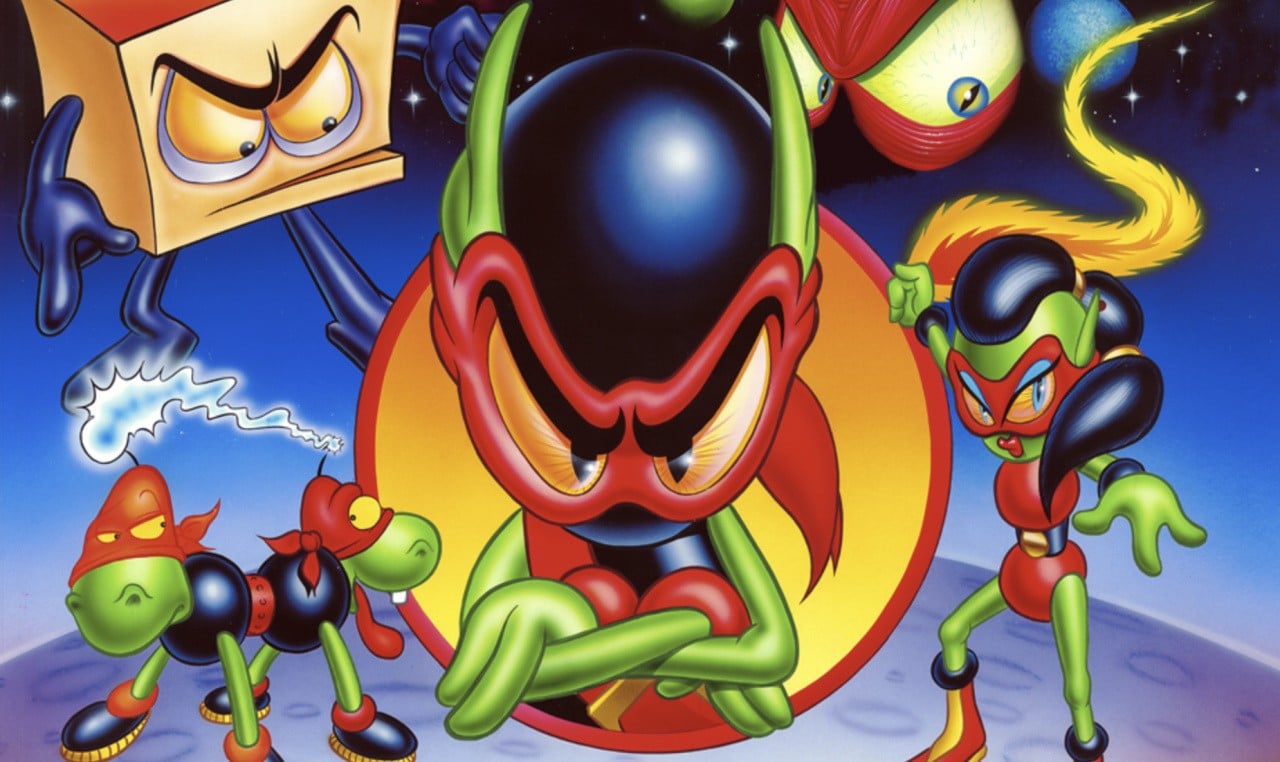
The phrase "premium historical artefact and definitive physical release" carries substantial weight, suggesting that this isn’t merely a standard re-packaging of the game. Instead, it implies a comprehensive collector’s item designed to appeal to both long-time fans and gaming history aficionados. Such a release often includes not just the game itself, but also extensive supplementary materials like art books, behind-the-scenes documentaries, interviews with original developers, soundtracks, and high-quality packaging. The commitment to a "definitive" edition suggests an ambition to present Zool in its most complete and historically accurate form, potentially encompassing various original versions, emulated ports, or even the more recent Zool Redimensioned adaptation, alongside a wealth of archival content. The concluding statement, "From Digital to Forever," encapsulates the broader philosophical shift towards valuing and preserving digital entertainment in physical, lasting formats, counteracting the transient nature of purely digital distribution.
Zool’s Place in Gaming History: The 90s Platformer Phenomenon
To understand the significance of Zool‘s return, one must revisit the dynamic and fiercely competitive landscape of the early 1990s video game industry. This era was largely defined by the "console wars" between Nintendo and Sega, with their respective mascots, Mario and Sonic the Hedgehog, leading the charge in the burgeoning platform game genre. The immense success of titles like Super Mario World and Sonic the Hedgehog sparked a gold rush, leading numerous developers to create their own mascot platformers, each hoping to carve out a niche and capture a slice of the rapidly expanding market.
Gremlin Graphics, later Gremlin Interactive, was a prominent British software developer and publisher with a strong presence in the home computer market, particularly on the Amiga. Known for a diverse portfolio that included racing games like Lotus Esprit Turbo Challenge, puzzle games, and action titles, Gremlin sought to enter the mascot platformer arena with Zool: Ninja of the Nth Dimension. Launched on the Amiga in 1992, Zool introduced players to an agile, alien gremlin ninja tasked with an intergalactic mission, navigating vibrant, candy-themed, and surreal environments. The game was characterized by its fast-paced action, impressive parallax scrolling (a visual technique that was a hallmark of the Amiga’s graphical prowess), and a distinctive soundtrack.

While Zool never quite reached the stratospheric heights of Mario or Sonic in terms of global cultural impact, it was nonetheless a significant commercial and critical success for Gremlin Graphics. It resonated particularly well with Amiga owners, becoming one of the platform’s flagship titles and demonstrating the computer’s capabilities. Its success was sufficient to warrant extensive porting efforts to a wide array of consoles and home computers, solidifying its status as a recognized, albeit second-tier, mascot of the era. The character of Zool, with his sleek design and energetic movements, became synonymous with a period of innovation and creativity in British game development, even if the gameplay sometimes drew criticism for its frenetic pace and occasional lack of precise control compared to its more polished Japanese counterparts.
A Chronology of Zool’s Digital Footprint
The journey of Zool through the annals of gaming history is marked by several key releases and iterations, demonstrating its enduring appeal and Gremlin’s initial ambition for the character.
- 1992: The Amiga Debut: Zool: Ninja of the Nth Dimension first burst onto the scene on the Commodore Amiga, quickly establishing itself as a technical showcase for the platform and a popular title among its user base. Its vibrant graphics, fast gameplay, and unique character design made it a standout.
- 1992-1993: Multi-Platform Expansion: Following its Amiga success, Zool embarked on an aggressive multi-platform strategy, a common practice for successful games of the era aiming to maximize reach. It was ported to an impressive array of systems, including the Sega Genesis/Mega Drive, Super Nintendo Entertainment System (SNES), Sega Master System, Game Boy, and Game Gear. Each port presented its own challenges and adaptations, with varying degrees of success in capturing the original Amiga experience on different hardware specifications.
- 1993: Zool 2: Capitalizing on the original’s popularity, Gremlin quickly developed and released a sequel, Zool 2, just a year later. This follow-up aimed to refine the gameplay, introduce new mechanics, and expand the universe. It was released on the Amiga, Amiga CD32 (Commodore’s multimedia console), and the Atari Jaguar, showcasing Gremlin’s continued support for various platforms, including some of the more niche contenders of the time.
- Mid-2000s (Approx.): Mobile Re-release by Urbanscan Ltd: In the mobile gaming boom of the 2000s, Urbanscan Ltd brought Zool to iOS devices, demonstrating the character’s longevity and the potential for classic games to find new audiences on emerging platforms. While not a definitive remaster, it allowed a new generation of players to experience the game in a portable format.
- Recent Years: Zool Redimensioned: The most recent significant revival prior to this announcement was Zool Redimensioned. This modern reimagining of the original game was released on PC, PlayStation 4, and Xbox One. Developed by Sumo Digital Academy, with input from Gremlin Graphics founder Ian Stewart’s new venture, BillyGoat Entertainment, Redimensioned aimed to update the classic for contemporary hardware and player expectations while retaining its core identity. It featured updated graphics, improved controls, quality-of-life enhancements, and new game modes, providing a fresh perspective on the Amiga classic for both returning fans and newcomers. Its positive reception likely contributed to renewed interest in the Zool IP and potentially paved the way for the current "definitive physical release" initiative.
The Allure of the "Premium Historical Artefact" in a Digital Age
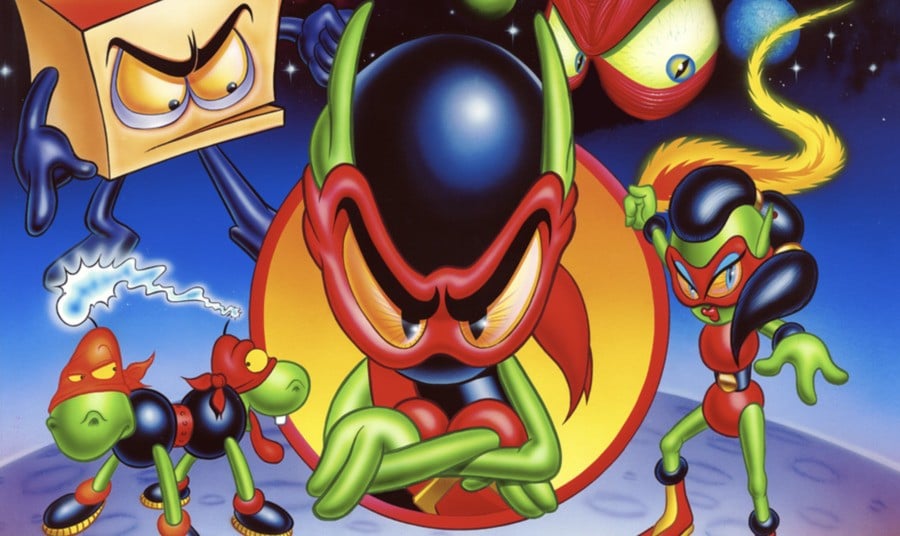
The concept of a "premium historical artefact and definitive physical release" for Zool taps into a burgeoning trend within the video game industry: the increasing demand for high-quality, collectible physical editions of classic and cult titles. In an era dominated by digital storefronts and subscription services, physical media, especially for retro games, has found a dedicated and passionate audience. Companies like Limited Run Games, Strictly Limited Games, and iam8bit have built successful business models around producing limited-edition physical copies, often packed with extensive extras, for both modern indie titles and resurrected classics.
Several factors contribute to this phenomenon:
- Nostalgia and Emotional Connection: For many players, classic games like Zool evoke powerful feelings of nostalgia. A physical release allows them to reconnect with these memories in a tangible way, owning a piece of their past.
- Preservation and Ownership: Digital games, while convenient, come with inherent risks regarding long-term availability and true ownership. Server shutdowns, licensing issues, or platform obsolescence can render digital purchases inaccessible. Physical media, conversely, offers a sense of permanence and direct ownership, allowing collectors to curate their libraries independently.
- Artistry and Collectibility: Modern collector’s editions are often treated as works of art. The packaging, art books, soundtracks, and other memorabilia are designed with meticulous attention to detail, transforming a game into a display piece. For a title like Zool, which had a distinctive visual style and memorable music, a premium physical release can fully celebrate its artistic merits.
- Historical Documentation: A "definitive" release often includes extensive documentation of the game’s development, impact, and legacy. This transforms the product into an educational tool, preserving an important piece of gaming history for future generations.
For Zool, a "definitive physical release" could encompass a myriad of features designed to cater to these desires. Imagine a multi-disc set containing not only the original Amiga version perfectly emulated, but also high-quality emulations of the various console ports, allowing players to experience the nuances of each adaptation. It could feature a remastered version of Zool Redimensioned on a modern console disc. Accompanying these might be an elaborate art book showcasing concept sketches, sprite sheets, and promotional materials from the 90s, alongside new interviews with the original Gremlin Graphics team, offering insights into the game’s creation and challenges. A CD or vinyl soundtrack, perhaps including both original chip tunes and the modern Redimensioned score, would be a major draw. All of this would likely be housed in a robust, collector-grade box, possibly with a statuette of Zool himself. Such a package would serve not just as a game, but as a comprehensive museum piece dedicated to a pivotal moment in gaming history.
Inferred Reactions and Broader Implications

While no official statements beyond the LinkedIn teaser have been released, it is possible to infer the potential reactions from various stakeholders and the broader implications for the retro gaming market.
- From 33 Games and Umbra Dynamics: Their explicit mention of "premium historical artefact" and "definitive physical release" suggests a clear vision for a high-quality product aimed at collectors. This commitment implies significant investment in archival research, licensing, and production quality. They are likely aiming to establish themselves as key players in the retro physical media space, leveraging the nostalgia for a beloved 90s IP. Their promise of "More soon" indicates a phased reveal, building anticipation within the community.
- From the Gaming Community: The announcement has undoubtedly generated excitement among Amiga enthusiasts, 90s platformer fans, and retro game collectors. Many will be eager to learn the specifics of the release, including supported platforms, content details, pricing, and availability. There might be some initial skepticism, as is common with retro revivals, regarding the quality and completeness of the package, but the explicit language used in the teaser suggests a genuine effort to deliver a product of high integrity. The success of Zool Redimensioned has already demonstrated a modern appetite for the character, providing a solid foundation for this physical release.
- For Gremlin Interactive’s Legacy: This definitive physical release serves as a powerful tribute to Gremlin Interactive, a company that made significant contributions to the British and global gaming scene. It helps solidify Zool‘s place in gaming history, ensuring that the work of its original creators is recognized and preserved for new generations of players and historians. This could also spark renewed interest in other titles from Gremlin’s extensive catalog, potentially paving the way for similar "artefact" releases for other cult classics.
The revival of Zool as a "premium historical artefact" is more than just another game release; it’s a testament to the enduring power of nostalgia, the growing importance of physical media in a digital age, and the concerted efforts to preserve gaming history. It underscores a broader trend where developers and publishers are increasingly recognizing the value of their back catalogs, not just as simple re-releases, but as meticulously curated historical documents and collector’s items. As details emerge, the gaming world will be watching keenly to see how 33 Games and Umbra Dynamics deliver on their promise to bring the "Ninja of the Nth Dimension" from "Digital to Forever." This initiative not only celebrates a specific game but also contributes to a larger movement dedicated to ensuring that the rich tapestry of video game history remains accessible and appreciated for generations to come.