Cecilia Chamidah Nur
A dedicated fan project, Friday the 13th: Revisited for the Nintendo Game Boy Color, has recently emerged, offering a completely reimagined experience of the infamous 1989 NES adaptation. Released earlier this week on itch.io as a free download, this ambitious remake by programmer Zeichi, with music by Exemia, aims to transform the notoriously difficult horror adventure into a more accessible and enjoyable portable experience. This development marks a significant moment for fans of the Friday the 13th franchise and retro gaming enthusiasts, demonstrating the enduring power of community-driven game development and the potential to breathe new life into flawed classics.
The Original’s Tarnished Legacy: A Deep Dive into NES Friday the 13th
To fully appreciate the scope and intent behind Friday the 13th: Revisited, it is crucial to understand the original LJN-published NES game’s place in gaming history. Released in 1989, LJN’s Friday the 13th quickly cemented a reputation not as a shining example of the NES library, but rather as one of its most challenging and, for many, frustrating titles. LJN, a subsidiary of MCA Inc., was a publisher largely known for acquiring licenses for popular film and television properties and then developing games based on them. While some LJN titles achieved modest success, many, including Friday the 13th, were often criticized for rushed development cycles, obscure gameplay mechanics, and a general lack of polish, leading to a lasting negative perception among gamers and critics.
The NES Friday the 13th tasked players with controlling six camp counselors at Camp Crystal Lake, with the primary objective of defeating the iconic slasher villain, Jason Voorhees, and rescuing children. However, the execution of this premise proved to be a significant hurdle for many. Gaming critics and YouTubers, in particular, have consistently included it on "worst games" lists for decades. Its criticisms are multifaceted and well-documented:
- High Difficulty: The game was relentlessly punishing. Jason would appear randomly, often with little warning, and could instantly kill counselors. Regular enemies, such as zombies, wolves, and crows, spawned frequently and in overwhelming numbers, depleting precious health. The time limit to defeat Jason before he killed all the children added another layer of pressure, making progression feel like a constant uphill battle against insurmountable odds. Players often felt underpowered and outnumbered, leading to frequent "Game Over" screens.
- Confusing Map System: Camp Crystal Lake was presented as a labyrinthine series of cabins, caves, and forest paths, interconnected by a rudimentary, hard-to-read map. Navigating the environment to find items, light bonfires, or locate Jason was often a bewildering experience, exacerbated by the constant threat of enemies and the lack of clear objectives or guidance within the game itself. Many players resorted to drawing their own maps or consulting external guides, a testament to the in-game map’s inadequacy.
- Frustrating Controls: The character movement was often described as clunky and imprecise, making it difficult to dodge attacks or accurately land blows with weapons like rocks or the notoriously ineffective axe. Jumping mechanics were similarly unforgiving, leading to many accidental deaths from environmental hazards. The combat system, which involved switching between a limited arsenal of weapons, felt unwieldy, especially during intense encounters with Jason.
Despite these significant drawbacks, the NES Friday the 13th has paradoxically earned a unique reputation as a "cult classic." Its notoriety has made it a fixture in gaming history, a game that NES owners and retro enthusiasts frequently revisit, if only to experience its unique brand of horror-tinged frustration. This enduring, albeit bizarre, legacy is evident in various forms:
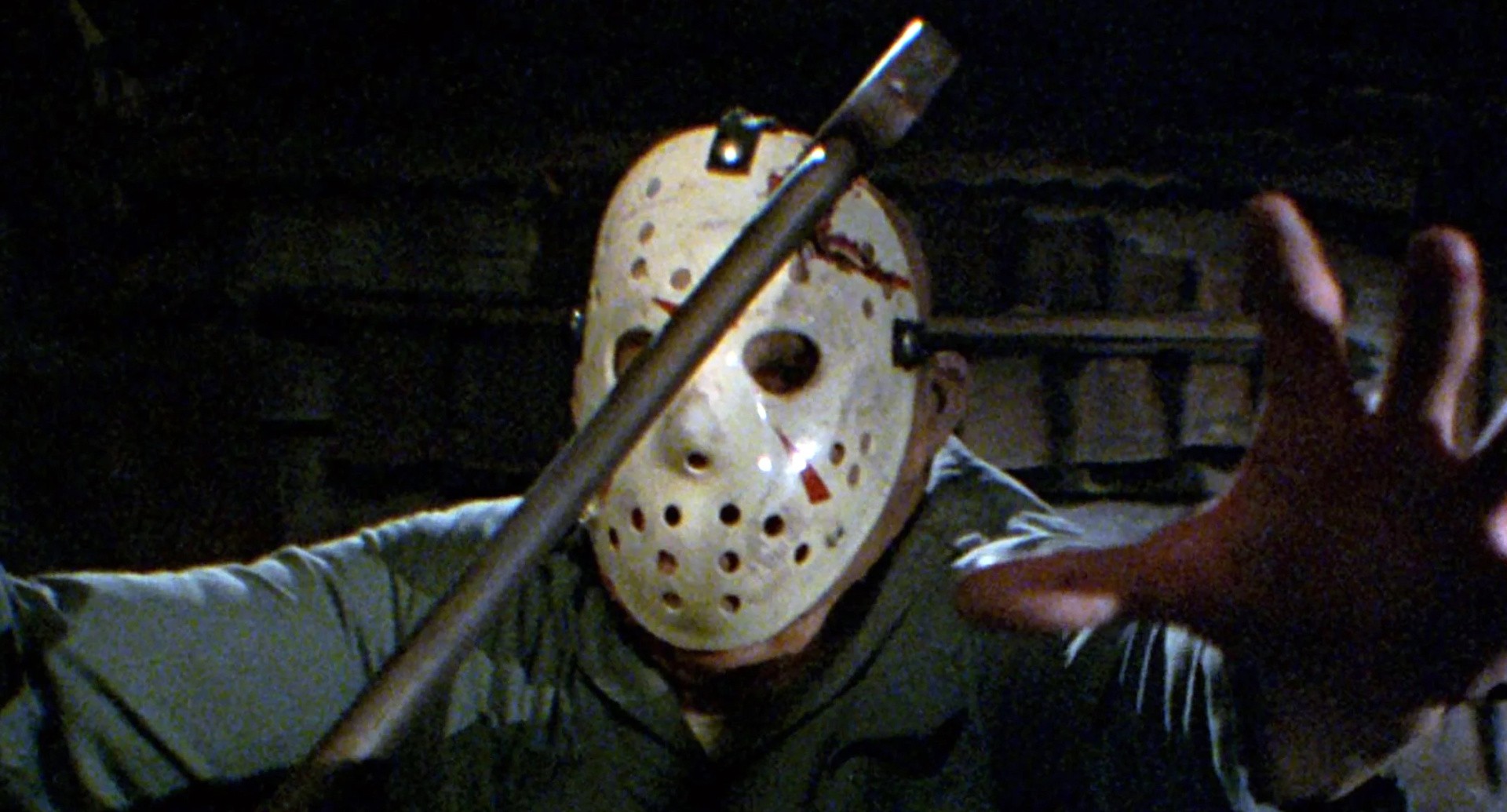
- Merchandise: NECA, a prominent toy manufacturer, released a retro-inspired action figure of Jason Voorhees based on his distinct purple-and-blue pixelated appearance from the NES game, a testament to the design’s iconic status among fans.
- Game Skins and Tributes: The 2017 asymmetrical survival horror game Friday the 13th: The Game featured a "Retro" game skin for Jason, directly referencing his NES iteration, allowing modern players to embody the pixelated terror.
- ROM Hacks and Fan Creations: The game has inspired numerous ROM hacks, which attempt to fix its perceived flaws, add new content, or simply alter its mechanics for novelty. This demonstrates a deep engagement from the community, eager to tinker with and improve upon the original.
- Indie Successors: The distinct gameplay loop and atmosphere have even influenced other independent horror games, serving as a strange muse for developers looking to capture a similar blend of survival and dread.
The Resurgence: Fan Creativity and Game Preservation through Revisited
It is against this backdrop of a flawed yet celebrated original that Zeichi’s Friday the 13th: Revisited for the Game Boy Color emerges. This fan-made remake is not merely a port but a complete recreation "from scratch," built with GB Studio, a popular and accessible game engine that allows creators to develop retro-style games for Game Boy, Game Boy Color, and Game Boy Advance without extensive coding knowledge. The utilization of GB Studio highlights a broader trend in the retro gaming community: the democratization of game development tools, empowering enthusiasts to revisit and reimagine beloved titles.
Zeichi’s stated goal is clear: to adapt the notorious horror adventure into "an experience you can hopefully enjoy on the go." This speaks to both a desire for game preservation – keeping a classic alive for new generations – and modernization – addressing the original’s criticisms to create a more polished and player-friendly experience. The Game Boy Color, with its vibrant palette and portable nature, provides an ideal platform for this endeavor, offering a distinctly nostalgic yet fresh visual style that aligns with the game’s retro roots while making it accessible to modern players on handheld devices or emulators.
Enhanced Gameplay: What’s New in Crystal Lake
Friday the 13th: Revisited introduces several significant changes and quality-of-life improvements that directly tackle the shortcomings of the NES original, promising a more refined and strategic gameplay loop.
-
Smoother, More Precise Controls: One of the most immediate and impactful changes cited by the developer is the implementation of "smoother, more precise controls." This directly addresses one of the primary frustrations of the NES game, where clunky movement often led to unfair deaths. Improved controls mean players can navigate Camp Crystal Lake with greater agility, making combat more manageable and exploration less of a chore. This fundamental enhancement lays the groundwork for a more enjoyable overall experience, allowing players to focus on strategy rather than wrestling with unresponsive inputs.

-
The Strategic Trading System: Perhaps the most innovative addition is a new trading system. In Revisited, players can "collect items and trade them with other advisors to obtain more powerful weapons." This mechanic adds a significant layer of strategy and resource management that was largely absent from the original. The developer, Zeichi, emphasizes that this system places "a greater emphasis on keeping the counsellors alive." If Jason catches one, the "chain of exchange will be broken, and you’ll lose access to important items." This transformation elevates the counselors from mere expendable lives to vital components of the player’s progression and survival strategy. Players must now carefully weigh the risks of engaging Jason or exploring dangerous areas against the necessity of protecting their allies to maintain their access to crucial upgrades. This fosters a more dynamic and engaging gameplay loop, where every counselor’s survival directly impacts the player’s ability to fight back against Jason.
-
Crissy’s Healing Potions: Another welcome addition comes in the form of the counselor Crissy, who is now available to supply players "with healing potions that automatically restore your health if it drops to 0." This mechanic acts as a crucial safety net, mitigating some of the original’s punishing difficulty. In the NES game, health management was brutally unforgiving, with scarce healing items and frequent, unavoidable damage. Crissy’s potions provide a lifeline, allowing players to recover from near-death experiences and continue their fight. This doesn’t necessarily make the game easy, as Jason still poses a formidable threat, but it introduces a degree of player agency and forgiveness that was sorely lacking, making the experience less frustrating and more approachable without sacrificing the horror element.
-
Jason’s Visible Health Bar: The original NES game provided little feedback during boss encounters with Jason, leaving players guessing as to how much damage they were inflicting. Revisited addresses this by giving Jason a newly positioned health bar at the top of the screen, which players can deplete. While the developer cautions that Jason "will always come back stronger" – a nod to his unkillable nature in the films and the original game’s increasing difficulty – the visible health bar provides crucial visual feedback. This allows players to better strategize their attacks, understand the effectiveness of their weapons, and gauge their progress against the relentless killer. It transforms combat from a blind struggle into a more calculated engagement, even if the odds remain stacked against the player.
Beyond these explicitly mentioned features, a fan remake of this nature typically includes other quality-of-life improvements such as potentially clearer map layouts, more intuitive objective markers, and refined visual cues that leverage the Game Boy Color’s capabilities to enhance the atmosphere. These subtle changes, combined with the major mechanical overhauls, contribute to a significantly more coherent and enjoyable gameplay experience compared to its predecessor.
A Brief History of Friday the 13th in Gaming
The Friday the 13th franchise, originating with Sean S. Cunningham’s seminal 1980 slasher film, has a rich and often turbulent history of video game adaptations. The NES game from LJN remains perhaps the most infamous, but it is far from the only attempt to translate the terror of Camp Crystal Lake into an interactive medium. Over the decades, various developers have tried to capture the essence of Jason Voorhees and his murderous rampages, with varying degrees of success.
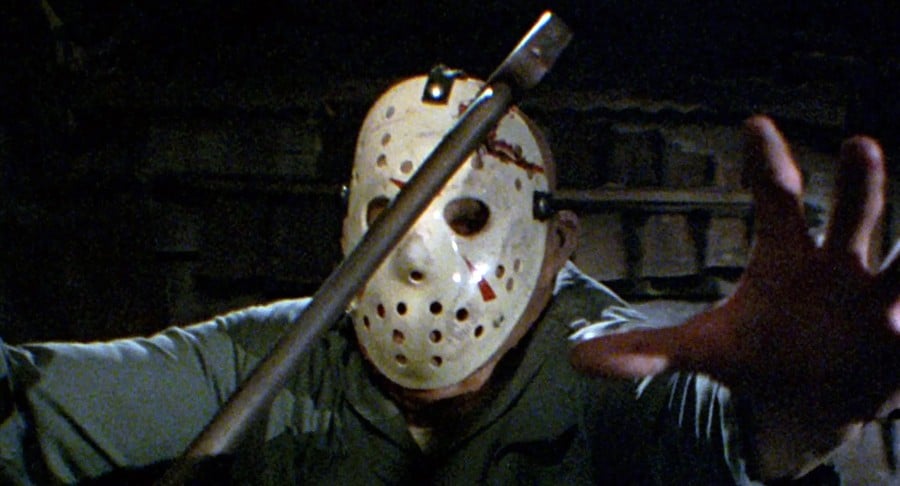
For instance, in 2017, Gun Media and IllFonic released Friday the 13th: The Game, an asymmetrical multiplayer survival horror title. This game took a drastically different approach, pitting one player as Jason Voorhees against seven other players controlling camp counselors, who must work together to escape or defeat him. While initially popular, this iteration faced its own challenges, including technical issues, licensing disputes, and eventually, the cessation of new content development due to legal complications surrounding the franchise rights. However, it demonstrated the enduring appeal of the IP and the desire of fans to engage with Jason in a virtual setting.
Other smaller, less prominent fan projects, and even licensed mobile games, have also attempted to bring the franchise to interactive life. Each of these adaptations reflects the cultural impact of Friday the 13th and the various ways game developers have tried to interpret its core elements: survival, dread, and the seemingly unstoppable force of Jason Voorhees. Friday the 13th: Revisited stands as a unique entry in this lineage, not as an official new release, but as a passionate fan’s effort to redeem and revitalize a specific, polarizing chapter of the franchise’s gaming history.
Broader Implications: Legacy, Community, and Accessibility
The release of Friday the 13th: Revisited is more than just a novelty; it carries broader implications for the gaming community and the preservation of video game history.
-
Game Preservation: Fan remakes and modern adaptations play a critical role in game preservation. Many classic titles, especially those from the 8-bit and 16-bit eras, are becoming increasingly difficult to access due to outdated hardware, decaying physical media, or lack of official re-releases. Projects like Revisited ensure that the spirit and core ideas of these games remain accessible to new generations of players, often in forms that are more palatable to contemporary gaming sensibilities. While emulation helps, a full remake tailored for modern play offers a different, often superior, form of preservation.
-
Community Empowerment and Creativity: The success and visibility of Revisited highlight the immense talent and dedication within fan communities. Tools like GB Studio have democratized game development, allowing passionate individuals to create high-quality tributes and original works. This fosters a vibrant ecosystem of creativity, where fans are not just consumers but active contributors to gaming culture, reshaping and reinterpreting the titles they love. It underscores the idea that games are living cultural artifacts, constantly being re-evaluated and reinvented by their audience.
-
The "Good Bad Game" Phenomenon: Friday the 13th on NES is a prime example of a "good bad game" – a title that, despite its technical flaws and frustrating design, holds a special place in the hearts of many. Fan remakes like Revisited explore the underlying potential of these games, demonstrating how thoughtful design choices can transform a frustrating experience into an engaging one, without losing the original’s distinct charm or challenge. It’s a testament to the idea that even notoriously difficult or flawed games can possess a unique appeal worth exploring and refining.
-
Accessibility: By targeting the Game Boy Color, Revisited makes the Friday the 13th experience available on a portable platform. This enhances accessibility for players who prefer handheld gaming or those who might not have access to original NES hardware. The ability to play a classic horror game on the go offers a novel and convenient way to engage with the material, potentially introducing the game to an entirely new audience.
In conclusion, Friday the 13th: Revisited stands as a powerful testament to fan dedication, the evolution of game design, and the enduring, sometimes bizarre, legacy of horror gaming. Zeichi and Exemia have not only paid tribute to a notorious NES classic but have also meticulously re-engineered it for a modern, portable audience, addressing long-standing criticisms while preserving the eerie atmosphere that made the original so memorable. For those eager to confront Jason Voorhees in a more refined, yet still challenging, portable format, Friday the 13th: Revisited is available for free download on itch.io, offering a fresh chance to survive the terrors of Camp Crystal Lake.
[Source: zeichigames.itch.io, via gamesradar.com]