Farhan hamdan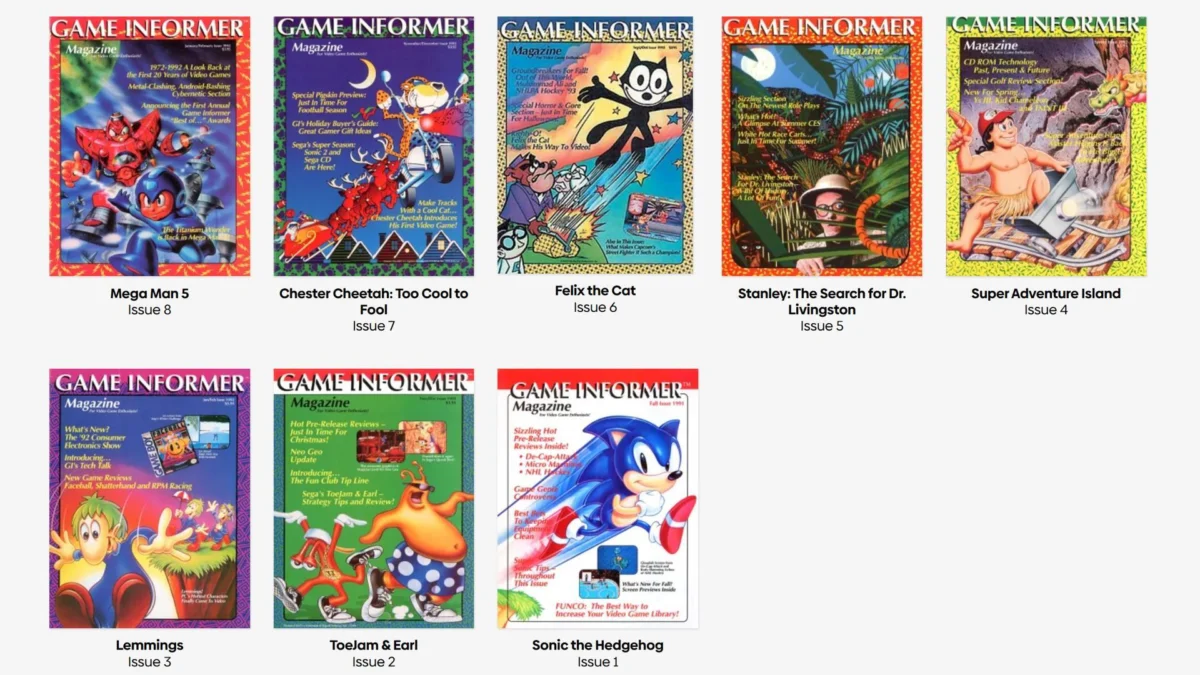
Game Informer, one of the longest-running and most influential video game publications, has announced the complete digitization and free availability of its entire magazine archive. Spanning from its inaugural Fall 1991 issue to the most recent publications, this comprehensive collection offers an unparalleled journey through the history of video games, accessible online to registered users. The archive features high-quality scans of every page, providing a detailed and immersive browsing experience for enthusiasts, researchers, and historians alike. A free account is required for access, a straightforward process designed to facilitate a deeper engagement with the publication’s storied past.
The initiative represents a significant contribution to the preservation of video game culture and journalism, making decades of critical commentary, industry insights, and cultural artifacts readily available to a global audience. This move is anticipated to be widely welcomed by the gaming community, offering a unique opportunity for both long-time readers to revisit cherished memories and new generations to explore the historical context of their favorite pastime.
A Journey Through Gaming’s Printed Past
The Genesis and Evolution of Game Informer
Game Informer magazine was first launched in August 1991 by FuncoLand, a Minnesota-based video game retailer which would later evolve into GameStop. Initially conceived as a quarterly, eight-page promotional newsletter for FuncoLand customers, its primary purpose was to highlight new releases, provide brief reviews, and advertise trade-in values. The inaugural issue, published in Fall 1991, laid the groundwork for what would become a cornerstone of video game journalism. Its early content was rudimentary compared to its later iterations, focusing on the burgeoning console market of the early 1990s, dominated by the Nintendo Entertainment System, Super Nintendo, and Sega Genesis.
Over the next three decades, Game Informer rapidly expanded its scope and influence. By the mid-1990s, it transitioned from a promotional leaflet to a fully-fledged monthly magazine, delivering in-depth previews, extensive reviews, and exclusive features. This growth coincided with the explosive expansion of the video game industry, moving from niche hobby to mainstream entertainment. The magazine’s close ties to GameStop provided a unique distribution advantage, reaching millions of subscribers and in-store customers, cementing its position as a leading voice in gaming media. At its peak, Game Informer boasted a circulation that rivaled, and often surpassed, other major gaming publications, becoming the third-largest consumer magazine in the United States by 2011, with over 8 million subscribers. Its longevity and consistent output have made it an invaluable chronicle of the industry’s highs and lows, technological advancements, and cultural shifts.
The Golden Age of Print Gaming Journalism
The 1990s and early 2000s marked the zenith of print video game journalism. Before the ubiquity of high-speed internet and dedicated gaming news websites, magazines like Game Informer, Electronic Gaming Monthly (EGM), Nintendo Power, PC Gamer, and Official PlayStation Magazine served as the primary conduits for information about upcoming games, reviews, and industry trends. These publications were not merely sources of data; they were cultural touchstones, fostering communities and shaping player expectations. Gamers eagerly awaited monthly issues, poring over glossy pages filled with screenshots, interviews with developers, and the opinions of trusted critics.
Game Informer distinguished itself through its comprehensive coverage, often securing exclusive reveals and deep dives into highly anticipated titles. Its review system, typically featuring a 1-10 scale, became a widely referenced benchmark for game quality. Beyond the critical analysis, these magazines offered a window into the nascent gaming culture, showcasing fan art, letters to the editor, and the evolving language of gaming. The tactile experience of flipping through a new issue, the anticipation of its arrival in the mailbox, and the collective discussion among peers were integral parts of the gaming experience for an entire generation. This era also saw magazines grappling with the rapid pace of technological innovation, from the 2D sprites of the 16-bit era to the groundbreaking 3D graphics of the PlayStation and Nintendo 64 generations, and later to the online capabilities of the Xbox and PlayStation 2.
Navigating the Digital Shift
The advent of the internet posed an existential threat to print media across all sectors, and video game journalism was no exception. By the late 1990s and early 2000s, dedicated gaming websites began to offer real-time news updates, immediate reviews, and forums for community interaction, a speed and interactivity that print publications simply could not match. Many venerable print titles either ceased publication or drastically reduced their print frequency.
Game Informer, however, demonstrated remarkable resilience. While acknowledging the shift towards digital consumption, it strategically adapted by developing a robust online presence alongside its print edition. Its website became a complementary platform for breaking news, video content, and online-exclusive features, while the print magazine continued to offer more curated, in-depth content that could not be replicated online. The symbiotic relationship with GameStop also provided a stable subscription base, allowing Game Informer to weather the storm that claimed many of its contemporaries. The decision to digitize its entire archive now represents a full circle, embracing digital accessibility while celebrating its rich print legacy.
The Significance of Digital Preservation
Safeguarding Cultural Heritage
The digital archiving of Game Informer magazine issues is a monumental step in safeguarding a crucial component of modern cultural heritage. Video games, now recognized as a significant art form, an economic powerhouse, and a pervasive cultural phenomenon, demand systematic preservation of their historical context. Just as film archives protect cinematic history or music libraries preserve sound recordings, game journalism archives capture the evolving narrative of the interactive entertainment medium. These magazines are not merely reviews; they are primary sources detailing game development philosophies, marketing trends, artistic aspirations, and the societal reception of games over decades.
Without such initiatives, vast swatges of this history could be lost to time, subject to the degradation of physical media or the obsolescence of older formats. The fragility of physical magazines, susceptible to environmental damage, wear and tear, and simply being discarded, makes digital archiving an imperative. This effort ensures that future generations of researchers, developers, and fans will have direct access to the perspectives and information that shaped the gaming landscape.
A Research Goldmine
For academic researchers, cultural historians, and industry analysts, the Game Informer digital archive is an invaluable resource. It offers a chronological and comprehensive dataset for studying numerous facets of the video game industry:

- Historical Reception: Tracking how specific games, genres, or consoles were received by critics and the public upon release, providing context beyond contemporary reviews.
- Marketing and Advertising Trends: Analyzing the evolution of advertising strategies, the types of games promoted, and how demographic targeting has shifted over time. The archive reveals fascinating insights into how games were sold and perceived at different points in history.
- Industry Evolution: Documenting the rise and fall of developers and publishers, the emergence of new technologies (e.g., CD-ROM, online multiplayer, virtual reality), and the cyclical nature of gaming trends.
- Journalistic Standards: Examining the evolution of video game criticism, reporting ethics, and the role of editorial independence in a rapidly commercializing industry.
- Economic Indicators: The advertisements and early Funcoland trade-in pages offer glimpses into the economic ecosystem of gaming, including pricing strategies, accessory markets, and the secondary market for games.
This robust historical record enables deeper analytical work, allowing scholars to draw connections, identify patterns, and construct more nuanced narratives about gaming’s past.
Nostalgia and Community Engagement
Beyond its academic utility, the archive serves as a powerful conduit for nostalgia. For millions of individuals who grew up reading Game Informer, flipping through these digital pages is akin to stepping back in time. It evokes memories of eagerly anticipating new releases, debating review scores with friends, and dreaming of the next big game. This shared experience fosters a sense of community among long-time gamers, providing a common reference point for discussions about gaming history and personal journeys within the hobby. The ability to revisit specific issues, re-read reviews of beloved classics, or discover forgotten gems provides a unique emotional connection to the past. This blend of historical record and personal recollection makes the archive not just informative, but also deeply resonant.
Technical Aspects and User Experience
The digital archive, accessible via gameinformer.com/magazine-archive, has been meticulously crafted to ensure a high-quality user experience. Each issue has been scanned in high resolution, preserving the original layouts, vibrant artwork, and textual integrity. The digital format allows for easy navigation, with users able to scroll through pages, zoom in on details, and potentially search for specific terms or game titles, although the primary interface appears to be a direct page-by-page browser. The clarity of the scans ensures that even the smallest print in advertisements or captions remains legible, providing an authentic reproduction of the print experience.
Access to this extensive library requires a free account registration, a standard practice for many online content platforms. This process is typically quick and straightforward, involving basic personal information and email verification. While some users might prefer direct, unfettered access, the registration requirement often helps platforms manage user engagement, gather basic analytics, and potentially offer personalized content or notifications in the future.
Beyond the Reviews: Unearthing Ephemera
One of the most compelling aspects of the archive, as highlighted by early users, is the wealth of ancillary content beyond the main articles and reviews. The magazines are replete with historical ephemera that provides a unique socio-economic snapshot of the gaming world. Old advertisements for gaming accessories, often featuring quirky designs and exaggerated claims, offer a fascinating look at the peripheral market. Contest announcements, reader mail, and early previews of now-legendary games all contribute to a rich tapestry of gaming history.
The specific mention of Funcoland trade-in/sale pages from early issues is particularly illustrative. These "mini newspapers" of game prices and trade values were a common sight for young gamers in the 1990s. They provided a tangible representation of the secondary market, where players would weigh the perceived value of their current game collection against the desire for a new title, often accepting significant losses in trade value. These pages are more than just nostalgic curiosities; they are concrete economic data points reflecting the fluctuating market value of games, the business models of early retailers, and the consumer habits of the era. They underscore the transformative period when gaming transitioned from a niche hobby to a major industry, complete with complex retail ecosystems.
Broader Implications and the Future of Archiving
Game Informer’s initiative is part of a broader, increasingly vital trend in media and cultural institutions: the systematic digitization and preservation of historical archives. Similar efforts have been undertaken by other gaming entities, such as the Video Game History Foundation, and by general interest magazines and newspapers worldwide. The internet, while initially a disruptor to print, has paradoxically become its most powerful tool for long-term preservation and global accessibility.
Industry Trends in Digital Archiving
The move by Game Informer aligns with a growing recognition among content creators and publishers of the enduring value of their historical output. Companies like Condé Nast, Hearst, and Time Inc. have invested significantly in digitizing their vast magazine archives, understanding that these collections represent intellectual property, historical records, and potential new revenue streams through subscription services or licensing. In the gaming sphere, while dedicated efforts have been made by fan communities and independent preservationists for years, official, high-quality digital archives from the original publishers remain somewhat rare. Game Informer’s commitment sets a positive precedent for other long-standing gaming publications to follow suit, further enriching the collective historical record.
Challenges and Opportunities
While offering immense opportunities, digital archiving also presents challenges. Ensuring the long-term viability and accessibility of digital files (combating data rot and format obsolescence), managing server infrastructure, and maintaining user interfaces require ongoing investment. Copyright considerations can also be complex when dealing with decades of content, especially regarding third-party advertisements or licensed intellectual property.
However, the opportunities far outweigh these hurdles. A comprehensive digital archive can facilitate new forms of historical analysis, allowing researchers to utilize data mining and text analysis tools to uncover trends and insights that would be impossible with physical copies. It also opens avenues for creative engagement, such as educational programs, interactive historical timelines, and community-driven annotation projects. The archive can serve as a living testament to Game Informer’s legacy and a dynamic resource for understanding the gaming industry’s evolution.
Digital preservation experts routinely underscore the critical importance of initiatives such as Game Informer’s. By making decades of content freely available, the magazine is not only celebrating its own history but also contributing significantly to the collective memory of video games. This move reinforces the idea that video game journalism, much like the games it covers, is a cultural artifact deserving of careful and accessible preservation.
In conclusion, Game Informer’s decision to digitize and freely open its entire archive from Fall 1991 onwards marks a pivotal moment for video game history and preservation. It provides an unprecedented window into the evolution of gaming, offering invaluable resources for academic research, industry analysis, and a profound journey of nostalgia for generations of gamers. This initiative stands as a testament to the enduring power of print media and its critical role in shaping and documenting one of the 21st century’s most influential cultural phenomena.