Cecilia Chamidah Nur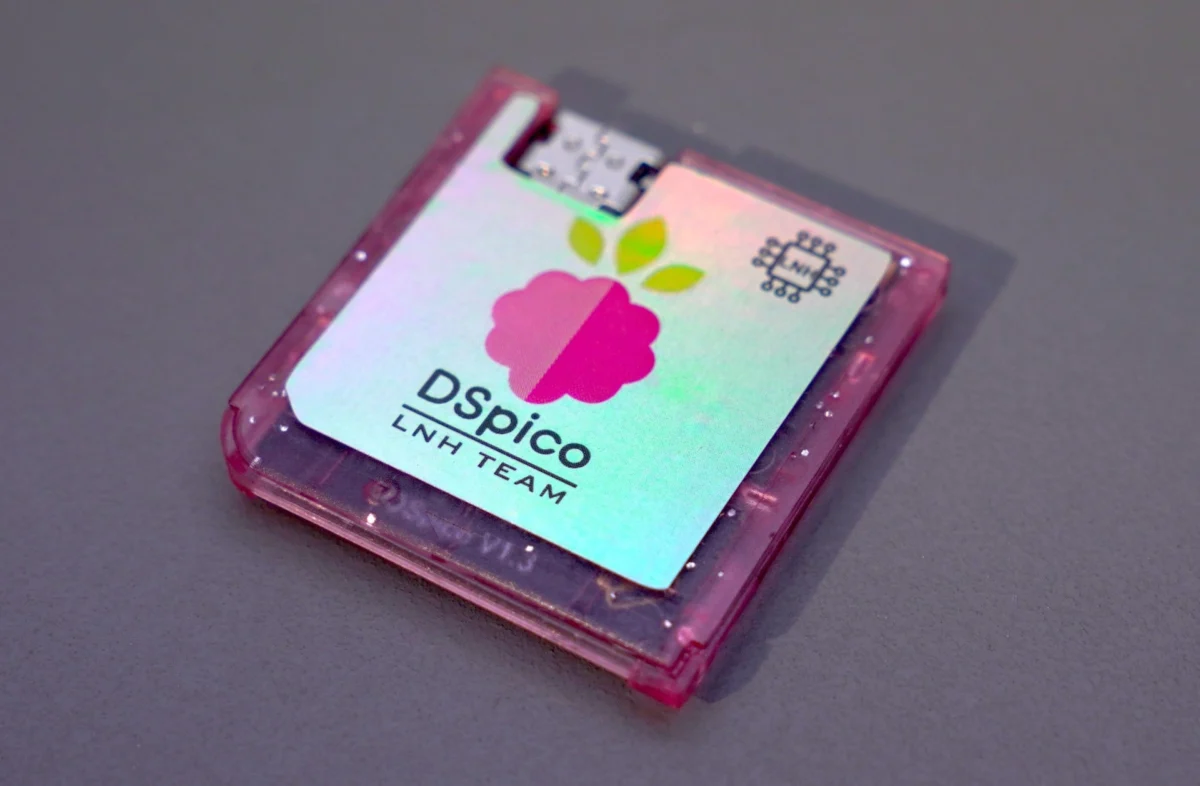
The landscape of retro gaming and console modding has been significantly altered with the recent retail availability of DSpico, heralded as the world’s first open-source flashcart for the Nintendo DS and DSi consoles. Announced initially in late 2025 and moving to a pre-assembled retail product in April 2026, the DSpico project, spearheaded by the LNH Team, represents a pivotal moment for digital preservation, homebrew development, and the broader open-source hardware movement within the gaming community. This innovative cartridge, designed to run backups of games and custom homebrew applications, navigates a complex legal and ethical terrain, particularly given Nintendo’s historical stance against such devices.
A New Era for DS/DSi Modding: The DSpico Unveiled
The DSpico project first garnered significant attention with its original announcement on November 27, 2025. Conceived and developed by the LNH Team, a collective dedicated to the preservation of classic consoles and software, the DSpico was presented as a two-pronged initiative. At its core is the open-source cartridge hardware itself, accompanied by a versatile application launcher designed to be compatible not only with DSpico but also with a range of existing DS flashcart options already present in the market. This dual approach underscored the team’s commitment not just to introducing new hardware, but also to fostering a broader ecosystem for DS/DSi enthusiasts.
The LNH Team articulated a clear mission: to restore lost hardware, preserve software legacies, and create innovative projects that ensure the longevity of classic gaming platforms. The DSpico embodies this philosophy by making all its constituent parts, from schematics to firmware, openly available. This radical transparency means that any individual with the requisite technical skills can construct their own DSpico unit from scratch, modify its design, or even improve upon its existing functionalities. This "build-your-own" ethos stands in stark contrast to the typically closed and proprietary nature of most consumer electronics, particularly in the gaming sector.
A testament to the project’s forward-thinking design is its inherent expandability. While the initial iteration of DSpico notably lacks infrared (IR) support – a feature present in some official DS accessories and games – the LNH Team confirmed the inclusion of a dedicated development port on the cartridge. This port serves as a crucial interface, empowering users and developers to design and integrate custom peripherals. The team specifically highlighted the potential for an infrared expansion board, signaling a future where community-driven modifications could introduce a host of new functionalities, from enhanced connectivity to novel gameplay experiences not originally conceived by the creators. This modular approach is a hallmark of robust open-source hardware design, ensuring adaptability and future-proofing in a rapidly evolving technological landscape.
From Concept to Consumer: DSpico’s Retail Debut
The journey from an open-source concept to a readily available consumer product is often fraught with challenges, yet DSpico successfully bridged this gap in a remarkably short period. On April 4, 2026, roughly four months after its initial announcement, the DSpico flashcart became available for purchase in pre-assembled form, marking a significant milestone for the project and the community it serves. This retail availability was reported by outlets such as Pants Pants Revolution, confirming that the convenience of a ready-to-use product was now an option for those less inclined or equipped for DIY assembly.
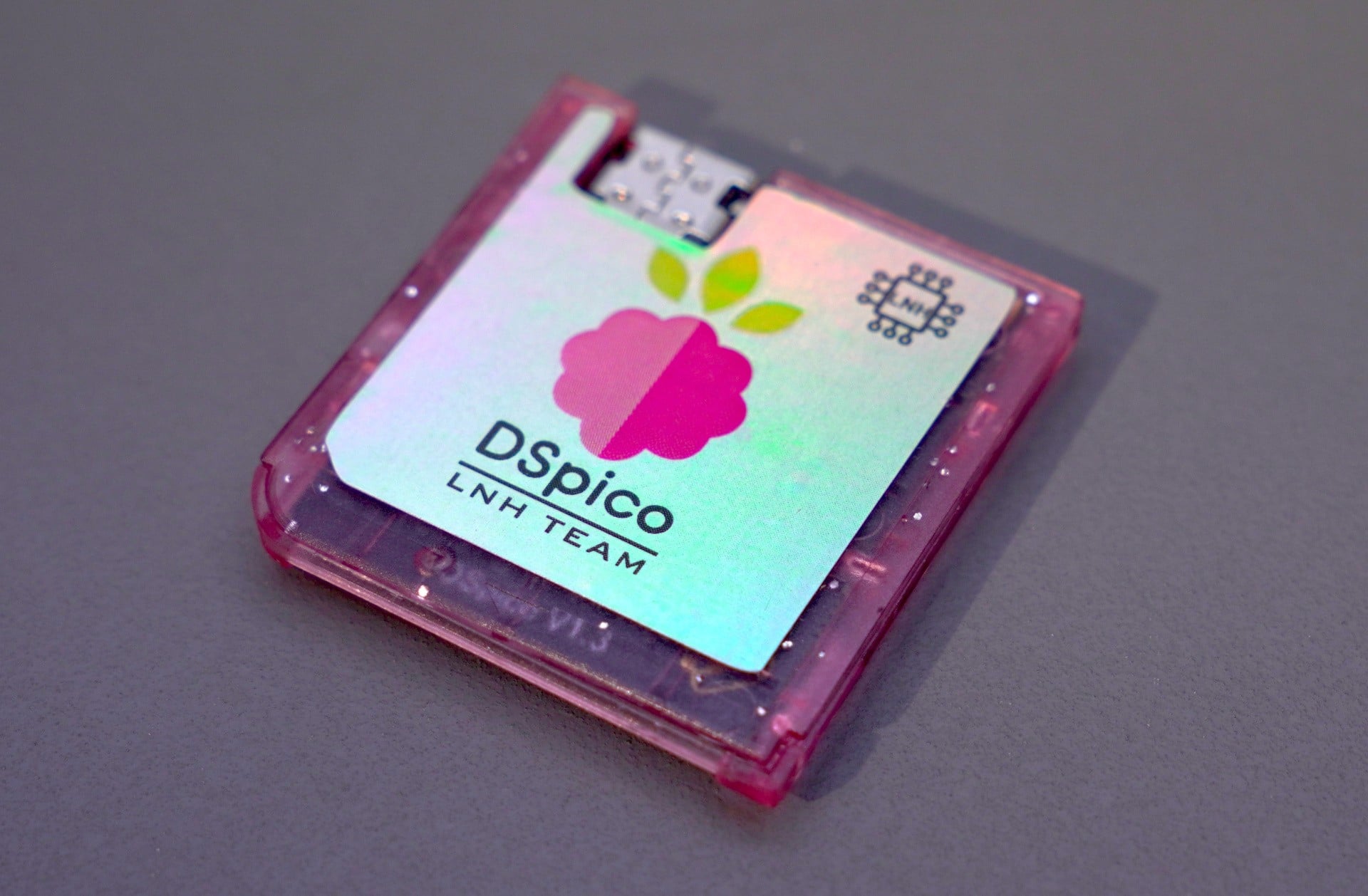
Two independent entities emerged as the primary distributors for these pre-assembled units: Phenom Mods and Laser Bear Industries. Phenom Mods offered the DSpico at an accessible price point of $20, while Laser Bear Industries listed their version at $30. The difference in pricing likely reflects variations in component sourcing, assembly costs, or potentially minor design iterations or included accessories. Crucially, both retailers provide a convenient solution for users who lack the time, tools, or expertise to source components and assemble the cartridge themselves. This accessibility is vital for broadening the adoption of DSpico beyond the niche community of hardware hackers and modders.
An important clarification accompanied the retail launch: the original LNH Team, the creators and stewards of the open-source DSpico project, is not directly involved with the production or sale of these pre-assembled carts. This separation is a natural consequence of the open-source model. By releasing the design files and firmware under open licenses, the LNH Team explicitly permits others to use, modify, and even commercialize their work. This decentralized manufacturing and distribution model ensures that the project remains true to its open-source principles, allowing independent parties to innovate and meet market demand without requiring direct authorization or involvement from the original developers. It underscores the power of open licensing to foster a diverse ecosystem of creators and suppliers.
The Philosophy of Open-Source Hardware in Retro Gaming
The DSpico’s defining characteristic is its open-source nature, a paradigm that extends beyond software to encompass hardware design. Open-source hardware means that the design specifications, schematics, bill of materials (BOM), and often the associated firmware are freely available for anyone to study, modify, distribute, make, and sell. This contrasts sharply with proprietary hardware, where such information is kept confidential. For DSpico, this commitment translates into a project whose inner workings are transparent, verifiable, and endlessly adaptable by the community.
The benefits of this approach are multifaceted, particularly in the context of retro gaming and digital preservation:
- Preservation and Longevity: As proprietary hardware ages and manufacturers cease support, components become scarce, and designs are lost to time. Open-source hardware like DSpico ensures that the means of production and repair remain accessible indefinitely. Should a component become obsolete, the community can collectively find and implement alternatives, preventing the device from becoming a relic. This fosters long-term viability for both the flashcart itself and, by extension, the console it serves.
- Innovation and Customization: The development port on DSpico is a prime example of how open-source encourages innovation. Users are not limited by the original design but are invited to enhance it. Beyond an IR expansion, imagine community-developed rumble packs, motion sensors, or even wireless connectivity modules integrated into future iterations of the cart. This fosters a dynamic environment where the hardware evolves collaboratively.
- Accessibility and Education: The availability of design files lowers the barrier to entry for hobbyists, students, and aspiring engineers. It serves as a practical educational tool, allowing individuals to learn about electronics design, embedded systems, and manufacturing processes by building and experimenting with a real-world, functional device.
- Transparency and Security: With open schematics and firmware, the community can scrutinize the design for potential flaws, backdoors, or inefficiencies. This collective peer review enhances the security and reliability of the hardware, fostering trust among users.
- Community-Driven Development: The open-source model thrives on collaboration. The DSpico project can benefit from contributions from a global community of developers and hardware enthusiasts, leading to faster bug fixes, new features, and broader compatibility than a single, closed development team might achieve.
In an era where digital content and hardware are increasingly locked down, DSpico stands as a beacon for user freedom and control, empowering individuals to understand, modify, and truly own their gaming hardware.
Nintendo’s Longstanding Battle Against Flashcarts
The emergence of DSpico cannot be fully understood without acknowledging the historical context of Nintendo’s aggressive stance against flashcarts. For decades, platform holders like Nintendo have waged extensive legal battles against the manufacturers and distributors of devices that enable the playing of unauthorized software. The Nintendo DS and 3DS eras, in particular, saw a significant escalation in these efforts.

Nintendo’s primary concern has always been the protection of its intellectual property and the prevention of piracy. Flashcarts, while offering legitimate uses for homebrew and game backups (for personal preservation), are often seen by companies as primary tools for facilitating the illegal distribution and playing of copyrighted games. The company argues that these devices undermine its business model, reduce legitimate software sales, and harm the ecosystem it has carefully cultivated for its consoles.
Numerous high-profile legal victories for Nintendo underscore this resolve. In a landmark 2017 case, for example, Nintendo won a significant court battle over a retailer of flashcarts and modchips, reinforcing its legal position against such devices. Similar legal actions have been pursued across various jurisdictions, including Europe, the United States, and Australia, often resulting in injunctions, seizures, and substantial financial penalties for those found to be infringing. These cases frequently hinge on arguments that flashcarts constitute "circumvention devices" under copyright law, designed to bypass technological protection measures (TPMs) implemented by console manufacturers. The legal landscape for flashcarts has, therefore, traditionally been perilous, leading many manufacturers to operate in legal grey areas or offshore jurisdictions.
Navigating the Legal Landscape: Is Open-Source a Shield?
DSpico’s open-source nature introduces a novel dimension to this long-standing conflict. The critical question is whether this transparency and community-driven development can provide a degree of legal insulation against the kind of actions Nintendo has historically taken.
Legally, the distinction often lies between providing a tool that can be used for illicit purposes and a device whose sole or primary purpose is to circumvent copyright protection. Traditional flashcarts, especially those pre-loaded with copyrighted material or marketed explicitly for playing pirated games, often fall squarely into the latter category, making them vulnerable to legal challenge.
DSpico’s defense could rest on several arguments:
- Non-Commercial, Preservation-Focused Intent: The LNH Team’s stated mission is preservation and innovation, not commercial gain through piracy. While independent retailers now sell pre-assembled units, the original project’s ethos is distinct.
- Multifunctional Utility: DSpico, like many general-purpose computing devices, can be used for various purposes beyond playing commercial game backups. Its support for homebrew applications, custom development, and hardware expansion emphasizes its utility as a platform for creative computing.
- Openness and Transparency: The open availability of its design means that the DSpico is not a "black box" designed solely to bypass security measures in secret. Its methods are public, and its design can be verified.
- Distribution of Information vs. Product: The LNH Team primarily distributes information (design files, firmware) rather than a finished product explicitly designed to infringe. The commercialization by Phenom Mods and Laser Bear Industries is a secondary development, enabled by the open license, but separate from the core project.
However, even open-source projects are not entirely immune. If a device, regardless of its open-source status, is overwhelmingly used for or explicitly marketed as a means to commit copyright infringement, it could still face legal scrutiny. The "circumvention device" argument can be broad, and courts often look at the actual and intended use rather than just the underlying technology. Nintendo could argue that even if the source is open, the device’s functionality primarily serves to bypass their console’s security.
The DSpico’s legal journey, if one were to occur, would likely set new precedents, testing the boundaries of intellectual property law against the principles of open-source development and digital preservation. It highlights the evolving tension between copyright holders’ rights and the community’s desire for access, modification, and preservation.
Broader Implications for Retro Gaming and Digital Preservation
The DSpico project carries significant implications for the broader retro gaming community and the critical field of digital preservation.
- Empowering the Homebrew Community: The Nintendo DS and DSi consoles have always boasted a vibrant homebrew scene, producing a wealth of creative and innovative applications, utilities, and fan-made games. DSpico, with its open-source nature and development port, provides an unprecedented platform for this community. It lowers the barrier for entry for new developers and offers existing ones a more flexible and future-proof hardware target. This could lead to a renaissance of DS/DSi homebrew, unlocking new functionalities and extending the life of these beloved handhelds.
- The Preservation Imperative: As physical media degrades and older consoles become increasingly difficult to maintain, digital preservation becomes paramount. Flashcarts like DSpico offer a practical solution for backing up legitimate game cartridges, ensuring that games remain playable for future generations, even if original hardware fails or cartridges become unreadable. This is particularly crucial for games that may never see official digital re-releases. The open-source nature of DSpico means that this preservation tool itself is preserved, making it a sustainable solution for digital longevity.
- User Responsibility and Ethical Use: While DSpico offers powerful tools for homebrew and preservation, it also undeniably provides the means for piracy. This places a significant ethical responsibility on the end-user. The debate surrounding flashcarts often boils down to this: are they primarily tools for creative freedom and preservation, or instruments for illegal content consumption? The DSpico project, by being open-source, implicitly encourages users to engage with these questions and act responsibly, recognizing the legal and ethical boundaries surrounding copyrighted material.
- Economic Impact: The availability of DSpico in both DIY and commercial forms creates a small but significant economic ecosystem. For independent hardware producers like Phenom Mods and Laser Bear Industries, it represents a new market opportunity. For the broader electronics industry, it stimulates demand for components. However, it also raises questions about its potential impact on the resale market for original DS/DSi game cartridges. While purists will always seek original copies, easier access to digital backups could influence prices for less rare titles.
- Precedent for Open-Source in Gaming Hardware: If DSpico proves successful and resilient against legal challenges, it could set a powerful precedent for open-source hardware development in other retro gaming sectors. The principles of transparency, community collaboration, and user empowerment could inspire similar projects for other consoles, fostering a more sustainable and accessible future for vintage gaming.
Community Reception and Future Outlook
The reception to DSpico from the retro gaming, modding, and preservation communities has been overwhelmingly positive. Enthusiasts praise the LNH Team for their vision and dedication, recognizing the long-term value of an open-source solution. Reviews of the pre-assembled units highlight their ease of use and functionality, making the technology accessible to a wider audience. Debates around the ethical implications of flashcarts persist, but the DSpico’s emphasis on homebrew and preservation often frames these discussions in a more nuanced light.
Looking ahead, the DSpico project’s future is largely in the hands of its community. The development port promises future hardware expansions, and the open codebase encourages ongoing software improvements and compatibility updates. As older consoles become increasingly challenging to maintain, projects like DSpico offer a lifeline, ensuring that the rich history of gaming remains accessible and vibrant. The DSpico stands not just as a piece of hardware, but as a symbol of the evolving relationship between creators, consumers, and platform holders in the digital age, championing the enduring spirit of innovation and preservation.