Cecilia Chamidah Nur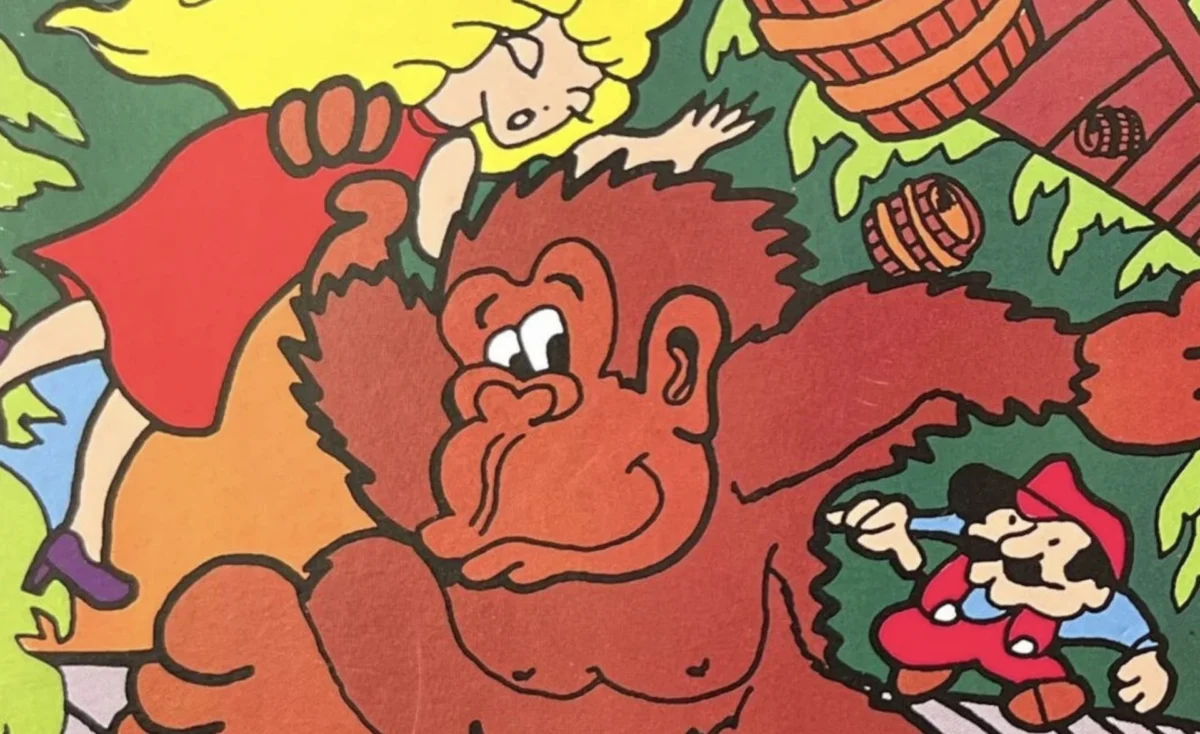
After 18 years dedicated to meticulously documenting the rich tapestry of video game history, Norman Caruso, widely known to his audience of over a million subscribers as The Gaming Historian, has announced his retirement from active content creation on YouTube. Caruso’s departure marks the end of an era for many retro gaming enthusiasts and researchers who have come to rely on his in-depth, academically rigorous video essays. As a final, invaluable contribution to the field, Caruso has released a trove of previously obscure legal documents pertaining to one of Nintendo’s most pivotal early legal battles: the 1982 trademark infringement case brought by Universal Studios over the name "Donkey Kong." These documents have been made publicly available via the Internet Archive and have also been entrusted to the Video Game History Foundation, ensuring their preservation and accessibility for future generations of scholars and fans.
The End of an Era: Gaming Historian’s Farewell
Norman Caruso launched The Gaming Historian channel with a vision to explore the origins, development, and cultural impact of video games through a lens of historical accuracy and detailed research. Over nearly two decades, his channel grew into a cornerstone of retro gaming education, distinguishing itself with a commitment to factual integrity and a narrative style that made complex historical events both accessible and engaging. With more than 1.1 million subscribers, Caruso cultivated a reputation for producing long-form documentaries that often delved into forgotten corners of gaming lore, from the rise and fall of console manufacturers to the intricate legal battles that shaped the industry.
In his final farewell video, Caruso candidly explained the personal reasons behind his decision to step away. He revealed that after a period of hiatus, the passion that fueled his extensive research and production process had not returned. "I assumed that after a few months, I’d get the itch again and make a new video," Caruso stated. "To my surprise, that itch to make a new video never really came back. I definitely tried to make something else. I even announced it on social media. But my heart just wasn’t in it, and I knew that if I ever finished that video the quality would suffer. That’s when it finally clicked: I was ready to move on from The Gaming Historian." This transparent admission underscored Caruso’s commitment to quality, a hallmark of his work, and his refusal to produce content that did not meet his own high standards.
Caruso’s influence extended beyond mere entertainment. His videos served as a vital educational resource, bridging the gap between casual interest and serious academic study of video game history. By meticulously citing sources, often consulting primary documents, and presenting balanced perspectives, he elevated YouTube-based game history content to a professional standard. This approach not only informed his audience but also inspired a new generation of content creators to adopt more rigorous research methodologies. His departure leaves a significant void in the retro gaming community, though his extensive back catalog remains a testament to his enduring legacy.
Caruso’s Personal Reflection and Future Endeavors
Reflecting on his journey, Caruso expressed profound gratitude for the experience. "Making The Gaming Historian was truly a life-changing experience," he shared in his final video. "I will always cherish that chapter of my life." This sentiment resonates with the deep connection he forged with his audience and the significant impact his work had on shaping the discourse around video game history.
While stepping back from The Gaming Historian, Caruso is not entirely leaving the realm of historical exploration. His new focus lies with "An Old Timey Podcast," a history podcast series he co-hosts with his wife, Kristin. This new venture suggests a continuation of his passion for historical inquiry, albeit in a different medium and potentially broader thematic scope, moving beyond the confines of video games to explore various historical topics. The transition highlights a personal evolution, allowing Caruso to pursue new creative avenues while maintaining his dedication to historical storytelling.
A Historic Parting Gift: The Nintendo vs. Universal Legal Documents
Perhaps the most significant aspect of Caruso’s farewell is his extraordinary parting gift to the video game history community: the release of a comprehensive collection of court documents from the landmark 1982 legal battle between Nintendo and Universal Studios. This case, centered on Universal’s claim that Nintendo’s arcade hit Donkey Kong infringed upon the copyright and trademark of King Kong, was a pivotal moment that could have dramatically altered the trajectory of Nintendo and the entire video game industry.
Unpacking the "Donkey Kong" Legal Saga
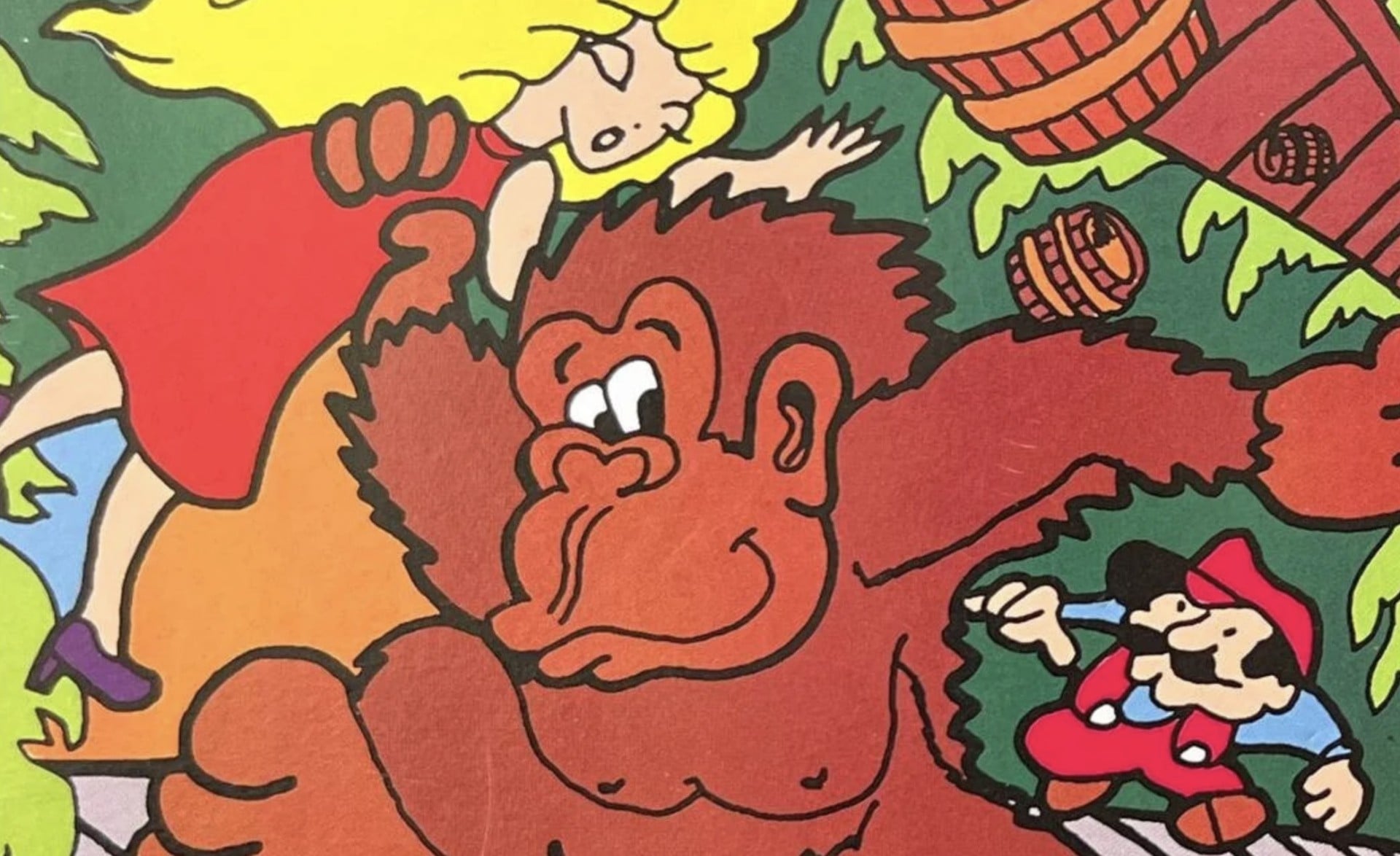
The early 1980s was a period of rapid expansion and burgeoning legal complexities for the nascent video game industry. Nintendo, a relatively unknown Japanese company in the American market at the time, was making its big push with Donkey Kong, an arcade game designed by Shigeru Miyamoto. The game was an immediate success, but its premise—a gorilla kidnaps a woman, and a carpenter (later Mario) must rescue her—drew the ire of Universal Studios.
The Genesis of the Dispute: Universal Studios, a Hollywood giant with a long-standing intellectual property interest in King Kong, believed that Donkey Kong was a blatant infringement. The studio had previously licensed King Kong for various projects and aggressively protected its rights. Sid Sheinberg, then president of MCA Inc. (Universal’s parent company), famously claimed the Donkey Kong character was a direct rip-off.
Universal’s Aggressive Stance: Universal’s legal team, led by attorney Robert Hadl, initiated aggressive action, sending cease and desist letters to Nintendo and its licensees, including Coleco, which was preparing to release a home version of Donkey Kong. Universal demanded a portion of Nintendo’s profits and sought to halt the game’s distribution, arguing that the public would confuse the two properties. The studio’s strategy was to intimidate Nintendo into a quick settlement, leveraging its significant legal resources against a smaller, less experienced opponent in the U.S. market.
Nintendo’s Defense and Triumph: Nintendo, represented by its general counsel Howard Lincoln and attorney John Kirby (who would later famously lend his name to the pink Nintendo character), mounted a vigorous defense. Lincoln, a relatively young lawyer at the time, quickly realized that Universal’s claims were tenuous. He discovered that the King Kong story itself was in the public domain, a fact Universal had obscured in previous legal battles. Furthermore, Nintendo argued that Donkey Kong was a parody and that the characters and plot elements were sufficiently distinct from King Kong to avoid confusion.

The case went to trial in the U.S. District Court for the Southern District of New York before Judge Robert W. Sweet. Judge Sweet ultimately sided with Nintendo. In his ruling, he found that Universal had no legitimate claim to the King Kong trademark as it applied to the Donkey Kong game. He further determined that Universal had acted in bad faith by threatening Nintendo’s licensees without a proper legal basis, leading to Nintendo suffering significant damages.
The Far-Reaching Implications of the Verdict: Nintendo’s victory was monumental.
- Financial: Universal was ordered to pay Nintendo damages and legal fees, totaling over $1.8 million (equivalent to approximately $5.5 million in 2024, adjusting for inflation). This financial vindication was crucial for Nintendo.
- Strategic: The win solidified Nintendo’s foothold in the lucrative American market. Had Nintendo lost, the financial penalties and damage to its reputation could have severely hampered its ability to expand, potentially preventing the launch of the Nintendo Entertainment System (NES) and the global phenomenon of Mario. The legal success instilled confidence in Nintendo’s U.S. leadership, particularly Howard Lincoln, who would become a key figure in Nintendo of America.
- Legal Precedent: The Nintendo v. Universal case set an important precedent for intellectual property law within the burgeoning entertainment industries, particularly regarding the boundaries of parody, public domain works, and trademark infringement in new media. It clarified that simply drawing inspiration from a well-known concept does not automatically constitute infringement, especially if the original work is in the public domain or if the new work presents distinct creative elements.
- Historical: This legal battle is widely considered one of the most significant in video game history. It demonstrated the importance of defending intellectual property rights against aggressive, unsubstantiated claims and allowed Nintendo to continue its innovative path, paving the way for Super Mario Bros. and countless other iconic franchises. The very existence of Mario, a character born from this game, was directly linked to this legal triumph.
The Value of Archival Release
The release of these court documents by Norman Caruso is a profound contribution to the field of video game history. Legal proceedings, especially those involving major corporations, often generate vast amounts of paperwork, including sworn testimonies, internal memos, legal briefs, and judicial rulings. These documents provide primary source material that offers an unfiltered, granular view into the strategies, arguments, and behind-the-scenes machinations of such high-stakes disputes.
Accessibility Through the Internet Archive: By uploading these documents to the Internet Archive, Caruso has ensured their wide and free accessibility. The Internet Archive serves as a digital library, preserving web pages, books, audio, video, and software, making them available to the public. This platform is ideal for hosting historical documents, allowing researchers, students, and enthusiasts worldwide to delve into the intricate details of the Donkey Kong case without institutional barriers.
Collaboration with the Video Game History Foundation: Furthermore, Caruso has entrusted copies of these documents to the Video Game History Foundation (VGHF). The VGHF is a non-profit organization dedicated to preserving, celebrating, and teaching the history of video games. Its mission involves collecting, cataloging, and digitizing historically significant artifacts and documents. The addition of the Nintendo v. Universal court records to the VGHF’s archives significantly enhances its collection of primary source materials, supporting its goal of fostering academic research and public understanding of video game history. These documents will undoubtedly become a valuable resource for future historical analyses, potentially leading to new insights and interpretations of this critical period.
The Broader Impact on Video Game Preservation and Scholarship
Caruso’s actions underscore a growing trend in the video game community: the recognition of the critical importance of preservation and scholarly documentation. For many years, video game history was largely anecdotal, recounted through fan communities and informal channels. However, as the medium matures, there’s a concerted effort to treat its history with the same academic rigor applied to film, literature, or art.
The role of independent creators like The Gaming Historian in this endeavor cannot be overstated. While academic institutions and dedicated foundations play a crucial role, individuals with passion and expertise often unearth and organize material that might otherwise remain hidden or lost. Caruso’s meticulous research methodology, culminating in this document release, exemplifies how independent efforts can significantly contribute to the collective knowledge base.
This release will enhance academic research in gaming history by providing concrete evidence for historical claims, allowing scholars to examine the motivations and strategies of the involved parties directly. It encourages a deeper, evidence-based understanding of the industry’s formative years, moving beyond speculation to fact-driven analysis. The Nintendo v. Universal case is just one example of the numerous legal and business challenges that shaped the video game industry. Making such records available sets a precedent and highlights the ongoing need for similar efforts to uncover and preserve other critical historical documents.
In conclusion, Norman Caruso’s retirement as The Gaming Historian marks the end of a remarkable 18-year journey that profoundly impacted how video game history is understood and appreciated. His legacy is cemented not only by his million-plus subscribers and countless hours of educational content but also by his final, magnanimous act of releasing critical historical documents. This act serves as a powerful reminder of the ongoing importance of preservation, the value of primary sources, and the enduring dedication of individuals who champion the historical integrity of the video game medium. His transition to "An Old Timey Podcast" suggests a continued commitment to historical storytelling, ensuring that his voice will still contribute to enriching public understanding of the past.
Source: pcgamer.com