 Hartono Sudibyo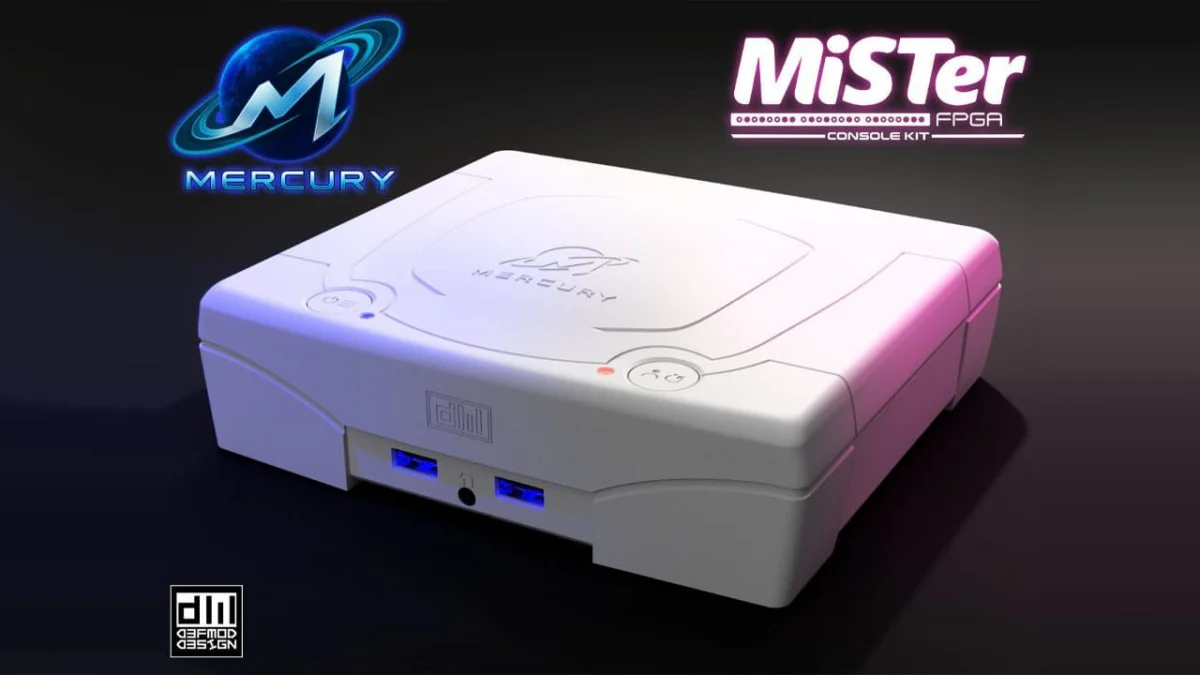
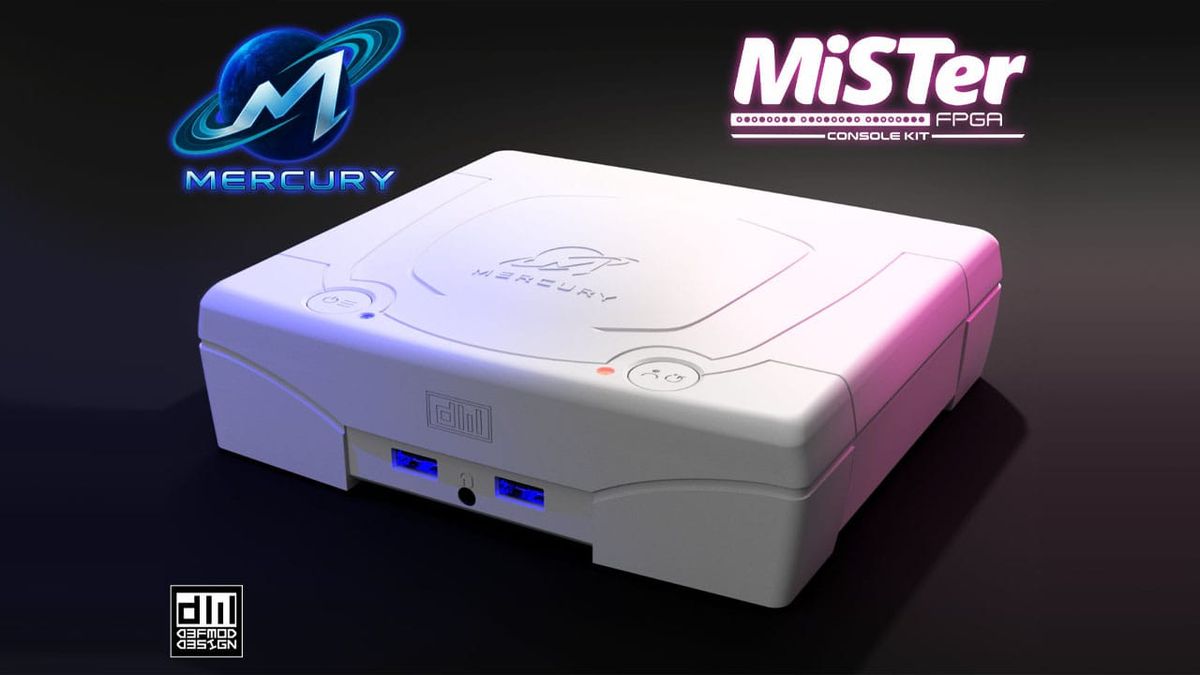
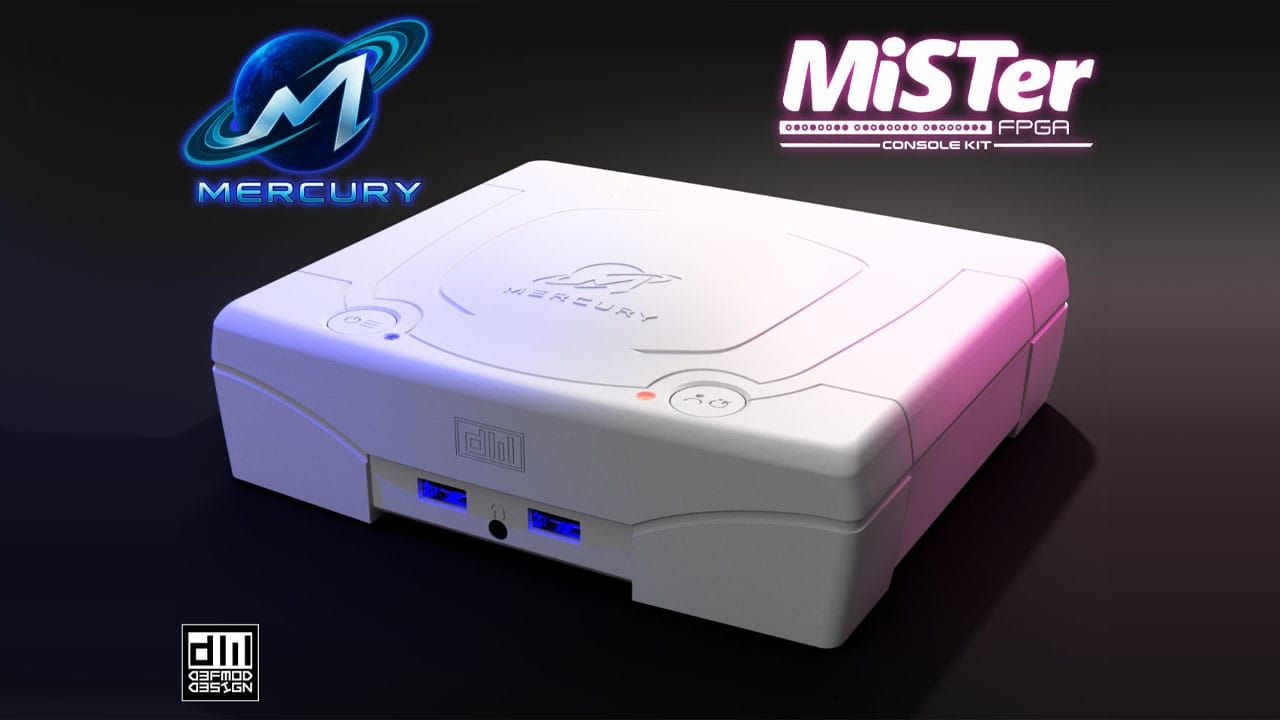
The retro gaming community has witnessed a significant technological shift in recent years, moving away from traditional software-based emulation toward hardware-level recreation using Field Programmable Gate Array (FPGA) technology. Among the various hardware kits dominating the market, the MiSTer FPGA project has emerged as one of the most versatile and celebrated multi-system platforms available to enthusiasts. Expanding upon this ecosystem, hardware creator Df3mod has officially opened pre-orders for a new, specialized full system kit named the Mercury. Inspired by the aesthetic and original development codename of the iconic 32-bit Sega Saturn console, the Mercury kit provides retro gaming enthusiasts with a tailored, high-performance chassis and hardware configuration designed to house and enhance the MiSTer FPGA ecosystem.
The Evolution of Hardware Emulation and the MiSTer FPGA Ecosystem
Software emulation has historically served as the primary method for playing legacy video games on modern hardware. While accessible, traditional emulation relies heavily on a host operating system and central processing unit to interpret the original machine code, which can introduce input latency, audio desynchronization, and visual inaccuracies. FPGA technology fundamentally alters this dynamic by configuring physical silicon logic gates to replicate the exact circuitry of vintage microprocessors, sound chips, and graphics processors.
Unlike single-system hardware solutions such as the Analogue Pocket or dedicated mini-consoles, the MiSTer FPGA platform acts as an open-source, modular powerhouse capable of running cores for dozens of classic computers, arcade systems, and home video game consoles on a single piece of hardware. Users can seamlessly transition from 8-bit systems like the Nintendo Entertainment System to 16-bit legends like the Sega Genesis and Super Nintendo, all executed with hardware-level timing precision.
Building upon the success of earlier hardware implementations—such as the widely discussed MiSTer Ironclad also designed by Df3mod—the introduction of the Mercury kit represents a targeted approach toward catering to fans of Sega’s fifth-generation console era while maintaining the expansive compatibility of the broader MiSTer platform.
Design, Specifications, and Technical Architecture
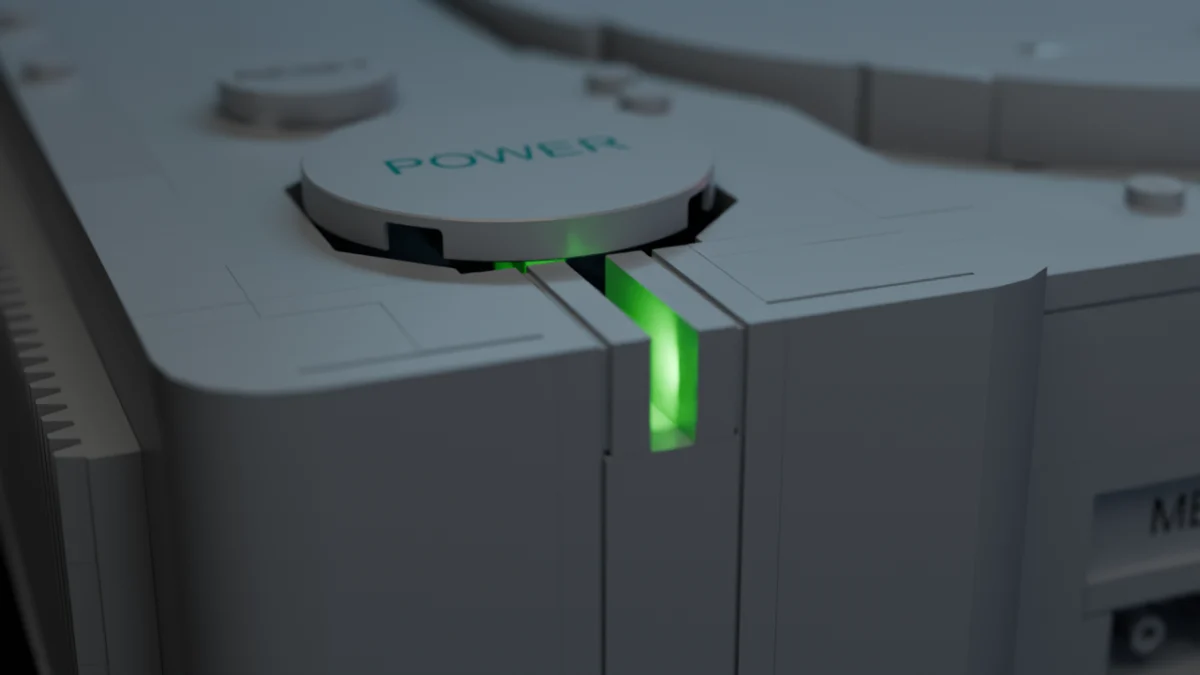
The Mercury kit derives its name from the historic internal development codename used by Sega during the design phase of the Sega Saturn prior to its commercial release in the mid-1990s. The enclosure is meticulously styled to evoke the distinct aesthetic of the classic hardware, providing a cohesive visual identity for retro gaming setups.

Priced starting at approximately €229, the Mercury kit offers a modular purchasing structure, allowing buyers to customize their builds with various optional add-ons. The comprehensive package is designed to integrate seamlessly with the essential DE-10 Nano FPGA board, which serves as the core computing unit for the MiSTer platform. Key technical specifications and connectivity features of the Mercury build include:
- Video Output Flexibility: The hardware deliberately omits composite video support in favor of modern and high-grade analog/digital standards. It features native VGA output, a specialized Sega-Saturn-style MiniDIN connector, and an onboard 24-bit Digital-to-Analog Converter (DAC).
- S-Video Compatibility: Through a built-in passive internal luma trap engineered directly into the circuitry, the console natively supports authentic S-Video cables designed for the Sega Saturn, catering to enthusiasts utilizing CRT televisions and vintage display monitors.
- Modular Add-On Ecosystem: Buyers can configure their orders with a variety of expansion components, including specialized MiSTer SDRAM modules required for running demanding console cores, Serial Native Accessory Controller (SNAC) adapters for lag-free original controller connectivity, and dedicated video adapters.
Given the specialized nature of the hardware, the manufacturer has emphasized the importance of careful pre-order configuration. Due to the custom production runs associated with niche hardware manufacturing, orders cannot be cancelled once submitted, prompting users to verify their technical requirements and component selections thoroughly before finalizing their purchases.
Chronology and Market Development
The release of the Mercury kit follows a steady trajectory of maturation within the open-source hardware community. Over the past five years, the MiSTer FPGA project has transitioned from a niche hobbyist endeavor into a mainstream alternative for preservationists and purists seeking authentic retro gaming experiences without the escalating costs and maintenance associated with aging original hardware.
- Early Development Phase: The community initially relied on basic bare-board setups mounted to acrylic plates or generic enclosures, which lacked the polished aesthetic of commercial consumer electronics.
- Rise of Custom Enclosures: As the user base expanded, creators like Df3mod identified a demand for form-factor-specific chassis, leading to the development of mini-ITX and themed designs that bridge the gap between industrial computing hardware and retro consumer electronics.
- Current Expansion: The announcement and opening of pre-orders for the Mercury kit mark a milestone in matching community-driven engineering with iconic industrial design aesthetics, cementing the platform’s appeal among dedicated Sega and retro gaming enthusiasts.
Industry Implications and Broader Impact
The introduction of specialized hardware kits like the Mercury highlights a broader structural shift within the retro gaming market. As original hardware becomes increasingly scarce, expensive, and susceptible to component degradation—such as leaking capacitors and failing optical drives—hardware-level replication offers a sustainable path forward for digital preservation and everyday play.
Furthermore, the popularity of FPGA-based solutions challenges traditional commercial emulation models adopted by major publishers. While software-based digital storefronts and subscription services remain profitable, a dedicated segment of the consumer base increasingly values hardware fidelity, modular customizability, and the ability to use authentic legacy peripherals through adapters like SNAC.
The success of Df3mod’s offerings demonstrates the viability of independent hardware design within the open-source ecosystem. By providing professional-grade enclosures and tailored connectivity options, creators are transforming experimental developer boards into polished consumer products that rival commercial releases in build quality and visual appeal. As production ramps up for the Mercury kit, it stands as a testament to the ongoing intersection of modern manufacturing techniques and nostalgic reverence for classic video game hardware history.