 Hartono Sudibyo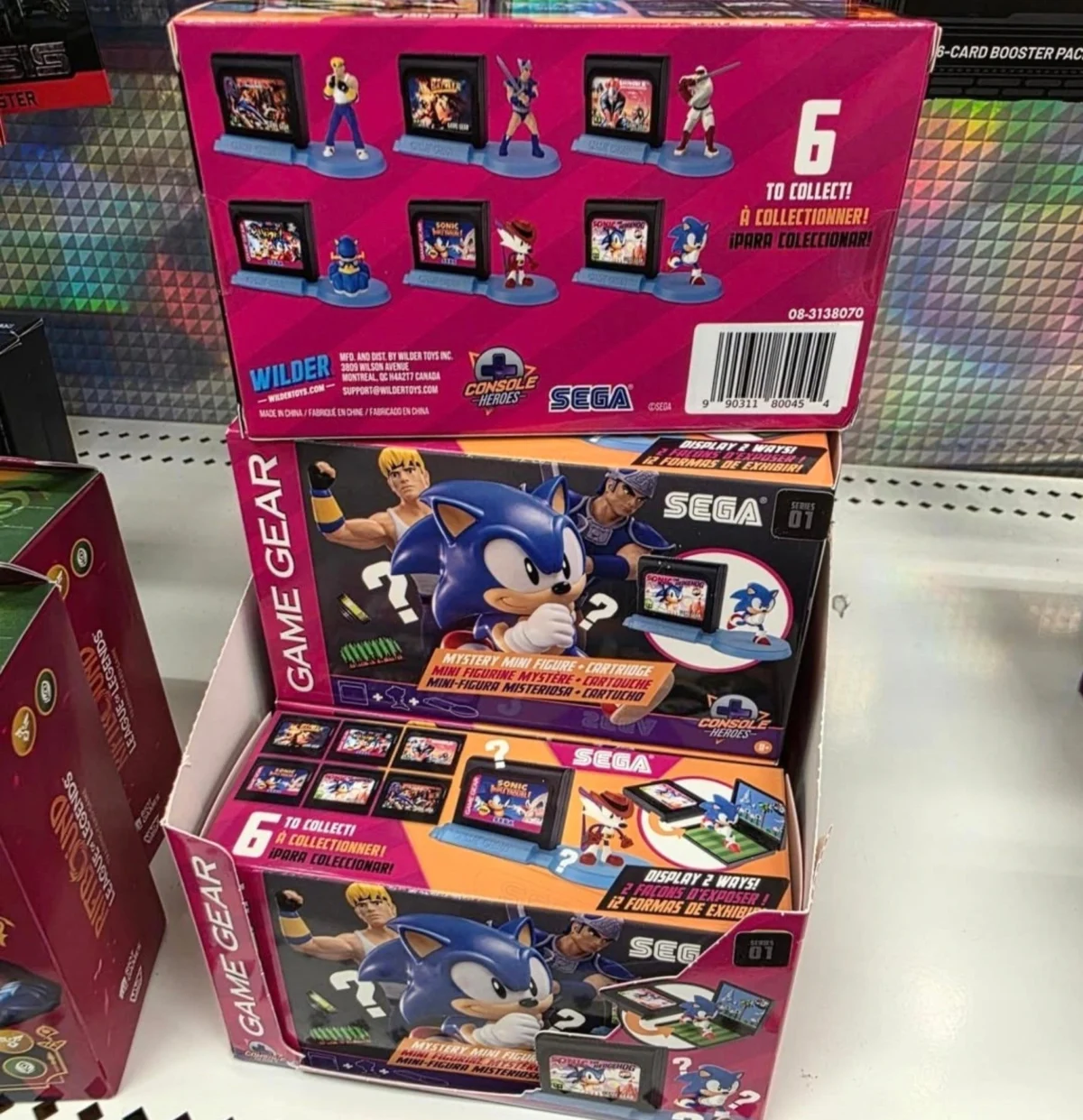
The collectibles market for classic gaming merchandise has expanded significantly with the official United States retail rollout of Console Heroes’ latest product line: the SEGA Game Gear blind box dioramas. Following months of speculation and early industry teasers, these miniature collectibles have begun appearing on shelves at major American retail chains, including Walmart and Target. Priced affordably between four and five dollars per blind box, the new line brings iconic 16-bit and 8-bit era characters into a unique, pocket-sized format that bridges the gap between retro nostalgia and modern blind-box collectible trends.
Main Facts of the Release
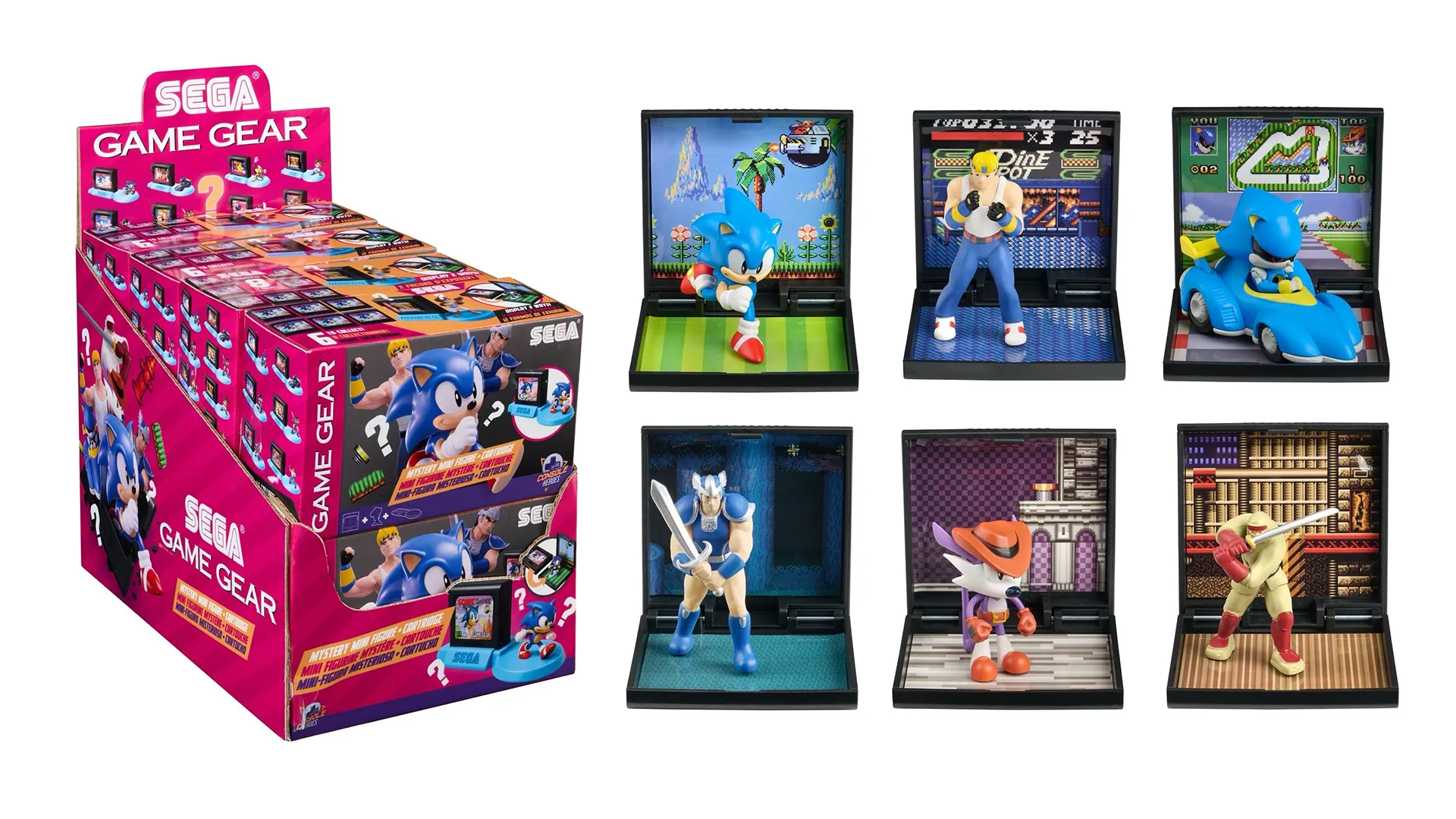
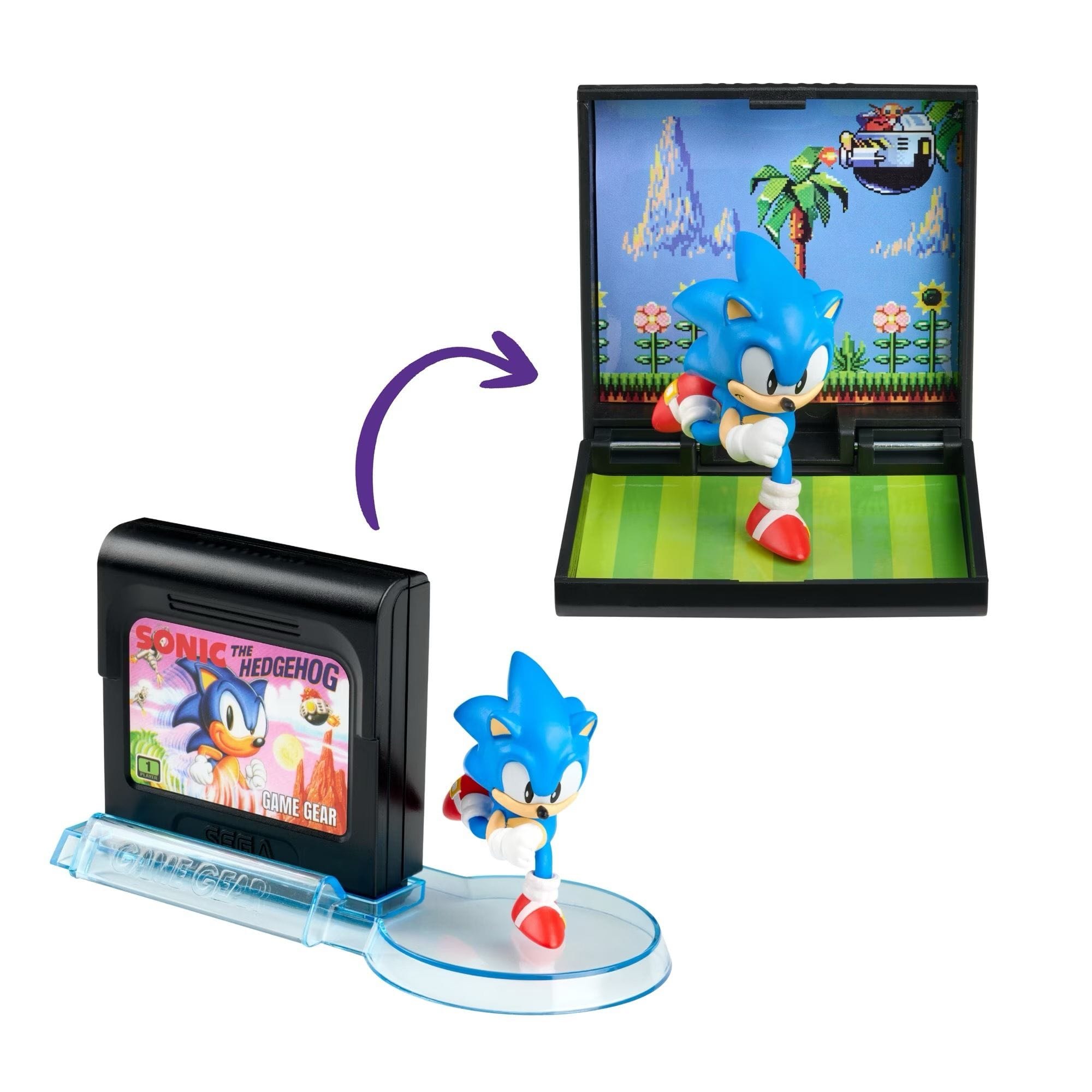
The newly released Console Heroes SEGA Game Gear series features a departure from the brand’s previous larger-scale releases, adopting a blind-box distribution model designed to appeal to casual buyers and dedicated toy collectors alike. Each mystery box contains a meticulously detailed two-inch figurine, a miniature replica of a SEGA Game Gear cartridge, and a transparent display stand.
Unlike traditional static figurines, the miniature Game Gear cartridges in this collection feature a functional opening mechanism. When opened, the interior reveals specialized backdrop artwork depicting classic levels from celebrated SEGA titles. Furthermore, collectors have the option to utilize an included physical pin to mount and stand the character figurine independently, bypassing the transparent display stand for dynamic diorama configurations.
Initial reports from collectors and retail spotters on social media platforms indicate that the items are currently hitting brick-and-mortar store shelves in limited quantities. Curiously, official online product listings have not yet appeared on major retailer websites, suggesting an early, staggered physical rollout reminiscent of previous Console Heroes product launches.
Background Context and Evolution of Console Heroes
To understand the significance of the SEGA Game Gear release, one must examine Console Heroes’ trajectory within the tabletop and collectible toy sector over recent years. The company first captured widespread industry attention with its innovative SEGA Mega Drive and SEGA Genesis diorama lines. Released the previous year, those products allowed enthusiasts to assemble small-scale representations of legendary video game stages housed within classic cartridge shells.
The success of the Genesis line cemented Console Heroes’ reputation for translating retro intellectual properties into tactile, nostalgic display pieces. Building on this momentum, the manufacturer subsequently introduced a limited-edition PlayStation 1 diorama series. That particular collection featured heavy-hitting titles such as Final Fantasy, Metal Gear, Twisted Metal, and MediEvil. However, logistical constraints and limited production runs meant that the PlayStation 1 line suffered from widespread stock shortages, with many international markets—particularly in Europe—failing to secure regular retail allocations.
With the introduction of the SEGA Game Gear series, Console Heroes has shifted strategy toward a more accessible price point and a blind-box distribution format. By targeting portable gaming heritage rather than home console history, the company aims to capture a distinct demographic of handheld gaming enthusiasts who grew up with SEGA’s dominant color-screen competitor to Nintendo’s Game Boy.
Chronology of Events
The path leading to the physical retail appearance of the SEGA Game Gear dioramas spans several months of industry engagement and manufacturing preparation:

Early Development: Industry insiders and trade publications first caught wind of the upcoming SEGA Game Gear line following direct discussions with Console Heroes leadership, establishing that conceptual designs were actively moving through the pipeline.
Predecessor Success: Throughout the intervening months, the market absorbed the release of the PlayStation 1 diorama series, though ongoing distribution hurdles left several regions underserved.
Retail Sightings: In late September, sharp-eyed retail hunters and collectors in the United States—notably documented via communities on platforms like X—spotted the unannounced blind boxes on shelves in Walmart locations.
Current Status: The products have begun appearing across multiple US outlets, carrying an accessible price tag of $4 to $5, while international distribution pathways, particularly concerning European markets, remain unconfirmed by official corporate channels.
Supporting Data and Product Specifications
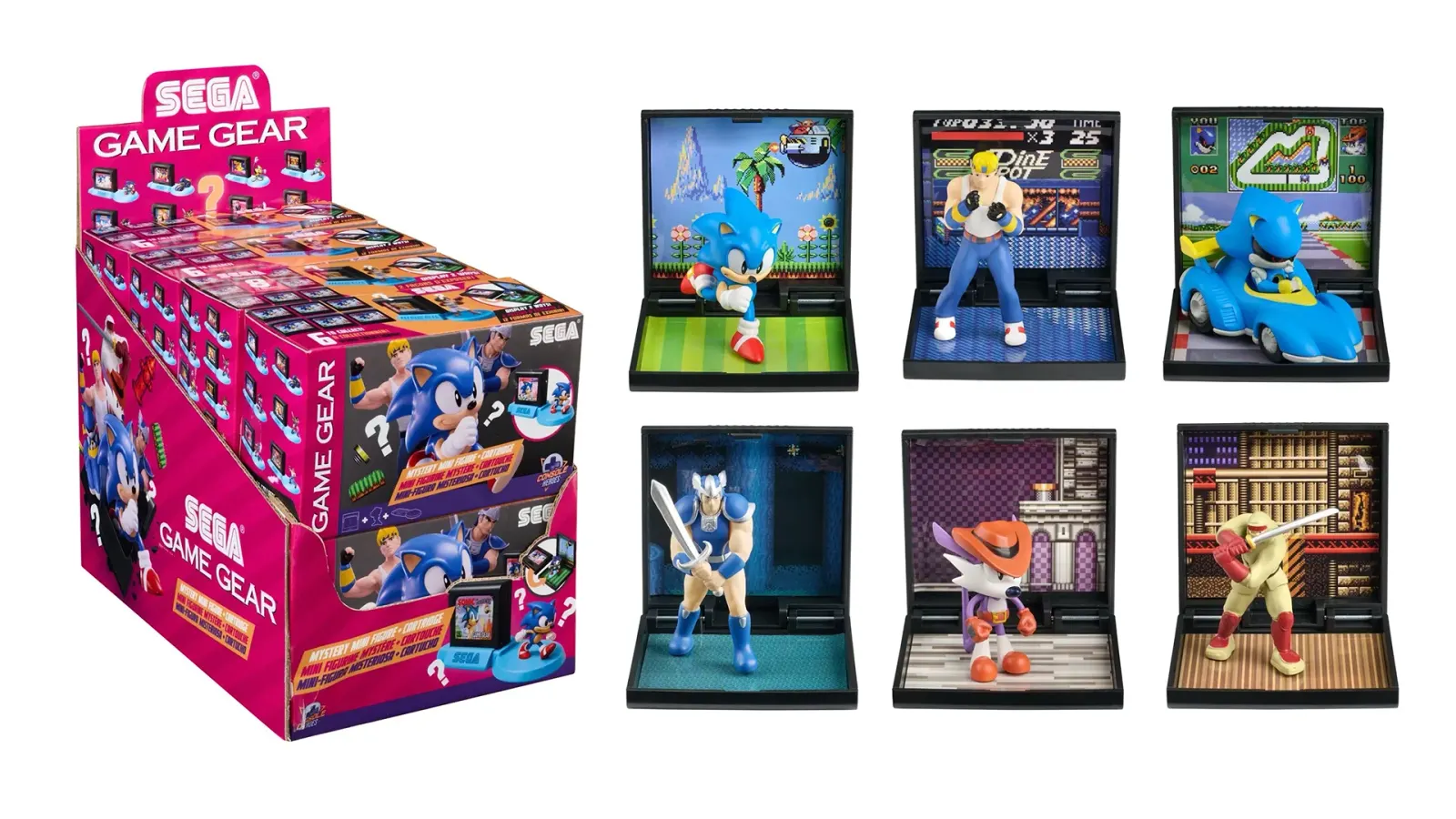
For collectors tracking the completeness of their sets, understanding the parameters of the current wave is vital. The initial lineup consists of six distinct characters spanning SEGA’s historic software catalog.
Item Breakdown:
- Product Type: Blind-box collectible diorama toy
- Scale: 2-inch character figures paired with miniature Game Gear cartridges
- Included Accessories: Opening cartridge shell with level-specific interior artwork, transparent display stand, and individual mounting pin
- Retail Price Point: Approximately $4.00 to $4.50 USD
- Distribution Channels: Major US brick-and-mortar retailers (Walmart, Target)
Notably absent from current retail sightings is any mention of a larger "console display" housing unit. In previous releases—such as the SEGA Genesis and PlayStation 1 collections—Console Heroes offered larger, themed display containers designed to hold an entire set of characters within a replica of the console itself. As of this writing, no leaks, official announcements, or patent filings have surfaced regarding a matching SEGA Game Gear console housing unit, leaving collectors to display their figures individually or within their open cartridge shells.
Broader Impact and Market Implications
The launch of the SEGA Game Gear miniatures arrives at a time when the retro gaming merchandise sector is experiencing robust commercial growth. Adult collectors, often referred to as "kidults," continue to drive demand for nostalgia-based products that evoke memories of 1990s gaming culture. By pricing these blind boxes below the five-dollar threshold, Console Heroes has lowered the barrier to entry significantly compared to high-end collector statues or premium imported toys.
However, the strategy of utilizing blind-box packaging introduces both marketing advantages and logistical challenges. While blind boxes encourage impulse purchases and community trading, the lack of standardized online inventory tracking complicates acquisition for dedicated completionist collectors. Furthermore, the recurrent issue of staggered regional releases—evidenced by the delayed European availability of both the PlayStation 1 series and now the initial Game Gear rollout—highlights ongoing supply chain complexities within the boutique toy manufacturing sector.
Industry analysts note that collectibles tied to defunct hardware platforms like the SEGA Game Gear capitalize on a specific wave of generational affection. As original hardware ages and becomes harder to maintain, miniaturized memorabilia serves as an accessible proxy for fans wishing to display their gaming heritage.
Future Outlook
As the initial US wave of Console Heroes SEGA Game Gear dioramas continues to trickle into physical storefronts, attention shifts toward the manufacturer’s official distribution roadmap for international territories. European collectors, who faced prolonged wait times and scarcity during previous product cycles, await formal confirmation regarding import timelines.
Industry observers anticipate that Console Heroes will issue a comprehensive catalog update addressing international shipping and potential secondary wave releases in the coming weeks. Until then, collectors within the United States are advised to monitor local inventory at major national retail chains, where these micro-dioramas continue to arrive ahead of formal online marketing campaigns.