 Hartono Sudibyo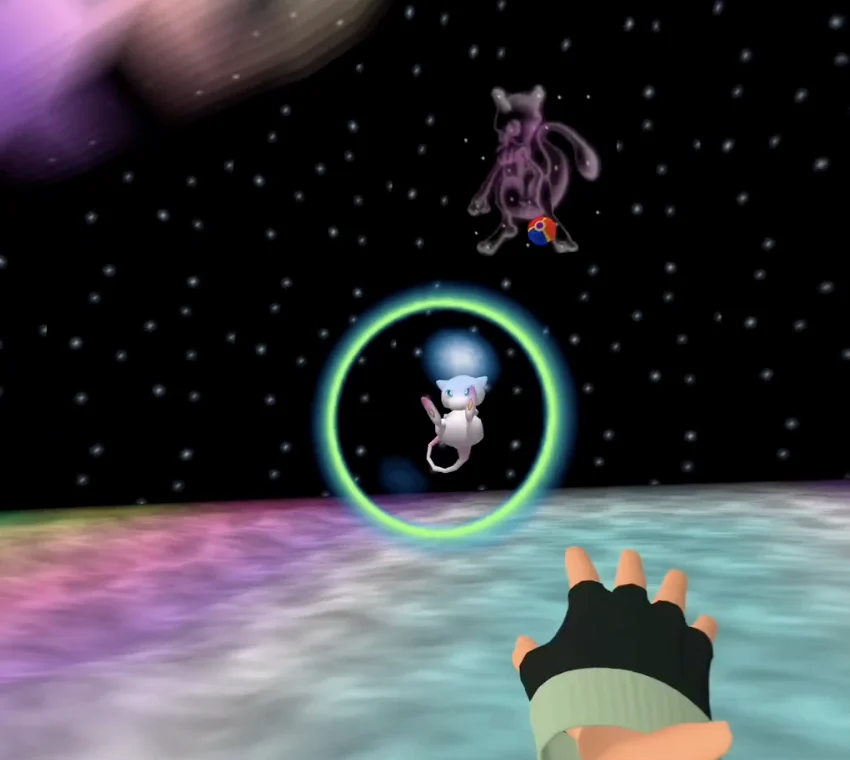
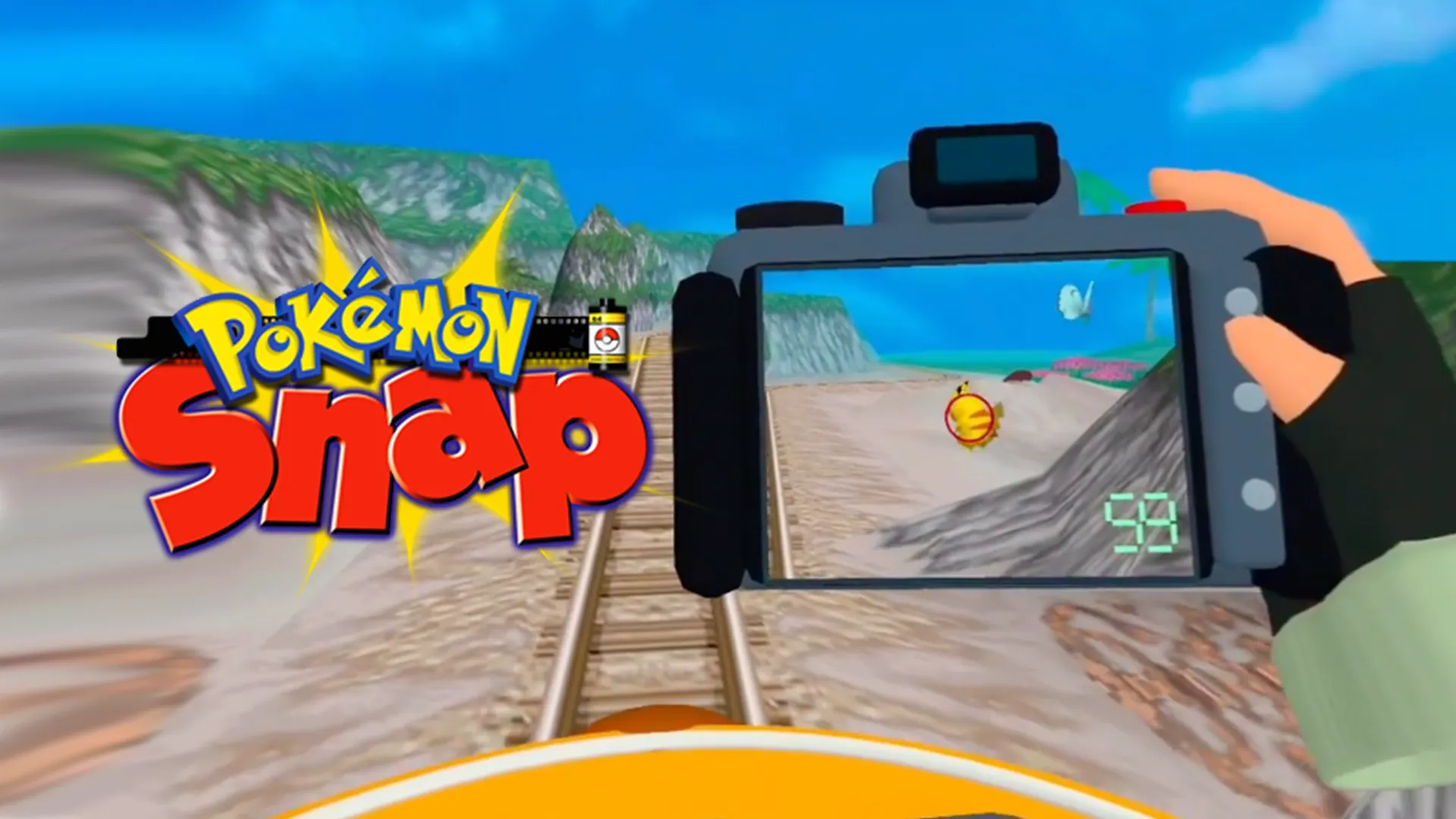
The intersection of retro video game preservation and modern virtual reality technology has yielded another remarkable milestone as a dedicated developer has successfully brought the classic Nintendo 64 rail shooter Pokémon Snap to the Meta Quest 3. Announced initially to the public via the social media platform X by user DramaticShape, this newly minted virtual reality adaptation allows players to step directly into the iconic ZERO-ONE vehicle. Rather than merely viewing the vibrant, pocket-monster-filled environments through a flat television screen, users can now inhabit the gameworld entirely, utilizing the Quest 3 hardware to look around in a full 360-degree space while photographing, feeding, and interacting with beloved creatures as if they were standing right beside them.
This ambitious project functions technically as a custom fork of Snap64Recomp, an underlying static recompilation framework originally pioneered by developer JackAndBeans. Static recompilation represents a monumental leap forward in game preservation, moving far beyond traditional emulation. Instead of translating machine code in real-time—which often introduces hardware bottlenecks, input lag, and emulation inaccuracies—recompilation projects decompile original game binaries into native C or C++ source code. This transformed code can then be compiled directly for modern hardware architectures, resulting in native performance, vastly improved frame rates, enhanced resolution support, and, in this specific instance, seamless integration with modern virtual reality peripherals.
Chronology of the Port and Technical Evolution
The journey toward bringing Pokémon Snap into virtual reality began long before this recent Meta Quest 3 release, rooted deeply in the broader community-driven retro game recompilation movement. Over the past several years, independent programmers have increasingly turned their attention to classic fifth-generation consoles, most notably the Nintendo 64. Projects targeting titles like The Legend of Zelda: Ocarina of Time and Super Mario 64 laid the foundational groundwork, proving that decades-old assembly code could be successfully modernized into native applications running on contemporary PCs and standalone headsets.
The release of Snap64Recomp by JackAndBeans served as the crucial catalyst for this recent VR adaptation. By translating the original 1999 Nintendo 64 title into a modern architecture, the codebase became malleable enough for community developers to experiment with perspective shifts. DramaticShape’s fork takes this foundational recompilation and maps the player’s head orientation directly to the in-game camera movements while seated inside the ZERO-ONE. Furthermore, the Meta Quest 3 controllers have been ingeniously integrated to replicate the original game’s core mechanics: aiming and snapping photographs, tossing apples to lure Pokémon out of hiding, throwing Pester Balls to stun or alter their behavior, and playing the Poké Flute to rouse sleeping subjects.
Background Context: The Legacy of Pokémon Snap
Released originally in Japan in March 1999 and globally throughout the subsequent months for the Nintendo 64, Pokémon Snap remains one of the most unique and beloved spin-offs in the extensive history of the multi-billion-dollar franchise. Developed by Pax Softnica in collaboration with HAL Laboratory and published by Nintendo, the game discarded traditional turn-based role-playing combat in favor of a first-person rail-shooting and photography simulation framework.

Players assumed the role of Todd Snap, a young photographer summoned by Professor Oak to the secluded Pokémon Island to capture high-scoring photographs of various Pokémon in their natural habitats. Across multiple distinct environments—ranging from sun-drenched beaches and bubbling volcanic craters to eerie caves and subterranean rivers—players traversed the terrain on an automated track, timing their shots carefully and manipulating the environment using specialized items. Despite its relatively short runtime compared to mainline titles, the game cultivated a passionate cult following due to its charming presentation, exploration-driven puzzle mechanics, and the sheer novelty of seeing classic creatures rendered in 3D polygon models during the dawn of the console era.
Broader Implications for Game Preservation and VR Modding
The successful transition of Pokémon Snap to the Meta Quest 3 highlights several broader trends within the contemporary video game industry, particularly concerning software longevity, intellectual property, and community-driven development. As hardware manufacturers increasingly push toward standalone virtual reality ecosystems like the Meta Quest lineup, the demand for immersive adaptations of legacy content has surged. Fans are no longer content with merely playing older games on larger virtual screens; they increasingly expect software to be reimagined entirely for spatial computing environments.
However, these developments also introduce significant technical and ethical complexities. The exact methodology behind the coding process—specifically the degree to which artificial intelligence or automated assistance tools were utilized during the fork’s development—remains a subject of discussion within the coding community. While AI-assisted coding tools have accelerated the pace at which hobbyists can port and optimize older software, software engineers frequently caution that unvetted or overly automated codebases can introduce lingering bugs, stability issues, and unforeseen technical limitations.
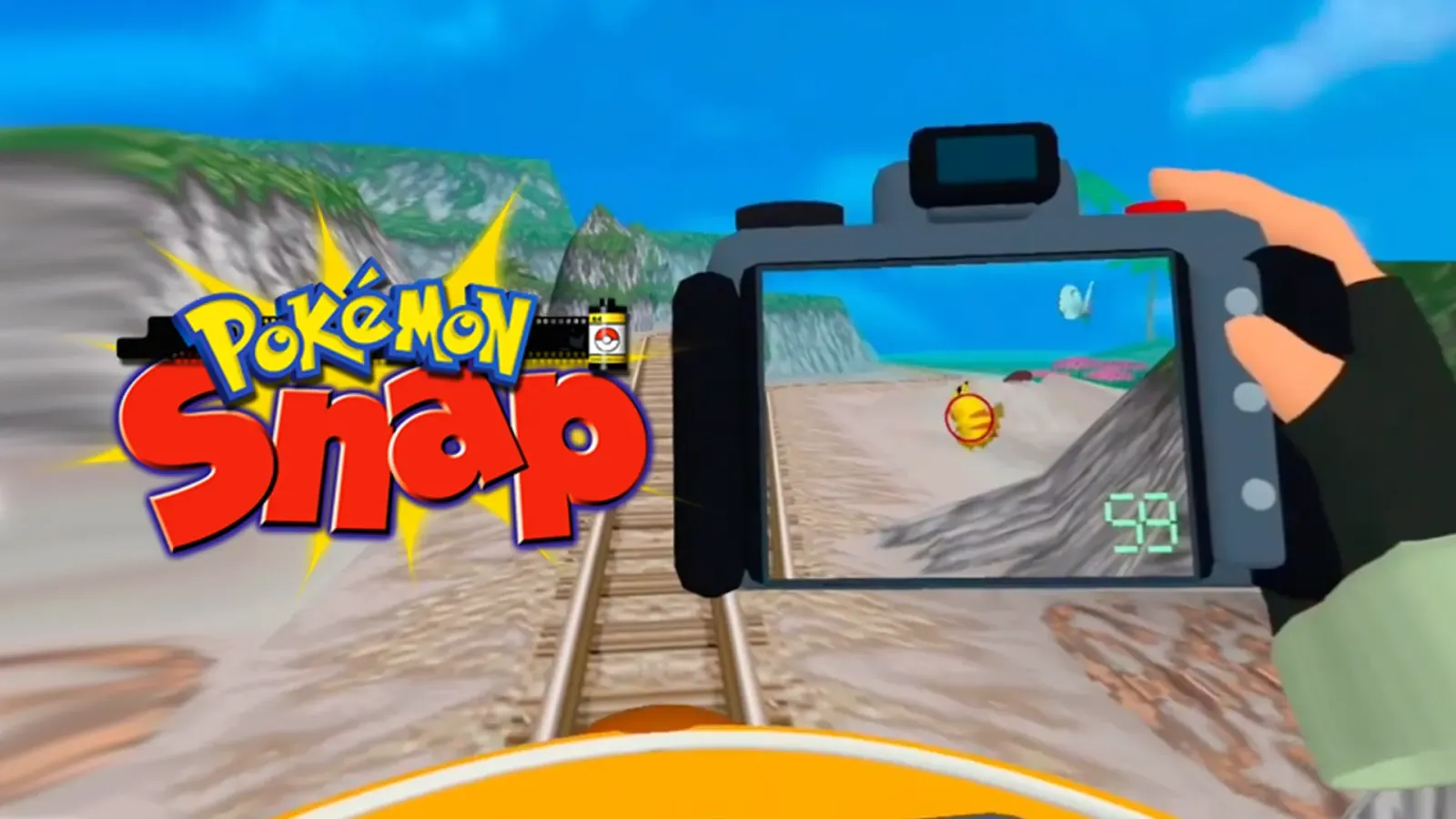
For end-users interested in exploring this virtual reality iteration, the software is currently available as a free download via GitHub under the repository managed by prismaticShape. Because this represents the initial public release of this specific fork, players and enthusiasts are strongly advised to proceed with caution, anticipating potential software instability, tracking glitches, or unpolished gameplay mechanics.
Industry Response and Legal Gray Areas
As of press time, neither Nintendo nor The Pokémon Company has issued an official statement regarding the Snap64RecompVR project. Historically, Nintendo maintains a notoriously stringent stance on the protection of its intellectual property, frequently issuing copyright takedown notices to developers hosting unauthorized ports, fan remakes, or proprietary game assets derived from commercial software. However, static recompilation projects often navigate a complex legal and technical gray area, as they typically require end-users to supply their own legally acquired game ROMs to extract the necessary proprietary assets—such as textures, audio files, and level geometry—to compile the final executable.
Whether this VR adaptation will remain accessible for long or face copyright enforcement remains to be seen. Nonetheless, the project stands as a testament to the ingenuity of the retro gaming community, effectively bridging a thirty-year generational gap to transform a classic console rail-shooter into a surprisingly natural, immersive virtual reality experience.