Retno Hari Mulyono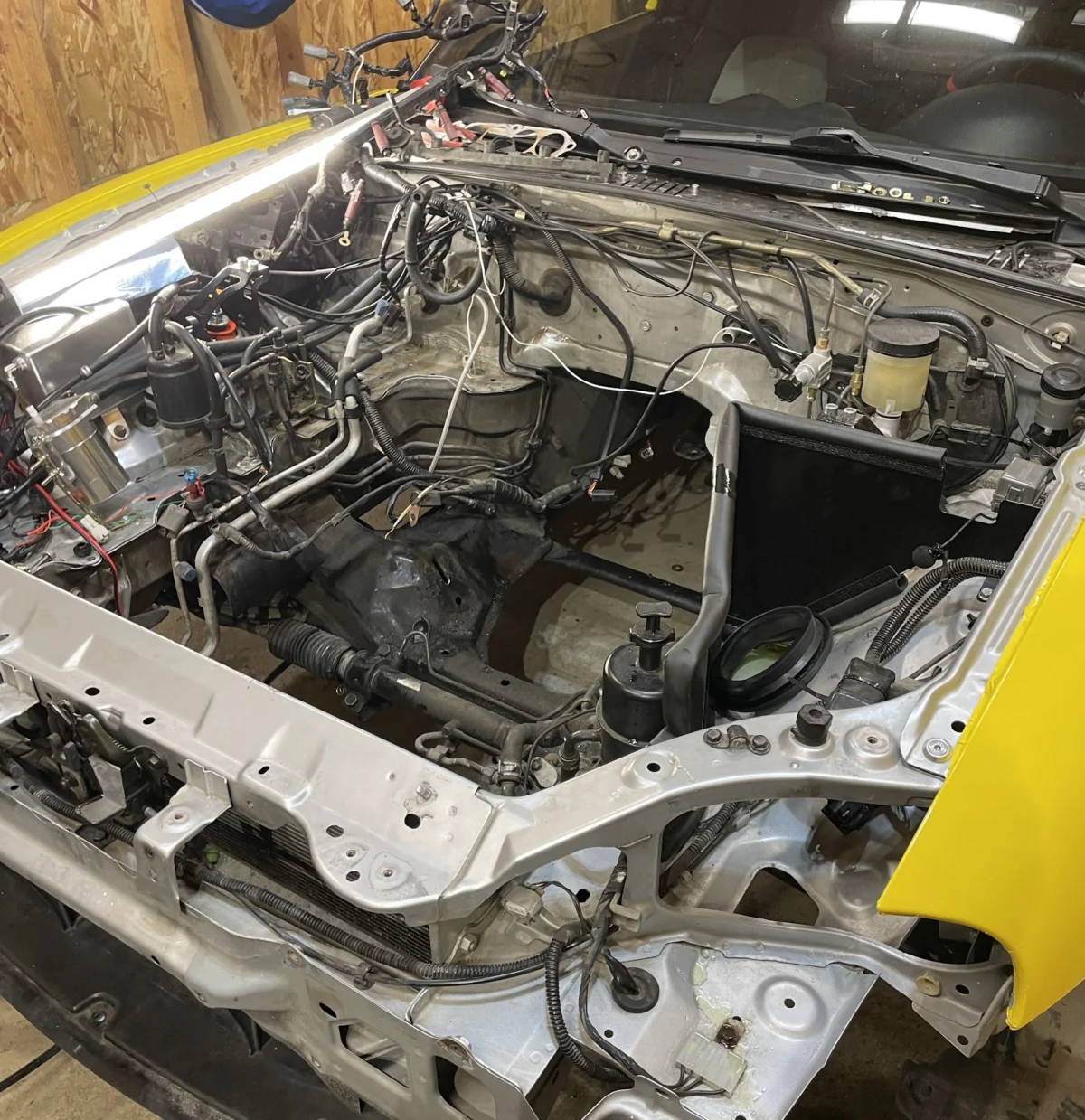
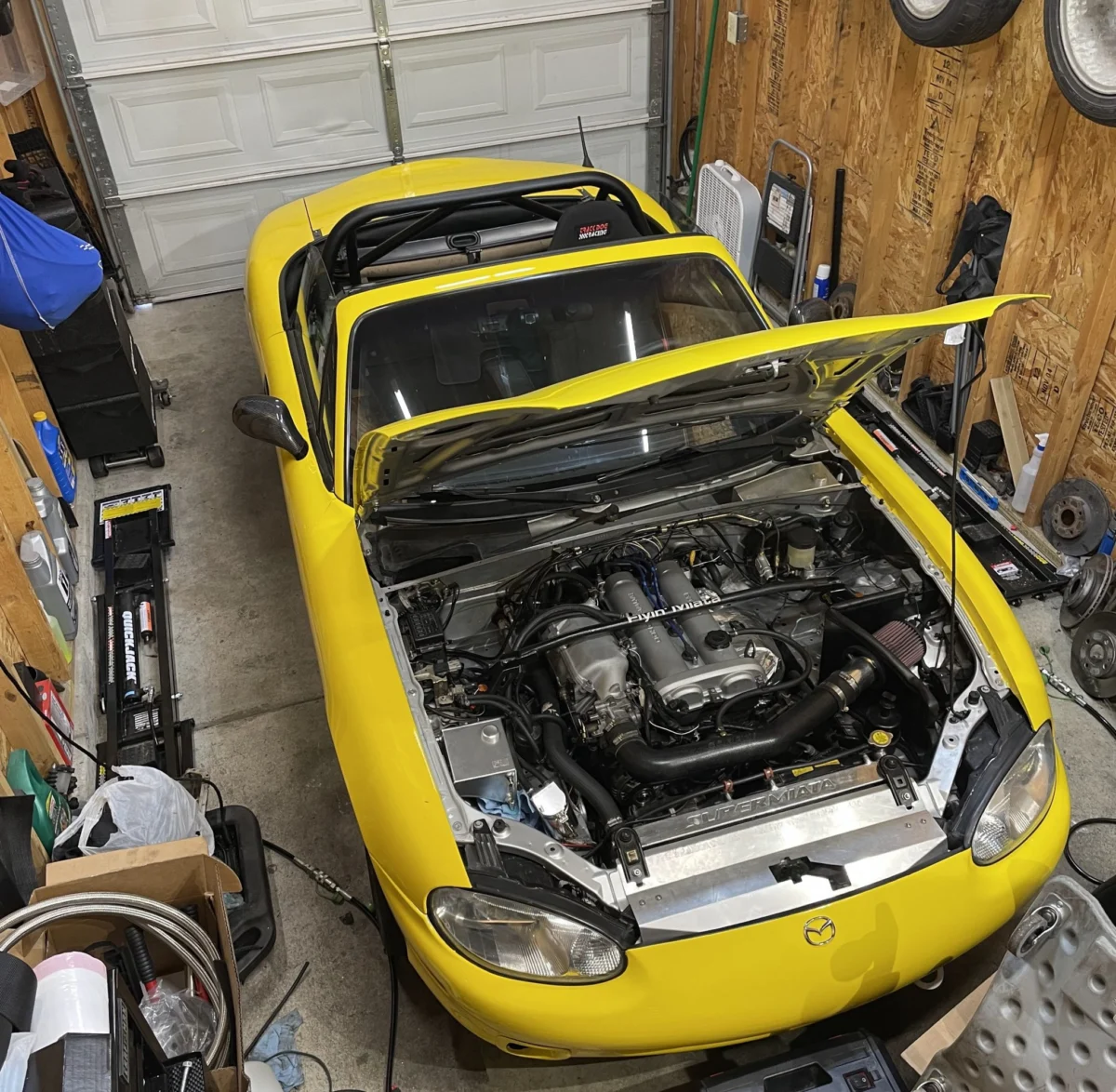
The second-generation Mazda MX-5, known internally as the NB chassis, continues to be a focal point for automotive enthusiasts and grassroots racers seeking a balance of mechanical simplicity and driving engagement. A comprehensive maintenance and upgrade project recently undertaken on a 2000 model year NB Miata highlights the technical challenges and strategic advantages of a "total-unit" removal approach to engine servicing. By extracting the engine and transmission as a single assembly, technicians can address systemic oil leaks, upgrade drivetrain components, and rectify cooling system deficiencies that are inherent to the platform’s original design. This report details the technical execution of the overhaul, the integration of high-performance aftermarket components, and the subsequent analytical findings following a 500-mile road test.
Historical Context and Platform Evolution
The Mazda NB Miata, produced between 1998 and 2005, utilized the BP-series engine—a dual-overhead-cam, four-cylinder powerplant that evolved from Mazda’s B-series engines of the 1980s. While the engine is celebrated for its durability, it carries the architectural legacy of its predecessors, which were originally designed for transverse mounting in front-wheel-drive vehicles like the Mazda 323 and Protegé. When adapted for the longitudinal, rear-wheel-drive layout of the Miata, several compromises were made, particularly in the areas of cooling flow and service access.
Furthermore, the BP engine was famously influenced by the design philosophy of classic British roadsters, such as those from MG and Triumph. While this resulted in a spirited driving character, it also inherited the propensity for oil seepage from various gaskets and seals. As these vehicles age, the accumulation of minor issues—such as rear main seal leaks, stripped oil pan threads, and clutch wear—often reaches a tipping point where a full engine extraction becomes the most labor-efficient method for comprehensive restoration.
Technical Execution of Engine and Transmission Extraction
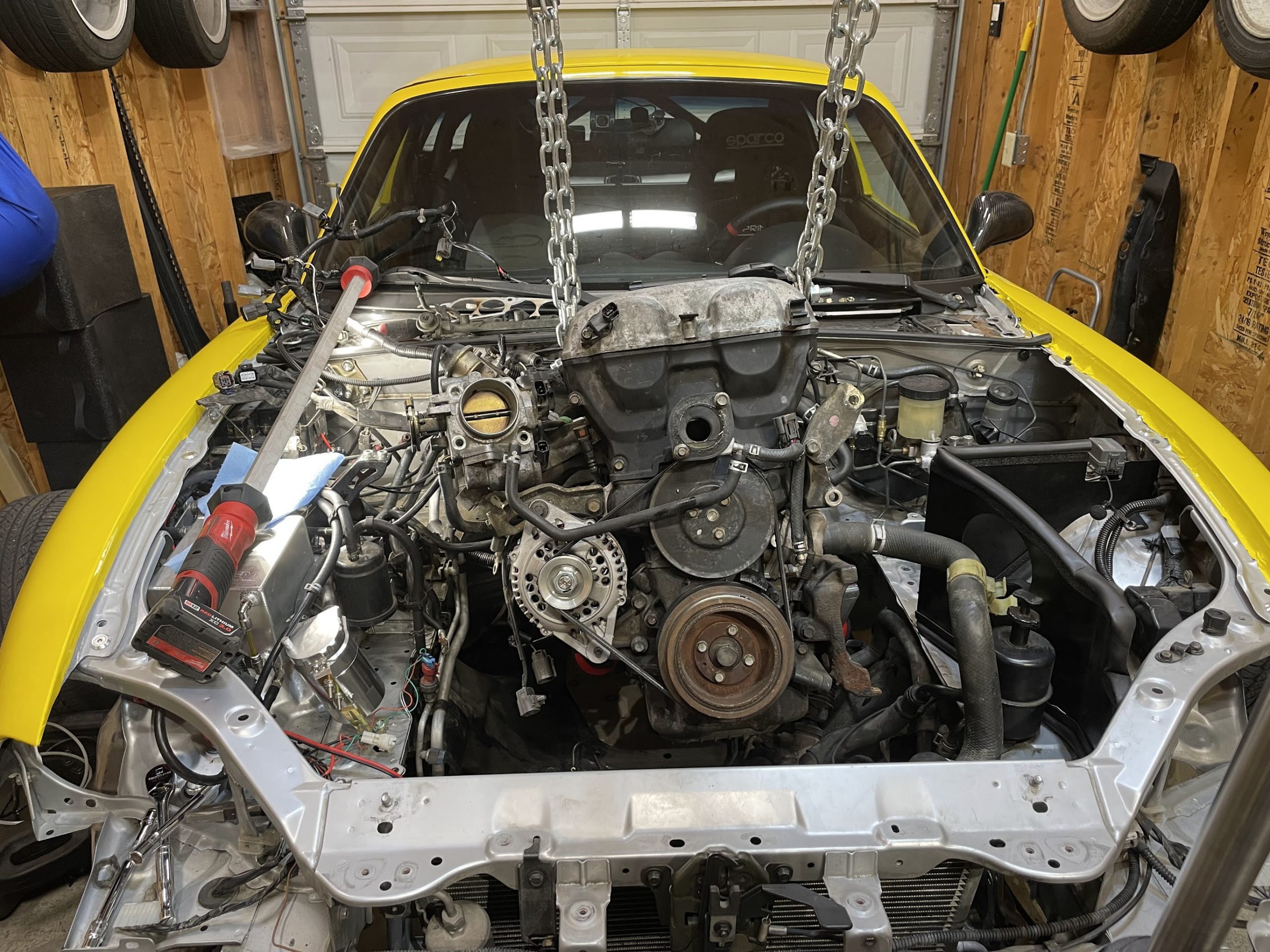
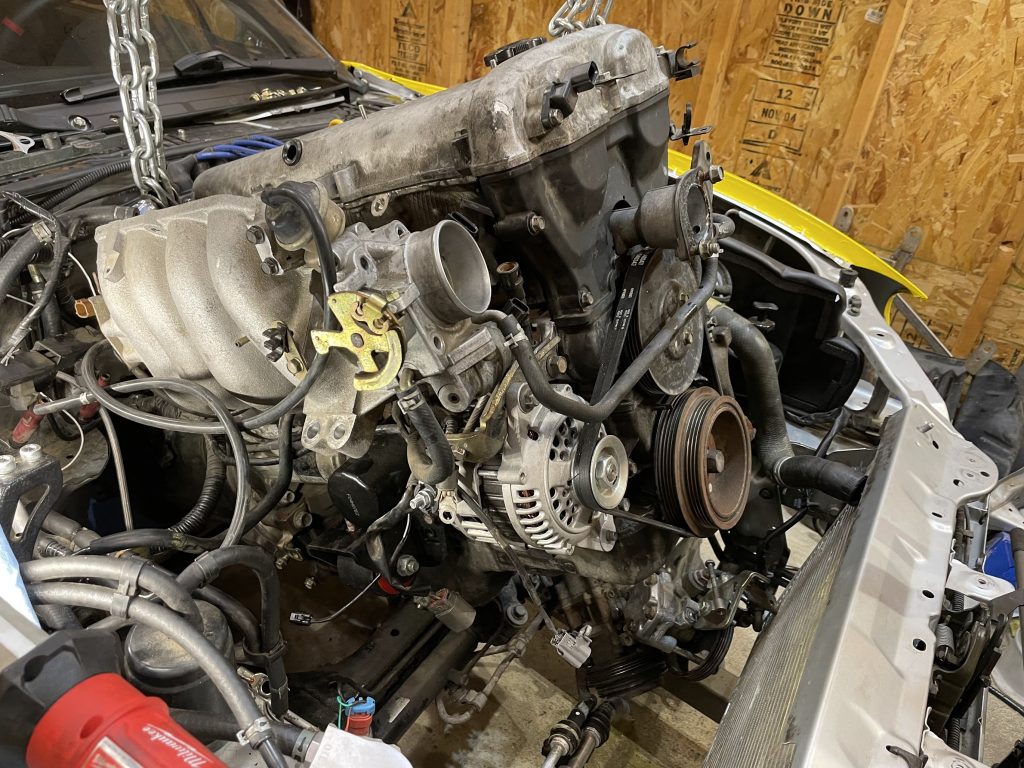
The removal of the NB Miata’s power unit is a standard procedure in the enthusiast community, facilitated by the car’s relatively spacious engine bay and logical layout. For this project, the decision was made to pull the engine and five-speed manual transmission as a unified assembly from the top of the vehicle. This method, while requiring a steep angle of tilt during the lift, avoids the difficulty of unbolting the transmission from the engine while the unit is still confined within the narrow transmission tunnel.
The process involves the systematic disconnection of the fueling system, electrical harness, cooling hoses, and exhaust manifold. Once the motor mounts are unbolted and the Power Plant Frame (PPF) is secured, an engine hoist is used to lift the unit. During reinstallation, precision alignment is critical to ensure the engine mounts slide correctly into the subframe mounting points. Technicians often utilize adjustable load levelers on the engine hoist to manage the center of gravity as the assembly is lowered back into the chassis.
Comprehensive Sealing and Oil Management
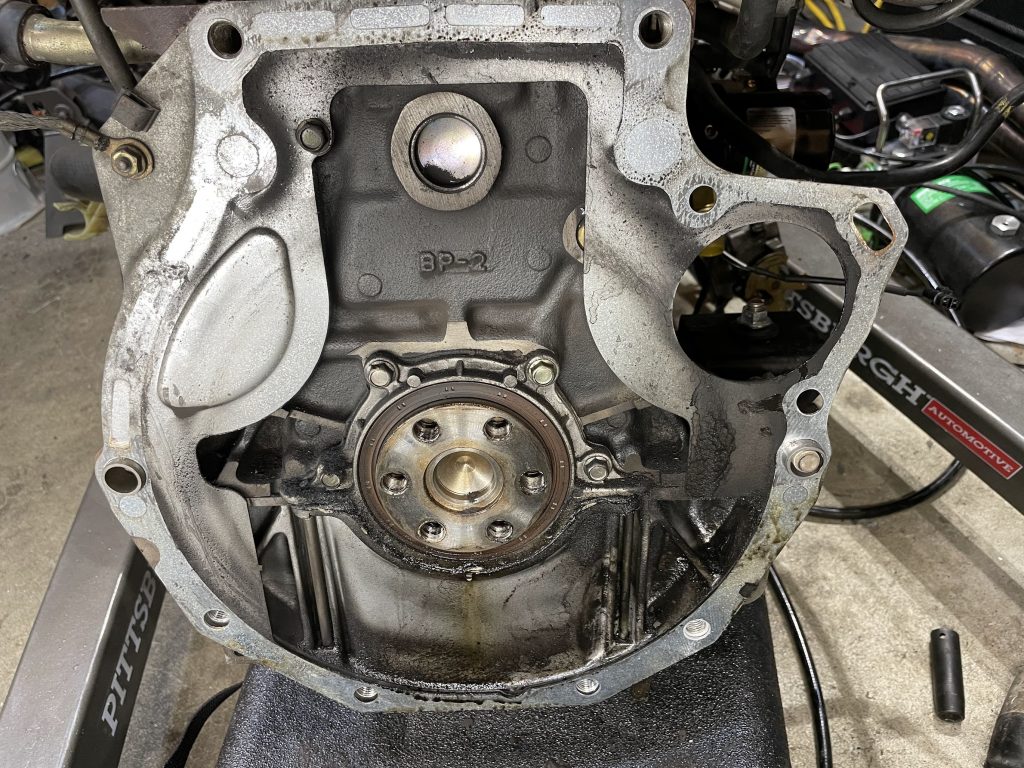
A primary driver for this overhaul was a significant leak from the rear main seal, a common failure point that can saturate the clutch disc and lead to slipping. To ensure the engine remained "dry" following the service, a multi-point sealing strategy was implemented. This included the replacement of the front and rear crankshaft seals, the camshaft seals, and the valve cover gasket.
For the rear main seal, the project utilized a specialized installation tool from Flyin’ Miata, an industry leader in MX-5 performance. This tool ensures the seal is seated at the precise depth required by Mazda’s technical specifications, mitigating the risk of "cocking" the seal, which often leads to immediate failure upon engine startup.
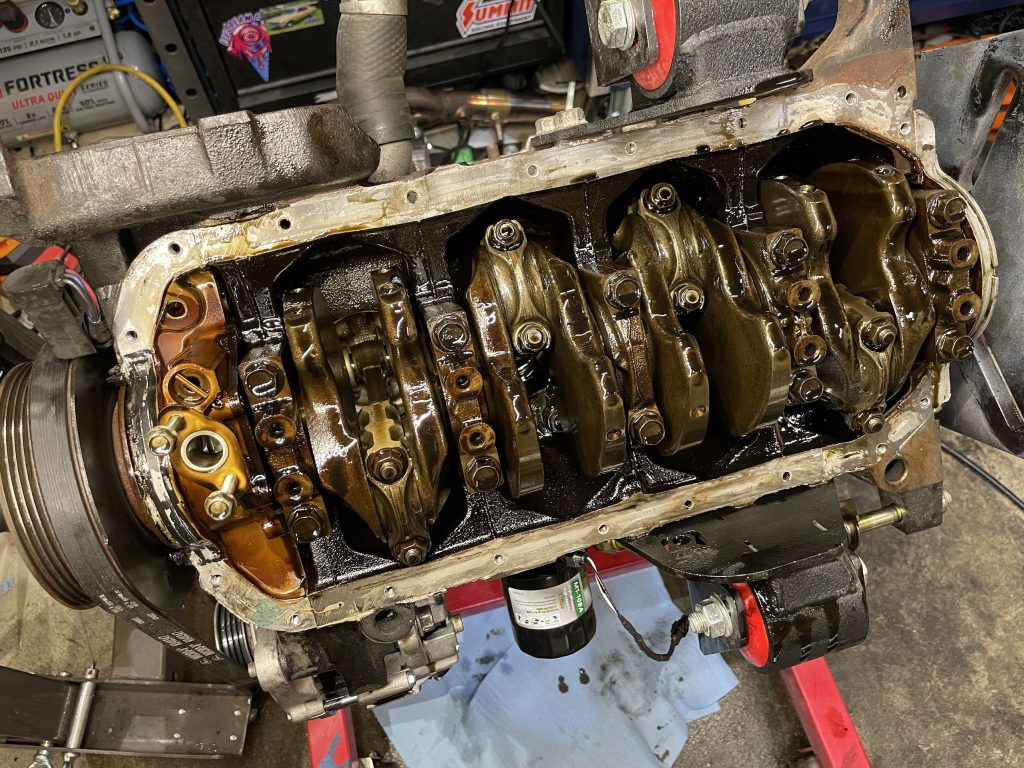
Simultaneously, a recurring issue with the oil pan was addressed. The original aluminum oil pan had suffered from stripped drain plug threads—a frequent casualty of over-torquing during routine oil changes. Although a conical "repair" plug had been used as a temporary measure, the engine removal provided the opportunity to install a replacement pan with intact threads. The procedure revealed the complexity of the NB’s oiling system, which features a windage tray/baffle plate sandwiched between the engine block and the pan, held together by Room Temperature Vulcanizing (RTV) silicone. The delicate nature of this assembly was underscored when a small hairline crack was discovered on the oil pan flange post-installation, requiring a specialized epoxy seal to prevent further seepage.
Drivetrain Upgrades: The Supermiata Sport Clutch System
With the engine removed, the drivetrain was upgraded to handle increased performance demands. The original factory clutch and flywheel, likely nearing the end of their service life, were replaced with a Supermiata Sport Clutch kit. This system utilizes an organic friction material designed to maintain "streetable" engagement characteristics while offering a higher torque capacity than the stock unit.
To complement the new clutch, a 9-pound lightweight aluminum flywheel was installed. The reduction in rotational inertia significantly changes the engine’s throttle response. In a standard NB Miata, the heavier factory flywheel (approximately 18 lbs) provides smoother idling and easier standing starts but slows the engine’s ability to change RPM rapidly. The 9-lb unit allows for faster rev-matching during downshifts, a critical technique for track driving and spirited road use. While a lightweight flywheel can sometimes introduce "chatter" or require more finesse when pulling away from a stop, the organic disc of the Sport Clutch was chosen to mitigate these effects.
Thermal Optimization via Coolant Reroute
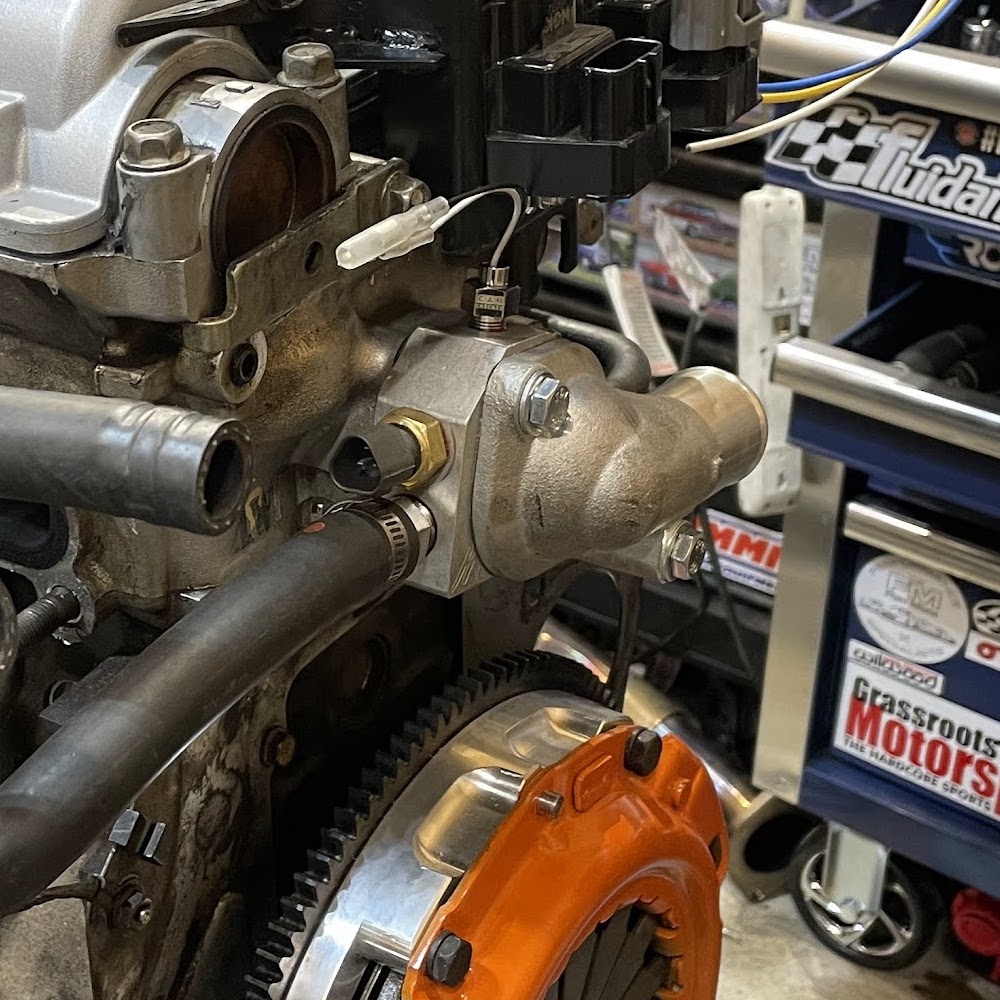
Perhaps the most significant technical modification performed was the installation of a Hawley Performance coolant reroute kit. This modification addresses a fundamental design flaw in the BP engine’s cooling circuit. In its original longitudinal configuration, coolant enters the front of the block and exits from the front of the head. This results in stagnant, hotter coolant around cylinders three and four at the rear of the engine.
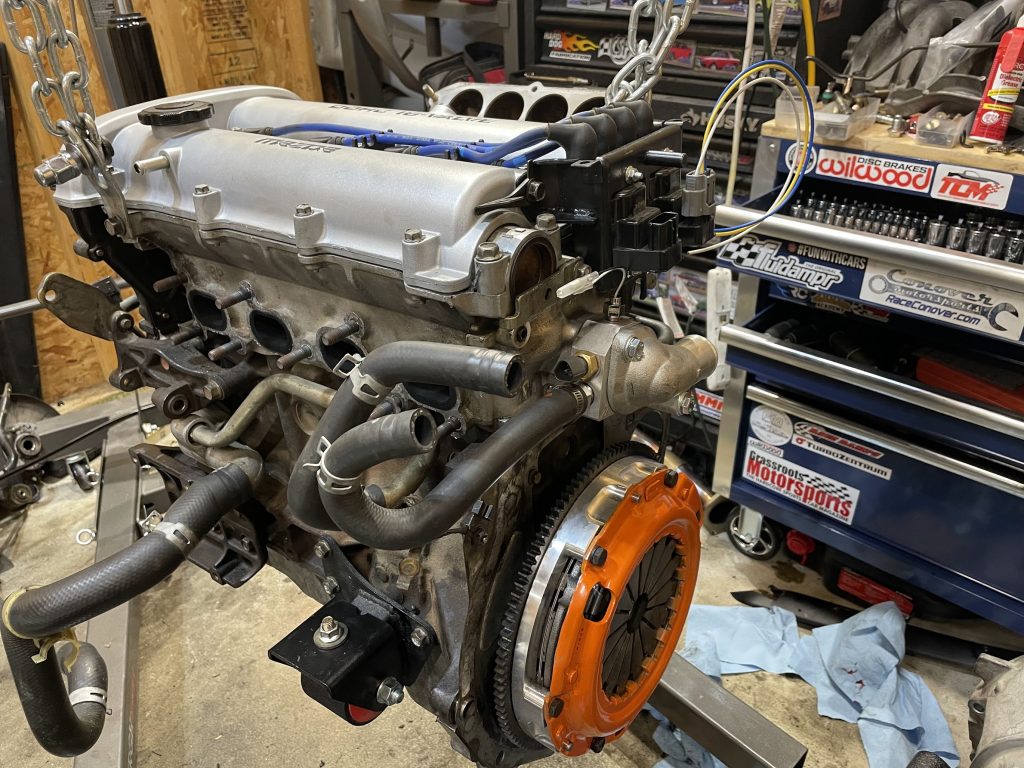
Under high-load conditions, such as sustained track use, this temperature imbalance can lead to localized overheating, accelerated wear on the rear cylinders, and increased risk of head gasket failure. The reroute kit relocates the thermostat housing to the rear of the cylinder head, forcing coolant to flow through the entire length of the engine before exiting to the radiator.
While the Hawley Performance kit provides a cost-effective solution using off-the-shelf components, it highlights the spatial constraints of the Miata platform. The thermostat housing is positioned extremely close to the firewall, making future maintenance difficult without shifting the engine forward. Preliminary data following the installation showed a noticeable decrease in both coolant and oil operating temperatures, though the system proved more challenging to "bleed" of air pockets than the factory setup.
Induction Improvements and Aesthetic Restoration
The final phase of the mechanical overhaul involved the induction system. The North American 2000 Miata was equipped with the Variable Inertial Charging System (VICS) intake manifold, which uses butterflies to change the effective runner length for optimized mid-range torque. However, for high-RPM track performance, many tuners prefer the "Flattop" manifold found in European and Japanese markets (EUDM/JDM).
The Flattop manifold eliminates the VICS butterflies, providing a more direct and higher-volume airflow path at the top of the rev range. It also simplifies the engine’s vacuum routing and electronic controls, as there is no longer a need to trigger the VICS solenoid via a standalone ECU. To complete the engine’s transformation, the valve cover and the Flattop manifold were stripped, cleaned, and refinished in an OEM-style aluminum paint, providing a "factory-fresh" appearance while hiding minor casting imperfections.
Post-Operational Analysis and Future Outlook
Following the reinstallation and an initial 500-mile break-in period, the results were mixed. The performance gains from the lightweight flywheel and the Flattop manifold were immediately apparent, providing a more responsive and linear power delivery. The cooling system maintained stable temperatures even during spirited driving.
However, the project also illustrated the persistent challenges of aging aluminum engines. Despite the use of precision tools and new seals, a minor oil leak reappeared at the rear of the engine. This development has prompted a technical debate regarding the source: whether it is a failure of the new rear main seal, a seepage from the oil pan RTV, or the previously identified hairline crack in the oil pan flange.
In response to this ongoing issue, a contingency plan has been established. The owner has secured a high-quality used BP4W replacement engine from a specialist importer in the United Kingdom. This "spare" engine will serve as a platform for a full, blueprint-spec rebuild, allowing the current engine to remain in service until the new unit is ready for a rapid swap.
Conclusion and Broader Implications
The comprehensive servicing of the NB Miata engine serves as a case study in the lifecycle management of classic sports cars. It demonstrates that while modern aftermarket solutions—such as coolant reroutes and advanced clutch materials—can significantly enhance a vehicle’s performance envelope, they do not entirely eliminate the maintenance burdens of 25-year-old mechanical designs.
For the broader automotive community, this project underscores the importance of the "while you are in there" philosophy. By addressing the clutch, cooling, and intake systems simultaneously with the engine seals, the total labor hours are reduced compared to performing each task individually. As the NB Miata moves from "used car" status to a recognized classic, such deep-level mechanical interventions will become increasingly necessary to preserve the platform’s reputation as one of the world’s premier driver’s cars. The upcoming arrival of a replacement power unit from the UK market suggests a continued commitment to the platform’s longevity and performance evolution.