Retno Hari Mulyono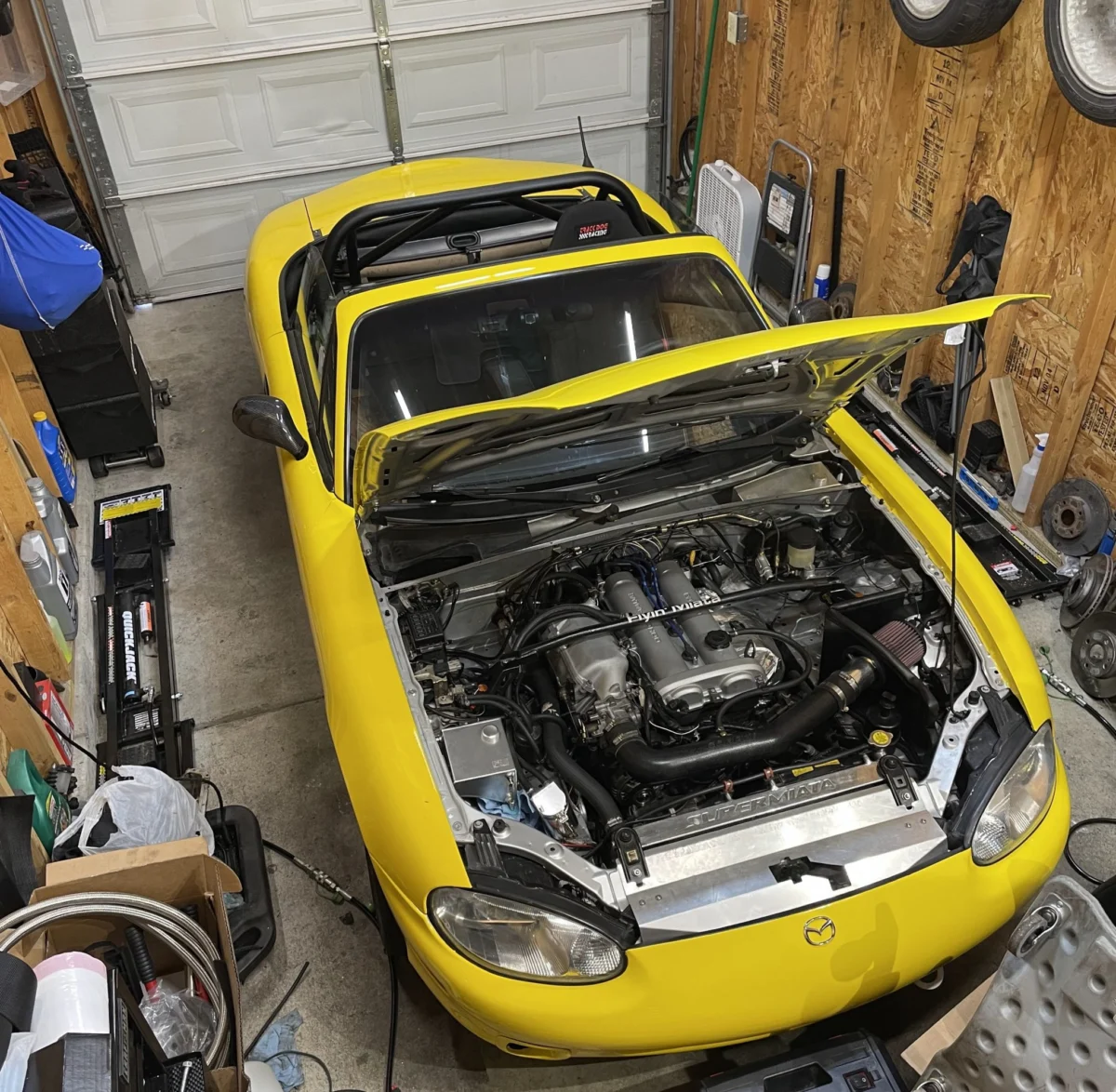
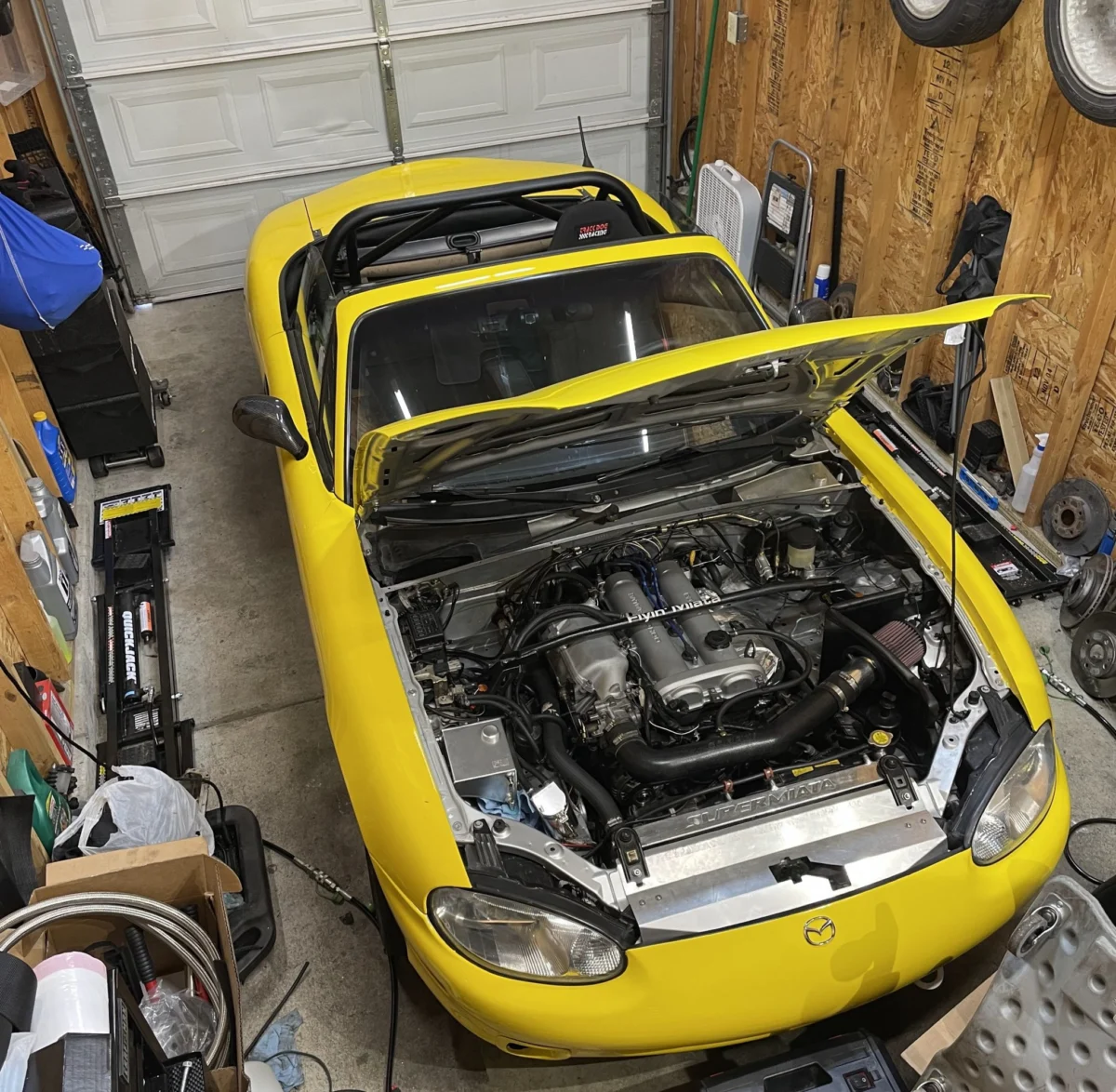
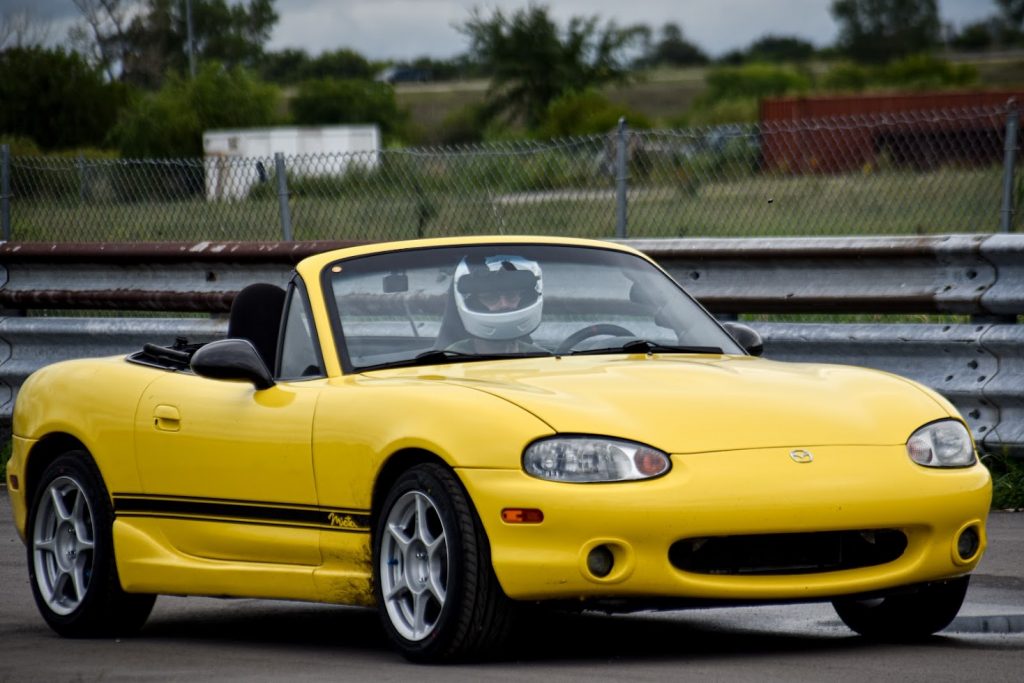
The Mazda MX-5 NB, produced between 1998 and 2005, has long been a staple of the global automotive enthusiast community, celebrated for its balanced chassis and double-wishbone suspension architecture. However, as these vehicles surpass the two-decade mark, the degradation of rubber components and the wear of mechanical assemblies necessitate comprehensive overhauls to maintain factory-level performance or achieve track-ready capabilities. A recent technical project involving an NB-generation Miata highlights the intricate process of a full suspension refresh, integrating modern aftermarket solutions with original equipment manufacturer (OEM) standards to optimize the vehicle for dual-use applications: spirited street driving and competitive track environments.
The Architecture of the Refresh: Objectives and Scope
The primary objective of a comprehensive suspension overhaul is to eliminate the "floaty" or imprecise handling characteristics inherent in aging vehicles. For the NB Miata, this involves a multi-faceted approach targeting the bushings, ball joints, hubs, and dampening systems. The project outlined herein sought to modernize the vehicle’s dynamics through the installation of stiffer control arm bushings, high-performance coilovers, a limited-slip differential swap, and a complete front-end service.
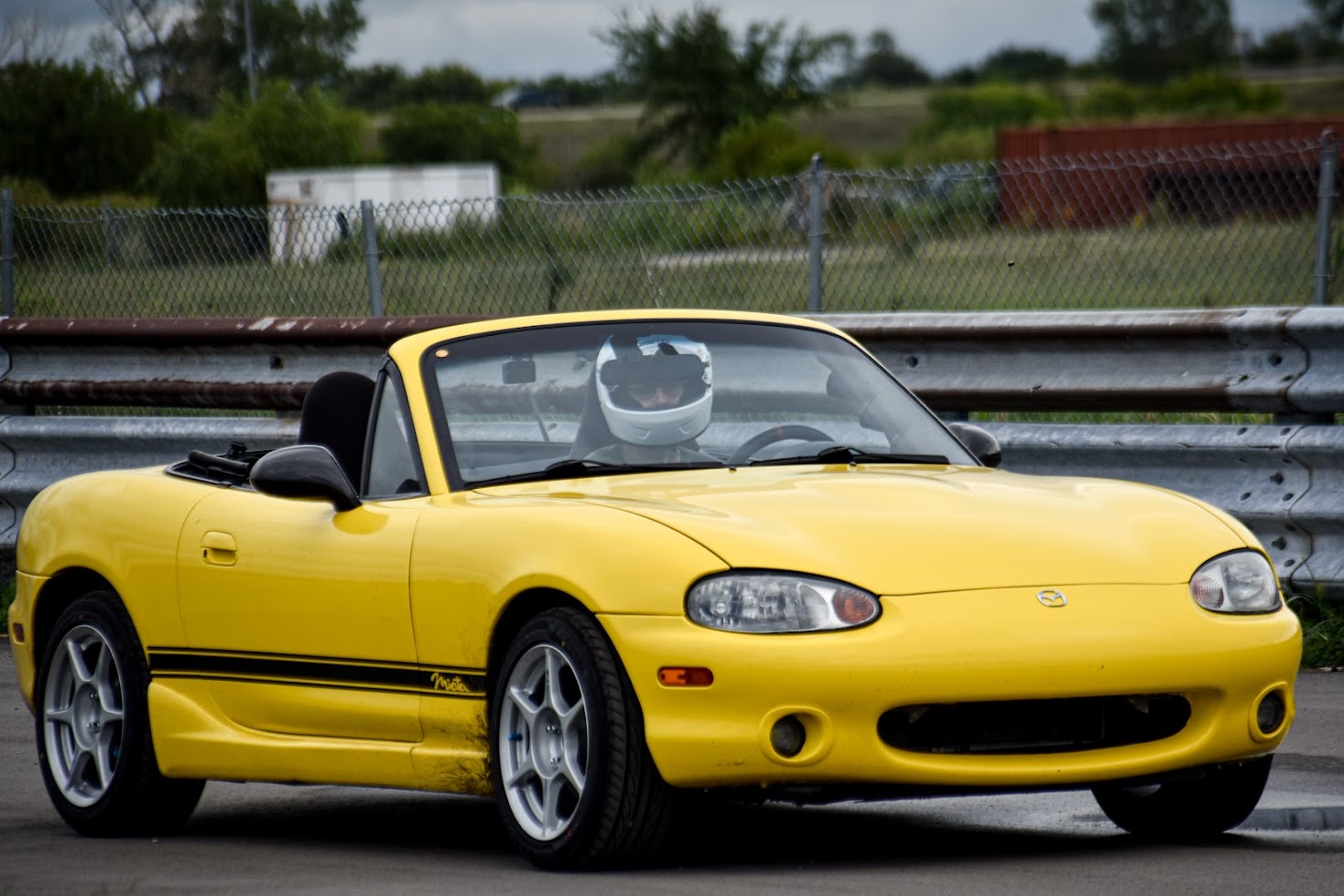
By establishing a known service date for all critical components, the operator ensures long-term reliability and safety. This is particularly vital for vehicles lacking documented maintenance history, where the structural integrity of 20-year-old rubber and bearing seals remains a variable risk factor during high-stress maneuvers on track.
Chronology of Technical Implementation
The overhaul commenced during the winter months, a strategic timeframe allowing for the meticulous disassembly of components that are frequently prone to oxidation and seizing. The process followed a logical progression from the chassis-to-arm interfaces to the final integration of the drivetrain and dampening units.
Phase I: Control Arm Bushings and Structural Integrity
The transition from factory rubber to performance-oriented bushings represents one of the most significant labor investments in a suspension refresh. In this instance, IL Motorsports bushings were selected. These components offer a stiffness profile comparable to the Mazdaspeed competition bushings but are positioned at a more accessible price point. Unlike polyurethane alternatives, which often require periodic re-greasing to prevent noise and binding, these high-durometer rubber bushings maintain the longevity of OEM parts while providing a more communicative chassis.
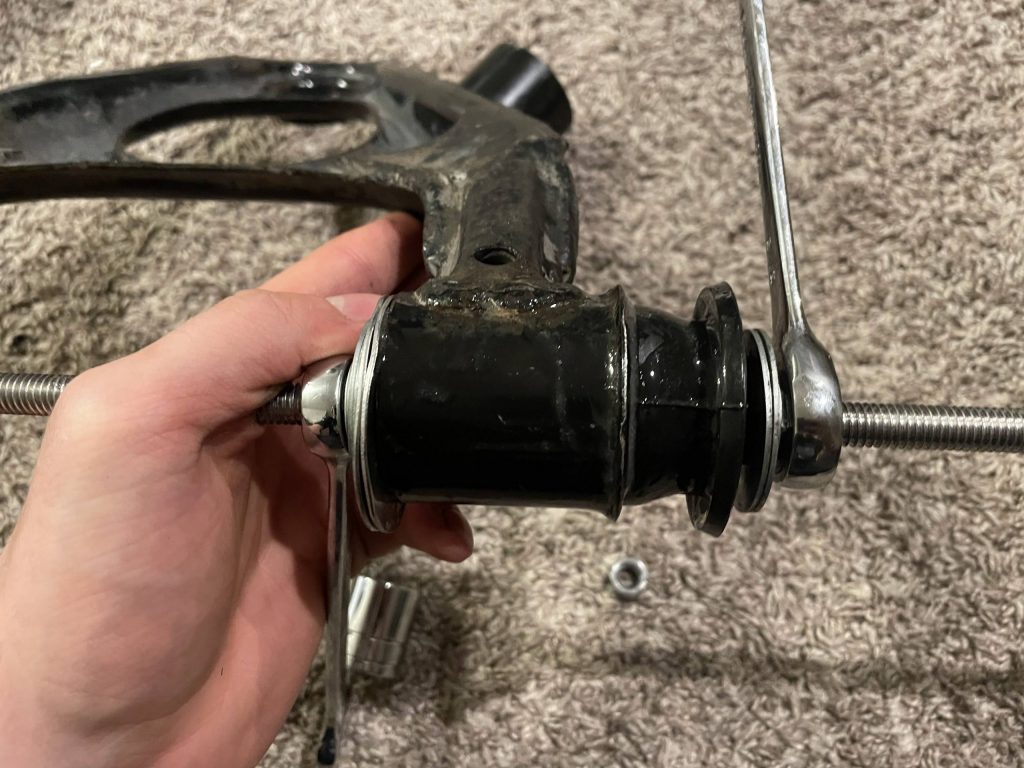
A critical technical observation recorded during the installation involved the hazards of using a hydraulic press on rear upper control arms. Structural analysis reveals that the geometry of these arms is susceptible to bending under the concentrated force of a press if not perfectly supported. Industry experts often recommend the "threaded rod and washer" method for these specific components to ensure even pressure distribution and prevent permanent deformation of the arm.
Phase II: Front-End Precision and Hub Reliability
The front-end service focused on the replacement of wear items that directly impact steering feedback and safety. Utilizing a Supermiata front-end service kit, the project replaced inner and outer tie rods and upper and lower ball joints. While the factory units may not show immediate signs of failure, the "while-you-are-in-there" philosophy dictates replacement during a full teardown to mitigate future labor costs.
Concurrently, the vehicle’s hubs and bearings were addressed. In the Miata platform, front wheel hubs are recognized as a potential failure point under the increased heat and lateral loads of track use. To maintain a balance between cost and performance, standard Centric front hubs and rebuilt OEM rear knuckles from Treasure Coast Miata were installed. This ensures that the rotating assemblies are operating within factory tolerances, providing a baseline of safety for high-speed operation.
Drivetrain Optimization: The Torsen Differential Swap
A pivotal upgrade for any base-model NB Miata is the transition from an "open" differential to a limited-slip unit. The open differential, while suitable for standard commuting, fails to effectively distribute torque during cornering, often resulting in "inside wheel peel" where power is wasted on the unweighted tire.
Market Dynamics and Technical Selection
The project involved sourcing a Torsen (Torque-Sensing) differential with a 4.30:1 gear ratio. The 4.30 ratio is highly coveted in the Miata community, particularly for those competing in Spec Miata or autocross, as it optimizes the engine’s power band for quicker acceleration. Market data indicates that these units frequently command prices exceeding $1,000. However, through strategic sourcing, a unit was acquired for approximately $250, emphasizing the importance of patience in the secondary parts market.
Installation Challenges: The Power Plant Frame (PPF)
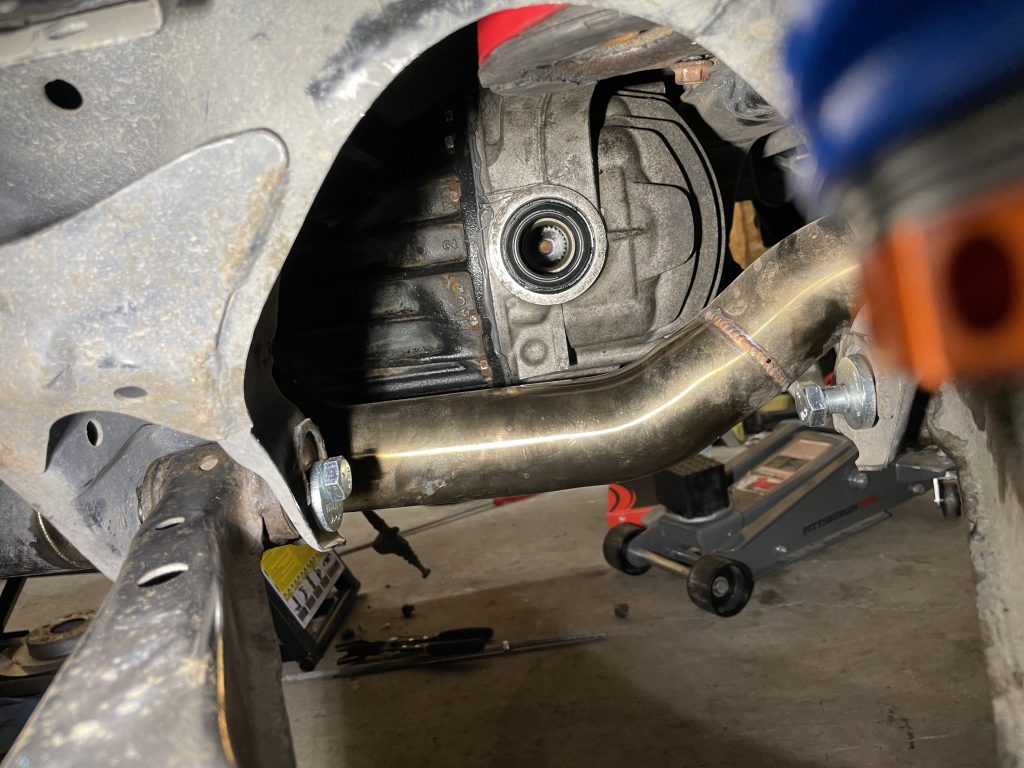
The integration of the Torsen unit into the existing aluminum "pumpkin" housing required the removal of the Power Plant Frame (PPF) bolts. These fasteners are notorious for seizing due to the galvanic corrosion between steel bolts and the aluminum differential housing. Technical reports from the field suggest that high-torque impact wrenches often fail in this scenario, requiring the use of extended breaker bars while the vehicle is still under load to break the initial friction.
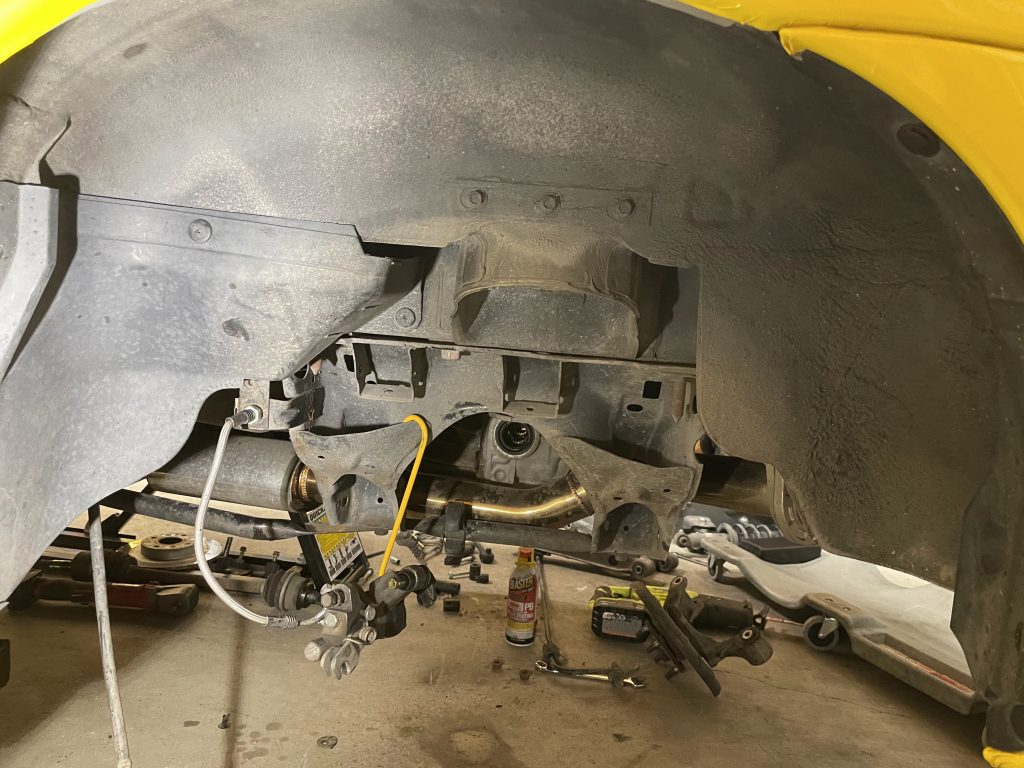
To complement the stiffer differential, polyurethane bushings were installed in the carrier. This modification reduces "diff-wrap" and drivetrain movement, ensuring that power delivery is more immediate and consistent.
Advanced Dampening: Supermiata Xida Race Coilovers
The selection of a dampening system is arguably the most impactful decision in a suspension build. The project opted for the Supermiata Xida Race coilovers, featuring an 800 lbs/in front and 500 lbs/in rear spring rate configuration, supplemented by helper springs.
Performance Analysis of High-End Dampers
Xida coilovers are engineered with sophisticated valving that allows for high spring rates without the harshness typically associated with entry-level aftermarket kits. The technical advantage of this system lies in its ability to maintain tire contact over irregularities (compliance) while providing the roll stiffness necessary for high-lateral-G cornering.
Observations following the installation indicate a significant reduction in body roll and a more "planted" feel at high speeds. The stock suspension, characterized by a certain degree of "float" or oscillation at the limit, was replaced by a stable, confidence-inspiring platform. Despite the race-oriented spring rates, the adjustable dampening allows the vehicle to remain tolerable for street use, a hallmark of high-quality monotube shock design.
Strategic Omission: The Sway Bar Debate
While many enthusiasts immediately upgrade to thicker sway bars (anti-roll bars), this project maintained the stock units for the initial testing phase. This decision is rooted in a fundamental understanding of suspension frequency and independence.
With the installation of 800/500 lbs/in springs, the vehicle’s natural roll stiffness has been substantially increased. Adding an oversized sway bar can, in some scenarios, diminish the benefits of the Miata’s independent suspension by mechanically linking the left and right wheels too rigidly. This can lead to a decrease in ride quality on uneven surfaces and may introduce unwanted understeer if the front bar is disproportionately stiff. The current strategy involves track-testing the new coilover setup before determining if adjustable aftermarket sway bars are required to fine-tune the handling balance.
Broader Impact and Implications for the Miata Platform
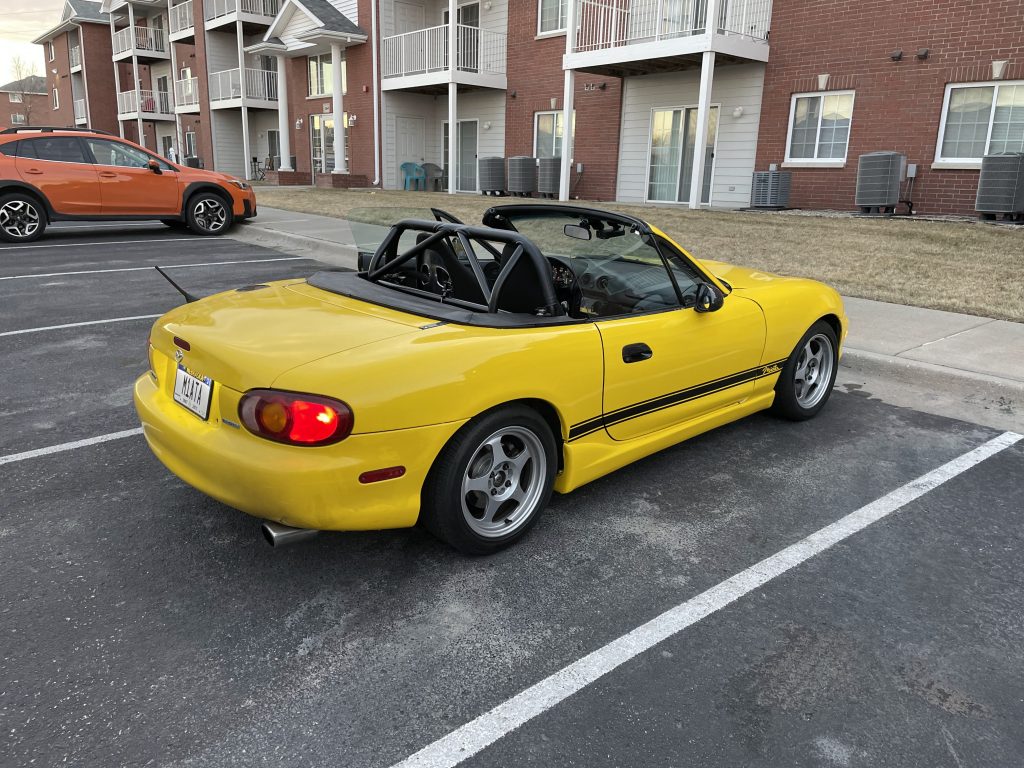
The successful execution of this suspension refresh serves as a blueprint for the "restomodding" of modern classic sports cars. By combining preventative maintenance with targeted performance upgrades, owners can extend the competitive life of the NB Miata chassis by decades.
Safety and Performance Data
Technical data from similar builds suggests that a refreshed suspension can reduce lap times by several seconds on a typical 2-mile road course, primarily through increased mid-corner speeds and improved braking stability. Furthermore, the replacement of aging hubs and ball joints represents a critical safety intervention, preventing catastrophic failures that can occur when fatigued metal is subjected to racing slicks and high-downforce conditions.
Conclusion
The comprehensive refresh of the NB Miata’s suspension is more than a simple parts replacement; it is a recalibration of the vehicle’s dynamic soul. From the precision of the IL Motorsports bushings to the advanced hydraulics of the Xida coilovers, every component works in concert to fulfill the "Jinba Ittai" (horse and rider as one) philosophy that Mazda originally intended. As the project moves toward its final alignment and track debut, it stands as a testament to the enduring engineering of the MX-5 platform and the vibrant aftermarket ecosystem that continues to support it. Owners of similar vintage vehicles are encouraged to view suspension maintenance not as a chore, but as an opportunity to unlock the latent potential of their machines.