Retno Hari Mulyono
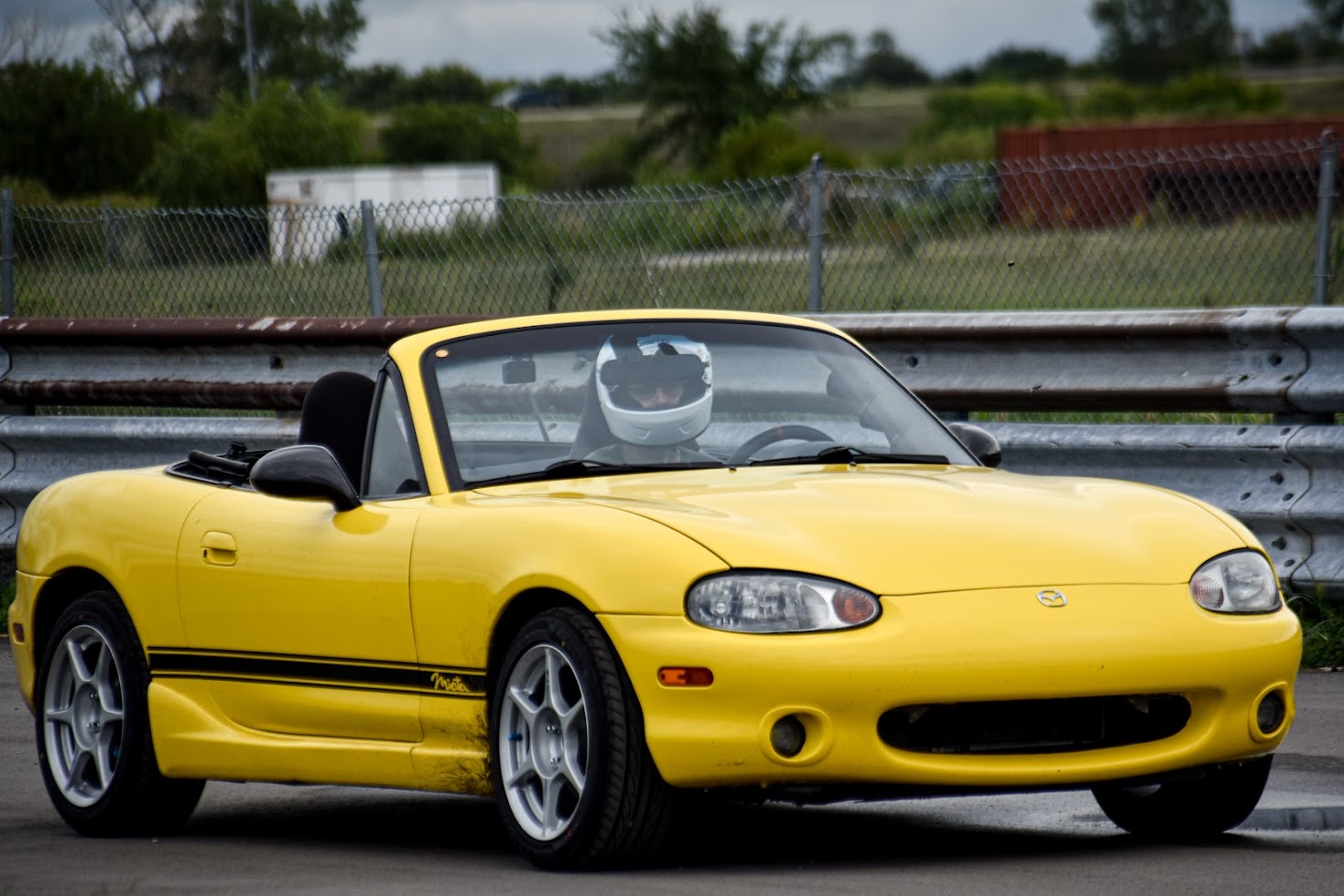
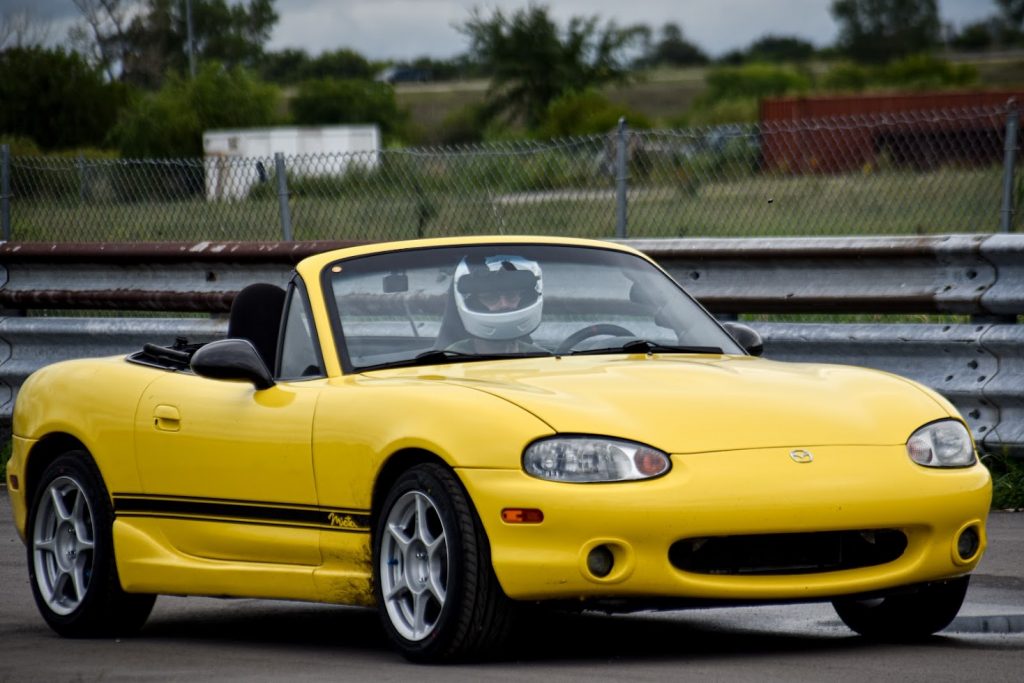
The Mazda MX-5 NB generation, produced between 1998 and 2005, remains a cornerstone of the grassroots motorsports community due to its lightweight chassis and double-wishbone suspension architecture. However, as these vehicles age, the degradation of factory rubber components and hydraulic dampers necessitates a comprehensive mechanical refresh to maintain peak performance. A recent technical overhaul of a base-model NB Miata has demonstrated the impact of integrating high-performance aftermarket components, including Xida Race coilovers, IL Motorsports bushings, and a Torsen limited-slip differential, to transform a high-mileage street vehicle into a track-capable machine.
Engineering Objectives for the NB Miata Platform
The primary objective of this suspension restoration was to eliminate mechanical play inherent in aged components while significantly increasing the vehicle’s spring rate and damping sophistication. The project targeted five critical areas: bushing compliance, damping control, drivetrain traction, steering geometry, and rotational mass reliability. By addressing these factors during a scheduled winter maintenance cycle, the project aimed to bypass the common pitfalls of "rusty suspension" syndrome, where seized bolts and corroded sleeves often stall progress during the active racing season.
Prior to the overhaul, the vehicle operated on a completely stock configuration. While functional, the original equipment manufacturer (OEM) components offered a "floaty" sensation at high speeds and lacked the lateral stiffness required for competitive autocross or track day environments. Furthermore, the absence of a documented maintenance history made the replacement of hubs and bearings a preventative necessity rather than a reactive repair.
Bushing Dynamics and Material Science: Rubber vs. Polyurethane
One of the most labor-intensive aspects of the refresh involved the replacement of the factory control arm bushings. The decision-making process for bushing material is a frequent point of contention in the automotive community. While polyurethane bushings offer extreme stiffness, they often require periodic lubrication to prevent squeaking and can introduce excessive noise, vibration, and harshness (NVH) into the cabin.
For this application, IL Motorsports stiffened rubber bushings were selected. These components provide a middle ground, offering a durometer rating similar to the discontinued Mazdaspeed competition parts. This choice ensures the longevity and maintenance-free nature of rubber while reducing the deflection of the control arms under heavy cornering loads.
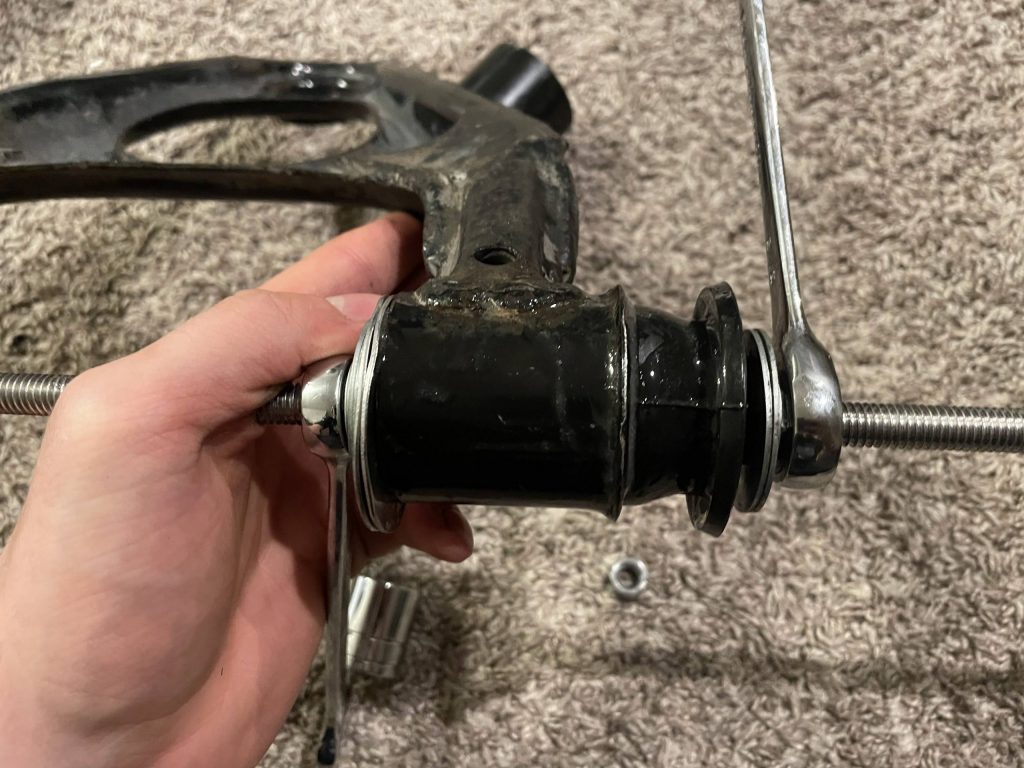
The installation process revealed critical technical challenges regarding the structural integrity of the NB control arms. Specifically, the use of a high-pressure hydraulic press on the rear upper control arms resulted in structural deformation, necessitating the acquisition of replacement arms. Engineering analysis suggests that the "threaded rod and washer" method is superior for these specific components, as it applies force more evenly across the bushing sleeve without risking the collapse of the control arm’s stamped steel housing.
Drivetrain Optimization: The 4.3 Torsen Differential Integration
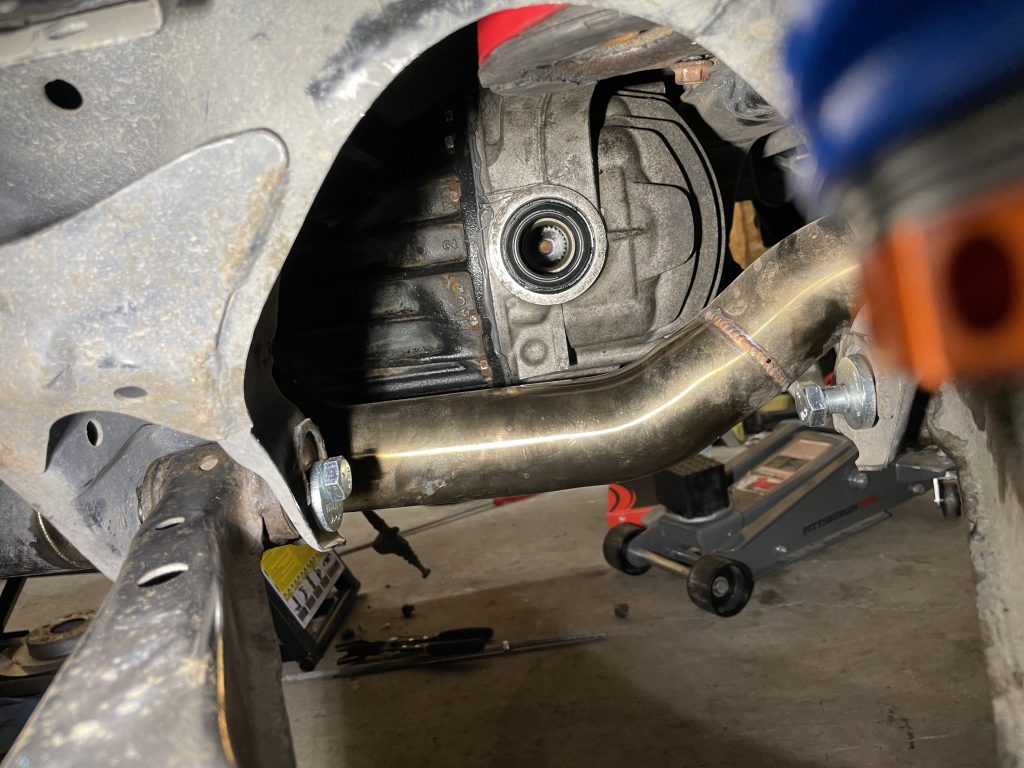
The vehicle’s original drivetrain featured a 4.3 ratio open differential, which lacks the ability to distribute torque effectively when the inner wheel loses traction during aggressive cornering. To rectify this, a Torsen (Torque-Sensing) limited-slip differential was sourced and integrated into the existing aluminum carrier housing.
The 4.30:1 final drive ratio is highly coveted in the Miata community, particularly in Spec Miata racing, as it optimizes the power delivery of the naturally aspirated 1.8-liter engine. While these units often command market prices exceeding $1,000, this project successfully utilized a "guts-only" swap, significantly reducing costs while achieving the same mechanical result.
To complement the internal differential upgrade, the project included the installation of polyurethane differential bushings. Unlike the control arm bushings, polyurethane was chosen here for ease of installation, as the split-design bushings can be seated without a press. This modification serves to stiffen the connection between the differential and the subframe, reducing "wheel hop" and drivetrain movement during rapid gear changes.
Advanced Damping Solutions: The Xida Race Coilover System
The centerpiece of the suspension overhaul is the installation of the Supermiata Xida Race coilover system. Developed specifically for the Miata chassis, these dampers utilize high-end internal valving to manage high spring rates without sacrificing ride quality on uneven surfaces.
The selected configuration utilizes an 800 lbs/in front and 500 lbs/in rear spring rate, supplemented by helper springs to maintain spring seat tension during full suspension extension. Technical data suggests that this setup significantly lowers the vehicle’s center of gravity while virtually eliminating body roll. On the NB chassis, the Xida units provide a ride height approximately 0.5 to 0.75 inches lower than stock at their maximum height setting, ensuring sufficient clearance for street use while optimizing the roll center for the track.
Initial testing indicates that the Xida dampers have successfully addressed the "floaty" sensation of the OEM shocks. The high-speed stability of the vehicle is reportedly much improved, with the damping characteristics providing a "planted" feel that inspires driver confidence during high-velocity transitions.
Comprehensive Front-End and Hub Restoration
Recognizing that wheel hubs are a known failure point on track-driven Miatas, the project incorporated new Centric front hubs and rebuilt rear uprights from Treasure Coast Miata. This preventative measure ensures that the vehicle can withstand the increased lateral loads generated by the new coilovers and stickier tire compounds.
Additionally, a Supermiata front-end service kit was utilized to refresh the steering and suspension geometry. This kit included:
- Upper and lower ball joints
- Outer tie rod ends
- New cotter pins and hardware
The installation of these parts ensures that the steering rack’s inputs are translated directly to the tires without being absorbed by worn-out ball joints. This is particularly critical for maintaining consistent alignment settings during high-G cornering.
Chronology of the Mechanical Refresh
The overhaul followed a structured timeline to ensure all components were integrated before the conclusion of the winter season:
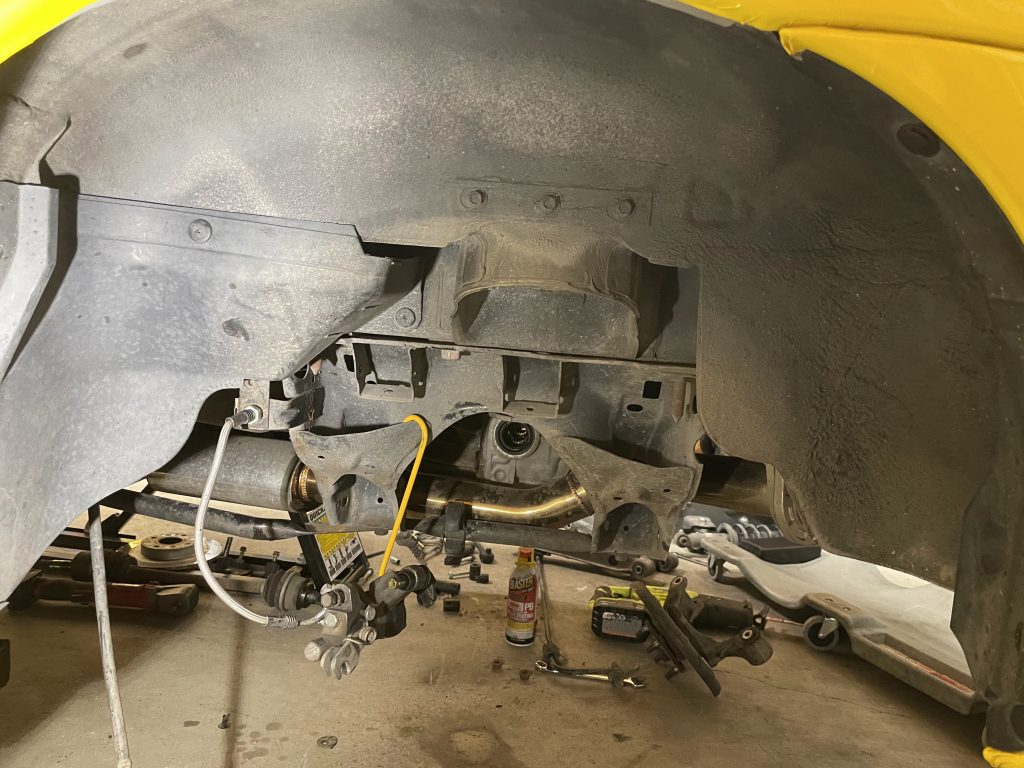
- Disassembly and Assessment: The entire rear suspension, including the differential and power plant frame (PPF), was removed. Technicians encountered significant resistance from the long rear lower control arm bolts, a common issue in regions where road salt or moisture promotes galvanic corrosion.
- Bushing Extraction and Replacement: Using a combination of drilling and manual hammering, the old rubber was removed from the control arms. The new IL Motorsports bushings were seated using hand soap as a temporary lubricant.
- Differential Rebuild: The Torsen unit was installed into the aluminum pumpkin, and the new polyurethane mounts were fitted.
- Coilover and Hub Installation: The Xida units were bolted in simultaneously with the refreshed control arms and new hubs, ensuring that the suspension was torqued at the new ride height to prevent bushing bind.
- Alignment and Initial Testing: The vehicle was set to a preliminary height, with a professional performance alignment scheduled to optimize the new geometry for dual-duty use.
Technical Analysis of Implications
The transition from a stock NB Miata to this upgraded configuration represents a significant shift in the vehicle’s mechanical philosophy. By moving to an 800/500 spring rate, the vehicle’s natural frequency is increased, allowing for faster response times to driver inputs. However, this also places higher stress on the chassis and mounting points.
The decision to retain stock sway bars for the initial testing phase is a calculated one. While thicker sway bars reduce roll, they also decrease the independence of the suspension. By relying on stiffer springs for roll control, the vehicle maintains better compliance over mid-corner bumps. Future adjustments via adjustable endlinks may be necessary if the vehicle exhibits excessive understeer or oversteer during limit-handling maneuvers.
The integration of the Torsen differential is perhaps the most significant upgrade for track performance. In an open-differential car, the unloading of the inside tire in a turn results in wasted energy and lost momentum. The Torsen unit ensures that torque is redirected to the wheel with the most grip, allowing the driver to apply throttle earlier in the corner exit phase.
Broader Impact on the Miata Tuning Market
This project highlights a growing trend in the enthusiast community: the "preventative performance" approach. Rather than waiting for components to fail, owners of 20-year-old sports cars are increasingly opting for total system refreshes. This not only preserves the vehicle’s value but also ensures a level of reliability that matches modern performance standards.
The availability of high-quality, Miata-specific components like Xida dampers and IL Motorsports bushings has allowed the NB platform to remain competitive against much newer and more expensive sports cars. As the market for clean NB Miatas continues to appreciate, such comprehensive mechanical restorations are becoming the benchmark for "well-sorted" examples of the marque.
Looking forward, the vehicle is prepared for a full season of competitive use. The combination of modern damping technology and refreshed mechanical linkages provides a platform that is both educational for the driver and effective on the stopwatch. Further updates, including potential sway bar upgrades and aero modifications, will depend on the data gathered during the upcoming track season.