Arya Paningal
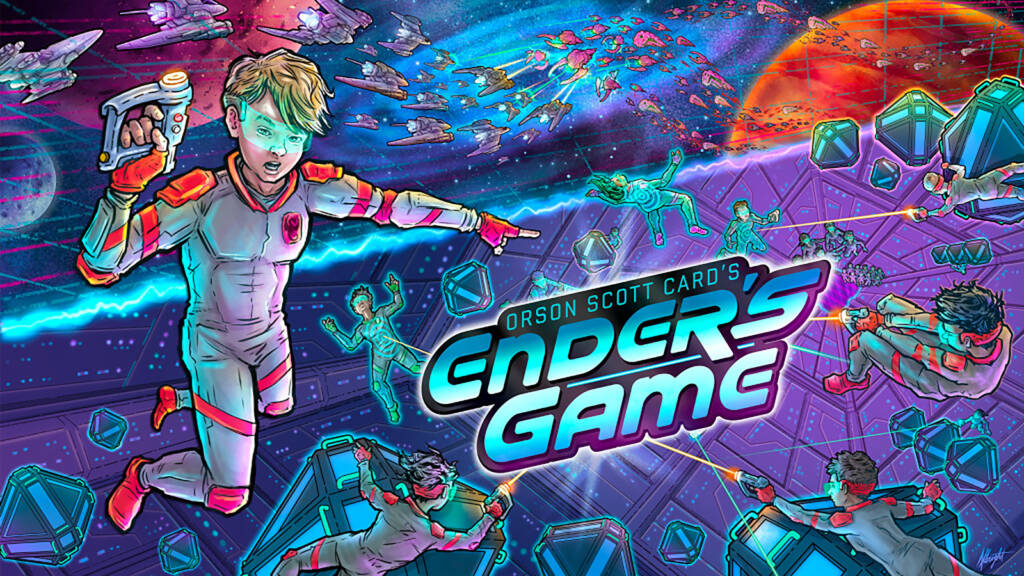
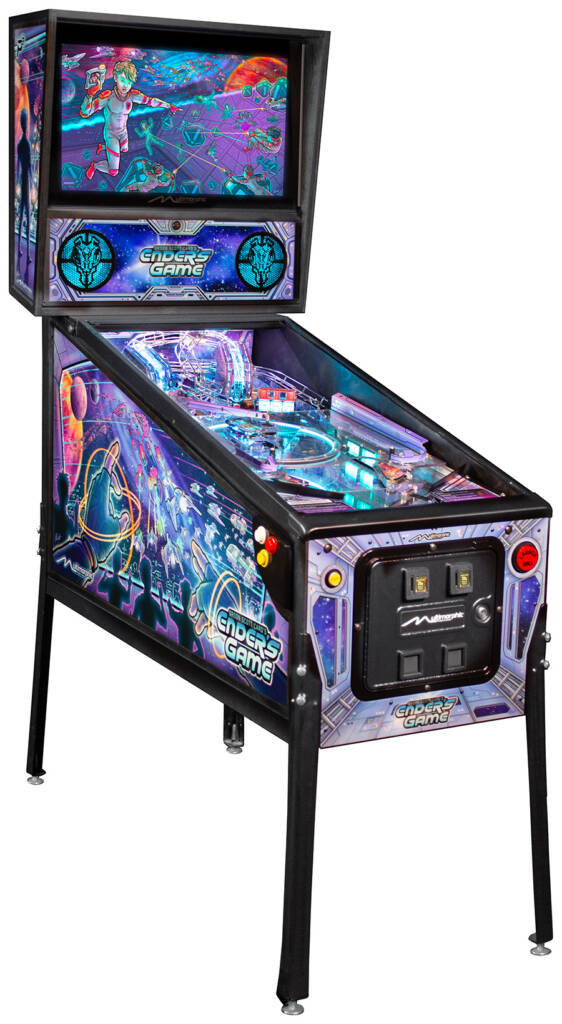
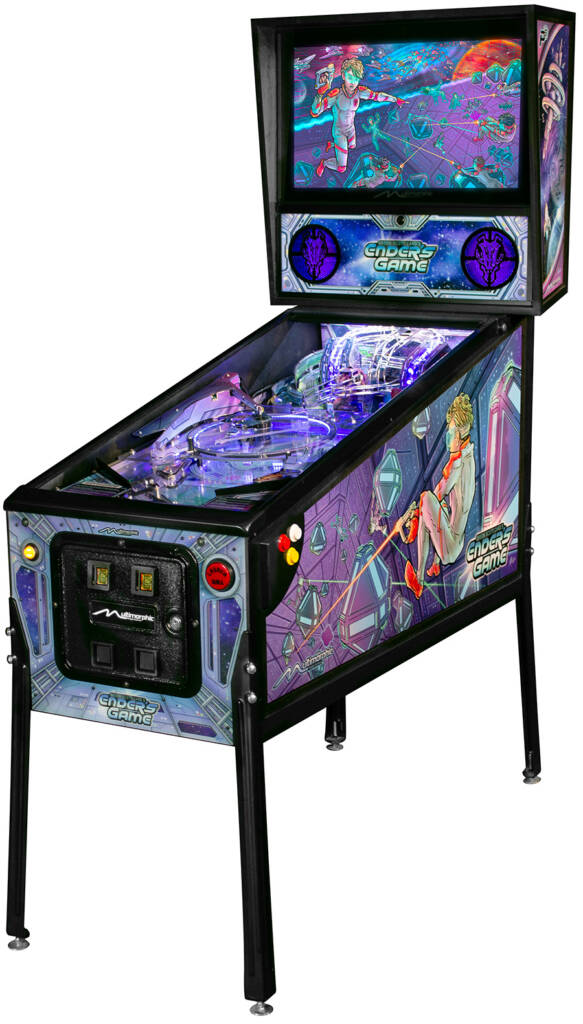
Multimorphic has officially unveiled its latest pinball venture, a machine based on Orson Scott Card’s seminal 1985 science fiction novel, Ender’s Game. This announcement marks a significant milestone for the Austin-based manufacturer, as the title is being released in tandem with another project, Dungeon Crawler Carl. While both machines share the same foundational playfield architecture and mechanical specifications, they exist as distinct experiences, differentiated by unique artwork, soundscapes, narrative rulesets, and specialized callouts. The strategic decision to utilize a unified mechanical platform for two disparate intellectual properties represents an innovative approach to hardware efficiency in the niche but highly competitive pinball manufacturing industry.
The Genesis of a Dual-Release Strategy
The development of the Ender’s Game P3 module was not initially conceived as a joint effort. Multimorphic engineers originally approached the design of the playfield to specifically serve the narrative needs of Ender’s Game. Simultaneously, the team began drafting plans for a separate project based on the popular literary series Dungeon Crawler Carl. As the design teams refined the physical requirements—including ramp layouts, ball-handling mechanisms, and diverter placement—they recognized a striking degree of overlap in the physical footprint required to represent both stories effectively.
Gerry Stellenberg, head of Multimorphic, noted that the pivot to a unified design was a result of practical synergy. "We originally planned for two separate designs for these games, but when we got into the details, we realized we were discussing similar physical feature concepts for both," Stellenberg stated. "Once we proposed the idea for a dual release on the same design, we had immediate buy-in from both teams. It made perfect sense." By aligning the physical hardware, the company has effectively optimized its manufacturing cycles, allowing for simultaneous production while keeping the software and artistic development streams distinct.
Narrative Depth and Thematic Integration
Ender’s Game, originally published as a short story in 1977 before expanding into a full-length novel in 1985, provides a rich, if challenging, source for a pinball adaptation. The story chronicles the life of Andrew "Ender" Wiggins, a child prodigy recruited by the International Fleet to defend Earth against an insectoid alien species known as the "Buggers." The novel is renowned for its focus on the psychological toll of war, the burden of leadership, and the ethical ambiguity of military strategy.
Unlike many modern pinball machines that lean heavily on film licenses, Multimorphic’s design team made the deliberate choice to base their game exclusively on the source novel. This decision bypasses the 2013 film adaptation, which the team felt did not fully capture the emotional depth or the specific character arcs of the original text. The resulting game focuses heavily on the "coming of age" aspects of the narrative. To achieve this, the team replaced the traditional reliance on physical sculpts—which are prominent in the Dungeon Crawler Carl module—with a deeper integration of display-based storytelling and character-driven audio.
Mechanical Innovation: The Balance Mech
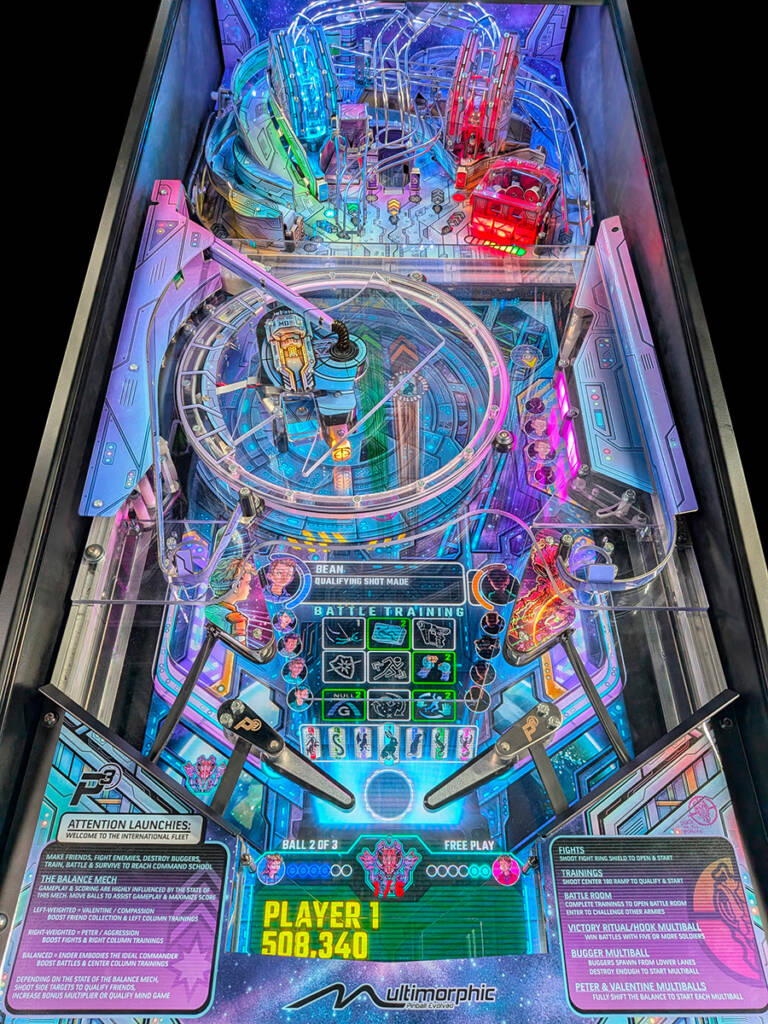
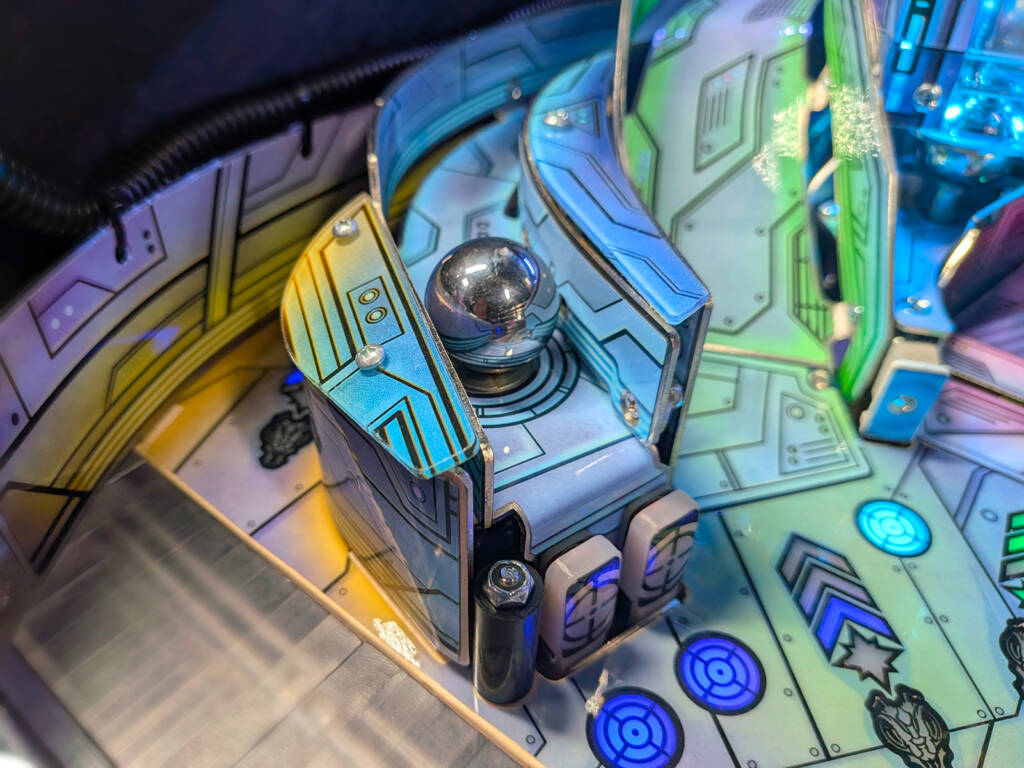
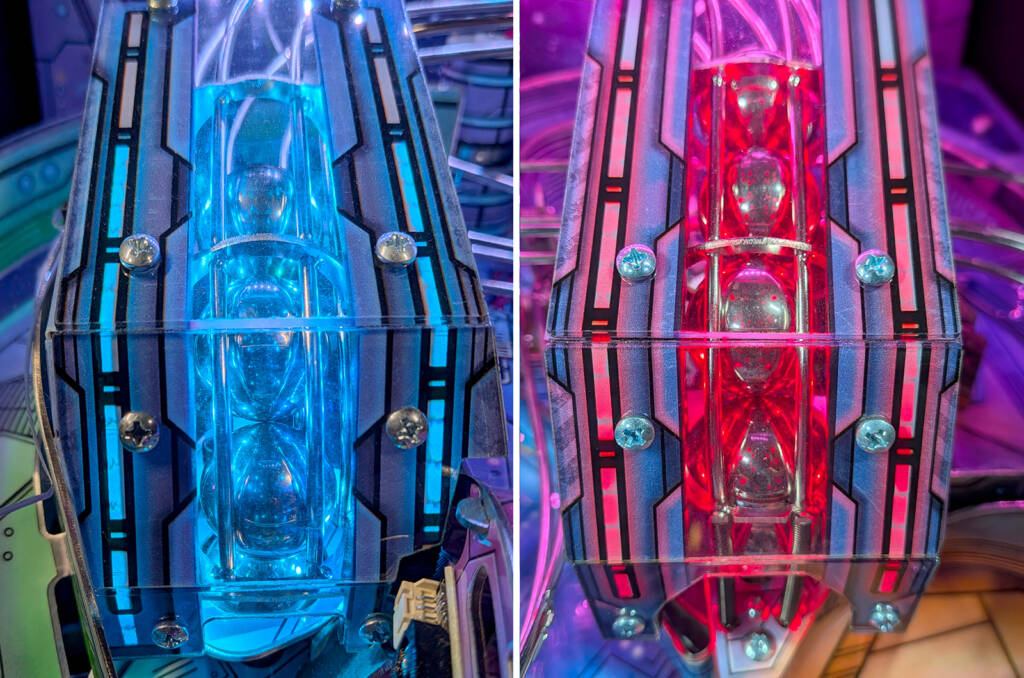
At the heart of the gameplay is the "Balance Mech," a complex system that serves as a physical representation of Ender’s internal psychological conflict. The machine utilizes two ball stackers: the left stacker, associated with Ender’s compassionate sister, Valentine, and the right stacker, representing the aggressive, sociopathic nature of his brother, Peter.
The mechanism functions as a dynamic system where the player must manage the distribution of pinballs between the two sides. The left stacker features a gentle release, reflecting Valentine’s influence, while the right stacker uses a high-velocity cannon to fire balls aggressively into play, embodying Peter’s temperament. Players are incentivized to maintain a state of equilibrium—a "perfect commander" status—by transferring balls between the two stackers throughout the game. This mechanical interplay requires constant decision-making, as the state of the Balance Mech directly influences which shots are available and how the game progresses through its tactical battle scenarios.
Artistic Vision and Technical Execution
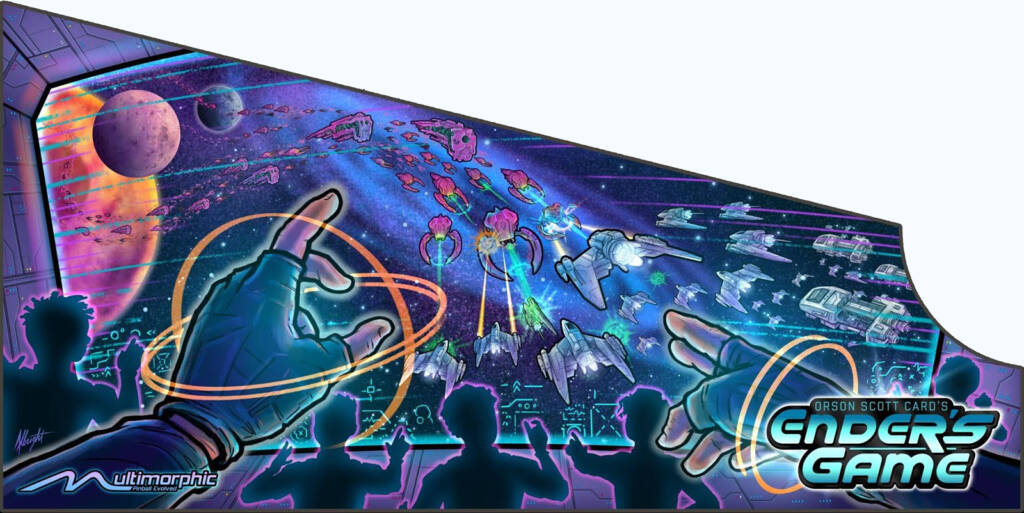
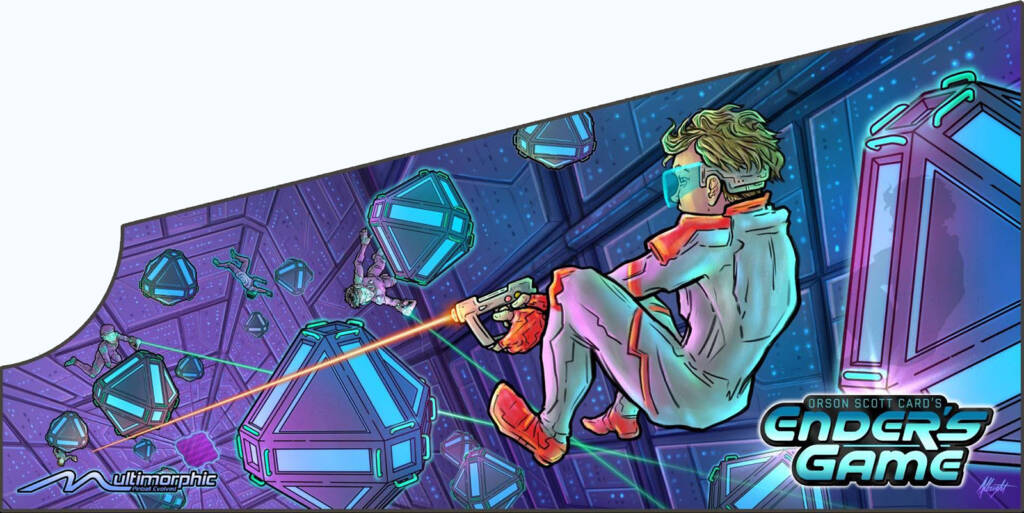
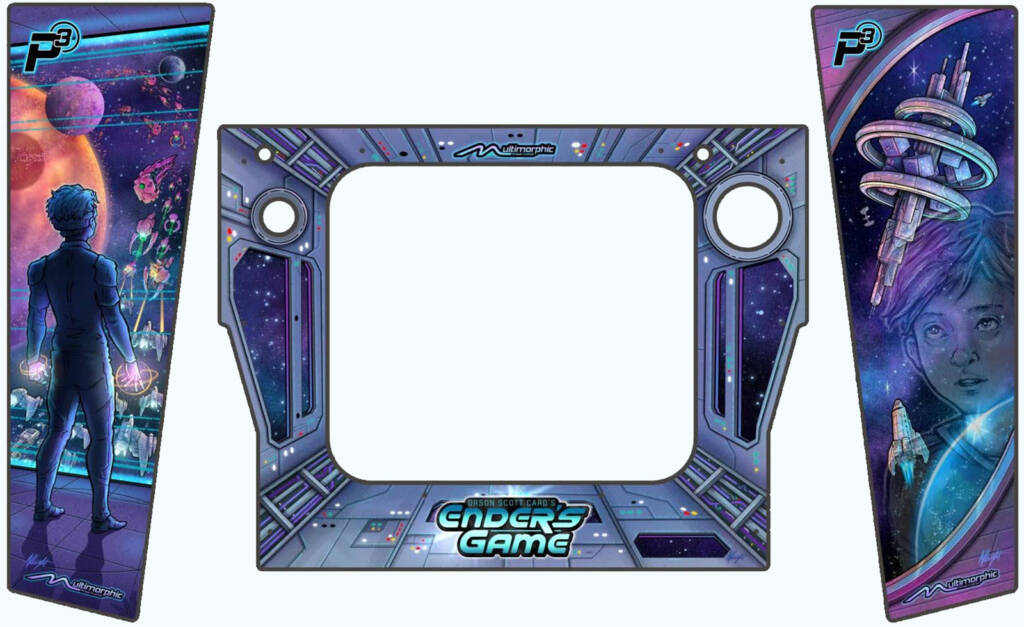
The artistic package, created by Brad Albright, is a departure from the sculpt-heavy designs seen in other recent industry releases. Albright, who previously contributed to the development of Multimorphic’s Portal machine and worked on Barrels of Fun’s Winchester Mystery House, opted for a style that emphasizes the atmospheric and psychological themes of the novel.
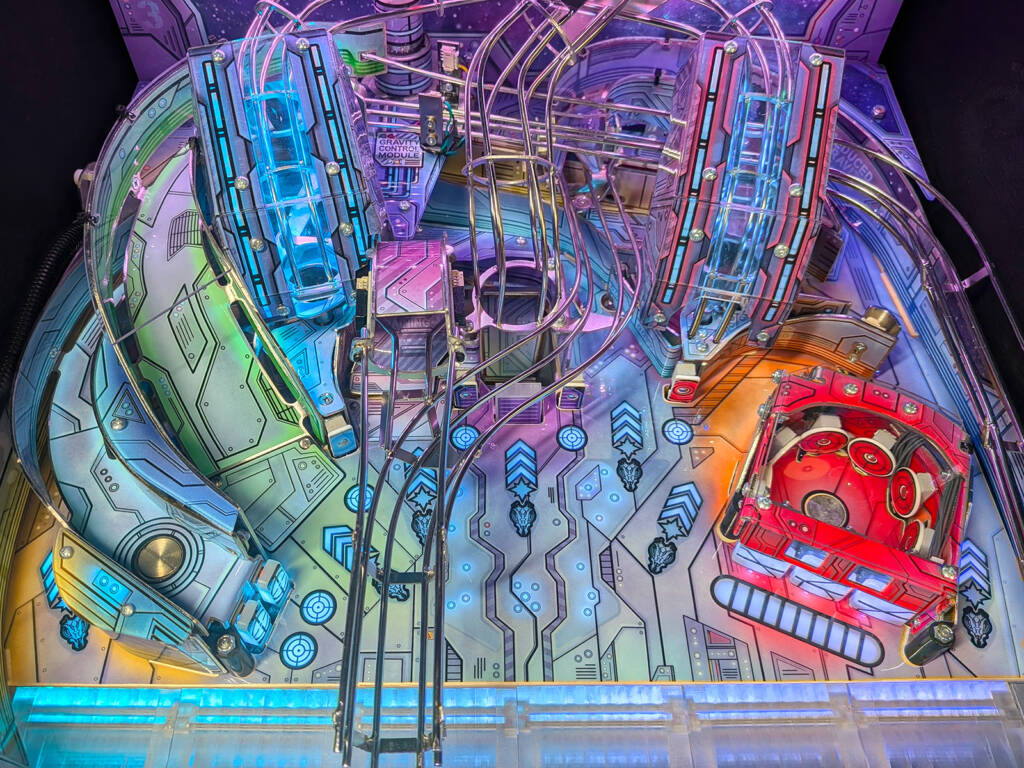
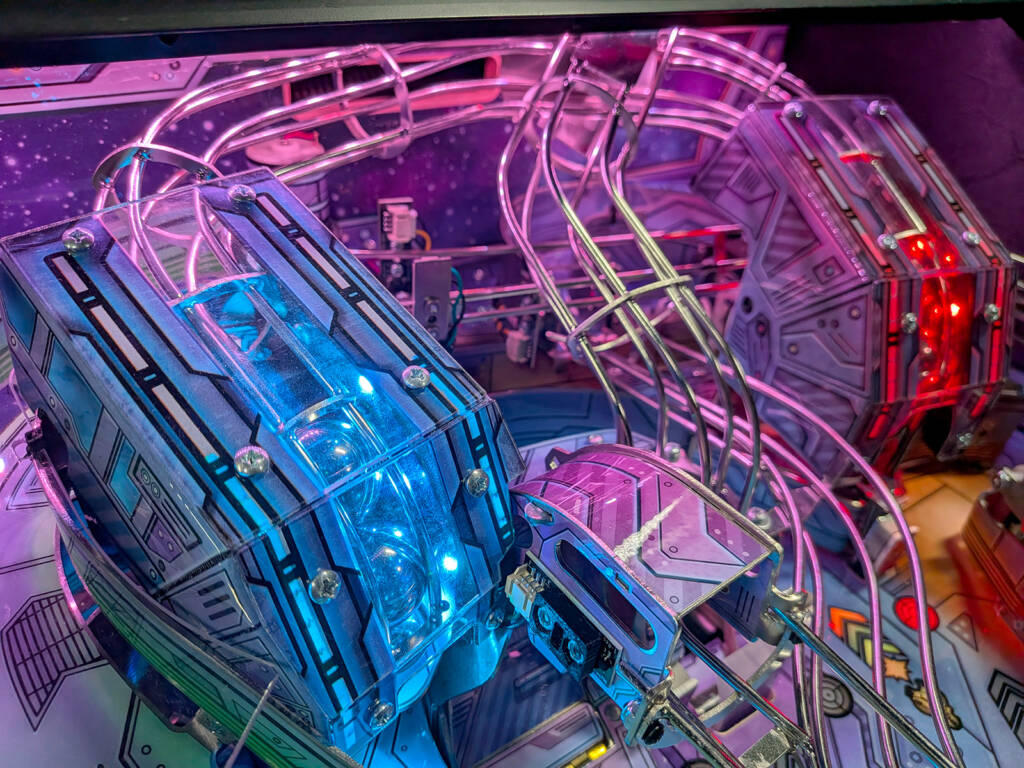
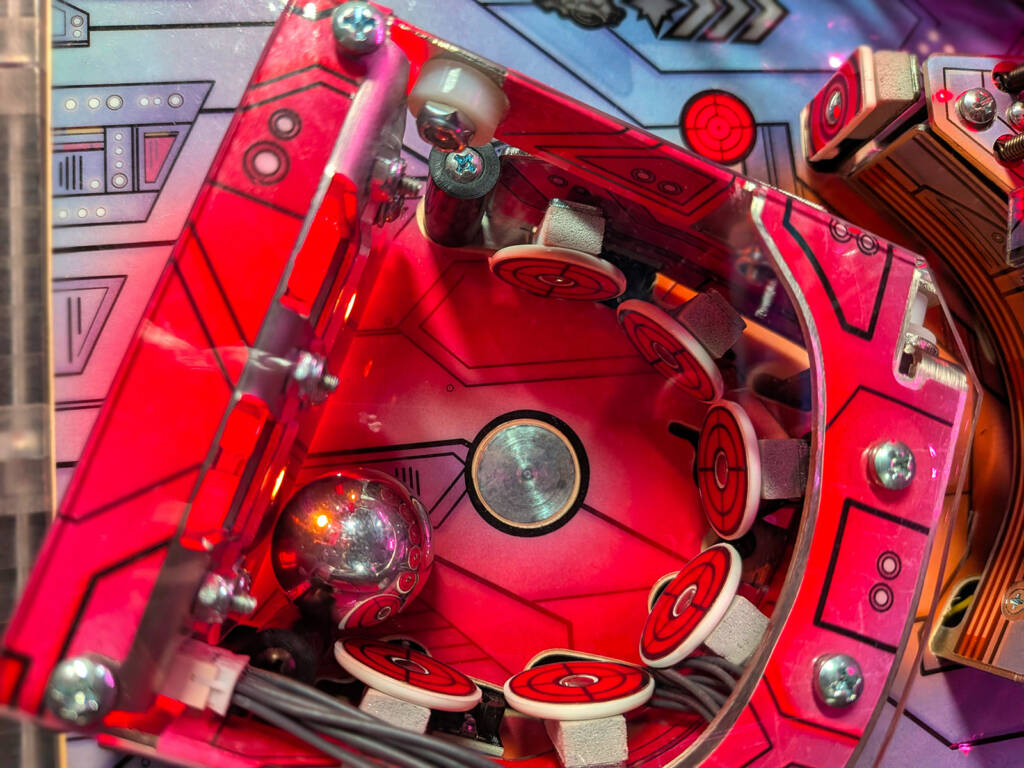
The playfield includes a clear acrylic disk suspended over the surface, driven by a stepper motor. This disk, illuminated by 183 RGB LEDs, functions as a central hub for ball redirection. Because the disk rotates, the electronics are connected via slip rings to prevent cable fatigue. The cannon, located on the underside of the disk, allows for precision aiming, while the "Fight Ring"—a closed area that opens after a bank of standup targets is completed—serves as the primary arena for Ender’s tactical training exercises.
Industry Implications and Market Positioning
The financial structure for the release reflects the modular nature of the P3 platform. The full, branded P3 machine is priced at $11,750, while current P3 owners can purchase the game kit for $4,400. This tiered pricing is designed to sustain the company’s existing install base while attracting new collectors.
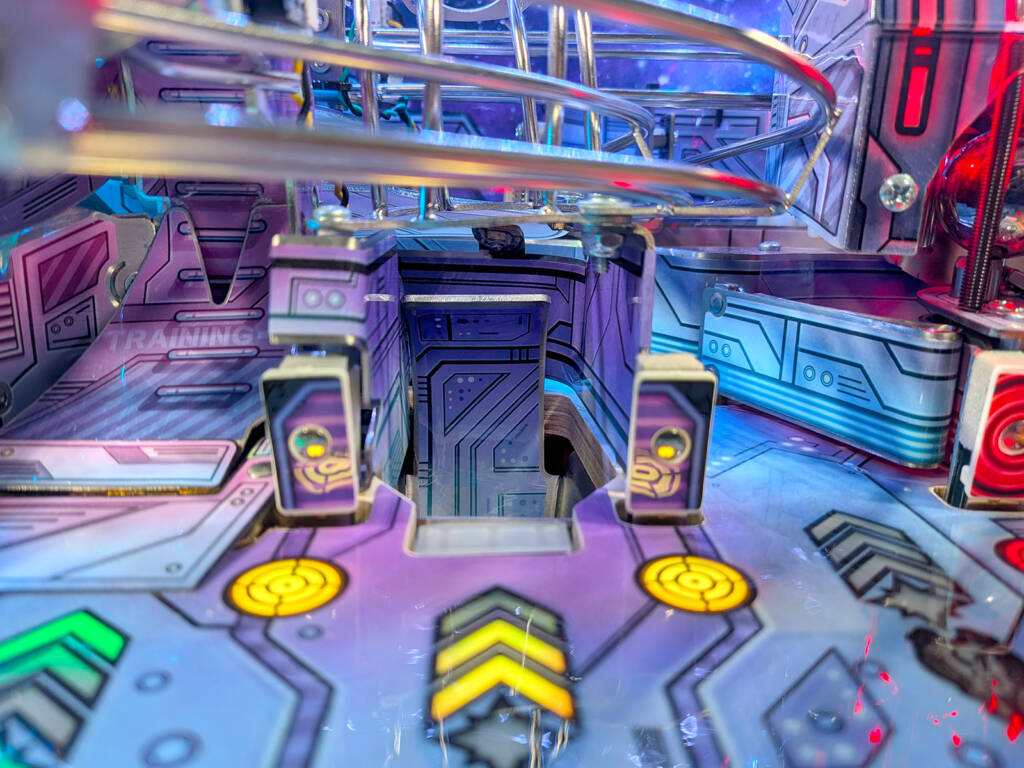
The inclusion of "passive inlane blockers" as a new hardware feature is a notable technical advancement. These blockers, which can be retrofitted onto older P3 models by simply replacing the slingshot armatures, demonstrate Multimorphic’s commitment to backward compatibility. By using the P3’s internal grid of IR LEDs to track ball position, the machine can hold a ball in the inlane without needing additional switches, creating new opportunities for strategic pauses, mode introductions, or ball locks.
Future Outlook and Production Timeline
Production of the Ender’s Game machine is scheduled to begin in late 2026. As with previous releases, Multimorphic intends to fulfill orders for both full units and kits in parallel. While the standard lead time for a P3 machine is approximately 10 to 12 weeks, the company acknowledges that the dual-release announcement may cause a significant surge in demand, potentially extending these timelines.
The project represents a maturation of the P3 platform. By proving that one physical playfield can support two wildly different thematic experiences through software, sound, and lighting, Multimorphic is carving out a unique space in the industry. For the player, the appeal lies in the depth of the ruleset and the ability to engage with a classic piece of literature in a tactile, high-speed environment.
As the industry prepares for the upcoming August release of the Pinball News and Pinball Magazine PINcast, interest remains high regarding how the community will respond to this double-feature approach. The interview with Gerry Stellenberg, Stephen Silver, and Brad Albright is expected to provide further technical details and insight into the challenges of adapting such a complex, non-visual narrative for the fast-paced medium of pinball. With its focus on emotional weight and tactical gameplay, Ender’s Game is poised to be a defining release for the P3 platform, illustrating the potential for pinball to serve as a sophisticated medium for literary adaptation.