Retno Hari Mulyono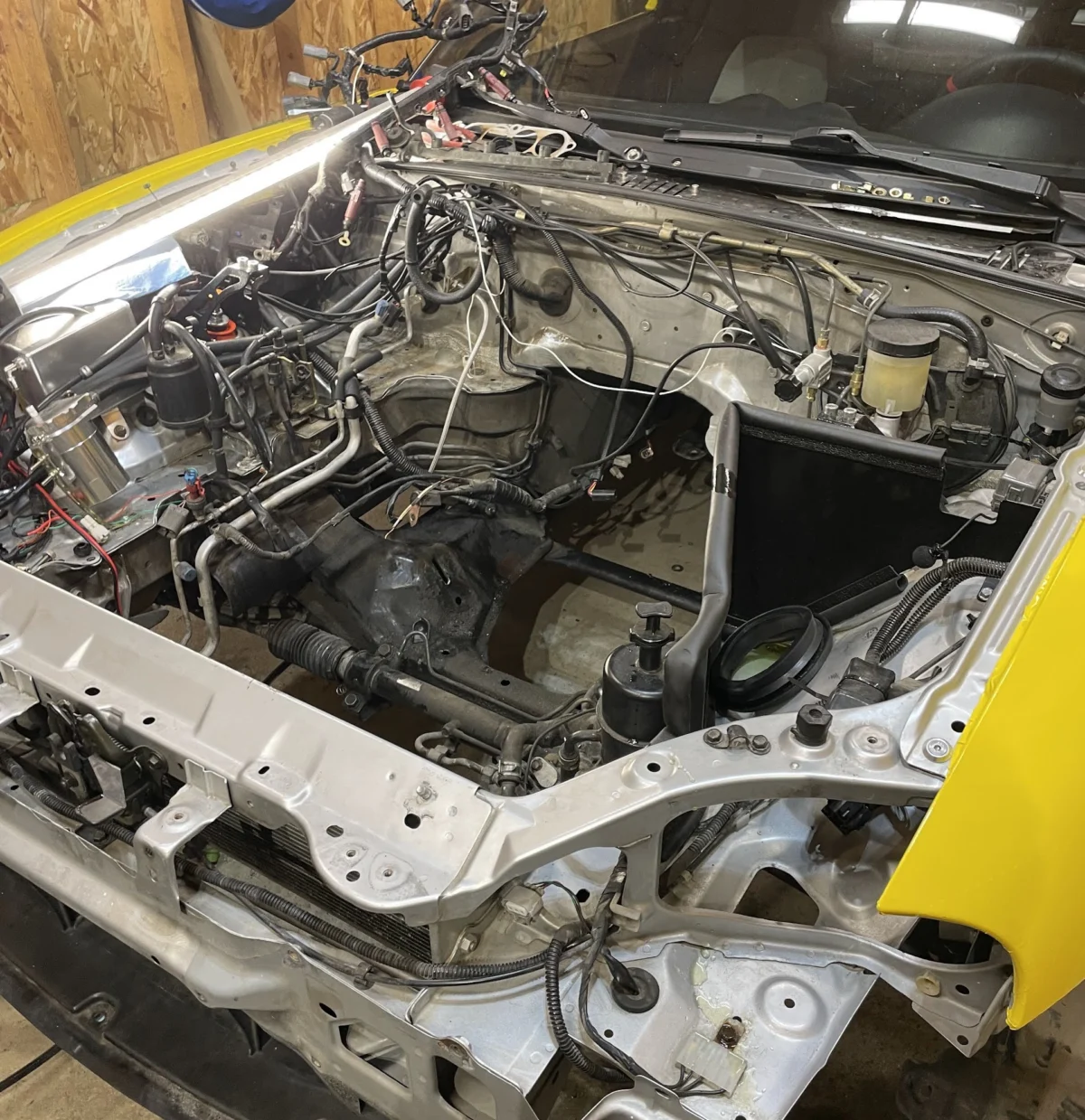
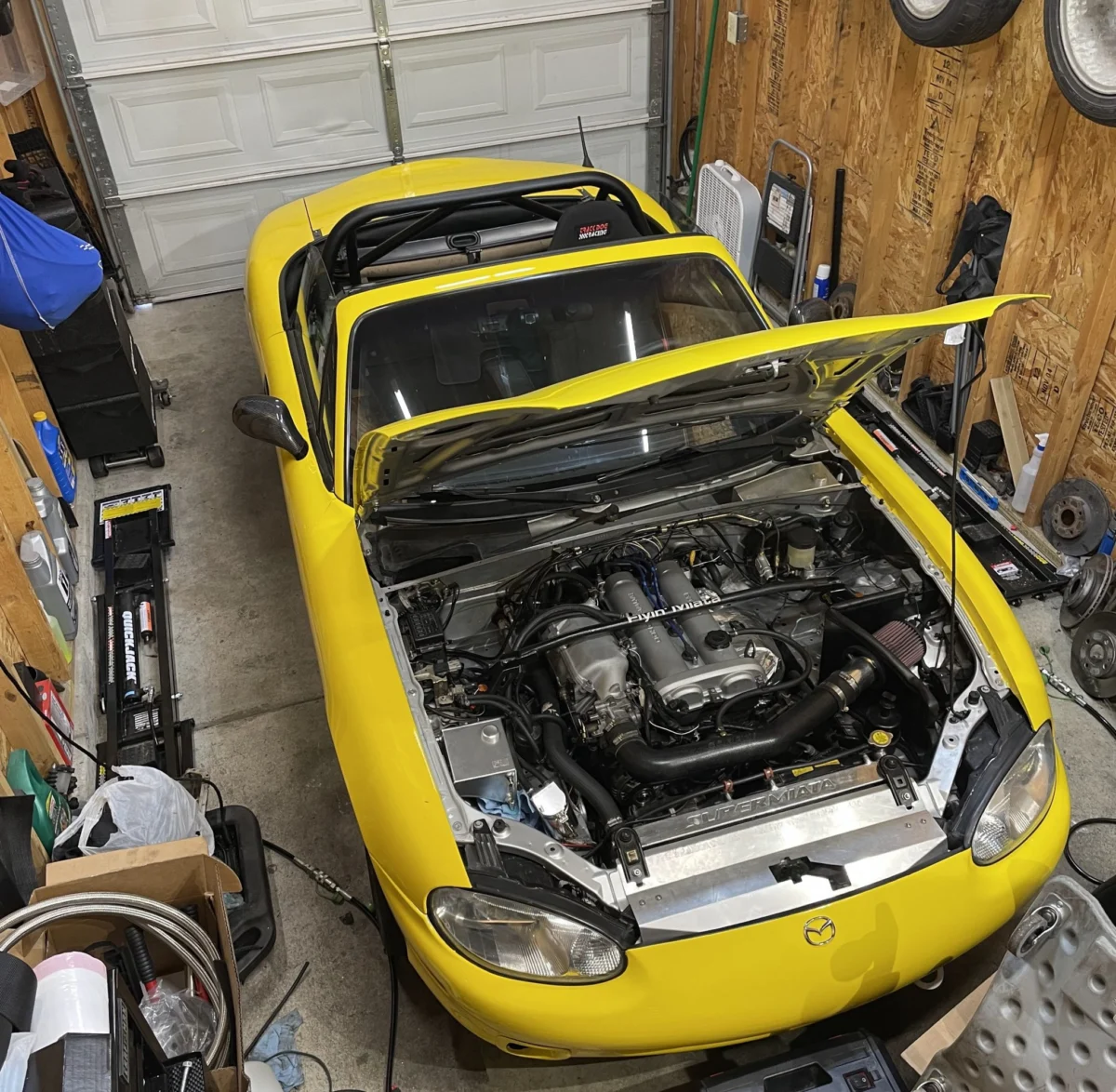
The maintenance and optimization of the second-generation Mazda MX-5, known internally as the NB Miata, represents a significant undertaking for automotive enthusiasts and engineers seeking to preserve the legacy of one of the world’s most popular roadsters. While the Mazda BP-series engine is celebrated for its robust design and reliability, it is not immune to the mechanical fatigue associated with decades of operation. For many owners, a single mechanical failure—such as a leaking rear main seal or a stripped oil pan—might be addressed through localized repairs. However, when multiple systemic issues converge, a comprehensive engine extraction becomes the most efficient pathway toward long-term vehicle health and performance enhancement. This technical report examines a recent comprehensive overhaul of an NB Miata powertrain, detailing the procedural challenges, the integration of performance-oriented aftermarket solutions, and the implications of recurring mechanical failures in aging platforms.
Strategic Decision-Making: The Rationale for Engine Extraction
In the context of automotive maintenance, the decision to remove an entire powertrain is rarely made lightly. It requires a significant investment in specialized tools, including an engine hoist and heavy-duty stands, as well as a workspace capable of housing a disassembled vehicle for an extended period. In this specific case study, the convergence of several independent mechanical requirements necessitated a full engine pull. The primary catalysts included a persistent oil leak from the rear main seal, a compromised oil pan drain plug, and the desire to install a high-performance clutch and flywheel assembly.
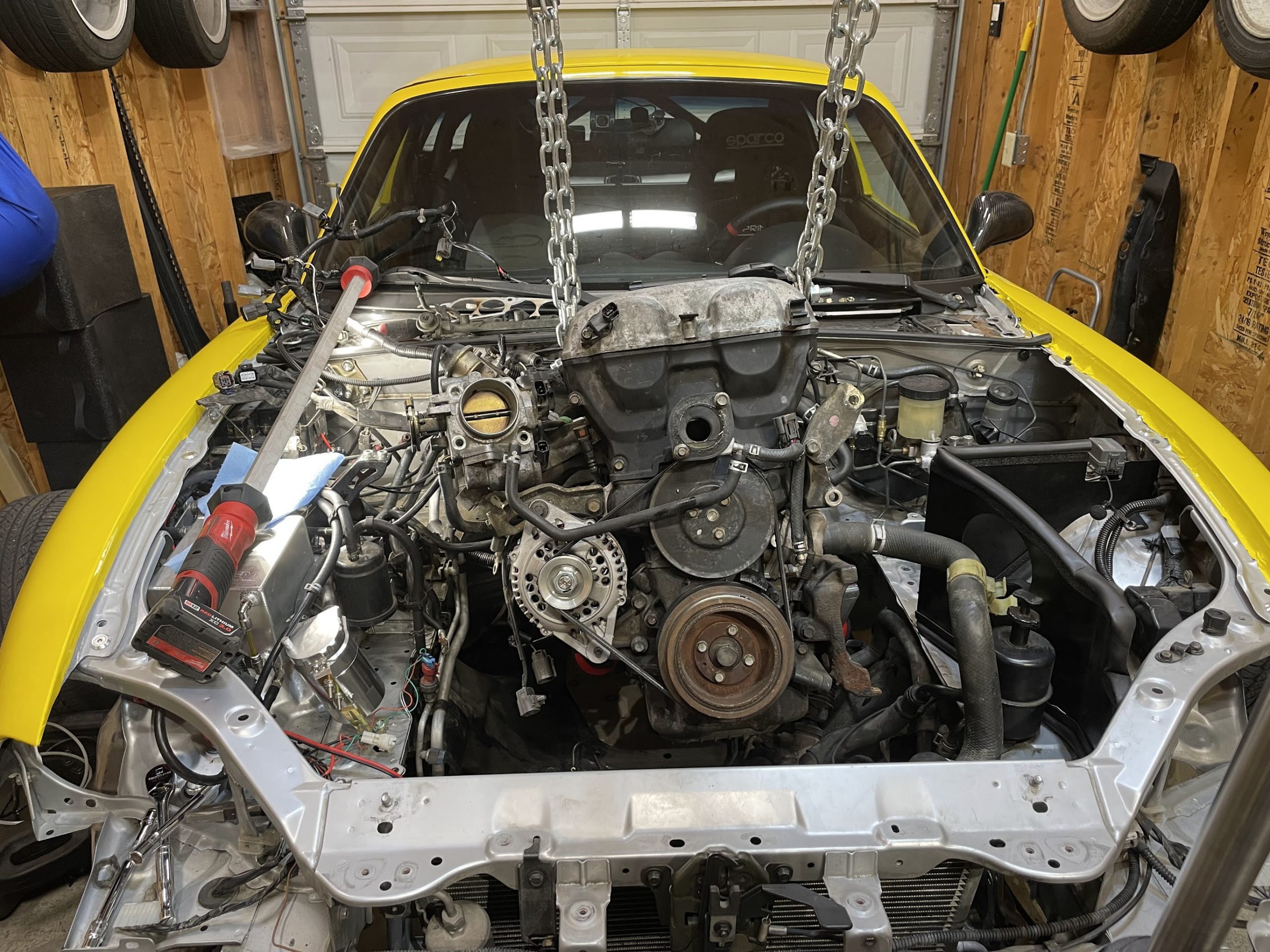
Technicians and seasoned hobbyists often argue that "while you are in there" is the most expensive phrase in automotive repair; however, in the case of the NB Miata, it is also the most logical. Accessing the rear main seal or the clutch requires the separation of the engine and transmission. While this can be performed from beneath the car by dropping the transmission, pulling the entire assembly through the engine bay provides 360-degree access to the block. This accessibility is crucial for secondary tasks such as installing a coolant reroute kit—a modification that is notoriously difficult to perform with the engine in situ due to the proximity of the cylinder head to the firewall.
Procedural Chronology: Extraction and Assembly Management
The extraction of the 1.8-liter BP engine from the NB chassis is a well-documented process, yet it remains a test of patience and organizational skill. The methodology employed in this project involved the removal of the engine and transmission as a single unit. This approach, while requiring a steeper angle during the hoist maneuver, eliminates the struggle of unbolting the transmission bellhousing in the cramped confines of the transmission tunnel.
The removal phase is characterized by the systematic disconnection of the electrical harness, fuel lines, cooling system hoses, and the power steering and air conditioning compressors. For the NB2 models (2001–2005), this also involves managing the Variable Valve Timing (VVT) solenoid wiring, though the earlier NB1 (1999–2000) models, such as the one in this study, utilize the Variable Inertia Charging System (VICS). Once the engine mounts are freed, the assembly is balanced on a load leveler and guided out of the engine bay.
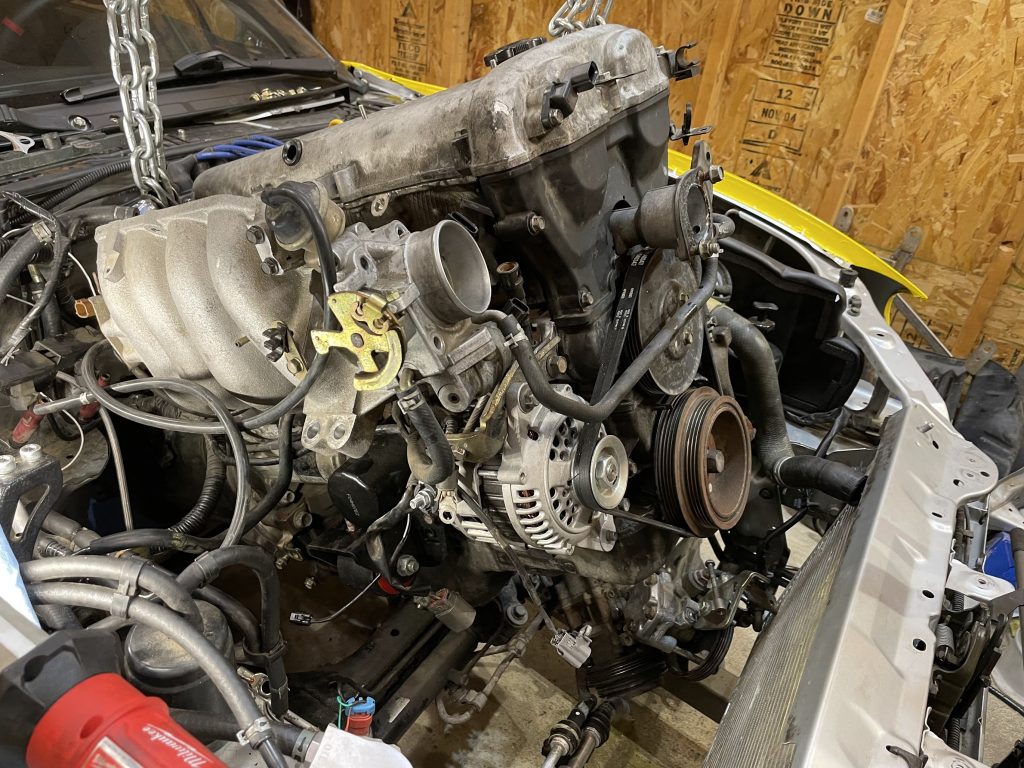
Installation, by contrast, presents a higher degree of difficulty. The alignment of the engine mounts with the subframe mounting points requires precision, often necessitating minor adjustments to the hoist height and the angle of the transmission tail-shaft to ensure a seated fit without damaging the mounting hardware or the firewall.
Mitigating the "British Disease": Oil Leak Remediation
The Mazda B-series engine, though Japanese in origin, was philosophically inspired by classic British roadsters like the Lotus Elan. Unfortunately, this inspiration extends to a propensity for oil leaks. Over time, the gaskets and seals of the BP engine degrade, leading to significant oil loss and potential engine bay contamination.
The overhaul addressed several high-probability leak points:
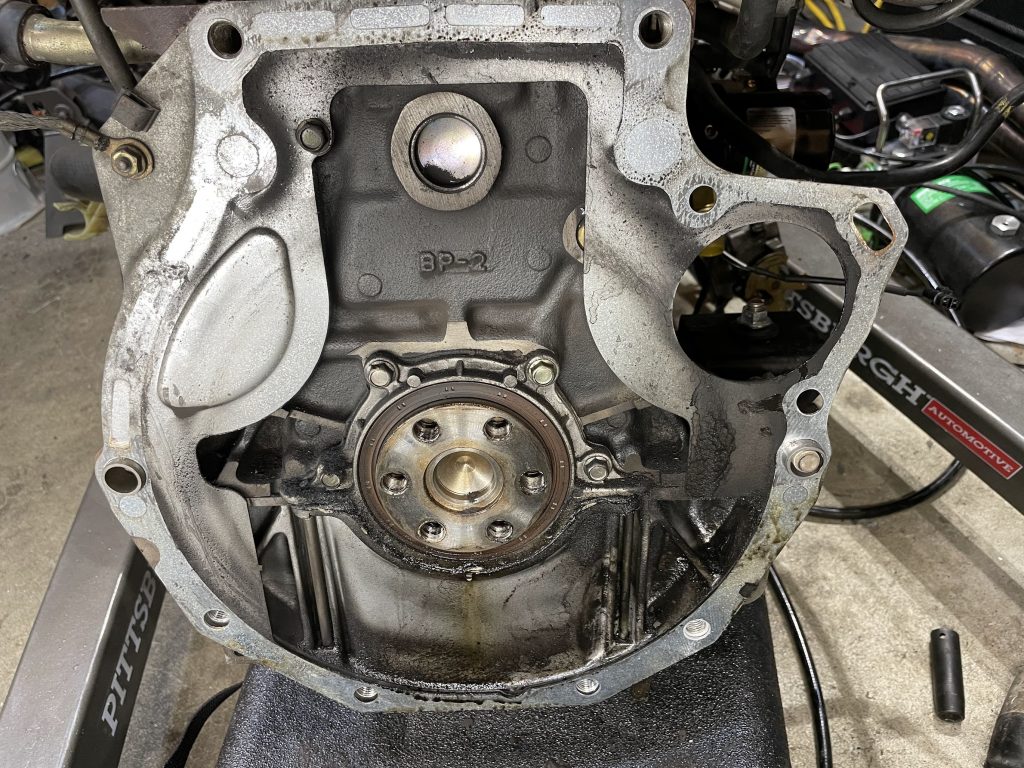
- The Rear Main Seal: This is perhaps the most critical seal in the engine, located where the crankshaft exits the block to meet the flywheel.
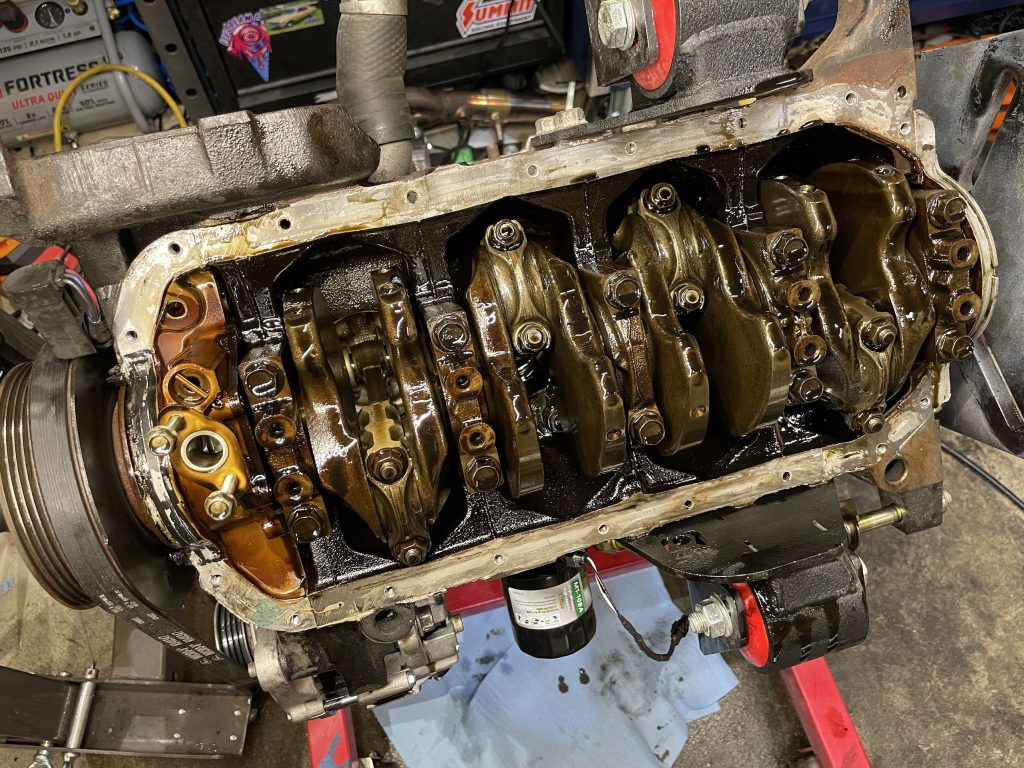
- The Oil Pan and Baffle Plate: The Miata utilizes a complex two-piece oil pan design with a windage tray/baffle plate sandwiched between the aluminum pan and the engine block.
- Transmission Seals: Both the input shaft seal and the output shaft seal were replaced to prevent gear oil from contaminating the new clutch or leaking onto the driveshaft.
A notable technical challenge during this phase involved the oil pan. The original pan featured stripped drain plug threads—a common result of over-torquing during routine maintenance. The solution involved sourcing a replacement pan and meticulously cleaning the mating surfaces. It is important to note that the baffle plate is easily deformed during removal; industry experts recommend using a dedicated gasket separator tool rather than prying, which can lead to permanent misalignment and subsequent leaks. To ensure a perfect seal on the rear main, a Flyin’ Miata seal installer tool was utilized, providing a uniform press-fit to the exact depth required by factory specifications.
Drivetrain Optimization: Clutch and Flywheel Dynamics
With the engine removed, the opportunity to upgrade the drivetrain was seized. The factory clutch and flywheel in the NB Miata are designed for comfort and ease of use, but they often lack the bite required for spirited track use or increased power levels.
The project integrated a Supermiata Sport Clutch, featuring an organic friction material. This choice represents a balance between daily drivability and performance. Unlike "puck-style" racing clutches, which can be binary in their engagement, an organic sport clutch allows for the modulation necessary in stop-and-go traffic while offering a significantly higher torque capacity than the OEM unit.
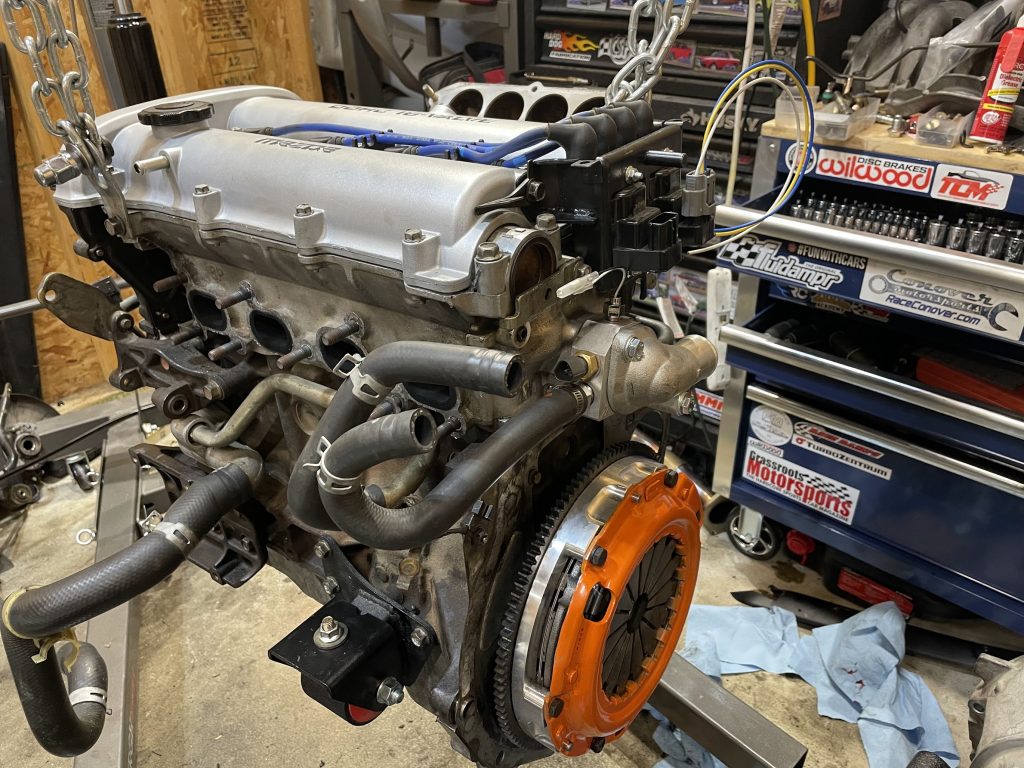
Complementing the clutch was a 9lb lightweight aluminum flywheel. The physics of this upgrade are straightforward: by reducing the rotational mass (inertia) of the crankshaft assembly, the engine can accelerate and decelerate more rapidly. This results in faster throttle response and easier rev-matching during downshifts. While a lighter flywheel can theoretically make the car easier to stall from a standstill, the 9lb weight is generally considered the "sweet spot" for the BP engine, maintaining enough inertia for street use while transforming the engine’s character during high-RPM shifts.
Thermal Management: The Hawley Performance Coolant Reroute
One of the most significant engineering flaws of the Miata’s engine layout stems from its history. The BP engine was originally designed for front-wheel-drive (FWD) applications where it sat transversely. In that configuration, coolant entered one side of the head and exited the other, ensuring even cooling across all four cylinders. When Mazda rotated the engine 90 degrees for the rear-wheel-drive Miata, they moved the thermostat to the front of the engine, near the water pump. This created a "dead end" for coolant at the rear of the head, leading to significantly higher temperatures in cylinder number four.
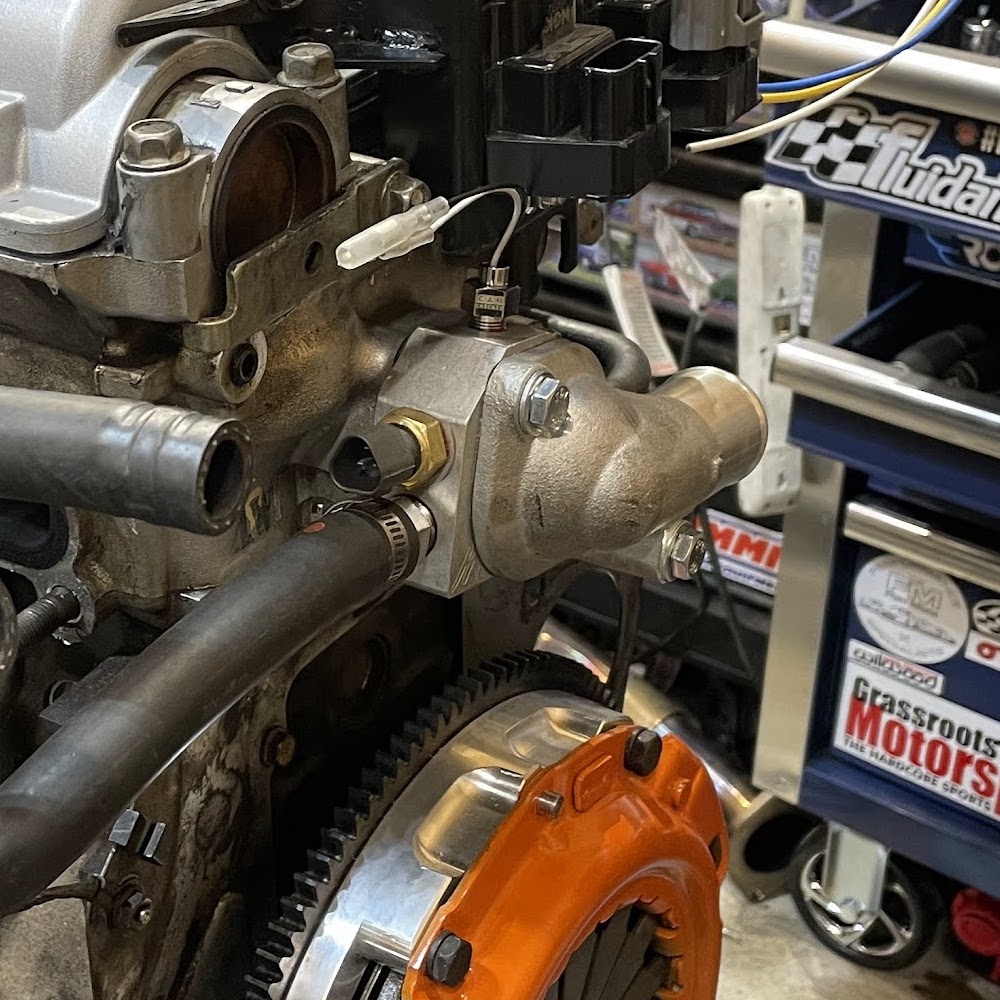
To rectify this, a Hawley Performance coolant reroute kit was installed. This modification effectively restores the original FWD cooling path, moving the thermostat to the rear of the head and forcing coolant to flow past all cylinders before exiting to the radiator. Data from track-tested Miatas suggests that a reroute can lower cylinder head temperatures at the rear of the engine by as much as 20 to 30 degrees Fahrenheit. While the Hawley kit is lauded for its cost-effectiveness and use of off-the-shelf components, the installation highlights why Mazda opted for the front-exit design: the clearance between the rear of the engine and the firewall is extremely tight, making any future maintenance on the thermostat housing a labor-intensive task.
Induction and Aesthetics: The Flattop Manifold Swap
The final major component of the overhaul was the installation of a European/Japanese Market (EUDM/JDM) "Flattop" intake manifold. In the United States, the 1999–2000 Miatas were equipped with the VICS manifold, which uses butterfly valves to vary the volume of the intake plenum. While effective, the Flattop manifold—found in markets without strict EGR requirements—features a larger, more streamlined internal volume.
The Flattop manifold is highly coveted by racers because it sacrifices a small amount of low-end torque for a significant gain in the 5,000 to 7,000 RPM range. Furthermore, it simplifies the engine bay by removing the vacuum lines and solenoids required to operate the VICS butterflies. To complete the engine’s transformation, the valve cover and the new manifold were refinished in an OEM-style aluminum paint, providing a clean, "factory-plus" aesthetic that resists the visible wear of heat cycles.
Post-Operational Analysis and Future Outlook
Despite the meticulous nature of the overhaul, the project serves as a reminder of the complexities inherent in vintage automotive restoration. After approximately 500 miles of testing, a minor oil leak was detected at the rear of the engine. Such an occurrence is a common frustration in the Miata community, often attributed to the extreme difficulty of perfectly sealing the "half-moon" sections of the oil pan or a microscopic defect in the rear main seal itself.
The current strategy involves monitoring the leak while preparing a secondary, "healthy" BP4W engine sourced from a specialist importer, Prestige Spares in the United Kingdom. This move toward a "spare engine" strategy is increasingly common among track enthusiasts. By having a second engine on a stand, the owner can perform a full blueprint and rebuild without taking the vehicle off the road for months at a time.
In conclusion, the NB Miata remains a premier platform for those interested in mechanical engineering and automotive performance. While the engine pull revealed the challenges of aging seals and the limitations of 1990s cooling design, it also demonstrated the incredible depth of the aftermarket ecosystem. Through the integration of modern sealing tools, high-performance drivetrain components, and corrected cooling geometry, the BP engine can be elevated far beyond its original factory specifications, ensuring its continued relevance on both the street and the circuit. The upcoming months will determine if the current epoxy-based repairs on the oil pan will suffice or if the arrival of a replacement engine will signal the beginning of a new chapter in this vehicle’s mechanical evolution.