Retno Hari Mulyono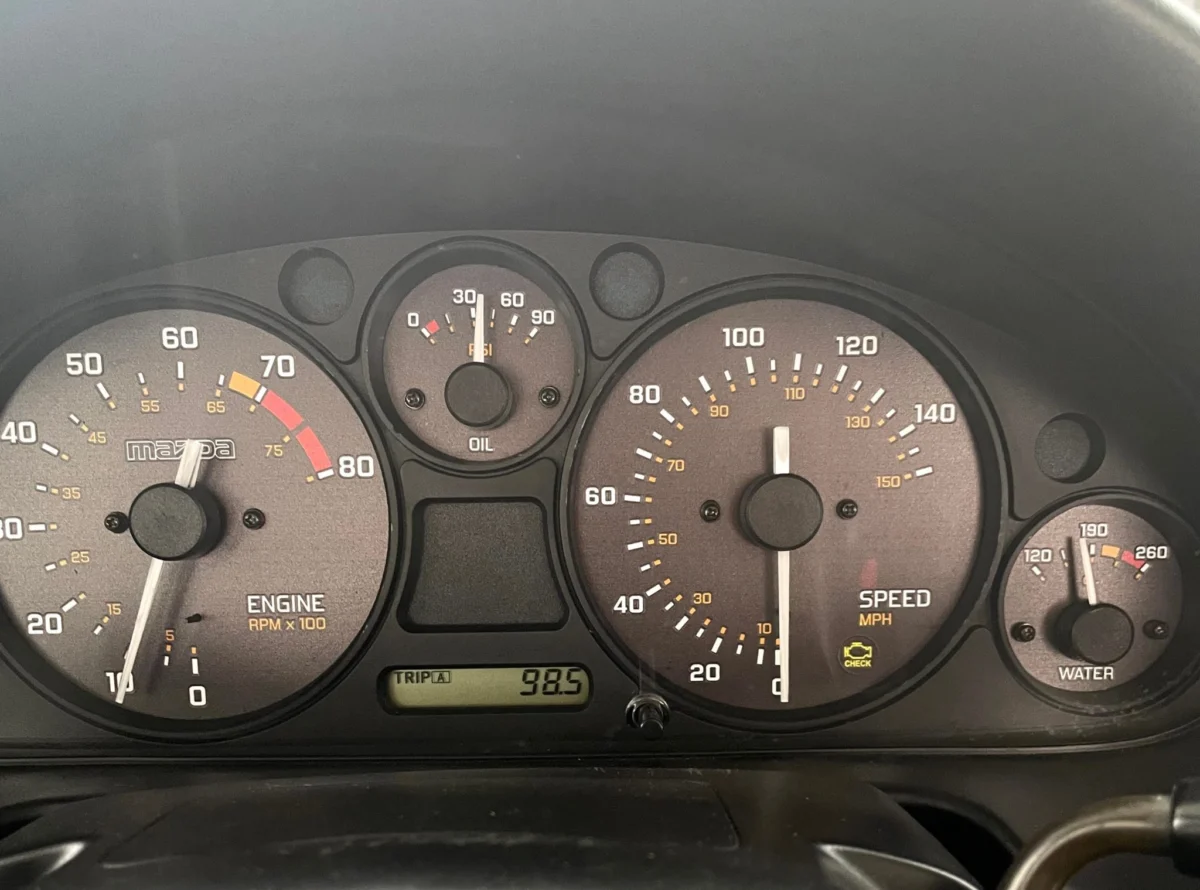
The second-generation Mazda MX-5, known internally as the NB chassis, remains a cornerstone of the global enthusiast and amateur racing communities. Produced between 1998 and 2005, the NB refined the lightweight roadster formula established by its predecessor, the NA. However, as these vehicles transition from weekend cruisers to dedicated track and autocross machines, a significant limitation has emerged: the inadequacy of the factory instrumentation. For drivers pushing the limits of the 1.8-liter BP engine, the stock dashboard offers more of a general suggestion than a precise readout of engine health. This technical deficiency has prompted a surge in aftermarket solutions, ranging from traditional analog pods to sophisticated digital integration systems.
The Technical Limitations of Factory NB Instrumentation
To understand the necessity of aftermarket gauges, one must first analyze the engineering choices Mazda made during the late 1990s. The NB Miata’s gauge cluster follows a standard five-gauge layout: fuel level, coolant temperature, oil pressure, tachometer, and speedometer. While visually clear, the operational logic of the secondary gauges is fundamentally flawed for performance applications.
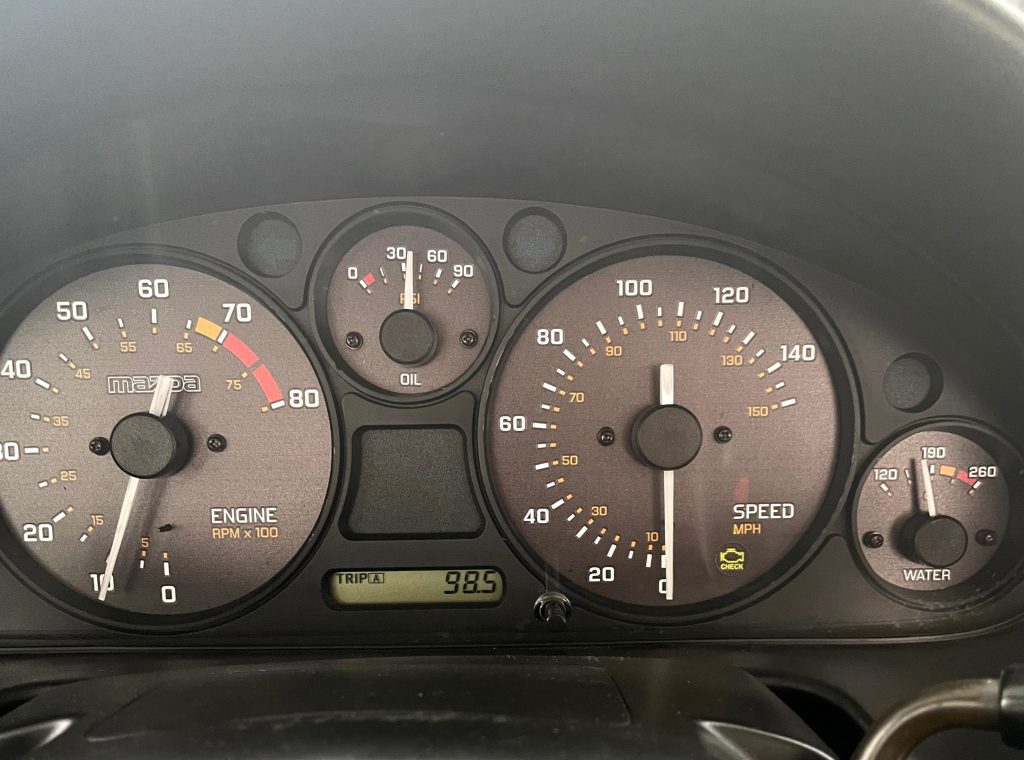
The factory oil pressure gauge in the NB Miata is widely characterized by engineers and enthusiasts as a "dummy gauge." Unlike the early NA6 models (1990–1993) which featured a linear, functional oil pressure sender, the NB utilizes a basic pressure switch. This switch is calibrated to trigger once oil pressure exceeds approximately 7 PSI. Consequently, the needle on the dashboard moves to a static "normal" position and remains there regardless of whether the engine is producing 15 PSI at idle or 60 PSI at high RPM. For a high-performance engine, particularly those equipped with forced induction, the inability to detect a gradual drop in pressure or high-RPM cavitation can result in catastrophic bearing failure before the driver is even aware of a problem.
Similarly, the factory coolant temperature gauge employs a heavy buffering logic. The needle is programmed to reach a center-point "operating temperature" and stay there across a wide thermal range—typically between 160°F and 210°F. By the time the needle begins to move toward the "hot" zone, the engine is often already in a state of localized boiling or head gasket distress. This lack of granularity makes it impossible for drivers to monitor the effectiveness of cooling modifications or to detect early signs of cooling system fatigue during endurance events.
The Evolution of Cockpit Data Solutions
In the pursuit of accurate data, MX-5 owners have historically turned to a variety of mounting solutions. The most prevalent among these is the A-pillar triple gauge pod. This configuration allows for the installation of three 52mm analog or digital gauges, typically monitoring wideband air-fuel ratio (AFR), oil temperature, and boost pressure.
While functionally superior to stock, the A-pillar mount introduces significant ergonomic and safety trade-offs. Professional drivers and autocross participants have noted that the bulk of a triple-pod pillar creates a substantial blind spot at the A-pillar, which is particularly detrimental when navigating tight hairpins or spotting apexes on a track. Furthermore, the installation process often requires "sandwiching" the aftermarket pod over the factory plastic, leading to suboptimal fitment and a cluttered aesthetic. The sheer volume of wiring required to run individual power, ground, and signal lines for three separate gauges through the dashboard and into the pillar creates a "rats nest" that complicates future maintenance and troubleshooting.
Other common locations include the center console radio DIN slot and the outboard climate control vents. While the 52mm vent-mount solution is aesthetically pleasing and keeps the gauge within the driver’s line of sight, it sacrifices cabin airflow—a significant drawback in a vehicle with a small interior volume and high transmission tunnel heat.
The Digital Shift: CANchecked MFA 2.0 Integration
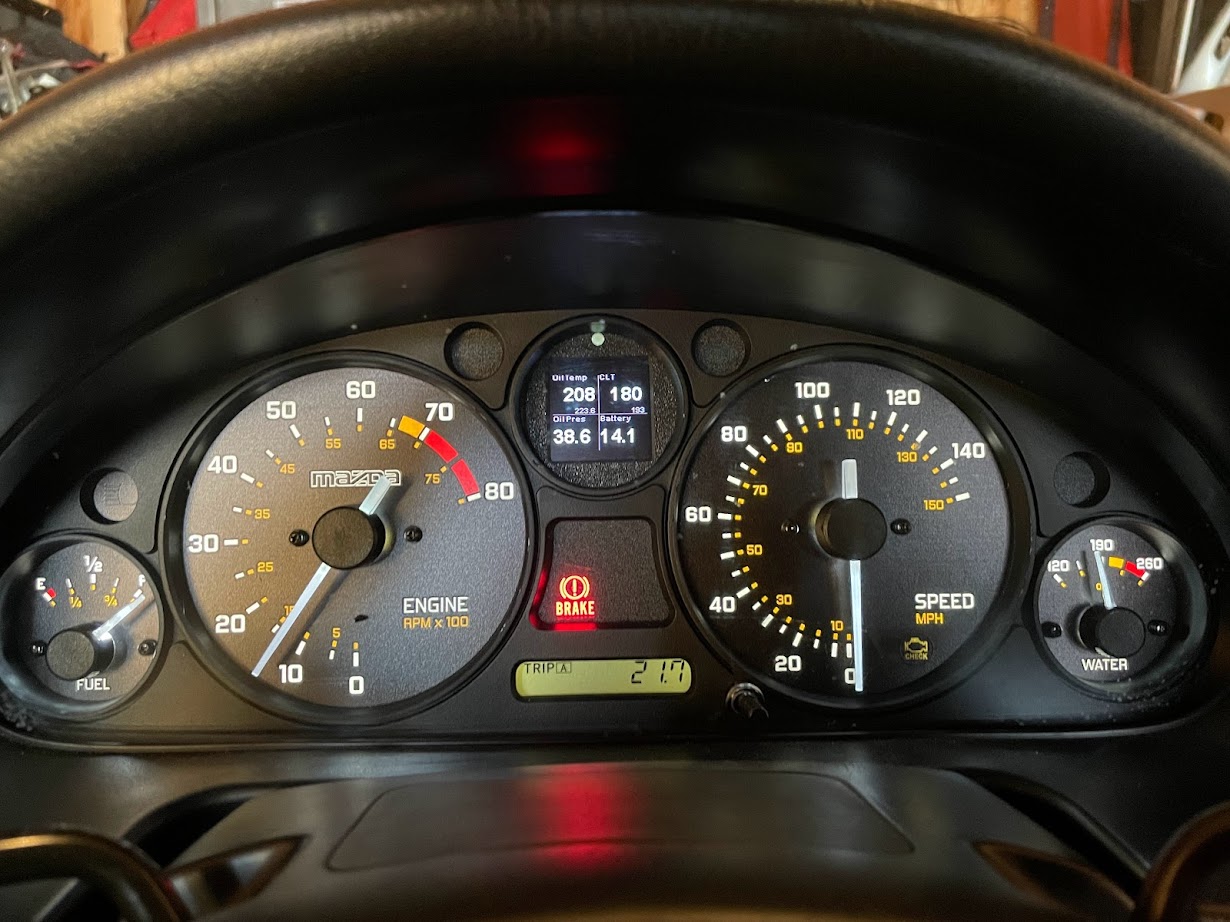
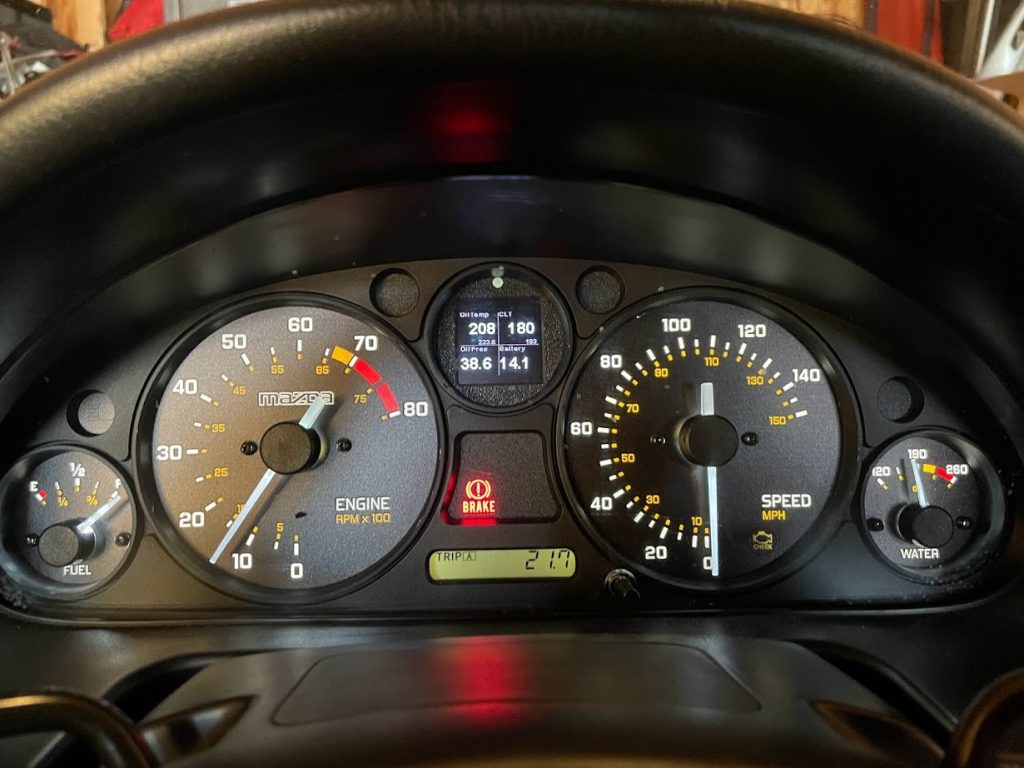
A more sophisticated solution has recently gained traction within the European and North American tuning scenes: the CANchecked MFA 2.0 multifunction display. This device represents a shift toward integrated digital telemetry, designed to fit seamlessly into the factory gauge cluster by replacing the redundant oil pressure gauge.
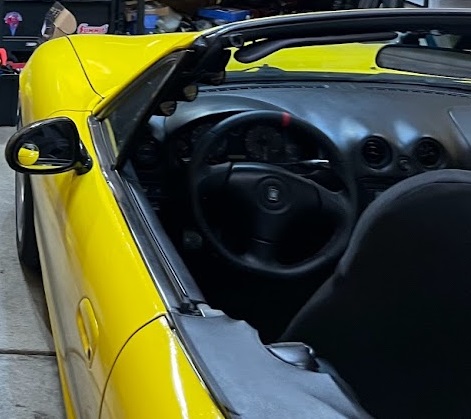
The CANchecked system utilizes a high-resolution LCD screen that can display up to six parameters simultaneously across multiple customizable "dashboards." The primary advantage of this system is its dual-input capability. First, it leverages the Controller Area Network (CAN bus) protocol. While the factory NB ECU does not utilize CAN bus for external telemetry, most modern standalone engine management systems (EMS)—such as the Megasquirt MS3 or Haltech Elite—output a constant stream of high-speed sensor data over a two-wire CAN high/low interface. By tapping into this stream, the CANchecked gauge can display any parameter the ECU sees, including manifold absolute pressure (MAP), ignition timing, intake air temperature (IAT), and ethanol content.
For sensors not currently wired to the ECU, the MFA 2.0 provides four discrete analog inputs. This allows for the direct connection of linear sensors, such as 1/8 NPT oil pressure and temperature senders. The integration of this data into a single screen located within the factory cluster eliminates the need for external pods and restores the driver’s peripheral visibility. However, field reports indicate that while the LCD provides excellent clarity in most conditions, it can suffer from legibility issues in direct sunlight—a common challenge for convertible owners.
Aesthetic Refinement via RevLimiter Instrumentation
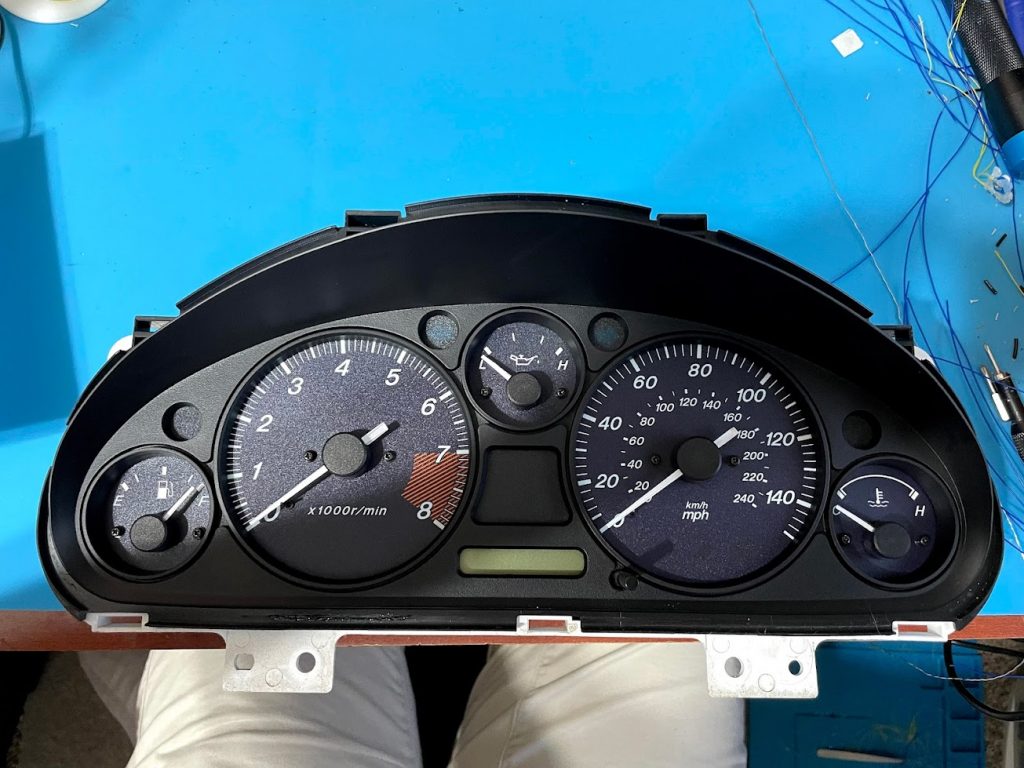
While the CANchecked system addresses the functional requirements of data logging, the aesthetic modernization of the NB Miata often involves the replacement of the factory gauge faces. The aftermarket firm RevLimiter has become the industry standard for this modification, offering gauge faces that meet or exceed Original Equipment Manufacturer (OEM) specifications.
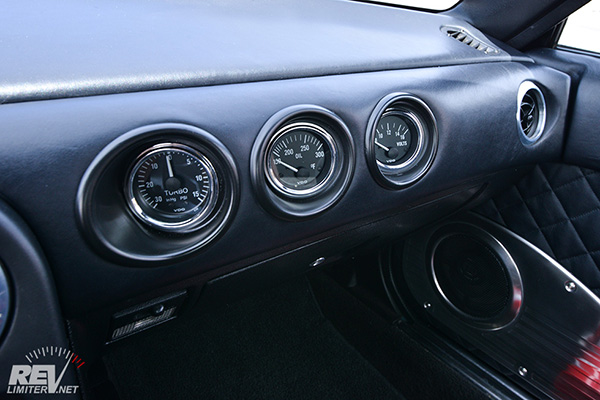
The RevLimiter "JNC" (Japanese Nostalgic Car) design is a popular choice for the NB chassis. It draws inspiration from classic 1960s and 70s Japanese performance instrumentation, featuring clean typography and a simplified layout. Unlike cheap vinyl overlays, these faces are manufactured from high-grade polycarbonate with precise light-blocking layers to ensure even illumination.
The installation of these faces is often paired with an upgrade to high-output LED bulbs. The factory NB cluster utilizes incandescent bulbs with green filters, which tend to dim and yellow over time. Transitioning to white LEDs provides a crisp, modern backlight that enhances the legibility of the new gauge faces, particularly during night driving. This combination of digital utility (CANchecked) and analog elegance (RevLimiter) creates a "restomod" interior that honors the Miata’s heritage while providing the data density required for modern tuning.
Comparative Analysis: Analog vs. Digital Telemetry
The transition from individual analog gauges to a centralized digital display reflects a broader trend in the automotive aftermarket. Industry data suggests that the "digital dash" market is expanding as the cost of small-format high-resolution screens decreases.
| Feature | Triple A-Pillar Pod (Analog/Digital) | CANchecked MFA 2.0 (Integrated LCD) |
|---|---|---|
| Visibility | Obstructs A-pillar; high blind spot risk | Zero obstruction; integrated into cluster |
| Data Points | Limited to 3-4 physical gauges | Virtually unlimited via CAN bus pages |
| Wiring Complexity | High (12+ wires for 3 gauges) | Low (Power, Ground, 2-wire CAN bus) |
| Aesthetics | "Tuner" look; often poor fitment | "OEM Plus" look; factory integration |
| Cost | $300 – $600 (Gauges + Pod) | $450 – $550 (Single Unit) |
From a journalistic standpoint, the move toward integrated displays is an objective improvement in vehicle safety. By keeping the driver’s eyes focused on the primary instrument cluster and removing physical obstructions from the windshield area, the risk of accidents during high-speed maneuvers is statistically reduced.
Future Implications: The Role of Advanced Data Logging
The integration of devices like the CANchecked MFA 2.0 is often the first step toward a comprehensive data-driven driving strategy. Enthusiasts are increasingly looking toward professional-grade logging systems, such as the RaceCapture/Pro, to augment their dashboard displays.
These systems go beyond engine health, incorporating high-frequency GPS (25Hz or higher) and 6-axis accelerometers to map vehicle G-forces and lap times. Future modifications for the NB platform are expected to include the integration of brake pressure sensors, throttle position sensors (TPS) for non-VVT models, and linear potentiometers for suspension travel. This level of telemetry, once reserved for professional GT3 or Formula teams, is becoming accessible to the grassroots racer.
The ultimate goal for the modern Miata enthusiast is the synthesis of information. By logging ECU data over CAN bus alongside GPS coordinates, a driver can analyze exactly how engine temperatures or AFR fluctuations correlate to specific sections of a race track. For instance, a drop in oil pressure in a high-G left-hand turn can be identified immediately, prompting the installation of a baffled oil pan before engine damage occurs.
Conclusion
The modernization of the Mazda MX-5 NB’s instrumentation is more than a cosmetic endeavor; it is a necessary evolution for a platform that continues to be pushed to its mechanical limits. The shift from "dummy" factory gauges to integrated digital solutions like the CANchecked MFA 2.0, supported by the aesthetic precision of RevLimiter faces, represents a significant leap in both functionality and safety. As data acquisition technology continues to democratize, the NB Miata remains a premier example of how classic analog driving dynamics can be successfully married to 21st-century digital precision. The result is a more informed driver, a more reliable engine, and a safer environment on both the street and the circuit.