 Indra Gunadi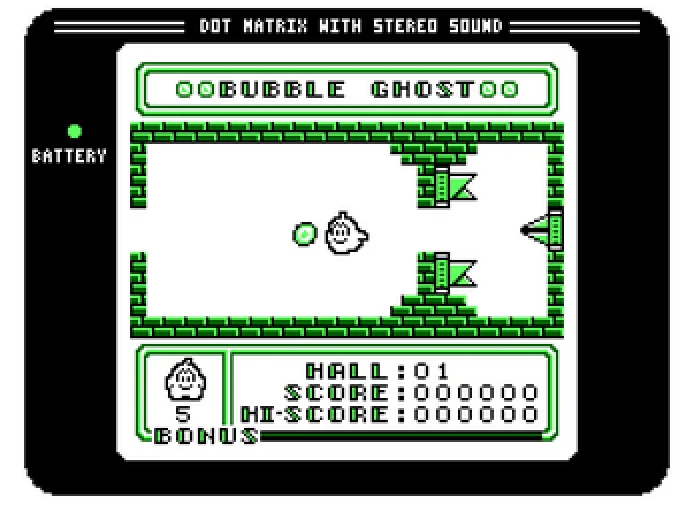
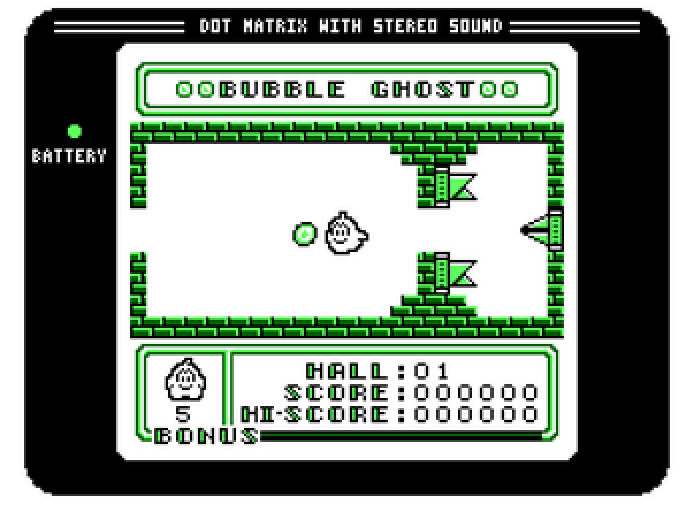
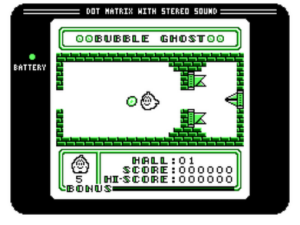
The Amstrad CPC homebrew scene has received a significant addition with the release of Bubble Ghost 2026, a faithful fan-made conversion of the classic 1990 puzzle-platformer originally developed for the Nintendo Game Boy. Created by the developer known as kirby2000, the title marks an intriguing intersection of classic 8-bit architecture and modern development methodologies, specifically incorporating AI-assisted coding to bring the challenging gameplay of the original title to the Zilog Z80-based Amstrad hardware.
Origins and Gameplay Mechanics
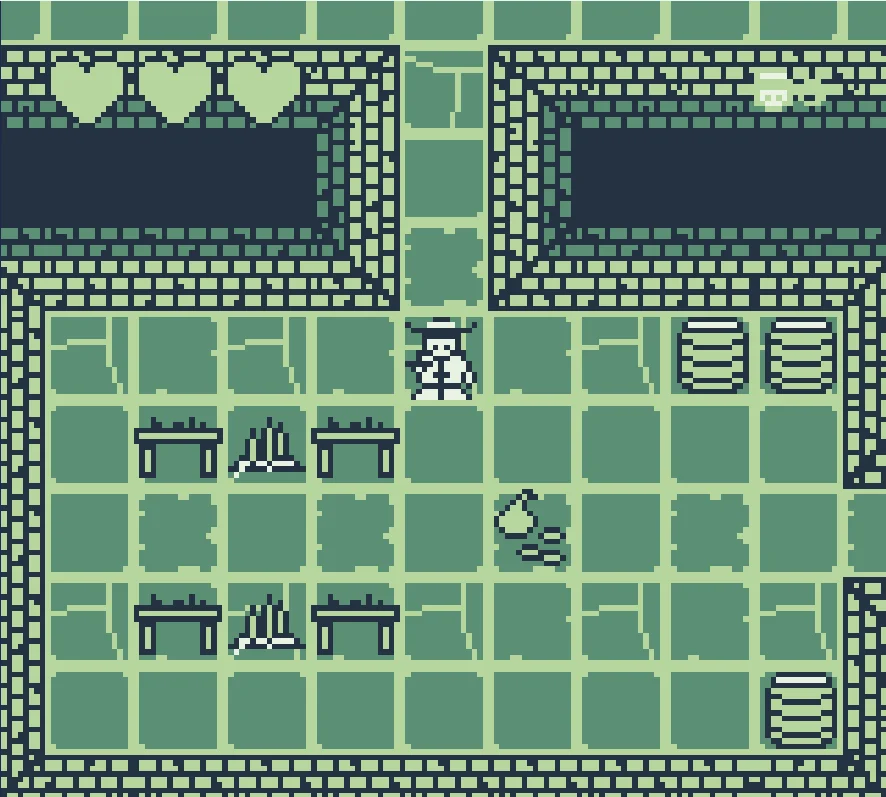
The premise of Bubble Ghost remains unchanged from its predecessor: the player controls a specter tasked with guiding a fragile bubble through a series of 35 interconnected haunted halls. The core mechanic relies on the ghost’s inability to make physical contact with the bubble, as the bubble will burst upon impact. Instead, the player must use their "breath" to blow the bubble through obstacles. This requires precision, as the environment is littered with hazards such as flickering candles that must be extinguished, sharp spikes, and mechanical fans that alter the trajectory of the bubble.
The original game, released by Infogrames in 1990, was noted for its unique physics and high difficulty curve. Bringing this experience to the Amstrad CPC—a machine with distinct graphical and audio capabilities compared to the Game Boy—presents a significant technical challenge in terms of sprite handling and collision detection.
The Role of AI in Retro Development
A notable aspect of the release is the developer’s transparent disclosure that artificial intelligence was utilized in the creation of the game’s code. This inclusion highlights a growing trend within the homebrew community, where developers are increasingly using Large Language Models (LLMs) and code-generation tools to assist with the complexities of assembly language and cross-platform porting.
For the Amstrad CPC, which utilizes the Z80 processor, writing efficient code is paramount. By leveraging AI-assisted workflows, developers can accelerate the translation of logic from modern high-level environments or reverse-engineered Game Boy binaries into the machine code required for 8-bit hardware. This practice has sparked internal debates among enthusiasts regarding the "authenticity" of modern ports, yet proponents argue that these tools allow solo developers to complete ambitious projects that would otherwise take years to finalize.
Technical Context of the Amstrad CPC
The Amstrad CPC series, launched in 1984, remains a staple of the European retro-computing market. With its 64KB or 128KB of RAM and a palette of 27 colors, the machine offers a distinct aesthetic that differs significantly from the monochrome green-tinted display of the original Nintendo Game Boy.
The porting process requires a complete overhaul of the original assets. While the Game Boy utilized a 160×144 pixel resolution, the Amstrad CPC’s standard modes offer different aspect ratios and color depth requirements. The work done by kirby2000 involves mapping the original logic to the CPC’s screen modes, ensuring that the scrolling mechanics and object interaction feel consistent with the 1990 experience. Data analysis of the current homebrew landscape suggests that titles like Bubble Ghost 2026 serve as a bridge, keeping the Amstrad platform relevant to a new generation of players who may not have owned the original hardware during its commercial lifespan.
A Chronology of the Bubble Ghost Legacy
The timeline of the Bubble Ghost franchise spans over three decades, illustrating the longevity of puzzle-based game design:
- 1990: The original Bubble Ghost is released for the Nintendo Game Boy, garnering attention for its unique "blow-the-bubble" mechanic.
- 1990s–2010s: The game gains a cult following as a hidden gem, often appearing in retro-gaming retrospectives focused on early handheld puzzle titles.
- 2020: Increased interest in 8-bit homebrew development leads to a surge in ports for machines like the Commodore 64 and ZX Spectrum.
- 2026: Kirby2000 completes the Amstrad CPC conversion, utilizing modern AI-assisted tools to streamline the implementation of the game’s 35-level structure.
Industry Implications and Community Reception
The release of Bubble Ghost 2026 serves as a case study for the evolution of software preservation. In the past, porting a game from one platform to another was a labor-intensive process requiring deep knowledge of both target and source architectures. Today, the synthesis of human-led creative design and AI-assisted implementation allows for a more rapid turnaround.
Critics of AI in game development often point to the potential for "code rot" or the lack of optimization when automated tools are used without sufficient oversight. However, the performance of the Amstrad version suggests that the developer maintained a strict standard, as the game’s collision detection—the most critical element of the experience—appears to function with the precision required for the high-difficulty levels of the later stages.
From a broader perspective, this release demonstrates the democratization of game development. By lowering the barrier to entry for complex coding tasks, developers are able to focus more on level design and artistic execution rather than the minutiae of memory management. This shift is likely to result in a higher frequency of high-quality ports appearing on legacy platforms throughout the remainder of the decade.
Future Outlook for Retro Porting
As more developers adopt these hybrid workflows, the distinction between "original" software and "fan-made" content continues to blur. The community has largely reacted with enthusiasm to Bubble Ghost 2026, viewing it as a preservation effort that keeps the spirit of the 1990 original alive.
Furthermore, the release underscores the importance of source code transparency. By openly declaring the use of AI, the developer invites a conversation about the methodology behind the game, which is essential for historical documentation. For the Amstrad CPC, which continues to enjoy a robust ecosystem of active users, this release acts as a milestone, showcasing that even decades-old hardware can support modern development workflows.
Concluding Analysis
Bubble Ghost 2026 is more than a simple port; it is an artifact of the changing landscape of software engineering. By successfully translating the gameplay experience of a 34-year-old handheld title to a distinct 8-bit platform through the use of modern tools, the project provides a blueprint for how classic games can be maintained and enjoyed by future audiences.
The success of this project suggests that the future of retro-gaming does not lie solely in the discovery of long-lost source code, but in the intelligent recreation of classic experiences through the integration of human ingenuity and machine-assisted efficiency. Whether this trend will lead to a glut of low-quality ports or a golden age of high-fidelity conversions remains to be seen, but for now, Bubble Ghost 2026 stands as a testament to the enduring appeal of the puzzle genre and the persistent creativity of the homebrew community. As the industry looks toward the next wave of retro-enthusiast developments, the focus will likely remain on optimizing the balance between AI-assisted speed and the manual, artistic polish that defines the most beloved titles of the 8-bit era.