 Cecilia Chamidah Nur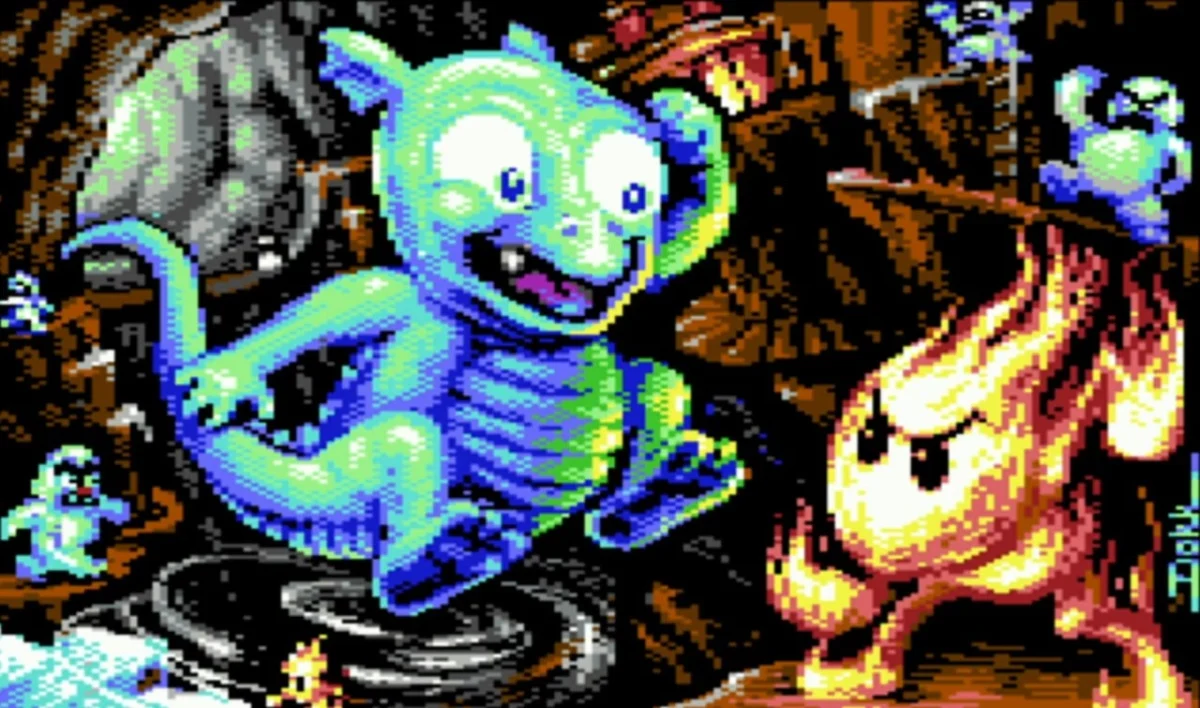
A Legacy of Development Excellence
The pedigree behind Binky: Frozen in Time is perhaps its most compelling feature. Developed by Snowball Games, the project is spearheaded by industry veterans Chris Shrigley and Terry Lloyd. To the seasoned C64 enthusiast, these names are synonymous with the golden age of British game development. Their combined portfolios read like a history book of 8-bit classics, featuring titles such as the physics-defying Bounder, the high-octane Bulldog, the atmospheric Future Knight, and the seminal, genre-defining Rick Dangerous.
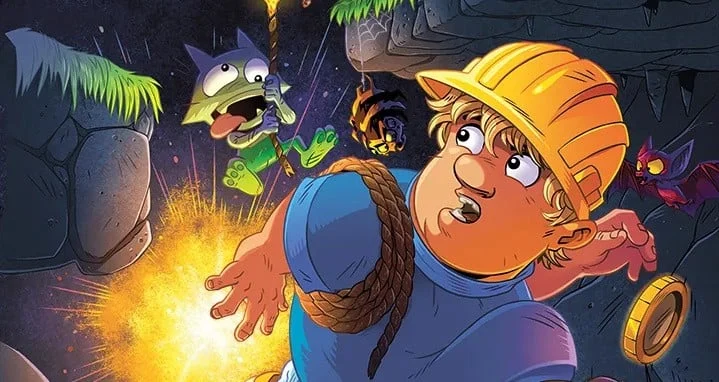
By reuniting these developers, Snowball Games has effectively bridged the gap between the creative sensibilities of the 1980s and modern independent distribution methods. The inclusion of cover art by Simon Phipps—a veteran of the iconic Gremlin Graphics—further cements the project’s commitment to an authentic, period-accurate aesthetic. The sensory experience is rounded out by a score from composer Tomas Danko, whose work with the C64’s proprietary SID (Sound Interface Device) chip ensures that the game’s auditory landscape remains faithful to the hardware’s unique sonic signature.
Core Gameplay and Mechanical Framework
At its heart, Binky: Frozen in Time is a study in precise, grid-based movement and environmental management. Players assume control of Binky, an ice dragon tasked with a simple yet increasingly demanding objective: traversing every platform within a cavern to leave a trail of frost. The core loop involves clearing each level of its hazards, coating surfaces in ice, and finally reaching an exit portal that triggers progression to the next stage.
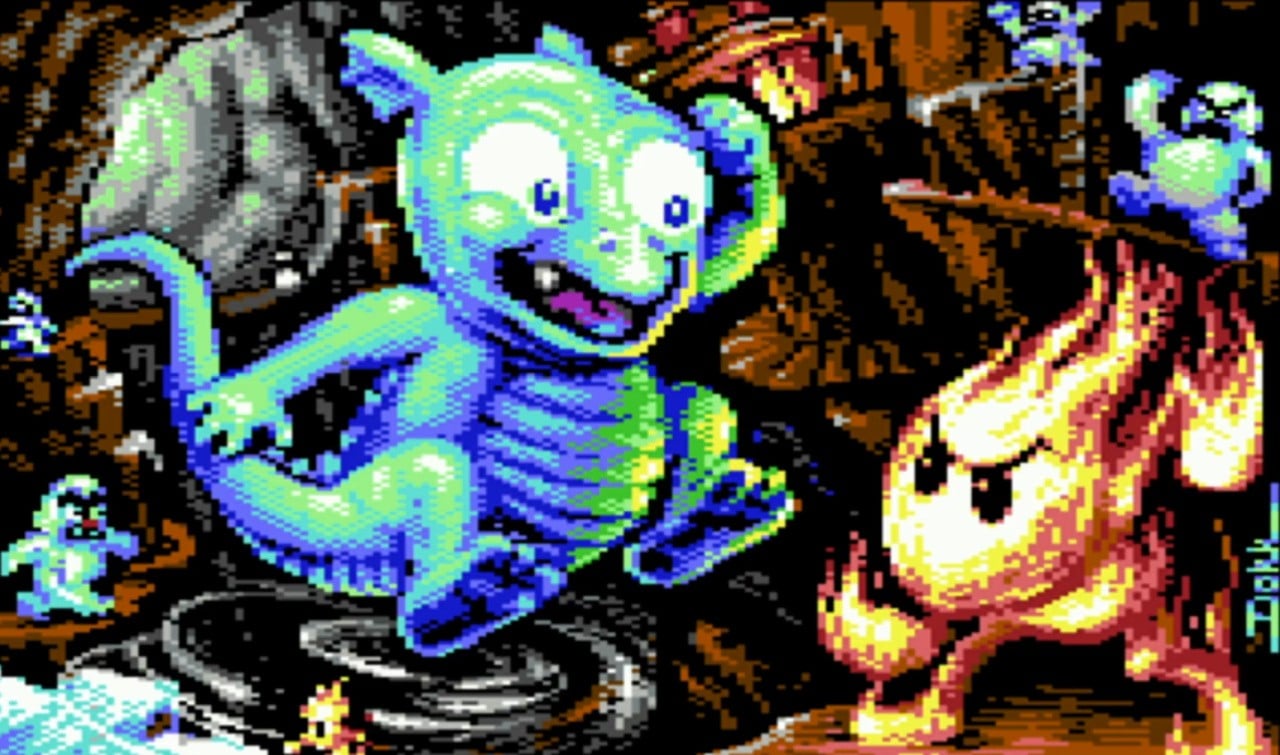
The game consists of 20 distinct caverns. While the premise remains consistent, the difficulty curve is designed to escalate through the introduction of increasingly complex environmental layouts and a variety of antagonistic entities. The design philosophy echoes the "easy to learn, difficult to master" ethos that fueled the arcade success of the 1980s, where success was contingent upon pattern recognition and efficient, calculated navigation.
The Evolution of the Commodore 64 Scene
The release of Binky: Frozen in Time arrives during a period of sustained interest in retro-computing. The "homebrew" scene—a movement of independent developers creating new software for obsolete hardware—has matured significantly over the last decade. No longer merely a hobbyist pursuit, these projects are now supported by professional publishing labels like Thalamus Digital, which provide digital storefronts, physical distribution, and marketing support.
This development ecosystem has been bolstered by the widespread availability of high-quality emulation tools, such as VICE (Versatile Commodore Emulator), which allows for accurate software testing and play across modern computing platforms. However, the appetite for physical media remains strong. Thalamus Digital has confirmed that while the game is currently available as a .D64 digital download, a physical release is in the planning stages. This reflects a broader trend in the retro gaming market where collectors increasingly value tangible assets, such as cassette tapes or floppy disks, as physical artifacts of digital history.
Perspectives from the Creative Team
Reflecting on the development process, Chris Shrigley has emphasized that the project was born from a genuine desire to honor the creative constraints and stylistic choices of the past. "I’ve always had a soft spot for the classic platformers," Shrigley noted in an official statement. "When Terry Lloyd suggested we make a proper homage to all the games we played and loved back in the day, I was all over it. I think we ended up with a cracking little game, chock full of nostalgia. It was fun to make, and we hope people will have fun playing it."

This statement highlights the "homage" element of modern retro development. Rather than attempting to push the hardware to its absolute breaking point with modern technical tricks, the team focused on replicating the specific "feel" of a 1980s platformer. This focus on design authenticity rather than technical showboating is a hallmark of the most successful retro-revival projects.
Technical Implications and Future Portability
While the C64 version is the primary focus, Snowball Games has outlined an ambitious roadmap for the future of the IP. The developers have expressed intent to port Binky: Frozen in Time to other pivotal 8-bit and 16-bit systems, including the Amiga, the Atari ST, and the ZX Spectrum.
The technical implications of these planned ports are significant. Translating a game from the C64 to the ZX Spectrum, for instance, requires a fundamental reassessment of color palette handling and sound generation, as the machines utilize entirely different architecture (the C64’s VIC-II and SID chips versus the Spectrum’s attribute-clash color system and beeper/AY sound capabilities). Successfully porting the title across these disparate platforms would demonstrate a high level of technical versatility and could serve as a model for future cross-platform retro development.
Broader Market Impact
The success of a title like Binky: Frozen in Time is indicative of a sustainable niche market. For the Commodore 64 specifically, which remains the best-selling single computer model of all time, the audience is aging but maintains high disposable income and a strong emotional connection to the platform.
Furthermore, the involvement of established entities like Thalamus Digital suggests a shift toward a more professionalized "indie retro" market. This provides a bridge for older developers to return to their roots while providing contemporary audiences with a window into the design philosophies of the 8-bit era. It also challenges the industry’s perception of "obsolete" technology, proving that software can be commercially viable long after the hardware manufacturer has ceased operations.
Analyzing the 8-Bit Renaissance
When analyzing the longevity of the C64, one must look at the intersection of nostalgia and accessibility. The hardware, while technically limited by modern standards, possesses a distinct charm and a library of tools that make development relatively accessible to those with assembly language knowledge or modern cross-compilation environments.
The arrival of Binky: Frozen in Time, therefore, is not merely a nostalgia play. It is a calculated release that benefits from a pre-existing, highly engaged community. By utilizing classic tropes—the single-screen platformer, the hazard-filled cavern, the escalating difficulty—the developers are tapping into a design language that remains intuitively understood by millions of players.
Conclusion: The Endurance of the Bread Bin
Binky: Frozen in Time serves as a testament to the enduring appeal of the Commodore 64. Through the collaboration of industry veterans and modern digital publishers, the project illustrates how the retro-gaming market has evolved from basement-level passion projects into a sophisticated sector of the broader gaming industry.

As the game makes its way into the hands of collectors and enthusiasts, its performance will likely serve as a benchmark for future retro releases. Whether it eventually reaches the Amiga, Atari ST, or ZX Spectrum remains to be seen, but the intent alone signals a commitment to the preservation and continued life of classic computing platforms. For the C64, the "bread bin" continues to provide a canvas for innovation, proving that even after four decades, the platform has not yet reached its final screen.