Cecilia Chamidah Nur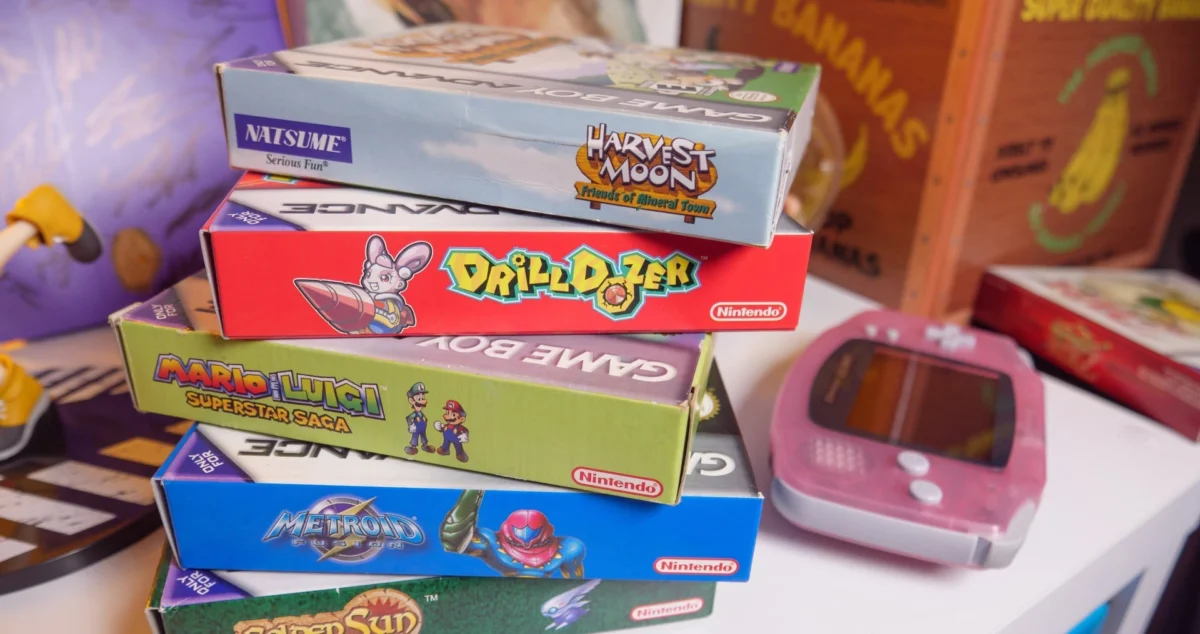
AYANEO’s Strategic Expansion into the Budget Handheld Market
AYANEO has carved out a niche for itself by producing high-performance, premium handheld gaming PCs, often featuring cutting-edge AMD processors and bespoke designs. Devices like the AYANEO 2, GEEK, and KUN have positioned the company as a challenger to established players and a direct competitor to Valve’s Steam Deck and ASUS’s ROG Ally in the enthusiast market. However, the introduction of the KONKR series signifies a deliberate pivot to address a broader consumer base, specifically targeting the more accessible, budget-friendly segment. This strategic diversification allows AYANEO to tap into different market demands, from high-fidelity modern gaming on the go to dedicated retro emulation experiences. The KONKR brand, previously associated with devices like the KONKR Pocket Fit, aims to deliver quality experiences at a lower price point, making handheld gaming more accessible.
The Enduring Legacy of the Game Boy Advance
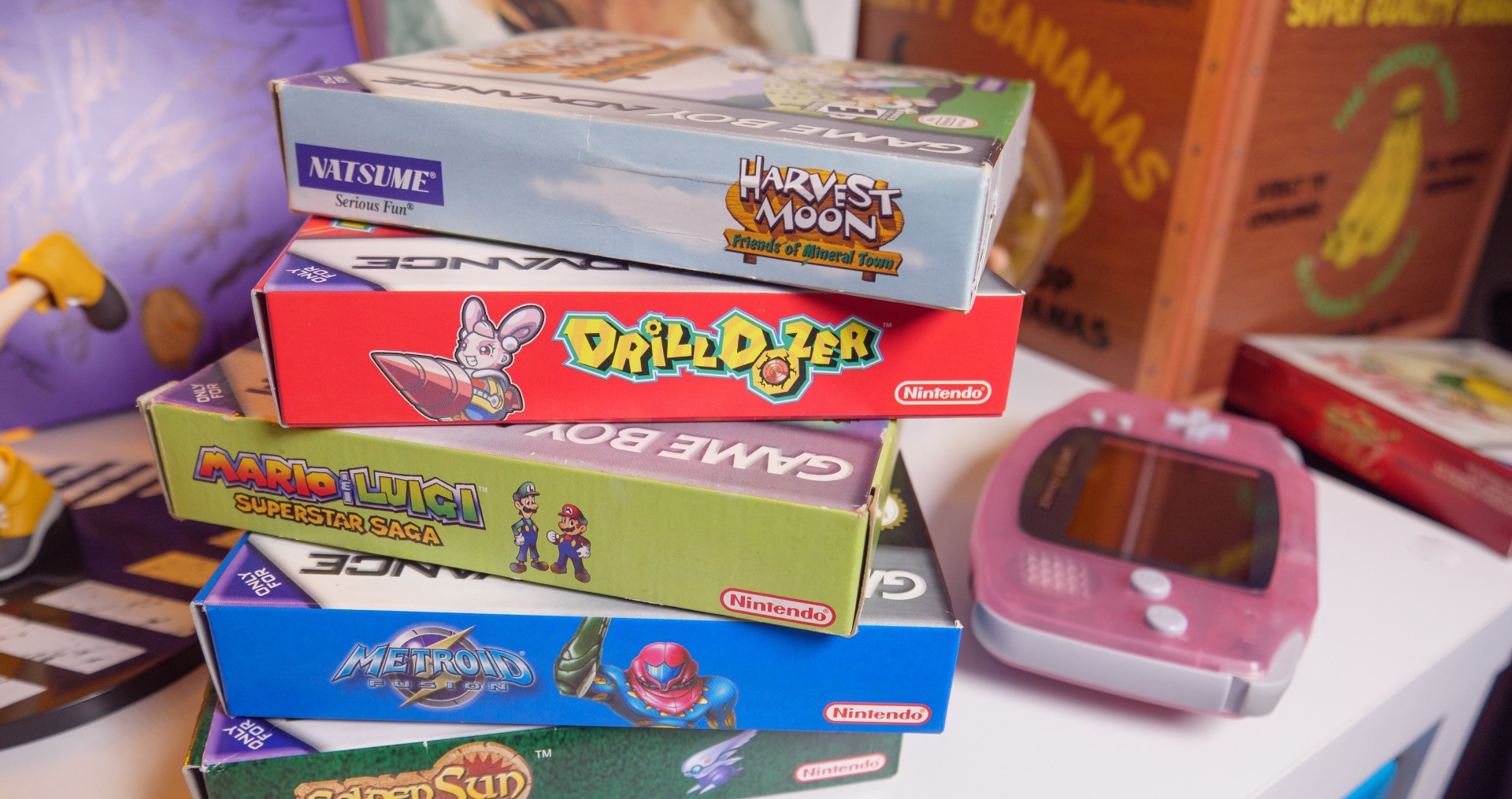
The decision to lean heavily on Game Boy Advance nostalgia is a calculated move, recognizing the console’s significant cultural impact and enduring appeal. Released by Nintendo in 2001, the Game Boy Advance was a revolutionary portable console that bridged the gap between 8-bit and 16-bit handheld gaming and the more powerful console experiences of its era. Its horizontal form factor, a departure from its vertical Game Boy predecessors, allowed for a wider screen, making it ideal for action-packed titles and RPGs. The GBA boasted a vibrant library of over 1,500 games, including critically acclaimed titles like Metroid Fusion, The Legend of Zelda: A Link to the Past (with Four Swords), Pokémon Ruby and Sapphire, and numerous SNES ports. Its impact was profound, solidifying Nintendo’s dominance in the handheld market for years and fostering a generation of portable gaming enthusiasts. The GBA’s unique ergonomic curve, often referenced in AYANEO’s teasers, became an iconic design element. For many, the GBA represents a "golden age" of portable gaming, a period when innovative titles were delivered on a highly portable and affordable platform. This deep-seated affection and recognition make the GBA an incredibly powerful source of inspiration for modern retro-focused devices.
Chronology of Teasers and the Unveiling of the KONKR Pocket Advance
AYANEO initiated its teaser campaign for the new device on July 3rd, signaling the imminent arrival of a "new product." The initial announcement was accompanied by evocative taglines such as "the soul of classic handhelds reawakened" and "reimagining the icon of the golden age." Crucially, this first visual cue included a drawing of a distinct curved line, immediately reminiscent of the top shell of the original Game Boy Advance. This visual, coupled with the nostalgic phrasing, left little doubt about the inspiration behind the new device. The announcement also explicitly stated that the upcoming handheld would be part of the "budget-friendly" KONKR range, setting expectations regarding its pricing and target market.
Following this initial reveal, AYANEO continued to release a series of cryptic tweets and social media posts over the subsequent days. These follow-up communications maintained a similar vein of vague marketing language, consistently invoking themes of "the golden age of portable gaming" and the rebirth of "a true icon." This iterative teasing strategy is common in the tech industry, designed to build suspense and maintain public interest ahead of a full product reveal. The culmination of this initial phase of the campaign was the official revelation of the device’s name: the KONKR Pocket Advance. While the name itself may be perceived by some as straightforward, it firmly establishes the product’s identity and its direct lineage to the classic handheld that inspired it. The consistency in messaging and the direct naming convention underscore AYANEO’s intent to position this device as a spiritual successor or homage to the GBA.
The Veil of Secrecy: Awaiting Concrete Details
As of the initial announcements, the KONKR Pocket Advance remains largely shrouded in mystery. Beyond the name and its retro-inspired marketing, specific details about the device are conspicuously absent. No official images of the hardware have been released, preventing any visual assessment of its design, build quality, or screen. More critically, the technical specifications, which are paramount for any gaming device, have not been disclosed. This lack of information includes crucial aspects such as the processor, RAM, storage, screen type (LCD or OLED), resolution, battery capacity, and operating system.
This strategic withholding of details is a common tactic, allowing companies to control the narrative and build maximum excitement before a comprehensive reveal. However, it also means that any definitive judgment on the KONKR Pocket Advance’s potential performance, value proposition, or true capability to "reawaken" the GBA experience remains speculative. Without these facts, consumers and industry analysts are left to infer based on AYANEO’s track record and the general trends within the budget handheld market. The company’s promise that the device is "coming soon" suggests that a more detailed unveiling, likely involving official images, spec sheets, and possibly even pricing, is imminent, expected to unfold over the next few days or weeks across AYANEO’s social media channels and official website.
Speculation on Specifications and Features in the Budget Segment
Given the "budget-friendly" designation and the GBA inspiration, several inferences can be drawn about the potential specifications and features of the KONKR Pocket Advance, albeit with the caveat that these are educated guesses based on current market trends:

- Processor: Unlike AYANEO’s premium x86-based handhelds, the KONKR Pocket Advance is highly likely to feature an ARM-based System-on-a-Chip (SoC). Budget-friendly retro handhelds typically utilize chips from manufacturers like Unisoc (e.g., T618, T750), MediaTek (e.g., Helio G99), or older Qualcomm Snapdragon variants. A capable ARM chip would be sufficient for emulating a wide range of retro systems up to and including the PlayStation 1, Nintendo 64, Dreamcast, and potentially some lighter PlayStation 2 or GameCube titles, in addition to the GBA itself.
- Display: To maintain a budget price point, an IPS LCD panel is the most probable choice. The resolution would likely be optimized for retro emulation, perhaps 720p or 1080p, offering a good balance between visual fidelity and processing demands. Given the GBA’s horizontal form factor, a widescreen aspect ratio is expected, though the exact dimensions and whether it will match the GBA’s unique 3:2 aspect ratio for pixel-perfect scaling remains to be seen.
- Controls: A layout inspired by the GBA would suggest a D-pad on the left, face buttons on the right, and shoulder buttons. However, to accommodate a wider range of modern emulation and potentially some Android games, the device is almost certain to include dual analog sticks, in addition to the standard D-pad and face buttons. Extra shoulder triggers (L2/R2) and potentially remappable back buttons are also common in contemporary handhelds.
- Operating System: As part of the KONKR series, the device is highly probable to run on Android. Android-based handhelds offer flexibility, access to a vast ecosystem of emulators through the Google Play Store, and the ability to play native Android games. Some devices also offer custom front-ends or launchers to streamline the gaming experience.
- Battery Life: For a portable device, battery life is crucial. A "budget-friendly" ARM chip generally offers better power efficiency than x86 counterparts, suggesting potentially several hours of gameplay depending on the intensity of emulation and screen brightness.
- Connectivity: Standard features like Wi-Fi, Bluetooth, a USB-C port for charging and data transfer, and possibly an HDMI out for TV connectivity are expected. A microSD card slot for expandable storage is almost a certainty, given the need to store numerous game ROMs.
These inferred specifications align with what the market generally expects from a device aiming to capture the spirit of classic handhelds while remaining accessible in terms of price.
The Competitive Landscape and Market Positioning
The budget-friendly handheld market is incredibly crowded and fiercely competitive. Companies like Anbernic, Retroid, Miyoo, and Powkiddy have established strong presences with a diverse array of retro-focused devices, ranging from ultra-portable keychain-sized emulators to more powerful handhelds capable of emulating PS2 and GameCube. The price points in this segment typically range from under $100 to around $300-$400.
The KONKR Pocket Advance, by positioning itself as "budget-friendly," will enter a market where consumers are highly price-sensitive but also increasingly demanding in terms of build quality, screen fidelity, and emulation performance. Its primary competitors will not be AYANEO’s own premium x86 devices, but rather other ARM-based Android handhelds that offer similar retro gaming capabilities. The GBA-inspired design could be a significant differentiator, provided the ergonomics and build quality live up to the nostalgia it aims to evoke. AYANEO’s brand recognition, typically associated with higher-end products, could give it an edge, but only if the KONKR Pocket Advance delivers a compelling user experience at a competitive price. The challenge will be to balance the allure of nostalgia with modern performance and features without alienating budget-conscious buyers.
Challenges and Consumer Expectations: The Shadow of Limited Supply
A significant concern highlighted in the initial report, and one that resonates within the handheld enthusiast community, is the issue of product availability. The article specifically references the AYANEO Pocket Micro 2, which reportedly sold out almost immediately, with only 100 devices allocated for overseas customers. This severely limited availability led to widespread disappointment among prospective buyers and raised questions about AYANEO’s ability to meet demand for its more niche products.
For the KONKR Pocket Advance, this historical context casts a long shadow. A device designed to tap into broad nostalgia and positioned as "budget-friendly" implicitly suggests a desire for wider market reach. If AYANEO repeats the pattern of extremely limited production runs, it risks alienating its target audience and undermining the very hype it is trying to generate. Consumers expect accessibility, especially for products in the "budget" category. A successful launch for the KONKR Pocket Advance will not only depend on its design and performance but crucially on its ability to be readily available to a global customer base. Addressing potential supply chain issues, ensuring robust manufacturing capacity, and transparent communication regarding inventory levels will be paramount for AYANEO to build trust and capitalize on the significant interest generated by its marketing campaign. Without adequate supply, the KONKR Pocket Advance, regardless of its merits, risks becoming another desirable but unobtainable collector’s item rather than a widely adopted retro gaming solution.
Broader Market Implications and Future Outlook
The launch of the KONKR Pocket Advance, if successful, could have several implications for AYANEO and the broader handheld gaming market. For AYANEO, it represents a crucial step in diversifying its product portfolio and establishing a stronger presence in the lower-cost segment. A well-received budget device could introduce the AYANEO brand to a new demographic of gamers, potentially leading them to consider the company’s more premium offerings in the future. It also demonstrates AYANEO’s agility in responding to different market demands and leveraging design inspiration effectively.
For the handheld market as a whole, the KONKR Pocket Advance reinforces the enduring appeal of retro gaming and the power of nostalgia. It also highlights the increasing trend of specialized handhelds catering to specific experiences, moving beyond general-purpose gaming PCs. The success or failure of this device will offer valuable insights into consumer appetite for retro-inspired form factors and the delicate balance between price, performance, and aesthetic appeal in a highly competitive niche. As the market continues to evolve, we can expect to see more manufacturers exploring similar strategies, attempting to capture the magic of past consoles within modern hardware.
Conclusion: Anticipation and Unanswered Questions
The AYANEO KONKR Pocket Advance has effectively captured initial attention by skillfully leveraging the potent nostalgia associated with the Game Boy Advance. Its positioning within the "budget-friendly" KONKR series suggests a concerted effort by AYANEO to broaden its market appeal and offer accessible retro gaming experiences. However, the true test of the device’s success will lie in the concrete details yet to be revealed. Consumers and critics alike eagerly await information regarding its specifications, design, pricing, and, critically, its availability. The shadow of past limited releases for other AYANEO devices looms large, underscoring the importance of robust supply chain management for a product aimed at a mass market. As AYANEO promises a "coming soon" release, the industry watches to see if the KONKR Pocket Advance can truly reawaken the soul of classic handhelds and deliver a worthy homage to the golden age of portable gaming, or if it will be another fleeting promise in a crowded market.