Vera Clarissa
Apple officially announced the developer beta of iOS 27 at its Worldwide Developers Conference (WWDC) on June 8th, 2026, signaling a significant evolution for its flagship mobile operating system. Scheduled for a public release in September 2026, iOS 27 arrives as part of a broader suite of operating system updates, including macOS Golden Gate, iPadOS 27, visionOS 27, watchOS 27, and tvOS 27. Industry observers are likening this release to the highly regarded "Snow Leopard" era of macOS, suggesting a focus on refined performance, enhanced stability, and substantial under-the-hood improvements rather than a radical visual overhaul. This approach aims to build upon the foundation laid by iOS 26, introducing a host of new features and optimizations, most notably an enhanced "Liquid Glass UI" with adjustable translucency levels.

A key aspect of the iOS 27 announcement is Apple’s commitment to device longevity. Notably, no iPhone models have been deprecated from support with this latest iteration. This means that any iPhone 11 or newer model will be compatible with iOS 27, extending the usable life of a wide range of devices. Apple has emphasized that its most advanced CPU scheduler, incorporating significant algorithmic advancements, has been optimized and distributed across all supported devices, promising a tangible performance boost for users regardless of their hardware. This strategic decision to maintain broad compatibility underscores Apple’s ongoing efforts to balance innovation with user accessibility and sustainability.
A New Era of Intelligence: Siri and Apple Intelligence
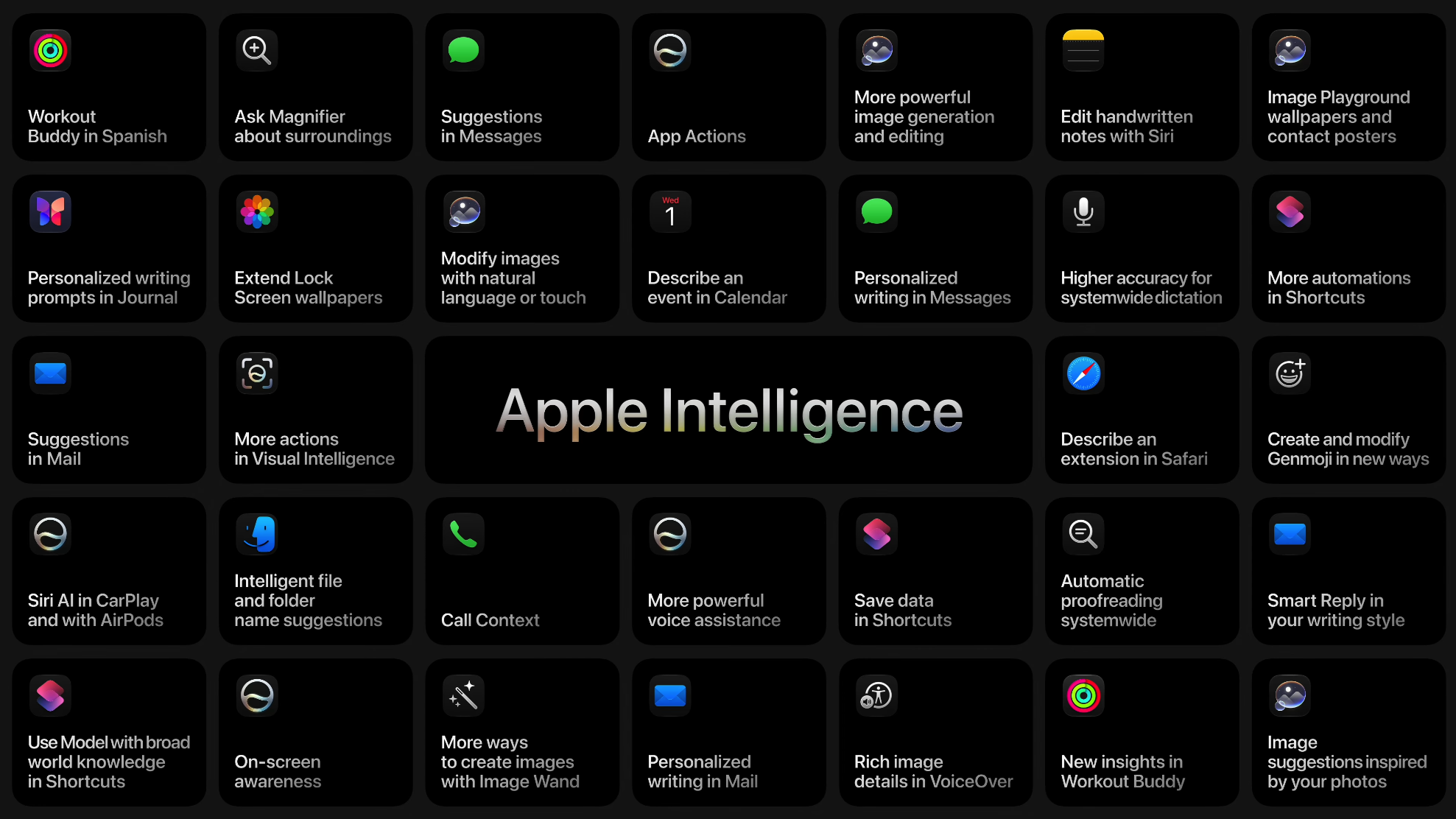
At the heart of the iOS 27 update lies the much-anticipated integration of Apple Intelligence, a new personal intelligence system designed to bring AI capabilities to the forefront of the user experience. This system leverages a dual approach, utilizing both on-device processing for speed and privacy, and private cloud compute for more complex tasks. Apple has strongly emphasized its commitment to user privacy, assuring that personal data is not stored and that the system is built with individual privacy as a paramount concern.
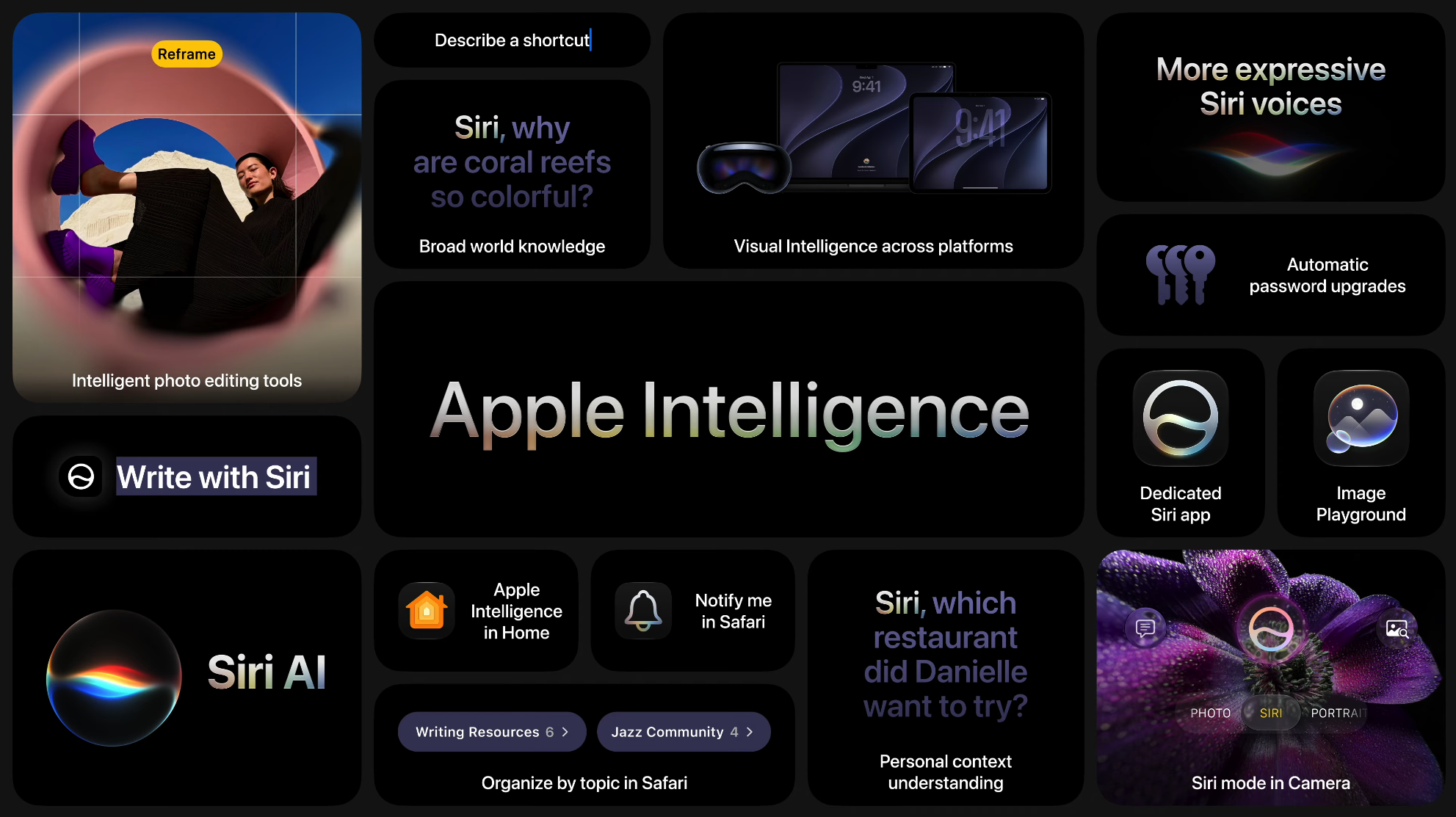
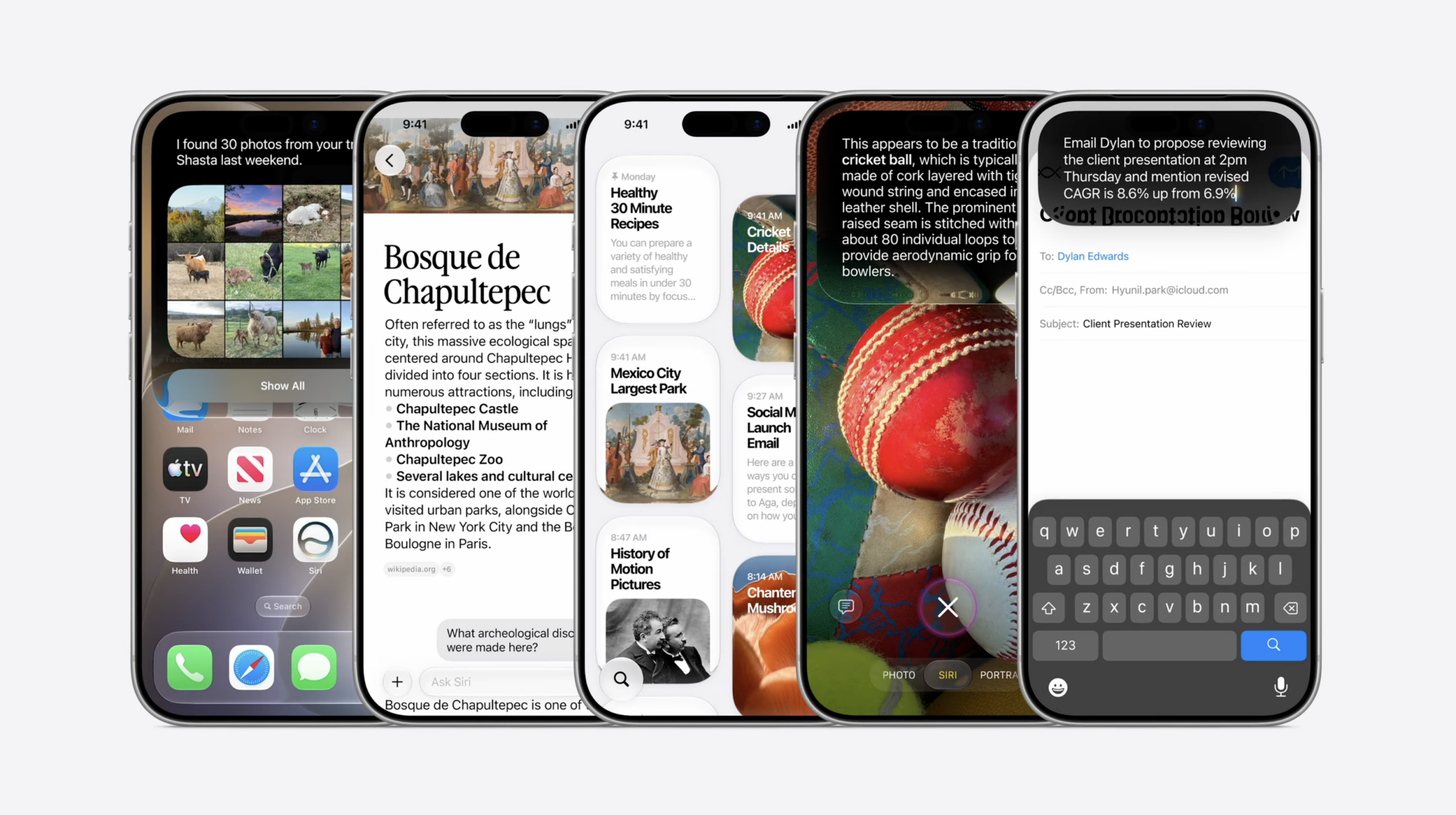
The revamped Siri, powered by Apple Intelligence, is poised to become a more capable and context-aware assistant. While the full extent of its capabilities will be revealed closer to the public release, initial demonstrations suggest a significant leap in natural language understanding and task execution. However, access to the enhanced Siri will not be immediate for all users. A waitlist system will be implemented within the Settings app, allowing Apple to manage the rollout and gather feedback from early adopters. This measured approach suggests a desire to ensure a seamless and robust experience for all users as the technology matures.
The architecture of Apple Intelligence highlights a sophisticated blend of localized and cloud-based processing. On-device capabilities enable immediate responses for many common tasks, such as summarizing text, generating images, and managing notifications, all while keeping sensitive user data securely on the device. For more computationally intensive operations, such as complex search queries or advanced content generation, Apple’s private cloud compute offers a secure and privacy-preserving solution. This hybrid model aims to deliver the power of advanced AI without compromising the user’s privacy, a cornerstone of Apple’s brand identity.
Key Features and Improvements in iOS 27
Beyond the overarching theme of Apple Intelligence, iOS 27 introduces a variety of enhancements designed to refine the user experience and expand functionality. While the full changelog will be extensive, several key features and improvements have been highlighted:
- Liquid Glass UI Enhancements: The "Liquid Glass UI," first introduced in iOS 26, receives a significant upgrade with the ability to adjust translucency levels. This feature allows users to customize the visual appearance of their interface, offering a more personalized and potentially less visually demanding experience. The dynamic nature of this UI element is expected to contribute to a more fluid and modern aesthetic.
- Performance Optimizations: Leveraging the advanced CPU scheduler and algorithmic improvements, iOS 27 is expected to deliver noticeable performance gains across supported devices. This includes faster app launches, smoother multitasking, and more responsive overall system operation. The focus on efficiency means these improvements will benefit even older supported devices, further underscoring Apple’s commitment to user experience across its hardware ecosystem.
- Enhanced Privacy and Security Features: Building on Apple’s reputation for robust security, iOS 27 is anticipated to include further advancements in privacy controls and data protection. While specific details remain under wraps, it is expected that the system will offer users greater transparency and control over their data, aligning with evolving global privacy regulations and user expectations.
- System-Wide Accessibility Improvements: Apple has historically prioritized accessibility, and iOS 27 is likely to continue this trend with new features and refinements designed to make the iPhone more usable for individuals with diverse needs. These could include advancements in voice control, screen reading, and alternative input methods.
- Refined Notification Management: With the increasing volume of digital information, iOS 27 is expected to introduce more intelligent and customizable notification management tools. This could involve AI-powered prioritization of alerts, enhanced focus modes, and more granular control over app notification settings.
- Deeper App Integration: As developers gain access to the new APIs and frameworks in iOS 27, deeper integration between apps and the operating system is anticipated. This could lead to more seamless workflows and innovative new functionalities across the App Store.
macOS Golden Gate and the Extended Ecosystem
The announcement of iOS 27 was accompanied by the reveal of macOS Golden Gate, which is also entering its developer beta phase. The naming convention suggests a continuation of Apple’s tradition of referencing iconic California landmarks for its desktop operating system. While the specific features of macOS Golden Gate were not detailed in the iOS 27 announcement, its synchronized release indicates a shared vision for cross-platform intelligence and user experience across Apple’s entire device lineup. This unified approach to OS development ensures that features and functionalities are consistent and interoperable across iPhones, iPads, Macs, and other Apple devices.
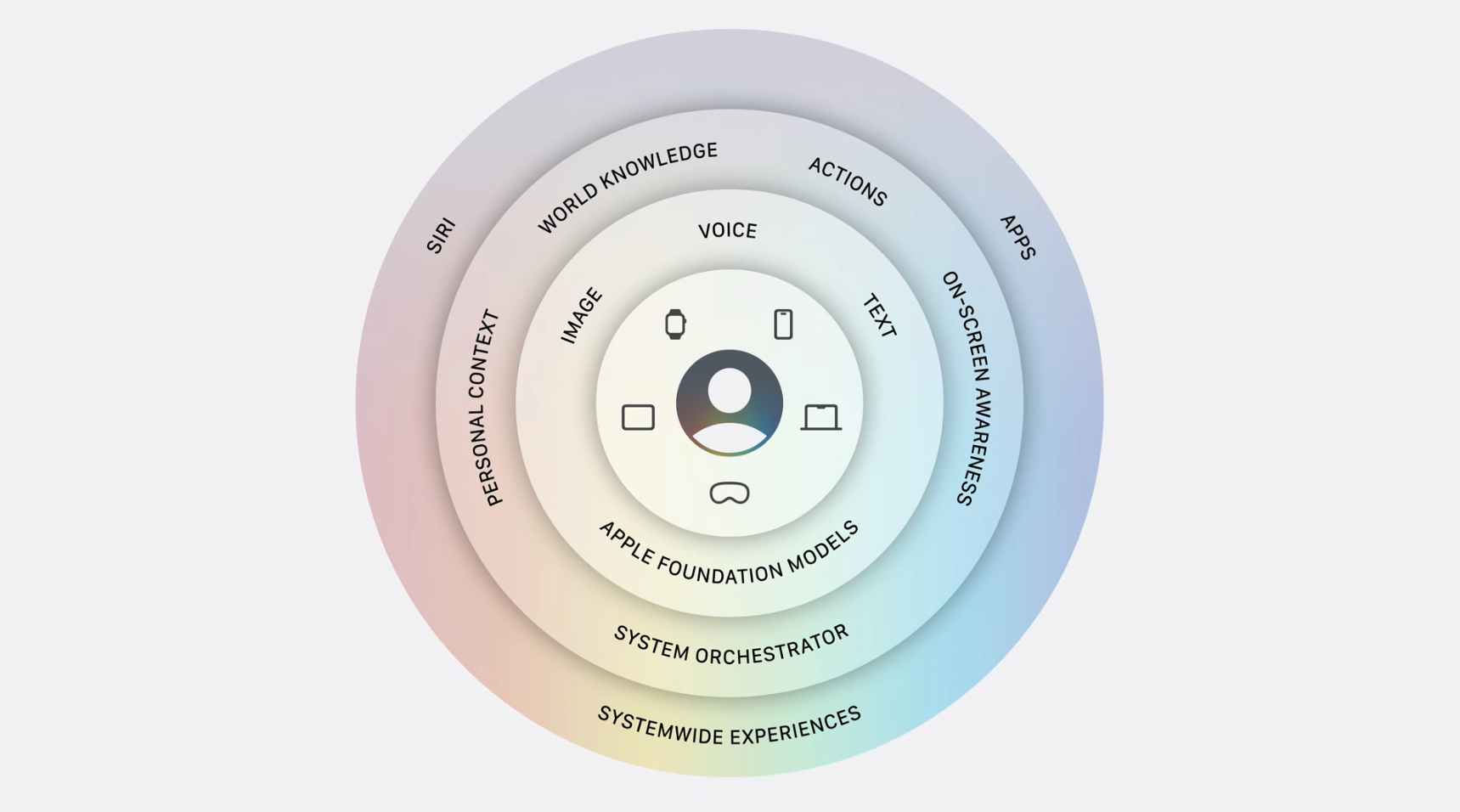
The broader rollout of updates to iPadOS, visionOS, watchOS, and tvOS further solidifies Apple’s strategy of a cohesive ecosystem. These updates are expected to incorporate many of the underlying technological advancements and AI capabilities introduced with iOS 27 and Apple Intelligence, ensuring a consistent and powerful user experience across all Apple platforms. The synergy between these operating systems is crucial for delivering on the promise of seamless integration and intelligent assistance that Apple has long championed.
Background and Context: WWDC 2026
WWDC (Worldwide Developers Conference) is Apple’s annual premier event for developers, serving as the platform where the company unveils its latest software innovations and provides tools and resources for developers to build upon. Held in early June, WWDC 2026 provided a crucial glimpse into Apple’s future software direction. The conference typically features keynote presentations, technical sessions, and hands-on labs, allowing developers to engage directly with Apple’s engineering teams and gain insights into upcoming technologies.
The timing of the iOS 27 announcement – just months before the typical iPhone launch cycle in the fall – allows developers ample time to adapt their applications and prepare for the public release. This early access to beta software is critical for ensuring a robust and feature-rich App Store experience upon the official launch of the new operating system. The emphasis on AI and intelligence at this year’s WWDC reflects a broader industry trend and Apple’s strategic pivot towards integrating these advanced technologies into its core products and services.
Implications and Broader Impact
The release of iOS 27 and the integration of Apple Intelligence represent a significant step forward for Apple’s ecosystem. The focus on on-device processing for AI tasks, coupled with a strong emphasis on privacy, positions Apple to address growing consumer concerns about data security in the age of artificial intelligence. By offering powerful AI capabilities without requiring extensive data sharing with cloud servers, Apple aims to differentiate itself from competitors and reinforce its commitment to user trust.
The broad device support for iOS 27 also has positive implications for consumers, extending the lifespan of existing hardware and providing access to advanced features for a larger user base. This approach not only benefits individual users but also contributes to Apple’s sustainability efforts by reducing the need for frequent hardware upgrades.
The introduction of a waitlist for the new Siri suggests a deliberate strategy for managing the rollout of sophisticated AI features. This phased approach allows Apple to refine the technology, gather valuable user feedback, and ensure a high-quality experience before widespread deployment. It also signals a commitment to responsible AI development, acknowledging the complexities and potential challenges associated with deploying advanced intelligent systems.
The synchronized release of updates across Apple’s entire operating system portfolio underscores the company’s vision for a seamlessly integrated ecosystem. As users increasingly rely on multiple Apple devices for their daily lives, the consistent application of core technologies and intelligent features across these platforms becomes paramount. iOS 27 and its accompanying system updates are set to further solidify this interconnected experience, offering users a more intuitive, powerful, and personalized digital environment. The industry will be watching closely to see how these advancements impact user engagement, developer innovation, and the competitive landscape of mobile and personal computing.