Vera Clarissa
Researchers at Paradigm Shift have uncovered a significant security flaw impacting Apple’s A12 and A13 Bionic chips, a development that raises concerns for millions of users worldwide. Simultaneously, a dedicated engineer has devised a crucial fix to maintain the functionality of Apple’s Network Time Capsule with the latest macOS updates, while watchOS 27 is set to discontinue support for several older Apple Watch models. These developments, alongside the gradual rollout of the new Siri AI to waitlisted users, paint a dynamic picture of the evolving technology landscape. The Low End Mac Newsletter serves as a crucial aggregator of these diverse events, providing readers with a consolidated overview of recent announcements, OS updates, and critical security information to keep them informed and their devices operating optimally.
Unprecedented SecureROM Exploit Targets A12 and A13 Chips
A groundbreaking discovery by researchers at Paradigm Shift has revealed a new exploit targeting the SecureROM, a fundamental component of Apple’s A12 and A13 Bionic system-on-a-chip (SoC). This vulnerability, detailed in a recent publication by Paradigm Shift, has significant implications for a wide range of Apple devices, including iPhones, iPads, and other products equipped with A12, A13, S4, and S5 chips.
The exploit leverages a previously unknown flaw within the SecureROM, a read-only memory that executes during the device’s boot-up process. SecureROM is designed to be immutable and is a critical security feature, responsible for verifying the integrity of the operating system and preventing unauthorized code execution. A successful exploit of this component could potentially allow attackers to bypass Apple’s stringent security measures, granting them deeper access to the device’s hardware and software.
While the full extent of the exploit’s capabilities is still under investigation, early reports suggest it could enable unauthorized code execution at a very low level, potentially paving the way for more sophisticated attacks such as persistent malware or even the ability to manipulate the device’s boot process. The unpatchable nature of SecureROM exploits presents a particularly challenging problem, as this foundational code cannot be updated through traditional software patches. This means that devices affected by this vulnerability may remain susceptible indefinitely, unless Apple develops hardware-level mitigations or introduces new chip designs.

The affected chip families, A12 and A13 Bionic, power a significant portion of Apple’s device ecosystem from their introduction. The A12 Bionic debuted with the iPhone XS and XS Max in September 2018, and was also found in the iPhone XR, iPad Air (3rd generation), and iPad mini (5th generation). The A13 Bionic followed in September 2019 with the iPhone 11, iPhone 11 Pro, and iPhone 11 Pro Max, and also powered the iPad (8th generation). The S4 and S5 chips are Apple Watch processors, found in models like the Apple Watch Series 4 and Series 5, respectively. The widespread adoption of these chips underscores the broad potential impact of this security research.
The implications of an unpatchable SecureROM exploit are far-reaching. For individuals, it could mean a heightened risk of sophisticated malware infections, data theft, or even complete device compromise. For organizations and enterprises that rely on Apple devices for sensitive operations, the threat landscape is amplified, potentially leading to breaches of confidential information and disruption of business continuity. Apple has not yet publicly commented on the discovery, but the company is known for its robust security research and development, and it is anticipated that they will be investigating this issue thoroughly. The long-term solution for devices with A12 and A13 chips may involve a reliance on software-level mitigations and user vigilance, or a future hardware refresh.
watchOS 27 Signals End of Support for Key Apple Watch Models
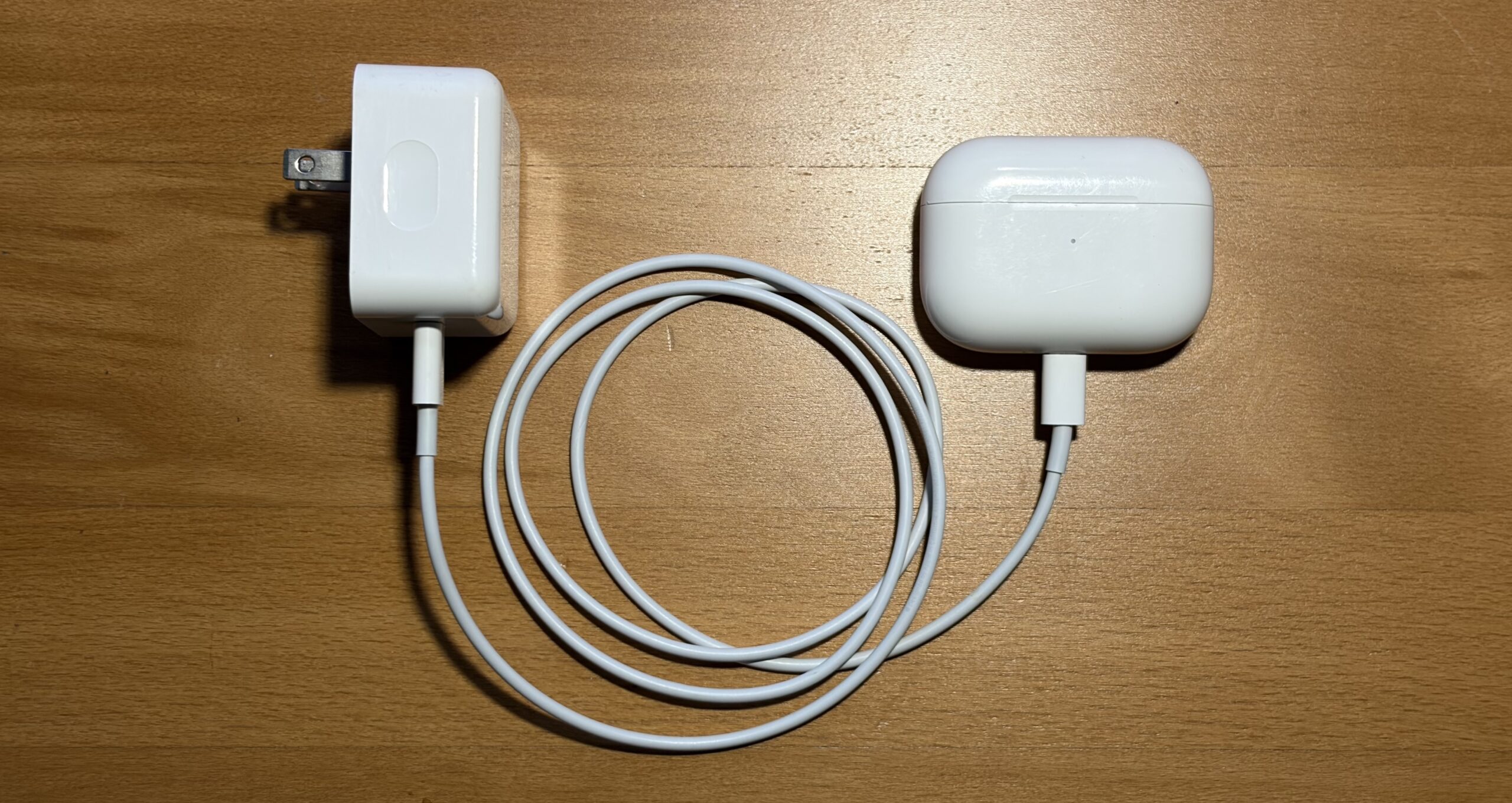
In an announcement that will impact a significant segment of its wearable user base, Apple has confirmed that watchOS 27 will not be supported on several popular Apple Watch models. This decision, set to take effect with the upcoming fall release, marks a common, albeit often disappointing, evolution in the lifecycle of electronic devices. The models slated to lose support include the Apple Watch Series 6, Series 7, Series 8, the Apple Watch SE (2nd generation), and notably, the first-generation Apple Watch Ultra.
This move is consistent with Apple’s long-standing strategy of optimizing its software for the latest hardware capabilities. As new operating system versions are developed, they often leverage advancements in processing power, sensor technology, and battery efficiency that are inherent to newer device generations. In a statement to TechRadar, Cait Dooley, a senior member of Apple’s watchOS team, elaborated on this rationale: "With every software release across every single one of our platforms, we always want to ensure that you have the best experience, so we make power and performance a priority. The great new features in watchOS, including the capabilities of Siri AI and the new tap gesture, work best with the processing power that is in Apple Watch Series 9 and later, Ultra 2 and later, and SE 3."
The discontinuation of support means that users of the affected Apple Watch models will not receive future software updates, including new features, security patches, and performance enhancements. While existing functionality will likely remain, the devices will eventually fall behind in terms of security and compatibility with newer apps and services. This can create a dilemma for users who wish to remain on the cutting edge of technology and security.
The inclusion of the first-generation Apple Watch Ultra on the list of unsupported devices is particularly noteworthy. Launched as Apple’s premium rugged smartwatch, it was positioned as a high-end device. Its exclusion from watchOS 27 support, alongside older Series models, suggests a more aggressive hardware-based requirement for the upcoming operating system’s advanced features. This decision may prompt some owners of these devices to consider upgrading to newer models to continue receiving software support and access to the latest innovations. The transition period for users of these older models will likely involve evaluating the trade-offs between continued use of their current device and the benefits of upgrading to a newer Apple Watch.
New Siri AI Begins Phased Rollout to Waitlisted Users
The highly anticipated new iteration of Siri, powered by advanced artificial intelligence, is slowly beginning its deployment to users who joined the official waitlist. This rollout signifies a major step forward in Apple’s efforts to enhance its voice assistant’s capabilities, aiming for more natural, context-aware, and powerful interactions. While specific details regarding the AI’s underlying architecture remain proprietary, it is understood to leverage large language models and machine learning to understand and respond to user queries with greater nuance and accuracy.
The phased approach to the rollout is a common strategy for major software releases, allowing Apple to monitor performance, gather user feedback, and address any unforeseen issues in a controlled manner. This gradual deployment helps ensure a smoother experience for the broader user base once the AI is more widely available. Users who have been granted access are reporting enhanced conversational abilities, improved understanding of complex commands, and a more proactive assistance style.
The integration of this advanced Siri AI is expected to be a cornerstone of future Apple operating system updates across various platforms, including macOS, iOS, iPadOS, and watchOS. Its presence in the latest beta releases, as noted in the context of watchOS 27, hints at its intended deep integration into the Apple ecosystem. The new Siri AI promises to transform how users interact with their devices, moving beyond simple command-and-control to a more intelligent and collaborative partnership. The editor of this newsletter has recently received notification that the new Siri AI is ready for use on their MacBook Air and iPhone, with an in-depth impressions article planned soon.
macOS 27 and the Ingenious Network Time Capsule Fix
The recent release of developer betas for macOS 27, codenamed "Golden Gate," alongside other OS updates like iOS 27 and iPadOS 27, has brought about significant changes, including the deprecation of the Apple File Protocol (AFP). This move, while streamlining some aspects of the operating system, has rendered Apple’s venerable Network Time Capsule obsolete for modern macOS users, impacting those who still rely on the device for backups and network-attached storage.
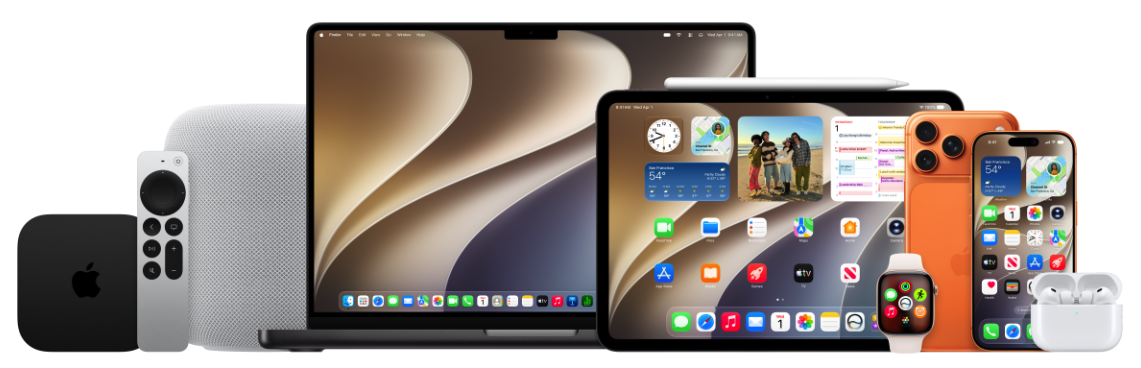
However, the spirit of innovation and community support has shone through. A resourceful engineer from Microsoft has developed a remarkable workaround, dubbed "TimeCapsuleSMB," that breathes new life into the Network Time Capsule. This project ingeniously transforms the Time Capsule into a Samba 4.24.3 server. Samba is a widely adopted open-source implementation of the SMB/CIFS networking protocol, which is still fully supported in macOS 27.
The significance of this fix lies in its ability to leverage SMB to make the Network Time Capsule accessible to macOS 27. By acting as an SMB server, the Time Capsule can broadcast its presence on the network via Bonjour, Apple’s zero-configuration networking protocol. This allows macOS 27 to discover and connect to the Time Capsule as it would any other network-attached storage device.
The TimeCapsuleSMB project is a testament to the power of cross-platform collaboration and the open-source community. It addresses a practical need for users who have invested in Apple’s Time Capsule hardware and are reluctant to abandon it due to software changes. This solution offers a tangible pathway for users to continue utilizing their existing backup infrastructure, extending the lifespan of their hardware and avoiding the immediate expense of purchasing new backup solutions. The availability of this fix through GitHub underscores the dynamic nature of technological evolution, where community-driven efforts can often bridge gaps left by official product roadmaps.
Rumors Swirl: iPhone Air 2 Potentially Gaining a Second Camera
Whispers from the rumor mill suggest a potentially significant upgrade for a future iteration of Apple’s "Air" iPhone line. While currently speculative, there is a growing indication that the second generation of the iPhone Air could feature a dual-camera system. This development would represent a considerable enhancement, aligning the Air model more closely with the photographic capabilities traditionally reserved for Apple’s Pro iPhone series.
For users who have transitioned from Pro models to the more streamlined Air lineup, or those who desire enhanced camera functionality without the premium price tag of the Pro models, this potential addition is a compelling prospect. The inclusion of a second camera, which could offer capabilities such as optical zoom or an ultrawide lens, would broaden the creative possibilities for iPhone photography and videography.
The source of this speculation points to potential manufacturing adjustments and supply chain observations, which often precede official product announcements. It is important to note that such rumors are based on early indicators and can be subject to change. However, if realized, this move would represent a substantial step forward for the iPhone Air, potentially influencing purchasing decisions and further segmenting Apple’s smartphone offerings. The potential for a second camera could also lead to a slight delay in the device’s release as Apple refines the integration and ensures the optimal performance of the new hardware.
RC Builds for macOS Sonoma and Sequoia Signal Approaching Updates
In parallel with the ongoing development of macOS 27, Apple has recently distributed Release Candidate (RC) builds for upcoming updates to macOS Sonoma and macOS Sequoia. These RC builds, typically the final pre-release versions before a public launch, indicate that stable updates for these operating systems are nearing completion. This follows a period of extensive developer beta testing for both macOS 26.6 updates and the broader OS 27 suite.
The distribution of RC builds is a critical phase in the software development lifecycle, allowing Apple to gather final feedback and conduct rigorous testing on a version that is essentially feature-complete. These builds are made available to developers and often to public beta testers, providing them with an opportunity to identify any last-minute bugs or compatibility issues. The release of these RC builds suggests that users can anticipate the official rollout of these updates in the near future, bringing a fresh wave of improvements, security enhancements, and potentially new features to Mac users. The concurrent development and testing of multiple macOS versions highlight Apple’s ongoing commitment to its diverse hardware and software ecosystem.