Farhan hamdan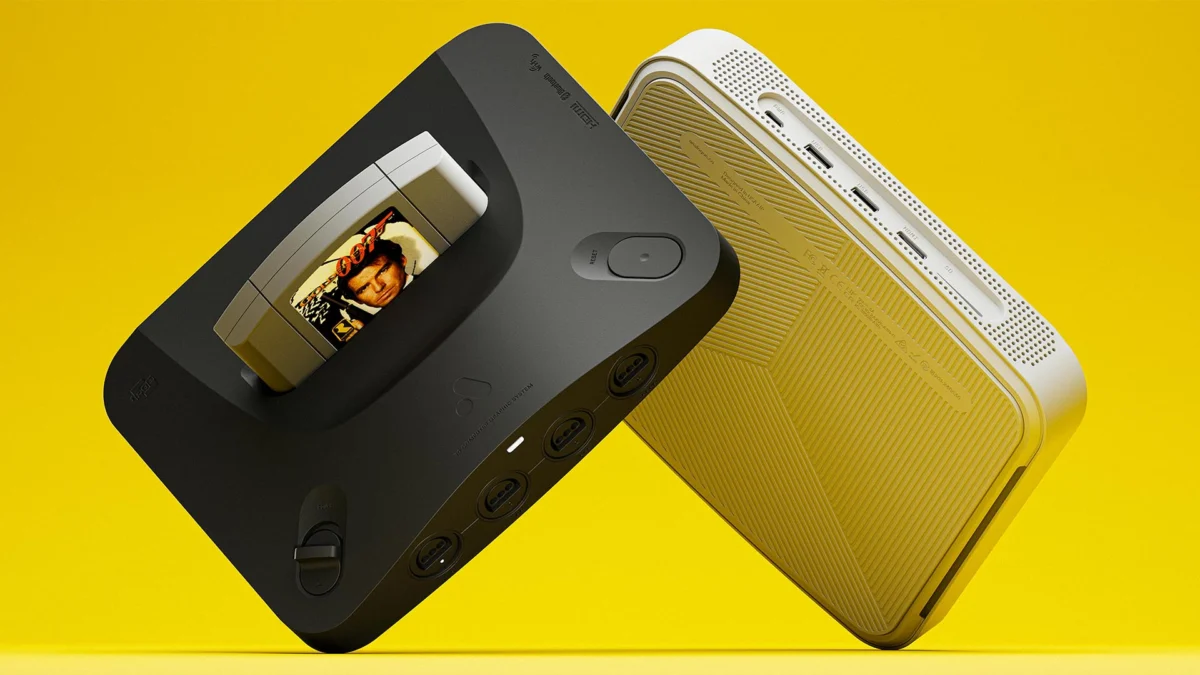
Analogue, a prominent manufacturer of high-fidelity FPGA-based retro consoles, has consistently delivered a series of critical firmware updates for its Analogue 3D system, designed to meticulously recreate the Nintendo 64 experience. The most recent comprehensive update, version 1.2.4, consolidates numerous enhancements and bug fixes that have been rolled out since the previously highlighted firmware v1.2.0. These incremental improvements collectively aim to refine the overall user experience, bolster system stability, and deepen the authenticity of the classic console’s recreation. A standout addition in this ongoing development cycle is the implementation of a direct cartridge boot option, a feature specifically engineered to replicate the instantaneous, unadulterated feel of powering up an original Nintendo 64 with a game cartridge inserted. This commitment to iterative refinement underscores Analogue’s dedication to providing a definitive and highly accurate retro gaming platform. Users who have not updated their Analogue 3D systems recently are strongly encouraged to do so, as the cumulative changes represent a significant leap forward in functionality and performance. The latest firmware (v1.2.4) and information on how to update are available directly on Analogue’s official support portal.
The Analogue 3D: A Pinnacle of Hardware Preservation
The Analogue 3D stands as the latest testament to Analogue’s philosophy of hardware-level preservation, following in the esteemed footsteps of its predecessors such as the Super Nt (Super Nintendo), Mega Sg (Sega Genesis), and Pocket (multi-system handheld). Unlike software emulation, which simulates classic hardware through layers of code, the Analogue 3D utilizes Field-Programmable Gate Array (FPGA) technology. An FPGA is a semiconductor device that can be configured by a customer or a designer after manufacturing, allowing it to mimic the internal logic gates and pathways of original console hardware at a transistor level. This approach ensures unparalleled accuracy, virtually eliminating the input lag, audio glitches, and graphical inaccuracies often associated with software-based emulation.
The Nintendo 64, in particular, presents unique challenges for accurate recreation. Its innovative but complex architecture, featuring the Reality Co-Processor (RCP) and variations in microcode utilized by different game titles, made it notoriously difficult to emulate perfectly. The RCP, a custom co-processor, handled graphical and audio tasks, and its precise behavior often varied from game to game due to developers employing different microcode versions to optimize performance. Replicating this intricate interplay requires an exhaustive understanding of the original hardware, making FPGA development a meticulous and time-consuming endeavor. Analogue’s commitment to the 3D reflects a significant investment in reverse-engineering and implementing these complex systems to deliver an experience as close to the original as technologically possible on modern displays.
Chronology of Enhancements: A Journey Towards Perfection
While the specific version numbers between v1.2.0 and v1.2.4 are not individually detailed in public release notes beyond the cumulative list, the updates signify a continuous development cycle, with Analogue releasing patches as improvements are finalized. The cumulative changes since v1.2.0 can be broadly categorized into several key areas, each contributing to a more robust and authentic gaming experience.
General System Improvements:
A significant portion of the recent updates has focused on core system stability and performance. These "under-the-hood" adjustments are often the least visible but most crucial for long-term reliability. Improvements typically include better memory management, which can prevent crashes during extended play sessions or when transitioning between different system states. Optimized power management routines contribute to more efficient operation, potentially reducing heat generation and ensuring consistent performance. Furthermore, general bug fixes address unforeseen interactions between hardware and software, smoothing out edge cases that could lead to unexpected behavior. These foundational improvements lay the groundwork for a more resilient and enjoyable platform.
Operating System (OS) Refinements:
The Analogue 3D’s custom operating system, known for its minimalist yet functional interface, has also received substantial attention. OS updates often include user interface (UI) responsiveness enhancements, making menu navigation snappier and more intuitive. The visual presentation of system information, such as controller status or video output settings, may have been refined for clarity. Crucially, the introduction of the ability to power up directly to a cartridge is a significant quality-of-life improvement. This feature bypasses the system’s main menu, launching directly into the inserted game, mirroring the immediacy of the original console. This small but impactful change caters directly to the nostalgia factor, allowing players to jump straight into their favorite N64 titles without additional steps, fostering a more authentic retro experience. Other OS enhancements might include improved asset loading times for menu elements or more robust handling of external storage devices, ensuring seamless access to save states and firmware files.
Controller Optimizations:
Accurate and responsive controller input is paramount for any gaming system, especially for the precision-demanding titles of the Nintendo 64 era. The updates likely encompass a wide array of controller-related improvements. This could include enhanced compatibility with a broader range of both first-party (original Nintendo 64 controllers via adapters) and high-quality third-party controllers, addressing issues such as button mapping discrepancies or analog stick calibration. Input latency, a critical factor for competitive or rhythm-based games, may have been further reduced through optimized polling rates and processing. Support for peripheral functionalities like the Rumble Pak and Controller Pak (for game saves) would also be critical areas of refinement, ensuring that these iconic N64 accessories function as intended, adding to the immersive experience. Correct interpretation of controller pak data, including save file management and transfer, is vital for long-term gameplay progression.
Core Accuracy and Game Compatibility:
The "Core" refers to the FPGA implementation of the Nintendo 64 hardware itself. This is arguably the most complex and continuously evolving aspect of Analogue’s development. Updates in this category are geared towards enhancing the fundamental accuracy of the N64’s recreation. This means refining the logic that interprets the original console’s Reality Co-Processor (RCP), texture caching mechanisms, and various microcode versions. Such improvements can lead to:
- Enhanced Graphical Fidelity: Addressing subtle rendering glitches, improving texture filtering accuracy (which was a hallmark of the N64’s visual style), and ensuring correct display of frame buffer effects (like reflections or transparencies).
- Improved Audio Reproduction: Ensuring that game soundtracks and sound effects are rendered faithfully, without distortion or timing issues.
- Expanded Game Compatibility: Resolving issues that prevented certain games from running correctly, or from running at all. Given the N64’s architectural complexities, some titles historically posed greater challenges for emulation, and these core updates aim to bring them fully in line with the expected performance. This includes specific fixes for games that might have experienced crashes, graphical artifacts, or incorrect behavior.
These core updates are a continuous process of meticulous reverse-engineering and verification against original hardware, often leveraging community insights and detailed technical analyses.
Supporting Data: The Technical Underpinnings of FPGA Superiority
The decision to utilize FPGA technology for retro gaming consoles is rooted in a desire for historical accuracy and future-proofing. Unlike software emulation, which runs on general-purpose CPUs and GPUs, FPGAs are reconfigurable hardware. This allows developers to effectively "rebuild" the original console’s integrated circuits (ICs) at a fundamental logic gate level.

Key advantages of FPGA over software emulation include:
- Hardware-level Accuracy: FPGAs do not simulate the original hardware; they become the original hardware. This eliminates the guesswork and approximation inherent in software emulation, leading to perfect cycle accuracy.
- Minimal Latency: Because the game code is running on a direct hardware recreation, input lag is drastically reduced, often matching or even surpassing the responsiveness of original consoles.
- Guaranteed Compatibility: As the FPGA core is a faithful recreation, it bypasses many of the compatibility issues that plague software emulators, which often struggle with obscure hardware features or specific game implementations.
- Future-Proofing: While software emulators rely on increasingly powerful PCs, FPGA cores can be endlessly refined and updated, ensuring that the hardware remains relevant and accurate for decades to come, independent of operating system or driver changes.
The Nintendo 64’s unique challenges, particularly its variable microcode and complex rendering pipeline, make the FPGA approach even more critical. Each microcode variant, essentially a small program run by the RCP, dictated how graphics commands were executed. A single FPGA core must be robust enough to handle these variations, and ongoing firmware updates demonstrate Analogue’s commitment to refining this capability, ensuring that every nuance of an N64 game is rendered precisely as its developers intended.
Official Responses and Community Engagement
While Analogue typically communicates its updates through concise release notes, the continuous stream of firmware releases speaks volumes about their commitment to product longevity and customer satisfaction. It can be logically inferred that Analogue’s official stance emphasizes their dedication to delivering the most accurate and definitive retro gaming experiences possible. Their product philosophy centers on hardware preservation, and consistent updates are integral to maintaining that promise, especially for complex systems like the Nintendo 64. Each firmware release is not merely a patch but an evolution of the core system, reflecting ongoing research, development, and often, direct engagement with the passionate retro gaming community.
The retro gaming community plays a vital role in this iterative development. Enthusiasts frequently report bugs, suggest features, and meticulously test new firmware versions, providing invaluable feedback that helps Analogue engineers refine their FPGA cores. The positive reception to these updates within the community generally highlights appreciation for Analogue’s responsiveness and their continued investment in their products long after launch. This collaborative dynamic between manufacturer and user base is crucial for specialized, high-end hardware products like the Analogue 3D, fostering a sense of shared commitment to preserving gaming history.
Broader Impact and Implications
The continuous development and refinement of the Analogue 3D through firmware updates have significant implications for the broader retro gaming landscape and the field of hardware preservation.
Elevating Hardware Preservation Standards: Analogue’s commitment to ongoing support sets a high bar for hardware preservation. By continually enhancing the accuracy and stability of its FPGA systems, Analogue ensures that classic games are not just playable but are experienced in a manner that is faithful to their original design, often surpassing the capabilities of original hardware when connected to modern displays. This directly contributes to the long-term viability of gaming history, making these iconic titles accessible to new generations in their purest form.
Reinforcing Market Leadership: The consistent delivery of meaningful updates strengthens Analogue’s position as a leader in the premium retro gaming hardware market. In an industry where many "clone" consoles offer rudimentary emulation, Analogue’s dedication to FPGA accuracy and ongoing support justifies its premium pricing and builds immense consumer confidence. It demonstrates that investing in an Analogue product is an investment in a meticulously engineered, continuously improved piece of gaming history.
Driving Innovation in FPGA Development: The challenges presented by the Nintendo 64’s architecture push the boundaries of FPGA development. Each successful update, especially those related to core accuracy and microcode handling, represents a significant technical achievement. This iterative process of tackling complex hardware designs contributes to a growing body of knowledge and expertise in FPGA implementation for retro platforms, potentially benefiting future preservation efforts across the industry.
Enhancing the User Experience: For the end-user, these updates translate into a more reliable, enjoyable, and authentic gaming experience. Reduced bugs, improved performance, and thoughtful features like direct cartridge boot elevate the Analogue 3D from a mere curiosity to an indispensable piece of hardware for any serious retro gaming enthusiast. The ability to play N64 titles with unparalleled fidelity on a modern display, free from the compromises of software emulation, is a compelling proposition.
In conclusion, the ongoing series of firmware updates for the Analogue 3D, culminating in version 1.2.4, underscores Analogue’s unwavering commitment to delivering the ultimate Nintendo 64 experience. These comprehensive improvements, spanning general system stability, OS refinements, controller optimizations, and critical core accuracy enhancements, are not merely patches but a testament to the iterative nature of hardware preservation. By meticulously refining its FPGA implementation, Analogue continues to solidify its reputation as a vanguard in the retro gaming industry, ensuring that the magic and complexity of classic consoles like the Nintendo 64 are preserved and enjoyed with unparalleled fidelity for years to come.