Farhan hamdan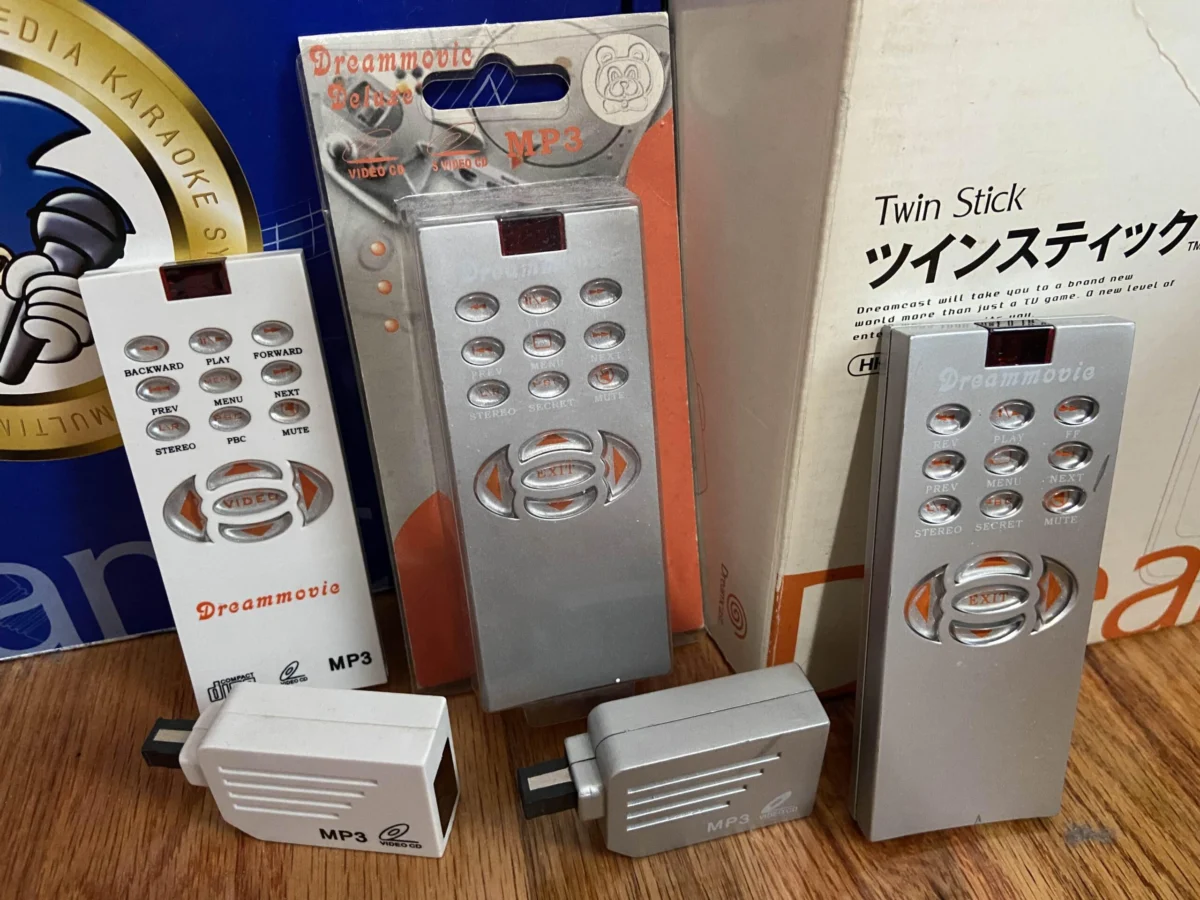
After a quarter-century of being ensnared by what developers described as some of the most intricate software and hardware protection ever devised for a consumer accessory, DreamMovie, the definitive Video CD (VCD) player software for the SEGA Dreamcast, has been successfully "unlocked" and made universally accessible. This landmark achievement, spearheaded by Derek Pascarella and Chris Daioglou of DreamMods.net, transcends mere technical prowess, marking the liberation of the only fully compliant, functional VCD playback solution ever released for SEGA’s swansong console. Its availability ends a long period where genuine VCD playback was restricted by a proprietary infrared (IR) dongle, which has become exceedingly rare and expensive.
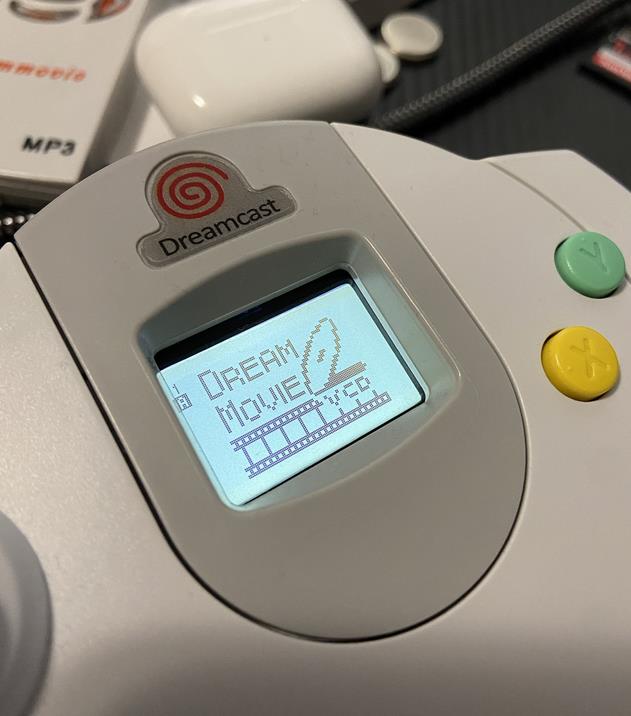
The newly released patch effectively bypasses the requirement for the original IR dongle, substituting it with full support for standard Dreamcast controllers. This transformative development means that, for the first time, any Dreamcast owner can leverage this software without the need for the elusive original hardware. The unlocked software is now available for download via GitHub, signifying a significant victory for digital preservation and retro gaming accessibility.
A Glimpse into the Past: DreamMovie’s Origins and the Dreamcast Era
The SEGA Dreamcast, launched in Japan in late 1998 and in North America and Europe in 1999, represented SEGA’s ambitious, albeit ultimately unsuccessful, bid to reclaim its dominance in the console market. Heralded for its graphical capabilities, built-in modem for online gaming (a pioneering feature for its time), and innovative VMU (Visual Memory Unit) memory cards, the Dreamcast garnered critical acclaim. Despite its technological advancements, it faced formidable competition from Sony’s PlayStation 2, which launched in 2000, and Nintendo’s upcoming GameCube, leading to SEGA’s withdrawal from the console hardware market in early 2001.
Amidst this competitive landscape, third-party accessories played a crucial role in extending the console’s functionality and appeal. DreamMovie, an accessory developed by a third-party, emerged in the early 2000s as a solution for VCD playback. At a time when DVD players were still gaining widespread adoption, especially in certain international markets, VCDs offered a more affordable and widely available medium for watching movies. The DreamMovie unit, typically retailing for around $25, was designed to transform the gaming console into a multimedia device, a common trend for consoles seeking broader consumer appeal.
However, unlike many contemporary media playback solutions for consoles, DreamMovie’s software was not designed to be easily transferable. It was tied to a physical IR dongle, which communicated with the Dreamcast and received commands from a dedicated remote control. This hardware-software interdependence created a significant barrier to entry, even during its original retail period, and became an insurmountable obstacle as the Dreamcast aged.
The Enigma of the VCD Format and DreamMovie’s Unique Standing

Video CDs (VCDs) emerged in the mid-1990s as one of the first formats for distributing movies on standard 120 mm optical discs. Utilizing MPEG-1 compression, VCDs offered video quality comparable to VHS tapes but with the convenience of a disc format. While largely overshadowed by the superior quality of DVDs in Western markets by the late 1990s, VCDs maintained significant popularity in Asia, Latin America, and other regions due to their lower cost, widespread availability, and compatibility with a diverse range of players. This regional disparity meant that for many Dreamcast owners, particularly those interested in imported media, VCD playback was a highly desirable feature.
Prior to DreamMovie’s liberation, various "scene release" videos and homebrew solutions existed for the Dreamcast, allowing users to watch video content. However, these often necessitated custom disc authoring, re-encoding videos to specific formats, or suffered from compatibility issues with off-the-shelf VCDs. DreamMovie stood alone as the only software truly compliant with the Video CD standard, meaning it could play any commercially produced VCD without modification. This distinction elevated its importance from a mere curiosity to a critical piece of the Dreamcast’s multimedia legacy.
The 25-Year Lock: A Challenge in Digital Archaeology
The proprietary IR dongle, essential for DreamMovie’s operation, has become increasingly scarce over the past two decades. Units have been lost, broken, or simply never appear on secondary markets like eBay, rendering the software inaccessible to the vast majority of Dreamcast enthusiasts. This situation epitomized a common challenge in digital preservation: valuable software locked behind defunct or rare hardware, effectively rendering it unusable.
The project to unlock DreamMovie began as a "wouldn’t it be cool if" thought experiment for Derek Pascarella, who recounts purchasing his DreamMovie unit at the age of twelve, driven by an "irresistible" obsession with imported media. This early fascination evolved into a lifelong pursuit of collecting commercial VCD releases and, ultimately, the determination to free the software that could play them on his beloved console. The journey, however, proved to be anything but simple, transforming into untold hours of painstaking reverse engineering, SH4 assembly hacking, and countless test builds.
Unraveling the Cryptographic Handshake: A Technical Deep Dive
The complexity of DreamMovie’s protection scheme was a significant hurdle. Chris Daioglou, known for his work on Dreamcast accessories like the VM2 and DreamConn S, played a pivotal role in initiating the reverse engineering effort. He developed a custom Maple bus decoder, a specialized tool capable of capturing the raw data traffic between the Dreamcast console and the proprietary IR dongle.
What they uncovered was far more sophisticated than a simple hardware check. The dongle wasn’t merely confirming its presence; it was engaged in a continuous, rolling cryptographic handshake with the console, refreshing every single frame. This handshake involved randomized challenge modes, XOR-encoded responses, and meticulously bit-interleaved data, all meticulously designed to thwart bus sniffing and reverse engineering attempts. This level of protection, for a $25 unlicensed console accessory, astonished the developers and underscored the technical challenge they faced.
Armed with these crucial data captures, Pascarella then delved into the disassembled code using Ghidra, an open-source reverse engineering tool. His task was to trace the intricate protection logic embedded within the Dreamcast’s SH4 processor assembly code. The SH4, a 32-bit RISC microprocessor developed by Hitachi, was the Dreamcast’s central processing unit, and understanding its assembly language was critical to bypassing the security measures. The combination of hardware-level bus analysis and software-level code deconstruction was essential to finally understand and replicate the dongle’s intricate communication protocol.
Implications for Digital Preservation and Retro Gaming
The liberation of DreamMovie carries significant implications for the retro gaming community and the broader field of digital preservation. It exemplifies the ongoing efforts by enthusiasts and specialists to ensure that historical software and hardware remain accessible and functional for future generations. As older proprietary systems inevitably fail or become obsolete, such reverse engineering projects are vital for preventing valuable pieces of digital history from being lost forever.
This achievement empowers Dreamcast collectors and new enthusiasts alike to experience a previously inaccessible aspect of the console’s multimedia capabilities. It validates the dedication of the preservation community, which often operates without corporate backing, driven solely by a passion for preserving cultural and technological heritage. The success of the DreamMovie project may also inspire further efforts to unlock other hardware-locked software from various retro platforms, broadening the scope of digital archaeology.
The story of DreamMovie also serves as a poignant reminder of the tension between intellectual property protection and the right to repair or preserve. While companies design protection schemes to safeguard their products, these measures can inadvertently lead to the loss of functionality and historical artifacts as hardware ages and support dwindles. Community-driven initiatives like this bridge that gap, ensuring that the legacy of consoles like the Dreamcast continues to thrive.
Looking Forward: The Future of Dreamcast VCD Playback
With DreamMovie (UNLOCKED) now readily available, Dreamcast owners can simply burn the disc image and enjoy authentic VCD playback using a standard controller. This eliminates the need for expensive and fragile vintage hardware, democratizing access to this unique piece of the Dreamcast’s history. The project stands as a testament to the power of collaborative effort, technical expertise, and unwavering passion within the retro gaming community.
Derek Pascarella expressed profound satisfaction with the outcome, stating, "Most importantly, I am extremely happy to finally have this amazing little piece of software liberated so that lovers of old hardware and old media may rejoice in watching VCDs on their Dreamcasts, just as God intended." This sentiment encapsulates the spirit of the project: not just a technical fix, but a restoration of an intended experience, allowing a beloved console to fulfill its multimedia potential decades after its initial release. The detailed technical write-up available on the GitHub repository further offers invaluable insights for aspiring reverse engineers and those interested in the intricacies of retro hardware security. The Dreamcast’s journey continues, now with one more significant piece of its history restored and ready for rediscovery.