Cecilia Chamidah Nur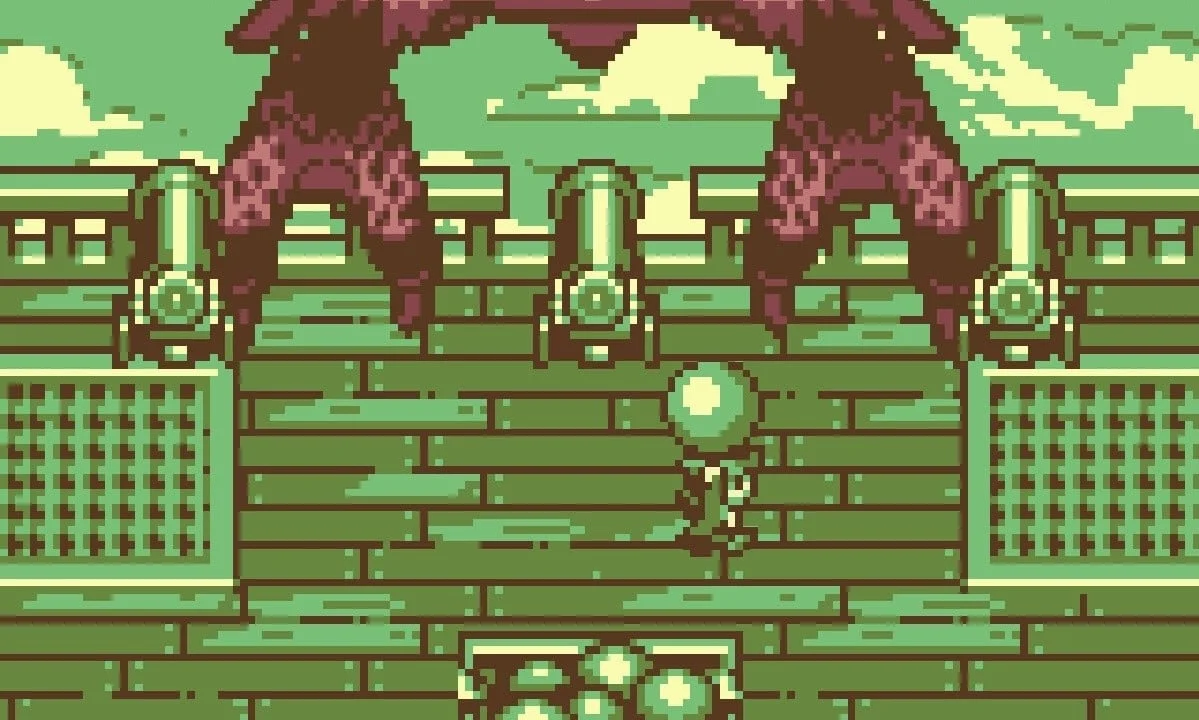
A Chronology of Development and Release
The journey of Draco and the Seven Scales began in earnest with its public reveal in late 2023. At the time, the project captured the attention of retro-gaming enthusiasts by promising a faithful homage to 8-bit handheld aesthetics. The development process, as documented by Ice Goat Games, was characterized by an emphasis on "crunchy" pixel art and mechanics reminiscent of iconic titles like The Legend of Zelda: Link’s Awakening and the Oracle series.
While the original roadmap targeted a 2024 launch window, the industry at large saw numerous independent projects face similar timelines due to the complexities of self-publishing and the meticulous nature of pixel-art development. By opting to extend the production cycle, the developers focused on refining the title’s core mechanics—specifically the transition between naval combat and terrestrial dungeon exploration. The game’s arrival on Steam last week serves as the culmination of these efforts, positioning the title within a competitive market for "Zelda-like" independent experiences.
Technical Foundations and Aesthetic Direction
At the heart of the game’s design is a commitment to the technical constraints and visual language of the Game Boy era. The artistic direction, led by Manelzin, utilizes a limited color palette and sprite-based animation that mimics the hardware limitations of the 1990s while maintaining high-definition clarity. This stylistic choice is not merely cosmetic; it dictates the pacing and spatial design of the game world.
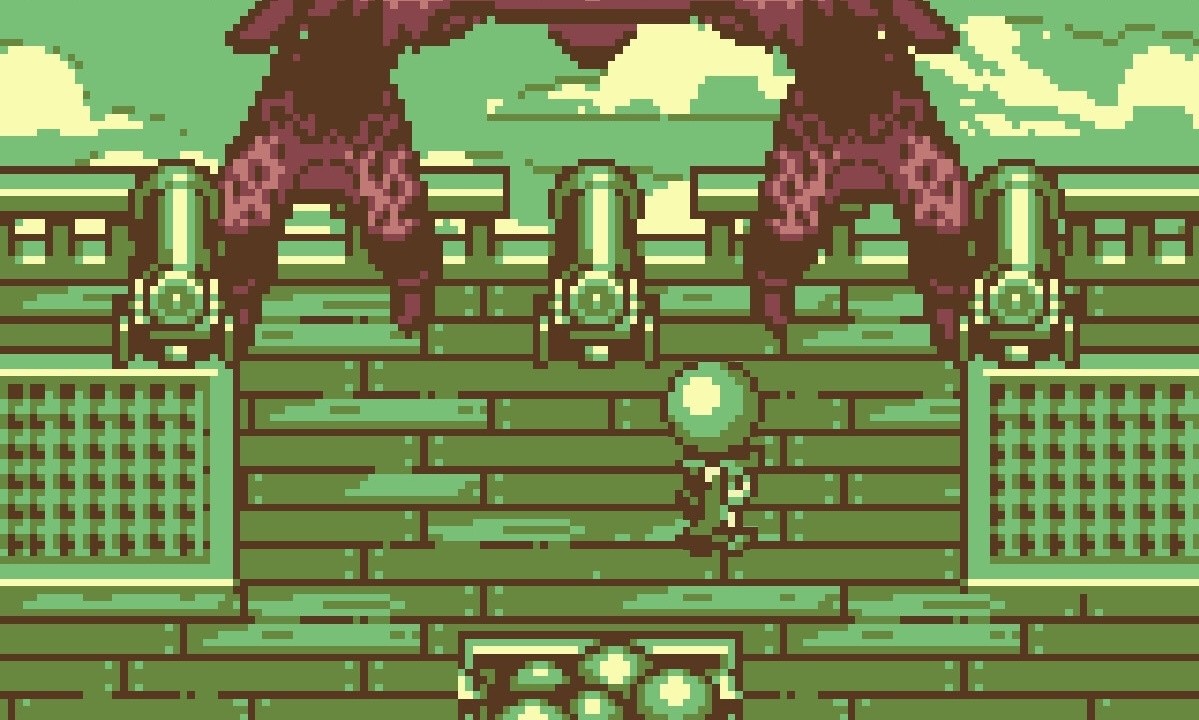
The audio landscape is equally rooted in this philosophy. Composer Tohomoko has provided a soundtrack consisting of original "shanties" that aim to capture the swashbuckling theme of the narrative. By combining these retro-inspired visuals with modern quality-of-life improvements, Ice Goat Games has attempted to bridge the gap between nostalgic appeal and contemporary playability.
Gameplay Mechanics and Narrative Scope
Draco and the Seven Scales centers on a protagonist who must navigate a sprawling, interconnected world to recover a lost treasure. The gameplay loop is structured around seven distinct, classic top-down dungeons, each requiring the acquisition of specific items—totaling over 15 unique tools—to progress.
A primary differentiator for this title is its dual-layered approach to movement. Unlike traditional dungeon crawlers that remain confined to land-based combat, the game requires players to captain a vessel. This maritime component introduces a strategic layer where players must contend with rival pirates, mythical sea creatures, and the formidable forces of "Her Majesty’s Royal Armada." This transition between exploration and combat is intended to prevent stagnation and provide a varied pace that rewards both dungeon puzzle-solving and ship-to-ship maneuvering.
Market Positioning and Strategic Bundling
As of the current launch phase, Ice Goat Games has adopted a competitive pricing strategy to gain traction within the saturated Steam marketplace. The title is currently available for £13.04 as part of an introductory promotional offer, which is scheduled to conclude on October 2, 2026.

To increase visibility and provide added value to consumers, the developer has engaged in cross-promotional bundling. By partnering with desertcucco, the developer of Isle of Reveries, and Cicada Games, the team behind Isles of Sea and Sky, Ice Goat Games is attempting to leverage the audiences of similar high-quality indie titles. These bundles serve as a common industry tactic, allowing smaller developers to aggregate their customer bases and provide a lower price point for consumers looking to purchase multiple titles within the same genre. The game is also accessible via the itch.io platform, maintaining a presence in the independent distribution ecosystem that often caters to retro-focused gaming communities.
The Resurgence of the "Zelda-like" Genre
The release of Draco and the Seven Scales occurs during a period of heightened interest in the "Zelda-like" sub-genre. Over the past five years, there has been a notable surge in independent developers creating top-down action-adventure games that prioritize exploration, item-based progression, and dungeon design. This trend is driven by a demographic of players who grew up with the Game Boy and Game Boy Color libraries and who are currently seeking modern iterations of the games that defined their childhood.
The success of titles such as Tunic, Blossom Tales, and Oceanhorn has demonstrated that there is a sustainable market for this gameplay style. Draco and the Seven Scales positions itself in this niche by focusing on the "pirate" sub-genre, which provides a distinct thematic identity compared to the traditional fantasy tropes often found in this category. By emphasizing the "dark force" narrative—where a corruption seeks to overtake the game world—the title provides the high-stakes narrative urgency typical of 8-bit adventures.
Analytical Implications for Independent Studios
For an independent developer, the release of a project like Draco and the Seven Scales represents a significant financial and operational risk. The decision to delay the game from its 2024 target indicates a commitment to quality, which is vital in a market where user reviews and social media word-of-mouth dictate the longevity of a title.
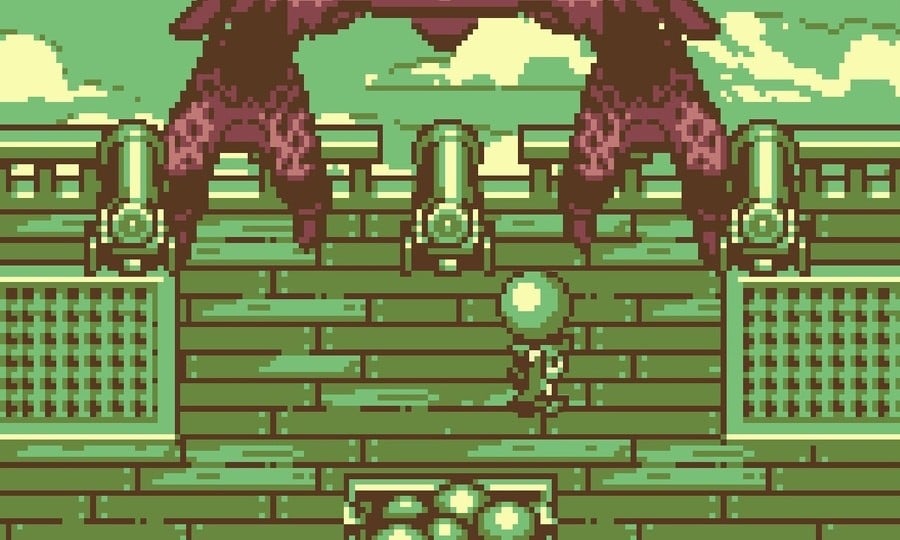
From a production standpoint, the game’s reliance on pixel art and chiptune-adjacent music allows for a more focused development scope, which can be advantageous for small teams. However, it also subjects the developer to intense scrutiny regarding the "feel" of the controls and the logic of the puzzle design. Because the genre is well-established, players have high expectations for the responsiveness of character movement and the clarity of dungeon layouts.
The inclusion of the game on both Steam and itch.io suggests a multi-platform strategy designed to maximize reach. Steam offers the benefit of algorithmic discovery and community features, while itch.io remains the premier hub for the independent retro scene. This dual-presence approach is becoming the standard for successful indie launches, allowing studios to capture both the mainstream casual audience and the dedicated retro enthusiast.
Future Outlook and Community Reception
As players begin to engage with the seven dungeons and the naval combat mechanics, the critical reception will likely hinge on the game’s balance of difficulty and exploration. If the developers have successfully captured the "crunchy" feel they promised, the game is well-positioned to become a staple among fans of the genre.
Furthermore, the longevity of the game will depend on the post-launch support provided by Ice Goat Games. In an era of live-service titles, smaller, self-contained adventures often rely on word-of-mouth marketing and the continued interest of content creators. The current promotional bundles are a strong start, but the studio will likely need to continue fostering its community on platforms like Discord and X to maintain momentum past the initial introductory offer period.
The success of Draco and the Seven Scales serves as a reminder of the enduring appeal of the 8-bit adventure format. By adhering to the pillars of exploration, progression, and thematic consistency, Ice Goat Games has managed to bring a project that began as a nostalgic vision to a full commercial release. Whether it will stand the test of time alongside the classics it draws inspiration from remains to be seen, but its arrival is a welcome addition to the growing catalog of modern retro-styled experiences.