Indra Gunadi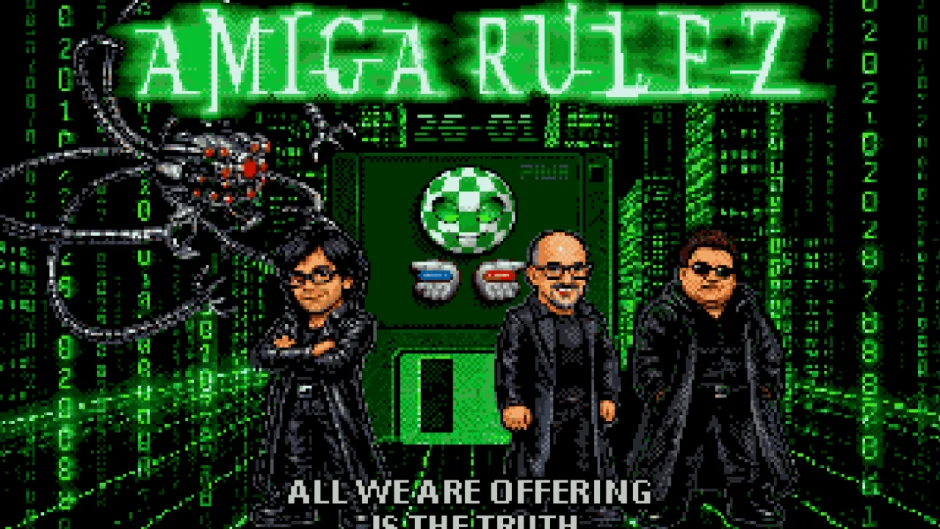
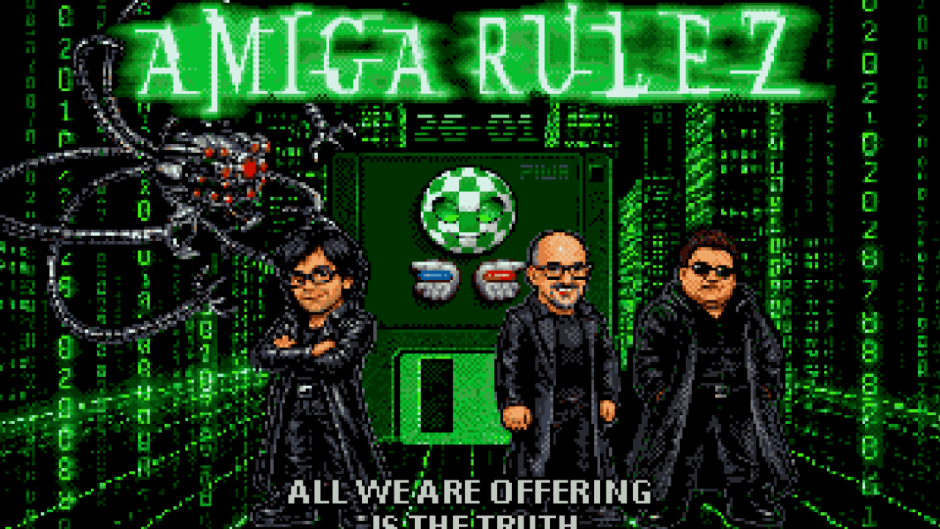
The venerable digital publication AMIGA RULEZ has officially released its latest offering, issue 26-01, directly from its editorial office, signaling a renewed burst of activity within the vibrant retrocomputing community. This highly anticipated edition promises to transport readers into a comprehensive "deep dive into the Matrix," alongside a meticulously curated selection of the freshest Amiga community updates, captivating demo scene highlights, and a rich array of user-submitted contributions. The release encourages enthusiasts to power up their disk drives, acquire the new issue today, and actively participate in the ongoing dialogue regarding the magazine’s recently implemented structural and content innovations. Readers can access this latest volume and past issues via the official download portal: https://amiga-rulez.de/media-und-downloads/.
The release of AMIGA RULEZ 26-01 is not merely the unveiling of another issue; it represents a significant milestone in the enduring legacy of the Amiga platform and its dedicated global community. For decades, the Amiga personal computer, initially introduced by Commodore in 1985, captivated users with its revolutionary multimedia capabilities, advanced multitasking operating system (AmigaOS), and groundbreaking graphics and sound hardware. It became a powerhouse for gaming, desktop publishing, video production, and, critically, a fertile ground for the nascent demoscene – a subculture dedicated to creating self-contained, non-interactive audiovisual programs that pushed the boundaries of the hardware. Disk magazines, such as AMIGA RULEZ, emerged as a unique publishing format during this era, serving as digital periodicals distributed on floppy disks. These magazines were instrumental in disseminating news, tutorials, software reviews, artwork, and even executable demos directly to users, fostering a tight-knit community long before the advent of widespread internet access. They were often collaborative efforts, reflecting the creative spirit and technical prowess of the Amiga user base. The continued existence and regular publication of AMIGA RULEZ underscores the unwavering passion for preserving this unique computing heritage and evolving it for contemporary enthusiasts.
The publication’s numbering, "26-01," provides valuable insight into its longevity and commitment. It strongly suggests that AMIGA RULEZ has been in continuous production for at least 26 years, with this being the first issue of its 26th volume year. This remarkable consistency, likely maintained through a volunteer-driven effort, stands as a testament to the dedication of its editorial team and contributors. While its early iterations would undoubtedly have been distributed on physical floppy disks, requiring a genuine Amiga machine or an emulator with disk image support, its current availability via a web portal signifies a pragmatic adaptation to modern digital distribution methods. This evolution allows a wider audience, including those utilizing software emulators like WinUAE or FS-UAE, FPGA-based solutions such as MiSTer, or modern Amiga hardware with Gotek floppy drive emulators, to easily access its content. This blend of traditional format and modern delivery mechanism ensures that the spirit of the disk magazine remains intact while reaching a global audience that continues to grow with the resurgence of retrocomputing.
Issue 26-01’s thematic focus on a "deep dive into the Matrix" is particularly intriguing. Given the Amiga’s historical prowess in graphics and multimedia, this theme could manifest in several compelling ways. It might involve a retrospective analysis of how Amiga technology, if it had continued its trajectory, could have contributed to or interpreted the virtual reality concepts presented in the iconic film series. Alternatively, it could explore the influence of The Matrix on Amiga demoscene productions, graphical experiments, or even early 3D engines and virtual environments developed on the platform. Such an article would likely delve into the technical challenges and creative solutions employed by Amiga developers and artists to render complex visuals and simulate virtual spaces within the hardware’s constraints, drawing parallels to the film’s philosophical underpinnings regarding simulated realities. This thematic exploration not only caters to nostalgia but also encourages a re-evaluation of the Amiga’s artistic and technical potential through a contemporary lens.
Beyond its headline feature, AMIGA RULEZ 26-01 is packed with content vital to the pulse of the Amiga community. The "latest Amiga community updates" section is expected to cover a broad spectrum of developments. This could include news on new hardware initiatives, such as the continued evolution of accelerator cards (e.g., Vampire series), modern Amiga-compatible motherboards, or peripherals designed for both classic and next-generation Amiga systems. It might also feature updates on software projects, including new game releases from independent developers, updates to existing Amiga applications, or progress on new iterations of AmigaOS or compatible operating systems. Furthermore, community updates often include reports from Amiga events, conventions, and online gatherings, fostering a sense of shared experience and collective identity among users worldwide.
The "demo scene highlights" are a core component of any Amiga-centric publication. The Amiga platform was a crucible for the demoscene, an art form where programmers, musicians, and artists collaborate to create stunning real-time audiovisual presentations that showcase extreme technical proficiency and artistic vision. These productions often push hardware limits far beyond commercial software. The highlights in 26-01 could feature reviews of recent demoscene releases from major parties like Revision, Xenium, or others, interviews with prominent demosceners discussing their creative processes and technical innovations, or historical retrospectives on influential Amiga demos. Such content not only entertains but also educates readers on the sophisticated programming techniques and artistic sensibilities that defined a significant part of Amiga culture.
Moreover, the inclusion of "fresh user-submitted contributions" underscores the collaborative and community-driven ethos of AMIGA RULEZ. This section likely comprises a diverse array of content, ranging from user-written articles and tutorials on specific Amiga topics, software reviews, game walkthroughs, technical tips and tricks, original artwork created on Amiga platforms, or even small utilities and game levels developed by community members. This participatory model ensures that the magazine remains relevant and reflective of the broader community’s interests and talents, fostering a sense of ownership and engagement among its readership. It provides a platform for both seasoned veterans and new enthusiasts to share their knowledge and creativity, perpetuating the Amiga’s spirit of innovation and open collaboration.
The editorial announcement also prominently highlights "the magazine’s brand-new changes." While specific details are not provided in the initial release, these changes could encompass several aspects. They might involve a refreshed visual design or user interface for the disk magazine itself, enhancing its aesthetics and usability for modern displays and emulators. Alternatively, the changes could relate to new editorial directions, the introduction of new recurring sections, or an expansion of coverage into previously unexplored areas of the Amiga ecosystem. It could also signify changes in the editorial team, bringing fresh perspectives and energy to the publication. These changes are crucial for a long-running publication like AMIGA RULEZ to remain dynamic and appealing to both its loyal readership and new adherents to the Amiga platform. Engaging with the community for feedback on these changes is a strategic move to ensure they resonate with the target audience and further strengthen the magazine’s connection to its base.
The continued vitality of AMIGA RULEZ is emblematic of the broader retrocomputing market’s robust health. Over the past decade, interest in classic computing platforms has surged, driven by nostalgia, the desire for simpler computing experiences, and a growing appreciation for computing history. This trend is evidenced by the commercial success of products like the A500 Mini, FPGA-based systems such as the MiSTer, and a thriving ecosystem of community-driven hardware projects that develop new accelerators, memory expansions, and peripherals for original Amiga machines. Publications like AMIGA RULEZ serve as critical cultural artifacts within this landscape, providing not only entertainment and information but also acting as living archives that document the ongoing evolution and preservation efforts within the Amiga community. The consistent output of a publication like AMIGA RULEZ, now likely distributed as downloadable disk images compatible with a variety of emulators and modern hardware solutions, demonstrates the viability of niche, passion-driven media in an increasingly fragmented digital landscape.
While no official statements from the AMIGA RULEZ editorial team were provided in the initial announcement, it is logically inferred that the release of issue 26-01 is met with enthusiasm internally. A hypothetical spokesperson for the publication might emphasize the team’s unwavering commitment to chronicling the Amiga story, stating something to the effect of: "Each issue of AMIGA RULEZ is a labor of love, a testament to the enduring creativity and passion within the Amiga community. With 26-01, we’ve strived to deliver content that not only educates and entertains but also fosters discussion and collaboration, especially with our exciting new changes and the deep dive into ‘The Matrix.’" Similarly, initial reactions from the Amiga community, often voiced on dedicated forums, social media groups, and retrocomputing websites, are generally positive. Users typically express appreciation for the consistent flow of new content, the preservation of the disk magazine format, and the continued dedication of the editorial team. These reactions often highlight the specific articles or demos that resonate most with them, further fueling community discussions. Industry observers and analysts tracking the retrocomputing space often cite the sustained activity of publications like AMIGA RULEZ as a key indicator of the health and engagement of specific retrocomputing communities, showcasing their ability to self-sustain and innovate.
The broader impact and implications of AMIGA RULEZ extend beyond mere content delivery. It serves as a vital bridge between the Amiga’s golden era and its modern resurgence, connecting veterans with newcomers. It helps to preserve the unique cultural identity of the Amiga demoscene and user community, ensuring that its history and ongoing developments are meticulously documented. Furthermore, the very existence of a volunteer-driven, high-quality digital publication like AMIGA RULEZ provides a powerful model for other niche communities seeking to maintain engagement and document their evolving landscapes. Its continued publication inspires new generations to explore the Amiga platform, fostering new talent in programming, art, and music, and encouraging active participation in the retrocomputing movement. As the Amiga platform continues to evolve through both emulation and new hardware development, publications like AMIGA RULEZ remain indispensable resources, embodying the resilience, creativity, and communal spirit that defines the Amiga legacy. Readers are strongly encouraged to download issue 26-01, engage with its content, and contribute their thoughts to the vibrant discussions that are sure to follow, thereby actively participating in the ongoing narrative of the Amiga platform.