Cecilia Chamidah Nur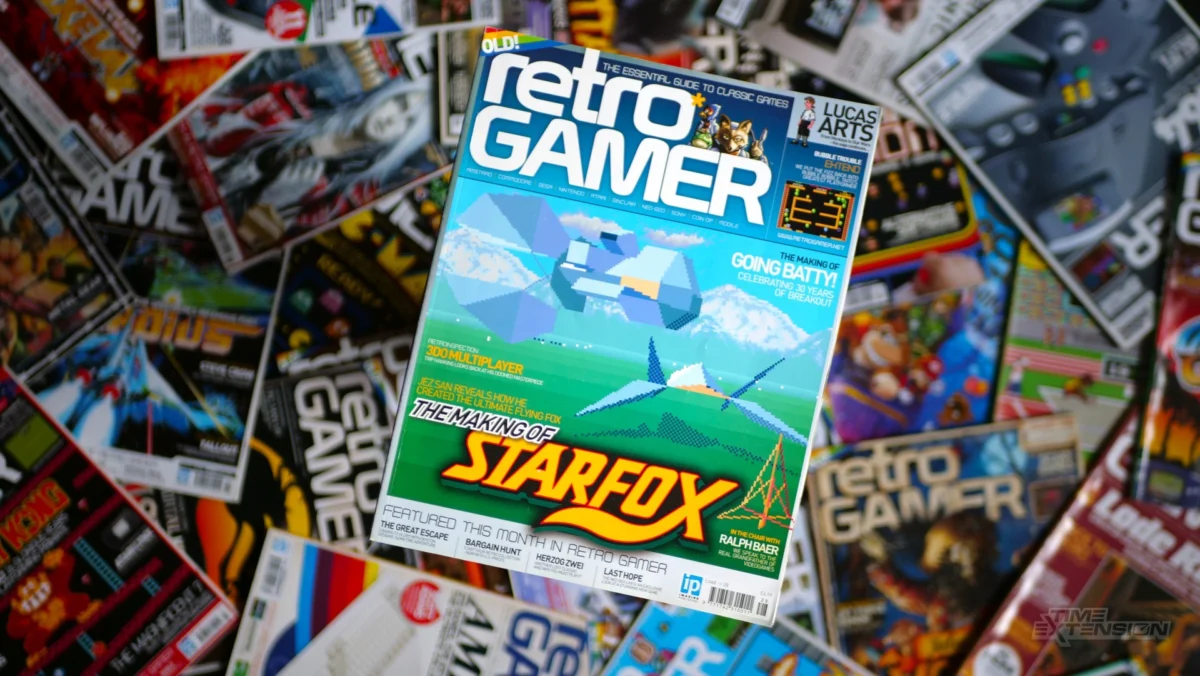
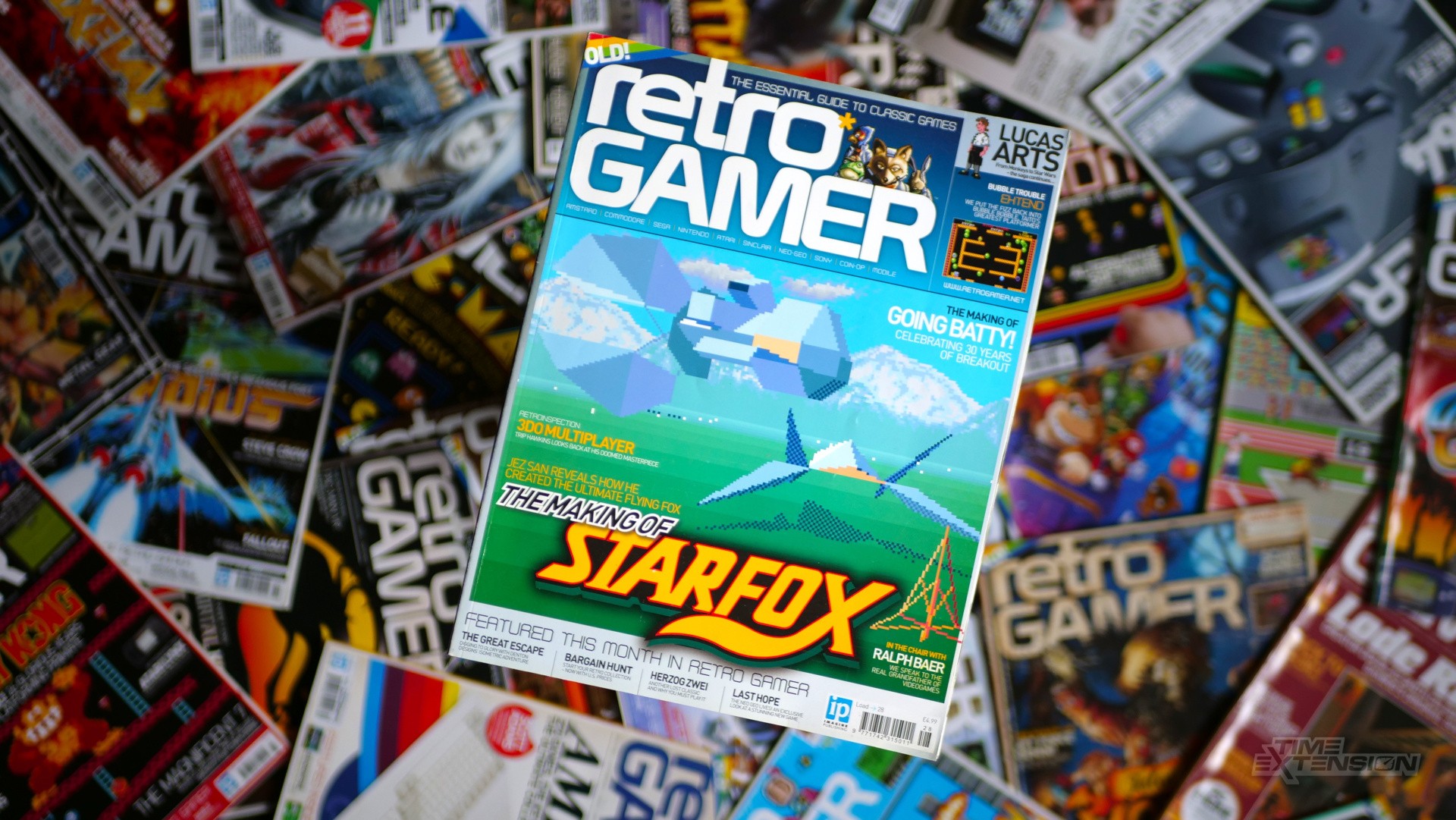
Two decades ago, in 2006, the release of Retro Gamer magazine issue 28 marked a significant turning point, not only for the burgeoning retro gaming community but also for the career trajectory of a prominent games journalist. The issue, featuring a comprehensive deep-dive into the genesis of Nintendo’s iconic Star Fox for the Super Nintendo Entertainment System (SNES), served as the professional debut for Damien McFerran, whose work within its pages ultimately paved the way for a distinguished career in video game journalism, culminating in his current role as a director at Hookshot Media. This pivotal moment underscores the vital role niche print publications played in nurturing talent and shaping the industry during a transformative period.
The Landscape of Gaming Journalism in the Mid-2000s
The mid-2000s represented a fascinating crossroads for video game journalism. Print magazines, while still holding considerable sway, were beginning to feel the tremors of the internet’s growing influence. Publications like Mean Machines, EDGE, Super Play, and GameFan had defined an earlier generation, fostering a culture of in-depth reviews, previews, and exclusive interviews. However, the rise of online forums, enthusiast websites, and early digital publications was democratizing access to information and creating new avenues for aspiring writers. It was a period where established print behemoths coexisted with agile online upstarts, each vying for the attention of a rapidly expanding global gaming audience. Breaking into this competitive landscape, particularly in print, often required a unique blend of passion, persistence, and a compelling story.
Retro Gamer, launched in 2004 by Live Publishing and later acquired by Imagine Publishing, emerged as a specialized voice dedicated to preserving and celebrating the history of video games. At a time when many mainstream publications focused predominantly on current and upcoming releases, Retro Gamer carved out a crucial niche by offering lavishly produced, historically rich content on classic titles and consoles. Its appeal lay in its ability to tap into nostalgia while also providing fresh perspectives and previously untold stories from the golden age of gaming. The magazine quickly garnered a loyal readership, demonstrating a strong appetite for meticulously researched historical features and interviews with industry pioneers.
The Genesis of a Journalist: McFerran’s Path to Print
Prior to his breakthrough with Retro Gamer, Damien McFerran had harbored aspirations of becoming a games journalist since his teenage years, deeply influenced by the very magazines that shaped the industry. However, the realities of adult life and family responsibilities led him to pursue a full-time career outside of video games. Despite this professional detour, his passion for gaming and writing remained undimmed. His commitment manifested in several significant, albeit initially unpaid, endeavors.
In 2004, McFerran founded the Mean Machines Archive, a fan-driven digital repository dedicated to preserving the content of the iconic UK magazine. This initiative not only showcased his dedication but also connected him with other like-minded individuals, including Darren Calvert, who would later become a fellow director at Hookshot Media. Concurrently, McFerran contributed unpaid reviews to NTSC-UK (later rebranded as Bordersdown), a prominent import gaming forum, often receiving free copies of import games in exchange for his contributions. These early experiences, while not yielding substantial financial reward, provided invaluable practice in critical analysis and feature writing.
A crucial step towards professionalization came with securing paid work for Pocket Gamer, an online publication focused on mobile gaming. Initially, this involved reviewing early Java-based mobile phone games, a task described as "laughably small" in terms of compensation, but nonetheless a significant stride towards establishing a professional writing portfolio. These foundational experiences honed his craft and built the confidence necessary to pursue larger opportunities, demonstrating a clear trajectory from hobbyist to budding professional.
The Star Fox Feature: A Pivotal Commission
The opportunity that would redefine McFerran’s career arrived through the NTSC-UK forum, where he connected with Retro Gamer editor Darran Jones. McFerran, armed with his portfolio of work for NTSC-UK and Pocket Gamer, pitched an ambitious feature: an in-depth exploration of the development history of the original Star Fox. This choice was deeply personal for McFerran, as Star Fox stood as one of his all-time favorite SNES titles.
Jones, recognizing the potential in McFerran’s enthusiasm and prior work, offered encouragement, prompting McFerran to embark on what would become his first professionally published magazine article. The investigative process was thorough and challenging, notably involving tracking down Jez San, the founder of Argonaut Games, the British developer behind Star Fox. San, who had not extensively discussed the game’s creation in the years following its 1993 release, provided crucial insights that formed the backbone of the feature.
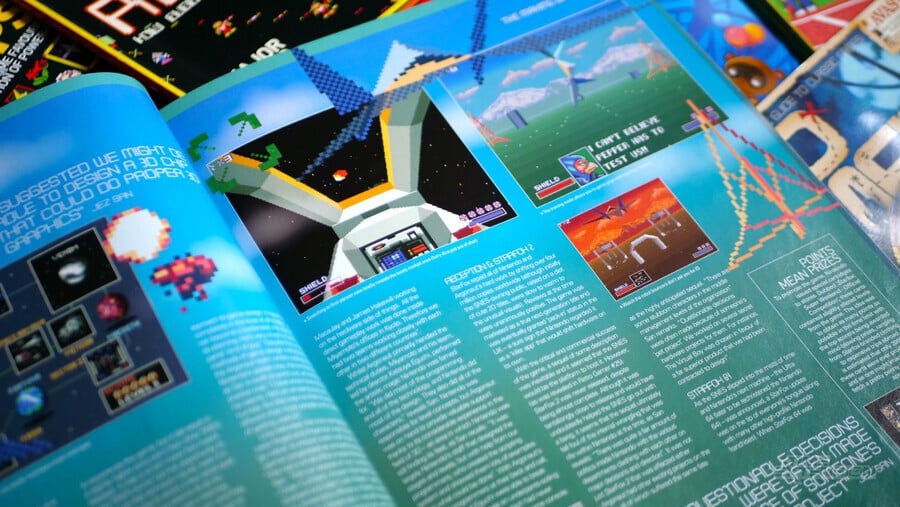
McFerran dedicated weeks to meticulously researching, interviewing, and crafting the five-page article. This deep-dive into Star Fox‘s genesis was, at the time, considered the most comprehensive feature of its kind, offering readers an unprecedented look into the technological innovations and creative decisions that shaped the game. Although McFerran completed the feature before receiving an official commission (a lesson in journalistic protocol, as Jones later advised waiting for a purchase order), the quality of his work ensured its acceptance and subsequent publication.
Fortuitously, McFerran also pitched a second feature for the same issue, focusing on Herzog Zwei, another personal favorite. This resulted in two articles by McFerran appearing in Retro Gamer issue 28, with the Star Fox piece securing the coveted cover story position. This dual debut provided an immediate and substantial platform for his entry into mainstream gaming journalism.
Retro Gamer Issue 28: Impact and Reception
Retro Gamer issue 28, released in 2006, quickly became a landmark publication for the magazine. The cover, emblazoned with the iconic polygonal features of Fox McCloud, immediately captured the attention of retro gaming enthusiasts. The Star Fox feature itself was lauded for its depth and detail, offering insights that were novel even 13 years after the game’s initial release. The feature illuminated the technical marvel of the Super FX chip, an accelerator co-processor that allowed the SNES to render groundbreaking 3D polygonal graphics, pushing the boundaries of what was thought possible on 16-bit hardware. This technological innovation was central to Star Fox‘s appeal and its enduring legacy.
The issue’s broader reception underscored the growing appetite for high-quality retro gaming content. For McFerran, seeing his words in print, especially as the cover story, served as an immense validation. Anecdotes, such as observing a reader excitedly pointing out the Star Fox cover in a retail store, illustrate the tangible impact and pride associated with published work. This public affirmation provided a significant confidence boost, confirming that his passion and writing ability resonated with a wider audience. The issue’s success further solidified Retro Gamer‘s position as a leading authority in classic gaming journalism.
The Enduring Legacy of Star Fox (SNES)
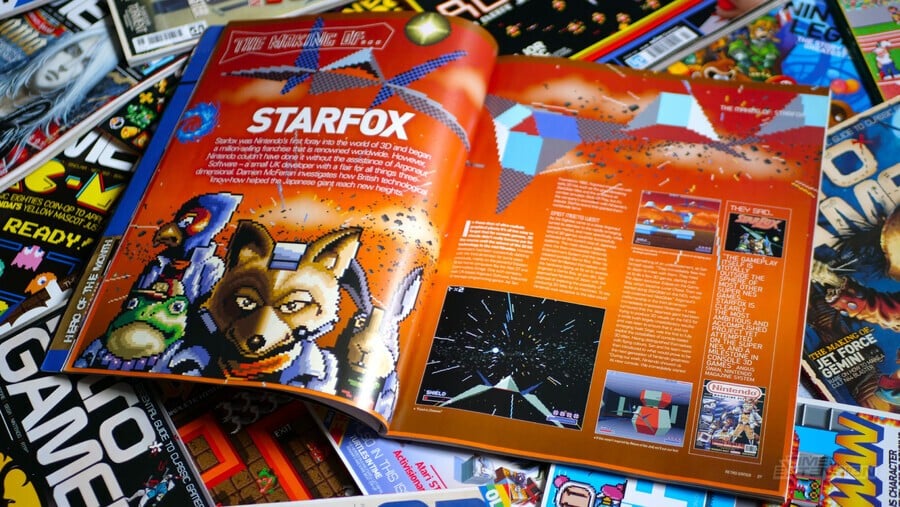
The original Star Fox (known as Starwing in Europe) holds a unique place in video game history. Released in 1993, it was a pioneering title for 3D graphics on home consoles. Developed by Argonaut Games in collaboration with Nintendo, the game’s use of the Super FX chip allowed for pseudo-3D polygonal environments and characters, a significant departure from the sprite-based 2D games prevalent at the time. This technological leap captivated players and critics alike, demonstrating the potential for immersive 3D experiences.
Star Fox garnered critical acclaim for its innovative gameplay, which blended on-rails shooting with elements of free-roaming exploration, its memorable characters (Fox McCloud, Falco Lombardi, Peppy Hare, Slippy Toad), and its distinct visual style. The game’s commercial success, selling over 4 million copies worldwide, cemented its status as a flagship title for the SNES and spawned a long-running franchise. Its influence can be seen in numerous subsequent 3D rail shooters and its contribution to the evolution of console graphics is undeniable. The recent re-release of Star Fox titles on platforms like the Nintendo Switch 2 (referring to potential future releases or emulated versions) serves as a testament to the series’ enduring appeal and its cultural significance across generations of gamers.
Broader Implications: Print Media as a Launchpad
The story of McFerran’s debut in Retro Gamer issue 28 is emblematic of a broader phenomenon in media history: the critical role of niche print publications as incubators for new talent. In an era predating the widespread democratization of publishing through blogs and social media, print magazines offered a tangible, high-profile platform that could legitimize aspiring journalists. Securing a commission in an esteemed publication like Retro Gamer provided not only exposure but also a credible entry point into the professional sphere.
This "print launchpad" allowed writers to build portfolios, gain invaluable editorial experience, and establish connections within the industry. McFerran’s subsequent career trajectory perfectly illustrates this, as his work in Retro Gamer opened doors to contributions for numerous other high-profile gaming and entertainment publications, including GamesTM, SFX, Eurogamer, GamePro, and IGN. This professional validation and network expansion would have been significantly more challenging without the initial breakthrough provided by Retro Gamer. The narrative highlights how, even as digital media began its ascent, traditional print still held considerable power in shaping careers and fostering professional growth.
Evolution of a Journalist and Hookshot Media
Following his successful debut, Damien McFerran became a regular contributor to Retro Gamer for several years, further solidifying his reputation as an expert in retro gaming. His career continued to flourish, moving from freelance contributions to more prominent editorial roles across various publications. Today, McFerran is a director at Hookshot Media, a prominent network of gaming websites that includes Time Extension, Nintendo Life, Push Square, and Pure Xbox.
His experience as an aspiring writer breaking into the industry profoundly influences his approach to talent development at Hookshot Media. The lessons learned from Darran Jones’s willingness to "take a punt on a laughably inexperienced writer" are now applied in McFerran’s own commissioning practices, emphasizing the importance of providing opportunities to new writers and nurturing emerging voices within the digital landscape. This full-circle journey underscores the enduring impact of a single opportunity and the responsibility of established professionals to mentor the next generation.
The Continued Relevance of Retro Gaming
The longevity of Retro Gamer magazine, which continues to publish new issues, alongside the sustained success of websites like Time Extension and Nintendo Life’s retro coverage, testifies to the enduring and growing appeal of classic video games. Retro gaming is no longer a niche hobby but a significant segment of the broader gaming culture, driven by nostalgia, historical appreciation, and the discovery of foundational titles by new generations of players. Events celebrating classic games, re-releases on modern platforms, and documentaries exploring gaming history all contribute to this vibrant ecosystem.
The 20-year anniversary of Retro Gamer issue 28 serves as a poignant reminder of the convergence of personal passion, professional opportunity, and cultural impact. It illustrates how a deep dive into a classic game like Star Fox could not only celebrate gaming history but also catalyze a significant career, demonstrating the powerful and interconnected nature of media, technology, and individual ambition within the dynamic world of video games. The legacy of that issue, and the Star Fox feature within it, continues to resonate, shaping both professional journeys and the broader appreciation for gaming’s rich past.