
 Farhan hamdan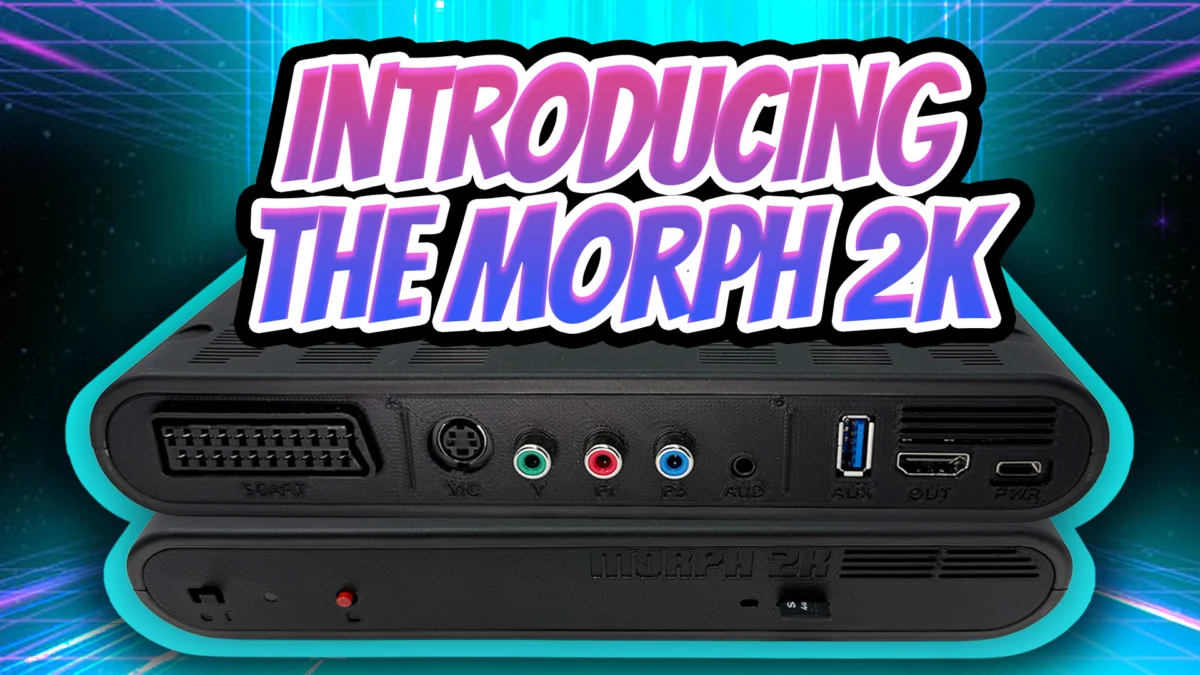
PixelFX, a prominent innovator in the retro gaming hardware space, has officially opened pre-orders for its latest video upscaling solution, the Morph 2K. Priced at an accessible $200, this new device aims to bring high-quality 1080p scaling with robust analog input support to a wider audience of retro gaming enthusiasts. The Morph 2K is slated for shipment by the fall of this year, promising to bridge the technological gap between vintage gaming consoles and modern display units with exceptional performance.
The Imperative for Modern Retro Scalers
The advent of the Morph 2K underscores a persistent challenge faced by the retro gaming community: the incompatibility between classic analog video signals and contemporary digital displays. Modern televisions and monitors are predominantly designed for HDMI input, expecting high-definition or ultra-high-definition digital signals. Vintage consoles, conversely, output a variety of analog signals—composite video, S-video, component video, and RGB—at standard definition resolutions (typically 240p or 480i). Attempting to connect these directly to a modern display often results in either no signal, a heavily degraded image, or significant input lag, diminishing the intended gaming experience.
This fundamental mismatch has fueled a vibrant market for specialized video processors, commonly known as scalers or upscalers. These devices accept analog signals from classic consoles, digitize them, apply sophisticated processing to upscale the resolution, and output a clean, modern digital signal (usually HDMI) compatible with contemporary displays. Key performance metrics for these devices include image quality (sharpness, color accuracy, artifact reduction), scaling algorithms (e.g., integer scaling for pixel-perfect reproduction), and, critically, input latency. Minimal input lag is paramount for retro gaming, where even a few milliseconds can affect gameplay precision, particularly in fast-paced action or rhythm games.
PixelFX’s Expanding Ecosystem and the Morph Lineage
PixelFX has established itself as a key player in this niche market, known for its commitment to high-fidelity video processing. The company previously made significant waves with the release of the Morph 4K, a premium scaler designed for enthusiasts seeking the ultimate 4K output from their classic consoles. The Morph 4K, while lauded for its cutting-edge performance and comprehensive features, occupies a higher price bracket, making it a significant investment for many.
The introduction of the Morph 2K represents a strategic expansion of PixelFX’s product portfolio, aiming to democratize access to high-performance retro scaling. By focusing on a 1080p output, the Morph 2K targets the vast majority of modern displays while offering a substantial cost reduction compared to its 4K sibling. This move suggests a deliberate effort by PixelFX to cater to a broader segment of the retro gaming market, offering a compelling balance of performance, features, and affordability. The decision to prioritize 1080p aligns with the practical realities for many gamers, as 1080p displays remain widely prevalent, and the visual benefits of 4K scaling for many 240p sources can sometimes be subtle or even imperceptible without specific display types or extreme scrutiny.
Technical Prowess and Performance Expectations
While specific detailed technical specifications beyond 1080p output and analog inputs are typically elaborated upon closer to launch, PixelFX’s reputation suggests the Morph 2K will inherit many of the core performance philosophies of its predecessors. The announcement highlights that the device "performed very well," a crucial indicator for a product in this category. This likely translates to:
- Low Latency: A hallmark of high-quality retro scalers, ensuring that controller inputs are reflected on screen with minimal delay. This is achieved through efficient signal processing and often involves "zero-lag" pass-through or highly optimized scaling pipelines.
- Crisp Image Quality: The ability to upscale standard definition signals to 1080p without introducing noticeable artifacts, blurriness, or color degradation. This often involves advanced deinterlacing for 480i signals (e.g., from PlayStation 2 or Xbox) and precise pixel sampling for 240p signals (e.g., SNES, Genesis).
- Robust Analog Input Support: The inclusion of "analog inputs" is broad, but typically encompasses RGB (SCART or component), component video (YPbPr), S-video, and composite video. Comprehensive support for these formats ensures compatibility with a vast array of retro consoles from different eras and regions.
- Flexible Scaling Options: Modern scalers often provide various scaling modes, such as integer scaling (where each original pixel is scaled by an exact integer, preserving sharpness), aspect ratio correction (4:3, 16:9), and optional features like scanline emulation, which mimics the visual characteristics of CRT displays. These features cater to individual preferences for authenticity versus modern clarity.
The Morph 2K is designed to be a plug-and-play solution, aiming to simplify the setup process for users who may find more complex, enthusiast-grade devices challenging. The accompanying video, highlighted in the original announcement, serves as a comprehensive guide, addressing common questions and helping potential buyers determine if the Morph 2K is the optimal choice for their specific setup and gaming needs.
Navigating the Competitive Landscape of Retro Scalers
The retro scaler market is dynamic and populated by several highly regarded devices, each with its unique strengths and target audience. The Morph 2K enters this arena alongside established titans and emerging alternatives.

RetroTINK Products: Led by Mike Chi, RetroTINK has become synonymous with user-friendly, high-performance scalers. The RetroTINK-5x Pro, for example, is widely celebrated for its ease of use, excellent image quality, and advanced features like sophisticated deinterlacing and custom resolution support. More recently, the RetroTINK 4K has pushed the boundaries further, offering state-of-the-art 4K scaling with unparalleled fidelity. RetroTINK devices are often praised for their intuitive interfaces and robust compatibility. The Morph 2K will directly compete with the 5x Pro in the 1080p high-performance segment, offering consumers another strong contender.
Open Source Scan Converter (OSSC): The OSSC stands as a testament to community-driven development. An open-source project, the OSSC is renowned for its pixel-perfect scaling, extremely low latency, and highly customizable settings. It appeals strongly to technical enthusiasts who enjoy fine-tuning every aspect of their video output. While powerful, its setup can be more involved, and it primarily outputs line-doubled or line-tripled signals, requiring displays capable of handling non-standard resolutions. Its open-source nature fosters continuous improvement and a strong community support network.
GBS-Control (GBS-C): The GBS-C represents a more budget-friendly and often DIY-oriented solution. Based on the widely available GBS8200 arcade board, GBS-C firmware modifications transform it into a surprisingly capable scaler. It offers good performance for its price point and is popular among those willing to undertake some assembly or configuration. Its appeal lies in its affordability and flexibility, though it typically requires more technical know-how to optimize compared to commercial, off-the-shelf units.
PixelFX Morph 4K: As the elder sibling, the Morph 4K remains PixelFX’s flagship. It targets users who prioritize absolute top-tier image quality and 4K output for their retro systems, often connecting to large format 4K displays. The Morph 2K distinguishes itself by offering a highly performant 1080p solution at a significantly lower entry cost, making high-quality scaling more attainable without compromising excessively on critical performance metrics.
The Morph 2K’s strategic pricing at $200 places it squarely in a competitive yet underserved segment, offering a premium experience at a mid-range price point. This could entice users who find the Morph 4K or RetroTINK 4K too expensive, or who desire a more refined and easier-to-use alternative to the OSSC or GBS-C for 1080p output.
Implications for the Retro Gaming Community and Market Dynamics
The launch of the PixelFX Morph 2K carries several significant implications for the retro gaming community and the broader market:
- Increased Accessibility: A high-quality 1080p scaler at a $200 price point significantly lowers the barrier to entry for many enthusiasts. It means more gamers can enjoy their classic consoles on modern displays without prohibitive costs or complex technical setups. This accessibility is crucial for attracting new blood to the hobby and retaining existing players who might otherwise be frustrated by technical hurdles.
- Enhanced Preservation: By making it easier and more affordable to connect vintage hardware to contemporary displays, devices like the Morph 2K contribute directly to the preservation of gaming history. They ensure that original hardware and software can continue to be experienced and appreciated in a visually appealing and authentic manner for decades to come.
- Market Competition and Innovation: The introduction of the Morph 2K intensifies competition within the retro scaler market. This competitive pressure often drives further innovation, encouraging manufacturers to refine their existing products, develop new features, and potentially explore even more affordable or specialized solutions. Consumers ultimately benefit from a wider array of choices and potentially better value.
- Diversification of Solutions: PixelFX’s decision to offer both 4K and 1080p options acknowledges the diverse needs and budgets within the retro gaming community. Not every gamer requires or can afford 4K output, and a dedicated, high-performance 1080p solution fills an important niche, offering an optimized experience for that resolution.
- Validation of the Niche: The continued investment by companies like PixelFX in developing new and refined retro hardware solutions underscores the enduring strength and growth of the retro gaming market. It signals that demand for high-quality, authentic retro experiences remains robust, moving beyond mere nostalgia to a legitimate segment of the gaming industry.
Chronology of Availability and Further Resources
Pre-orders for the PixelFX Morph 2K are currently open via the official link provided: retrorgb.link/morph2k. The device is expected to begin shipping by the fall of 2024. Prospective buyers are encouraged to consult the detailed introductory video, accessible at the provided YouTube link, which aims to answer frequently asked questions and offer comprehensive insights into the scaler’s capabilities and target applications.
For those interested in exploring alternative or complementary retro scaling solutions, the original announcement also points to resources for RetroTINK products (retrorgb.com/retrotink.html), OSSC devices (retrorgb.com/ossc.html), and the GBS-C (retrorgb.link/mcbazelodv). Further related content, including videos on 1080p5x scaling, monitor reviews (e.g., Titan Army Monitor), general getting started guides, lag testing methodologies, and 4K lossless captures, are also linked, providing a rich ecosystem of information for enthusiasts.
The launch of the Morph 2K marks a significant moment for retro gaming, promising to make high-fidelity 1080p experiences more accessible and further solidifying PixelFX’s role as a leader in preserving and enhancing the legacy of classic video games for a new generation of players. Independent content creators, such as Bob from RetroRGB, play a crucial role in disseminating this information and offering impartial reviews, often supported by community contributions through platforms like Patreon, highlighting the symbiotic relationship between hardware developers, content creators, and the passionate retro gaming community.








