Retno Hari Mulyono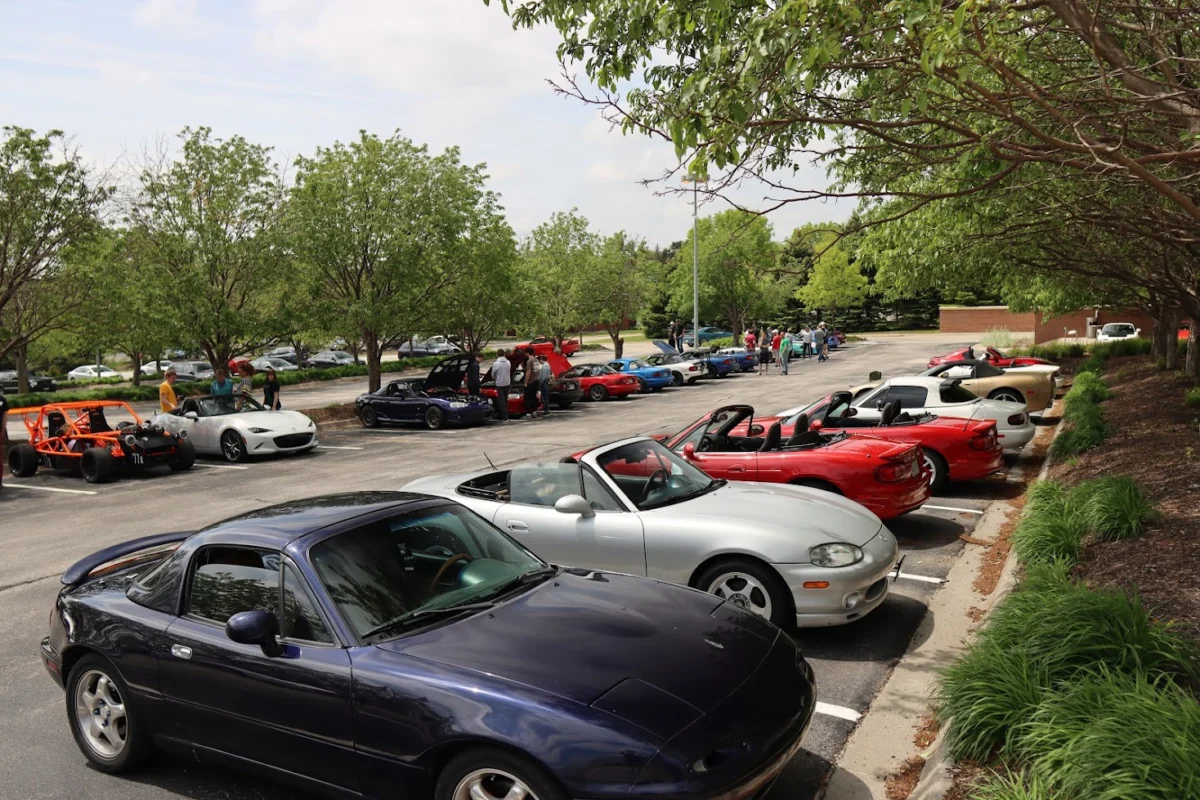
The automotive aftermarket and enthusiast community have long regarded the Mazda MX-5 Miata as the quintessential platform for accessible performance, but the second-generation model, known internally as the NB, has recently seen a significant resurgence in interest. Between March 2021 and March 2022, a detailed technical case study of a 2000 Mazda Miata acquisition and subsequent modification cycle has provided a blueprint for transforming a high-mileage roadster into a track-capable machine. This period of ownership highlights the intersection of preventative maintenance, aesthetic preservation, and safety-oriented performance upgrades, reflecting broader trends in the modern classic car market.
Initial Acquisition and the BP4W Architecture
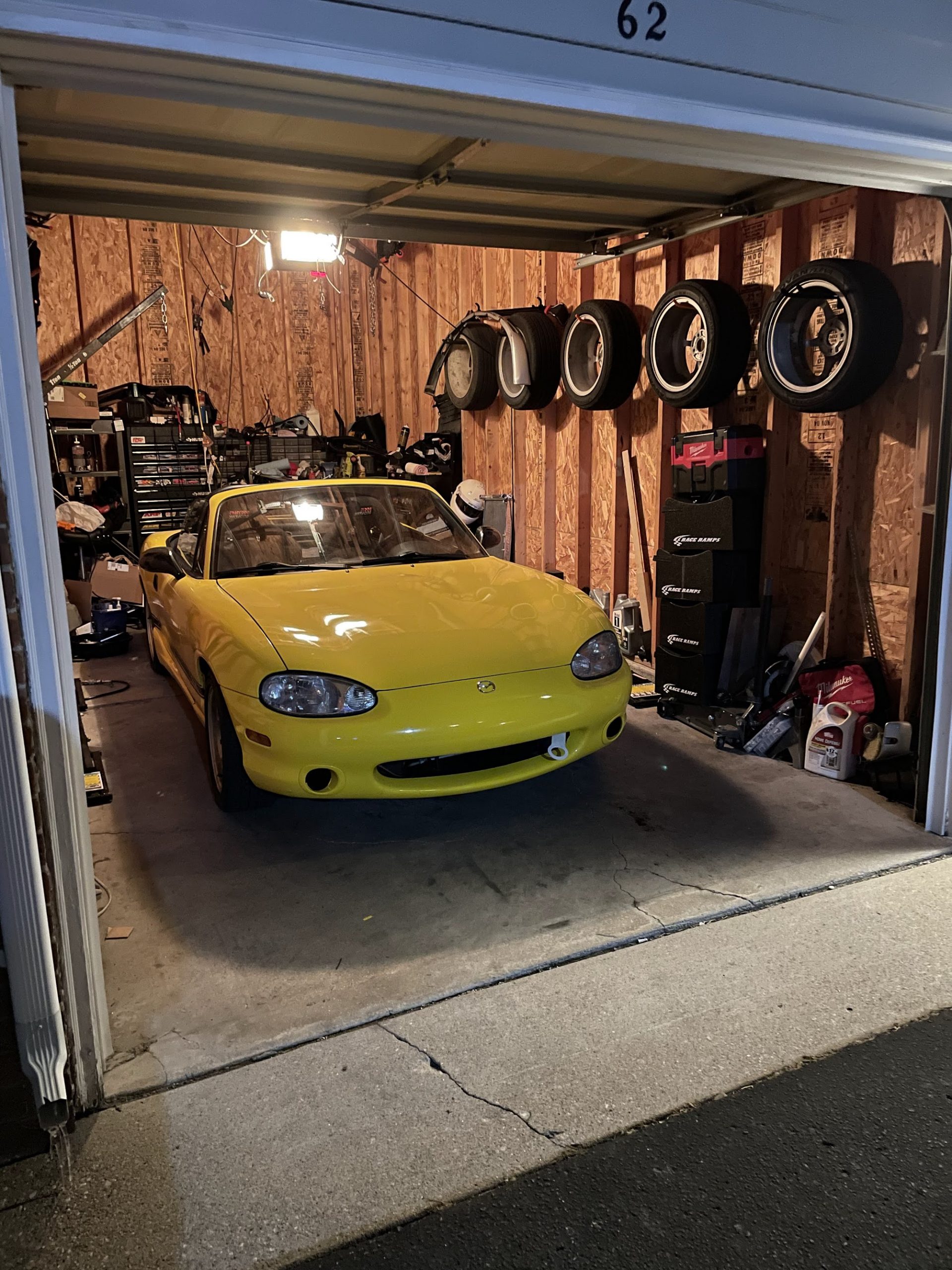
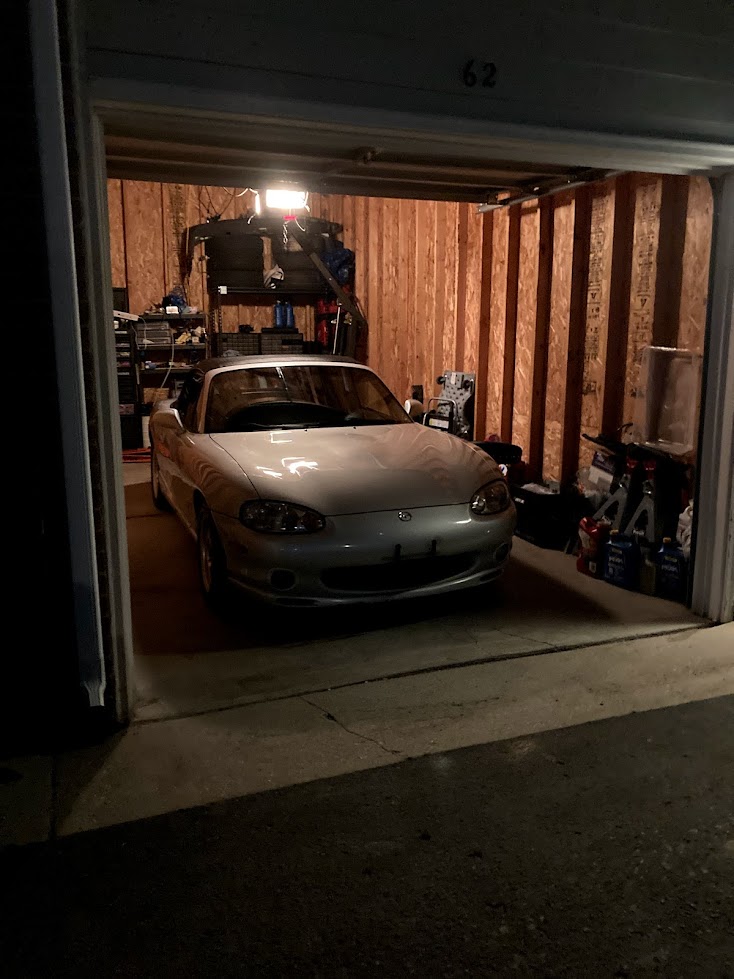
In late March 2021, the project commenced with the purchase of a 2000 Mazda Miata, a vehicle representing the early years of the NB generation. The NB Miata, produced between 1998 and 2005, retained the lightweight ethos of its predecessor while introducing a more rigid chassis and a more powerful iteration of the 1.8-liter inline-four engine. Specifically, the 2000 model year utilizes the BP4W engine, which features a solid lifter valvetrain and a high-flowing cylinder head design that lacks the Variable Valve Timing (VVT) found in later 2001-2005 models.
Upon acquisition, the primary appeal of the platform was identified as its power-to-weight ratio and mechanical "rawness." While stock power figures for the 2000 model were rated at approximately 140 horsepower and 119 lb-ft of torque, the vehicle’s sub-2,400-pound curb weight provides a foundational advantage in handling and braking. The initial assessment of the vehicle emphasized that while the car lacked straight-line speed by modern standards, its communicative steering and balanced 50/50 weight distribution offered a superior starting point for a dual-purpose street and track build.
Establishing a Mechanical Baseline: April 2021
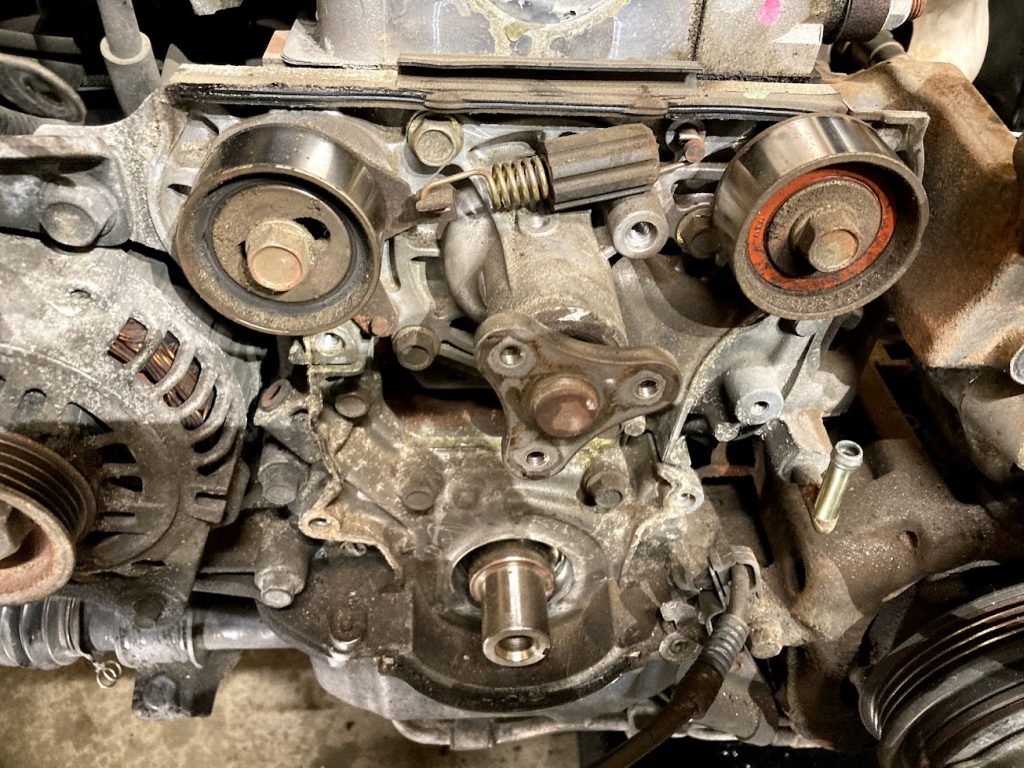
A critical phase of any vintage vehicle project is the establishment of a "known good" reliable state. In April 2021, the vehicle underwent extensive baseline maintenance. Because the 2000 Miata lacked a verifiable service history, the focus was placed on the timing system and cooling circuit. The BP4W is a non-interference engine, meaning that a timing belt failure will not result in catastrophic contact between the pistons and valves. However, for a vehicle intended for high-stress environments such as track days, the reliability of the timing belt, water pump, and associated tensioners is paramount.
By addressing these components early, the project shifted from a reactive maintenance posture to a proactive performance posture. This phase is often cited by automotive engineers as the "reliability stage," where the goal is to eliminate variables that could lead to mechanical failure during high-rpm operation.
Community Integration and Exhaust Dynamics: May–June 2021
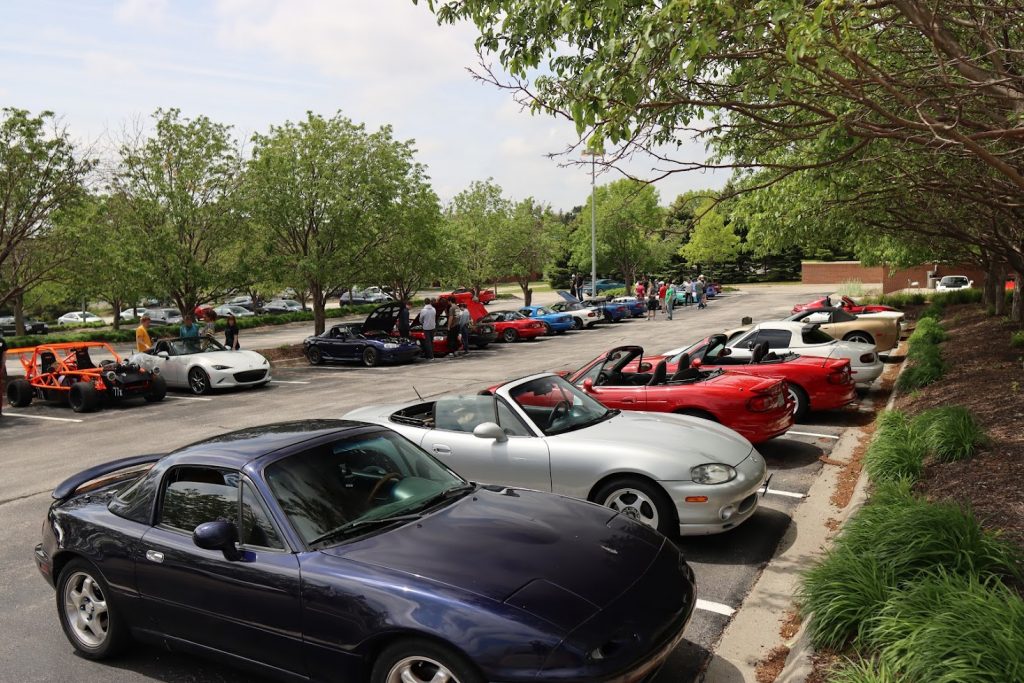
The month of May 2021 saw the vehicle’s introduction to the broader enthusiast community. Participation in regional Miata gatherings highlighted the diversity of the platform, ranging from stock restorations to V8-swapped "Exocet" kit cars. This community involvement serves as a vital feedback loop for enthusiasts, providing insights into common failure points and proven modification paths.
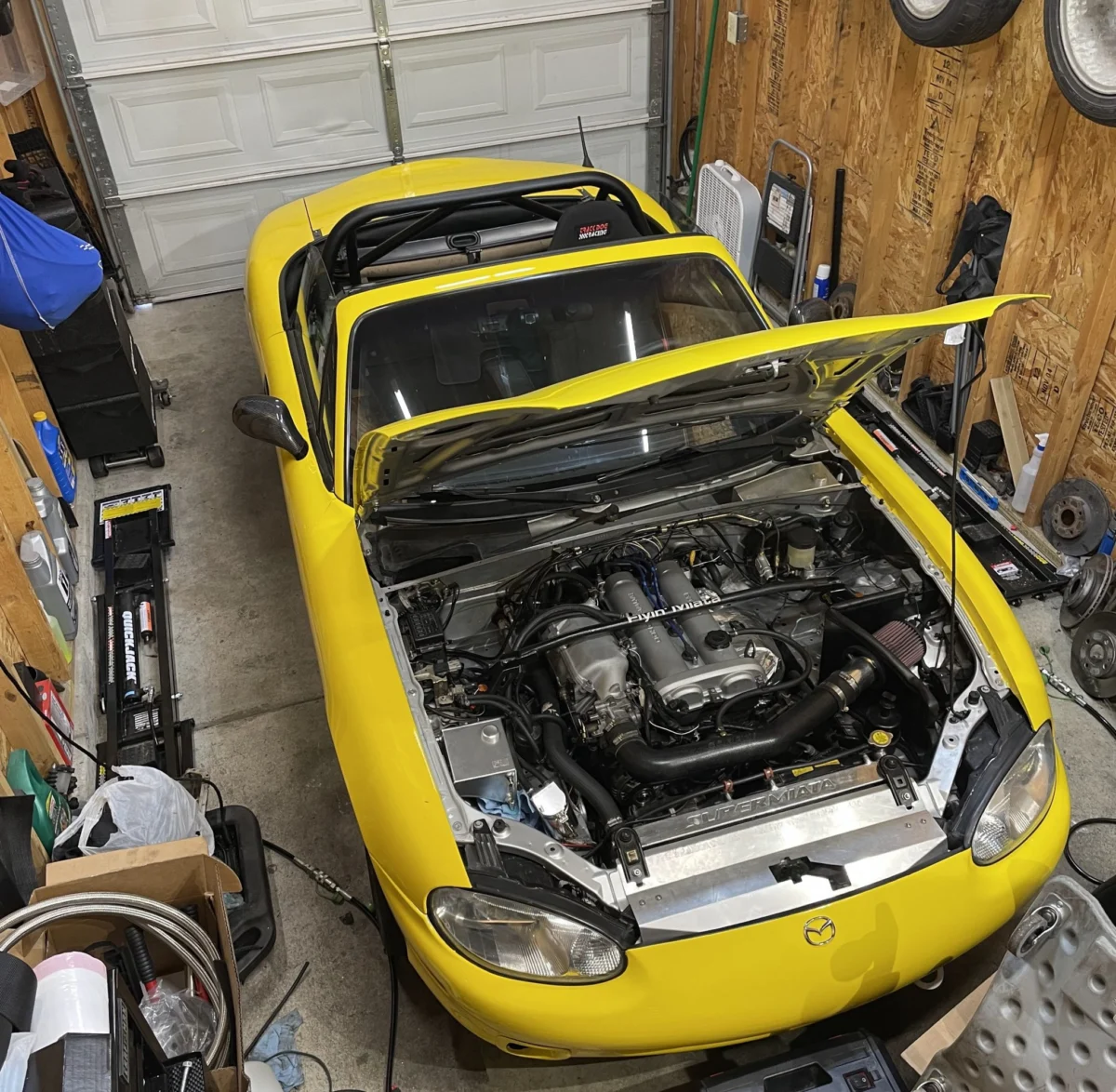
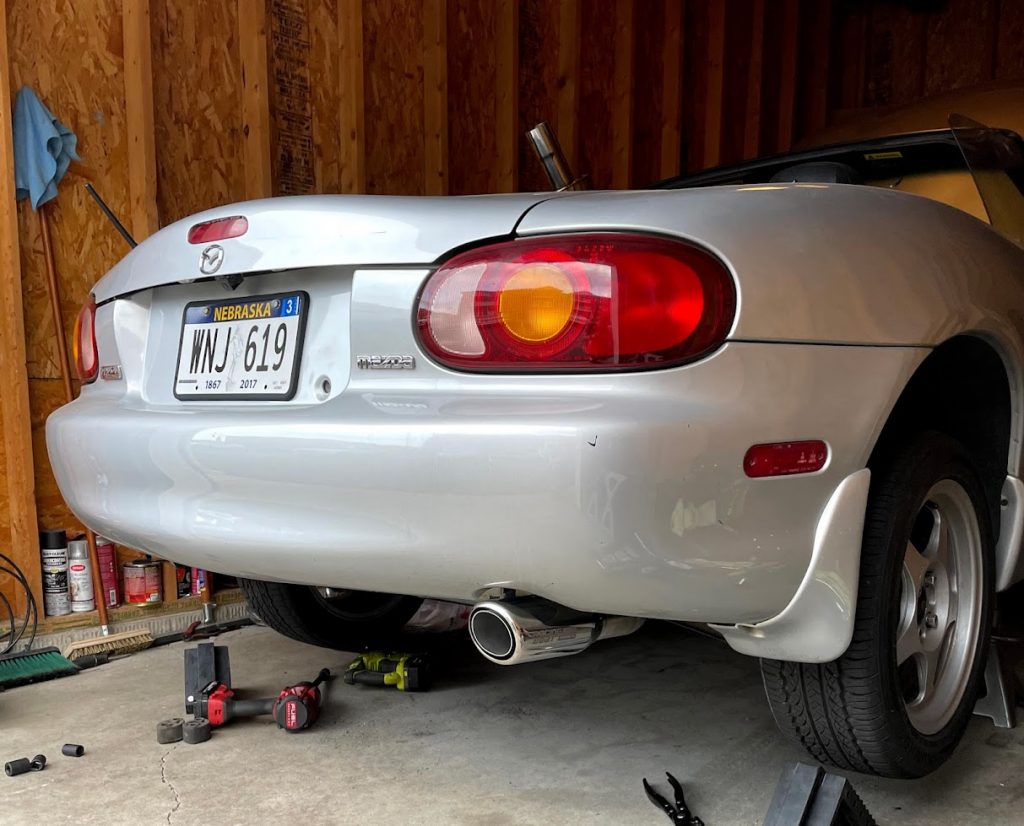
In June 2021, the project transitioned to performance modifications, specifically focusing on the exhaust system. The stock manifold and mid-pipe were replaced with a combination of a Raceland header, a Cobalt mid-pipe, and a Racing Beat Power Pulse muffler. The objective was twofold: to resolve lingering catalytic converter efficiency codes and to enhance the auditory feedback of the engine. However, this phase also highlighted the complexities of modern emissions systems; the failure to properly reconnect the Exhaust Gas Recirculation (EGR) pipe resulted in secondary engine codes, illustrating the precision required when modifying street-legal performance vehicles.
Aesthetic Transformation and Surface Preservation: July–August 2021
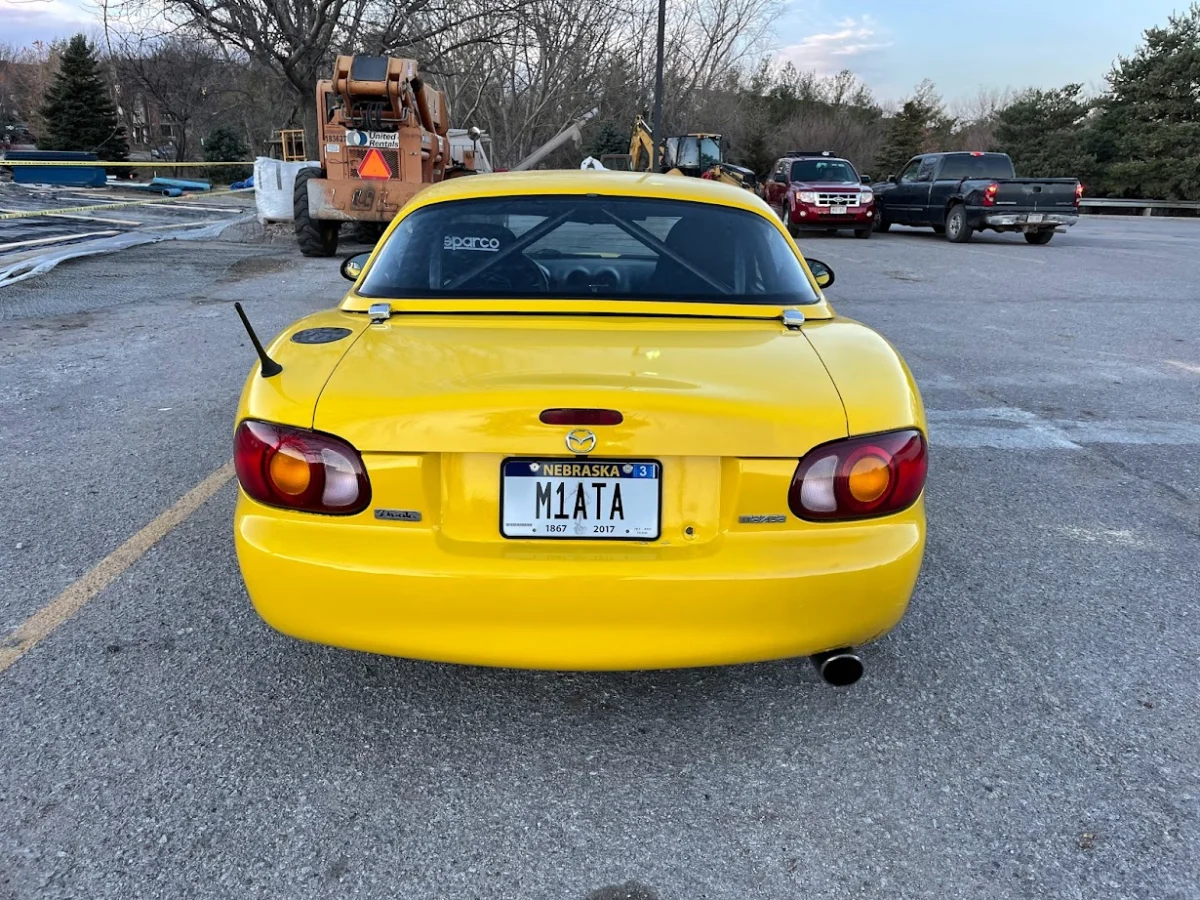
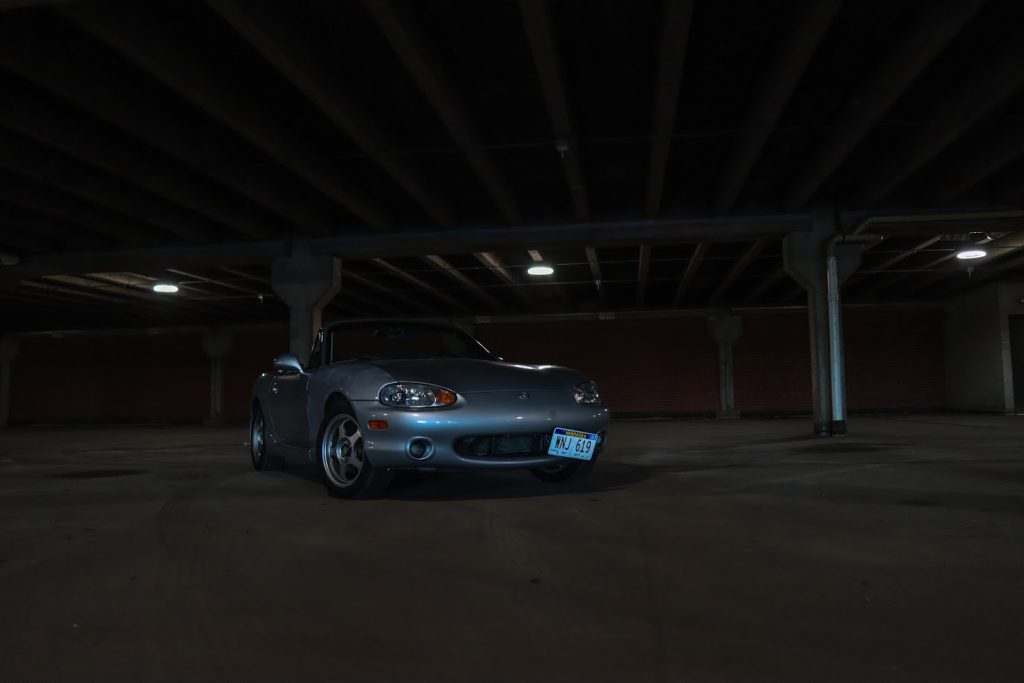
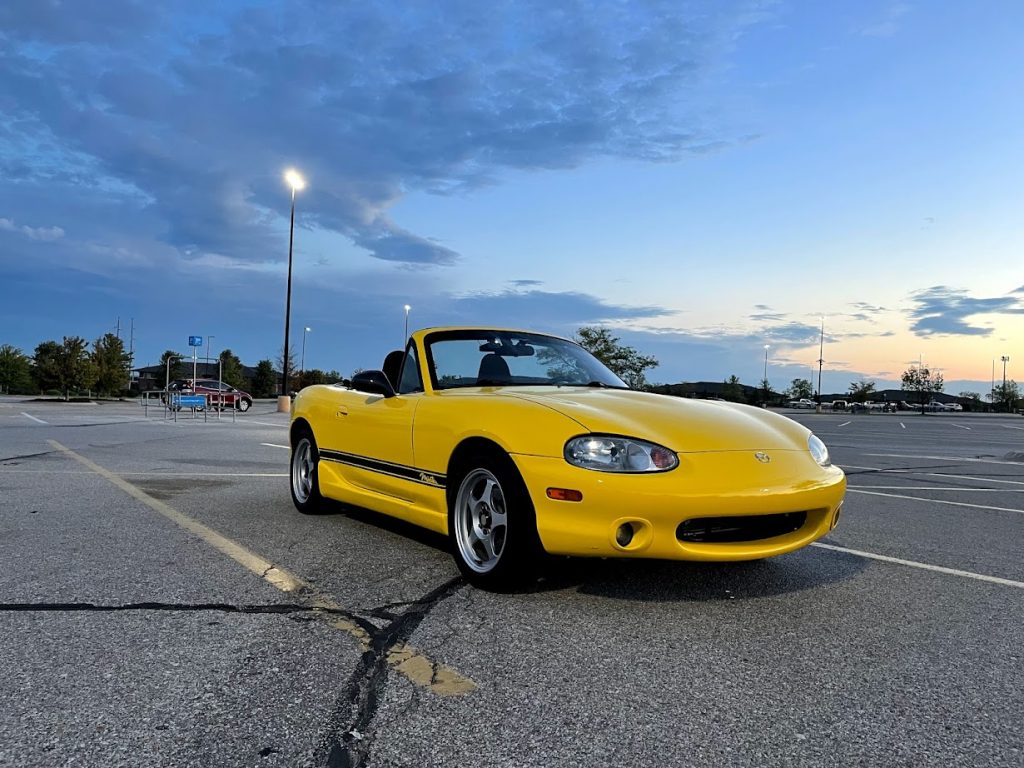
By mid-2021, the focus shifted toward the vehicle’s exterior. The NB Miata is notoriously susceptible to corrosion, particularly in the rocker panels and frame rails. While the project car was originally finished in silver, a decision was made to apply a full vinyl wrap in yellow. This process required significant surface preparation, including the replacement of a damaged front fender.
The use of a "rattle can" paint match on the replacement fender provided a smooth substrate for the vinyl, ensuring a uniform finish. The transition to yellow was not merely an aesthetic choice but a functional one, as high-visibility colors are often preferred in track environments for better recognition by other drivers and corner marshals. By August 2021, the visual overhaul was complete, marking the end of the project’s "cosmetic phase."
Performance Testing: Track Days and Autocross: September–October 2021
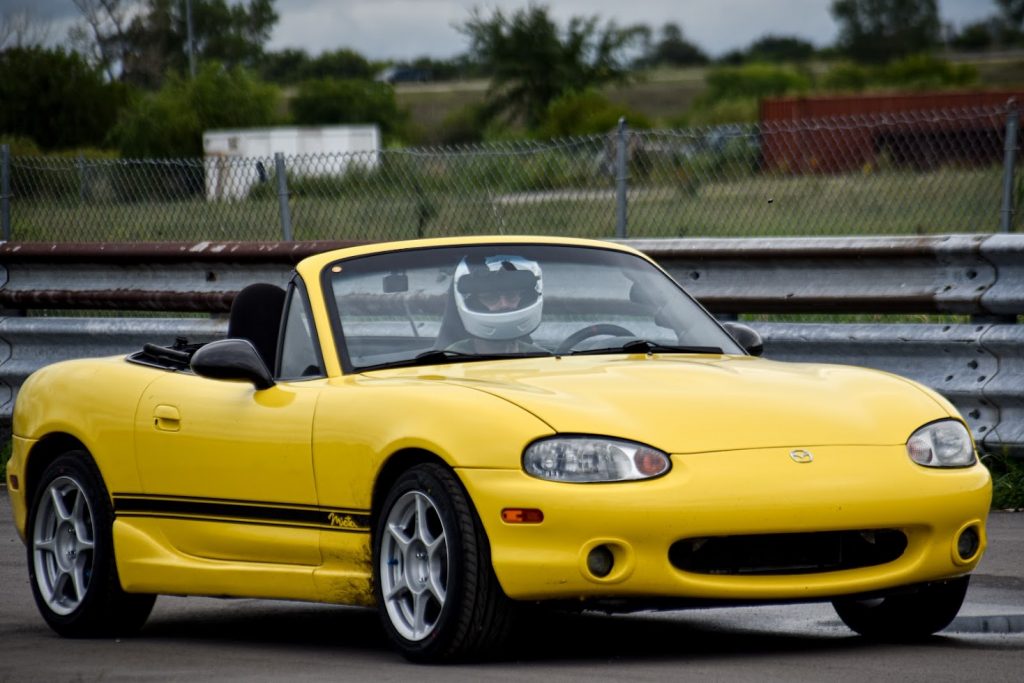
The true test of the Miata platform occurred in the fall of 2021. In September, the vehicle was campaigned at Raceway Park of the Midlands. Track days subject a vehicle to sustained high temperatures, high-speed braking, and extreme lateral loads that cannot be replicated on public roads. The Miata’s performance during this event validated the early maintenance efforts and provided data on the car’s handling characteristics at the limit.
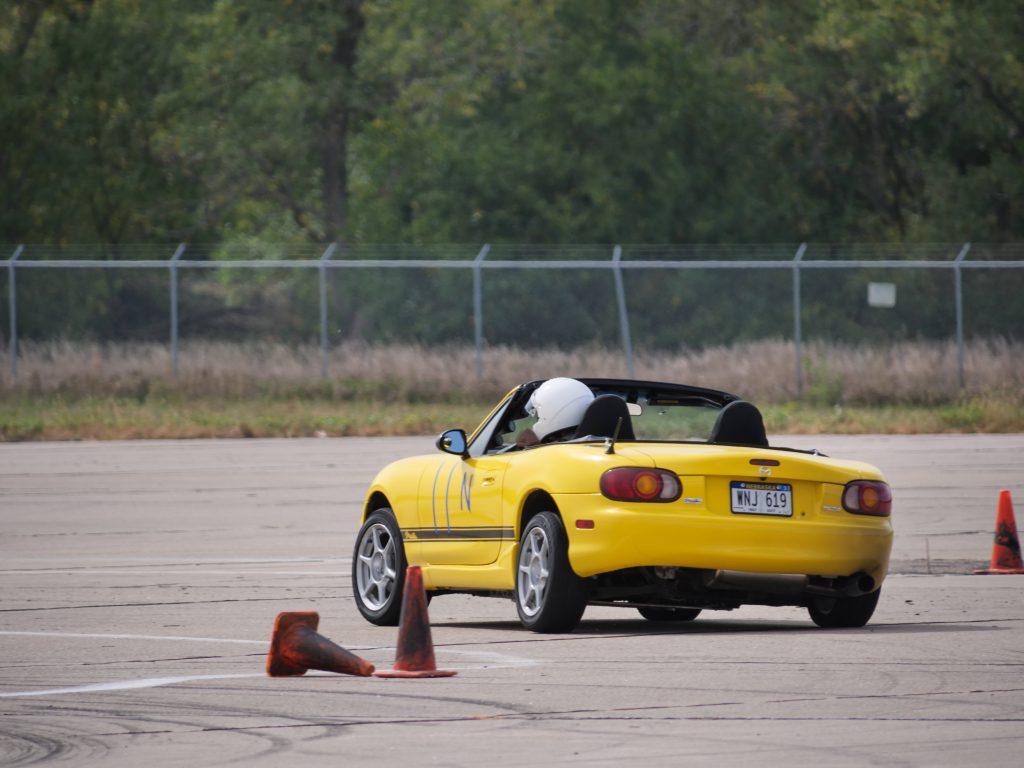
In October, the vehicle participated in autocross, a discipline that emphasizes low-speed agility and driver precision. Autocross serves as a cost-effective method for testing suspension geometry and tire grip without the high-speed risks associated with full-circuit racing. These competitive events identified the need for more robust driver restraints and specialized safety equipment, as the stock interior proved insufficient for holding the driver in place during aggressive cornering.
Winter Preservation and Structural Upgrades: November 2021–January 2022
As temperatures dropped in Nebraska, the risk of road salt became a primary concern. The NB Miata’s chassis design features "double-walled" front frame rails that trap moisture and salt, leading to structural rot that can effectively total the vehicle. To preserve the integrity of the chassis, the vehicle was largely withdrawn from salt-treated roads starting in November.
During this period of storage, a removable hardtop was utilized, which significantly increased the structural rigidity of the car and improved the interior’s NVH (Noise, Vibration, and Harshness) levels. The winter months were also used for intensive mechanical work, including a full suspension overhaul in December and "engine-out" maintenance in January 2022.
The engine-out service was necessitated by a leaking rear main seal and a stripped oil drain plug. While the engine was removed, several "while-you’re-in-there" upgrades were performed, most notably a coolant reroute kit. The Mazda B-series engine was originally designed for front-wheel-drive applications; when converted to rear-wheel-drive in the Miata, the cooling path was compromised, leading to higher temperatures in the rear cylinders. A reroute kit restores the original flow path, ensuring more uniform cooling across the cylinder head—a vital modification for engine longevity in racing conditions.
Safety Systems and DIY Alignment: February 2022
The final month of the project’s first year, February 2022, focused on driver safety and chassis tuning. To comply with track safety regulations and improve driver control, Track Dog Racing UltraShield Rally Sport seats were installed along with 6-point harnesses. These upgrades were designed to pass the "broomstick test"—a safety requirement ensuring the driver’s helmet is below a line drawn from the roll bar to the windshield frame.
Additionally, a DIY alignment was performed to optimize the car’s contact patch. Unlike most modern economy cars, the Miata features fully adjustable double-wishbone suspension at all four corners, allowing for precise control over camber, caster, and toe. While professional laser alignments are standard, the DIY approach using strings and levels allowed for incremental adjustments based on driver feedback.
Broader Impact and Conclusion
The one-year evolution of this NB Miata serves as a microcosm of the current automotive landscape, where enthusiasts are increasingly turning to older, analog platforms to escape the complexity and weight of modern vehicles. The project demonstrates that with a systematic approach to maintenance, cooling, and safety, a twenty-year-old roadster can remain a viable and competitive tool for driver development.
As the market for internal combustion engine vehicles shifts toward electrification, the preservation and modification of platforms like the NB Miata highlight a growing subculture dedicated to mechanical transparency and "slow car fast" dynamics. The data gathered from this twelve-month cycle suggests that the NB Miata remains one of the most resilient and rewarding platforms for those willing to invest in its structural and mechanical upkeep. Looking forward, the project is expected to transition into more advanced power-adders or aero-dynamic enhancements, continuing the car’s transformation from a budget commuter to a dedicated performance machine.