Retno Hari Mulyono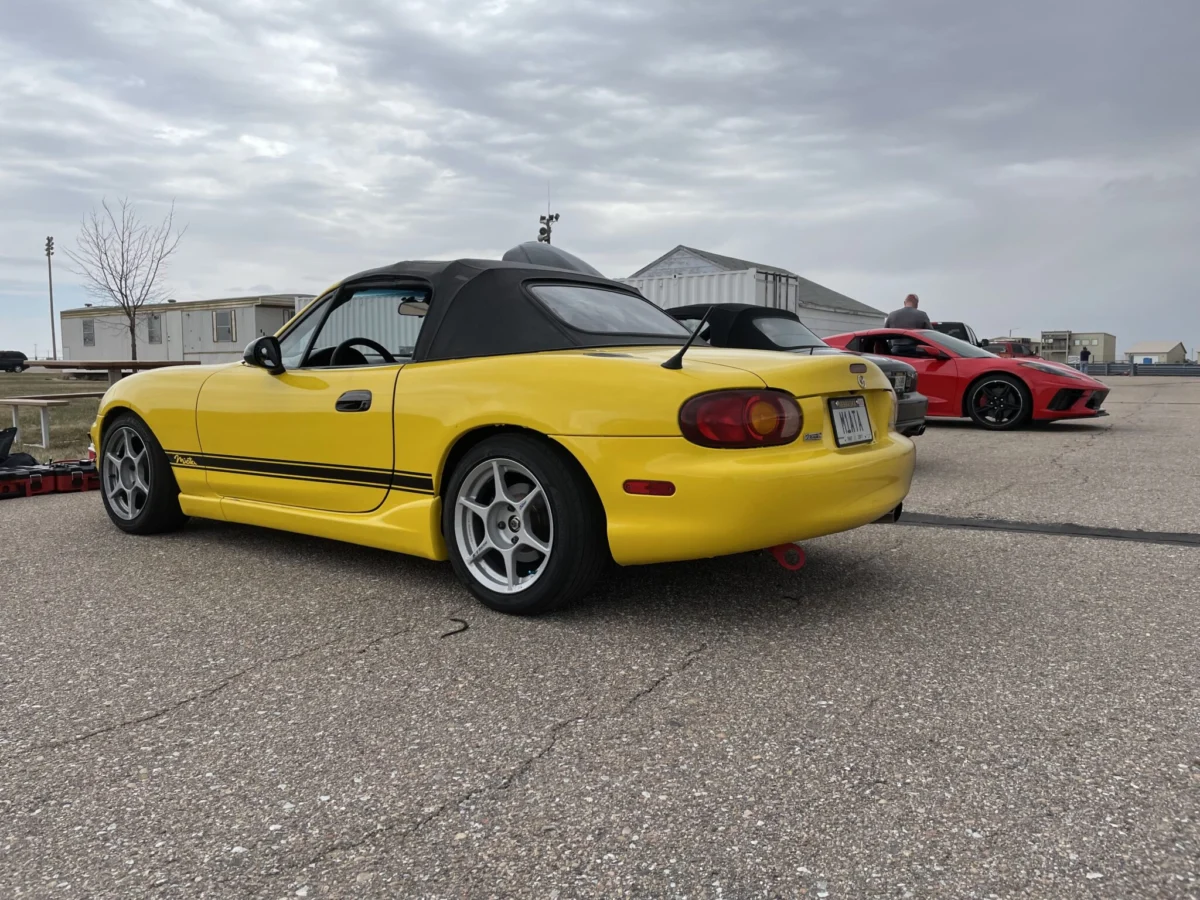
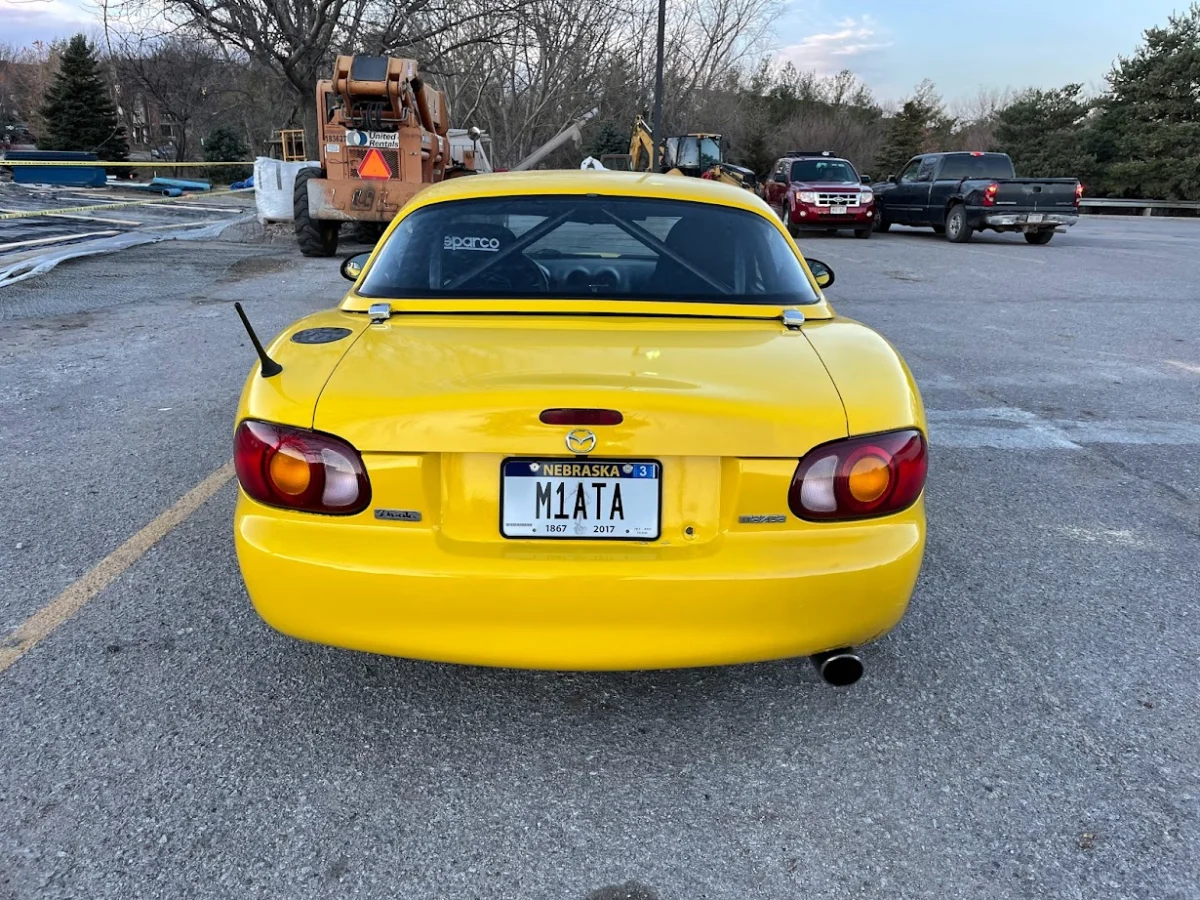
The second year of ownership for a 1999 Mazda MX-5 Miata, known internally as the NB chassis, has concluded with a documented transformation from a street-oriented convertible into a specialized instrument for track and autocross competition. Following its initial acquisition in March 2021, the vehicle has undergone a rigorous 12-month cycle of mechanical refinement, aerodynamic enhancement, and competitive evaluation. This period was characterized not only by significant hardware upgrades but also by a data-driven approach to driver development, resulting in a measurable increase in both mechanical efficiency and lap-time consistency.
Early Season Performance and Track Surface Dynamics
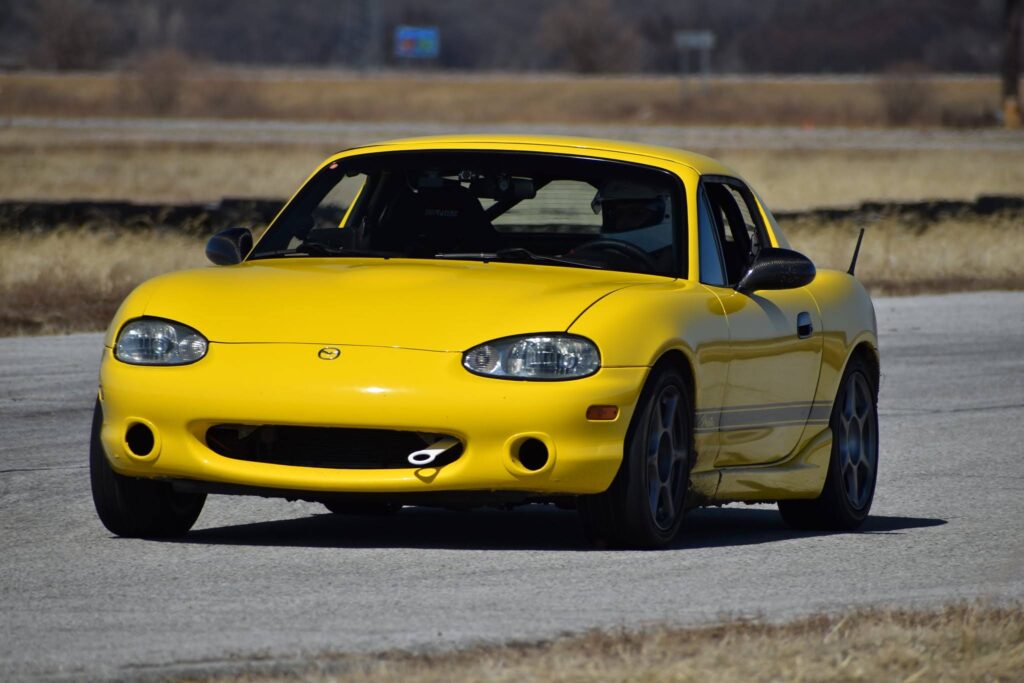
The driving season commenced in March 2022 at Raceway Park of the Midlands (RPM). This facility, situated in Glenwood, Iowa, served as the primary testing ground for the vehicle throughout the year. Initial sessions focused on establishing a performance baseline following the winter off-season. Observations from early track days highlighted the stark contrast between various regional circuits, particularly regarding surface conditions and paddock infrastructure.
In April 2022, the project moved to Motorsports Park Hastings (MPH) in Nebraska. This visit coincided with the facility’s recent completion of a full track resurfacing project. The transition from the abrasive and undulating surface of RPM to the pristine asphalt of MPH provided critical data on suspension behavior. While RPM’s rougher patches necessitated a more forgiving setup to maintain tire contact, the smooth surface at Hastings allowed for higher lateral G-loads and more aggressive turn-in. However, logistical considerations—including a one-hour longer transit time and higher entry fees at Hastings—led the project to prioritize RPM for high-frequency testing and driver training.
Structural and Utility Enhancements
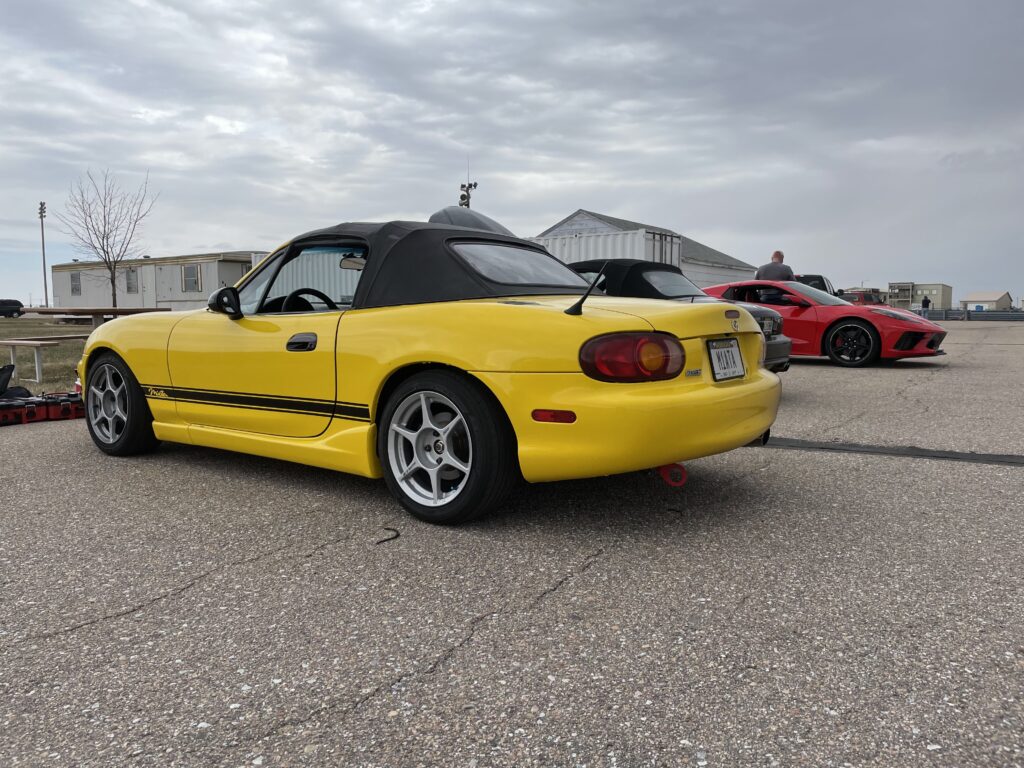
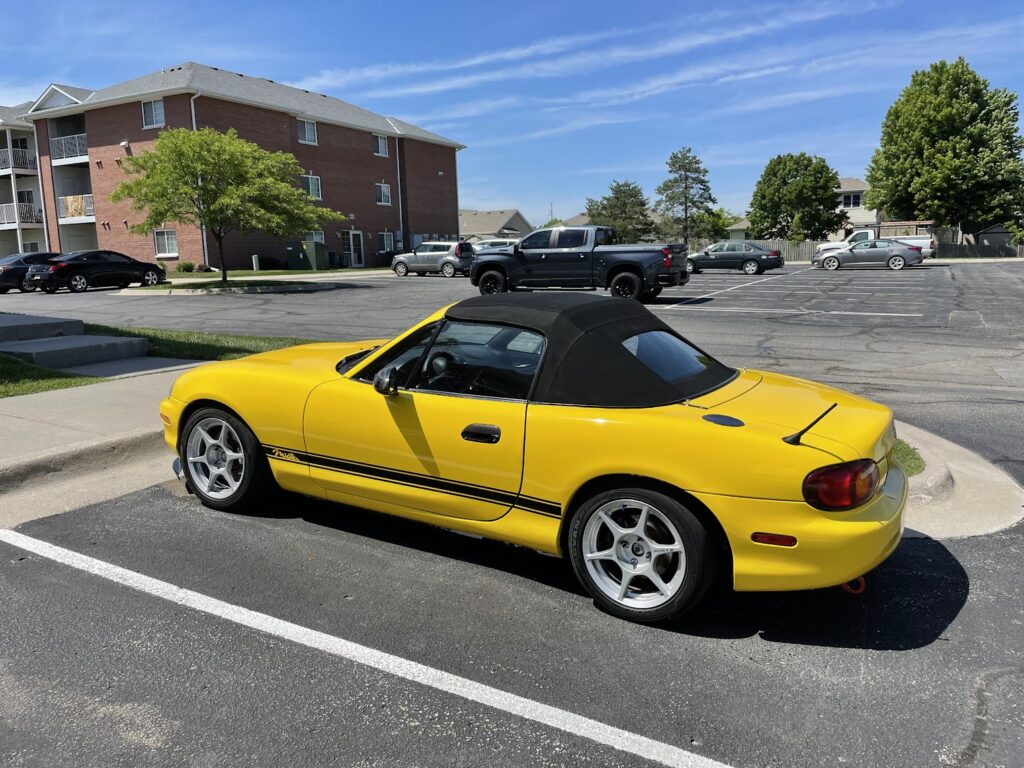
Beyond the mechanical drivetrain, the second year addressed the practical limitations inherent in the Miata’s compact design. In May 2022, the aging vinyl soft top, which had suffered from degradation and previous temporary repairs, was replaced with a premium Robbins canvas top featuring a zippered glass window. This upgrade was not merely aesthetic; the canvas material demonstrated superior flexibility in lower temperatures and provided improved thermal and acoustic insulation compared to the original vinyl. The installation utilized a secondary frame sourced from a salvage yard, allowing for a modular assembly process that minimized vehicle downtime.
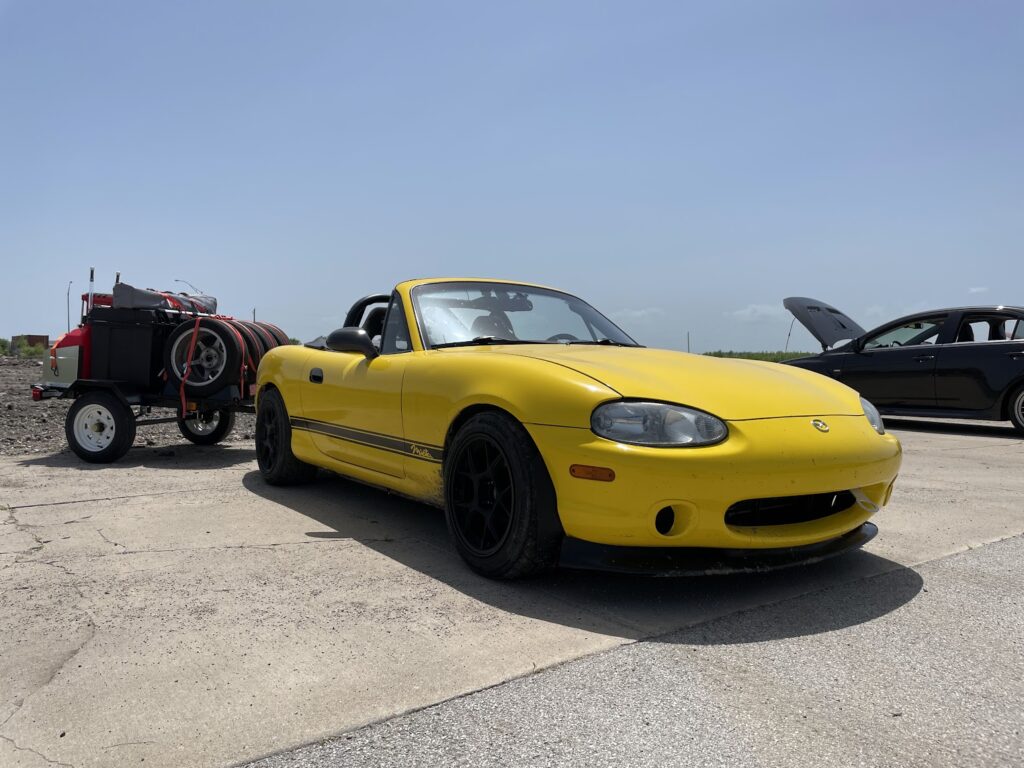
Recognizing the logistical challenges of transporting tools, spare parts, and dedicated racing tires, a custom tire trailer was engineered in June 2022. Built on a 40×48-inch Northern Tool chassis with an extended plywood deck, the trailer allowed the Miata to transport four additional wheels, fuel jugs, and maintenance equipment. Weighing approximately 700 pounds when fully loaded, the trailer demonstrated that the NB chassis remains a viable platform for "arrive and drive" grassroots motorsports without the immediate necessity of a dedicated towing vehicle.
Quantifiable Power Gains and Drivetrain Optimization
A central pillar of the second-year development was the extraction of additional power from the naturally aspirated 1.8-liter BP4W engine. In July 2022, the vehicle returned to the dynamometer for professional evaluation. A comparison of data from August 2021 to July 2022 revealed a significant upward trajectory in performance metrics:
- August 2021: 115 wheel-horsepower (whp) and 106 lb-ft of torque.
- July 2022: 136 wheel-horsepower (whp) and 119 lb-ft of torque.
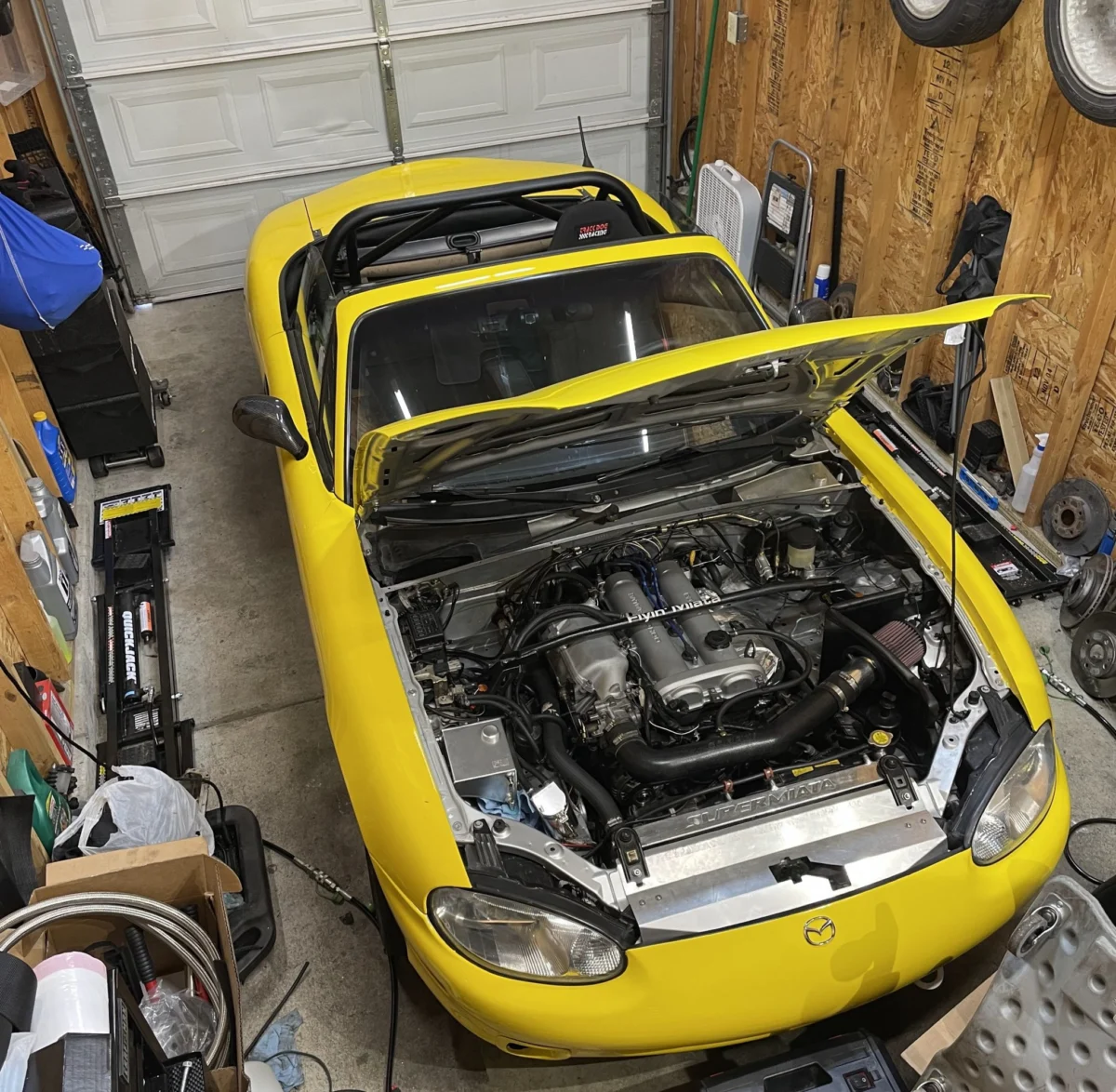
This 18% increase in horsepower was attributed to the integration of a "squaretop" intake manifold—a component originally found on European and Japanese market models—and the implementation of a Megasquirt standalone ECU. The tuning was optimized for E85 ethanol fuel, which provides superior knock resistance and cooler intake charges compared to standard pump gasoline. These modifications effectively bridged the gap between the stock NB1 output and the performance levels required for competitive track use.
Diversification into Multi-Discipline Motorsports
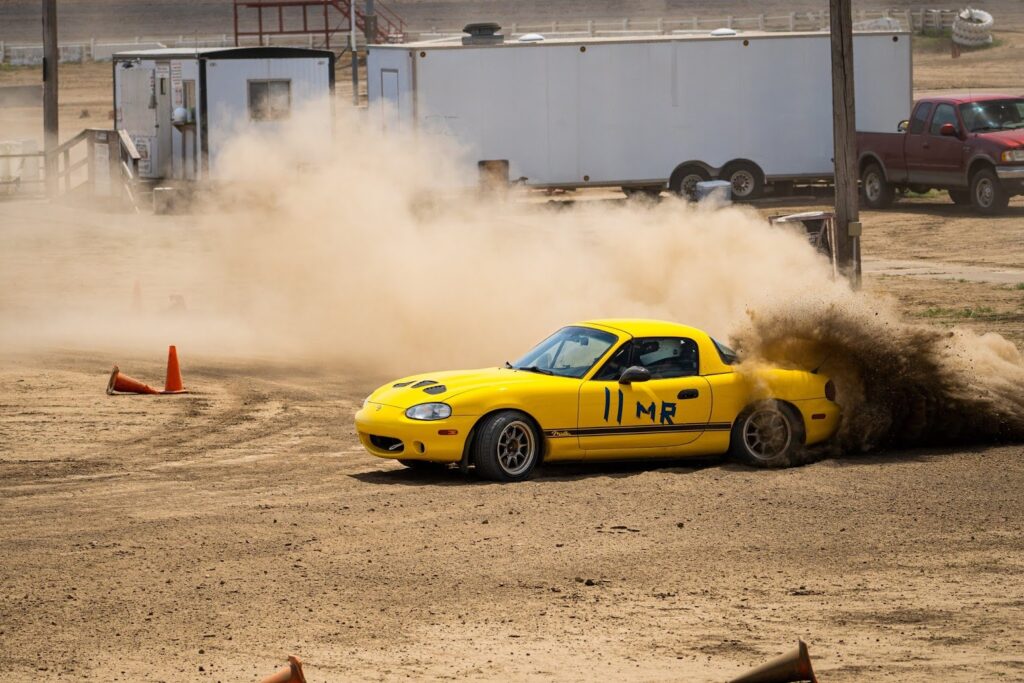
The late summer and early autumn of 2022 marked an expansion into diverse racing formats, including Rallycross and Autocross. In August, the vehicle participated in an SCCA Rallycross event at I-80 Speedway. This provided an opportunity to test car control in low-traction environments. While the experience was deemed highly educational for driver development, the physical toll on the vehicle—including the loss of the front air dam—highlighted the risks of utilizing a low-clearance track car for off-road disciplines.
In September and October, the project focused on the Nebraska Region SCCA Autocross circuit. Competing at the same site used for the SCCA Solo Nationals, the driver utilized the long, technical courses to refine precision steering and braking. The progress was statistically significant: the driver moved from the bottom 8% of the field in early sessions to the top 50% by the end of the season. This improvement underscored the importance of seat time and the Miata’s reputation as an elite platform for learning vehicle dynamics.
Critical Incident and Structural Recovery
The pursuit of performance limits inevitably carries risks, which materialized during the final track event of the season on October 29, 2022. While navigating the technical sections of Raceway Park of the Midlands, the driver experienced an oversteer condition in Turn 10. Although the slide was corrected, the vehicle’s trajectory led to an understeer event in Turn 11, resulting in a 60-mph impact with a tire wall.
The incident served as a real-world test of the circuit’s safety infrastructure. The tire wall effectively dissipated the kinetic energy, preventing structural damage to the chassis and ensuring the safety of the occupants. The damage was limited to the front-left quadrant, including the hood, bumper, fender, and headlight. Due to the vehicle’s vinyl-wrapped exterior, repairs were conducted economically during the month of November. The modular nature of the NB Miata allowed for the rapid replacement of body panels, and the car was returned to a cosmetically sound state before entering winter storage.
Winter Engineering: Suspension and Aerodynamics
The winter months of late 2022 and early 2023 were dedicated to a complete overhaul of the vehicle’s suspension and aerodynamic profile. In December, the rubber bushings in the control arms were replaced with A1 Ground Control Nylatron bushings. Unlike standard polyurethane, Nylatron is a self-lubricating thermoplastic that offers high rigidity with minimal binding, though it does increase Noise, Vibration, and Harshness (NVH) levels—a trade-off deemed acceptable for a track-focused build.
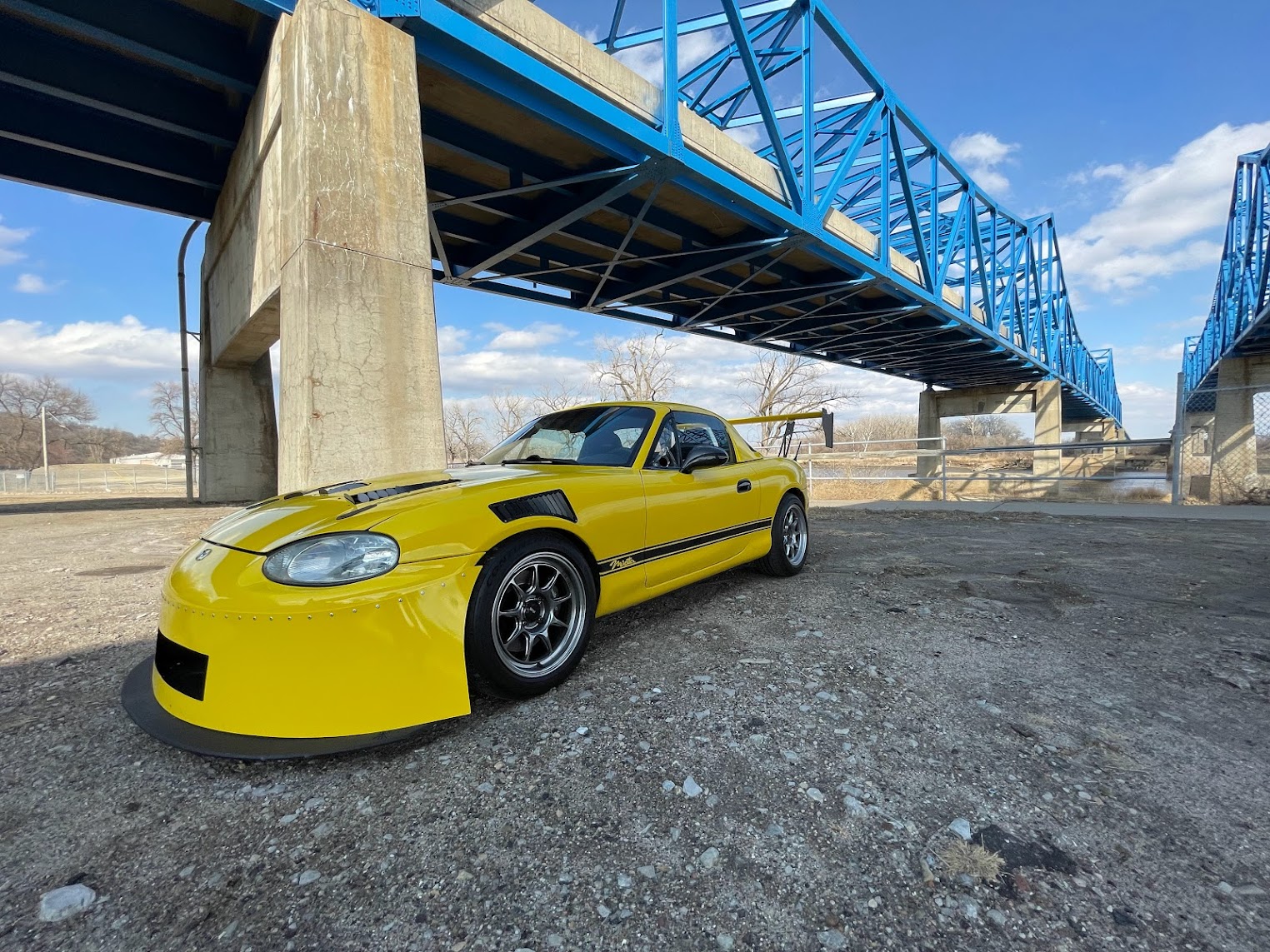
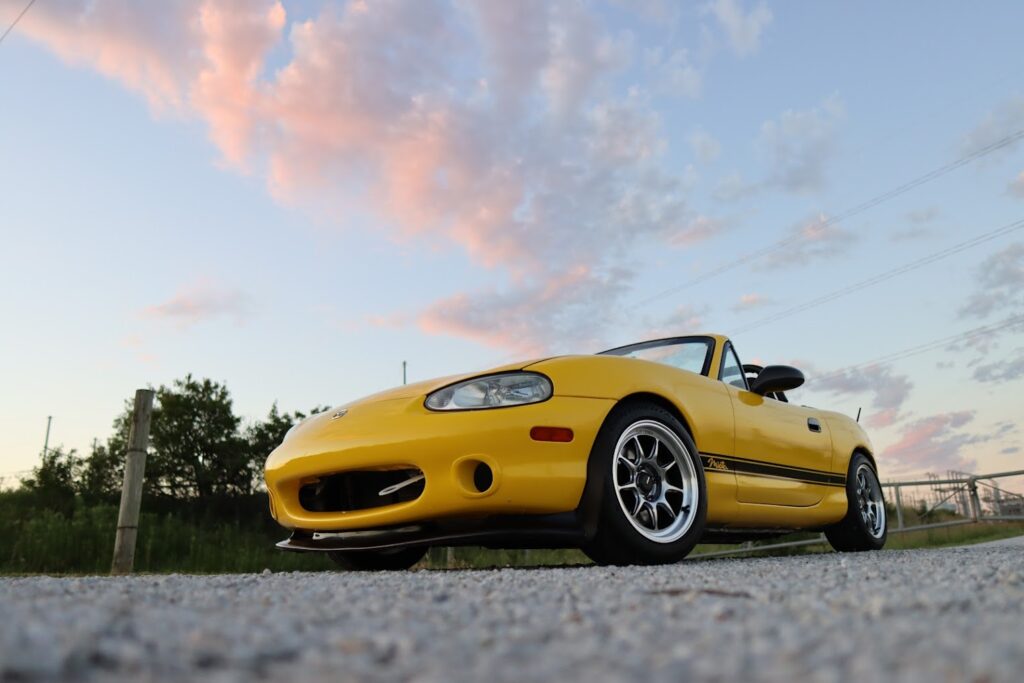
In February 2023, the project reached a major milestone with the installation of a Nine Lives Racing Medium Downforce Aero Kit. The kit includes a chassis-mounted aluminum rear wing and a front splitter. Aerodynamic analysis suggests that these additions will mitigate the natural lift generated by the Miata’s body shape at high speeds. Initial street testing indicated a marked increase in high-speed stability, with the driver reporting a more "planted" sensation during acceleration and cornering.
Statistical Summary of Driver Improvement
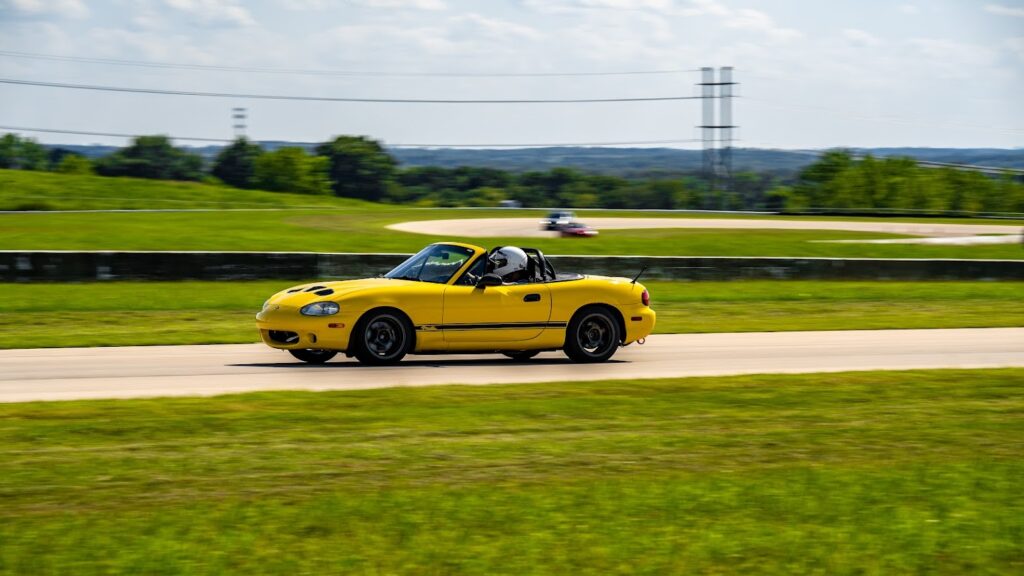
The most compelling evidence of the project’s success lies in the lap time data recorded at Raceway Park of the Midlands over the course of the year. The following chronology tracks the best lap times achieved:
- March 19, 2022: 1:58.64
- May 21, 2022: 1:53.94
- June 11, 2022: 1:51.52
- July 16, 2022: 1:49.77
- August 13, 2022: 1:48.82
- October 29, 2022: 1:47.35
Total improvement over seven months amounted to 11.29 seconds. While mechanical upgrades contributed to these gains, the consistency of the improvement suggests that the primary driver of performance was the refinement of racing lines, braking zones, and throttle application.
Broader Impact and Future Outlook
The second year of this NB Miata project demonstrates the continued relevance of the MX-5 platform in contemporary amateur motorsports. As modern vehicles become increasingly heavy and electronically complex, the mechanical transparency of the NB chassis provides a vital educational tool for enthusiasts. The project also highlights the accessibility of performance data through dyno testing and lap timers, allowing hobbyists to apply professional-grade analysis to their builds.
Looking forward to the third year, the project is slated to incorporate a BP6D VVT (Variable Valve Timing) engine and a six-speed transmission. These upgrades, combined with the newly installed aerodynamic package, are expected to push the vehicle into new performance brackets within the SCCA and NASA competitive frameworks. The journey of this Mazda Miata serves as a case study in the systematic pursuit of automotive excellence, balancing the thrill of the track with the rigors of engineering.