Retno Hari Mulyono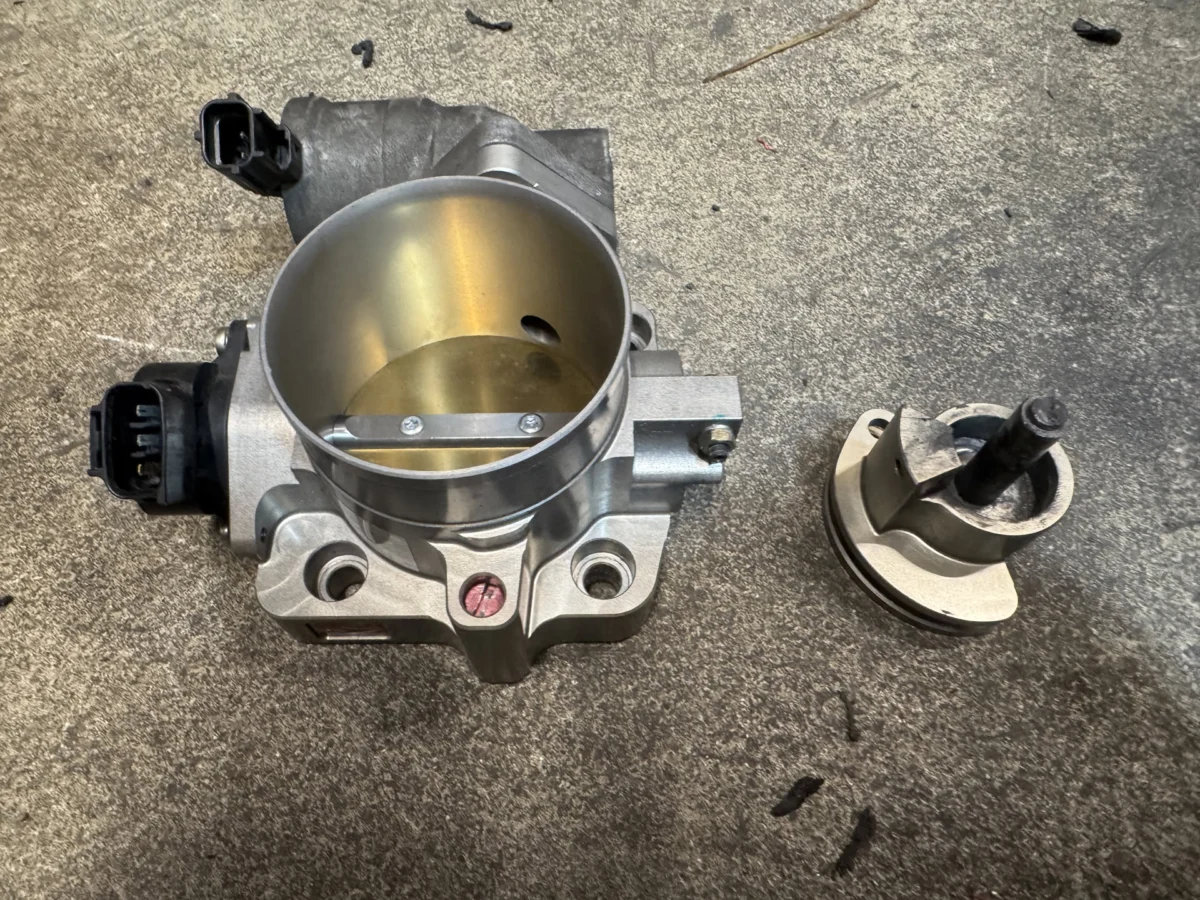
The automotive aftermarket for the Mazda MX-5 Miata, specifically the second-generation NB model (1998–2005), is currently witnessing a significant technological pivot as enthusiasts move away from traditional cable-driven throttle systems in favor of modern drive-by-wire (DBW) configurations. This transition, prompted by recurring mechanical failures in high-performance track environments, represents a broader trend in the tuning community toward integrating Original Equipment Manufacturer (OEM) electronic reliability into vintage chassis. The shift is not merely a matter of convenience but a response to the documented limitations of aftermarket mechanical throttle bodies, which have proven susceptible to catastrophic failures under the rigors of competitive driving.
The Catalyst for Transition: Mechanical Failure Points
The reliance on cable-driven throttle bodies in the NA and NB Miata platforms has long been a standard practice, given the simplicity of the mechanical linkage. However, for vehicles frequently utilized on-track, this simplicity introduces several critical failure modes. High-vibration environments and extreme thermal cycles can lead to the degradation of the throttle shaft and the loosening of the throttle blade screws. In recent field reports from the racing community, specifically involving the 2025 track season, multiple drivers have reported total mechanical failures of popular aftermarket units, such as those produced by Skunk2.
The failure modes identified include the complete snapping of the throttle shaft and the backing out of throttle blade screws. Such incidents are not merely inconveniences; they pose a severe risk of engine destruction if hardware is ingested into the intake manifold, or a safety risk if the throttle sticks in the open position. While some tuners have attempted to mitigate these risks by using high-strength epoxies, such as 3M DP420, to secure hardware, these are often viewed as temporary measures rather than permanent engineering solutions. The inherent design of the stock Miata throttle body, while sufficient for the 140-wheel-horsepower baseline, lacks the robustness required for sustained high-RPM operation and the increased airflow demands of modified engines.

Chronology of the Drive-By-Wire Evolution
The adoption of DBW in the Miata community has followed a distinct timeline, accelerated by advancements in standalone Engine Control Units (ECUs) and the availability of affordable CAN-bus peripherals.
- The Early Era (1990s–2010s): The Miata platform relied exclusively on mechanical cables. DBW was viewed as an unnecessary complexity found only in high-end European luxury cars.
- The Standalone Revolution (2015–2020): Platforms like Megasquirt MS3 became the industry standard for Miata tuning. While these units offered advanced engine management, they lacked native, built-in support for the H-bridge motor drivers required for electronic throttles.
- The Integration Phase (2019–2024): External controllers, such as the DBWX2, entered the market, allowing Megasquirt users to bridge the gap via CAN-bus communication. This allowed for the retention of existing ECU hardware while adding modern throttle control.
- The Standardized Shift (2025): New entries like the AMP EFI controller have democratized the technology, offering competitive pricing and waterproof enclosures, making DBW a viable upgrade for the average club racer.
Technical Advantages of Electronic Throttle Control
Drive-by-wire technology replaces the physical cable with an Accelerator Pedal Position Sensor (APPS) and an electronic motor (actuator) on the throttle body. The ECU or a dedicated controller interprets the pedal position and commands the throttle plate to a specific angle. This system offers several transformative features for the NB Miata:
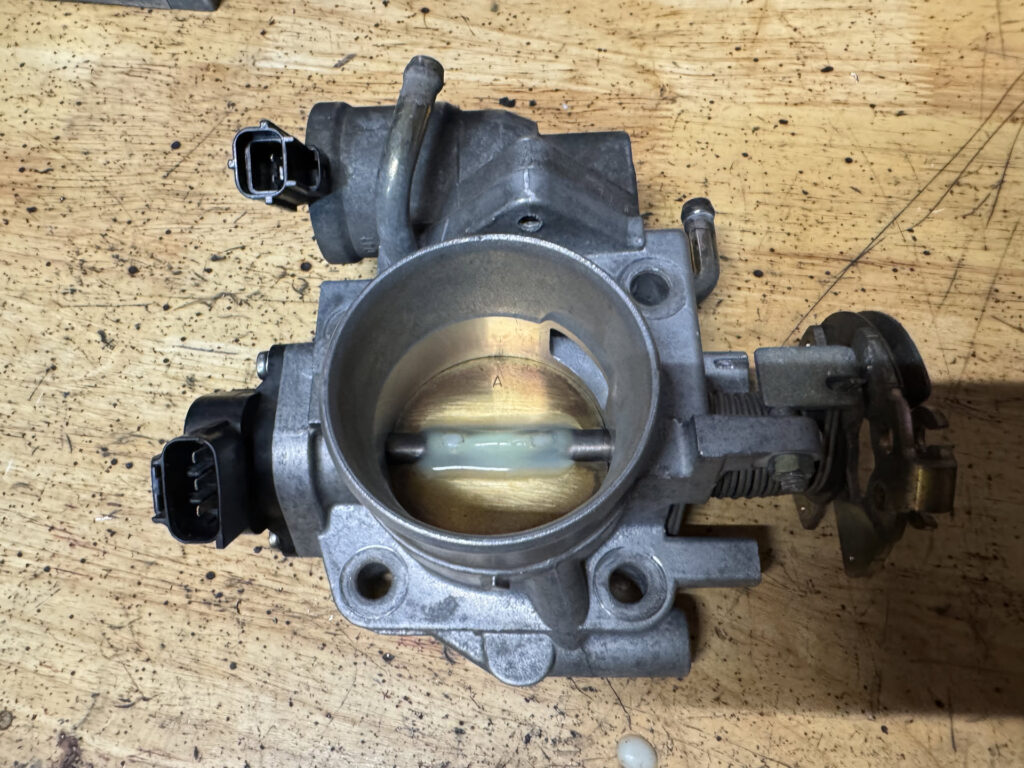
- Precision Idle Control: Traditional systems require an Idle Air Control Valve (IACV). DBW eliminates this by using the main throttle plate to manage idle air bypass, resulting in a cleaner engine bay and more stable idle characteristics.
- Safety Redundancy: Modern DBW systems utilize dual potentiometers in both the pedal and the throttle body. If the signals disagree, the system enters a "limp mode" or shuts down, preventing the "stuck throttle" scenarios common in cable failures.
- Advanced Driving Features: Integration with the ECU allows for "auto-blip" downshifts (rev-matching), cruise control without bulky vacuum canisters, and customizable throttle maps that can soften response for wet conditions or sharpen it for sprint races.
Component Analysis: Hardware Selection for the 2025 Standard
To successfully convert an NB Miata, a specific hardware ecosystem has emerged as the preferred choice for reliability and cost-effectiveness.
The Bosch 60mm Throttle Body
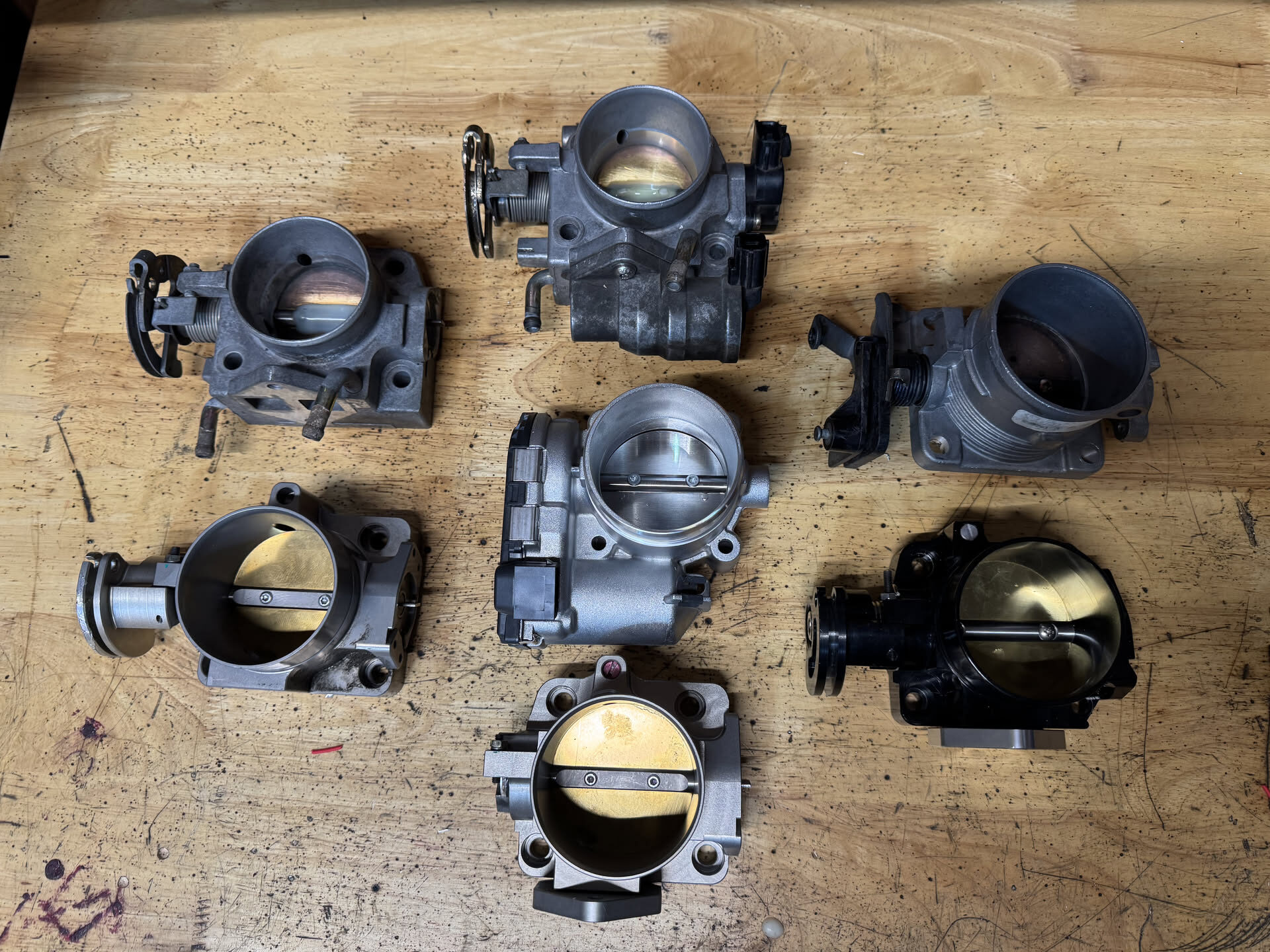
The Bosch Motorsports 60mm electronic throttle body has become the "gold standard" for this conversion. These units are OEM-grade components utilized by various global manufacturers, ensuring a level of testing and durability that aftermarket cable-driven units cannot match. At a price point of approximately $150, they offer a larger bore than the stock Miata unit (55mm) while remaining readily available through major automotive parts distributors.

Manifold Adaptation
Because the Bosch bolt pattern differs from the Mazda B-series intake manifold, specialized adapters are required. Market solutions from providers such as Outsider Garage and ChathamCNC have filled this void. ChathamCNC recently introduced a streamlined adapter priced at $95, significantly lowering the barrier to entry for budget-conscious builders. These adapters are typically CNC-machined from 6061 aluminum to ensure a leak-free seal under vacuum and boost.
Accelerator Pedal Position Sensors (APPS)
One of the more innovative solutions in the Miata community involves the use of the Honda V6 "cable-driven" sensor found in 2003–2007 Accords. Rather than replacing the entire Miata pedal assembly—a labor-intensive task—this sensor allows the original throttle cable to pull a spring-loaded pulley. This retains the "pedal feel" drivers are accustomed to while converting the mechanical movement into a dual-voltage electronic signal for the controller.

Comparative Study of CAN-Bus Controllers
For users of the Megasquirt MS3Pro platform, the choice of controller is the most critical decision in the conversion process. As of late 2025, several prominent options exist on the market, each catering to different segments of the enthusiast base.
| Controller | Approx. Price | Key Features | Best For |
|---|---|---|---|
| DBWX2 | $500 | Dual-channel support, highly configurable, long market history. | Dual-throttle or supercharged setups. |
| AMP EFI | $300 | Waterproof, standalone capability, auto-blip inputs, TunerStudio integration. | All-around track and street use. |
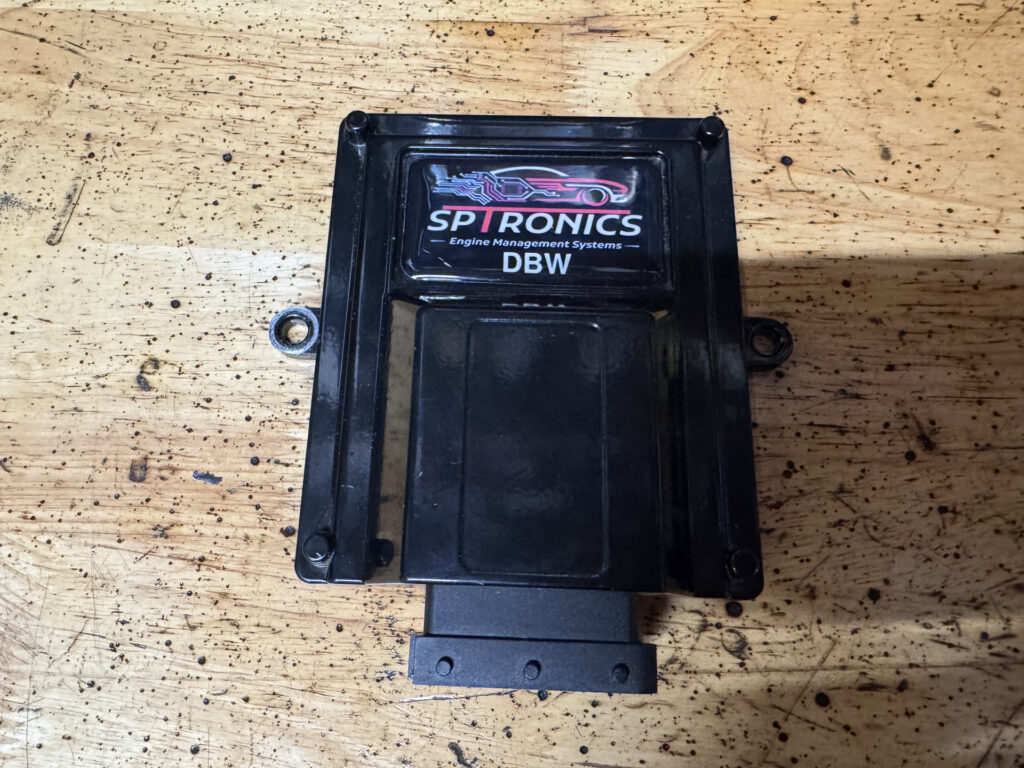
| SPTronics | $150 | Budget-friendly, dual-channel option, simple setup. | Cost-sensitive builds. |
| LD Performance | $200 | Compact, but requires interior mounting and external configuration tools. | Budget street cars. |
| MS Labs | High-End | Advanced idle control and auto-blip; restricted US availability. | European-based builds. |
The AMP EFI controller, released in October 2025, has gained significant traction due to its balance of features and price. Its ability to function as a standalone unit—sending a traditional Throttle Position Sensor (TPS) signal back to the ECU—makes it compatible even with older engine management systems that do not support CAN-bus.

Inferred Market Reactions and Community Impact
The move toward DBW is expected to have a stabilizing effect on the Miata aftermarket. As the supply of high-quality OEM cable-driven throttle bodies dwindles and the reputation of certain aftermarket brands remains tarnished by mechanical failures, the reliability of Bosch-based DBW systems offers a path forward for the platform’s longevity.
Industry analysts suggest that as more "plug-and-play" kits become available, the conversion will become a standard recommendation for any Miata producing over 150 horsepower or any car intended for wheel-to-wheel racing. Furthermore, the ability to fine-tune throttle tip-in via software allows tuners to mask the "on-off" switch nature of large throttle bodies on small-displacement engines, improving driveability for street-legal builds.

Broader Implications for the Tuning Industry
The Miata’s transition to DBW is a microcosm of a larger movement within the restomod and tuning scenes. From K-swapped Hondas to LS-swapped Chevrolets, the industry is moving toward a "digital linkage" model. This shift is driven by the realization that while mechanical systems are intuitive, electronic systems—when engineered with proper redundancy—offer superior safety and functionality.
For the Megasquirt ecosystem specifically, the development of these third-party CAN controllers has extended the life of the MS3 platform. By offloading the high-frequency processing required for H-bridge motor control to a dedicated peripheral, the main ECU can focus on fuel and ignition timing, ensuring that older hardware remains competitive with modern units from Haltech or MaxxECU.
Conclusion and Future Outlook
The conversion of the NB Mazda Miata to drive-by-wire is a sophisticated solution to a persistent mechanical problem. By leveraging Bosch hardware and advanced CAN-bus controllers like those from AMP EFI or SPTronics, enthusiasts are successfully bridging the gap between 1990s analog charm and 2020s digital precision. As the 2025-2026 racing seasons progress, the data gathered from these conversions will likely solidify DBW as the definitive choice for serious Miata builds, ensuring that the "most raced car in the world" remains a viable and safe platform for decades to come. Follow-up evaluations of these controllers in real-world track conditions will be essential to determining which specific unit emerges as the long-term industry leader.