Retno Hari Mulyono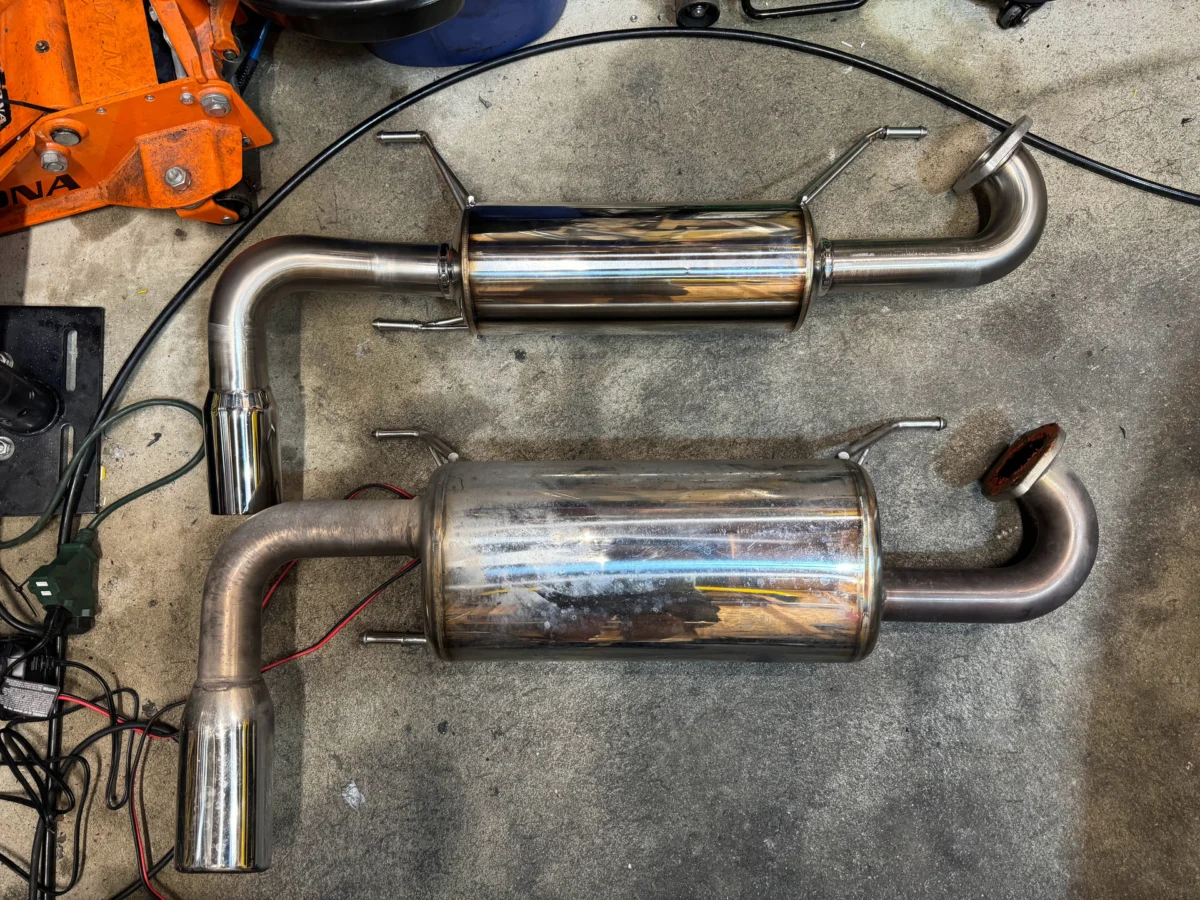
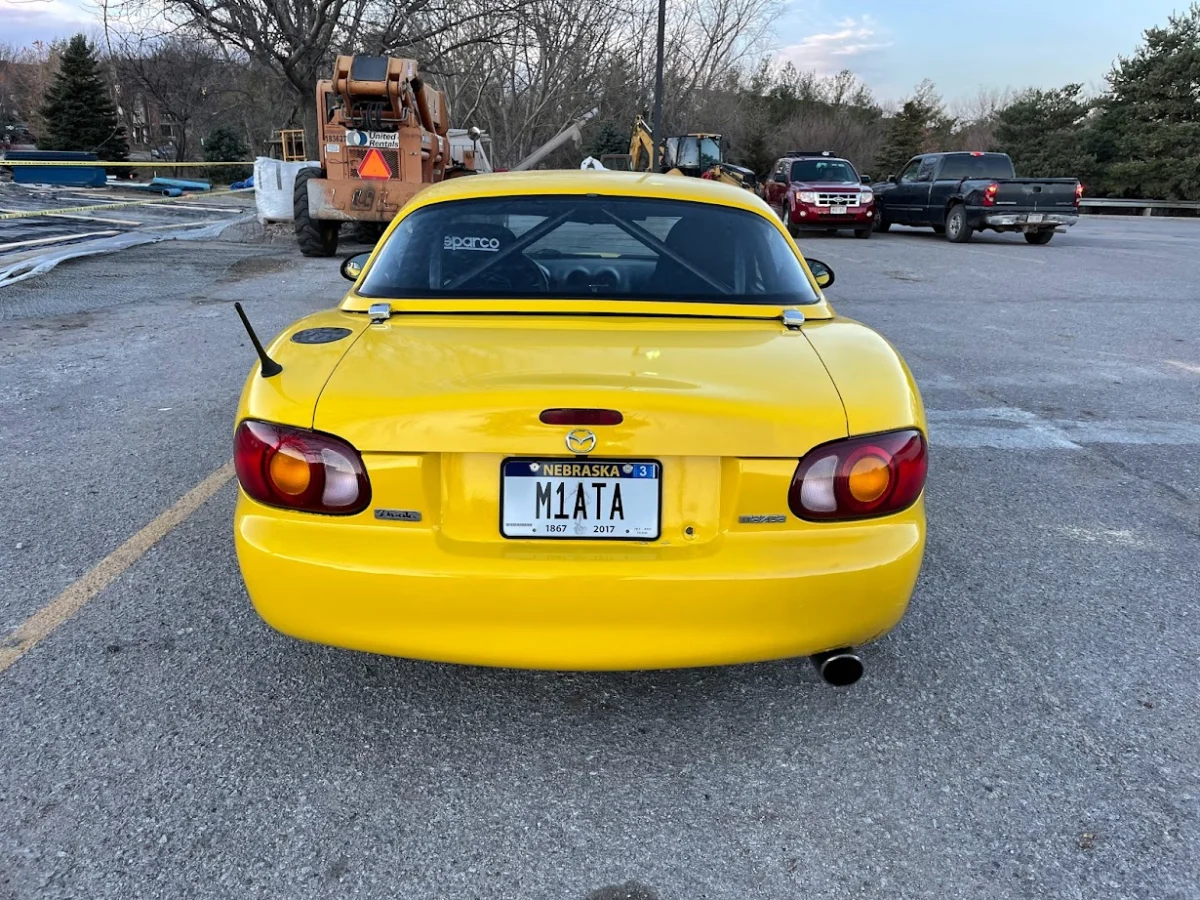
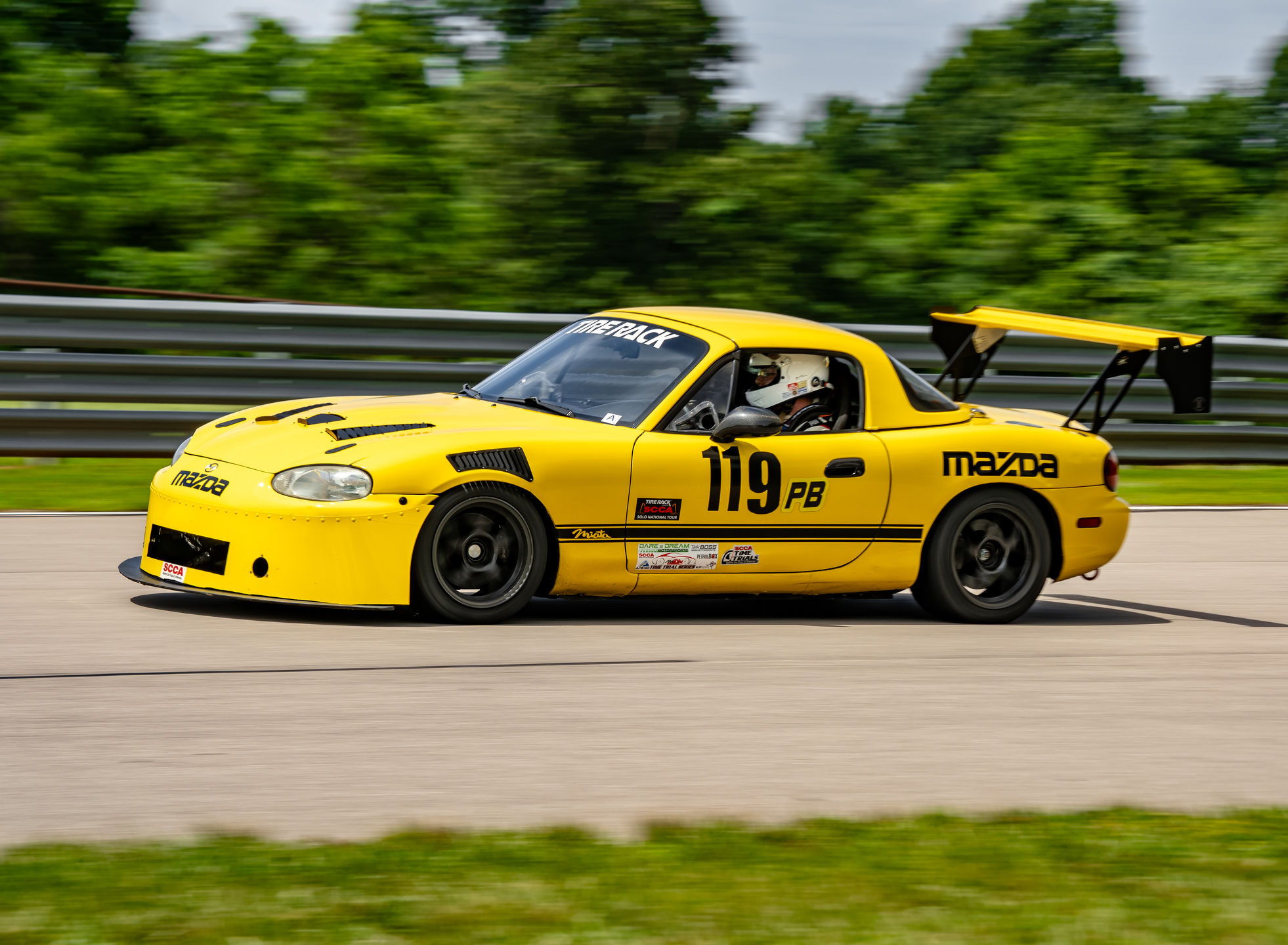
The second-generation Mazda Miata, known internally as the NB chassis, continues to serve as a primary benchmark for grassroots motorsports and amateur time trials, as evidenced by a comprehensive four-year development program concluding in February 2025. Over the past twelve months, a specific 1999-2000 era NB Miata underwent a series of intensive mechanical transformations, logistical upgrades, and competitive evaluations across several premier racing circuits in the American Midwest. This period of ownership highlights the complexities of balancing high-performance engine swaps with the reliability required for sustained track use, ultimately resulting in significant lap time improvements and the establishment of a self-contained racing infrastructure.
Mechanical Engineering and the VVT Engine Transition
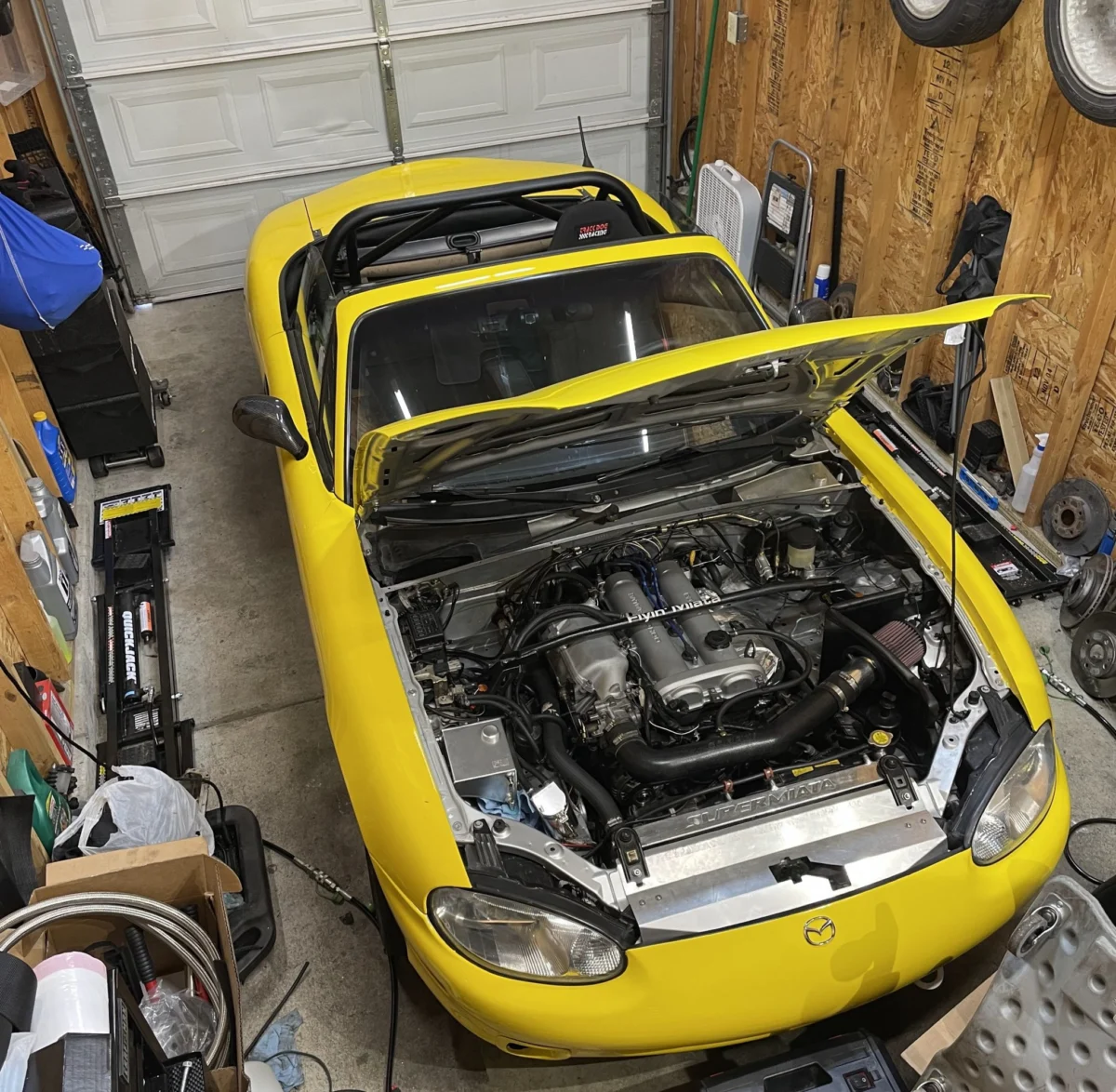
The 2024 season commenced with an ambitious attempt to modernize the vehicle’s powertrain. In March 2024, the original BP4W engine was removed to facilitate the installation of a rebuilt BP6D Variable Valve Timing (VVT) motor, sourced from a later 2001-2005 NB model. This swap is a common upgrade in the Miata community, aimed at improving mid-range torque and top-end power delivery.
The rebuild process involved a comprehensive overhaul, including a cylinder head restoration to address poor valve sealing. The engine block underwent a "Do-It-Yourself" hone, paired with new Original Equipment Manufacturer (OEM) rings and aftermarket pistons. To handle the increased power, the owner transitioned from a standard five-speed manual transmission to a more robust six-speed unit.
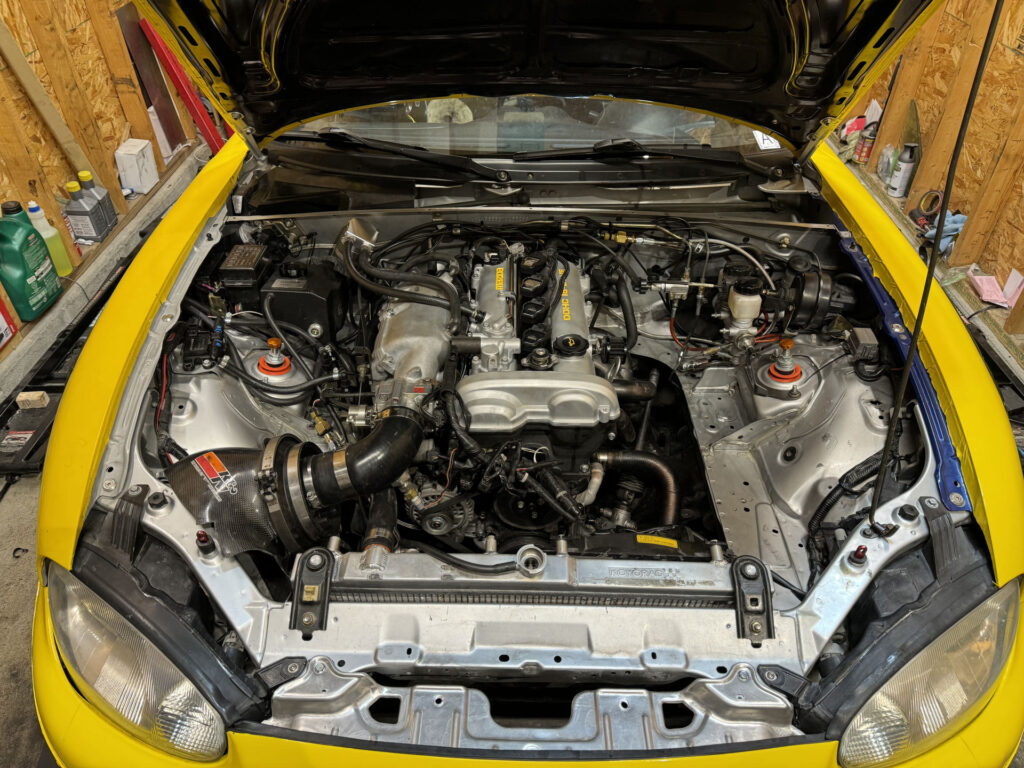
However, the transition was not without complications. During an early-season autocross event, the high-RPM demands of competitive driving led to a cooling system failure. The pressure buildup resulted in the ejection of a freeze plug—a critical failure point when head gaskets begin to fail under load. This mechanical setback necessitated a return to the original BP4W engine for the remainder of the 2024 competitive season, though the six-speed transmission remained in place, providing a shorter gear ratio advantageous for technical track layouts.
Thermal Management and Braking Efficiency
In April 2024, the focus shifted toward thermal management, a critical factor for lightweight sports cars in endurance or time trial settings. The vehicle, equipped with a Supermiata BX11 brake kit, received dedicated brake cooling ducts. While the BX11 system provides sufficient clamping force, the relatively thin pads often suffer from accelerated wear due to heat soak.
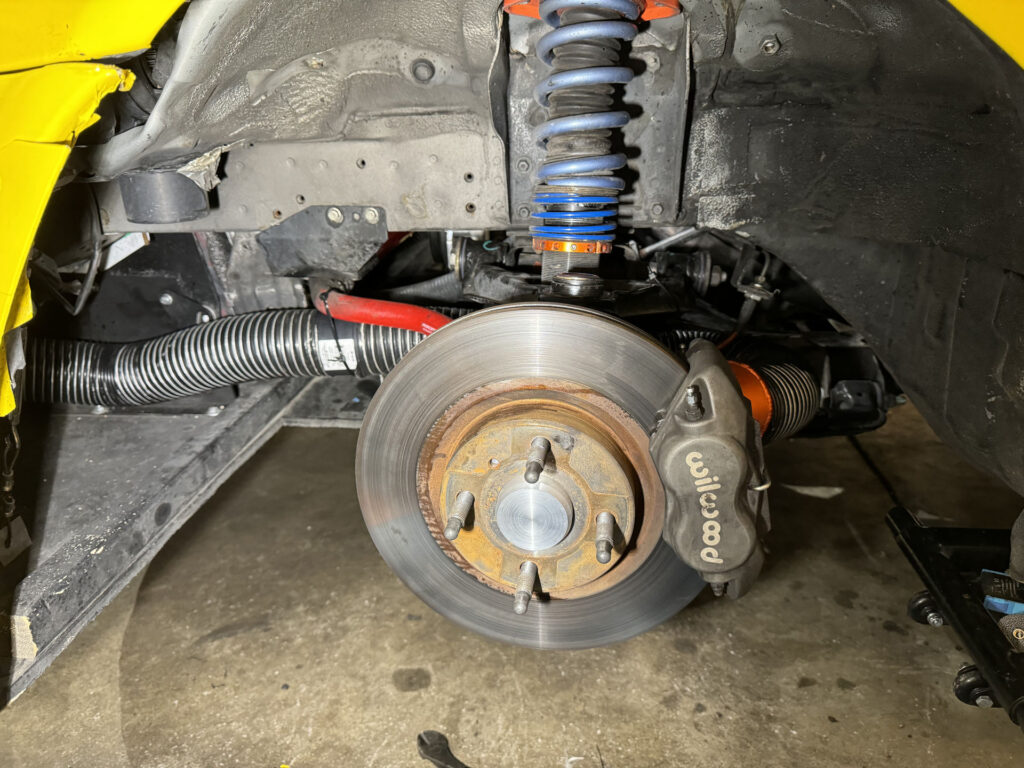
The implementation of the cooling ducts utilized a modular hose-and-coupler design, allowing for the isolated replacement of damaged sections. Data collected throughout the season suggests that these ducts approximately doubled the lifespan of the brake pads. This modification highlights a broader trend in amateur racing where efficiency is gained not just through raw power, but through the longevity and reliability of consumable components.
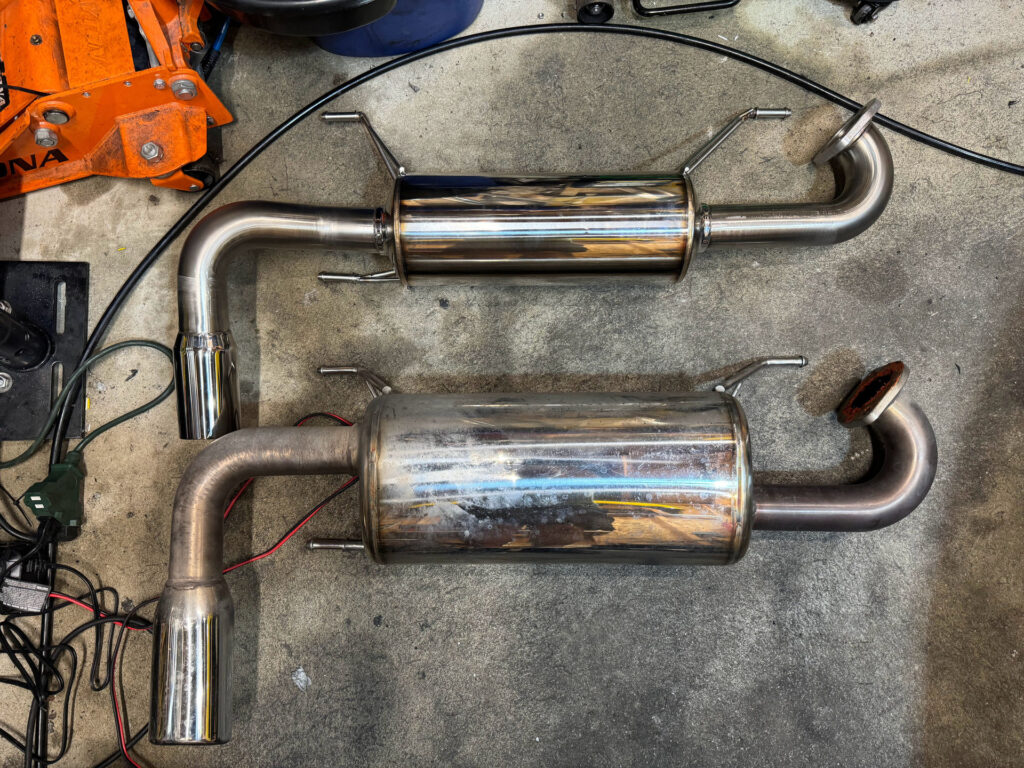
By May, the exhaust system was further refined. The existing Racing Beat Power Pulse muffler was replaced with a Racing Beat Race Muffler. This change was driven by a dual objective: weight reduction and improved auditory feedback. The final exhaust configuration—comprising a Raceland header, a Racing Beat Race resonated midpipe, and the Race muffler—met strict track noise regulations while providing the driver with better throttle-response cues.
Competitive Analysis and Circuit Performance
The 2024 season saw the NB Miata compete at several diverse venues, providing a wealth of telemetry data via the Garmin Catalyst system.
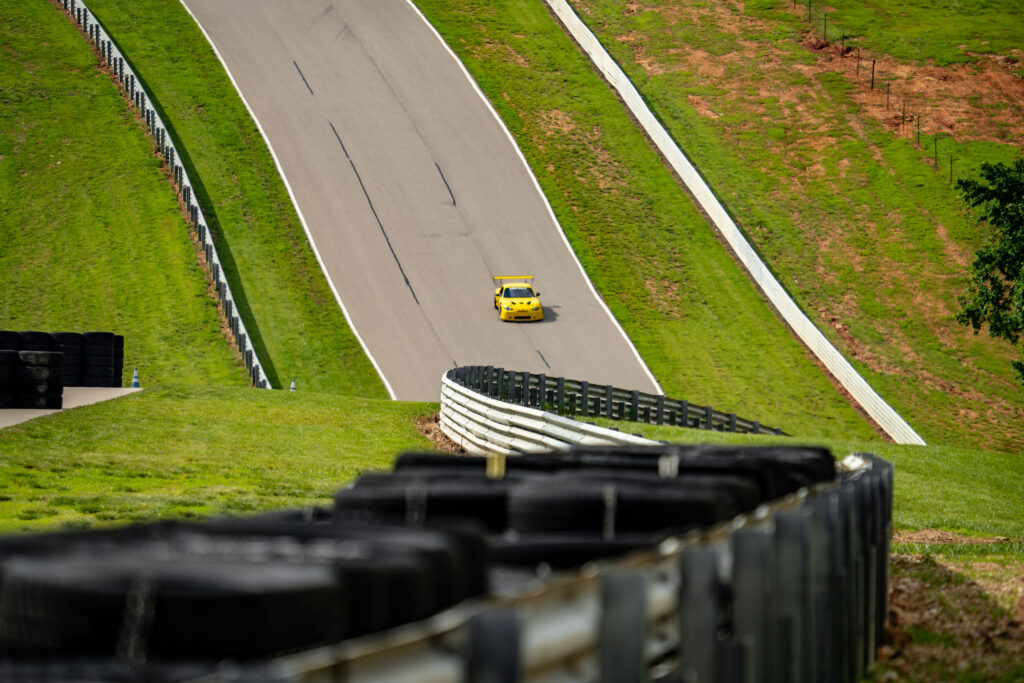
Ozarks International Raceway (June 2024)
Known for its extreme elevation changes and technical complexity, Ozarks International Raceway served as a rigorous test for the Miata’s chassis tuning. The driver reported significantly improved pace over previous years, attributing the gains to increased familiarity with the track’s blind apexes and off-camber turns.
High Plains Raceway and Logistics (July 2024)
The journey to High Plains Raceway marked a shift in the program’s logistics. For the first time, the vehicle was trailered over a 900-mile round trip using a dedicated tow vehicle. This transition from "driving to the track" to "trailering to the track" allowed for a more controlled environment, reducing driver fatigue and providing a safety net in the event of a mechanical failure on circuit.
Motorsports Park Hastings (August 2024)
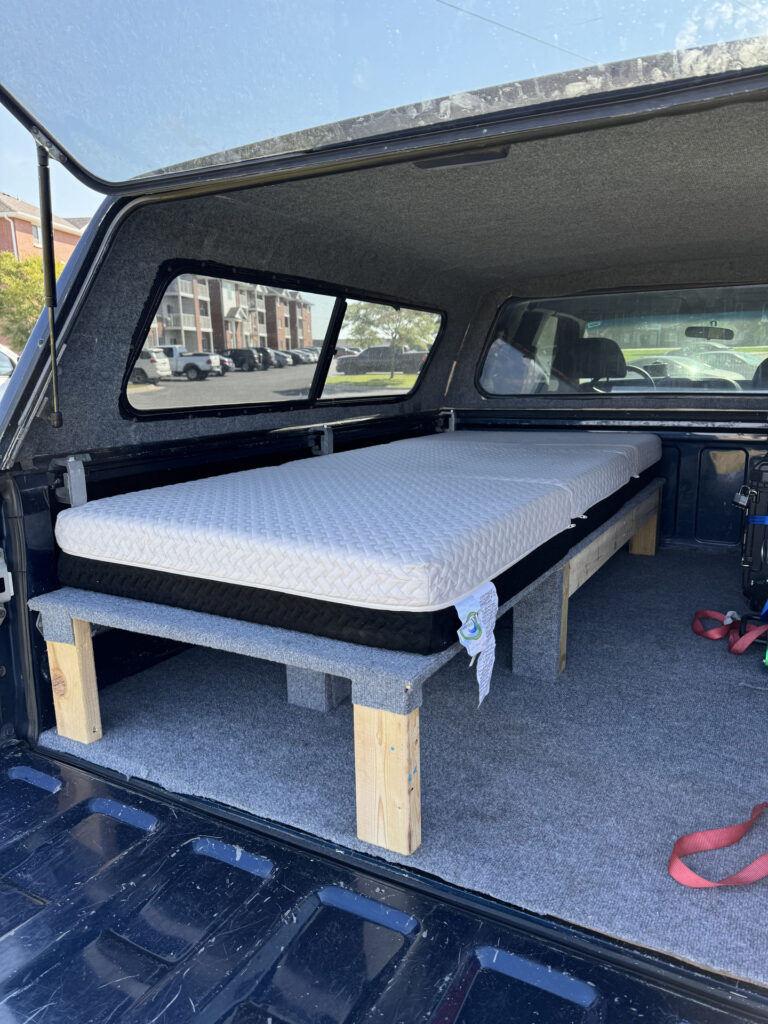
The performance at Motorsports Park Hastings represented the season’s competitive peak. Competing in the SCCA Time Trials, the Miata recorded a best lap of 1:39.19. This time is notable when compared to established benchmarks:
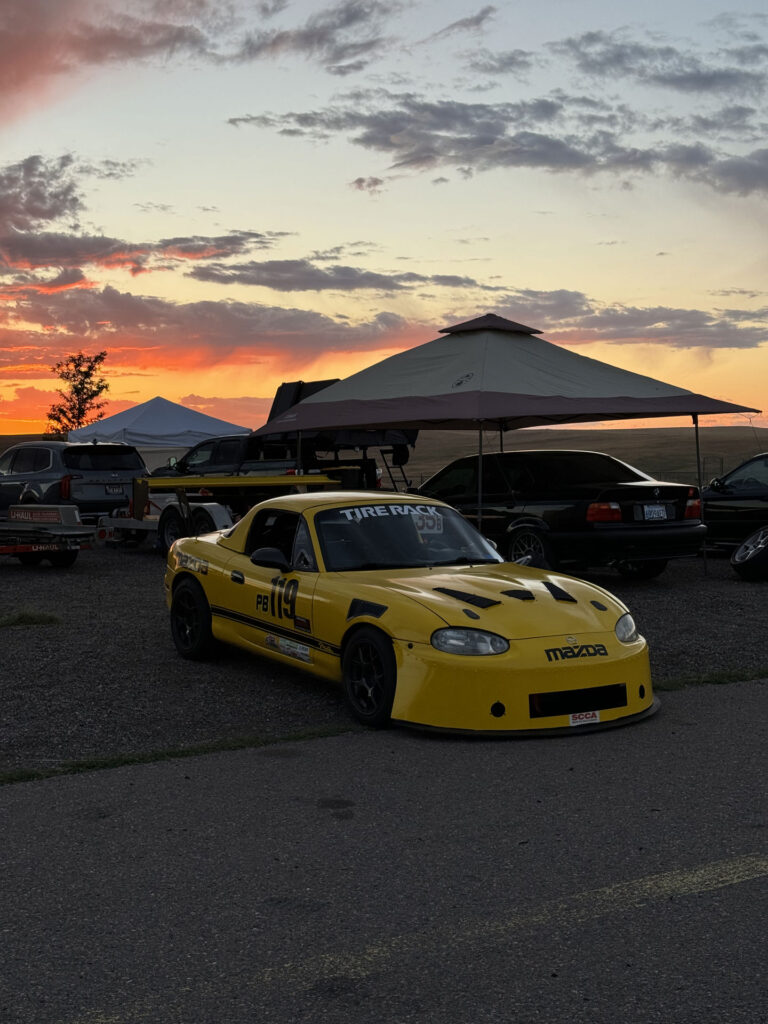
- NASA Spec Miata Record: 1:40.415 (The project car was 1.22 seconds faster).
- NASA TT6 Record: 1:39.625 (The project car was 0.43 seconds faster).
- NASA TT5 Record: 1:34.110 (The project car remains roughly 5 seconds off this higher-tier pace).
This data confirms the vehicle’s position as a highly optimized "bridge" car, sitting between the strictly regulated Spec Miata class and the more modified Time Trial 5 (TT5) category.
Infrastructure Development: Towing and Camping
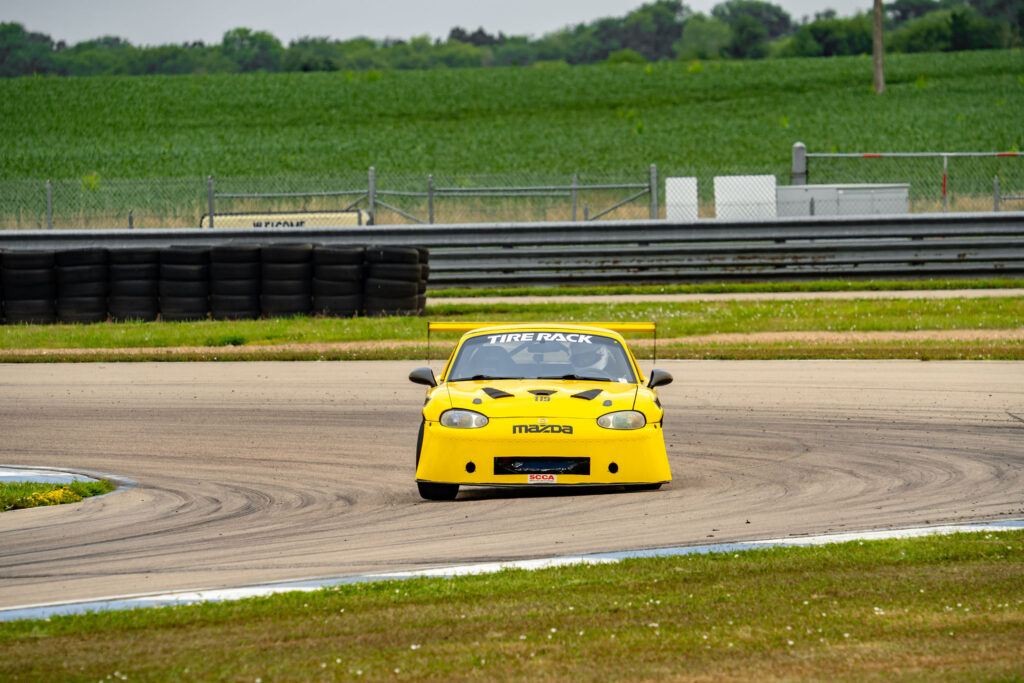
The latter half of 2024 was dedicated to refining the "support ecosystem" of the racing program. In September, a custom truck bed camping setup was engineered to eliminate the logistical hurdles of traditional tent camping. The build included a raised sleeping platform, a MaxxFan Deluxe RV roof vent for climate control, and integrated solar panels to power onboard electronics.
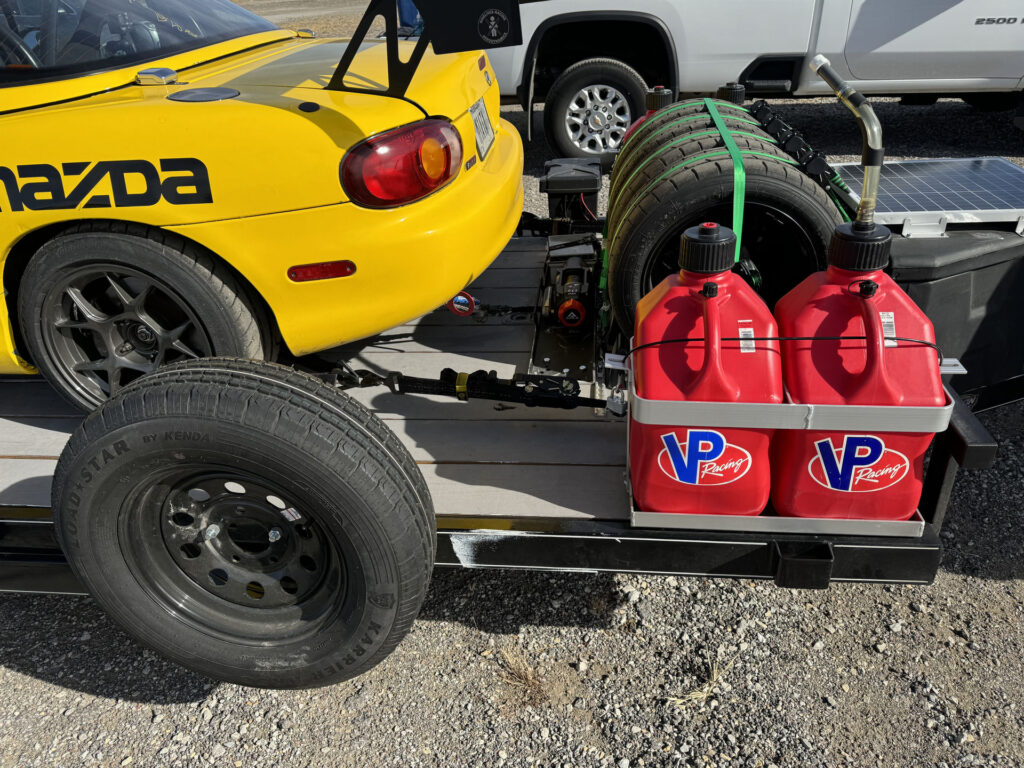
By October, the owner finalized modifications to an 18-foot open car hauler. Key upgrades to the trailer included:
- An electric tongue jack for rapid hitching.
- A front-mounted tool box and winch for vehicle recovery.
- A custom tire rack capable of carrying two full sets of racing rubber.
- Enhanced lighting and deck-mounted D-rings for secure tie-downs.
One significant engineering challenge noted was the approach angle of the trailer’s dovetail. Due to the Miata’s lowered ride height and front splitter, the use of wooden ramps was required to prevent frame rail scraping during loading—a common issue for track-focused vehicles with aggressive aerodynamics.
Winter Refinements and Future Outlook
As the 2024 season concluded with a final event at Hallett Motor Racing Circuit in November—where the driver secured first-in-class honors in several sessions—the focus returned to the garage. December was spent diagnosing the VVT motor’s failure. Analysis revealed minor cylinder wall wear and potential piston-to-wall clearance issues, leading to the decision to keep the reliable BP4W engine in service for the upcoming 2025 season.
In January 2025, a Skunk2 intake manifold was installed. While the projected power gains are modest (estimated at 1-4 wheel horsepower), the modification is intended to flatten the power curve above 7,000 RPM, where the car spends the majority of its time on track.
The final major upgrade of the year was the integration of a GMRS racing radio system in February 2025. Utilizing a Baofeng UV-5R base station and a NASCAR-style harness rewired for IMSA connectors, the system allows for real-time communication between the driver and the pit crew. This addition is expected to improve tactical decision-making during Time Trial events by providing the driver with live timing gaps.
Conclusion and Impact Analysis
The fourth year of this NB Miata project underscores the rigorous demands of amateur road racing. In 2024 alone, the vehicle completed 392 laps, totaling 12.1 hours of high-intensity track time across 16 separate days. Since the inception of the project, the vehicle has logged over 1,023 laps and 34.6 hours of documented track driving.
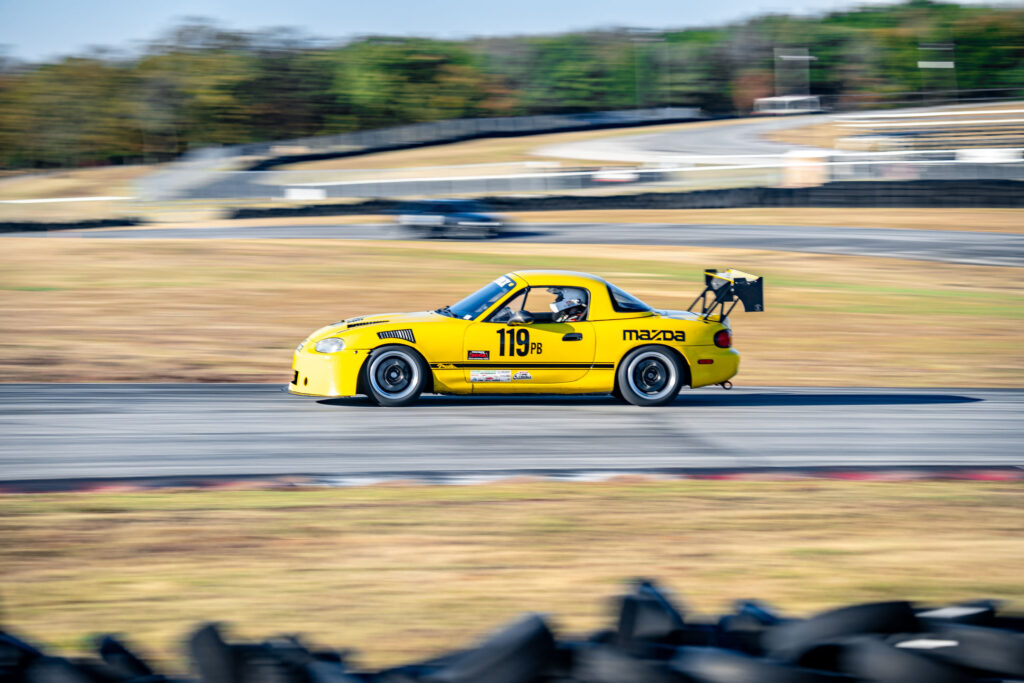
The transition away from autocross toward dedicated track events reflects a broader trend among enthusiasts who seek higher "seat time" efficiency. By investing in logistical infrastructure—such as the trailer and truck-camping setup—the operator has transformed a hobbyist pursuit into a disciplined racing program.
The data suggests that for the NB Miata platform, reliability remains the most valuable performance metric. While high-tech swaps like the VVT motor offer theoretical advantages, the consistent performance of the simpler BP4W engine, combined with aerodynamic and thermal improvements, allowed the driver to outperform established track records. As the 2025 season begins, the project stands as a testament to the enduring viability of the Mazda Miata as a premier tool for driver development and mechanical experimentation.