Retno Hari Mulyono
The second-generation Mazda MX-5, known internally as the NB (1998–2005), remains a cornerstone of the global enthusiast community, prized for its balanced chassis and mechanical simplicity. However, as these vehicles transition from weekend cruisers to high-performance track and autocross machines, the limitations of their late-1990s instrumentation have become increasingly apparent. Enthusiasts are now moving away from traditional, bulky gauge pods toward integrated digital solutions that offer higher fidelity data without compromising the vehicle’s ergonomics or driver visibility. This shift represents a broader trend in the automotive aftermarket: the move toward "OEM+" modifications that prioritize seamless integration and sophisticated data acquisition over the cluttered aesthetics of the early 2000s tuning era.
The Legacy of Inaccuracy: Understanding the Stock NB Cluster
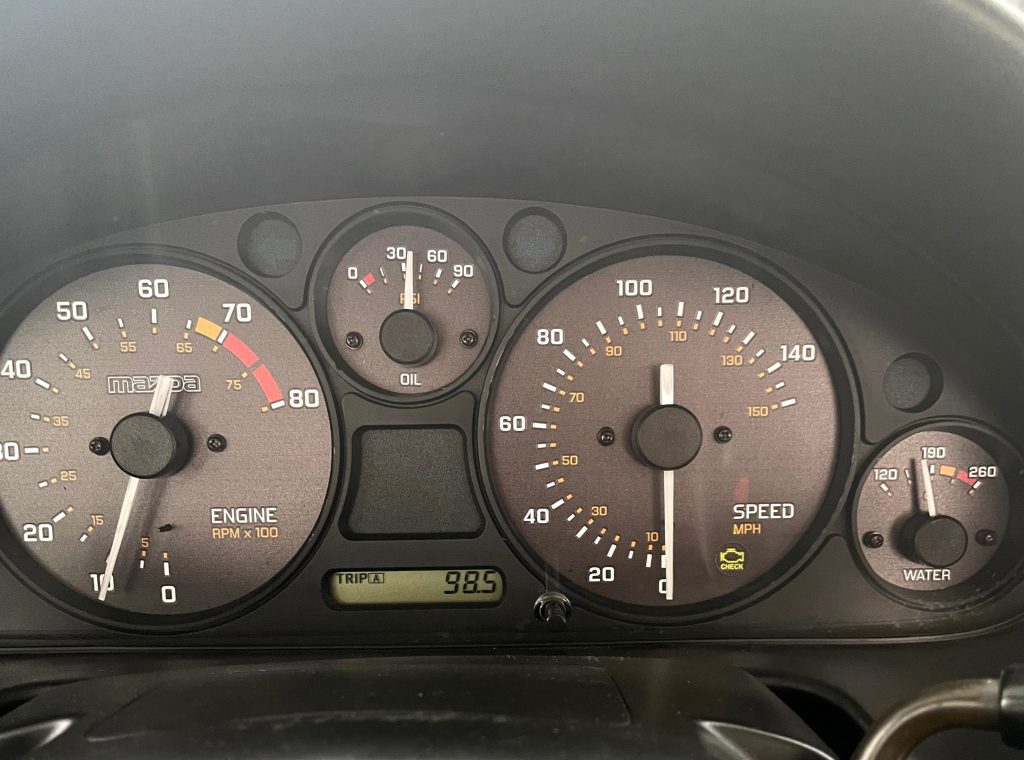
To understand the necessity of aftermarket instrumentation, one must first examine the inherent deficiencies of the factory Mazda NB gauge cluster. While the layout—comprising a central tachometer and speedometer flanked by smaller fuel, temperature, and oil gauges—appears comprehensive, the data provided is largely "buffered" or "binary" in nature.
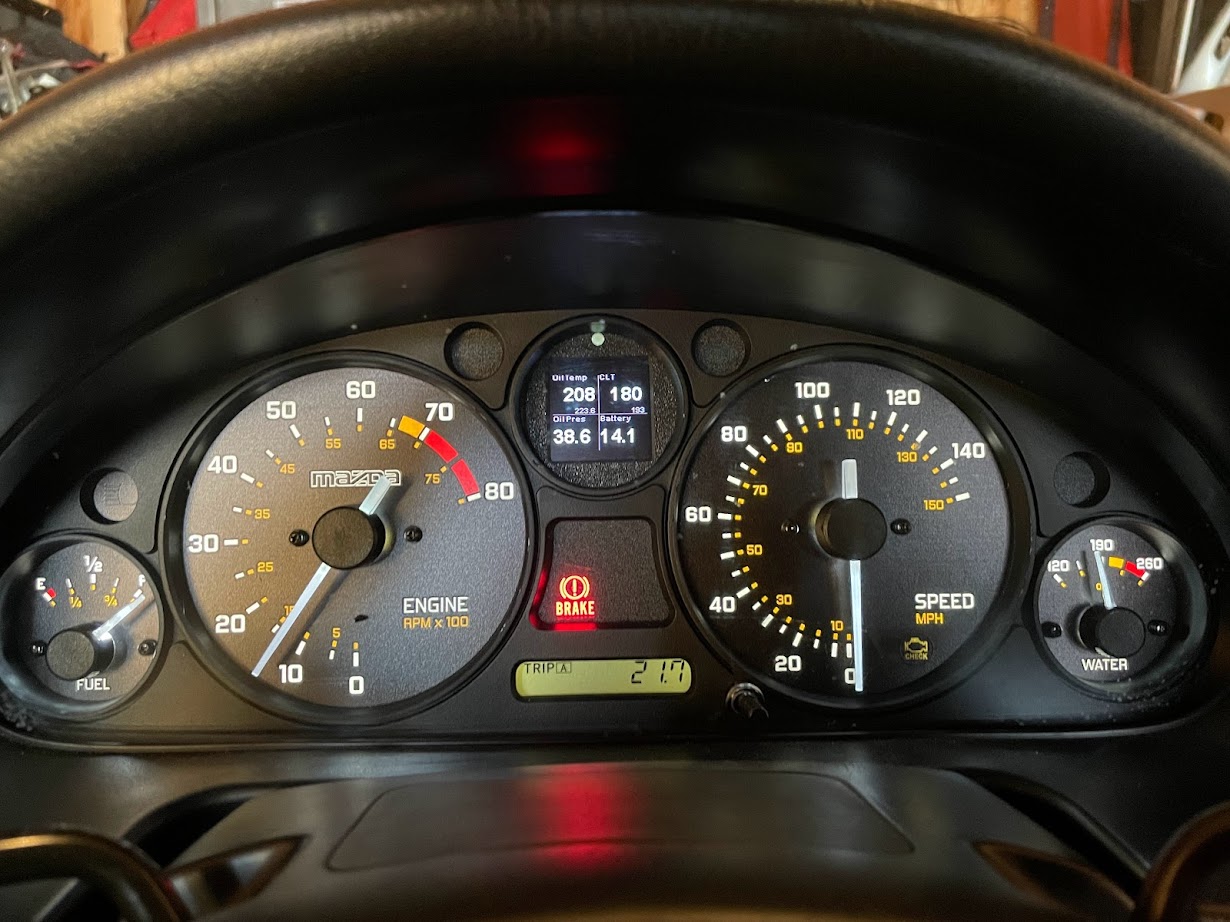
The stock oil pressure gauge in the NB Miata is a primary point of contention for performance drivers. Unlike the early NA6 (1990–1993) models, which featured a true linear pressure sensor, the NB utilizes a basic pressure switch. This configuration results in a "dummy gauge" that remains stationary once a minimum pressure threshold is met. For a driver on a race circuit, this means the gauge provides no warning of thinning oil at high temperatures or slight pressure drops during high-G cornering. By the time the needle drops to zero, catastrophic engine failure is often imminent.
Similarly, the factory coolant temperature gauge is programmed with a wide "dead zone" around the operating temperature. The needle typically reaches the center of the scale at approximately 160°F (71°C) and does not move again until the engine surpasses 230°F (110°C). This lack of granularity prevents drivers from identifying cooling system inefficiencies before they reach a critical overheating state. While internal modifications to the cluster circuit board can "linearize" these gauges, many owners find the labor-intensive process yields diminishing returns compared to modern digital alternatives.
The Ergonomic Cost of Traditional Gauge Mounting
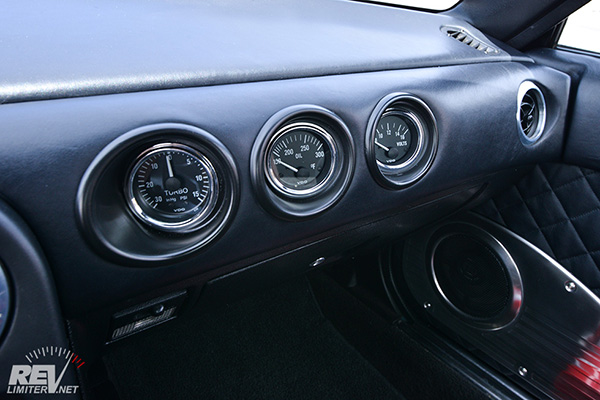
For years, the standard solution to these inaccuracies was the installation of 52mm analog or digital gauges mounted to the driver’s side A-pillar. This configuration allows for the monitoring of critical vitals such as vacuum/boost, oil temperature, and battery voltage. However, this method introduces significant safety and logistical drawbacks.
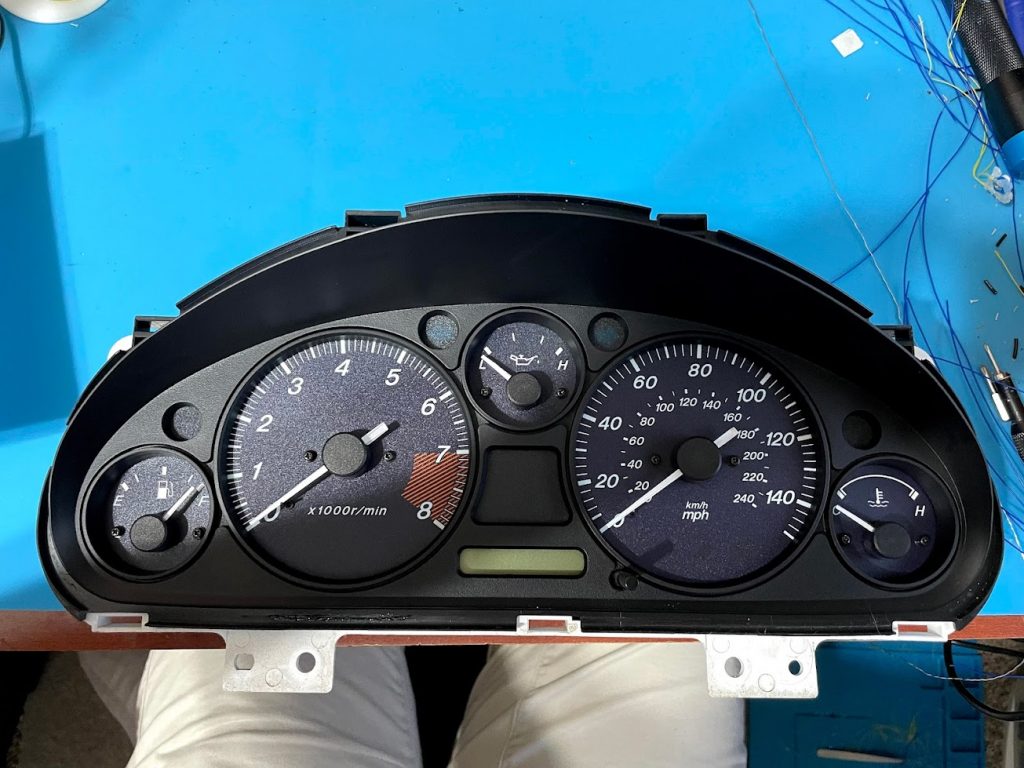
In the compact cabin of the MX-5, A-pillar pods create a substantial forward visibility blind spot. For autocross competitors, where precision placement of the vehicle is required to navigate tight cone corridors, this obstruction can lead to decreased performance and safety risks. Furthermore, the installation of a triple-gauge pod often requires permanent modification to the interior trim and necessitates the routing of a complex "spiderweb" of wiring through the dashboard. This complexity increases the potential for electrical interference and mechanical failure, prompting a search for more streamlined, integrated solutions.
The Integrated Digital Revolution: The CANchecked MFA 2.0
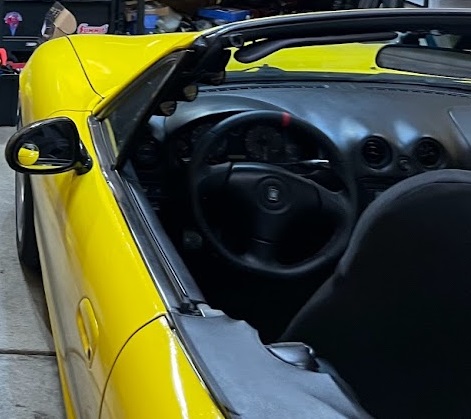
The emergence of the CANchecked MFA 2.0 multifunction display represents a significant leap forward for the MX-5 platform. Designed specifically to fit within the factory housing of the Mazda instrumentation cluster, this device replaces the non-functional factory oil pressure gauge with a high-resolution OLED or LCD screen.
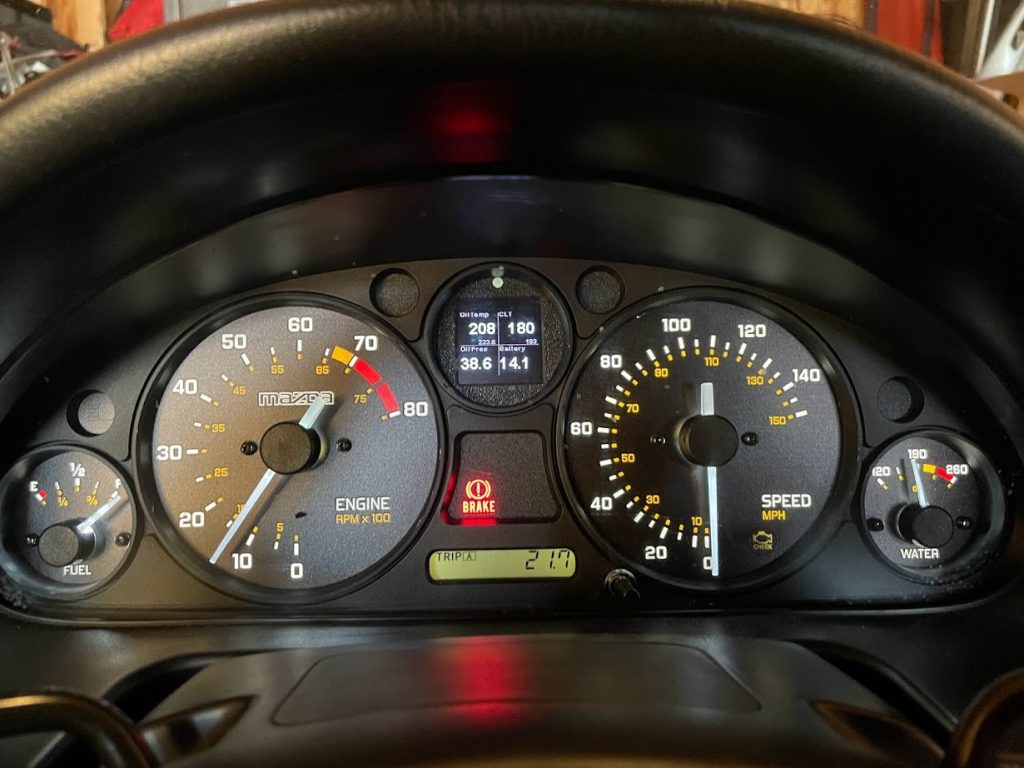
This integration serves several purposes. First, it maintains the original interior aesthetics of the vehicle, avoiding the "cluttered" look of external pods. Second, it centralizes all critical data within the driver’s primary line of sight. The CANchecked unit is capable of displaying up to six different sensor readings simultaneously across multiple customizable "dashboards." This allows a driver to toggle between a "Street Mode" showing fuel economy and battery voltage, and a "Track Mode" focusing on oil pressure, coolant temperature, and air-fuel ratios (AFR).
Technical Infrastructure and Data Acquisition
The functionality of integrated digital displays is largely dependent on the vehicle’s electronic architecture. Since the NB Miata predates the mandatory implementation of CAN (Controller Area Network) bus standards found in modern vehicles, the use of such a gauge typically requires a standalone Engine Management System (EMS).
Systems such as the Megasquirt (MS3), Haltech, or Link ECU are commonly used in tuned Miatas to manage fuel and ignition. These ECUs output a wealth of data via the CAN bus protocol, which the CANchecked unit intercepts and translates into human-readable information. For owners still utilizing the factory ECU, the gauge also supports four analog inputs. This allows for the direct connection of high-accuracy NTC (Negative Temperature Coefficient) sensors for oil and water, as well as 0-5V pressure transducers.
However, the transition to digital displays is not without challenges. Technical reports from the field indicate that while OLED technology offers superior contrast, readability in direct sunlight—particularly in a convertible vehicle like the MX-5—can be a limiting factor. Manufacturers are increasingly looking toward high-nit LCD panels to combat this issue.
Aesthetic Synchronization: The Role of RevLimiter
While digital displays solve the problem of data accuracy, they can often clash with the 1990s analog aesthetic of the Miata. This has led to a surge in the popularity of high-end gauge face replacements, most notably those produced by the firm RevLimiter.
RevLimiter gauge faces are engineered to OEM or better-than-OEM specifications, utilizing high-grade polycarbonate and industrial printing techniques. The "JNC" (Japanese Nostalgic Car) design, for instance, draws inspiration from classic 1960s and 70s instrumentation, providing a clean, minimalist look that complements the digital MFA 2.0 display. By replacing the aging factory bulbs with modern white LEDs, owners can achieve a crisp, uniform illumination that bridges the gap between vintage charm and modern technology.
Industry analysts suggest that the "restomod" (restoration-modification) movement is driving the demand for these products. Owners are no longer content with "tacked-on" accessories; they demand a cohesive design language where every component, from the digital display to the tachometer needle, feels like a factory-engineered part.
Broader Implications for the Enthusiast Market
The evolution of Miata instrumentation reflects a broader shift in automotive culture toward data-driven performance. The modern enthusiast is increasingly acting as a junior data engineer, utilizing tools that were once the exclusive domain of professional racing teams.
The next step in this evolution is the integration of high-frequency data logging. Systems like the RaceCapture Pro are becoming standard in track-focused builds. These devices do not merely display data; they log ECU parameters, GPS coordinates, and three-axis accelerometer data at rates of up to 100Hz. When synchronized with video, this allows drivers to analyze their braking pressure, throttle position, and cornering speeds with surgical precision.
Comparative Analysis: Analog vs. Digital Monitoring
| Feature | Factory Analog (NB) | A-Pillar Pods | Integrated Digital (CANchecked) |
|---|---|---|---|
| Accuracy | Low (Buffered/Binary) | High (Direct Sensor) | Highest (ECU/CAN Bus) |
| Visibility | Excellent (OEM Location) | Poor (A-Pillar Obstruction) | Excellent (OEM Location) |
| Data Density | 1 Parameter per Gauge | 1-2 Parameters per Gauge | 6+ Parameters per Screen |
| Installation | N/A | High Complexity/Wiring | Moderate (Requires CAN Bus) |
| Aesthetics | Classic/Dated | "Tuner" Style | Modern/Integrated (OEM+) |
Conclusion: The Future of the Analog-Digital Hybrid
The modernization of the Mazda MX-5 NB gauge cluster serves as a case study for the preservation and improvement of modern classic vehicles. By replacing unreliable factory components with a combination of high-fidelity digital displays and premium aesthetic upgrades, enthusiasts are extending the relevance and safety of these cars in a high-performance context.
As the automotive industry moves toward fully digital "glass cockpits," the aftermarket’s ability to provide integrated, high-quality instrumentation for older vehicles will be vital. The trend is clear: the most successful modifications are those that respect the original design of the vehicle while providing the precision data required for modern performance driving. For the NB Miata, the marriage of CANchecked technology and RevLimiter aesthetics represents the current pinnacle of this philosophy, offering a cockpit that is as functional on the track as it is beautiful on the street. In the coming years, expect to see further advancements in telemetry and heads-up displays (HUDs) as enthusiasts continue to bridge the gap between 20th-century mechanical soul and 21st-century digital intelligence.