Retno Hari Mulyono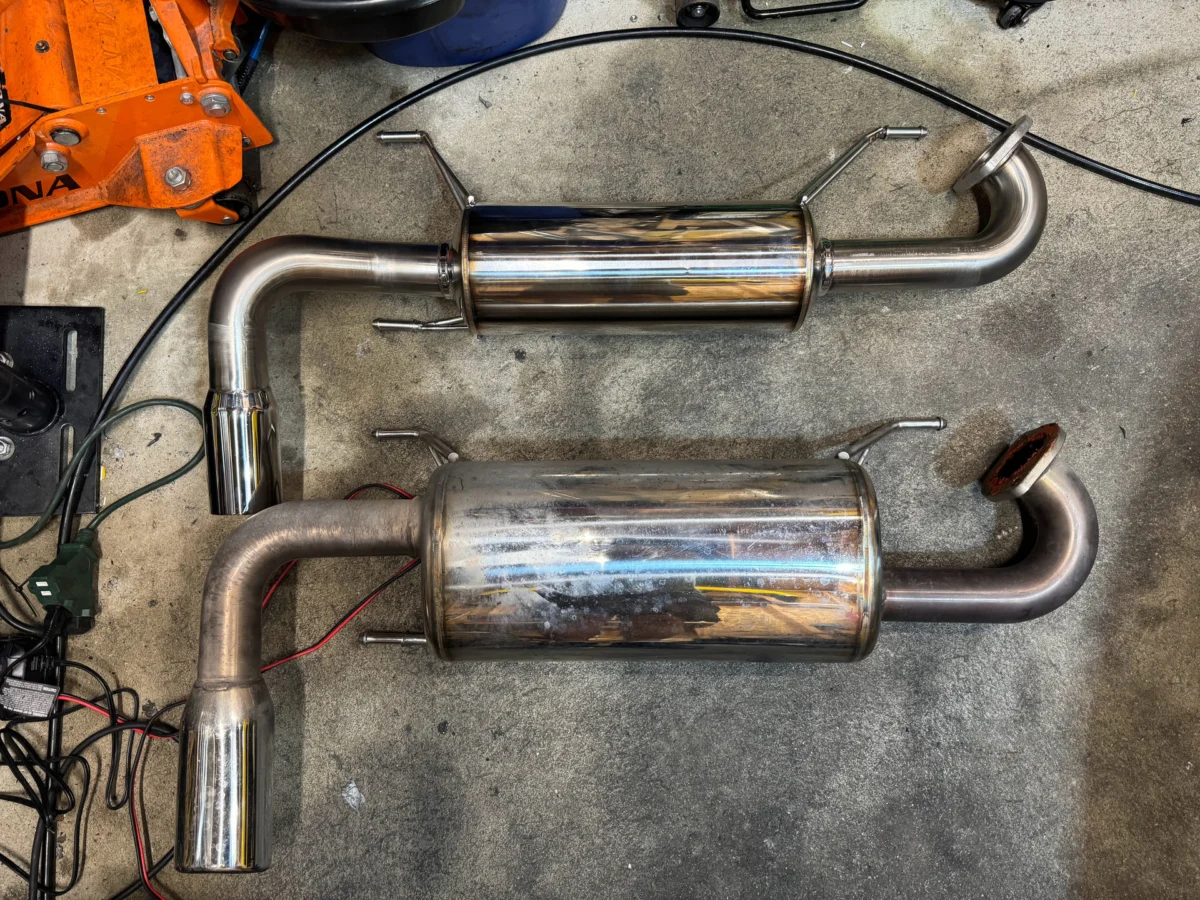
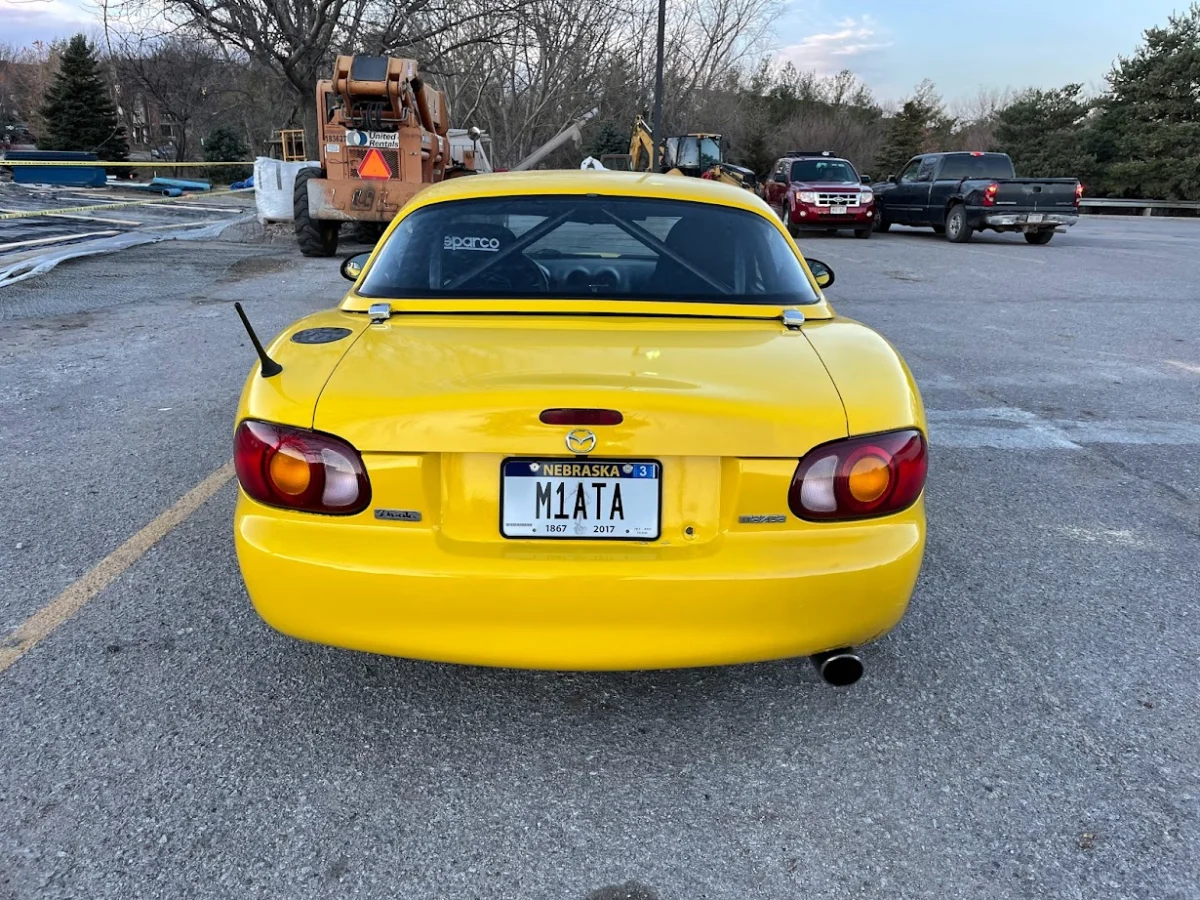
The fourth year of ownership for a 1999–2005 generation Mazda Miata (NB) often represents a critical juncture where the vehicle transitions from a weekend enthusiast car into a dedicated, high-performance track instrument. For one particular NB Miata, the period spanning March 2024 through February 2025 served as a definitive case study in mechanical ambition, competitive refinement, and the logistical complexities of amateur motorsport. Throughout this 12-month cycle, the vehicle underwent significant powertrain experimentation, braking system optimization, and a complete overhaul of its supporting transport infrastructure. The following report details the technical progression and performance metrics of this four-year project as it entered its most intensive phase of competition within the Sports Car Club of America (SCCA) Time Trials.
Mechanical Setbacks and Powertrain Experimentation
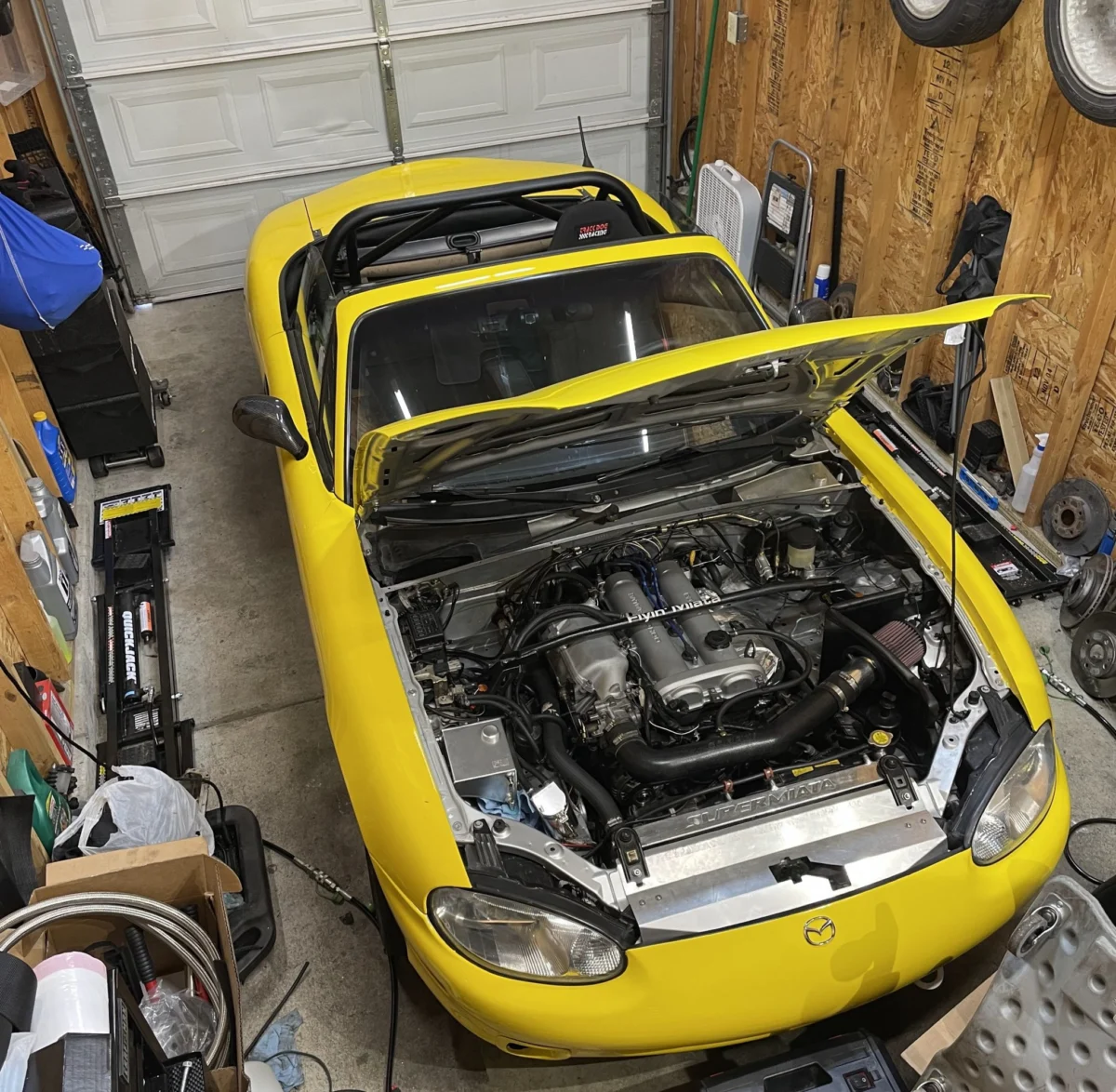
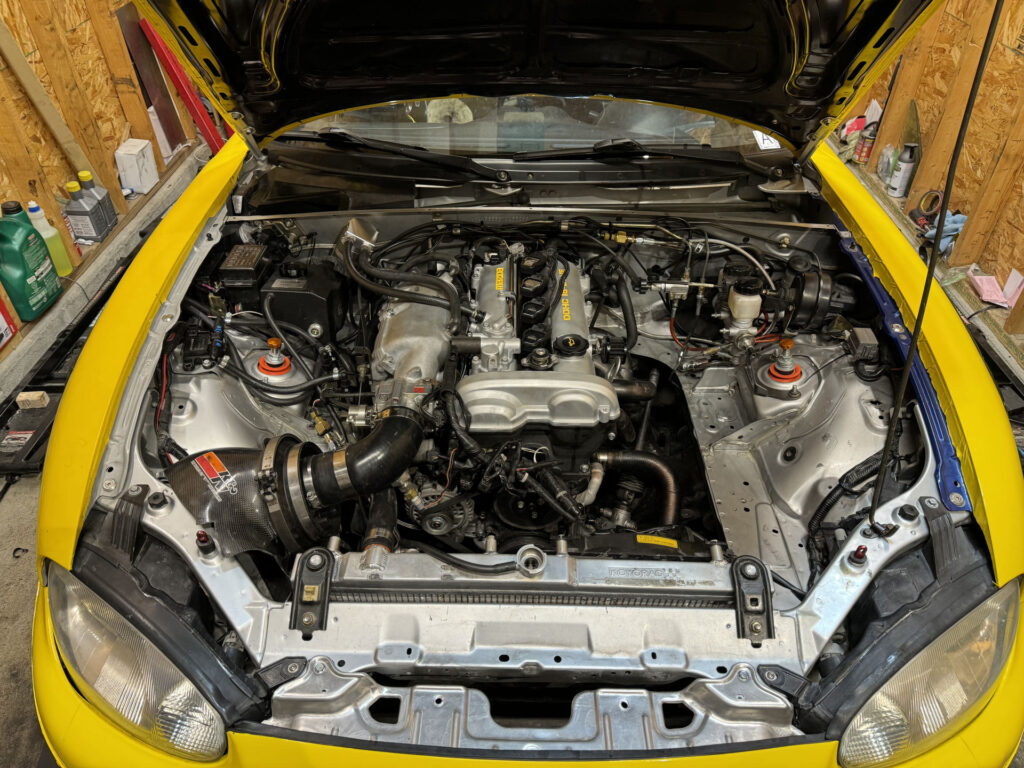
The year began in March 2024 with an ambitious powertrain upgrade. The objective was to replace the original BP4W engine with a rebuilt BP6D Variable Valve Timing (VVT) motor, paired with a six-speed manual transmission to replace the factory five-speed unit. The BP6D, sourced from later NB2 models (2001–2005), is highly regarded in the Miata community for its improved mid-range torque and superior cylinder head flow. However, the installation process revealed the inherent risks of "project creep." During the preparation phase, technical inspections determined that the cylinder head valves were failing to seat properly, necessitating a comprehensive head rebuild.
The scope of work expanded to include a "do-it-yourself" cylinder hone, the installation of new Original Equipment Manufacturer (OEM) rings, and the integration of aftermarket pistons. While the motor initially functioned as intended, it suffered a catastrophic cooling system failure during an autocross event less than a month after installation. Under the high-stress conditions of near-redline revolutions per minute (RPM), a minor head gasket leak allowed combustion pressure to enter the cooling jacket. This surge in pressure forced out a freeze plug—the path of least resistance—resulting in an immediate loss of coolant. Consequently, the VVT motor was removed, and the reliable, original BP4W engine was reinstalled for the remainder of the 2024 racing season, though the six-speed transmission was retained to provide more aggressive gearing.
Thermal Management and Braking Efficiency
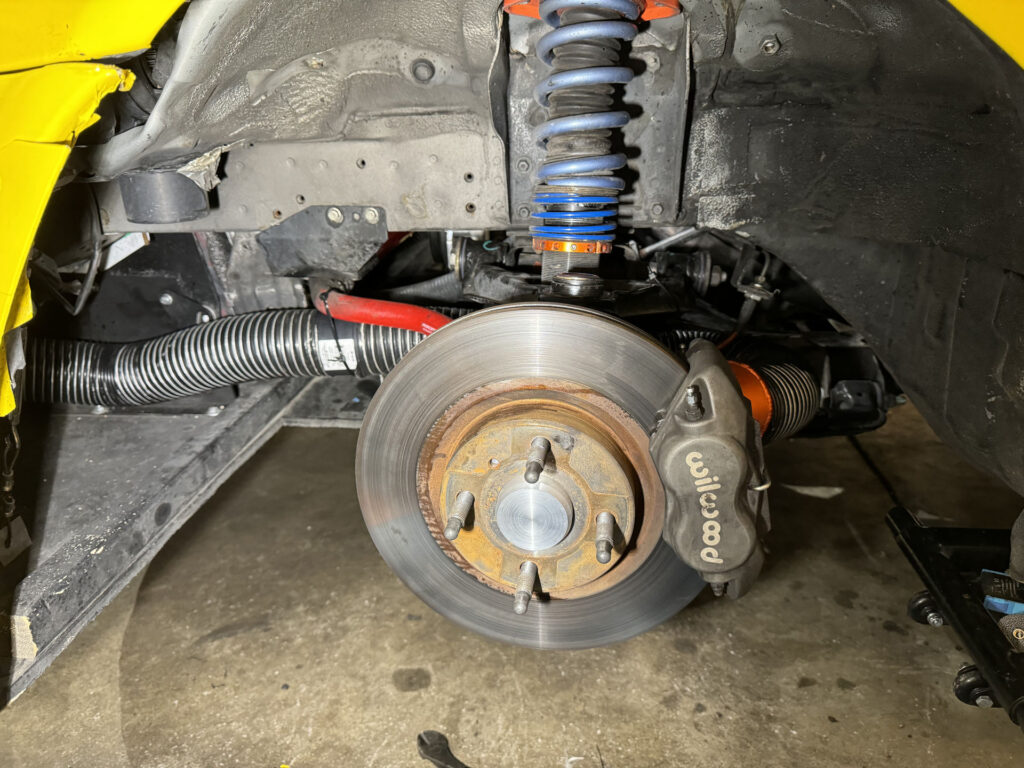
In April 2024, the focus shifted to the vehicle’s deceleration capabilities. The car was already equipped with the Supermiata BX11 brake kit, a high-performance solution designed for sustained track use. However, data indicated that while the braking force was sufficient, the thin profile of the pads led to accelerated wear and frequent replacement intervals.
To mitigate this, a custom brake cooling duct system was engineered. Utilizing a modular design with two sections of hose connected by a central coupler, the system allows for the replacement of damaged sections without requiring a full system overhaul. The implementation of these ducts yielded a measurable improvement in thermal management, effectively doubling the lifespan of the brake pads. This modification highlights a critical aspect of track-car maintenance: the reduction of consumables costs through improved cooling rather than simply increasing the size of the braking hardware.
Exhaust Optimization and Noise Compliance
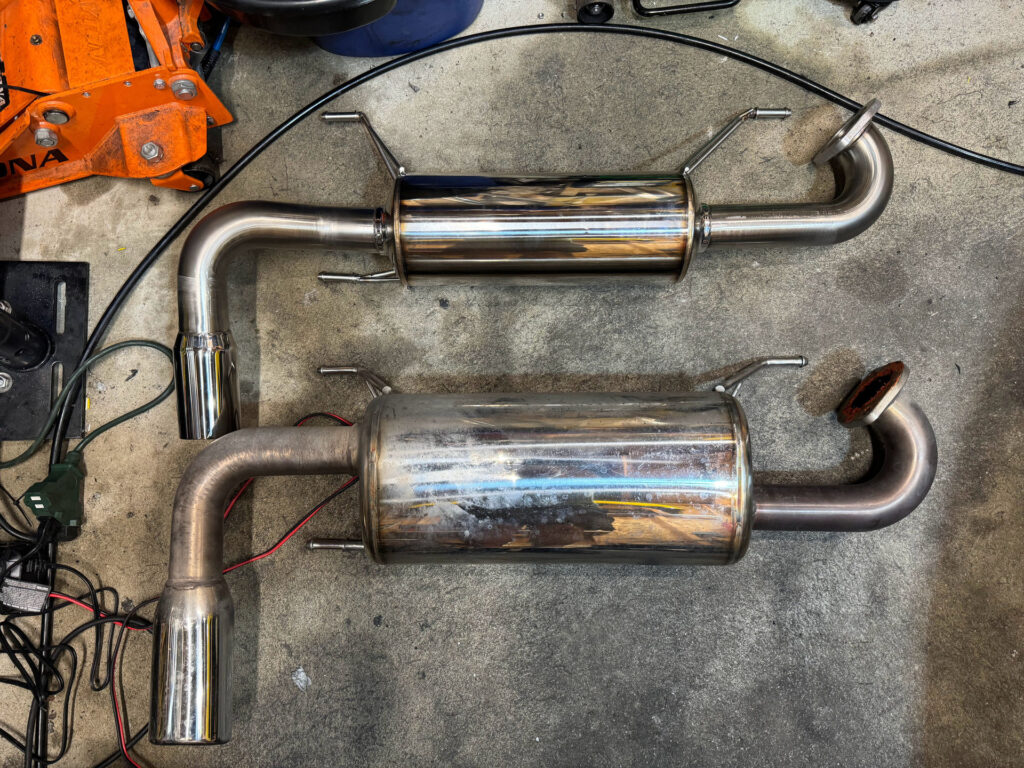
By May 2024, the vehicle’s exhaust system was modified to balance weight reduction with acoustic performance. The existing Racing Beat Power Pulse muffler was replaced with a Racing Beat Race Muffler. The final exhaust configuration consisted of a Raceland header, a Racing Beat Race resonated mid-pipe, and the new race muffler. This setup achieved a marginal weight reduction while increasing the exhaust note to a level that remains compliant with most track-specific decibel limits. This is a vital consideration for amateur racers, as many circuits, such as Laguna Seca or Lime Rock Park, enforce strict noise ordinances that can lead to disqualification if exceeded.
Competitive Performance and Lap Time Analysis
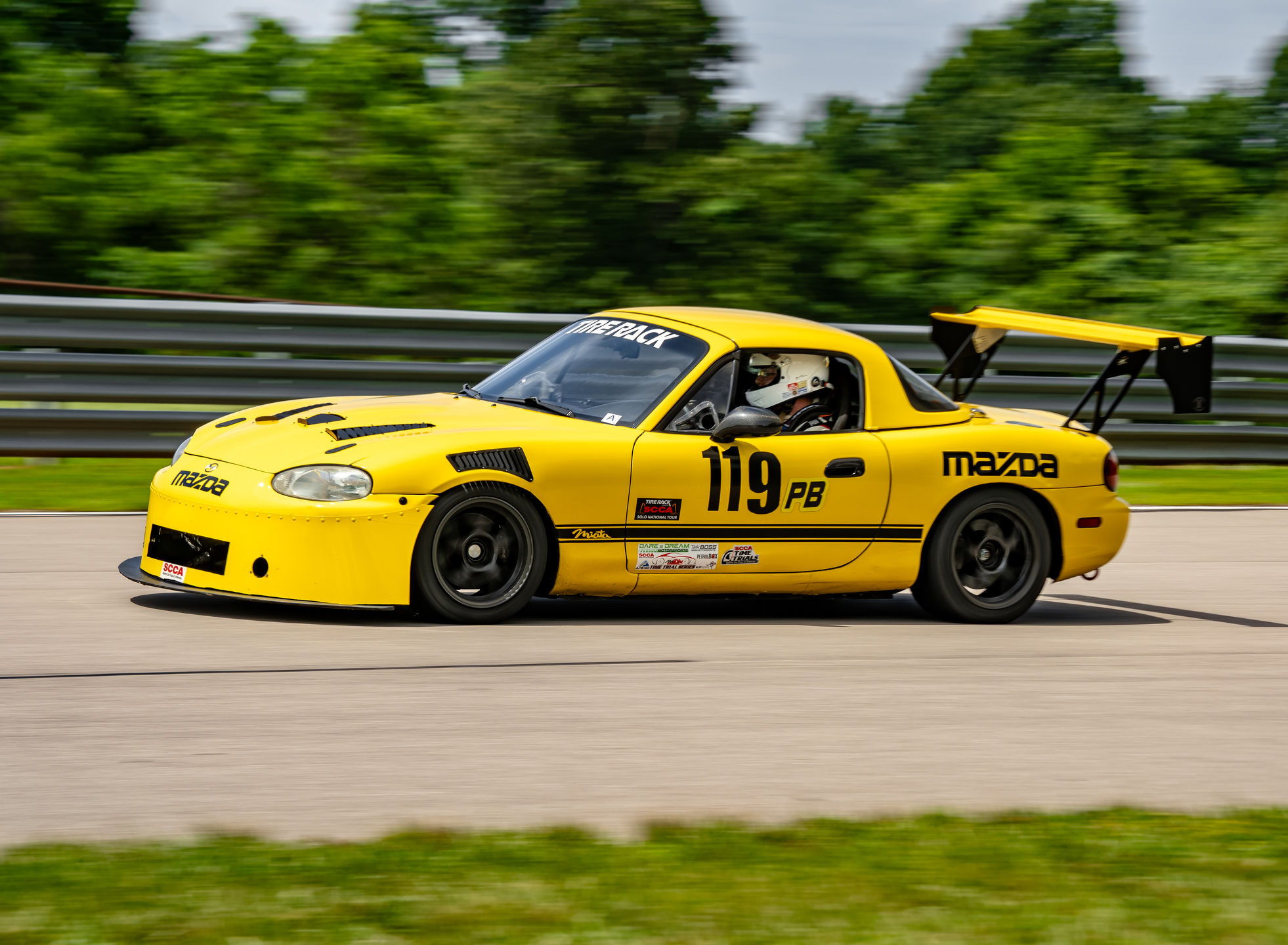
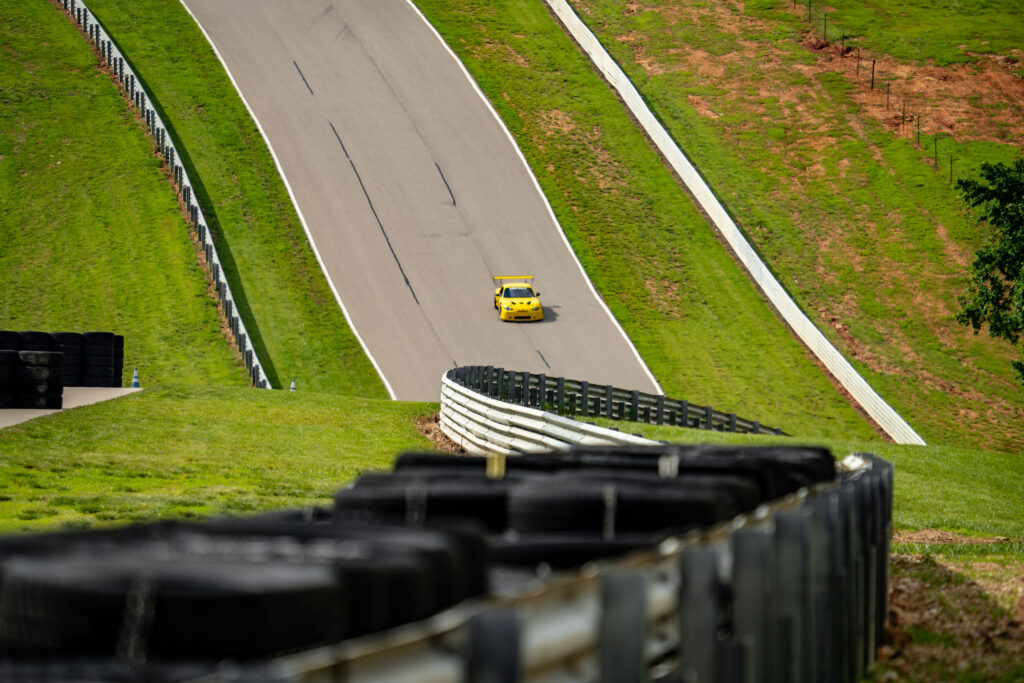
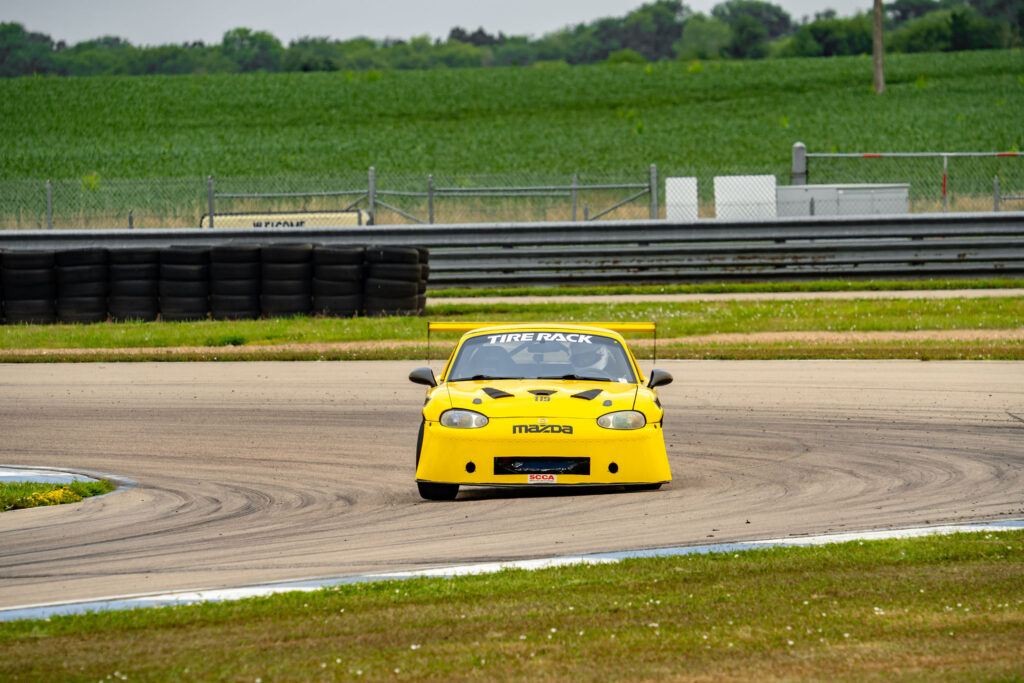
The summer months of 2024 were dedicated to competitive testing at various Midwest circuits. In June, the vehicle was campaigned at Ozarks International Raceway, a venue characterized by extreme elevation changes and technical complexity. By August, the focus shifted to Motorsports Park Hastings (MPH) for the SCCA Time Trials.
The data collected at MPH provided a benchmark for the vehicle’s development. The NB Miata recorded a fastest lap of 1:39.19, an improvement of 3.59 seconds over the previous year. This performance placed the vehicle in a unique competitive bracket:
- NASA Spec Miata Record: 1:40.415 (The vehicle outperformed the spec class record).
- NASA TT6 Record: 1:39.625 (The vehicle outperformed the Time Trial 6 record).
- NASA TT5 Record: 1:34.110 (The vehicle remains approximately five seconds off the pace of the more advanced TT5 class).
These metrics suggest that the current build occupies a "sweet spot" between the highly regulated Spec Miata class and the more modified TT5 class, demonstrating the effectiveness of the BP4W engine when paired with optimized gearing and cooling.
Logistical Infrastructure: Towing and Track-Side Habitation
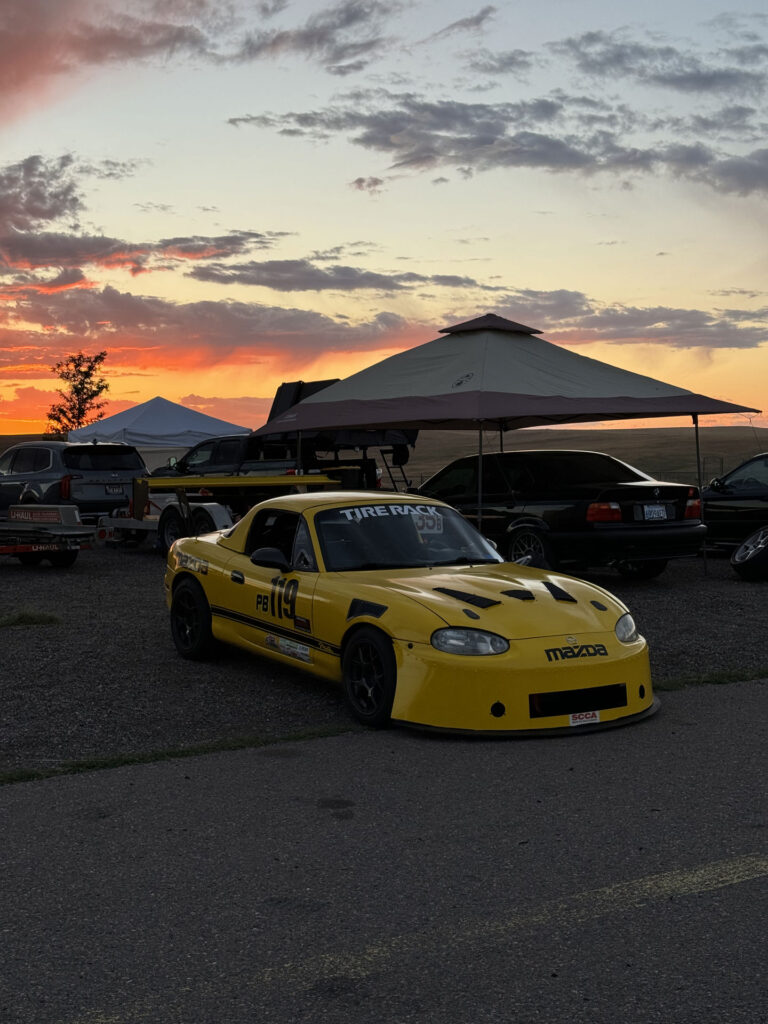
A significant shift in the 2024 season was the transition from "driving to the track" to a fully trailered operation. In June, the acquisition of a mid-size truck allowed for the use of a rental U-Haul trailer for a 900-mile round trip to High Plains Raceway in July. While the truck suffered minor ignition issues due to oil-fouled spark plugs, the experiment proved that trailering significantly reduced driver fatigue compared to driving a loud, stiffly sprung track car on public highways.
By October 2024, the owner finalized the purchase and customization of a dedicated 18-foot open car hauler. The trailer was outfitted with several mission-specific modifications:
- An electric tongue jack for rapid leveling.
- A front-mounted tool box and a five-gallon fuel jug rack.
- A 12,000-pound winch for loading non-running vehicles.
- Enhanced lighting, including rock lights for night loading and rear-facing "chase" lights.
One persistent technical challenge noted was the 2-foot dovetail angle. Despite the trailer’s design, the NB Miata’s low ride height necessitated the use of wooden 2×6 risers to prevent the frame rails and front splitter from scraping during the loading process.
Communications and Late-Season Refinements
In the final quarter of the year, the focus turned to "quality of life" and communication upgrades. To address the lack of real-time data while on track, a GMRS-based radio system was installed in February 2025. Utilizing Baofeng UV-5R units, the system was hard-wired into the car’s 12V power supply and integrated with a NASCAR-style harness, later adapted to IMSA standards for future intercom compatibility. This allows the driver to receive live timing updates and gap analysis from crew members in the pits, a critical advantage in Time Trial formats where fractions of a second determine class standings.
Further engine work continued into the winter. In December 2024, a post-mortem analysis of the failed VVT motor revealed no obvious cracks in the head or block, suggesting that a simple resurfacing and a higher-quality head gasket might restore the unit. Simultaneously, a Skunk2 intake manifold was installed on the current BP4W engine in January 2025. While community consensus suggests a modest gain of 1–4 horsepower at the top end, the modification aims to flatten the power curve above 7,000 RPM, where the car spends the majority of its time on track.
Conclusion and Broader Impact
As of February 2025, the four-year ownership of this NB Miata has resulted in 1,023 recorded laps and approximately 34.6 hours of total track time. In the 2024 season alone, the vehicle completed 392 laps over 16 track days.
The transition from autocross—which the owner abandoned this year due to the low "driving-to-waiting" ratio—to dedicated track events and SCCA Time Trials reflects a broader trend in the automotive hobby. Enthusiasts are increasingly seeking high-volume seat time and data-driven competition. This project demonstrates that while high-budget engine swaps can provide significant hurdles, incremental improvements in cooling, logistics, and communication can yield more consistent competitive results. The NB Miata remains a premier platform for this evolution, offering a balance of mechanical simplicity and high-performance potential that continues to rival modern sports cars in a track environment.