Farhan hamdan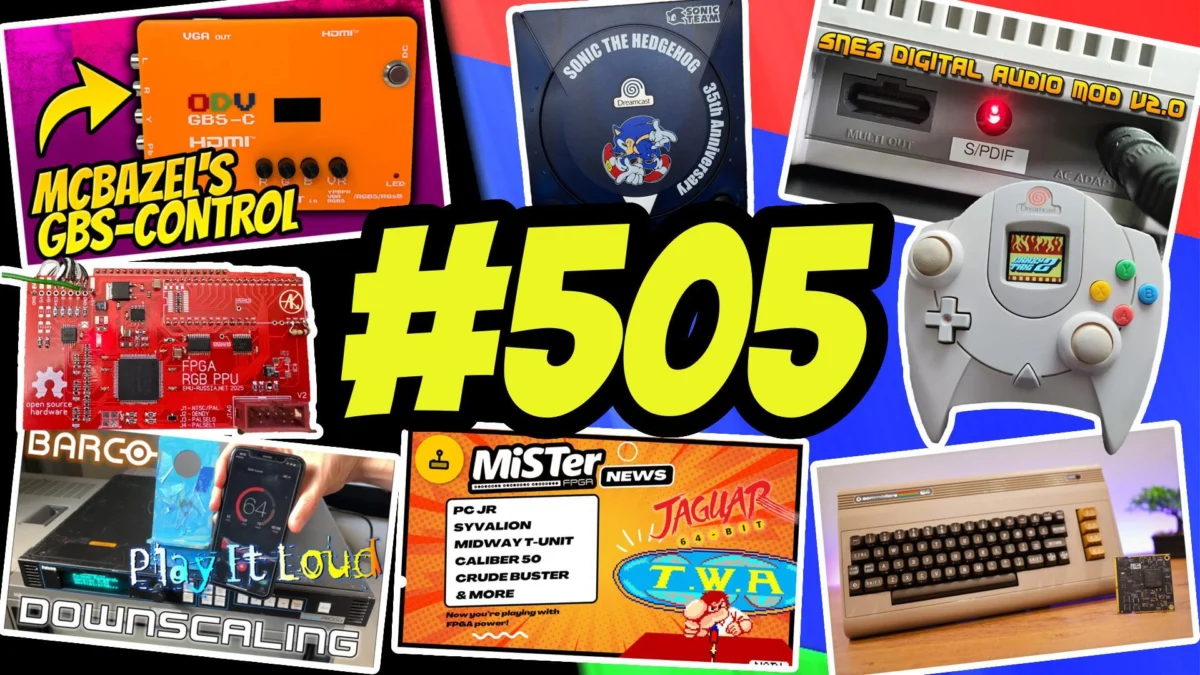
Advancements in Console Audio and Video Fidelity
The pursuit of pristine audio and video quality remains a cornerstone of the retro gaming community, with several new developments pushing the boundaries of what is achievable on vintage hardware.
SNES Digital Audio Enhancement: A Sonic Revolution
A significant innovation discussed in the roundup is the SNES Digital Audio mod, a project championed by TheRetroChannels. For decades, enthusiasts have sought to extract the highest fidelity audio from the Super Nintendo, a console renowned for its groundbreaking SPC700 sound chip. The original SNES utilized analog audio output, which, while impressive for its era, is susceptible to noise, interference, and signal degradation inherent in analog conversion. This new digital audio modification bypasses these limitations by tapping directly into the SNES’s digital audio stream before it undergoes digital-to-analog conversion.
The mod typically involves installing a specialized circuit board that intercepts the digital audio signals from the SPC700 chip and outputs them via a modern digital interface, such as I2S or even USB, which can then be converted to optical (TOSLINK) or coaxial S/PDIF. This process virtually eliminates analog noise, offering an unparalleled level of clarity and accuracy to the SNES’s iconic soundtrack. The implications for audiophile retro gamers are substantial, providing a pure, unadulterated audio experience that closely reflects the developer’s original intent. This development is part of a broader trend within the community to achieve "pixel-perfect" video and "bit-perfect" audio from classic consoles, ensuring that the ephemeral nature of vintage hardware does not diminish the quality of its output on modern systems. The implementation of such mods often requires advanced soldering skills and a deep understanding of console architecture, reflecting the high level of technical expertise present within the retro gaming hardware modification scene.
Open-Source NES PPU Replacement: Redefining Visuals
Another landmark development highlighted is the Open Source NES Picture Processing Unit (PPU) replacement, designed to bring high-quality RGB video output to the original Nintendo Entertainment System. The NES, released in 1983, was notorious for its composite video output, characterized by color bleeding, blurriness, and a general lack of sharpness on modern displays. Efforts to improve NES video quality have historically involved complex RGB mods, often utilizing specialized chips or modifications that could be costly and difficult to implement.
This new open-source PPU replacement project aims to address these issues by providing a modern, re-engineered PPU that can output native RGB signals directly. The significance of an open-source solution cannot be overstated; it fosters collaboration, allows for community-driven improvements, and makes the technology more accessible to a wider audience of modders and enthusiasts. By replacing the original PPU with a modern FPGA-based equivalent or a custom ASIC, developers can precisely replicate the NES’s video timing and color palette while generating a superior RGB signal. This not only enhances visual clarity and color accuracy but also extends the console’s compatibility with high-end video processors and modern displays that demand clean RGB input. This initiative represents a critical step in preserving the visual integrity of NES games for future generations, moving beyond the limitations of its original analog video output. The project underscores the dedication to not just playing retro games, but experiencing them in their optimal, often enhanced, form.
MiSTer FPGA: Continuous Evolution and Preservation
The MiSTer FPGA project continues to be a central pillar of the retro gaming ecosystem, offering highly accurate hardware emulation through field-programmable gate arrays. Luîs’s MiSTer Updates consistently demonstrate the platform’s dynamic growth and its commitment to preserving gaming history.
MiSTer FPGA News: Expanding the Digital Archive
The latest MiSTer updates showcase ongoing efforts to expand the platform’s library of faithfully recreated hardware, including new cores for "Mat Mania," the IBM PCjr, and the Atari Jaguar, among others. MiSTer FPGA operates by reconfiguring an FPGA chip to behave exactly like the original console’s hardware at a transistor level, offering a level of accuracy often superior to traditional software emulation. This "hardware emulation" approach virtually eliminates input lag and timing inaccuracies that can plague software emulators.
The addition of cores for arcade classics like "Mat Mania" (known for its unique wrestling mechanics) ensures that obscure or difficult-to-preserve arcade titles remain playable with perfect fidelity. The IBM PCjr core is particularly noteworthy, as it brings a significant piece of personal computing history into the MiSTer ecosystem, allowing users to experience early PC gaming and software with period-accurate hardware behavior. The Atari Jaguar core, a notoriously complex console due to its multi-chip architecture, further demonstrates the incredible technical prowess of MiSTer developers. The continuous development of these cores by dedicated engineers and hobbyists, like Luîs, ensures that a vast array of historical gaming and computing platforms are not only preserved but made accessible in a high-fidelity format. This commitment to accuracy and breadth solidifies MiSTer’s position as a premier platform for retro gaming preservation and play. The community around MiSTer is highly active, with developers constantly refining existing cores and adding new ones, often directly addressing compatibility issues and performance bottlenecks encountered by users.
Console Customization and Ergonomic Enhancements
Beyond internal hardware modifications, the retro gaming scene thrives on aesthetic customization and ergonomic improvements that blend nostalgic appeal with modern convenience.
35th Anniversary Sonic Dreamcast Shells: A Nostalgic Makeover
The release of 35th Anniversary Sonic Dreamcast Shells highlights the enduring popularity of console customization. The Sega Dreamcast, a console revered for its innovative games and forward-thinking design, has a dedicated modding community. Custom shells provide an opportunity for enthusiasts to personalize their consoles, restore damaged units, or celebrate iconic franchises. These shells, often manufactured from high-quality ABS plastics, are designed to replace the original console casing without compromising internal components.
The "Sonic" theme, celebrating the 35th anniversary of Sega’s beloved mascot, taps into a deep well of nostalgia, offering fans a unique way to display their allegiance. Such custom shells are more than just cosmetic; they often represent a tangible connection to gaming history, allowing collectors to curate unique pieces that reflect their personal passion. The demand for these products reflects a market that values both the functional preservation of retro hardware and its aesthetic presentation, transforming consoles from mere electronics into display-worthy art pieces. The craftsmanship involved in producing these shells, from mold design to final finishing, often mirrors industrial manufacturing standards, indicating a maturation of the retro hardware customization market.

Dual-Analog Stick Dreamcast Controller: Modernizing Control
Further enhancing the Dreamcast experience, the development of a Dual-Analog Stick Dreamcast Controller addresses a long-standing desire among players for modernized input. The original Dreamcast controller, while innovative for its time, featured only one analog stick, a design choice that became increasingly limiting as dual-analog became the industry standard for 3D games. This new controller design integrates a second analog stick, typically in a position similar to modern gamepad layouts, allowing for more intuitive camera control and movement in 3D environments.
This modification is particularly beneficial for first-person shooters, third-person action games, and other titles that could benefit from independent camera and movement axes. The technical challenge lies in integrating the new input without disrupting the console’s native controller protocols, often requiring custom PCBs and microcontrollers. The implications are significant: it allows Dreamcast games to be played with a level of control fidelity comparable to contemporary titles, potentially unlocking new ways to experience classics and making the console more appealing to players accustomed to modern control schemes. This development showcases the community’s drive to not only preserve but also iteratively improve upon the original gaming experience, making retro games more accessible and enjoyable in the modern era.
Historical Hardware Deep Dives and Preservation Tools
Understanding the intricate details of vintage hardware is crucial for preservation and innovation, as demonstrated by detailed analyses and practical tools.
Ken’s Inside the C64: The Ultimate Commodore 64
Ken’s insightful look into the Commodore 64 "Ultimate" series provides a detailed examination of one of the most significant upgrades available for this iconic 8-bit home computer. The Commodore 64, released in 1982, remains one of the best-selling single computer models of all time and holds a special place in computing history. The "Ultimate" series (including the Ultimate 64 and Ultimate II+ cartridge) are sophisticated hardware expansions that integrate modern technology with the original C64 architecture.
These devices often feature FPGA-based recreations of the C64’s core components, including the MOS 6510 CPU and the SID sound chip, along with added functionalities such as Ethernet connectivity, USB storage support, real-time clocks, and expanded memory. Ken’s analysis typically delves into the technical specifications, installation process, and the myriad benefits these upgrades offer, from improved reliability and enhanced storage options to superior audio reproduction (especially with the FPGA SID implementation). The "Ultimate" series effectively future-proofs the C64, allowing users to experience the system’s vast software library with modern conveniences while retaining authentic hardware behavior. This deep dive not only informs enthusiasts about available upgrades but also serves as a testament to the enduring legacy and modding potential of classic computing platforms.
Mcbazel GBS-C: Affordable Video Upscaling
The Mcbazel GBS-C (GBS Control) is highlighted as an accessible and effective solution for connecting retro consoles to modern displays. Modern televisions and monitors often lack the necessary inputs (e.g., composite, S-video, component via RCA) or struggle to properly display the low-resolution, interlaced, or non-standard signals output by vintage consoles. The GBS-C, based on the open-source GBS-8200 arcade board, has been transformed by community firmware into a highly versatile video upscaler and transcoder.
Its key features include deinterlacing, custom resolution support, low latency, and the ability to accept various analog inputs (RGBHV, RGBS, RGsB, component) and output clean HDMI or VGA signals. The GBS-C offers a crucial bridge between classic hardware and contemporary display technology, allowing retro gamers to enjoy their collections without significant visual compromise or the need for expensive professional broadcast equipment. Its affordability and open-source nature have made it a popular choice, demonstrating how community-driven development can create powerful tools that democratize access to high-quality retro gaming experiences. This device exemplifies the practical solutions developed within the community to overcome the technical hurdles of modern display compatibility.
Barco Downscaler: Precision for CRT Enthusiasts
Conversely, the Barco Downscaler, specifically units like the Barco Folsom Research ImagePRO, caters to a niche but dedicated segment of retro gamers: those who prefer to play on Cathode Ray Tube (CRT) displays. While many solutions focus on upscaling for modern flat panels, a significant portion of the community believes CRTs offer the most authentic and visually pleasing experience for retro games, particularly for resolutions like 240p. However, connecting modern sources (e.g., FPGA devices, emulators, or even upscaled console outputs) to CRTs often requires downscaling.
Professional video processors like the Barco ImagePRO are renowned for their robust signal processing capabilities, allowing for precise control over resolution, refresh rates, and aspect ratios. These units can take high-resolution signals and accurately downscale them to native CRT resolutions like 240p or 480i without introducing artifacts or lag. While expensive and complex to configure, their inclusion in the roundup underscores the community’s pursuit of perfection across all display types. For competitive retro gamers or purists, a high-quality downscaler ensures that the pixel structure and motion clarity inherent to CRTs are fully realized, providing an experience that closely matches how games were originally designed to be played.
Community Support and Broader Implications
The continued innovation and preservation efforts highlighted in this roundup are largely sustained by a passionate and collaborative community. The segment on "Thank You" and "Support" underscores the crucial role of community funding, whether through monthly support services, direct tips, or affiliate link purchases. This model allows independent developers, content creators, and hardware modders to dedicate time and resources to these complex projects, ensuring the ongoing vitality of the retro gaming scene.
The "Flame Thrower" segment, while seemingly a humorous non-sequitur, likely serves as a moment of levity or an interesting diversion within the broader technical discussions, a common characteristic of community-driven content that balances serious technical deep dives with lighthearted engagement.
Overall Impact and Future Outlook
The developments featured in Weekly Roundup #505 illustrate a mature and dynamic retro gaming ecosystem. From meticulous hardware re-creation via FPGA to open-source initiatives democratizing advanced modifications, and from aesthetic console customization to sophisticated video signal processing, the community is actively shaping the future of retro gaming. These efforts not only preserve gaming history but also enhance the experience for current and future generations, ensuring that classic titles remain accessible, visually stunning, and audibly pristine. The ongoing collaboration between engineers, modders, and content creators drives this evolution, promising an even richer landscape for retro gaming enthusiasts in the years to come.