 Retno Hari Mulyono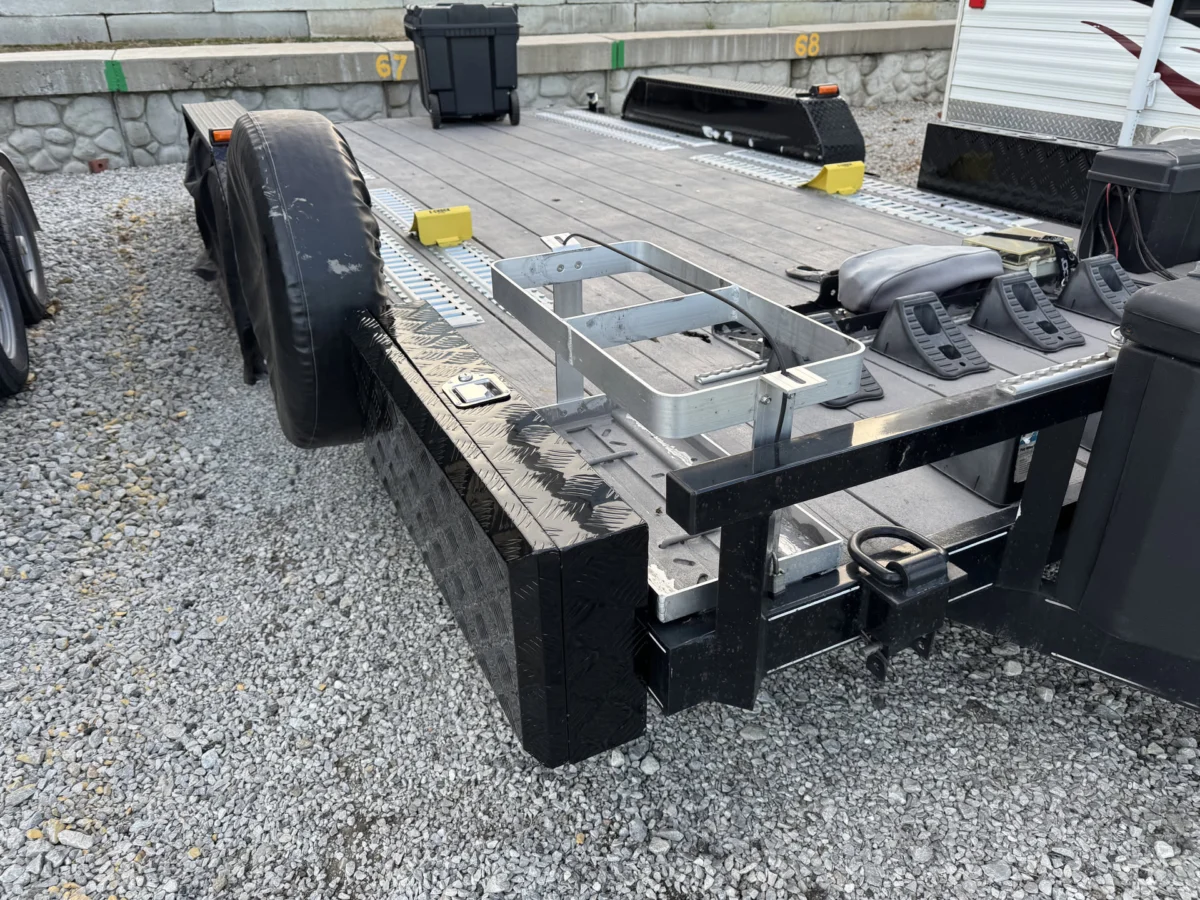
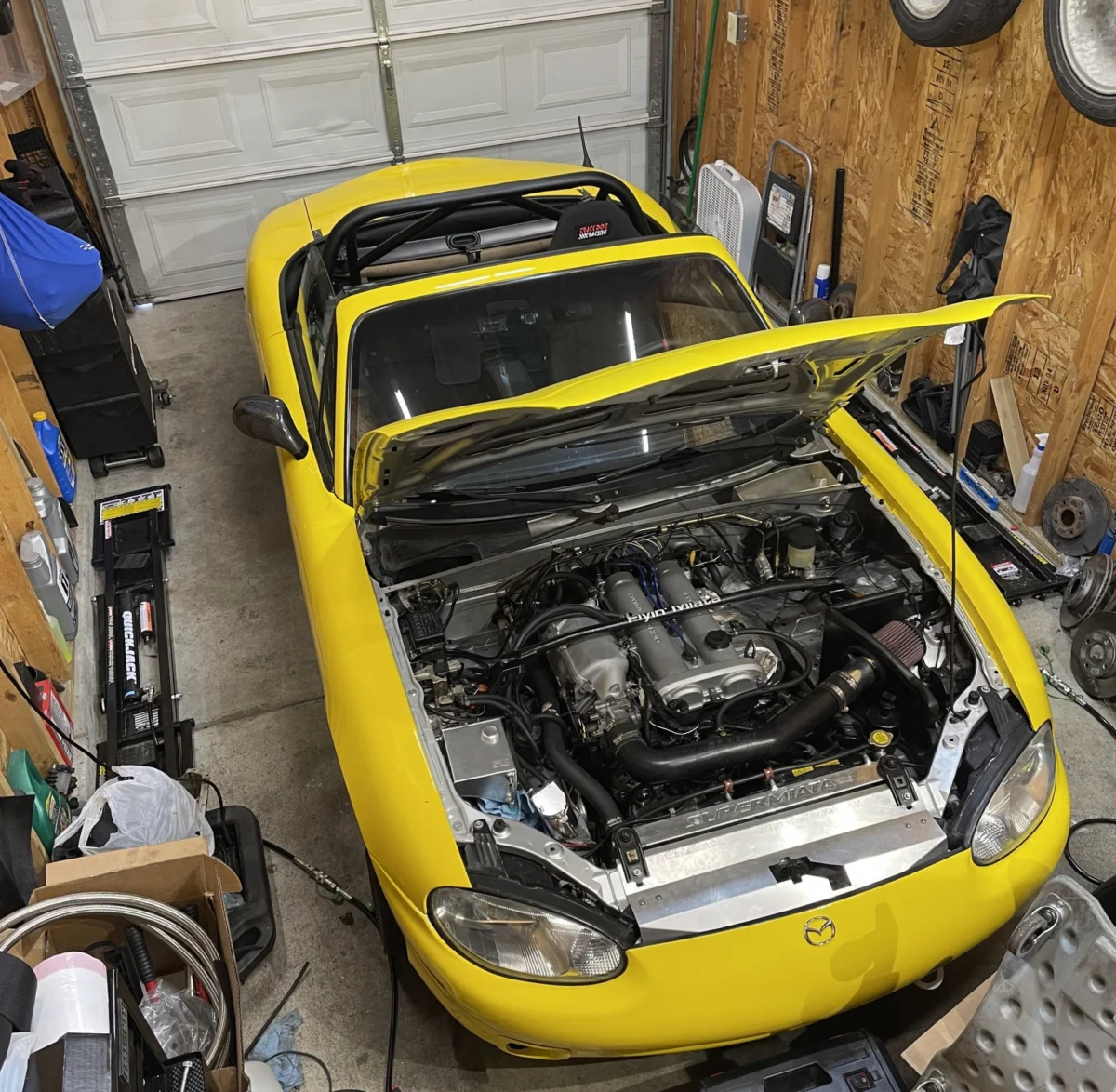
Marking half a decade of continuous automotive stewardship, the owner of a heavily modified 2000 Mazda MX-5 NB Miata has published an exhaustive retrospective chronicling the vehicle’s fifth year of ownership, spanning from March 2025 through February 2026. Over the past twelve months, the machine transitioned from a dedicated weekend track platform into a showcase of advanced amateur engineering, weathering high-rpm dyno testing, severe component failures, complete electrical rewires, and chassis-level drivetrain enhancements. This comprehensive annual review captures the realities of grassroots motorsports, highlighting the financial, technical, and logistical demands of campaigning a modern-classic Japanese roadster in competitive SCCA Time Trials and open-track events.
Main Facts and Operational Overview
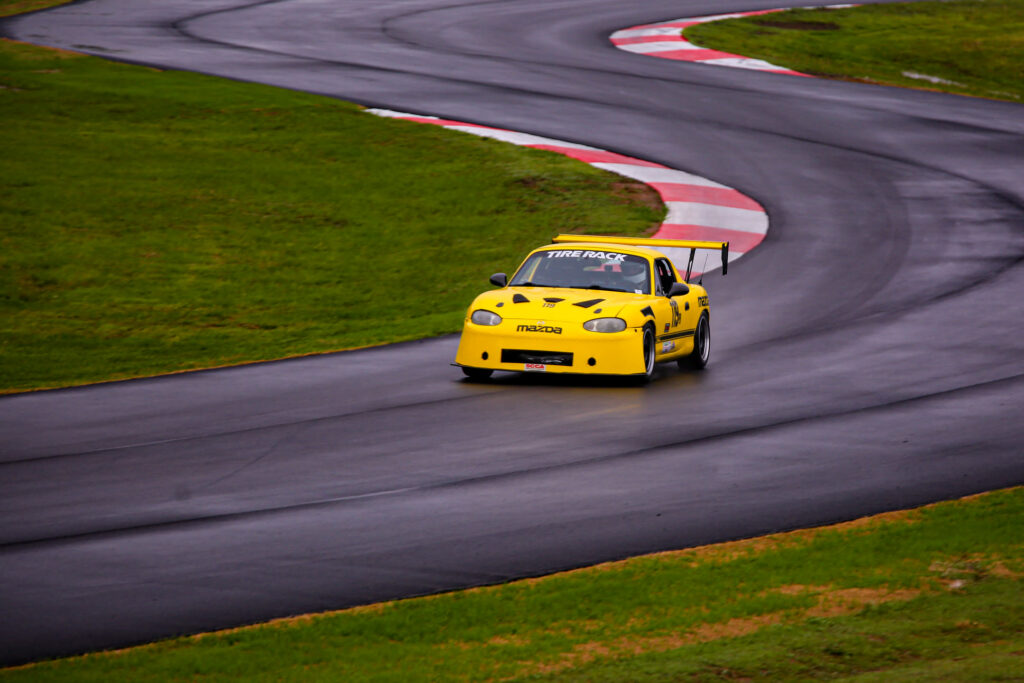
Throughout the 2025 calendar year, the NB Miata logged significant competitive mileage across regional Midwestern circuits. Telemetry records—specifically from a Garmin Catalyst driver-coaching system—verify that the car completed 357 laps over 14 distinct track days, accumulating approximately 10.9 hours of high-stress competitive driving. Cumulatively, the vehicle has amassed an impressive 1,380 laps and 43.8 hours of on-track operation since the current owner began logging data, excluding initial track outings and minor telemetry dropouts.
Despite these intensive operating conditions, the core powertrain and chassis architecture demonstrated resilience, though not without prompting substantial preventative and corrective engineering interventions. The year was defined by a shift toward professional-grade aftermarket modifications, moving away from off-the-shelf performance compromises in favor of bespoke electrical and mechanical solutions designed to withstand the rigors of competitive track use.
Chronological Review of the Ownership Year (March 2025 – February 2026)
Spring 2025: Calibration, Wet Weather, and Early Mechanical Setbacks
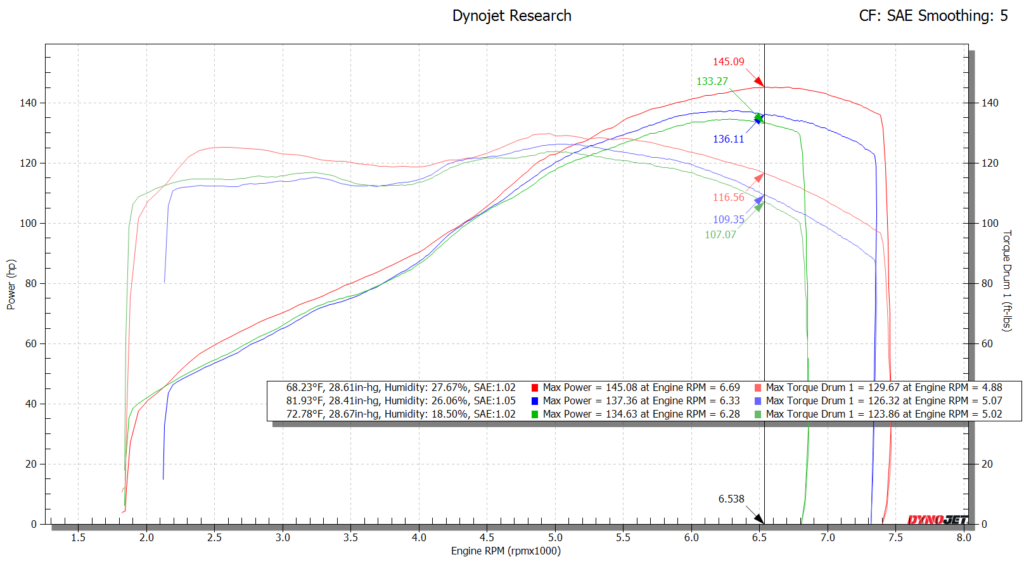
The tracking year commenced in March 2025 with annual dynamometer testing conducted to establish precise classification metrics for SCCA Mid-Division (MiDiv) Time Trials. Transitioning from a square-top intake manifold to a Skunk2 alternative, the vehicle was strapped onto a Dynojet dynamometer. The run yielded 145.09 wheel horsepower (whp) and 129.67 lb-ft of wheel torque—a notable escalation compared to the 115 whp delivered by the factory ECU in stock configuration, though trailing the torque figures recorded on alternate dynos in previous seasons. Technicians noted that the variance likely stemmed from calibration differences between testing facilities rather than a true drop in mechanical efficiency.
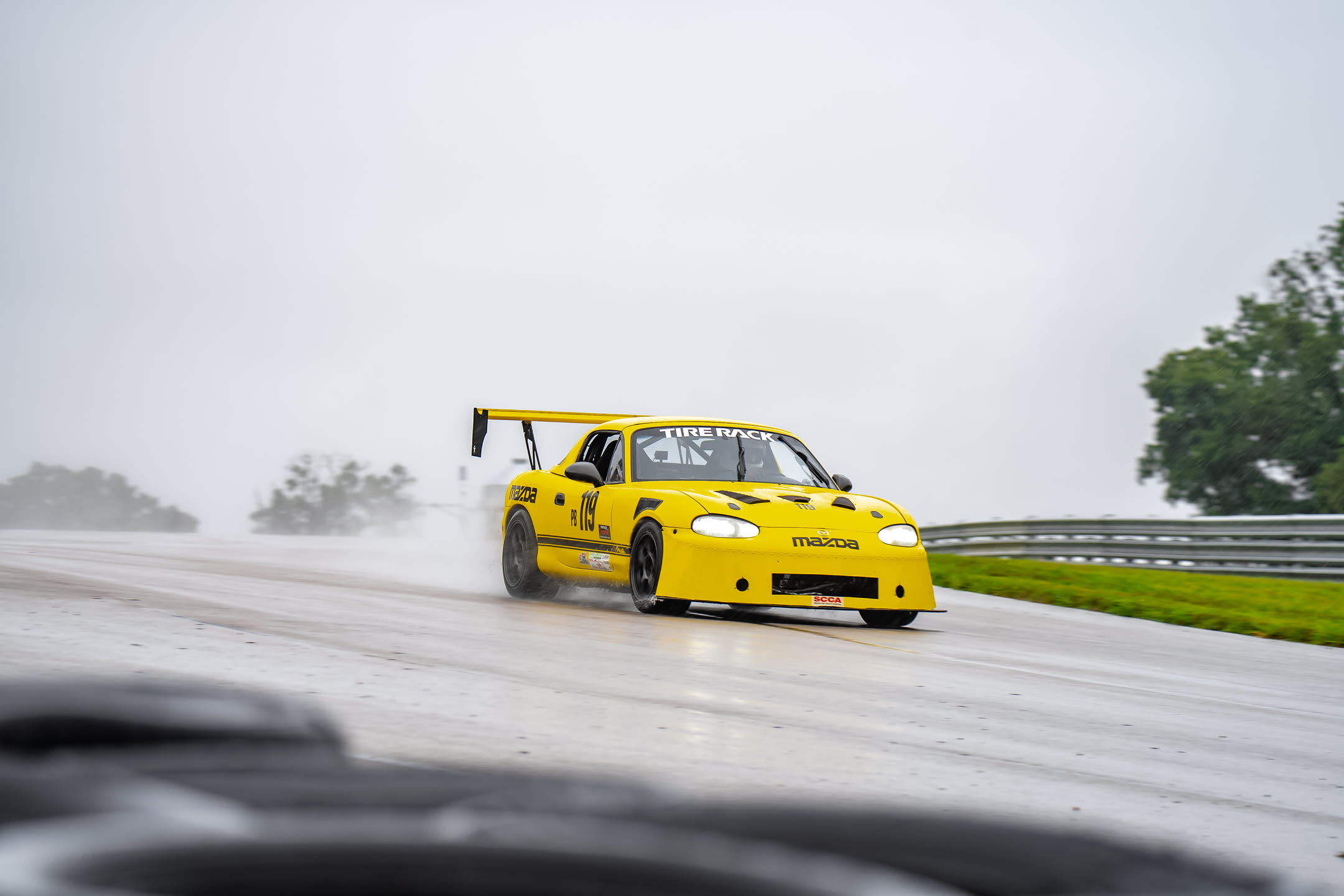
April brought the car to the newly resurfaced Hallett Motor Racing Circuit. Heavy, persistent rainfall dominated the weekend, preventing the setting of competitive lap times. However, the wet conditions provided an invaluable technical exercise, forcing the driver to navigate extended, unpredictable braking zones where transitions between aged asphalt and fresh pavement drastically altered local grip levels.
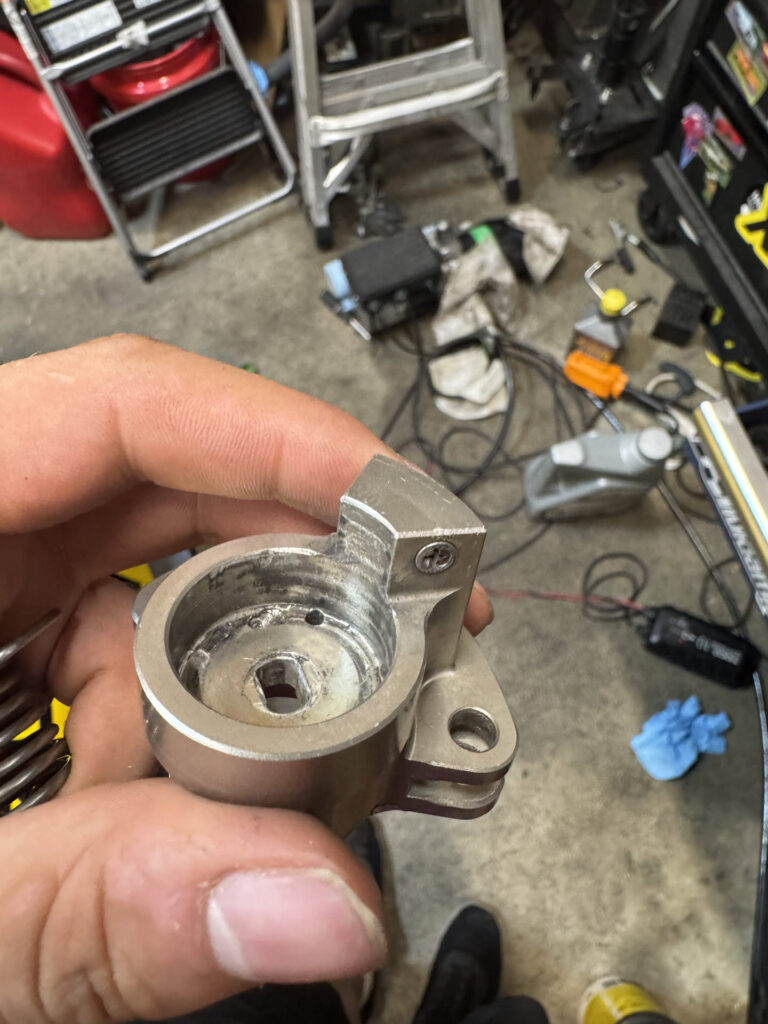
The fragile nature of endurance track preparation manifested aggressively in May during a test day at I29 Speedway. The throttle return spring on the Skunk2 throttle body fractured mid-session. Undeterred, the driver continued on-track operation, noting the peculiar dynamic of trying to engine-brake against an unspooled throttle valve. A makeshift trackside repair involving the remaining wire coils permitted a limped drive home, prompting the immediate purchase of a replacement Skunk2 throttle body as an interim remedy.
Summer 2025: Logistics, Circuit Challenges, and Catastrophic Failure
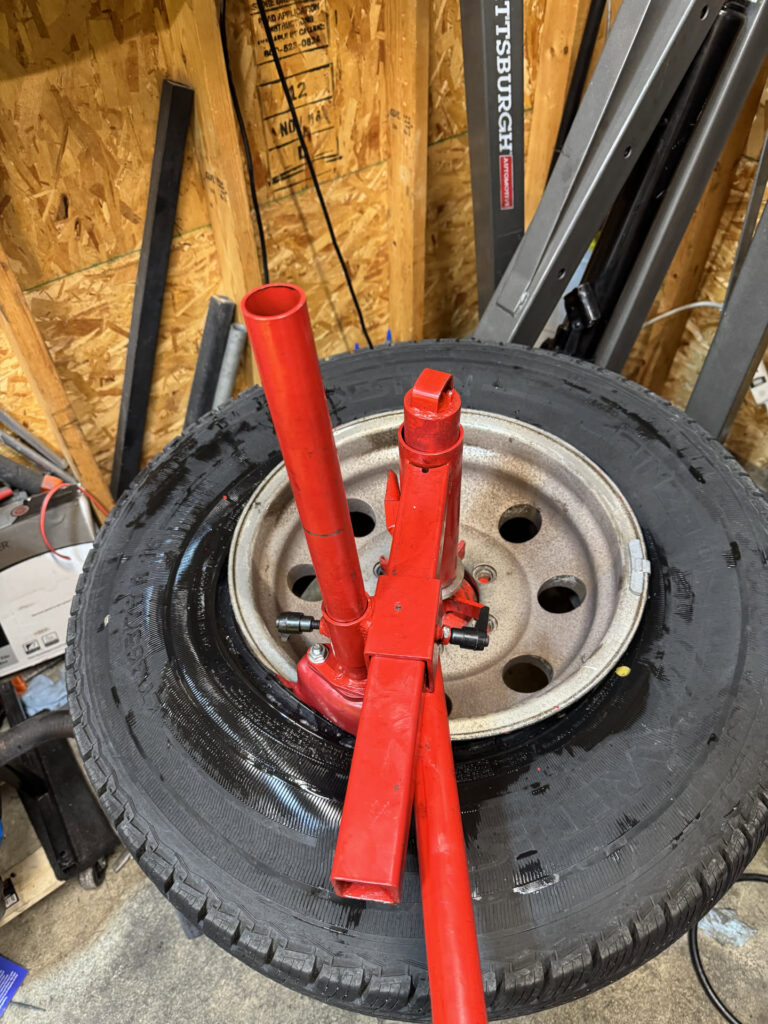
Faced with escalating commercial labor costs at local service garages, June marked a significant shift in garage self-reliance. The owner invested in a Harbor Freight manual tire changer supplemented by a duckhead mounting attachment and a static bubble balancer. Over subsequent months, the apparatus successfully mounted and balanced over twenty high-performance 200TW tires. Long-term analysis of the DIY bubble balancer indicated performance parity—and in some metrics, superior consistency—compared to commercial shop machinery, validating the initial capital expenditure.
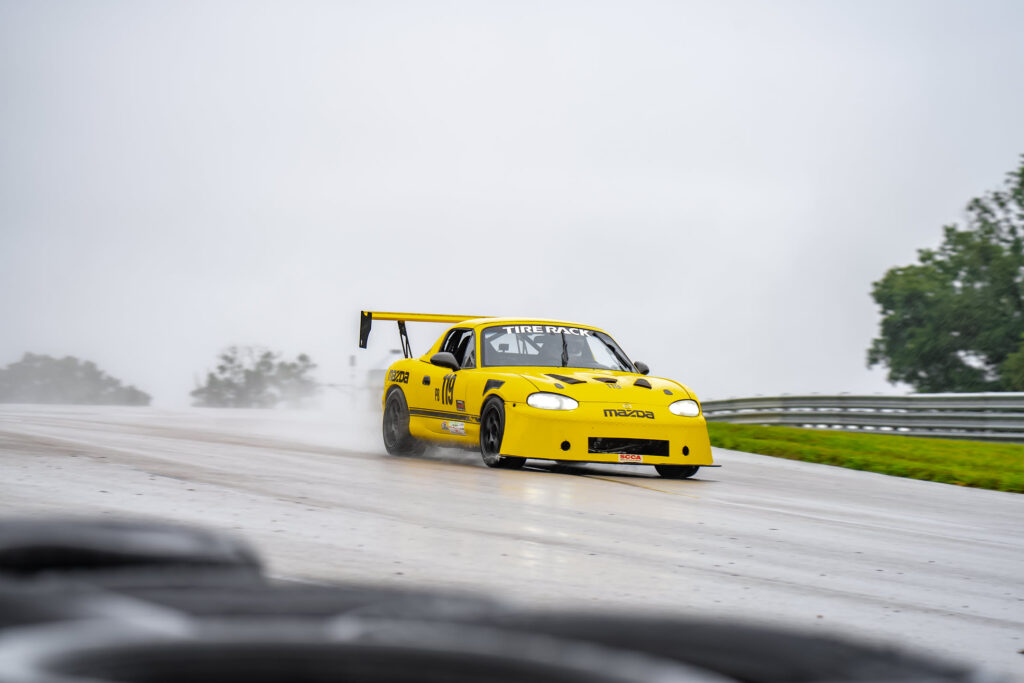
July tested the car’s handling dynamics at Ozarks International Raceway. Like Hallett, the event was plagued by precipitation, turning the notoriously technical circuit into a high-consequence laboratory for wet-weather car control, drainage analysis, and hydroplaning management.
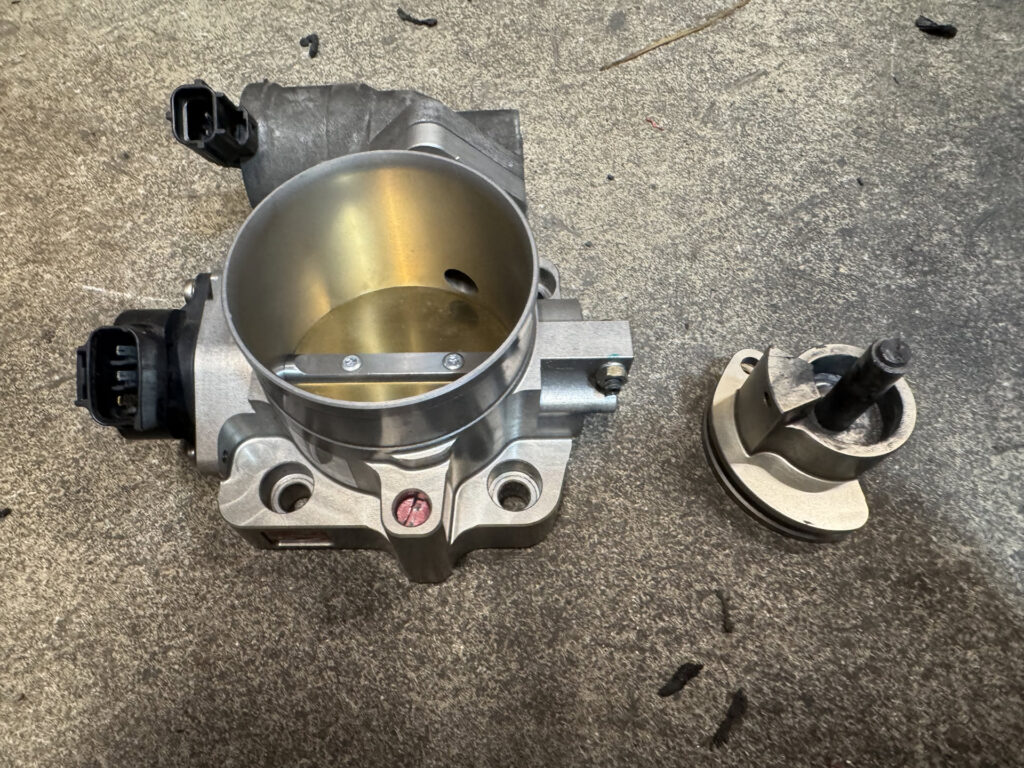
The vulnerability of the intake system reached a critical juncture in August at High Plains Raceway. During the opening timed lap of the final session, the primary throttle body shaft on the recently installed replacement Skunk2 unit suffered a catastrophic structural shear under wide-open throttle. While internal engine components avoided foreign object ingestion, the failure stranded the vehicle on-circuit, requiring a flatbed tow. Having suffered two identical throttle body failures within a single operating season, the owner permanently retired the aftermarket assembly, reverting to a dependable factory Miata throttle body for the remainder of the racing season.
Fall 2025: Infrastructure Upgrades and Electrical Re-Engineering
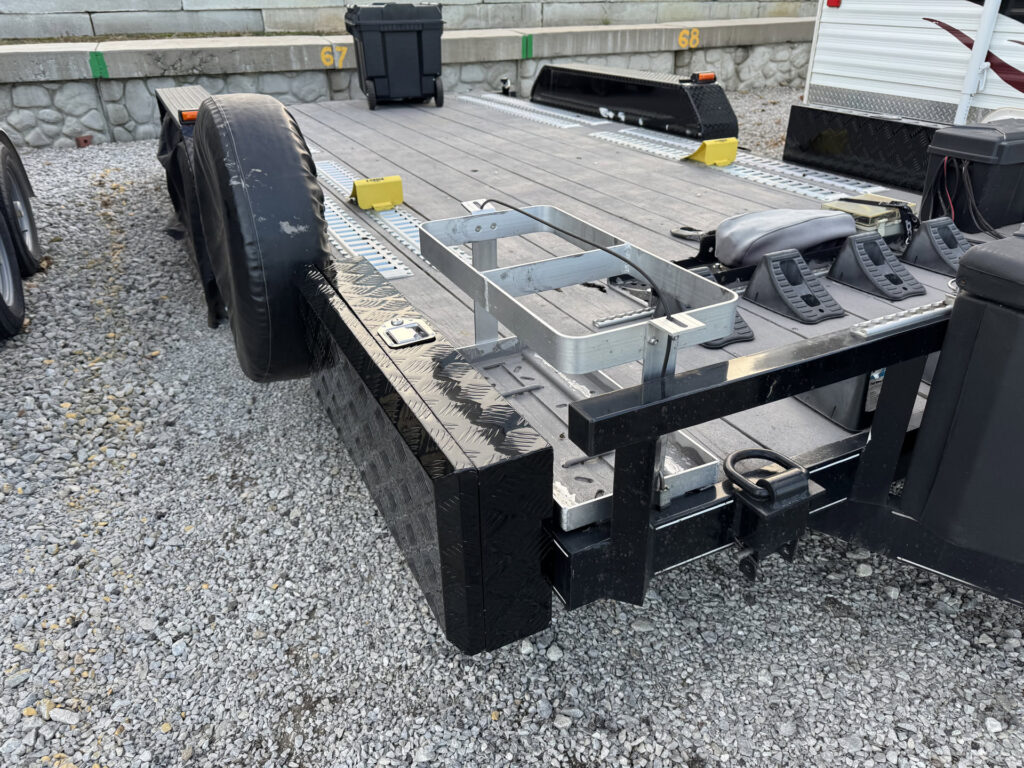
September focused on logistical improvements surrounding the transport infrastructure. The owner instituted a series of comprehensive modifications to the open car-hauler trailer, prioritizing load stability and pit-lane efficiency. Crucially, traditional axle-strap tie-downs were abandoned in favor of an E-track retention system, eliminating the mechanical loosening typically observed during the initial 50 miles of transit.
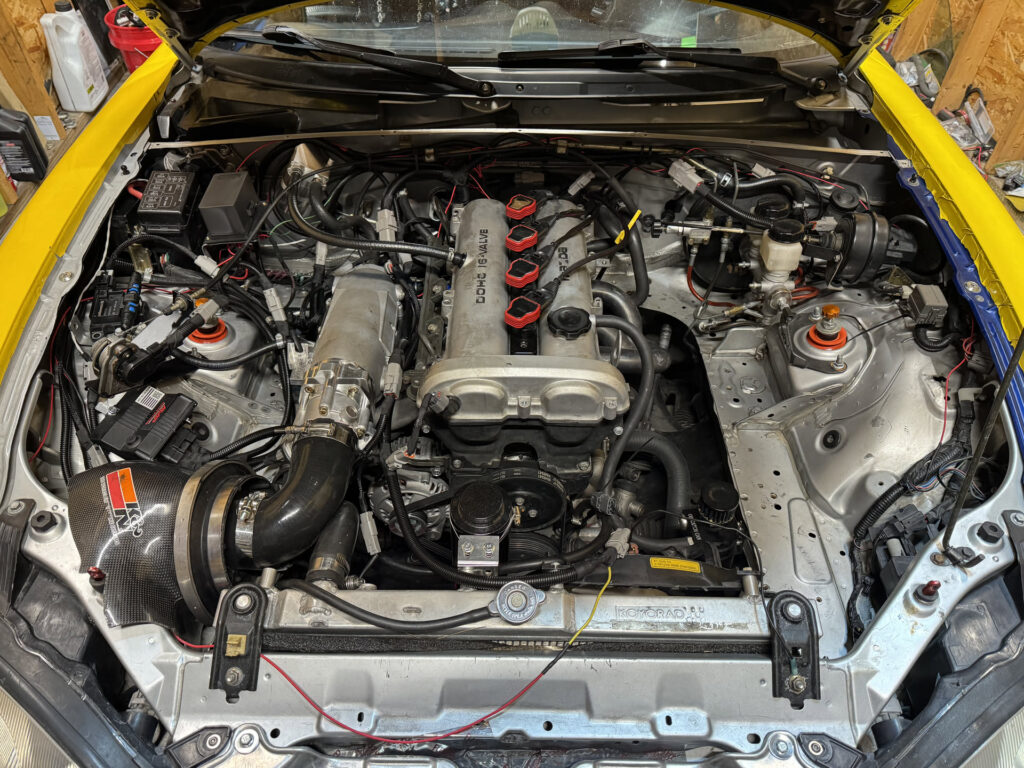
The mechanical trauma of the summer prompted a radical off-season overhaul in October. To permanently eliminate points of electrical and mechanical failure, the owner undertook a complete scratch-built engine wiring harness routed directly to an MS3Pro Evo engine control unit (ECU). Abandoning the aging 25-year-old factory harness and intermediate adapter plugs, the new modular architecture utilized weather-resistant Deutsch connectors, an integrated fuse and relay block, and a dedicated ground bus bar.
Simultaneously, the recurring throttle body failures inspired a complete conversion to Drive-by-Wire (DbW) technology. A Bosch 60mm electronic throttle body was paired with a Honda accelerator pedal position sensor and managed by an AMP EFI DbW controller, modernizing the engine management ecosystem.
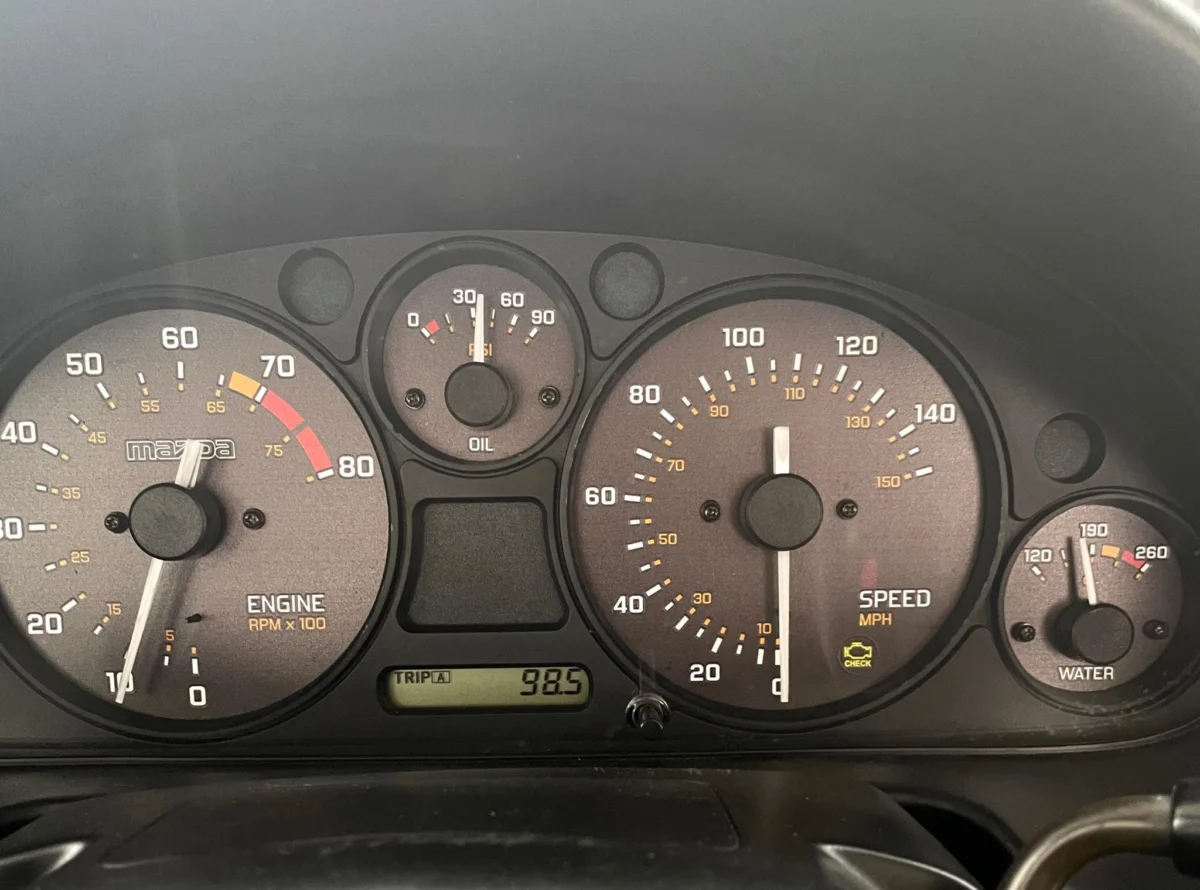
November brought dashboard integration updates. Initial configuration errors with the custom harness left the factory speedometer inoperative, prompting the adoption of a Tinker Electronics digital dash. Interfacing directly with the Megasquirt ECU via the CAN bus, the unit provides real-time telemetry, programmable color-coded warning thresholds, shift lights, and turn signals. Clever programming of the ECU allowed the digital system to process vehicle speed sensor data and output a signal compatible with the car’s legacy factory cruise control system.
Winter 2025/2026: Drivetrain Refinement and Fleet Expansion
December targeted tactile driver interface improvements. The car’s previous Miataroadster tall angled shifter—while functional—retained a margin of mechanical ambiguity that occasionally contributed to high-speed mis-shifts. It was replaced with a rigid Coolerworx short-throw shifter featuring an aggressive spring-loaded self-centering mechanism, adjustable positive gate stops, and a secure mechanical reverse-gear lockout. This modification aimed to eliminate gate-hunting under heavy lateral G-forces.
January 2026 introduced a major driveline upgrade. Having campaigned a factory 4.30 Torsen Type II differential for five years, telemetry indicated wheel-spin inefficiencies during sharp, low-speed cornering where inside rear tires lost contact with the tarmac. The owner acquired a Supermiata-tuned OS Giken mechanical clutch-type limited-slip differential. Preserving the preferred 4.30 final drive ratio, the OS Giken unit was built into an open differential housing, setting the stage for aggressive corner-exit traction in the upcoming racing season.
Concluding the retrospective in February 2026, the garage footprint expanded. Recognizing the heavily modified 2000 chassis was no longer suited for casual street use, the owner acquired a neglected 2001 Mazda MX-5 from Facebook Marketplace for $1,800. Despite body blemishes, clear-coat fade, a torn soft top, and missing interior components, the rust-free chassis housed a desirable VVT engine, a six-speed manual transmission, and structural integrity. Following a month of intensive restoration—incorporating a new soft top, interior trim, street suspension, fresh wheels, and the owner’s surplus 4.30 Torsen differential—the secondary acquisition solidified a two-Miata fleet: one dedicated to pure track supremacy, and one tailored for spirited street duty and technical experimentation.
Broader Impact and Industry Implications
The trajectory of this five-year NB Miata build reflects a broader micro-economy within amateur motorsports. As regional track-day participation and time-trial classes surge, enthusiasts increasingly grapple with the limitations of aging factory platforms. The transition from off-the-shelf aftermarket performance parts—highlighted by the structural shortcomings of the Skunk2 intake components—toward professional-grade motorsport solutions like custom Mil-Spec style wiring, CAN-bus data logging, and heavy-duty clutch-type differentials underscores the rising technical competency of modern amateur builders.
Furthermore, the operational data underscores the sheer durability of Mazda’s foundational engineering. Pushing a quarter-century-old roadster through nearly 1,400 competitive laps demonstrates that with rigorous maintenance, strategic structural reinforcement, and iterative engineering, legacy platforms remain exceptionally viable, cost-effective instruments for high-performance driver development.