 Retno Hari Mulyono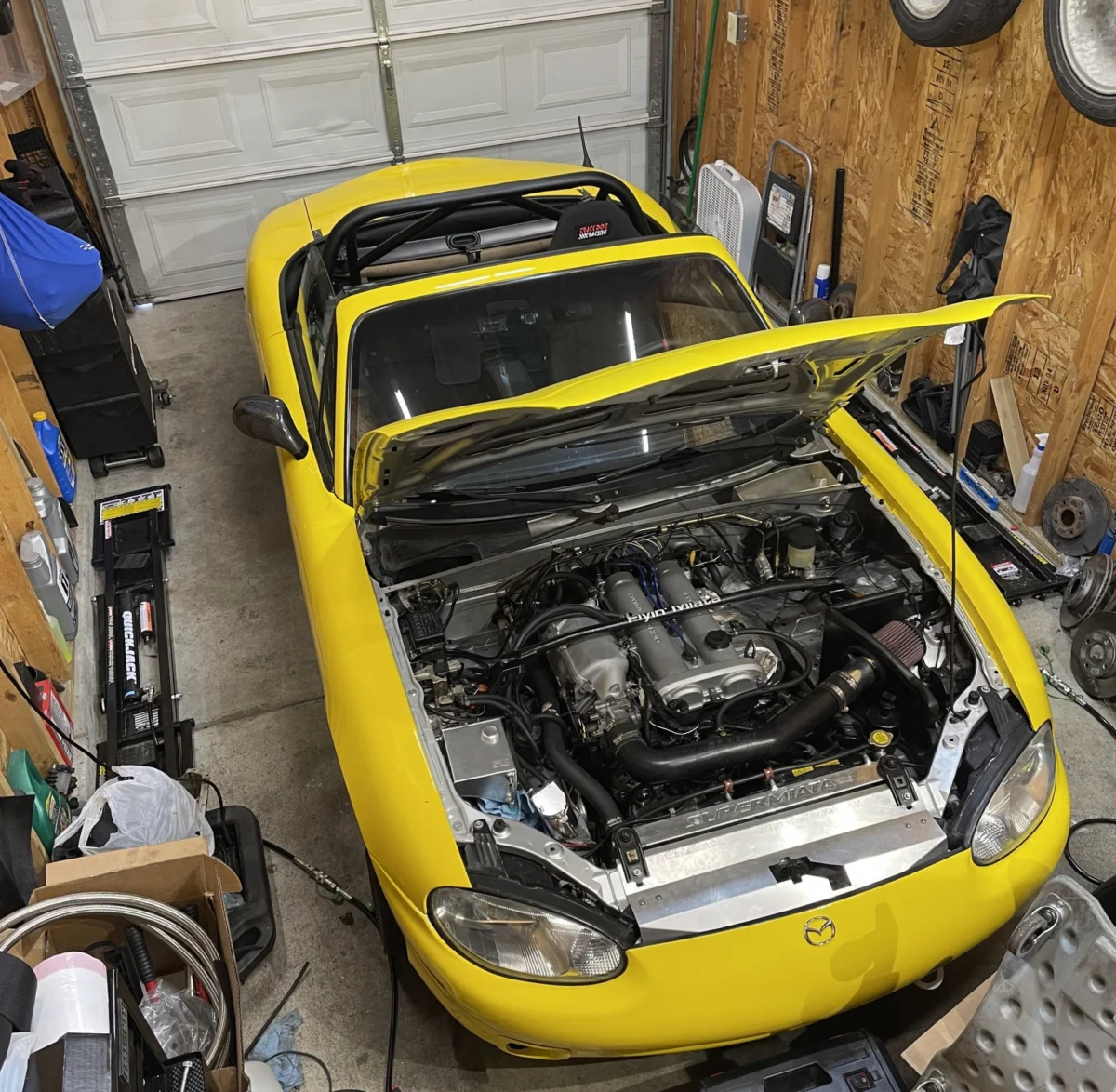
The systematic restoration and performance enhancement of enthusiast automobiles often requires strategic off-season maintenance to ensure optimal reliability and dynamic capability before the arrival of competitive driving events. For the second-generation (NB) Mazda MX-5 Miata, the transition from a factory-stock configuration to a dual-purpose street and track machine demands a comprehensive mechanical intervention. Over the course of the winter maintenance period, a comprehensive overhaul targeting the suspension, braking foundation, and differential assembly of an NB-generation Miata was successfully executed, replacing aging components with high-performance aftermarket hardware and OEM-spec service parts. This technical undertaking addresses decades of potential wear, modernizes the vehicle’s driving dynamics, and establishes a known service baseline for future motorsports participation.
Background Context and Pre-Service Vehicle Condition
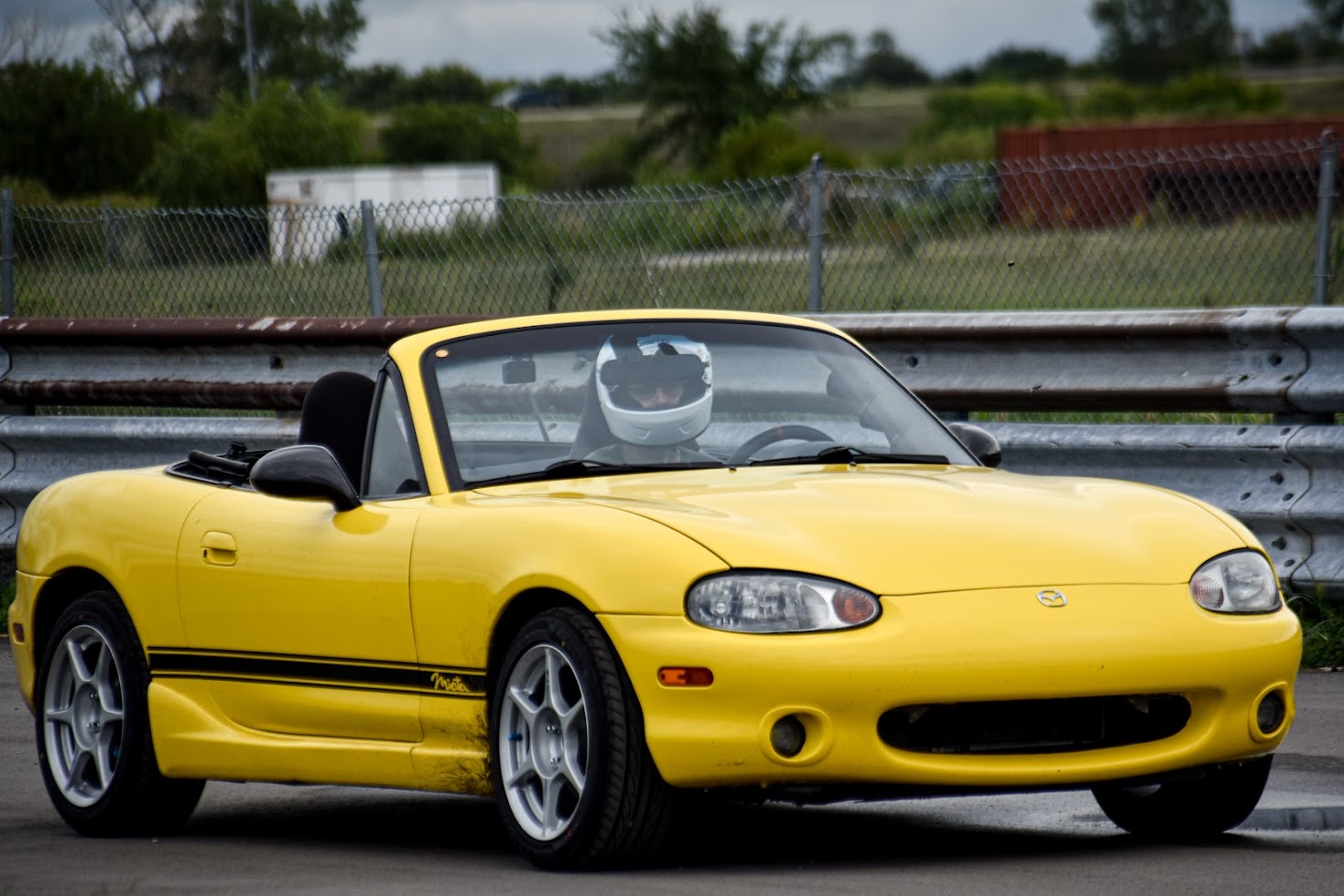
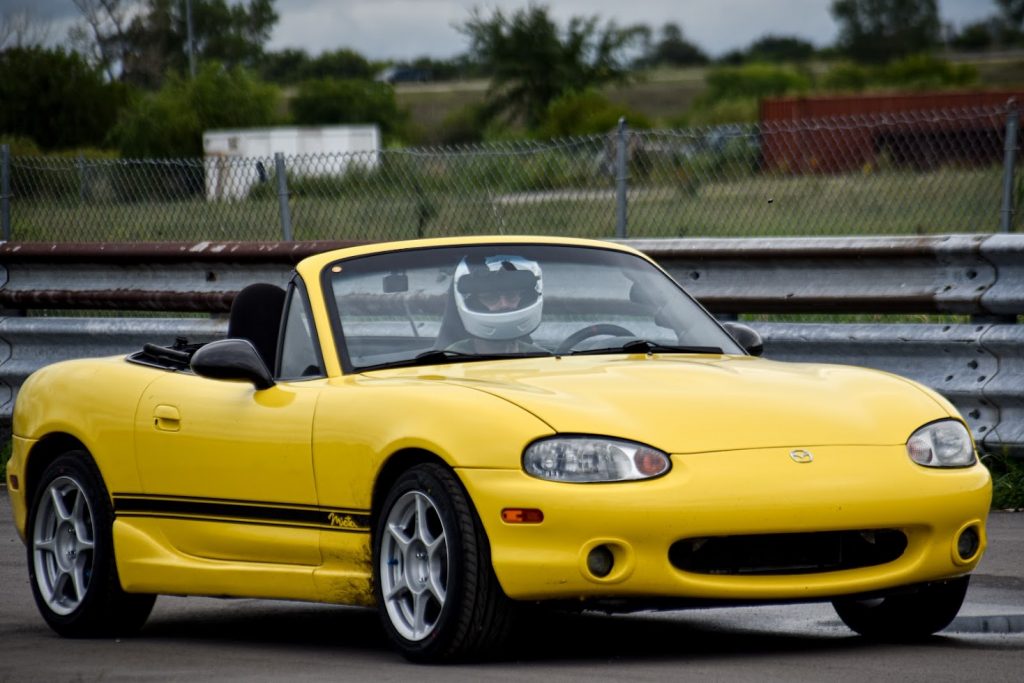
The second-generation Mazda MX-5 Miata, produced from 1998 through 2005, remains a cornerstone of amateur motorsports, autocross, and track day events due to its lightweight chassis, rear-wheel-drive layout, and exceptional handling balance. However, examples preserved in completely stock condition frequently suffer from aged, fatigue-prone rubber bushings, original shock absorbers with degraded damping characteristics, and open differentials ill-suited for competitive traction management.
Prior to the winter overhaul, the subject vehicle—a base-model NB Miata equipped with a 5-speed manual transmission and a factory 4.30 open differential—featured an entirely original or historically undocumented suspension architecture. While the factory components remained operational for standard street driving, participation in high-performance track days exposed critical limitations in high-speed stability, body roll control, and power delivery out of low-speed corners. The primary objective of the winter project was to execute a proactive, total refresh of all major wear items, mitigating the risk of component failure while establishing a premier foundation for handling precision.
Chronology and Execution of the Winter Build
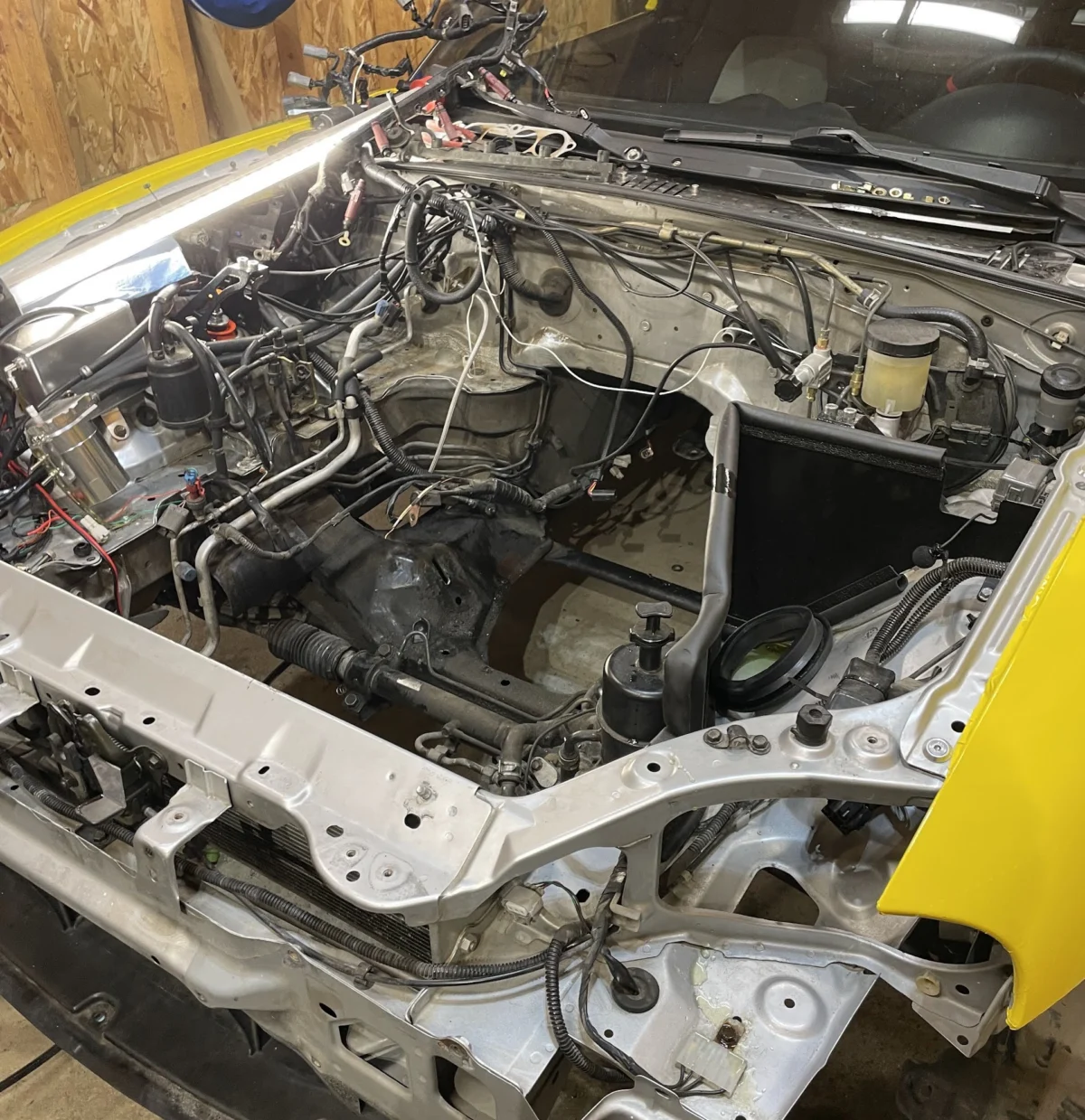
The project was intentionally initiated early in the winter season to account for potential complications associated with rusted fasteners, seized hardware, and stubborn press-fit components common in vehicles subjected to regional weather conditions. The phased overhaul was divided into distinct mechanical categories: control arm bushing replacement, front-end service integration, hub and wheel bearing renewal, differential upgrading, and coilover suspension installation.
Control Arm Bushing Replacement and Associated Challenges
To restore precise wheel alignment geometry and eliminate unwanted deflection under cornering loads without introducing the harshness of solid or unlubricated polyurethane, IL Motorsports performance rubber bushings were selected. These components offer stiffness characteristics comparable to factory-authorized Mazdaspeed competition parts while retaining the longevity and maintenance-free operation of standard rubber, avoiding the frequent re-greasing requirements typical of polyurethane alternatives.
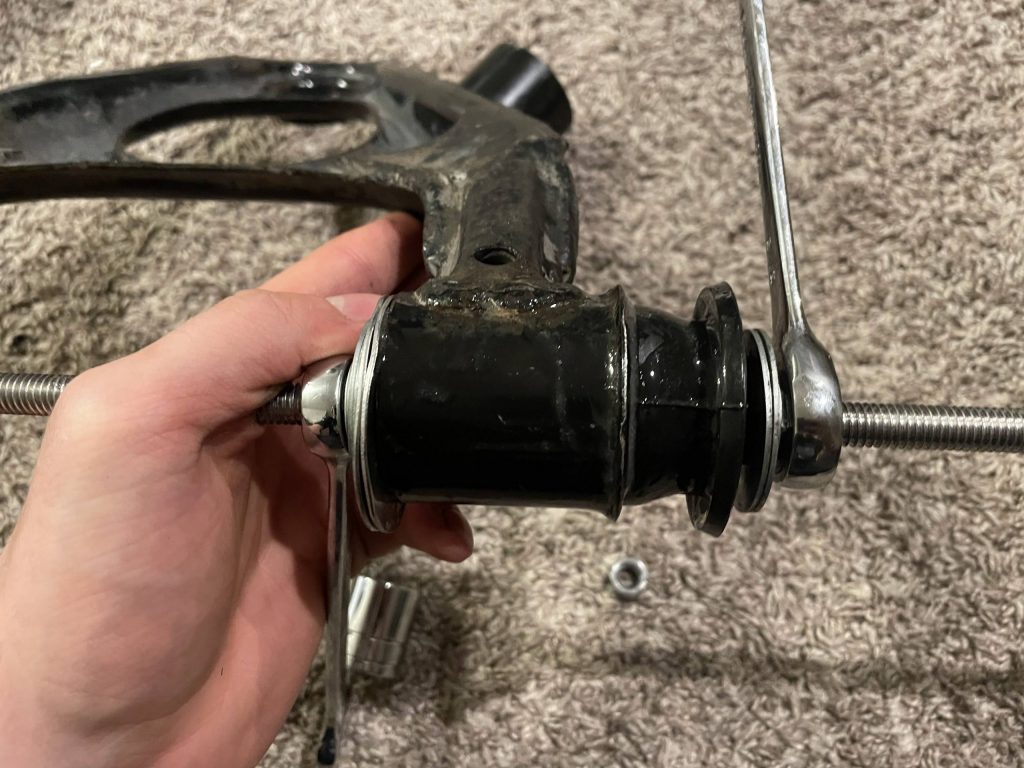
The extraction and installation process, however, presented notable technical challenges. Initial attempts to press out the rear upper control arm bushings using a hydraulic press resulted in structural deformation of the arm, necessitating immediate replacement. Automotive technicians and DIY mechanics are strongly advised to utilize a threaded-rod press method—employing high-grade hardware store fasteners, nuts, and washers—to uniformly distribute pressure and prevent structural bending. Lubrication of the new bushings with mild hand soap facilitated a smooth press-in procedure.
Further complications arose from seized long bolts securing the rear lower control arms to the wheel knuckles. Extraction required a combination of rotational manipulation and targeted impact force, ultimately necessitating the replacement of both front and rear alignment-critical bolts. Following the installation of the bushings and new alignment hardware, the vehicle required a professional four-wheel alignment to realize the performance benefits.
Front-End Service and Bearing Integration
While the control arms were detached from the chassis, the decision was made to execute a complete refresh of the steering and load-bearing joints utilizing the Supermiata Front End Service Kit. This kit encompasses heavy-duty lower ball joints, upper ball joints, outer tie rod ends, and inner tie rod ends.
Unlike the control arm bushings, pressing in the upper ball joints via a hydraulic press was executed successfully due to the ability to adequately support the component housing without risking structural compromise. Notably, the removal of aged cotter pins from the steering and suspension linkages was achieved without structural shearing—a notable departure from typical expectations when servicing older vehicles in northern climates.
Concurrently, wheel hubs and bearings, recognized as high-wear service items prone to fatigue under heavy track driving conditions, were systematically replaced. Front assemblies were upgraded using standard Centric replacement hubs featuring pre-installed bearings to streamline installation. For the rear axle, fully rebuilt OEM upright knuckle, hub, and bearing assemblies sourced from Treasure Coast Miata were installed, ensuring seamless integration and eliminating the labor-intensive process of pressing individual rear wheel bearings.
Differential Conversion and Drivetrain Upgrades
A significant mechanical limitation of the base-model NB Miata is its factory open differential paired with a 4.30 gear ratio. While the short final drive enhances initial acceleration feel given the engine’s modest power output, an open differential cannot evenly distribute torque to both rear wheels during aggressive cornering. Factory Torsen limited-slip differentials (LSDs) command high market valuations, often exceeding $1,000 due to high demand from spec racing classes.
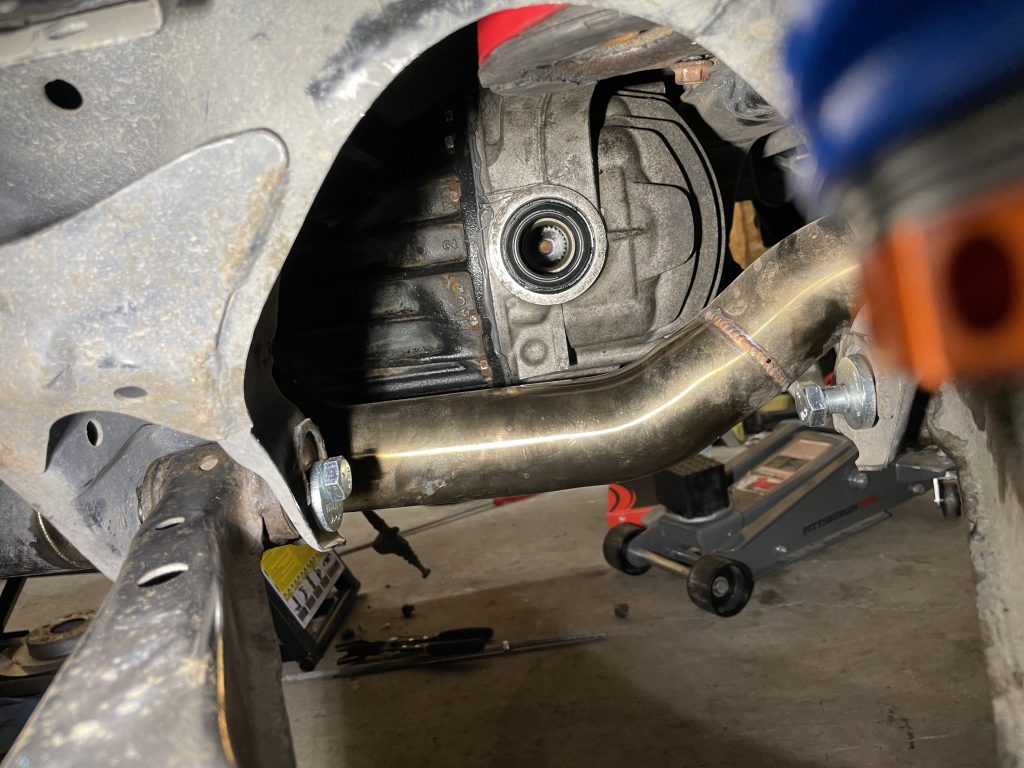
Patience yielded a cost-effective alternative: the acquisition of a Torsen differential core for approximately $250, which was subsequently installed directly into the vehicle’s original aluminum carrier pumpkin. To complement the stiffer powertrain mounts, polyurethane differential bushings were selected over Mazdaspeed competition rubber equivalents. The polyurethane units offer straightforward, slide-in installation without requiring a hydraulic press.
The differential swap encountered technical hurdles, primarily involving the Power Plant Frame (PPF) bolts connecting the chassis backbone to the differential housing. Due to excessive torque and thermal cycling, pneumatic impact wrenches proved ineffective, requiring the replacement of both the PPF bolts and a donor PPF assembly. Extraction of the original rubber differential bushings from the carrier housing required a meticulous process of drilling out the central rubber core followed by manual punch-and-hammer extraction of the outer metal sleeves.
Suspension Geometry and Damping Upgrades: Supermiata Xida Race Coilovers
Choosing the optimal coilover system for a dual-purpose Miata requires balancing track performance against street ride quality. Budget alternatives, such as custom-configured Bilstein setups, offer an economical entry point with fixed damping, whereas high-end competition dampers provide infinite tunability at a significantly higher financial investment.
The vehicle was outfitted with Supermiata Xida Race coilovers utilizing a standard 800 lbs/in front and 500 lbs/in rear spring rate configuration, supplemented by helper springs. Key factors influencing this selection included rapid technical support from the manufacturer regarding ride height optimization and spring rate selection.
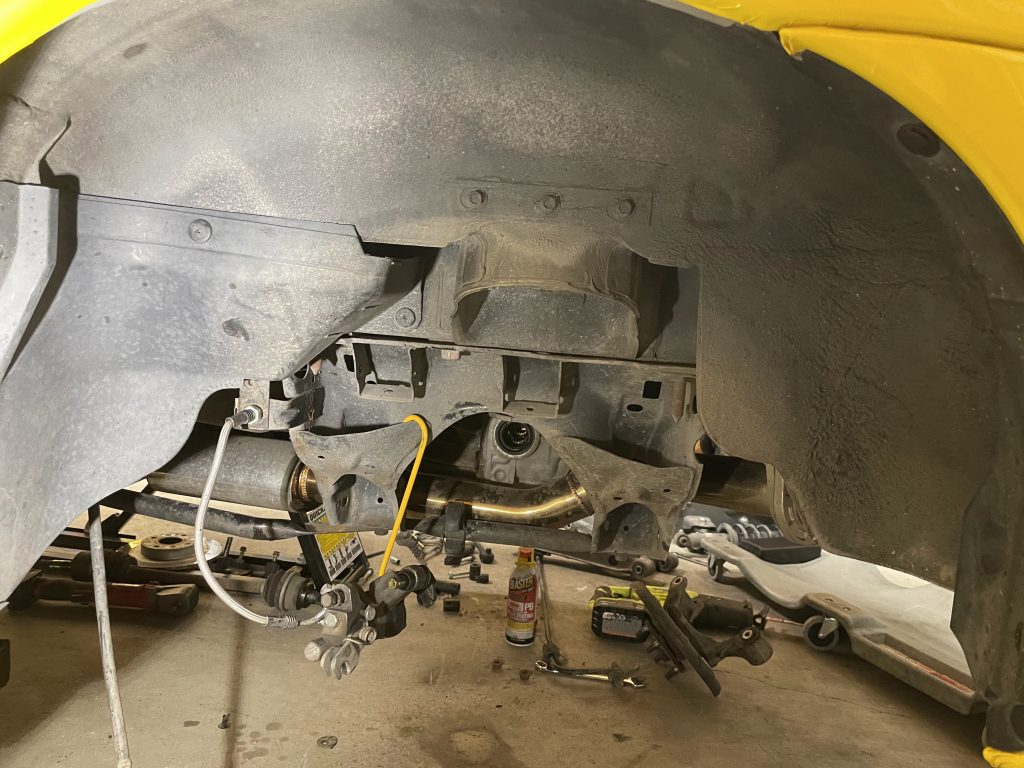
Installation was integrated directly into the broader suspension refresh, with the dampers bolting into place on the stripped chassis. Even at their maximum height setting, the Xida coilovers lowered the heavy NB chassis by approximately 0.5 to 0.75 inches below factory ride height, presenting no clearance or scraping concerns during subsequent street operation.
Impact Analysis and Performance Evaluation
An empirical assessment of the modifications reveals a stark dichotomy between routine maintenance components and high-performance hardware upgrades.
-
Maintenance and Wear Items: The installation of control arm bushings, ball joints, wheel hubs, and tie rods yielded negligible immediate subjective changes to street driving dynamics. Because the original factory components had not suffered catastrophic mechanical failure or excessive play, their replacement served primarily as preventative maintenance, ensuring structural integrity and establishing a verified service baseline.
-
Drivetrain Enhancements: The integration of the Torsen differential and polyurethane differential bushings produced an immediate, quantifiable improvement in traction management. The vehicle exhibits significantly enhanced power delivery out of apexes, eliminating one-wheel peel and providing predictable power-on oversteer characteristics.
-
Suspension Damping: The Supermiata Xida coilovers delivered the most profound transformation of the vehicle’s dynamic behavior. On the highway, high-speed float and instability associated with worn factory shocks were entirely eliminated, replaced by a planted, compliant ride quality. In cornering maneuvers, body roll was substantially reduced while maintaining fully independent wheel articulation. Unlike traditional stiff suspension setups that compromise ride quality over rough urban pavement, the advanced damping profile of the Xida units successfully bridges the gap between competitive track capability and street drivability.
Sway Bar Considerations
Following the coilover installation, the vehicle retained its factory front and rear sway bars. While aftermarket oversized sway bars are commonly deployed to suppress body roll, technical analysis suggests that excessive anti-roll bar stiffness can impede independent wheel movement and degrade traction over uneven surfaces. Because the high spring rates of the Xida coilovers successfully controlled body roll without sacrificing independent suspension behavior, the decision was made to defer sway bar modifications. Retaining the stock sway bars preserves a predictable, mild understeer balance well-suited to drivers transitioning from front-wheel-drive platforms.
Broader Industry Implications and Future Outlook
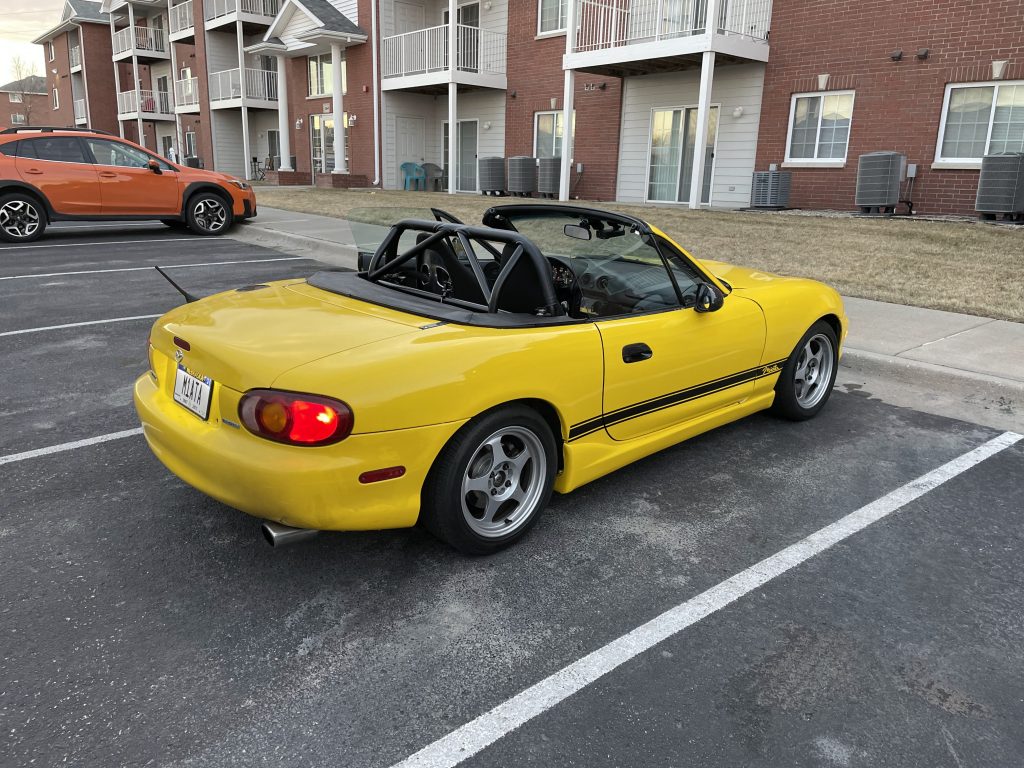
The successful execution of this comprehensive winter suspension and drivetrain overhaul highlights the viability of systematic, preventative restoration for enthusiast vehicles. By addressing hidden wear points, upgrading thermal-stressed drivetrain components, and investing in high-tier damping technology, the operational lifespan of the NB Mazda MX-5 Miata is extended while its dynamic performance envelope is significantly expanded. With the mechanical foundation secured, the vehicle is fully prepared for upcoming rigorous track and autocross evaluations.