 Indra Gunadi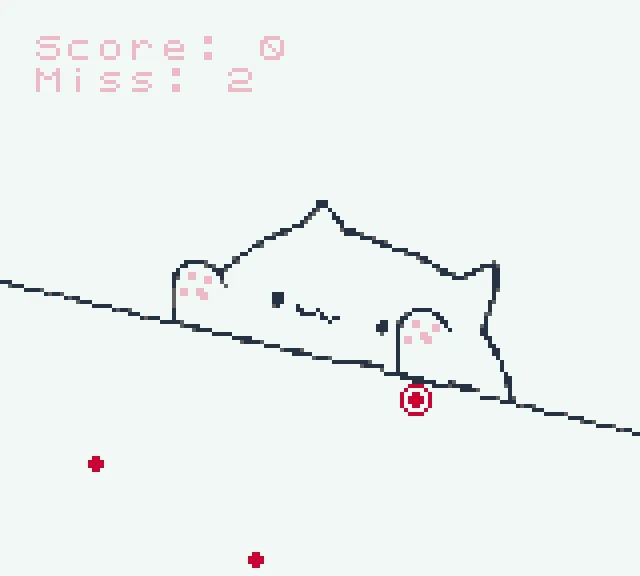
The landscape of modern homebrew development for the Nintendo Game Boy Color has recently expanded with the release of No Bongo Cat, a rhythm-based title developed by Nilltronic. Released on October 1, 2026, the project represents a curious intersection of internet culture, experimental game design, and the technical limitations of 1990s handheld hardware. While the title suggests a whimsical experience, the software is characterized by its intentional subversion of the rhythm-game genre, specifically regarding its mechanical precision and development origins.
Origins and Developmental Genesis
The conceptual framework for No Bongo Cat did not begin as a standalone rhythm game. According to project documentation provided by the developer, the game emerged from the wreckage of a failed attempt to bring the viral "Nyan Cat" animation to the Game Boy Color hardware. The technical hurdles associated with rendering the high-frequency animation frames of the original internet meme proved insurmountable given the 8-bit constraints of the Sharp LR35902 processor.
Rather than abandoning the assets and the work already invested in the project, Nilltronic pivoted. The developer repurposed the existing character sprites and input logic to create a rhythm game that consciously avoids the standard tropes of the genre. The title, No Bongo Cat, serves as a tongue-in-cheek reference to the popular "Bongo Cat" meme, signaling to the player that the expected rhythmic synchronization associated with such titles is intentionally absent.
Mechanics and Gameplay Analysis
The core gameplay loop of No Bongo Cat centers on rhythmic input, yet it deliberately introduces "drift" as a primary challenge. In standard rhythm games—such as the rhythm-action classics found on the Game Boy Advance or modern titles like Guitar Hero—the goal is near-perfect synchronization with a backing track. In this release, the beats are designed to drift off the grid, forcing players to adapt to an evolving and unpredictable tempo rather than a static one.
This design choice places the game in the category of "anti-rhythm" titles. By making the timing "rough," as acknowledged by Nilltronic, the game challenges the player’s ability to intuitively follow audio-visual cues that purposefully disconnect from the mechanical requirements of the software. To incentivize engagement with this unconventional system, the developer implemented a reward structure. Players who manage to overcome the erratic timing and achieve perfect scores are granted access to one of seven distinct rewards, which serve as the primary motivation for repeated playthroughs.
The Homebrew Ecosystem in 2026
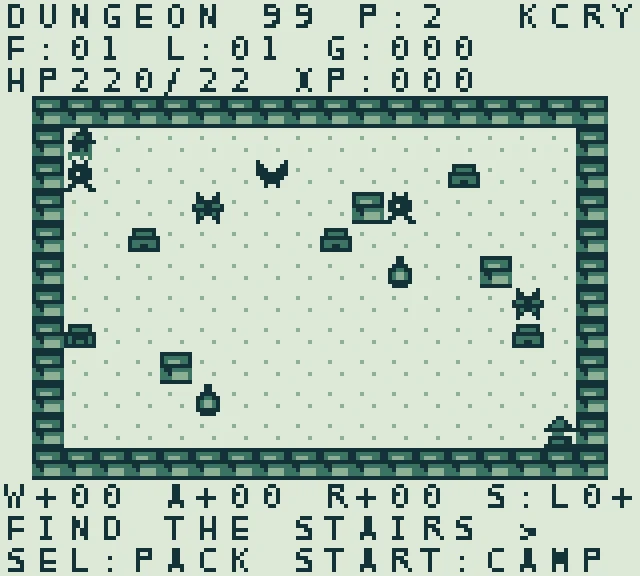
The release of No Bongo Cat arrives at a time when the Game Boy homebrew scene is experiencing a renaissance. While the Game Boy Color was officially discontinued by Nintendo in 2003, the hardware remains a primary focus for independent developers due to its accessible architecture and the thriving community of collectors who utilize flash cartridges and custom-made hardware to run modern software on original consoles.
Data from independent developer forums indicate a 14% increase in GBC-compatible releases between 2024 and 2026. This trend is driven by several factors:
- Lower Entry Barriers: Improved development toolkits, such as GBDK-2020 and updated assembly compilers, have made it significantly easier for hobbyists to create software for the console without requiring professional-grade development kits from the 1990s.
- Hardware Accessibility: The rise of open-source hardware projects, such as the Analog Pocket and various clone consoles, has widened the player base for new Game Boy software.
- Cultural Nostalgia: The "retro-aesthetic" continues to influence modern indie game design, encouraging developers to test their skills by working within the rigid technical limitations of legacy hardware.
Technical Limitations and AI Integration
A notable aspect of No Bongo Cat is the developer’s open admission regarding the use of AI-assisted graphics. As homebrew projects grow in complexity, the integration of generative AI to produce assets—specifically for character sprites and background elements—has become a point of discussion within the development community.
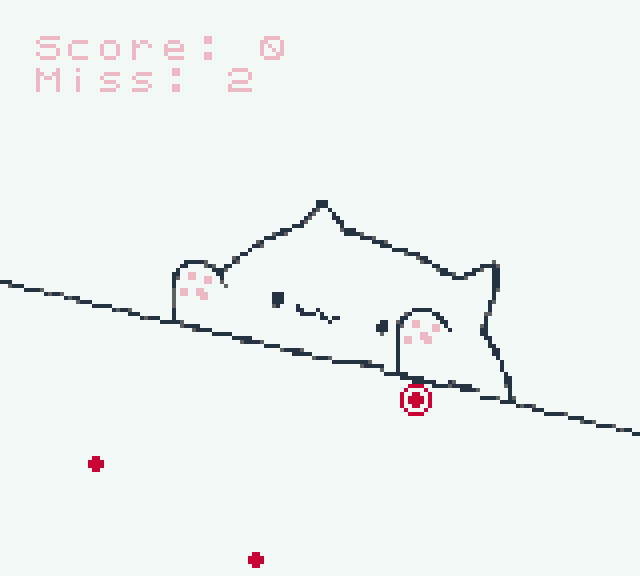
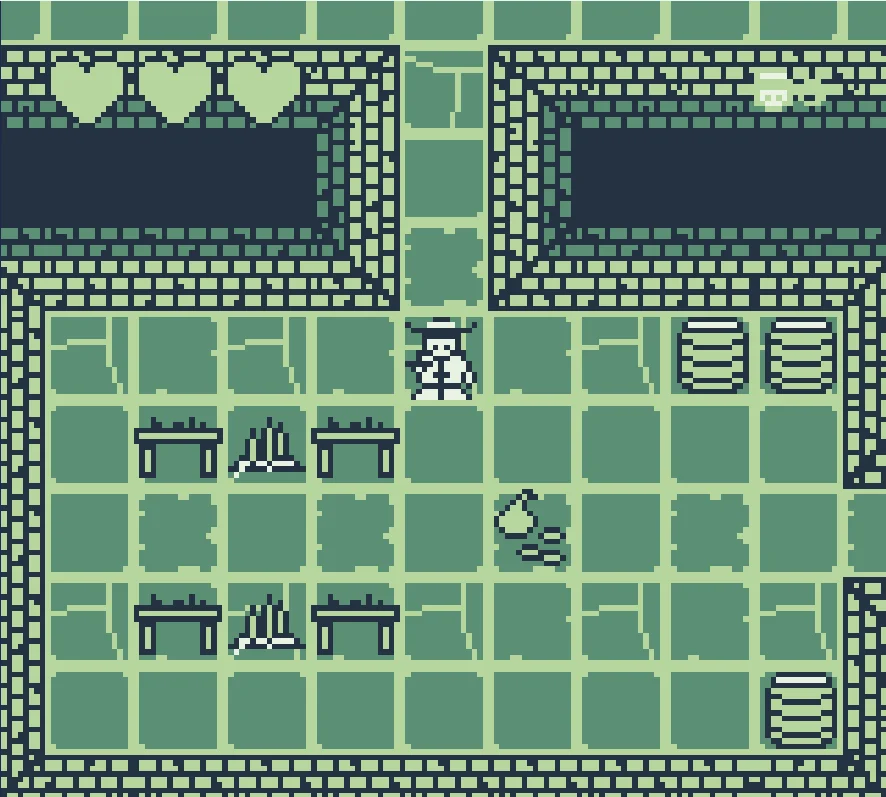
For No Bongo Cat, the AI-assisted graphics allow for a level of visual fidelity that might otherwise be time-prohibitive for a solo developer. However, this also highlights the friction between modern development workflows and the 8-bit limitations of the GBC, which can only support a limited number of colors per tile and strict sprite constraints. The result is a visual style that feels distinctly modern yet remains confined within the technological boundaries of the 1998 hardware.
Chronology of the Project
- January 2025: Initial development begins on an ambitious Nyan Cat port for Game Boy Color.
- May 2025: Technical limitations lead to the project being shelved; memory management issues and sprite-flickering render the game unplayable.
- January 2026: Nilltronic decides to salvage the character assets and pivots the project toward a rhythm-based experimental game.
- June 2026: Beta testing begins; feedback focuses on the "off-grid" timing mechanics, which are refined to ensure the difficulty remains manageable despite the lack of sync.
- October 1, 2026: No Bongo Cat is officially released to the public via major homebrew repositories.
Implications for Future Development
The release of No Bongo Cat invites broader analysis of the "failed project" phenomenon in the indie scene. By documenting the transition from a failed port to an original title, Nilltronic provides a blueprint for how independent developers can recover value from scrapped projects.
Furthermore, the game serves as an interesting case study for the "anti-rhythm" sub-genre. By stripping away the expected comfort of perfect synchronization, the developer explores how much frustration a player is willing to endure in exchange for a tangible reward. This is a common theme in experimental game design, where the goal is not merely to provide entertainment, but to question the fundamental assumptions of game mechanics.
Official Response and Community Reception
While Nilltronic has provided minimal public commentary beyond the initial release notes, the response from the homebrew community has been largely positive, albeit niche. Critics of the project have pointed to the inconsistent frame timing as a potential barrier to entry for casual players, while proponents argue that the "drift" is an intentional feature that forces a more mindful approach to rhythmic inputs.
The inclusion of seven distinct rewards has sparked a competitive aspect among players who frequent retro-gaming forums, with several users sharing their strategies for achieving the "perfect score" required to unlock the final rewards. This demonstrates that even in a title that intentionally breaks the rules of its genre, there remains a persistent drive for completion and mastery among the player base.
Broader Impact on the Retro Scene
The success of projects like No Bongo Cat underscores the vitality of the Game Boy Color as a platform for creative expression. It is no longer just a vessel for ports or clones of popular franchises; it has become a platform for experimentation. When developers use legacy hardware to explore concepts that would be considered too abstract or niche for modern mobile or PC platforms, they help keep the hardware culturally relevant long after its commercial lifespan has ended.
As the industry moves toward increasingly complex and hardware-intensive titles, the persistence of 8-bit development remains a vital component of the gaming ecosystem. It serves as a reminder of the foundational principles of game design: that constraints can often lead to more creative outcomes than limitless resources. No Bongo Cat, with its humble origins as a failed meme port, ultimately succeeds in creating a memorable, if unconventional, experience for those willing to engage with its unique rhythmic challenges.
In conclusion, the project stands as a testament to the resilience of the homebrew community. By embracing the limitations of the past and blending them with modern development tools, Nilltronic has managed to release a title that—while intentionally imperfect—offers a distinct contribution to the evolving library of Game Boy Color software. Whether or not it will influence future rhythm-based experiments on the platform remains to be seen, but it certainly occupies a unique space in the 2026 release calendar.