 Retno Hari Mulyono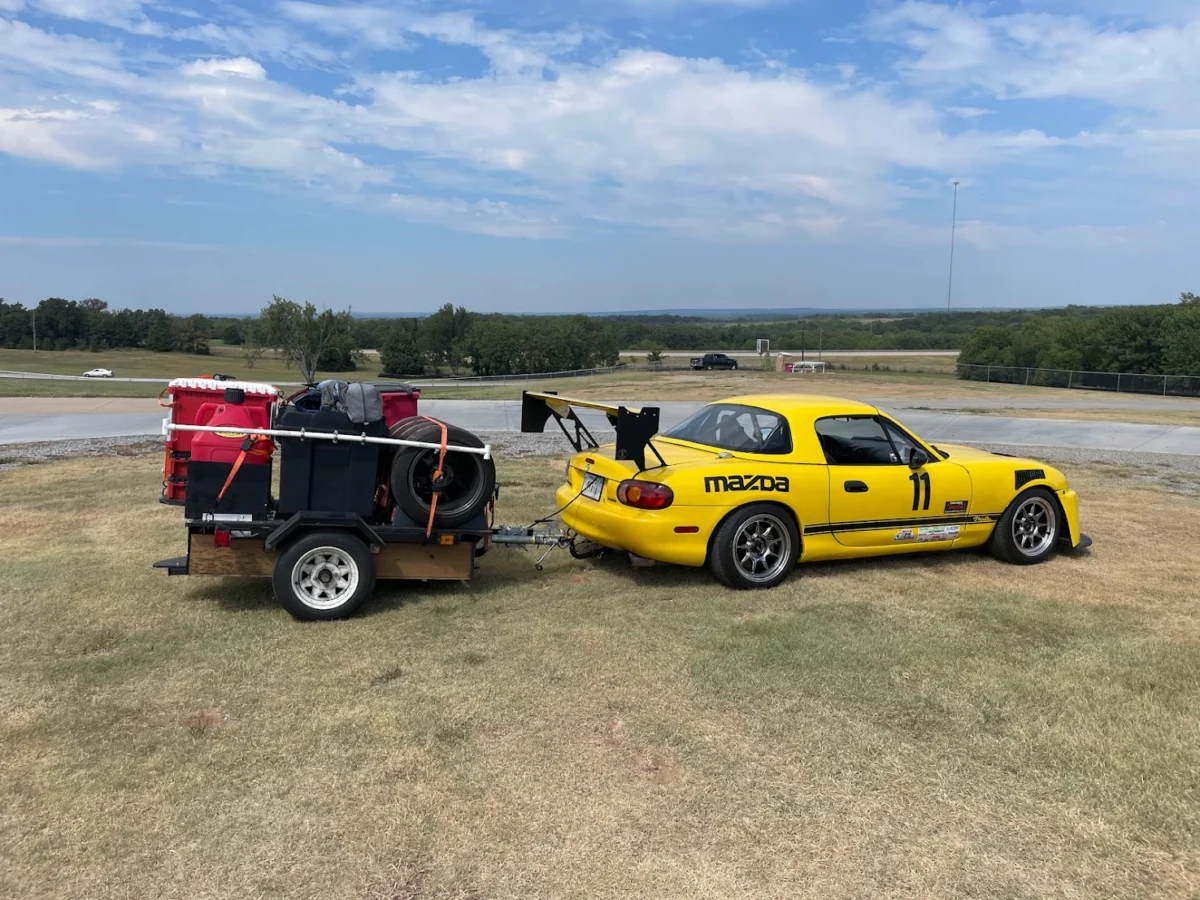
The automotive enthusiast community often romanticizes the pursuit of the ultimate track-day build, a relentless balancing act between reliability, driver skill, and chassis development. Marking the completion of its third full year under current ownership, a dedicated NB Mazda Miata build has emerged as a compelling case study in amateur motorsports endurance. Spanning from March 2023 through February 2024, this twelve-month period tested the limits of both car and driver across multiple racing disciplines, including high-speed track days, Sports Car Club of America (SCCA) Time Trials, and highly competitive regional autocross events.
To understand the trajectory of this ongoing project, one must examine the systematic evolution of the vehicle—not merely as a static piece of machinery, but as a dynamic platform subject to the harsh realities of competitive driving. Over the course of the 2023 calendar year, the vehicle accumulated 15 dedicated track days across five states and participated in 15 autocross events. This intense schedule required continuous mechanical intervention, aerodynamic refinement, and strategic weight reduction to remain competitive within its designated SCCA Time Trials classification.
Early Season Preparations and Trailer Infrastructure Upgrades
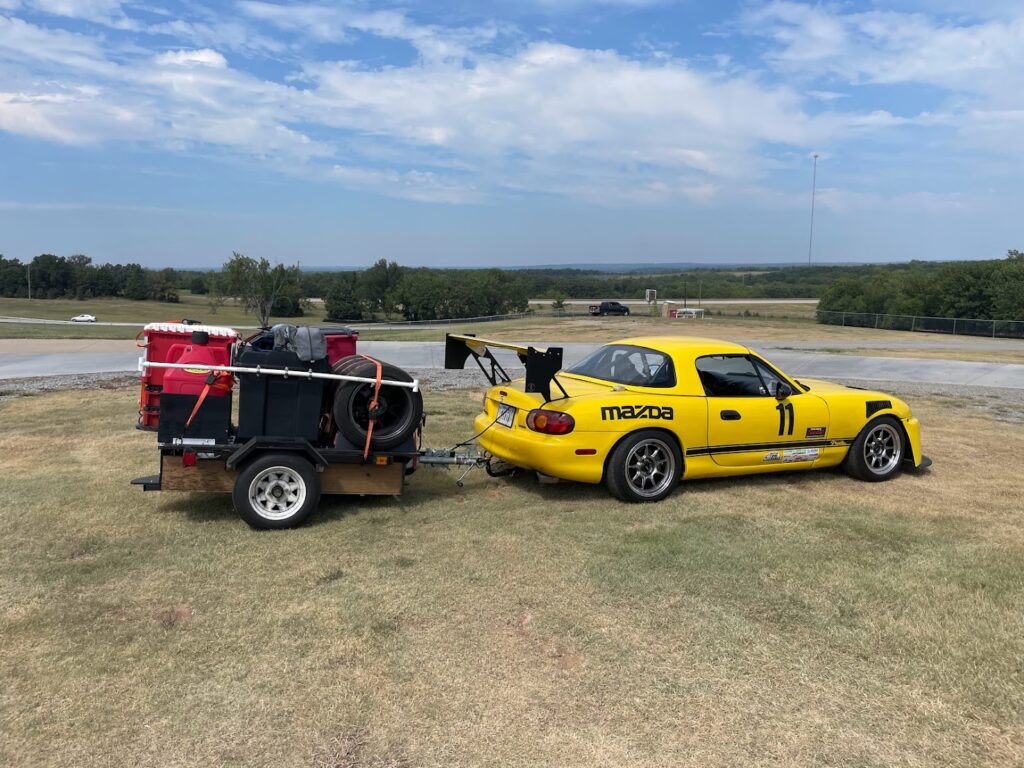
The operational timeline for the 2023 season commenced in March, focusing heavily on logistics and paddock support infrastructure. Amateur racing requires the transportation of substantial consumables, notably spare wheels, tires, fuel, and tools. Having constructed a custom tire trailer during the 2022 season, the owner implemented significant modifications in early 2023 to improve cargo efficiency and trackside utility.
The primary structural upgrade involved the fabrication of a lowered lower deck, extending down to a point just below the trailer axle. This geometric modification lowered the center of gravity while increasing usable volumetric capacity. Furthermore, the single-purpose setup was upgraded to accommodate a single 15-gallon fuel jug, replacing the dual five-gallon containers previously utilized. Additional engineering solutions included an under-trailer mounting bracket for a spare front splitter and a specialized cylindrical conduit designed to transport interchangeable wing gurney flaps of varying dimensions. These logistical refinements proved critical as the competitive calendar ramped up across the Midwest.
Aerodynamic Ambitions and Early Season Setbacks
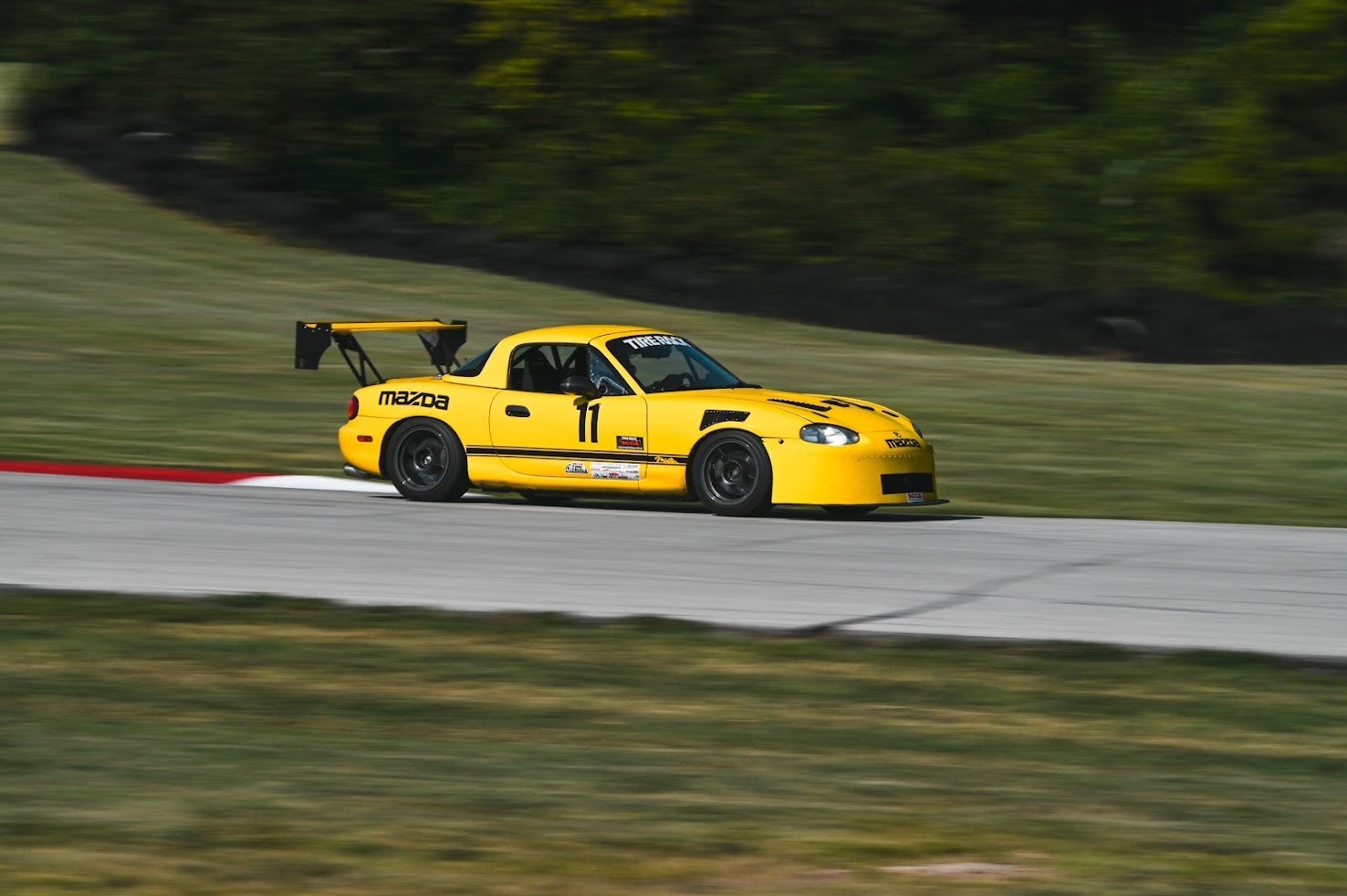
The introduction of the Nine Lives Racing medium downforce kit over the winter of 2022–2023 promised substantial performance gains through increased aerodynamic grip. However, the integration of high-downforce aero on a momentum car frequently introduces unforeseen chassis dynamics and vulnerability to track surface irregularities.
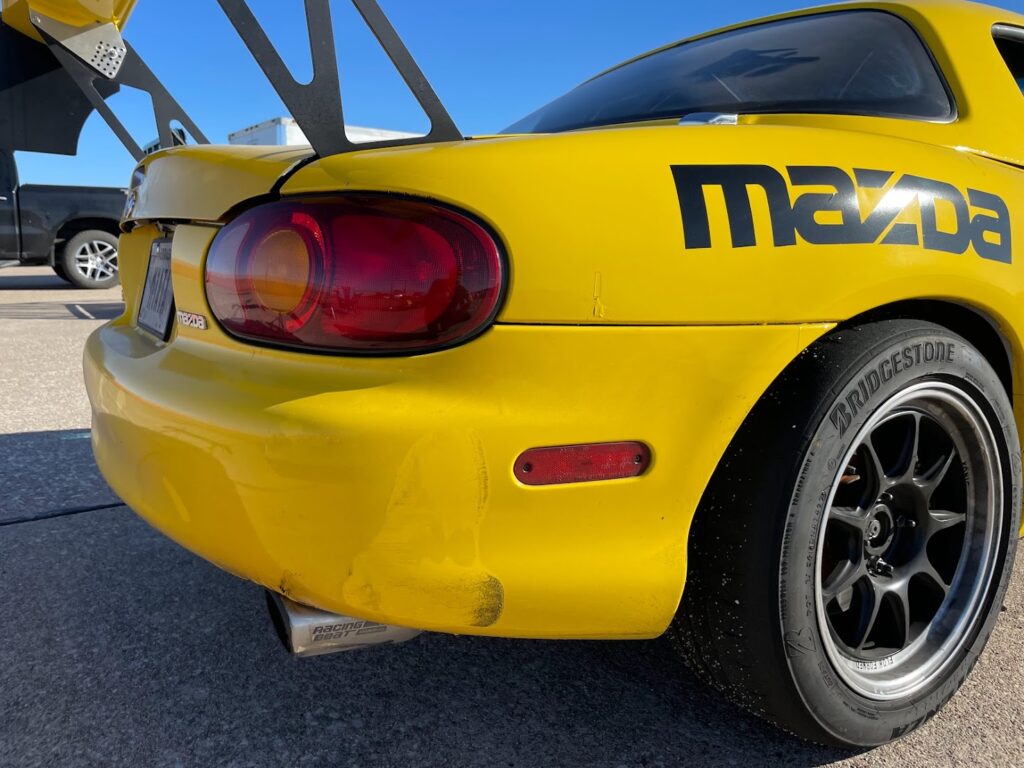
During the initial push lap of the first track event in April 2023, excessive entry speed into a high-speed corner resulted in an off-track excursion at the circuit exit. The impact subjected the front splitter to severe mechanical stress, resulting in structural fragmentation, bent aluminum splitter mounts, and localized damage to the radiator support structure. Despite the kinetic damage, the vehicle completed the remaining track sessions and returned home under its own power.
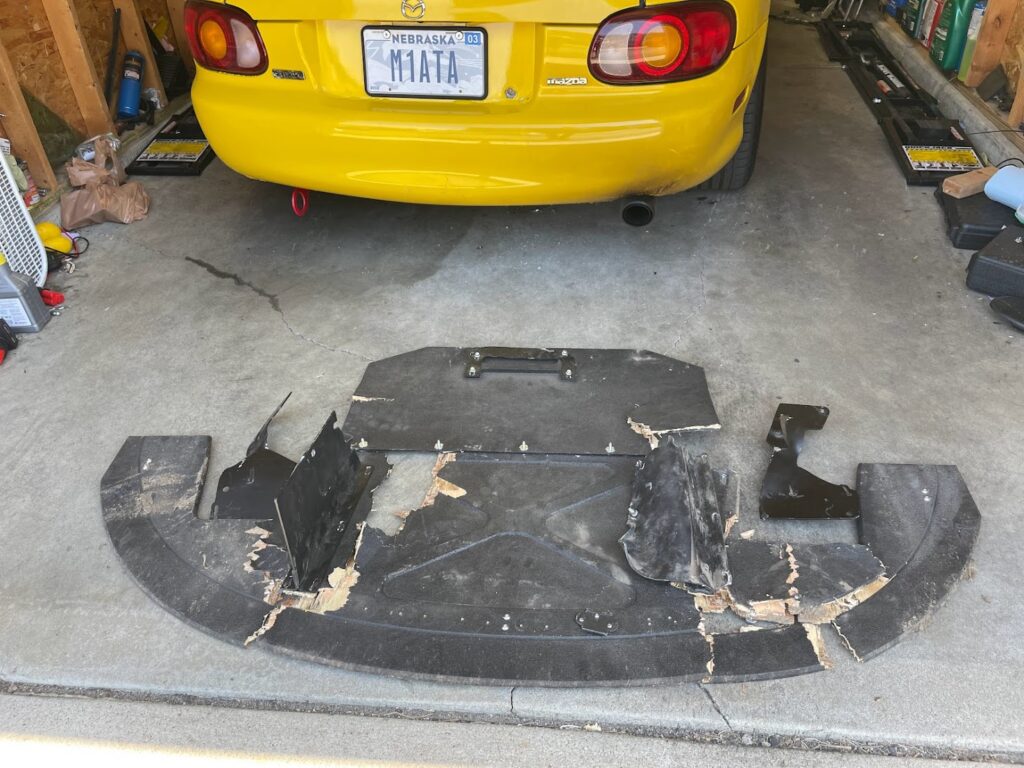
The resilience of the support infrastructure was immediately tested. With an SCCA Autocross event scheduled for the immediate weekend—comprising a Friday track day followed by Saturday and Sunday autocross competition—expedient repairs were mandatory. The factory front bumper was temporarily reinstated for Saturday’s event, while a provisional 1/4-inch plywood splitter was fabricated on Saturday night to satisfy aerodynamic requirements for Sunday.
This incident prompted a broader engineering evaluation of front splitter durability. Acknowledging that competitive track driving inevitably involves occasional ground contact, subsequent iterations transitioned to a more robust 1/2-inch plywood construction reinforced with dedicated side support brackets. A secondary spare splitter was permanently secured beneath the tire trailer, a proactive measure that proved immediately necessary when a severe pothole at the paddock entrance of a subsequent event caused structural cracking to the newly installed unit.
Competitive Campaigning and Circuit Losses
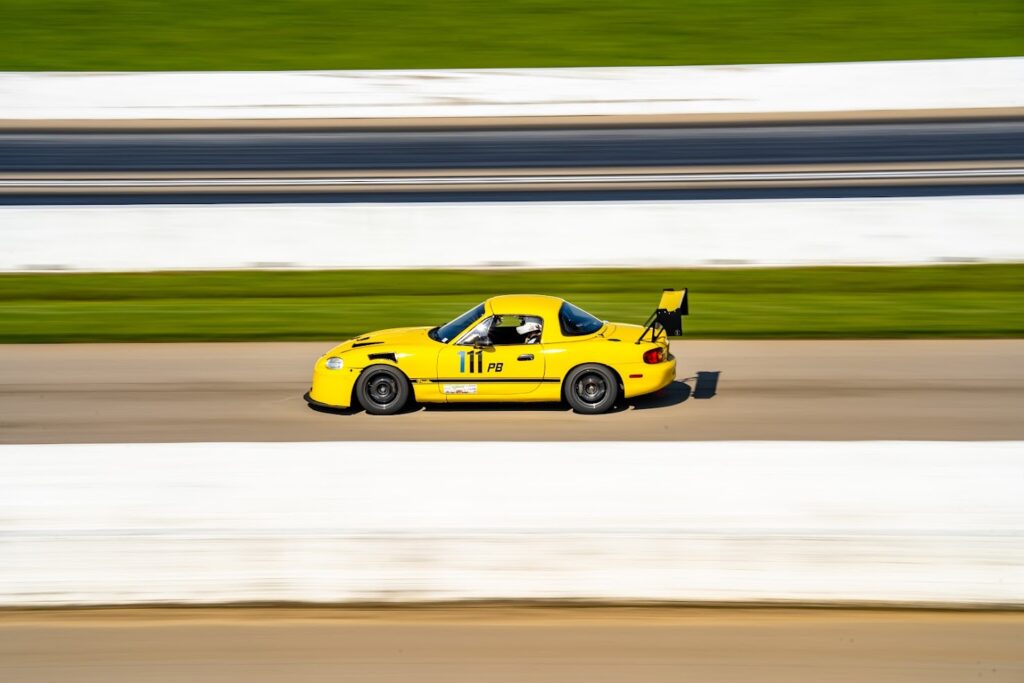
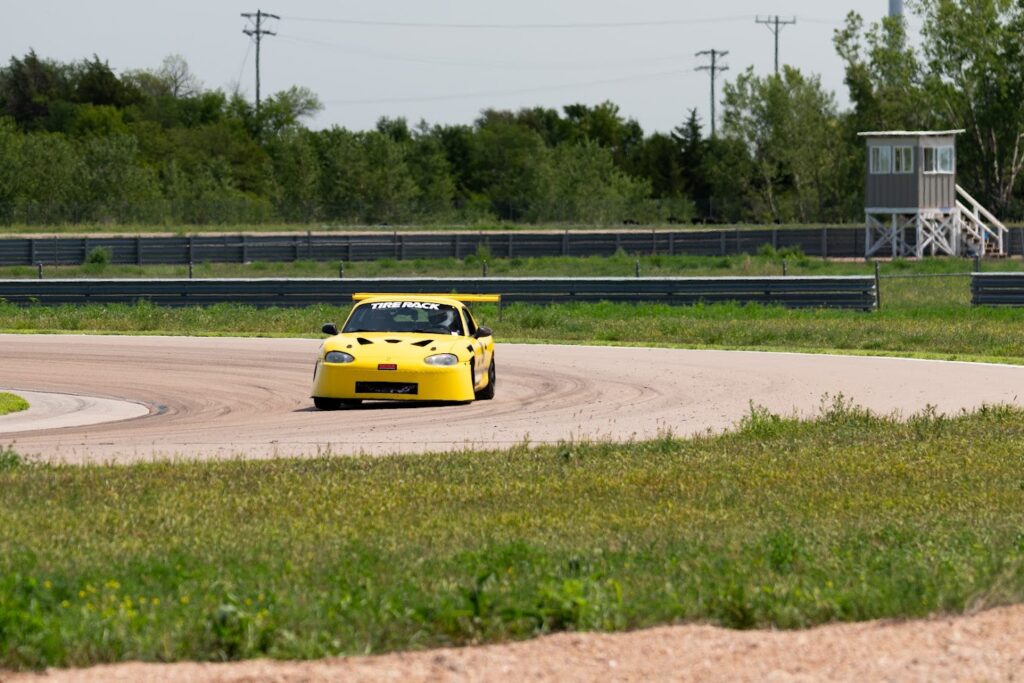
May 2023 marked the vehicle’s debut at the SCCA Time Trials event hosted at Heartland Motorsports Park in Topeka, Kansas. Competing on a newly adopted tire strategy—transitioning from Hankook RS4 endurance compounds to a quicker 225/45R15 Falken RT660 setup mounted on 15×9-inch wheels—the driver focused on acclimating to the 2.5-mile road course layout.
However, the event carried historical significance beyond mere lap times. At the conclusion of the 2023 motorsport season, Heartland Motorsports Park ceased operations entirely following protracted legal and financial disputes involving property tax delinquencies by the facility’s ownership. The subsequent auctioning of individual parcels cast a pall over the regional racing community, permanently removing a premier venue from the Midwestern track-day circuit and underscoring the precarious economic reality facing grassroots motorsport facilities across the United States.
Chassis Configuration and Structural Weight Shedding
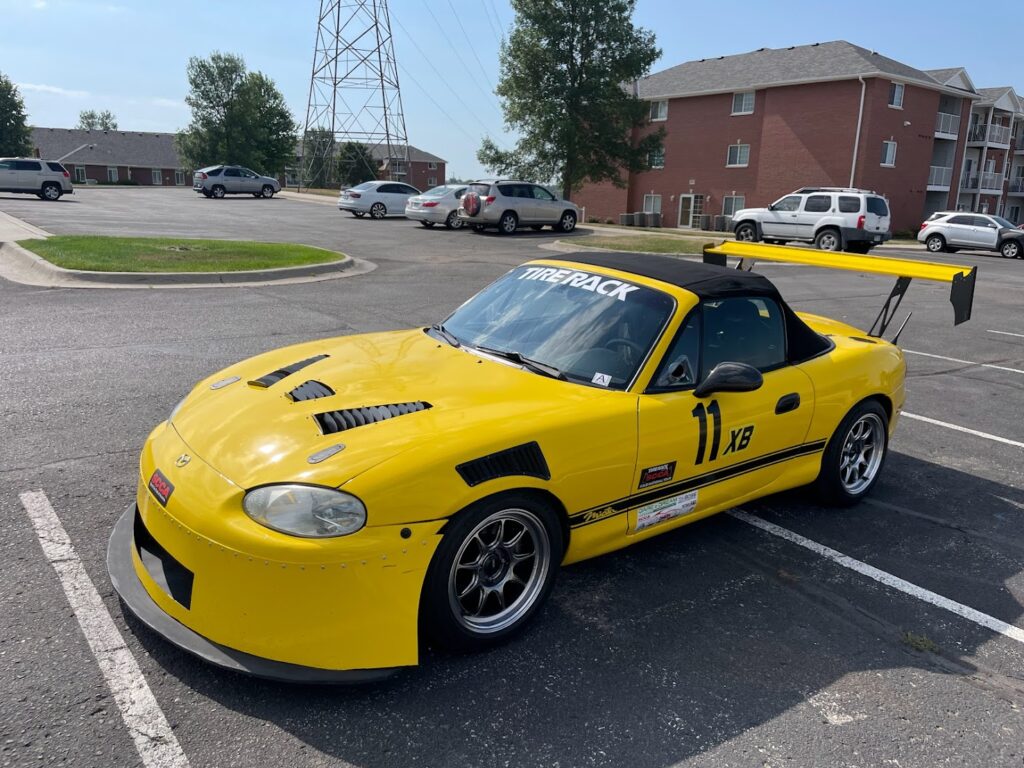
As the season progressed into June, empirical testing revealed a distinct operational synergy between the recently installed rear wing and the vehicle’s roof configuration. Data analysis indicated that maximum aerodynamic efficiency—specifically, quantifiable downforce generation—required the structural rigidity and boundary-layer management of a hardtop. While the vehicle still generated downforce in a topless configuration, the reduction in efficiency was deemed unacceptable for competitive Time Trials use.
Consequently, a definitive weight-reduction initiative was executed: the complete removal of the fabric soft top mechanism. Given that the vehicle was destined to operate primarily with a hardtop installed, shedding the weight of the folding assembly yielded measurable mass savings. An ancillary benefit of the soft-top deletion was enhanced cabin packaging space and unhindered physical access to the fuel pump assembly from within the cockpit, eliminating the need to uninstall the hardtop for routine fuel system maintenance.
Mid-Season Mechanical Tribulations: Clutches and Drivetrain Reliability
Motorsport participation inevitably accelerates mechanical wear, a reality underscored in July 2023 prior to an expedition to Ozarks International Raceway in Curryville, Missouri. On the transit drive to a local autocross event, clear indicators of clutch slippage manifested within the drivetrain. While the existing organic performance clutch was capable of completing the weekend’s competition, diagnostic evaluation confirmed that replacement was unavoidable.
The root cause of premature clutch failure in high-output track-prepared Miatas remains a subject of ongoing debate among engine builders, with variables ranging from minor rear main seal weepage and improper thermal break-in procedures to the thermal saturation of organic friction materials under severe racing conditions. Due to strict scheduling constraints—requiring transport to Ozarks International Raceway the following weekend—sourcing a specialized heavy-duty motorsport clutch proved logistically impossible.
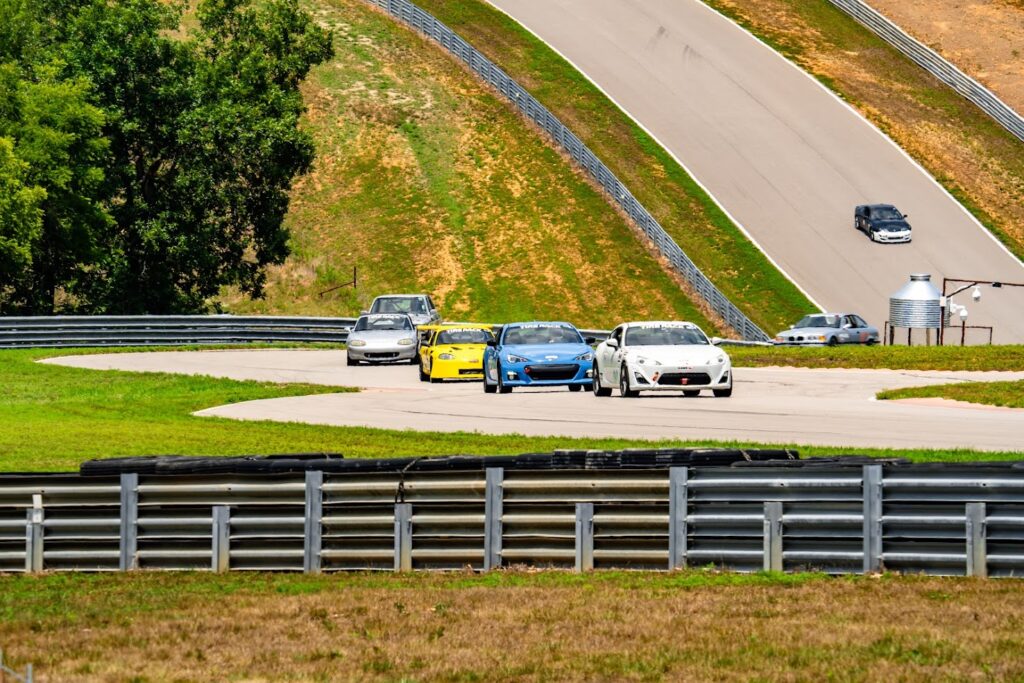
A temporary, readily available generic parts-store organic clutch was procured, installed, and rapidly bedded-in to ensure vehicle readiness. Despite the temporary nature of the driveline component, the vehicle successfully navigated the undulating topography of Ozarks International Raceway. Characterized by blind apexes, aggressive elevation changes, and minimal run-off areas with concrete barriers situated within feet of the tarmac, the circuit demanded immense psychological discipline. The driver methodically shaved seconds off cumulative lap times across each session, validating the chassis setup while respecting the severe risk profile of the venue.
Circuit Progression: Motorsports Park Hastings and Hallett Motor Racing Circuit
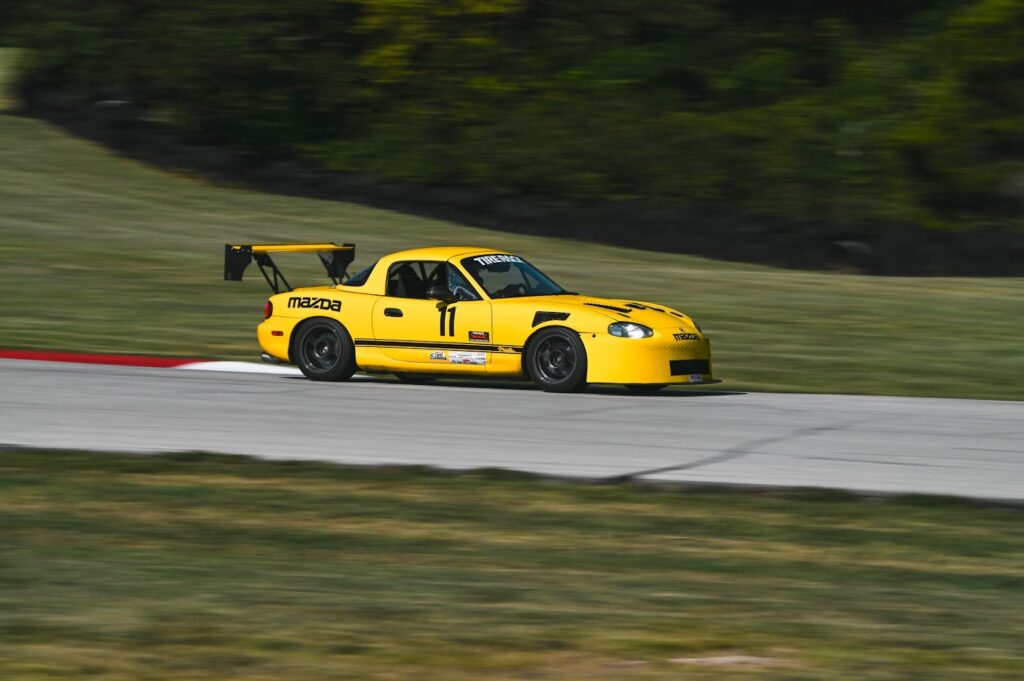
August 2023 brought return visits to Motorsports Park Hastings in Nebraska, where the NB Miata established a personal best lap time of 1:42.78. Contextualized against NASA Spec Miata lap records (standing at approximately 1:40.415) and Time Trials classifications (TT6/TT5 benchmarks at 1:39.625 and 1:34.110, respectively), significant performance potential remained untapped. Telemetry and driving analysis suggested that major time gains were concentrated in Turn 3—a high-speed right-hand sweeper historically associated with the aforementioned splitter destruction earlier in the season. Theoretical modeling indicated the corner could be negotiated at full throttle without braking, representing the psychological threshold separating amateur track-day drivers from seasoned time-attack competitors.
In September, the vehicle traveled to Hallett Motor Racing Circuit in Jennings, Oklahoma, for the annual "Miatas at Hallett" event. The circuit offered a unique operational format, running counter-clockwise on day one and clockwise on day two. Unlike the punishing topography of Ozarks International Raceway, Hallett presented a more forgiving technical layout characterized by moderate elevation changes, visible apexes, and adequate runoff zones.
Crucially, September also marked the integration of a driver cooling system—specifically, a Cool Shirt personal cooling apparatus. Operating via a circulating pump driven by a dedicated ice-water reservoir connected to a specialized garment lined with capillary tubing, the system addressed a critical safety and performance metric: cockpit thermal fatigue. In competitive motorsport environments, ambient temperatures combined with mandatory fire-retardant safety gear frequently induce heat exhaustion, impairing cognitive function and motor reflexes. The implementation of active liquid cooling proved transformative for driver endurance during high-ambient-temperature events.
Engine R&D: Evaluation and Rebuilding of the BP4W and BP6D Powerplants
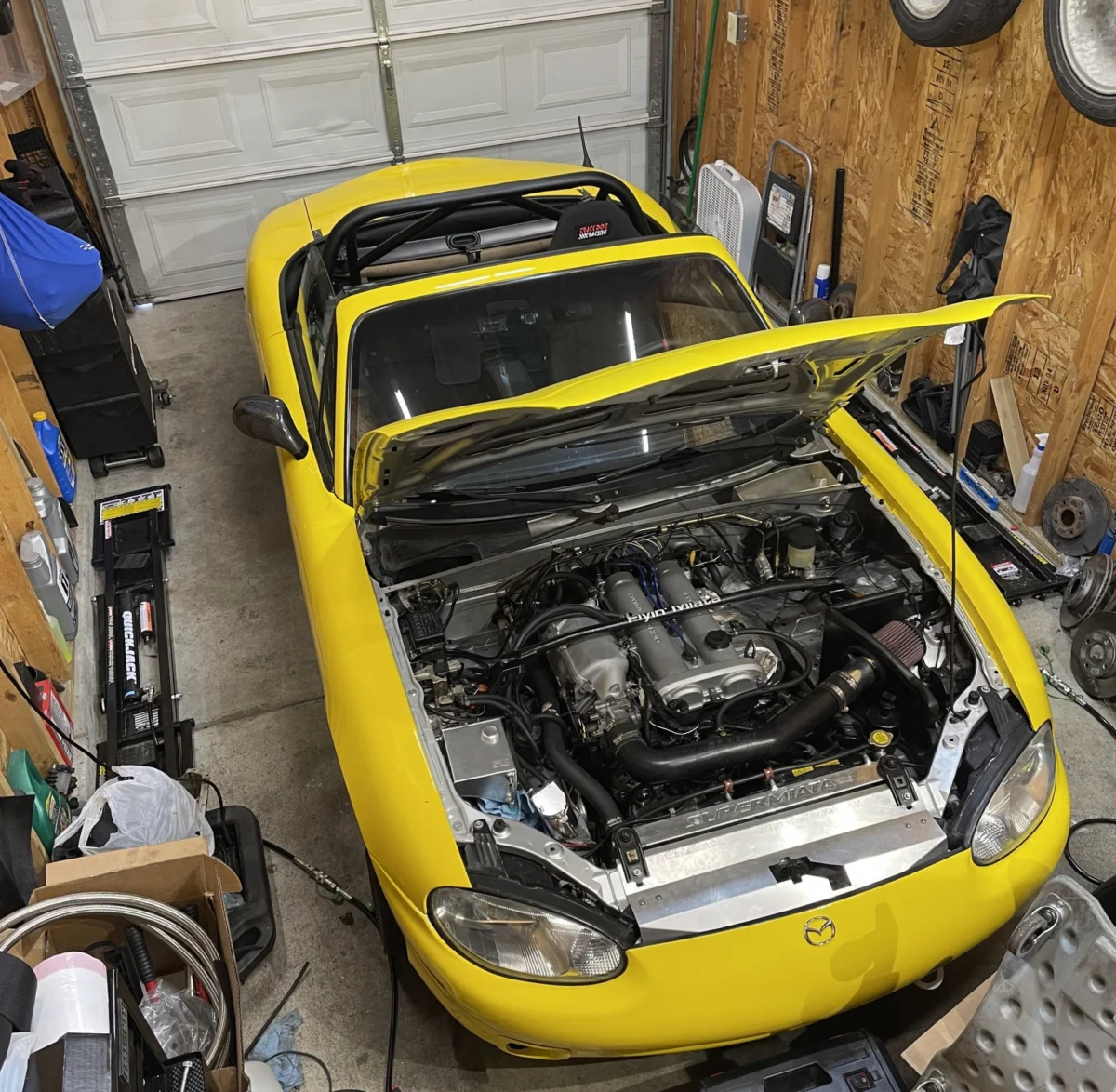
Under the hood, the vehicle retained its factory-original unopened BP4W engine. While fortified with reliability modifications—including fresh gaskets, a Boundary Engineering high-flow oil pump, a system-wide coolant reroute kit, upgraded valve springs, and an exhaust-cam-to-intake-cam ("Exhintake") timing swap—the high-mileage block exhibited classic symptoms of advanced wear, including notable oil consumption at high RPM and aggressive exhaust smoke during warm engine deceleration.
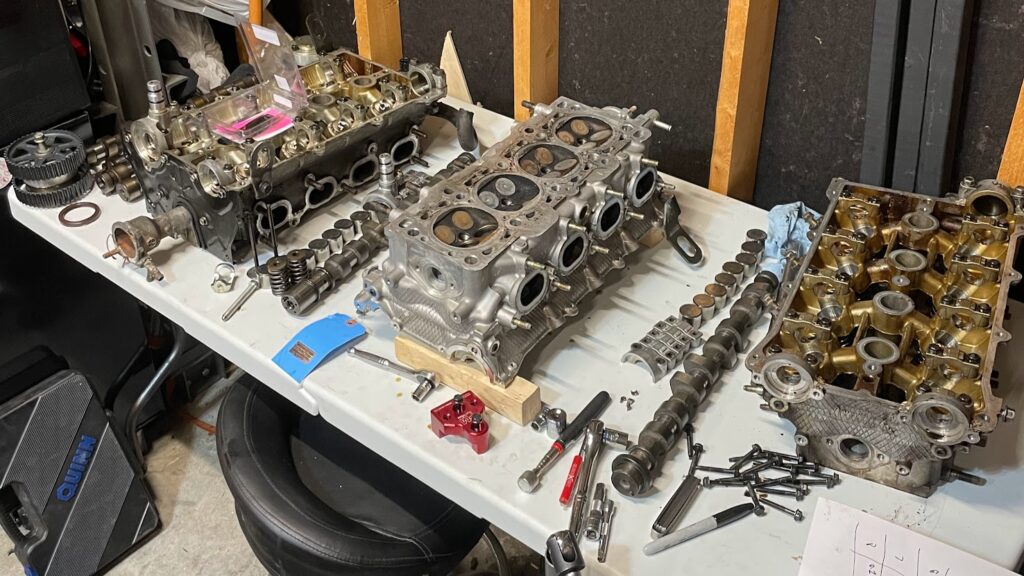
To hedge against catastrophic engine failure, a multi-year acquisition strategy had yielded two spare BP4W motors, one spare BP6D motor, and an additional loose BP6D cylinder head. Comprehensive metallurgical and dimensional analysis of these spare powerplants formed a major technical focus of the late-season garage work.
Inspection of the primary spare BP4W revealed severe valvetrain distress: negative valve clearance, heavily worn valve seats, and missing metallurgical material on several exhaust valves. Conversely, the rotating bottom end exhibited sound structural integrity, suggesting a rebuild centered around a reconditioned cylinder head was viable. Concurrently, a recently acquired BP6D motor underwent professional machine shop evaluation. While the block was dispatched for chemical cleaning, cylinder honing, and decking, the cylinder head was subjected to a complete competition-grade rebuild.
Faced with turnaround delays from external machine shops, a hybrid mechanical strategy was executed at home: the original BP4W bottom end was refreshed with a basic hone and cleaning, paired with the newly rebuilt BP6D cylinder head and high-compression BP6D pistons, ensuring a reliable powerplant was ready for the upcoming developmental cycle.
Winter Modifications: Mass Reduction, Wiring Remediation, and Ergonomic Enhancements
The conclusion of the active competition season occurred on November 12, 2023, following a final regional autocross event. True to seasonal form, the vehicle was placed into winter storage on Black Friday, mirroring the protocol established in 2022. Statistical analysis of the 2023 campaign revealed a heavy utilization curve: the vehicle completed 15 autocross events (utilizing Bridgestone RE71-RS tires across approximately 70 competitive runs) and 15 track days (predominantly on Falken RT660 tires accumulating roughly 8.5 hours and 38 heat cycles). Despite this grueling usage, tire degradation remained within acceptable performance windows, setting the stage for prospective testing on more aggressive compounds—such as Yokohama A052s for autocross and Nankang CRS v2s for track duty—in the subsequent season.
Winter operations centered strictly on the perennial motorsport engineering mandate: power-to-weight optimization. SCCA Time Trials classes operate on strict power-to-weight ratios. Lacking the financial capital to implement forced induction (turbocharging or supercharging) to artificially inflate horsepower figures, competitive parity within the class necessitated aggressive mass reduction.
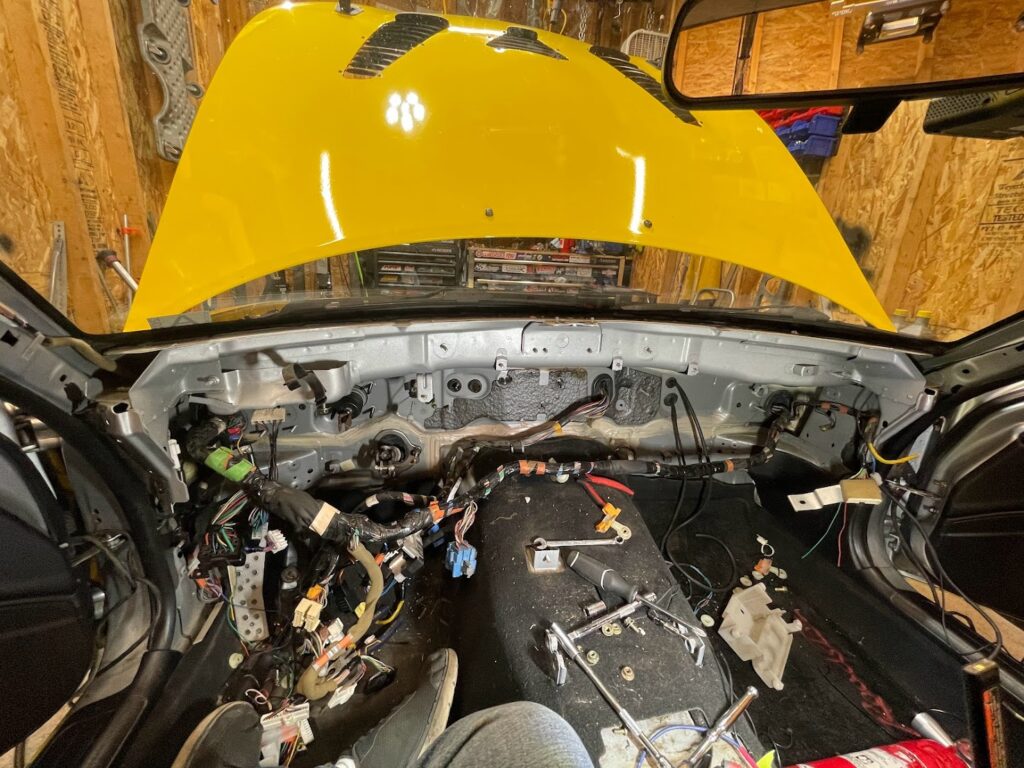
A systematic interior and chassis weight-reduction protocol during December 2023 targeted redundant wiring harnesses, dashboard reinforcement structures, and non-essential body brackets. This exhaustive program successfully excised approximately 50 pounds of dead weight from the chassis. While insufficient to vault the vehicle to the absolute front-running tier of its class without additional power, the weight loss provided a valuable baseline adjustment that allowed precise ballast placement for optimal corner-weight distribution.
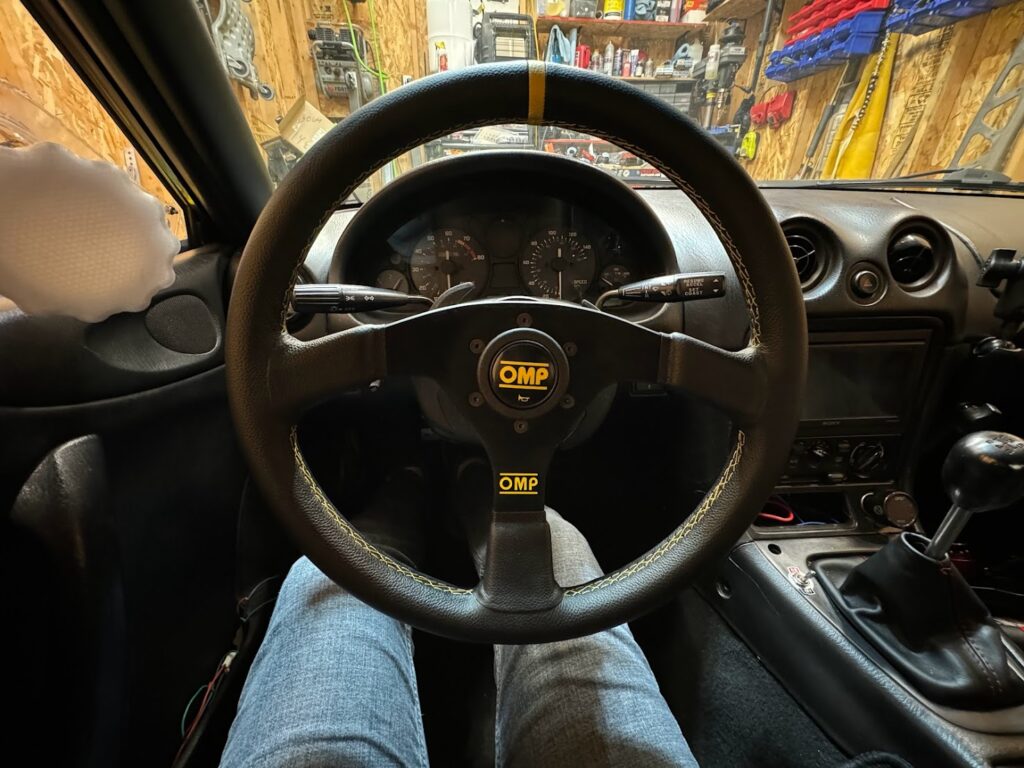
Continuing into January 2024, the driver addressed cabin ergonomics through the installation of a quick-release steering wheel mechanism coupled to a flat 330mm OMP steering wheel. While the factory steering wheel retained the supplemental restraint system (airbag) for street driving, the transition to a dedicated trailer-transport logistics model rendered the airbag redundant. The quick-release hub offered dual advantages: vastly improved ingress and egress clearance around the fixed-back competition seat, and enhanced physical access to the lower steering column and footwell during paddock servicing. Furthermore, the aftermarket assembly yielded a minor net weight reduction compared to the heavy factory steering column assembly.
The winter overhaul concluded in February 2024 with the design and fabrication of a permanent, chassis-mounted bracket for the Cool Shirt cooling system. Previously secured via temporary nylon ratchet straps looped over the passenger seat—an arrangement that necessitated removing the cooling system whenever a passenger was present—the new system utilized structural aluminum angle stock joined via Alumaweld brazing rods. Bolted securely to the floorpan of the trunk, the custom bracket provided a rigid, structurally sound, and lightweight retention solution at a fraction of the cost of commercial alternatives.
Implications and Future Outlook
Evaluating the trajectory of the NB Mazda Miata after three continuous years of intensive ownership reveals a mature amateur motorsports project. Rather than undergoing radical cosmetic or experimental engine modifications during the 2023 campaign, the build transitioned toward functional reliability, logistical optimization, and micro-tuning of chassis dynamics.
With a proven track record encompassing 30 combined competitive events across five distinct states, the vehicle currently operates as a highly refined momentum car. While the temptation of forced induction remains a logical long-term horizon for addressing straight-line acceleration deficits within its Time Trials class, the immediate focus remains on driver development, suspension tuning, and maintaining mechanical integrity. As grassroots motorsport faces mounting infrastructure challenges—evidenced by the permanent closure of facilities like Heartland Motorsports Park—the resilience of independent builders and privateer competitors remains the foundational lifeblood of regional racing culture.